
The Hidden Secrets Behind Wine Pricing: What Really Determines Quality and Cost
Affiliate Disclosure: Some links on Fine Wine World are affiliate links, meaning we may earn a paid commission if you click through and make a purchase — at no extra cost to you. Affiliate programs use cookies to track commissions, which may collect personal data. You can read more about how we handle your data in our [Privacy Policy]. We only recommend products we genuinely trust.
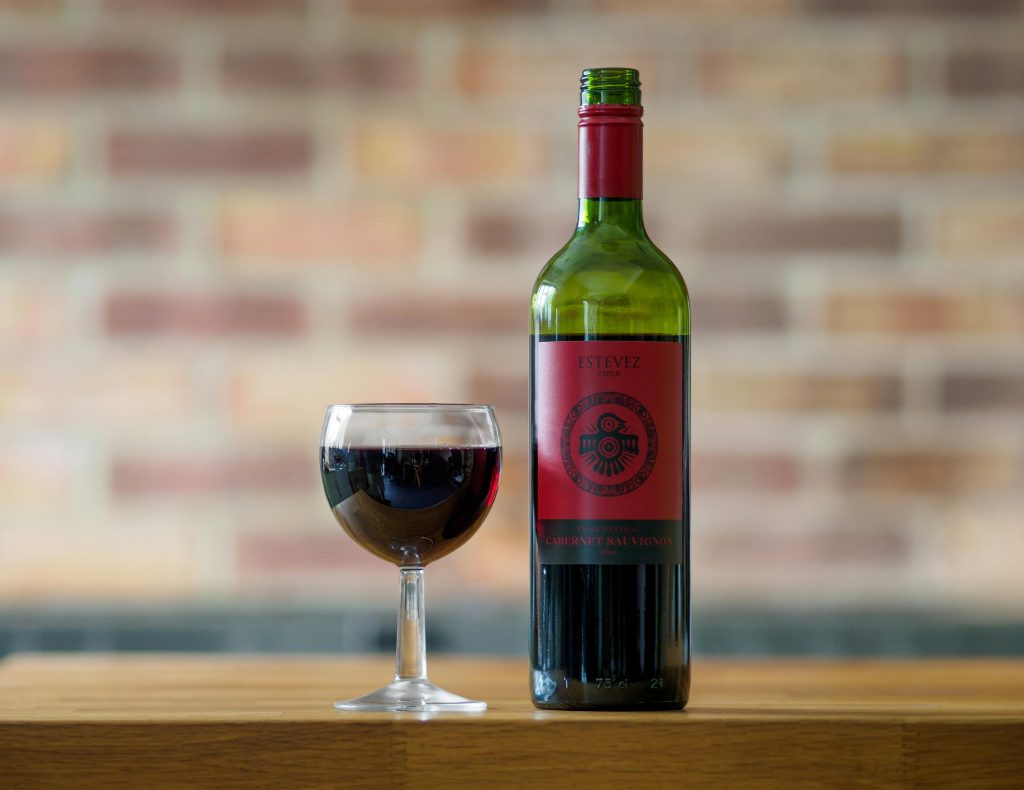
Picture this: you're standing in the wine aisle, staring at two bottles of Cabernet Sauvignon. One costs $15, the other $150. They look similar, both have fancy labels, and you're wondering what on earth justifies that massive price difference. If this sounds familiar, you're not alone. Understanding what affects the price of wine and what makes a wine truly high quality can feel like decoding a secret language, but it doesn't have to be complicated.
Whether you're building your personal collection, searching for the perfect gift, or simply want to make smarter purchasing decisions, knowing the factors behind wine pricing and quality will transform how you shop for wine. Let's dive into the fascinating world of wine economics and discover what really makes that bottle worth your hard-earned money.
The Foundation of Great Wine: Understanding Terroir
When wine experts talk about what makes a wine high quality, they often start with terroir – a fancy French word that basically means “a sense of place.” But what does this actually mean for your wallet?
Terroir encompasses everything about where grapes are grown: the soil composition, climate, altitude, rainfall, and even the angle of the hillside. Think of it as wine's address – and just like real estate, location matters enormously.
Consider Burgundy, France, where tiny vineyard plots can sell for millions of dollars per hectare. The limestone-rich soil and specific microclimate create conditions that simply can't be replicated elsewhere. This exclusivity drives up both quality and price. When you buy a bottle from a premier Burgundy vineyard, you're paying for centuries of proven excellence and geographic uniqueness.
But terroir isn't just about famous regions. A winemaker in Oregon's Willamette Valley might charge premium prices because their specific hillside gets the perfect amount of morning fog and afternoon sun. These environmental factors directly influence grape quality, which translates to wine quality, which ultimately affects pricing.
Climate's Role in Quality and Cost
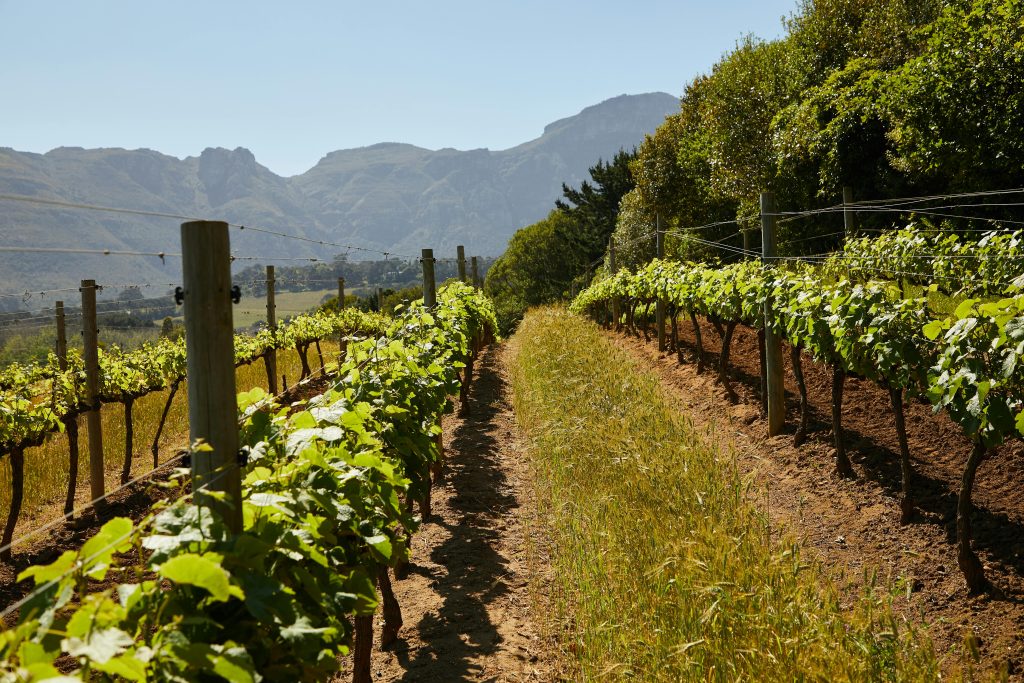
Weather patterns play a huge role in determining both wine quality and vintage pricing. A perfect growing season with ideal rainfall, temperature, and sunshine produces exceptional grapes, leading to higher-quality wine that commands premium prices. Conversely, challenging weather years might result in lower yields or less optimal fruit, affecting both quality and market value.
This is why vintage matters so much when considering wine quality vs price. Some years are simply better than others, and the market reflects this reality in pricing.
The Human Touch: Winemaking Techniques
That Impact Value
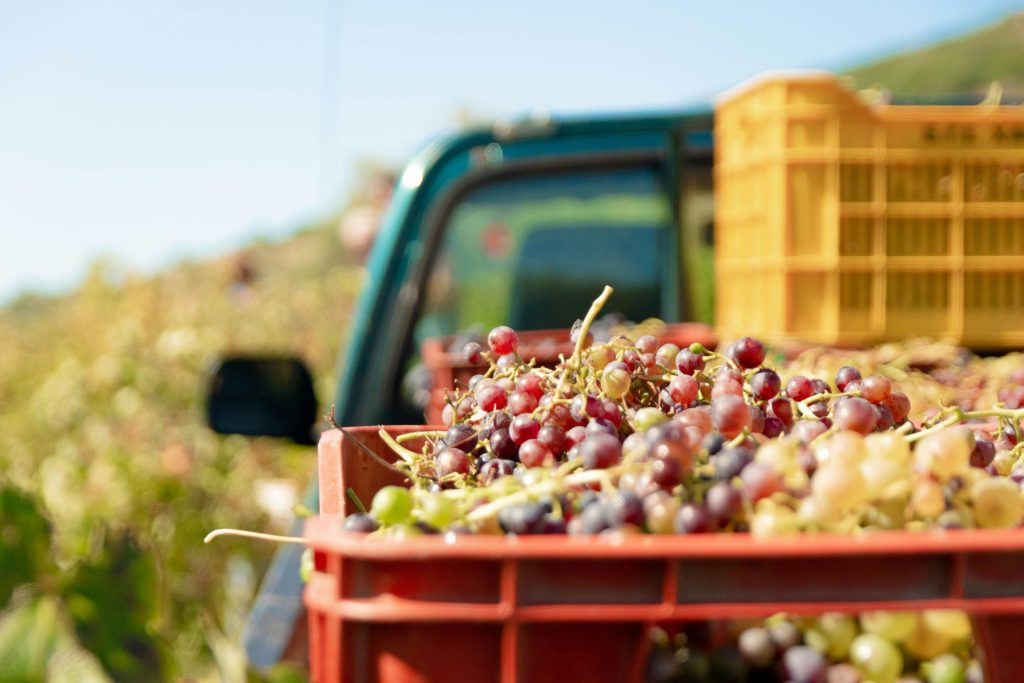
Great grapes are only half the story. How those grapes are transformed into wine significantly influences both quality and cost. Let's explore the key winemaking decisions that affect your final purchase price.
Traditional vs. Modern Methods
Many expensive wines rely on time-honored techniques that require more labor and patience. Hand-harvesting grapes costs significantly more than machine harvesting, but it allows for careful selection and gentler handling of the fruit. Premium wineries often sort grapes multiple times, discarding anything that doesn't meet their standards – a costly process that improves quality but increases production expenses.
Fermentation choices also impact pricing. Wild yeast fermentation, preferred by many high-end producers, takes longer and involves more risk than using commercial yeasts. The process requires constant monitoring and expertise, driving up production costs that get passed on to consumers.

Oak Aging and Time Investment
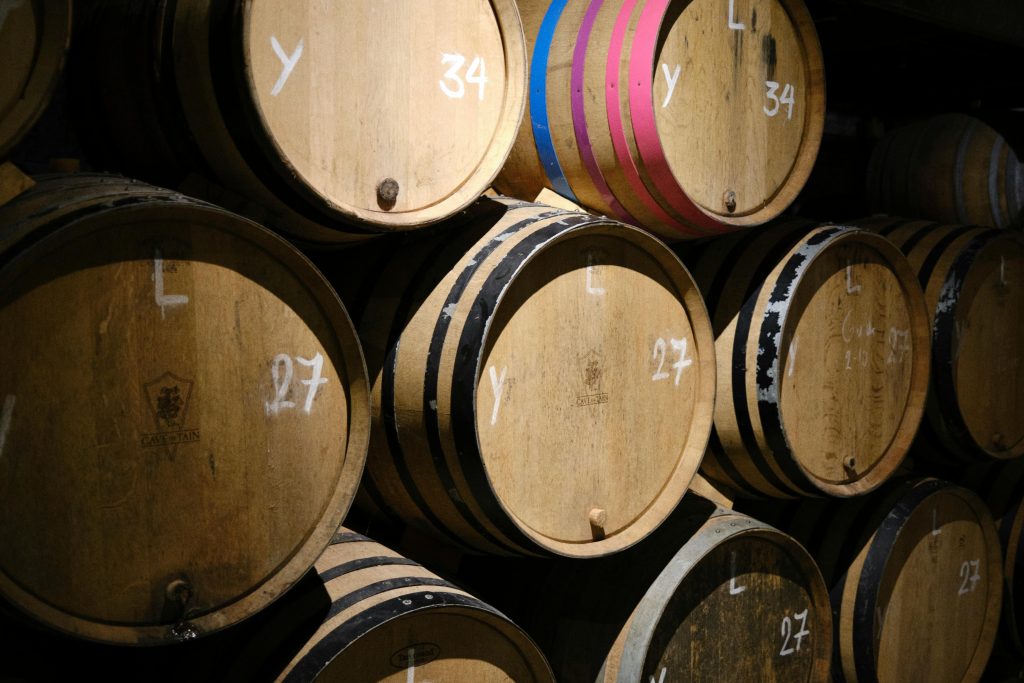
One major factor in why fine wine is expensive involves aging processes. Premium wines often spend months or years in oak barrels, which aren't cheap – a single French oak barrel can cost $1,000 or more. The wine ties up cellar space and capital during aging, and not all barrels produce exceptional results.
Some wines undergo extended aging on their lees (dead yeast cells), requiring regular stirring and monitoring. These labor-intensive processes contribute to wine complexity and quality but significantly increase production costs.
The Numbers Game: Production Scale and Exclusivity
How wine quality is determined often relates directly to production volume. Small-batch, artisanal producers face higher per-bottle costs than large commercial operations, but they can often achieve higher quality through attention to detail.
Limited Production Economics
Boutique wineries producing 500 cases annually have vastly different economics than operations producing 50,000 cases. Fixed costs like equipment, facilities, and labor get spread across fewer bottles, naturally increasing per-unit costs. However, limited production often allows for more careful grape selection, smaller fermentation batches, and personalized attention that can enhance quality.
Scarcity also drives demand. When wine enthusiasts know only a few hundred bottles of a particular wine exist, prices naturally increase. This exclusivity factor explains why some cult California Cabernets or rare Champagnes command astronomical prices.
Brand Recognition and Market Positioning
Established wine regions and prestigious producers benefit from decades or centuries of reputation building. A bottle from Château Margaux commands premium pricing partly because of the château's centuries-long track record of excellence. Newer producers, regardless of quality, typically can't command similar prices until they establish market recognition.
This brand value component explains why wines from famous appellations often cost more than comparable quality wines from lesser-known regions. You're paying for both the liquid in the bottle and the reputation behind it.
The Age Factor: Why Older Wines Cost More
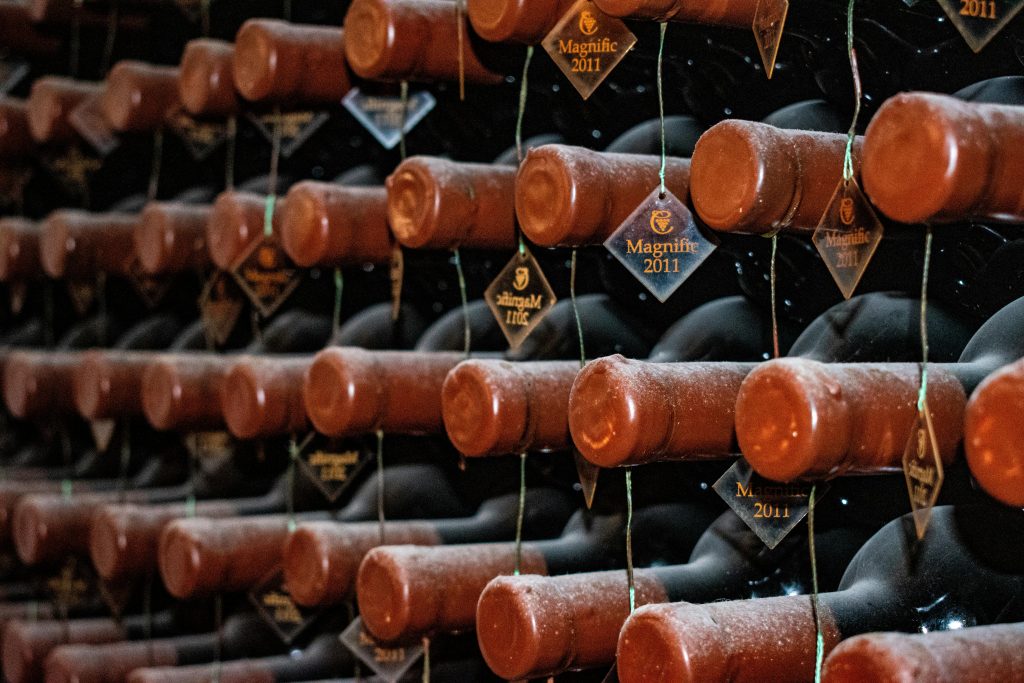
Understanding why do older wines cost more requires looking at both storage costs and quality development. Wine aging isn't just about letting bottles sit – it's an active investment requiring proper storage conditions, insurance, and inventory management.
Storage and Insurance Costs
Proper wine storage requires consistent temperature (usually around 55°F), appropriate humidity levels, and protection from light and vibration. Commercial storage facilities charge fees that accumulate over years or decades. Insurance costs protect against damage, theft, or spoilage. These ongoing expenses contribute to higher prices for aged wines.
Additionally, not all wines improve with age. Producers and retailers take risks when deciding which wines to age, as some bottles may deteriorate rather than improve. This risk factor gets built into pricing for successfully aged wines.
The Investment Perspective
For collectors and investors, aged wines represent both passion and potential profit. Rare vintages from exceptional years can appreciate significantly over time, creating a secondary market where prices far exceed original retail costs. This investment demand influences pricing across the entire fine wine market.
Making Sense of Wine Grading and Pricing
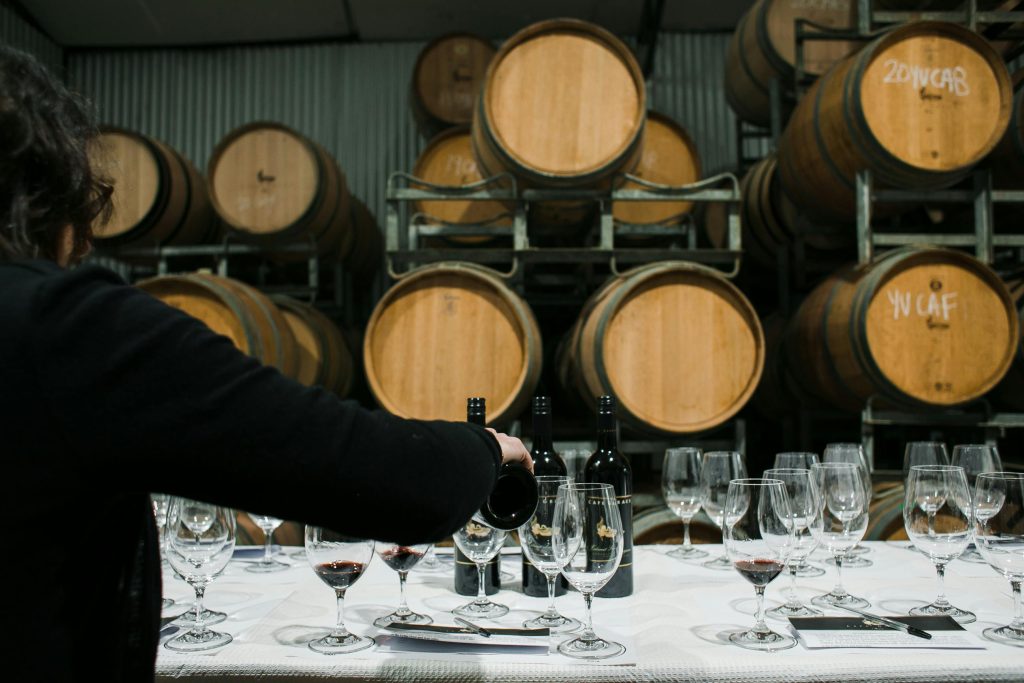
Wine grading and pricing systems help consumers understand relative quality and value, but these systems aren't perfect. Professional critics like Robert Parker or publications like Wine Spectator assign numerical scores that significantly influence market prices.

Critical Scores and Market Impact
A 95-point rating from a respected critic can immediately increase a wine's market value and retail price. Conversely, lower scores can make otherwise decent wines difficult to sell at premium prices. Understanding these rating systems helps explain price variations between similar wines.
However, remember that taste is subjective. A wine scoring 88 points might suit your palate better than a 94-point bottle costing twice as much. Professional ratings provide guidance, but personal preference should ultimately guide your purchasing decisions.
Value vs. Price Relationship
The question “does expensive wine taste better” doesn't have a simple answer. Price often correlates with quality, but the relationship isn't linear. A $50 bottle isn't necessarily five times better than a $10 bottle. Understanding diminishing returns helps identify sweet spots where quality meets reasonable pricing.
Smart Wine Buying Strategies
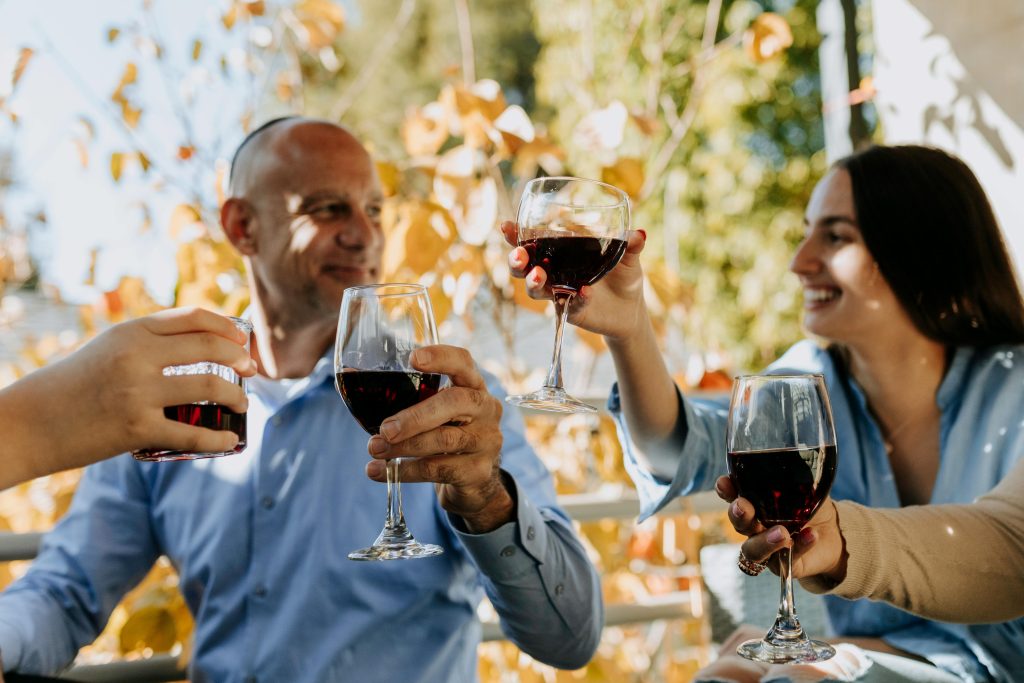
Armed with knowledge about factors that determine wine quality and pricing, you can make more informed purchasing decisions. Look for wines from reputable producers in good vintages from regions known for specific grape varieties. Consider lesser-known regions producing wines in similar styles to famous areas – you might discover excellent values.
Pay attention to production methods and aging processes when evaluating premium wines. Understand that some price premiums reflect genuine quality differences, while others might be driven by marketing or scarcity rather than superior winemaking.
Putting Your Wine Knowledge Into Practice
Understanding wine pricing is genuinely useful — but it's even more powerful when you can combine it with knowing what you actually like. If you're still getting your bearings, our beginner's wine guide helps you connect price points and regions to styles you'll enjoy rather than ones you think you should enjoy. And once you do find a bottle worth keeping, storing it correctly protects that investment — our wine storage & ageing guide covers everything from temperature to bottle orientation. For data on how prices shift over time on specific bottles, Wine-Searcher's market data tool is one of the most reliable free resources out there, used by collectors and casual buyers alike. The more context you have, the more confidently you'll spend.
Your Wine Journey Continues
Understanding what makes a wine worth buying involves balancing quality, price, and personal preference. The wine world offers incredible diversity, from everyday drinking wines to once-in-a-lifetime splurges. By understanding the factors behind pricing and quality, you'll make more confident choices whether selecting wines for personal enjoyment, special occasions, or gift-giving.
Remember that the best wine is ultimately the one you enjoy drinking, regardless of price or critical scores. Use your newfound knowledge as a guide, but trust your own palate as the final judge of value and quality.
