
Wine with Pasta: The Complete Pairing Guide
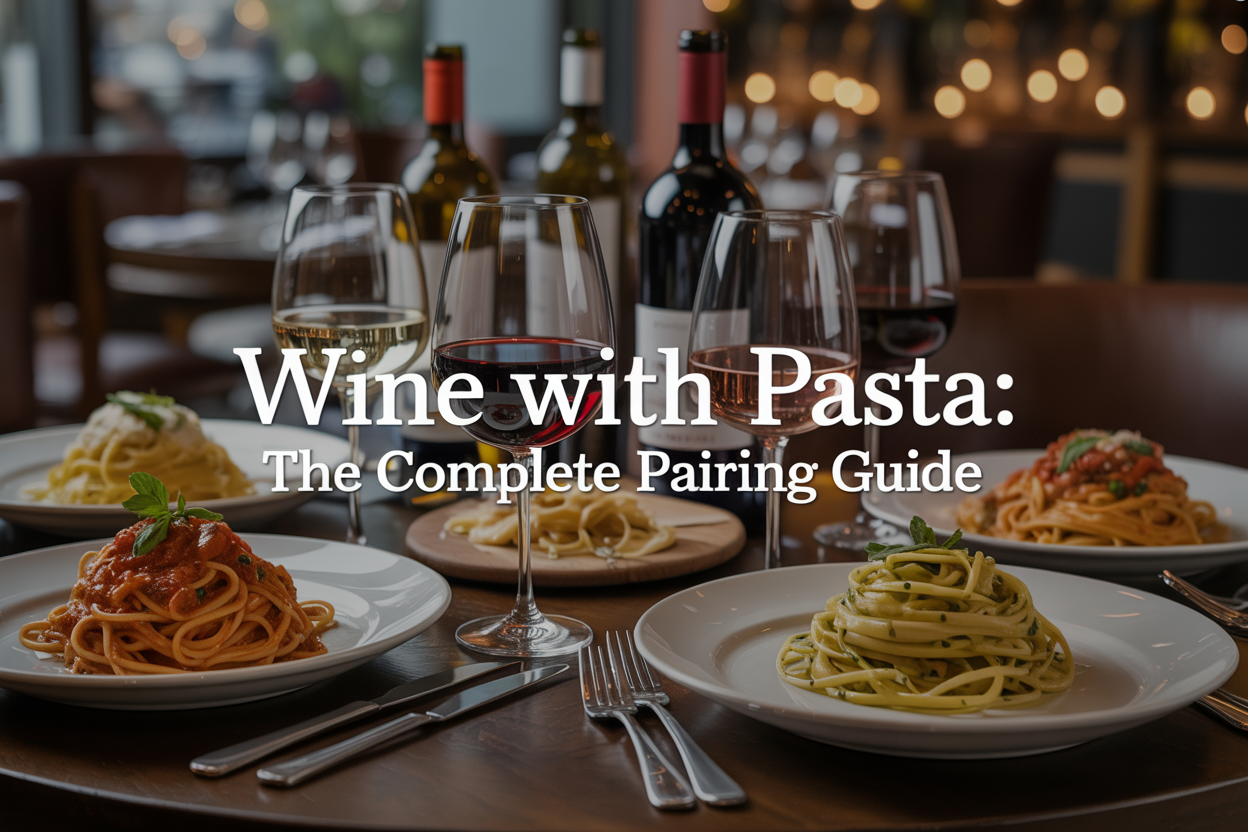

I've spent years perfecting my wine pasta pairing skills, and I'm excited to share everything I've learned about matching wines with different pasta dishes. This comprehensive pasta wine guide is designed for home cooks, wine enthusiasts, and anyone who wants to elevate their Italian dining experience at home.
My goal is to help you understand which wines work best with your favorite pasta recipes, from simple weeknight dinners to special occasion meals. I'll walk you through the essential principles of wine with pasta matching, so you can confidently choose bottles that complement rather than compete with your dishes.
In this guide, I'll cover the best wine selections for tomato-based sauces, where acidity plays a crucial role in balancing flavors. I'll also dive deep into cream pasta wine pairings, showing you how to match rich, luxurious sauces with wines that cut through the richness without overwhelming delicate flavors. Finally, I'll explore regional Italian wine and pasta combinations, helping you discover authentic pairings that have been perfected over centuries of Italian culinary tradition.
By the end of this pasta wine guide, you'll have the confidence to create memorable wine and pasta combinations that will impress your family and friends at every meal.
1. Master the Fundamentals of Wine and Pasta Pairing
Understand How Wine Acidity Complements Pasta Textures
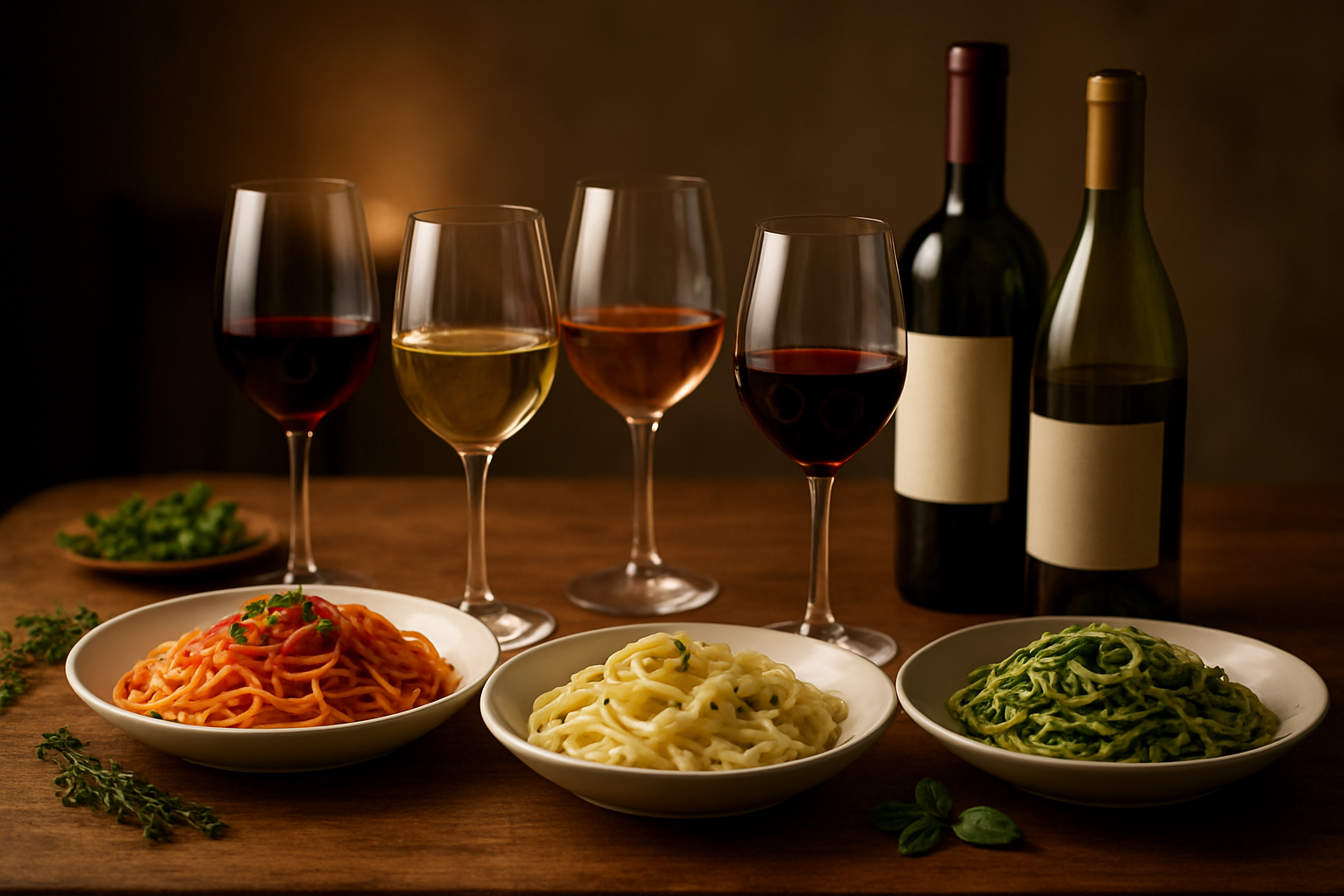
When I first started exploring wine pasta pairing, I discovered that acidity acts like a flavor bridge between wine and pasta dishes. High-acid wines cut through rich, oily sauces and cleanse my palate between bites, making each mouthful taste fresh and vibrant.
I've learned that pasta texture plays a crucial role in this pairing dance. Al dente pasta with its firm bite needs wines with crisp acidity to match that textural contrast. Think of how a bright Pinot Grigio works beautifully with perfectly cooked linguine – the wine's zesty character mirrors the pasta's satisfying texture.
For softer pasta preparations or when I'm working with delicate filled pastas like ravioli, I choose wines with moderate acidity. These wines won't overpower the subtle textures but still provide enough brightness to keep the pairing balanced.
My go-to acidic wines for pasta include:
-
Sangiovese – Perfect for tomato-based dishes
-
Sauvignon Blanc – Excellent with herb-infused pasta
-
Chianti – Classic choice for traditional Italian preparations
-
Vermentino – Great for seafood pasta combinations
Learn Why Wine Body Should Match Sauce Richness
Matching wine body to sauce richness has become my golden rule for successful pasta wine guide combinations. Light-bodied wines pair with delicate sauces, while full-bodied wines complement rich, hearty preparations.
I always consider the sauce's weight and intensity before selecting my wine. A delicate aglio e olio demands a light, crisp white wine that won't mask the subtle garlic and olive oil flavors. Conversely, a robust Bolognese sauce calls for a full-bodied red wine that can stand up to the meat's richness and complex flavors.
Here's my pairing framework:
| Sauce Weight | Wine Body | Best Examples |
|---|---|---|
| Light | Light-bodied | Pinot Grigio, Albariño |
| Medium | Medium-bodied | Chianti, Côtes du Rhône |
| Heavy | Full-bodied | Barolo, Cabernet Sauvignon |
I've noticed that mismatched wine and sauce weights create unbalanced pairings where either the wine or the food dominates. When I pair a heavy cream sauce with a light wine, the wine disappears completely. Alternatively, a powerful red wine overwhelms delicate herb sauces, masking their nuanced flavors.
The richness factor also includes ingredients like butter, cream, cheese, and meat. Each of these elements adds weight to the dish, requiring wines with corresponding body and structure to create harmonious wine with pasta combinations.

Discover How Tannins Interact with Different Pasta Ingredients
Tannins fascinate me because they create such dramatic interactions with pasta ingredients. These compounds, found primarily in red wines, bind with proteins and fats, which completely changes how I experience both the wine and the food.
I've discovered that tannins work exceptionally well with protein-rich pasta dishes. When I pair a tannic Cabernet Sauvignon with a meaty pasta sauce, the tannins bind with the meat proteins, softening the wine's astringency while enhancing the dish's savory qualities. This creates what I call a “flavor marriage” where both elements improve each other.
Cheese pasta wine pairing requires special tannin consideration. Hard, aged cheeses like Parmigiano-Reggiano actually complement moderate tannins beautifully. The cheese's protein content softens harsh tannins while the wine's structure cuts through the cheese's richness.
However, I avoid high-tannin wines with tomato-based sauces containing minimal protein. The acidity in tomatoes can make tannins taste bitter and unpleasant. Instead, I choose low-tannin reds or crisp white wines for these preparations.
My tannin-friendly pasta ingredients include:
-
Ground beef or lamb – Pairs with bold, tannic reds
-
Aged cheeses – Works with medium-tannin wines
-
Mushrooms – Complements earthy, moderate tannins
-
Pancetta or guanciale – Matches well with structured reds
For cream pasta wine pairings, I generally avoid high-tannin wines since dairy can clash with tannins, creating an unpleasant metallic taste. Light reds with soft tannins or white wines work much better with cream-based preparations.
2. Perfect Wine Matches for Tomato-Based Pasta Dishes
Choose Sangiovese for Classic Marinara and Arrabbiata
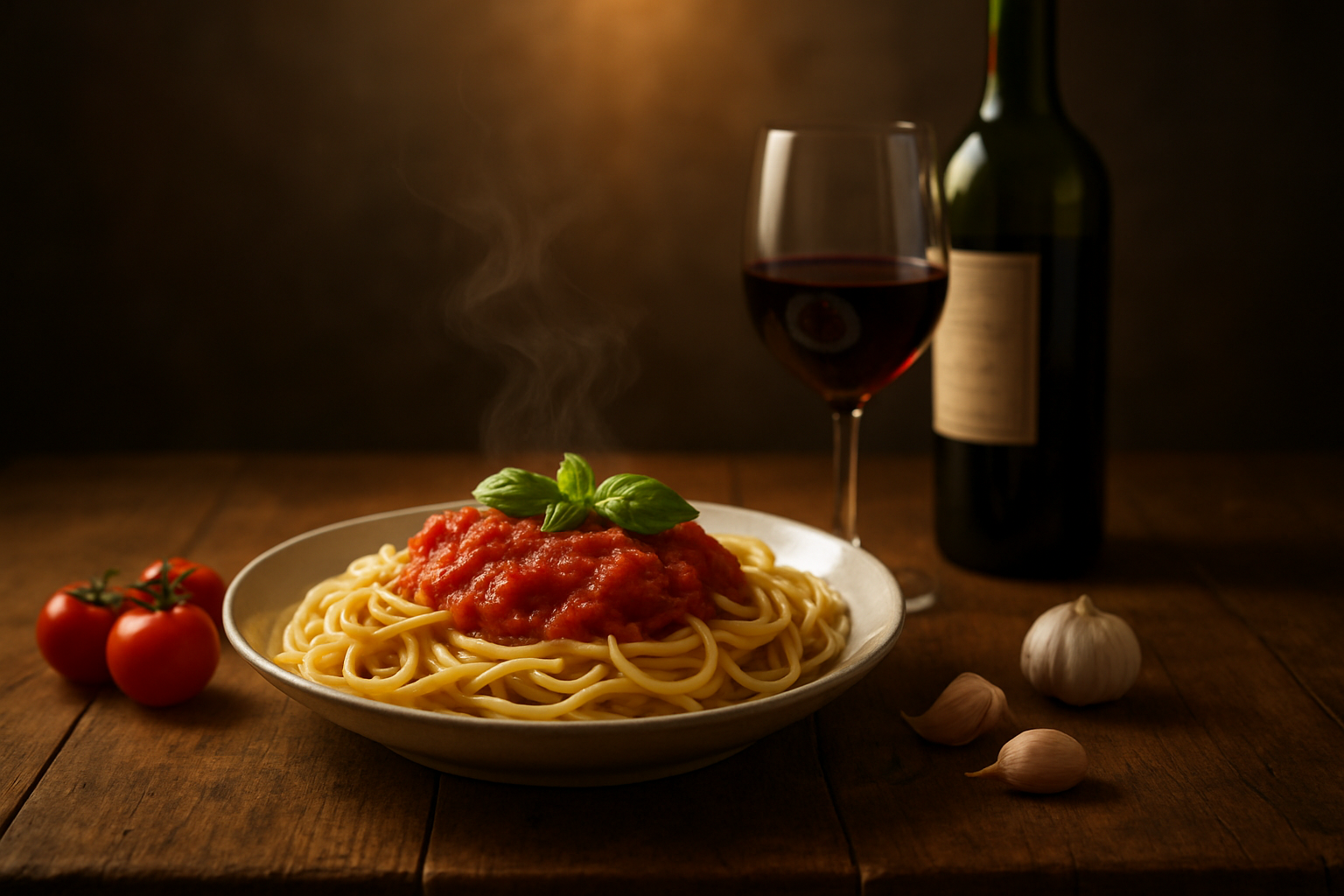
When I'm making a classic marinara or arrabbiata, Sangiovese becomes my go-to wine choice every single time. This grape's natural acidity mirrors the bright tomato flavors beautifully, creating what I call the perfect Italian harmony. Sangiovese brings moderate tannins that won't overpower the delicate herb notes in marinara, while its cherry and earthy undertones complement the garlic and basil perfectly.
For arrabbiata dishes, I find that Sangiovese's structure holds up remarkably well against the heat from red pepper flakes. The wine's acidity actually helps cool down the spice while maintaining the dish's vibrant character. I always recommend serving both the pasta and wine at proper temperatures – the Sangiovese slightly below room temperature and the pasta piping hot for optimal wine pasta pairing results.
Select Chianti Classico for Meat-Heavy Bolognese
My experience with Bolognese has taught me that Chianti Classico creates the most satisfying red wine pasta dishes combination. The wine's robust tannin structure stands up beautifully to rich ground beef, pork, and veal, while its characteristic cherry notes enhance the tomato base without competing with it.
What I love most about this Italian wine pasta combination is how the Sangiovese-based Chianti Classico's earthy undertones mirror the depth that develops during Bolognese's long simmering process. The wine's moderate alcohol content (typically 12.5-14%) prevents it from overwhelming the meat's savory richness, while its natural acidity cuts through the sauce's heaviness.
I always decant my Chianti Classico about 30 minutes before serving with Bolognese. This allows the wine to breathe and reveal its full complexity, creating layers of flavor that develop alongside each bite of the meat sauce.

Pick Barbera d'Alba for Spicy Puttanesca
Puttanesca demands a wine that can handle its bold, briny personality, and I've discovered that Barbera d'Alba rises to this challenge magnificently. This wine's high acidity level matches the intensity of olives, capers, and anchovies, while its lower tannin content prevents any clash with the dish's saltiness.
Barbera d'Alba's bright fruit character – think dark cherries and plums – provides a wonderful counterpoint to puttanesca's savory elements. I find that this tomato pasta wine pairing creates a beautiful balance where neither the food nor wine dominates the other. The wine's natural freshness also helps cleanse the palate between bites of this intensely flavored dish.
When I serve this combination, I make sure the Barbera d'Alba is served at cellar temperature (around 60-65°F) to maintain its vibrant acidity and prevent the alcohol from becoming too prominent against the pasta's robust flavors.
Opt for Montepulciano d'Abruzzo for Amatriciana
Amatriciana's combination of tomatoes, guanciale, and Pecorino Romano requires a wine with both power and finesse, which is exactly what Montepulciano d'Abruzzo delivers. This wine's medium to full body complements the rich pork fat from guanciale while its structured tannins provide the backbone needed to support the dish's intensity.
I particularly appreciate how this wine's dark fruit flavors – blackberry and cherry – enhance the sweet-savory balance that makes amatriciana so special. The wine's natural earthiness echoes the aged Pecorino Romano's complexity without overwhelming the tomato sauce's brightness. This pasta wine matching creates what I consider one of the most authentic regional Italian wine experiences.
My serving tip: I always grate fresh Pecorino Romano tableside and serve the Montepulciano d'Abruzzo in larger Burgundy-style glasses. This allows the wine's aromas to fully develop and creates the perfect setting for this classic Roman dish pairing.
3. Elevate Cream-Based Pasta
with Ideal Wine Selections
Pair Chardonnay with Rich Alfredo and Carbonara
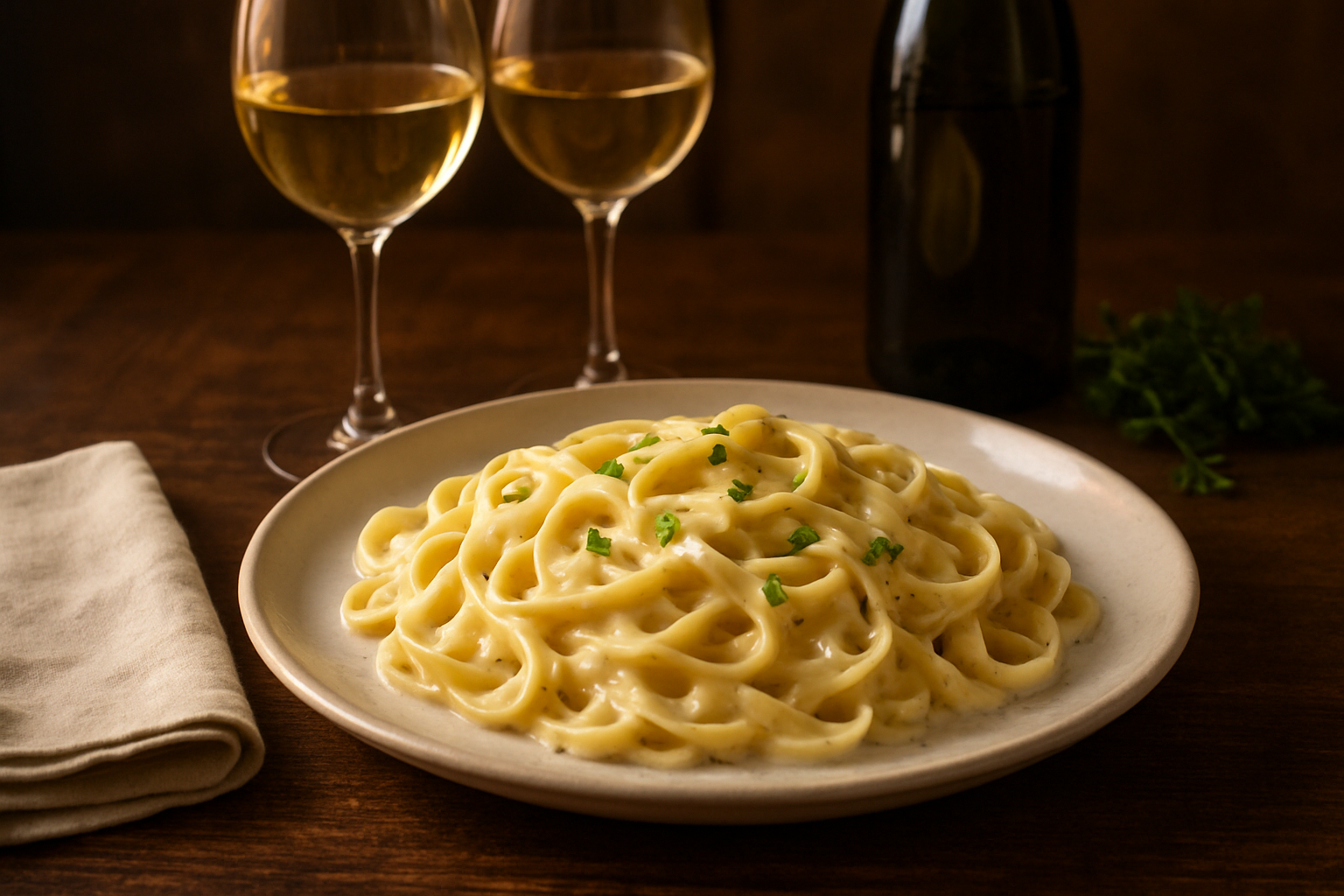
When I'm dealing with the richest cream-based pasta dishes, I always reach for a full-bodied Chardonnay. The buttery, oak-aged character of a well-crafted Chardonnay creates magic with Alfredo's heavy cream and parmesan combination. I've found that the wine's natural acidity cuts through the rich sauce beautifully, while its creamy texture mirrors the pasta's luxurious mouthfeel.
For carbonara, my go-to wine pasta pairing involves selecting Chardonnays with subtle oak influence. The egg yolks and pecorino cheese in traditional carbonara need a wine that won't overpower their delicate flavors. I prefer Burgundian-style Chardonnays or those from Sonoma Coast, as they offer the perfect balance of richness and restraint.
| Pasta Dish | Chardonnay Style | Why It Works |
|---|---|---|
| Fettuccine Alfredo | Full-bodied, oak-aged | Matches richness, cuts through cream |
| Carbonara | Medium-bodied, light oak | Complements eggs without overpowering |
| Chicken Alfredo | Crisp, unoaked | Refreshes palate between bites |

Match Pinot Grigio with Light Cream Sauces
My experience with lighter cream sauces has taught me that Pinot Grigio excels where heavier wines fail. When I'm serving pasta with delicate cream reductions or herb-infused light sauces, this white wine pasta pairing never disappoints. The wine's crisp acidity and mineral notes enhance rather than compete with subtle flavors.
I particularly love pairing Pinot Grigio with penne in light cream and mushroom sauce. The wine's clean finish allows the earthy mushroom flavors to shine while providing enough body to complement the cream element. For pasta primavera with light cream, I choose Pinot Grigios from Alto Adige or Friuli – their bright acidity perfectly balances the vegetable medley.
Best Pinot Grigio Pairings:
-
Pasta with light cream and herbs
-
Mushroom cream sauce dishes
-
Vegetable-forward cream preparations
-
Lemon cream pasta variations
Combine Soave with Seafood Cream Pastas
Soave represents one of my favorite discoveries in pasta wine matching tips, especially for seafood cream preparations. This Veneto white wine brings a perfect mineral backbone that enhances both the ocean flavors and creamy elements without overwhelming either component.
When I prepare linguine with clam sauce that includes cream, Soave's citrus notes and saline finish create an incredible harmony. The wine's medium body supports the dish while its acidity keeps each bite feeling fresh. I've also had remarkable success pairing Soave with lobster ravioli in light cream sauce – the wine's elegance matches the luxury of the ingredients.
For shrimp scampi with cream, I specifically choose Soave Classico. Its volcanic soil origins contribute a distinctive minerality that seems custom-made for shellfish. The wine's subtle almond notes on the finish complement the sweetness of properly cooked shrimp beautifully.
My regional Italian wine pasta combinations often feature Soave because it represents the Veneto region's mastery of seafood and wine pairing. The wine's versatility with different seafood preparations makes it an essential bottle for any cream pasta wine enthusiast.
4. Enhance Oil-Based and Herb-Driven
Pasta Preparations
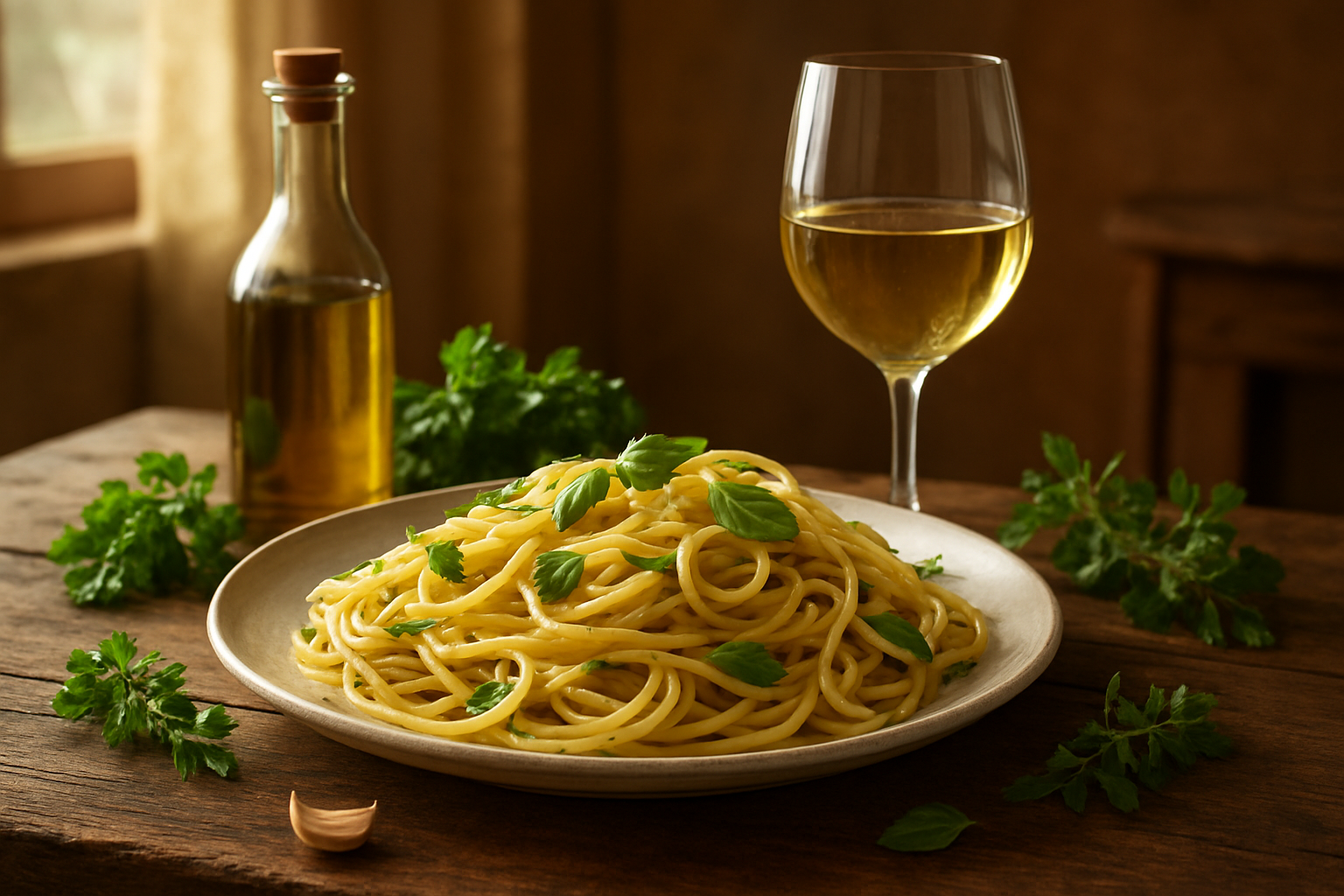
Select Sauvignon Blanc for Aglio e Olio and Pesto
When I'm working with the simplicity of aglio e olio or the vibrant green of fresh pesto, I reach for Sauvignon Blanc every time. This wine pasta pairing creates magic because the wine's crisp acidity cuts through the olive oil base while its herbaceous qualities complement garlic and basil beautifully.
For classic aglio e olio, I prefer a Loire Valley Sauvignon Blanc or a quality New Zealand bottle. The wine's citrus notes brighten the dish without overwhelming the delicate balance of garlic and olive oil. With pesto pasta, I love how Sauvignon Blanc's grassy undertones mirror the basil, creating a seamless flavor bridge.
My go-to bottles include:
-
Sancerre: Mineral-driven with perfect acidity
-
Marlborough Sauvignon Blanc: Tropical notes that enhance pine nuts in pesto
-
Pouilly-Fumé: Subtle smokiness that adds complexity
Choose Vermentino for Herb-Infused Light Sauces
Vermentino has become my secret weapon for herb-driven pasta preparations. This Italian white wine brings a Mediterranean soul that speaks the same language as fresh herbs like oregano, thyme, and rosemary.
I discovered this pairing while dining in Sardinia, where local Vermentino paired with spaghetti alle erbe changed my perspective on white wine pasta pairing. The wine's saline minerality and light body don't compete with delicate herb sauces – instead, they create harmony.
Perfect matches include:
-
Pasta with fresh herb oil and cherry tomatoes
-
Linguine with mixed Mediterranean herbs
-
Angel hair with lemon-herb butter sauce
Pick Albariño for Olive Oil-Based Seafood Pastas
Spanish Albariño transforms olive oil-based seafood pastas into coastal dining experiences. I've found this wine with pasta combination works because Albariño's natural affinity for seafood extends beautifully to pasta dishes featuring clams, mussels, or shrimp.
The wine's bright acidity and subtle stone fruit flavors complement both the brininess of seafood and the richness of good olive oil. When I'm making linguine alle vongole or spaghetti with garlic shrimp, Albariño elevates every bite.
Key characteristics that make this pairing work:
-
High acidity that cleanses the palate
-
Mineral backbone that echoes ocean flavors
-
Light body that won't overpower delicate seafood
Match Sancerre with Garlic and Herb Combinations
Sancerre represents the pinnacle of wine pasta pairing for garlic and herb-forward dishes. This Loire Valley Sauvignon Blanc brings sophistication to simple preparations while maintaining the authentic character that makes these pasta wine combinations so appealing.
I particularly love Sancerre with pasta dishes that feature roasted garlic, as the wine's mineral complexity balances the sweetness that develops during roasting. The wine's natural herbaceousness creates beautiful synergy with fresh parsley, sage, or mixed herb blends.
My favorite pairings include:
-
Cacio e pepe with added herbs
-
Garlic and parsley spaghetti
-
Orecchiette with roasted garlic and wild herbs
The key is choosing a Sancerre with enough weight to stand up to garlic's intensity while maintaining the freshness that keeps these light pasta dishes vibrant and appealing.
5. Navigate Cheese-Heavy Pasta Dishes
with Wine Expertise
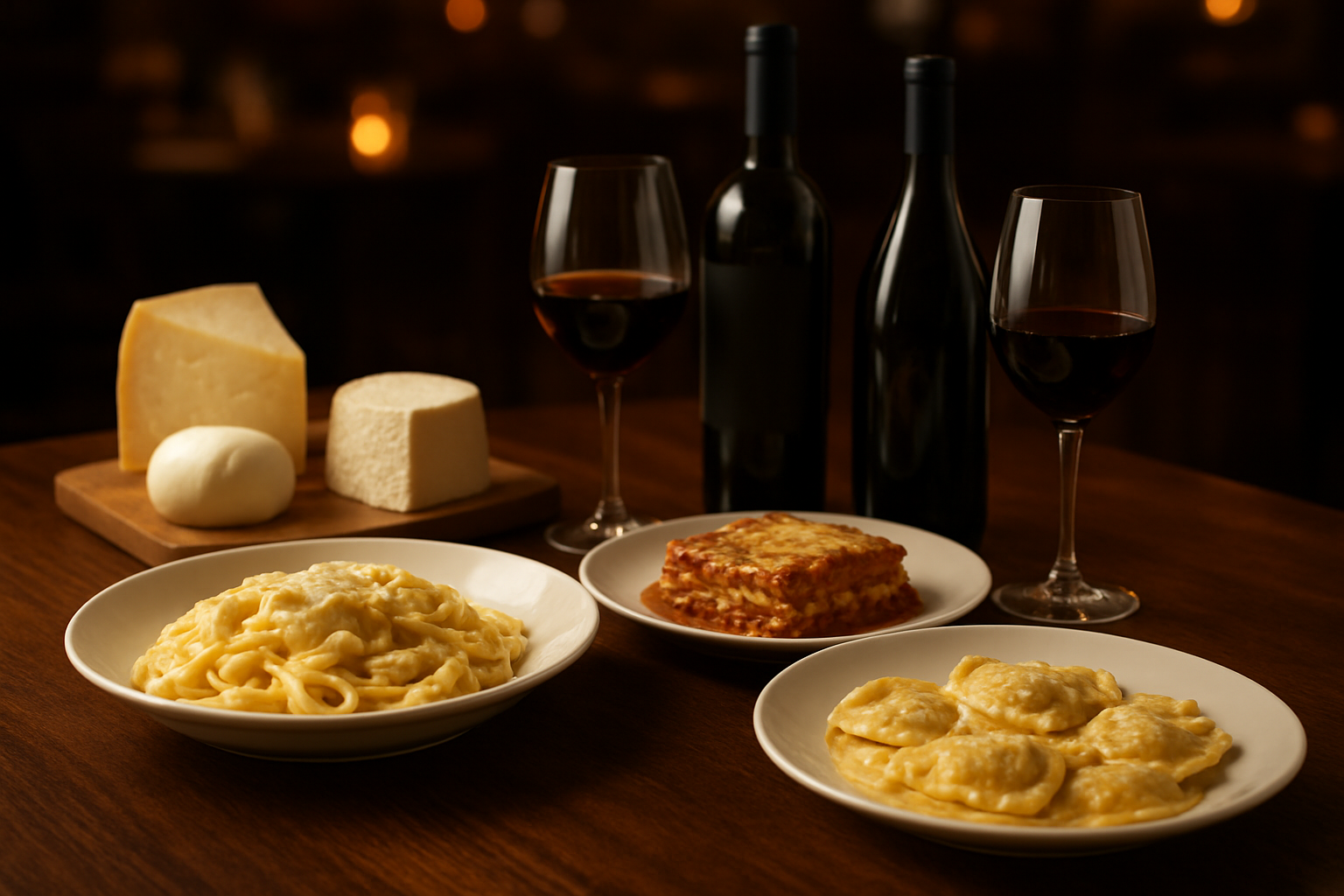
Pair Bold Reds with Four-Cheese and Gorgonzola Sauces
When I encounter a four-cheese pasta dish, my wine pairing strategy shifts toward bold, structured red wines that can stand up to the intensity of multiple cheese flavors. The richness of gorgonzola, especially, demands a wine with enough tannins and acidity to cut through the creamy, pungent sauce without being overwhelmed.
My go-to wine pasta pairing for these dishes is Barolo or Barbaresco – these Nebbiolo-based wines have the perfect combination of high acidity and robust tannins. The earthy undertones in these wines complement the funky, blue cheese notes beautifully. I've also found great success with Amarone della Valpolicella, whose concentrated fruit flavors and full body match the intensity of aged cheese combinations.
For a more accessible option, I recommend Sangiovese-based wines like Chianti Classico or Brunello di Montalcino. These wines offer the necessary backbone without overwhelming delicate pasta textures. The key is finding that sweet spot where the wine enhances rather than competes with the complex cheese flavors.
Select Gewürztraminer for Creamy Parmesan Dishes
My experience with creamy Parmesan pasta dishes taught me that white wines with aromatic intensity work wonderfully here. Gewürztraminer, with its slightly sweet profile and floral aromatics, creates an unexpected but delightful contrast to the nutty, salty character of aged Parmesan.
The wine's natural acidity cuts through cream-based sauces while its subtle sweetness balances the saltiness of the cheese. I particularly love this pairing with dishes like fettuccine Alfredo or cacio e pepe variations that showcase Parmesan as the star ingredient.
Alternative white wine pasta pairing options include Viognier or a well-aged Chardonnay with good minerality. These wines provide the weight needed to match creamy textures while offering enough character to complement the cheese's complexity.
Choose Prosecco for Light Ricotta-Based Pastas
Ricotta-based pasta dishes call for a completely different approach in my wine pairing strategy. The light, fluffy texture and mild flavor of ricotta work beautifully with sparkling wines, particularly Prosecco. The bubbles provide a palate-cleansing effect that keeps each bite fresh and prevents the dish from feeling heavy.
I find that Prosecco's crisp acidity and subtle fruit notes enhance dishes like ricotta-stuffed ravioli or light ricotta and herb sauces without overpowering the delicate cheese. The effervescence also adds a celebratory element that transforms a simple pasta dinner into something special.
When serving spinach and ricotta combinations, I sometimes opt for a Franciacorta DOCG for its more complex flavor profile and finer bubble structure.
Match Barolo with Aged Cheese and Truffle Combinations
Nothing beats the classic Italian wine pasta combination of Barolo with aged cheese and truffle pasta dishes. This pairing represents the pinnacle of Piedmontese cuisine, where both elements originate from the same region and naturally complement each other.
The earthy, complex flavors in Barolo mirror the truffle's intensity while the wine's tannin structure handles aged cheeses like Pecorino Romano or aged Gorgonzola with ease. I've learned that this cheese pasta wine pairing works especially well with dishes featuring fresh white or black truffles over pasta with aged Parmigiano-Reggiano.
The wine's ability to evolve in the glass matches the way truffle aromas develop and change, creating a dynamic dining experience. When Barolo isn't available, I substitute with other premium Nebbiolo wines or a well-structured Brunello di Montalcino for similar results.
6. Optimize Regional Italian Wine
and Pasta Pairings
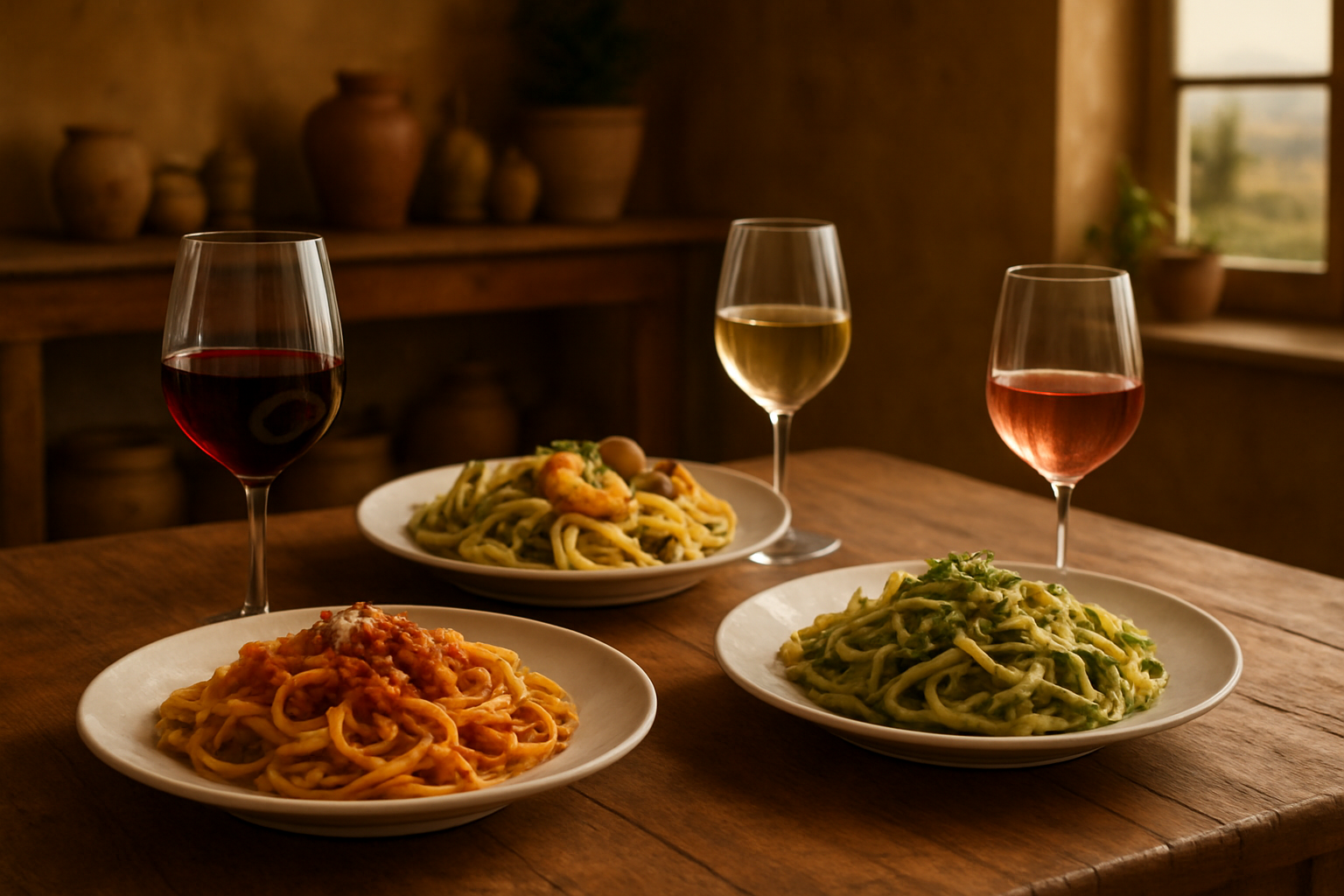
Explore Tuscan Wines with Traditional Tuscan Pasta Dishes
My years of exploring Tuscan wine pasta pairing have taught me that this region's wines share an incredible harmony with their local pasta dishes. When I think of Tuscany, Chianti Classico immediately comes to mind as the perfect companion for rustic pappardelle al cinghiale. The wine's bright acidity and earthy undertones complement the wild boar's rich gaminess beautifully.
I've discovered that Brunello di Montalcino works magnificently with pici all'aglione, where the wine's full body stands up to the robust tomato and garlic sauce. The tannins in Brunello actually help cleanse the palate between bites, making each mouthful more enjoyable than the last.
For lighter Tuscan pasta dishes like spaghetti alle vongole veraci, I reach for Vernaccia di San Gimignano. This crisp white wine pasta pairing brings out the briny sweetness of the clams while its mineral notes echo the coastal origins of the dish. My experience has shown me that regional Italian wine and pasta combinations work so well because they've evolved together over centuries.
| Tuscan Wine | Pasta Dish | Why It Works |
|---|---|---|
| Chianti Classico | Pappardelle al Cinghiale | Earthy tannins balance rich game |
| Brunello di Montalcino | Pici all'Aglione | Full body matches robust tomato sauce |
| Vernaccia di San Gimignano | Spaghetti alle Vongole | Crisp acidity highlights seafood |

Discover Sicilian Wine Matches for Southern Italian Pastas
Sicily's volcanic terroir creates wines with incredible character that I've found pair exceptionally with the island's bold pasta dishes. Nero d'Avola has become my go-to for pasta alla norma. The wine's dark fruit flavors and spicy finish create an amazing contrast with the sweet eggplant and salty ricotta salata.
When I prepare pasta con le sarde, I always open a bottle of Grillo. This indigenous white grape produces wines with enough body to handle the sardines' richness while its citrusy brightness plays beautifully with the fennel and pine nuts. I've learned that Sicilian wine pasta combinations often feature wines that can handle intense flavors without being overpowered.
Etna Rosso fascinates me because of its elegant structure and mineral backbone. I pair it with pasta with ‘nduja, where the wine's refined tannins tame the spicy Calabrian spread while its volcanic minerality adds another layer of complexity. My pasta wine matching tips always include considering the intensity of both the dish and wine.
My favorite discovery has been pairing Marsala Vergine with caponata pasta dishes. The wine's nutty oxidative notes and dry finish create an unexpected harmony with the sweet and sour vegetable medley that traditional pasta wine guide recommendations often overlook.
Learn Northern Italian Wine Pairings for Rich Regional Specialties
Northern Italy's wine pasta pairing traditions center around rich, comfort-driven dishes that demand wines with both elegance and power. I've spent countless evenings perfecting the match between Barolo and tajarin al tartufo. The wine's complex tannins and rose petal aromatics don't compete with the truffle's earthiness but rather create a symphony of autumnal flavors.
Amarone della Valpolicella holds a special place in my heart for cream pasta wine pairings, particularly with tortellini in brodo di cappone. The wine's concentrated fruit and slight sweetness balance the rich capon broth while its full body prevents it from being overwhelmed by the pasta's delicate filling.
For risotto-style pasta dishes like pasta mantecata, I turn to Soave Classico. My experience with white wine pasta pairing has shown me that this wine's crisp minerality and subtle fruit flavors enhance rather than mask the delicate butter and Parmigiano-Reggiano sauce.
Piedmont's Nebbiolo-based wines deserve special attention in my Italian wine pasta combinations. With brasato-style pasta dishes, I prefer younger Nebbiolo from Langhe over aged Barolo. The wine's bright acidity cuts through the rich braised meat sauce while its lighter tannins won't overpower the dish's subtle herbs and wine reduction.
-
Barolo: Perfect for truffle-based pasta dishes
-
Amarone: Excellent with rich, creamy northern specialties
-
Soave Classico: Ideal for butter and cheese-based sauces
-
Langhe Nebbiolo: Great for meat-braised pasta preparations
After exploring wine pairings across every pasta style, I've learned that the magic really happens when you match the weight and intensity of both elements. Light, delicate pastas shine with crisp whites, while rich, hearty sauces demand bold reds that can stand up to their robust flavors. The key is remembering that the sauce drives the pairing choice, not just the pasta itself.
My biggest takeaway is that you don't need expensive bottles to create memorable combinations. A simple Chianti with marinara or a basic Pinot Grigio with aglio e olio can transform an ordinary weeknight dinner into something special. Start experimenting with these classic pairings, trust your palate, and don't be afraid to break a few rules along the way. Your next perfect pasta night is just one bottle away.
Take Your Pasta Nights Even Further
Once you've nailed your go-to pasta and wine combinations, it's worth expanding how you think about food and wine pairing more broadly. Our food & wine pairing hub covers pairings beyond pasta — from fish dishes to cheese boards — using the same practical, jargon-free approach. If you've discovered a wine you love through this guide and want to store a few bottles properly, our wine storage guide has everything you need to keep them in perfect condition. And for anyone who wants to explore Italian wines in more depth, the Gambero Rosso guide to Italian wines is the gold standard reference used by sommeliers worldwide — well worth bookmarking. Great pasta deserves great wine, and now you have the tools to make that happen every time.