
The Complete Guide to Wine and Cheese Pairing: Simple Tips for Perfect Combinations
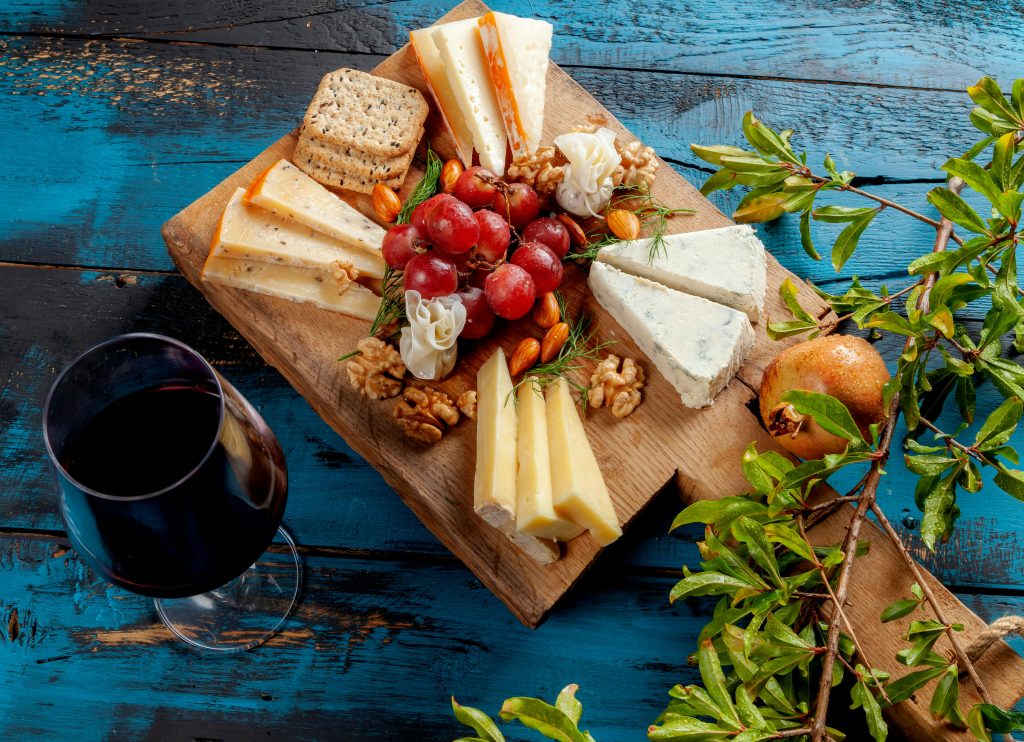
Have you ever stood in front of your carefully arranged cheese board, wine bottle in hand, wondering if you're about to make a terrible pairing mistake? You're not alone. The world of wine and cheese pairing can feel overwhelming, especially when you're trying to impress guests or simply want to enjoy a nice evening at home. But here's the good news: creating delicious wine and cheese combinations doesn't require a sommelier certificate or years of tasting experience.
Whether you're planning a casual get-together, a romantic date night, or just treating yourself after a long week, understanding the basics of wine and cheese pairing will transform your entertaining game. This guide breaks down everything you need to know about matching wines with cheeses, from classic pairings to creative combinations that will surprise and delight your taste buds. We'll explore why certain wines work with specific cheeses, share foolproof pairing principles, and give you the confidence to experiment with your own combinations.
Why Wine and Cheese Are Perfect Partners
Before diving into specific pairings, let's understand why wine and cheese have been best friends for centuries. Both wine and cheese are fermented products that develop complex flavors through aging. They share similar flavor compounds, which is why they complement each other so beautifully.
When you take a bite of cheese, it coats your mouth with fat and protein. Wine, with its acidity and tannins, cuts through this richness and cleanses your palate, preparing it for the next bite. This back-and-forth creates a delicious cycle that enhances both the wine and the cheese.
Think of it like a conversation between old friends. The cheese might start with a bold statement, and the wine responds with a witty comeback. Sometimes they agree, sometimes they contrast, but when the pairing works, they bring out the best in each other.
The Basic Rules That Never Fail
While there's plenty of room for experimentation in wine and cheese pairing, some guidelines will help you avoid disappointing combinations. These aren't strict laws, but rather helpful starting points for your pairing journey.
Match Intensity Levels
The most important rule is matching the intensity of your wine with the intensity of your cheese. A delicate fresh goat cheese would be completely overwhelmed by a bold Cabernet Sauvignon, while a powerful aged cheddar might make a light Pinot Grigio seem like water.
Light cheeses call for lighter wines, while strong, aged cheeses can stand up to fuller-bodied wines. This balance ensures that neither the wine nor the cheese dominates the pairing.
Consider the Age Factor
Young, fresh cheeses tend to pair beautifully with young, crisp wines. As cheeses age and develop more complex flavors, they often work better with wines that have some age and complexity themselves. A fresh mozzarella loves a young, zesty white wine, while an aged Gouda might prefer a mature red with developed flavors.
Think About Texture
Creamy cheeses often pair wonderfully with wines that have good acidity to cut through the richness. Hard, crystalline cheeses might enjoy wines with some tannin structure. The interplay of textures in your mouth is just as important as the flavor combination.
White Wine and Cheese:
Fresh and Bright Combinations
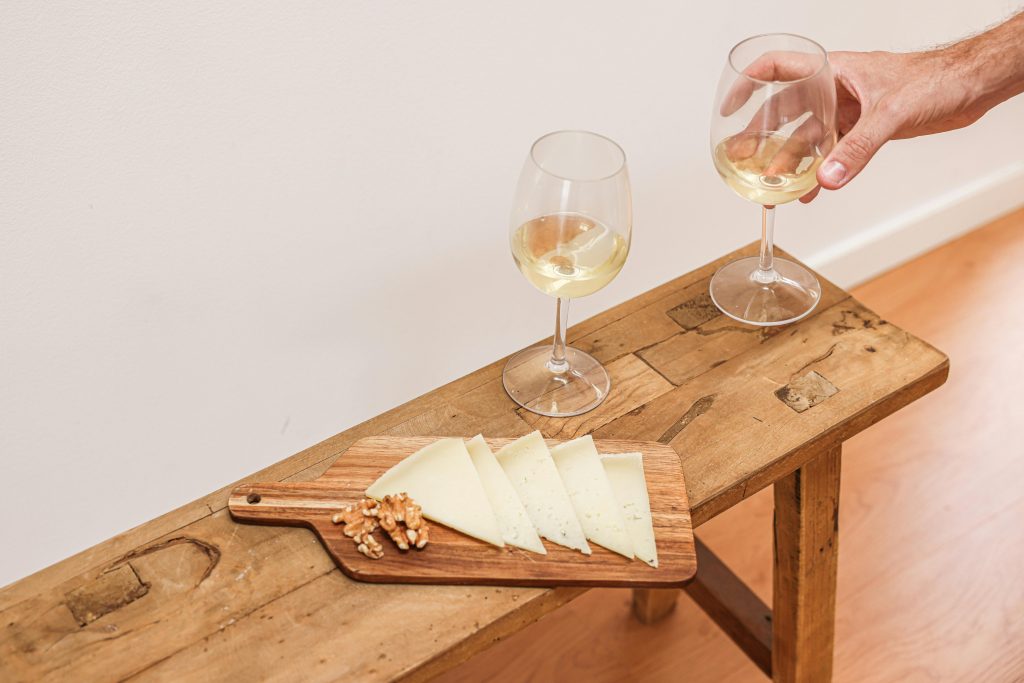
White wines offer incredible versatility when it comes to cheese pairing. Their bright acidity and fruit-forward profiles make them natural partners for many cheese styles, especially softer varieties.
Crisp Whites with Fresh Cheeses
Sauvignon Blanc, with its zippy acidity and citrus notes, makes an excellent partner for fresh goat cheese. The wine's brightness cuts through the creamy tanginess of the cheese, creating a refreshing combination that's perfect for warm weather entertaining. Try this pairing with a simple crostini topped with herbed goat cheese for an easy appetizer that always impresses.
Pinot Grigio and Albariño work similarly well with fresh cheeses like ricotta or young mozzarella. These light, crisp wines won't overpower delicate cheese flavors, allowing the subtle milky notes to shine through.
Rich Whites with Creamy Cheeses
When you're working with soft cheese wine pairing, especially triple-cream varieties like Brillat-Savarin or Saint-André, reach for a richer white wine. Chardonnay, particularly one with some oak aging, has the body and complexity to match these luxurious cheeses. The buttery notes in the wine echo the creaminess of the cheese, creating a harmonious pairing.
Viognier and white Rhône blends also excel with creamy cheeses. Their stone fruit flavors and slightly weightier texture complement the richness without being overwhelmed.
Red Wine Cheese Pairing: Bold and Beautiful
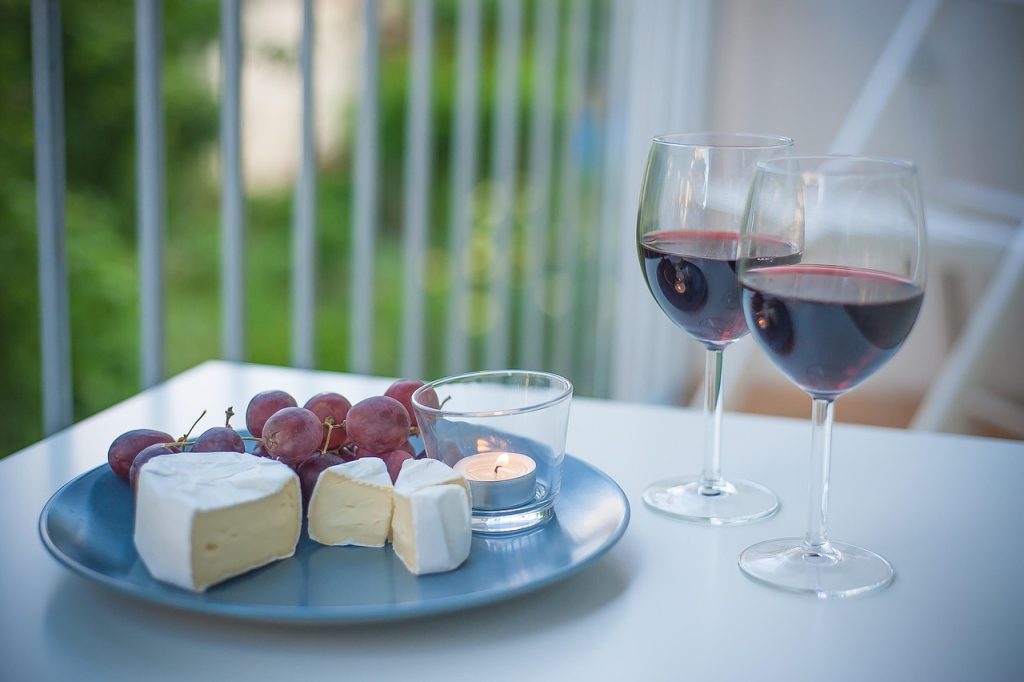
Red wines bring different qualities to cheese pairing, with their tannins, deeper fruit flavors, and often more robust structure. While red wine and cheese is a classic combination, it requires a bit more thought than you might expect.
Medium-Bodied Reds for Versatility
Pinot Noir is often called the most food-friendly red wine, and this extends to cheese pairing. Its moderate tannins and bright fruit character work well with semi-hard cheeses like Gruyère or young Comté. The earthy notes in Pinot Noir also complement mushroomy washed-rind cheeses like Époisses or Taleggio.
Merlot offers similar versatility with its soft tannins and plum-like fruit. It pairs beautifully with medium-aged cheeses and even some creamy varieties. Try Merlot with a young Manchego or a mild cheddar for a crowd-pleasing combination.
Full-Bodied Reds for Aged Cheeses
When you're dealing with hard cheese wine pairing, particularly aged varieties with complex, nutty flavors, full-bodied red wines shine. Cabernet Sauvignon's bold tannins and black fruit flavors stand up beautifully to aged cheddar, creating one of the most beloved wine and cheese combinations.
Syrah and Malbec work wonderfully with aged Gouda or Parmigiano-Reggiano. These wines have the structure and intensity to match the concentrated flavors of long-aged cheeses without either component getting lost.
Special Considerations for Specific Cheese Types
Different cheese categories require different approaches when selecting wines. Understanding these categories will help you make better pairing decisions.
Blue Cheese Wine Pairing: Sweet Meets Salty
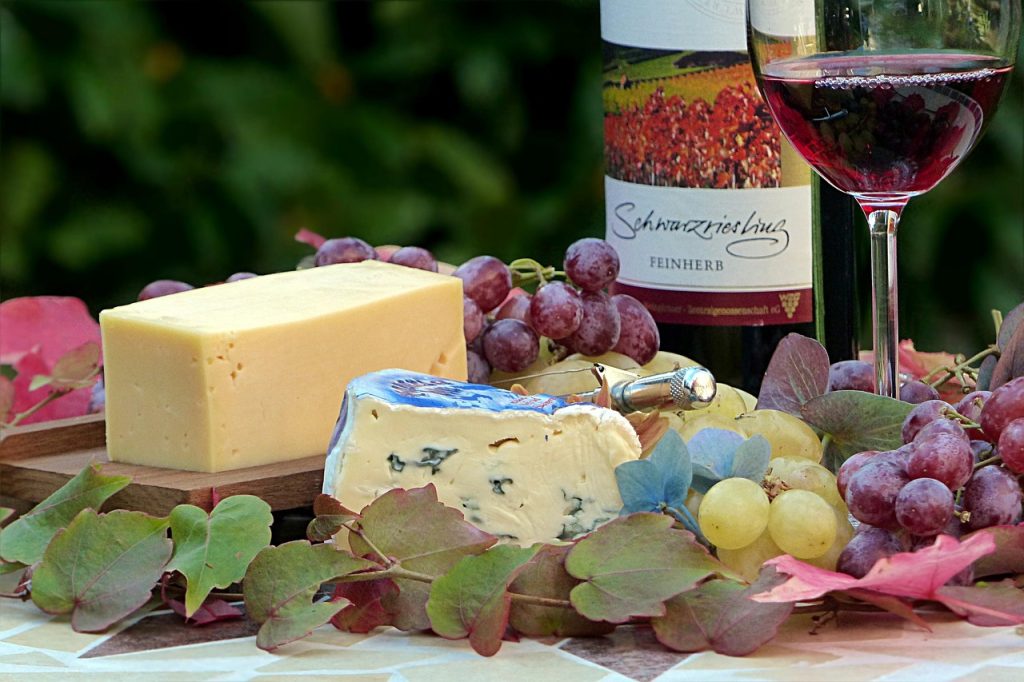
Blue cheeses present a unique challenge because of their intense, salty, funky flavors. The classic pairing here is sweet wine – the sweetness balances the saltiness while complementing the cheese's creamy texture. Port and Stilton is perhaps the most famous blue cheese wine pairing, and for good reason. The wine's sweetness and the cheese's saltiness create a perfect sweet-savory balance.
Sauternes, late-harvest Riesling, or even a demi-sec Champagne work beautifully with Roquefort or Gorgonzola. Don't be afraid of the sweetness – it really does enhance the cheese rather than mask it.
Washed-Rind Cheeses: Aromatic Adventures
These stinky cheeses with their orange rinds (think Époisses, Munster, or Limburger) need wines that can handle their powerful aromas and flavors. Aromatic white wines like Gewürztraminer or dry Riesling work surprisingly well, their floral and fruity notes providing a counterpoint to the cheese's funkiness.
For red wine lovers, try a light Beaujolais or a fruity Côtes du Rhône. The key is choosing wines with enough character to stand up to the cheese without adding too much tannin to the mix.
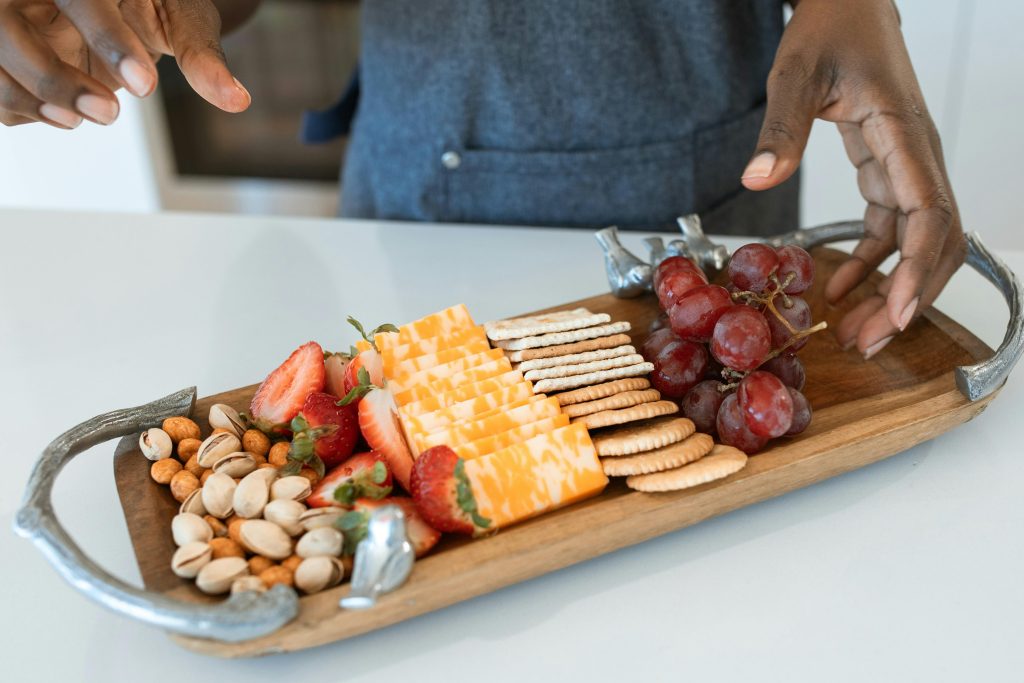
Building the Perfect Cheese Board Wine Ideas
Creating a cheese board for entertaining doesn't have to be stressful. Start with variety – aim for different milk types (cow, goat, sheep), textures (soft, semi-hard, hard), and flavor profiles (mild, medium, strong). This diversity gives your guests options and makes wine pairing more interesting.
For a balanced cheese board, include:
- A fresh cheese like goat cheese or ricotta
- A soft, creamy cheese like Brie or Camembert
- A semi-hard cheese like Gruyère or young cheddar
- A hard, aged cheese like Parmigiano-Reggiano or aged Gouda
- An optional blue cheese for adventurous palates
When selecting wines for your cheese board, offer both red and white options. A crisp white and a medium-bodied red will cover most bases, but consider adding a sweet wine if you're including blue cheese.
Easy Wine and Cheese Pairing for Everyday Entertaining
Not every wine and cheese moment needs to be a formal affair. Some of the best pairings are simple combinations you can enjoy on a Tuesday night. Keep these easy options in your back pocket:
A basic Pinot Grigio with string cheese or fresh mozzarella makes a satisfying after-work snack. Spanish Tempranillo with Manchego creates an instant tapas experience. Even a simple Chardonnay with mild cheddar can feel special when you take the time to savor it. Remember, the best wine for cheese board success is often the wine you enjoy drinking. While guidelines help, your personal preferences matter most.
Charcuterie Wine Pairing: Adding Meat to the Mix
When you expand from cheese to full charcuterie boards, wine pairing becomes even more interesting. The saltiness and fat from cured meats add another dimension to consider. Generally, the same wines that work with cheese also complement charcuterie, but there are some specific matches to note.
Crisp whites like Vermentino or Grüner Veltliner cut through fatty meats like prosciutto or mortadella. Their acidity acts like a squeeze of lemon, brightening the flavors. For spicier meats like soppressata or chorizo, try a slightly off-dry Riesling or a fruity Grenache to balance the heat.
Classic Pairings That Always Work
Some wine and cheese combinations have stood the test of time because they simply work perfectly together. These tried-and-true pairings are great starting points:
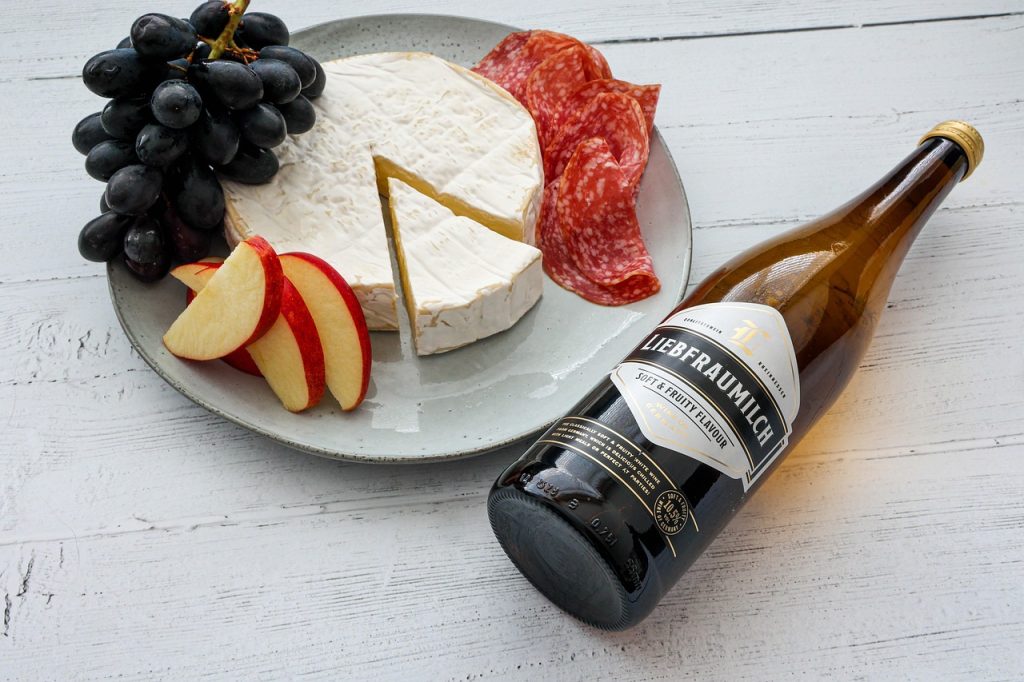
Best wine with Brie: Champagne or Chardonnay. The bubbles or crisp acidity cut through Brie's creaminess while complementing its mushroomy flavors.
Wine with cheddar: Young cheddar loves Sauvignon Blanc, while aged cheddar prefers Cabernet Sauvignon or Port. The aging process changes the cheese's flavor profile, requiring different wine approaches.
Goat cheese and Sancerre: This Loire Valley Sauvignon Blanc and fresh chèvre pairing is legendary for good reason. The wine's grassy notes and bright acidity perfectly match the cheese's tangy flavor.
Parmigiano-Reggiano and Chianti: The nutty, crystalline texture of aged Parmesan finds its match in the cherry notes and firm structure of Sangiovese-based wines.
Temperature and Serving Tips
Getting the temperature right makes a huge difference in your wine and cheese experience. Cheese should be served at room temperature – remove it from the refrigerator 30-60 minutes before serving. This allows the flavors and textures to fully develop.
Wines should be served at their ideal temperatures: whites chilled but not ice-cold (45-55°F), reds slightly cool (60-68°F). Over-chilled wine loses its flavor complexity, while too-warm wine tastes flabby and alcoholic.
Making It Your Own
While this guide provides a solid foundation for wine and cheese pairing, remember that taste is personal. What works beautifully for one person might not appeal to another, and that's perfectly fine. Use these guidelines as a starting point, but don't be afraid to experiment.
Try unexpected combinations. Maybe you'll discover that your favorite Zinfandel works wonderfully with that herb-crusted goat cheese. Perhaps that Prosecco you love creates magic with aged cheddar. The joy of wine and cheese pairing lies not just in following rules but in discovering your own perfect matches.
Your Next Wine and Cheese Adventure
Armed with this knowledge, you're ready to create memorable wine and cheese experiences for yourself and your guests. Start simple with one or two pairings you feel confident about, then gradually expand your repertoire. Keep notes on combinations you enjoy – building your personal pairing guide over time.
Remember, the goal isn't perfection but enjoyment. Whether you're planning an elaborate wine for entertaining spread or simply enjoying a quiet evening with one special cheese and a glass of wine, the principles remain the same: balance, complement, and savor. The best pairing is ultimately the one that brings you pleasure and creates a moment worth remembering. So open that bottle, unwrap that cheese, and start your own delicious journey through the wonderful world of wine and cheese pairing.
Take Your Pairing Skills Even Further
Wine and cheese is one of the most rewarding areas of food and wine pairing — and once you have the basics down, it connects naturally to a broader understanding of why certain wines work with certain foods. Our complete food and wine pairing guide covers every major food category with the same principles you've found here, including a dedicated cheese section that expands on several of the pairings above. If the tasting terms in this guide — tannins, acidity, body — felt a little unfamiliar, our 36 wine tasting terms guide explains every one in plain language so you can apply them confidently at any tasting. And if you're planning to serve a cheese board at a dinner party, our best wine for a dinner party guide covers quantities, serving order, and crowd-pleasing bottle picks for every budget. For an independent deep-dive into the science behind why wine and cheese work so well together, Wine Folly's cheese pairing chart is a brilliant free visual resource worth bookmarking alongside this guide.