
The Complete Rosé Wine Guide:
Everything You Need to Know
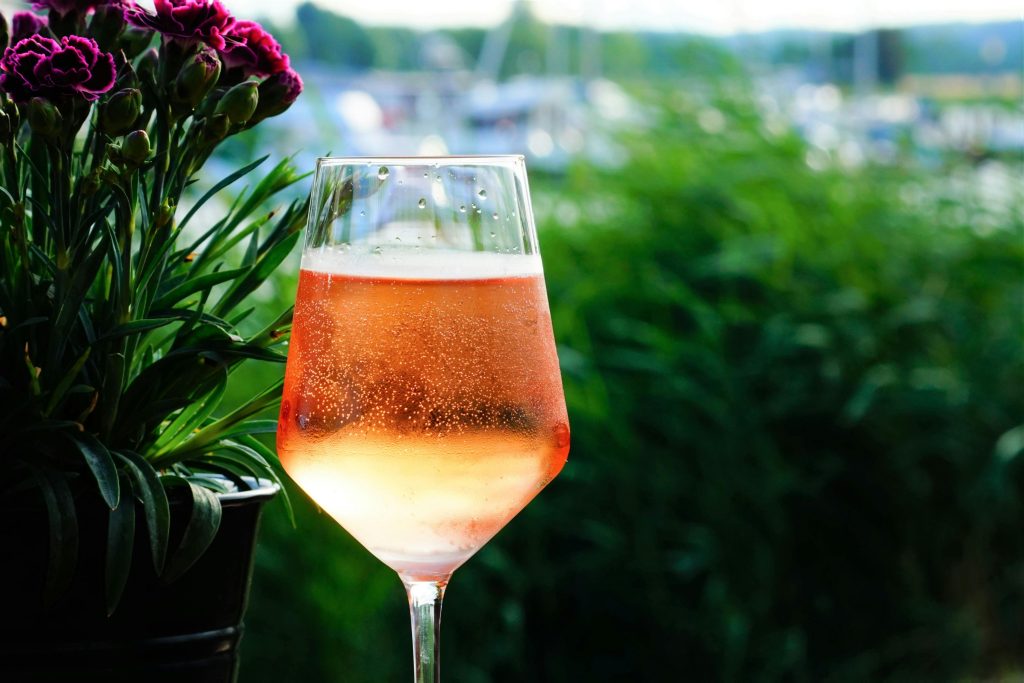
Picture this: you're sitting on a sun-drenched patio, the afternoon light casting a warm glow through your glass of pale pink wine. That first sip delivers a burst of fresh strawberries and citrus, perfectly crisp and refreshing. This is the magic of rosé wine, and if you've been curious about this Instagram-famous pink drink but weren't sure where to start, you've come to the right place.
Whether you're completely new to wine or you've enjoyed a glass or two but want to understand more about what you're drinking, this rosé wine guide will walk you through everything you need to know. From understanding how rosé wine is made to picking the perfect bottle for your next gathering, we'll explore the wonderful world of pink wine together.
What Exactly Is Rosé Wine?
Let's start with the basics. Rosé wine isn't just red wine mixed with white wine (though that's a common misconception). It's actually its own category of wine, made primarily from red grapes using specific techniques that give it that beautiful pink color. The color can range from the palest salmon to deep ruby, and each shade tells a story about how the wine was made.
Many people wonder about rosé wine vs red wine. While both start with red grapes, the key difference lies in how long the grape skins stay in contact with the juice. Red wines get their deep color from extended skin contact, sometimes for weeks. Rosé wines, on the other hand, only spend a few hours to a couple of days with the skins, resulting in that lovely pink hue.
The beauty of rosé is its versatility. It sits perfectly between red and white wines, offering some of the fruit flavors you'd find in reds with the refreshing qualities of whites. This makes it an ideal choice for those who find red wines too heavy but want something with more character than typical white wines.
How Is Rosé Wine Made?
Understanding how rosé wine is made can help you appreciate what's in your glass even more. There are three main methods winemakers use to create rosé:
The Maceration Method
This is the most common technique for quality rosé production. Here's how it works:
- Red grapes are crushed and the juice sits with the skins for anywhere from 2 to 24 hours
- The winemaker carefully monitors the color development
- Once the desired pink shade is achieved, the juice is drained off
- The wine then ferments without the skins, just like white wine
The Saignée Method
The French word “saignée” means “bleeding,” which describes this process perfectly:
- Winemakers “bleed off” a portion of juice from red wine production
- This concentrated juice becomes rosé
- The remaining juice continues to make red wine
- This method often produces more intensely flavored rosés
The Blending Method
While less common for quality rosé:
- A small amount of red wine is mixed with white wine
- This method is generally only allowed for rosé Champagne
- Most wine regions prohibit this technique for still rosé wines

Types of Rosé Wine: A World of Pink
The world of rosé is wonderfully diverse. Different grape varieties and regions produce distinct styles, each with its own personality. Let's explore the main types of rosé wine you'll encounter:
Provence Rosé
When people think of rosé, they often picture the pale, elegant wines from Provence, France. This region has become synonymous with quality rosé production. A typical Provence rosé guide would tell you to expect:
- Very pale, almost onion-skin color
- Delicate flavors of peach, melon, and citrus
- Bone-dry taste with crisp acidity
- Light body that's incredibly refreshing
Provence rosés are made from grapes like Grenache, Cinsault, and Syrah. They're the gold standard for many rosé lovers and perfect examples of sophisticated pink wines.
Spanish Rosado
Spain produces fantastic rosés, often called “rosado”:
- Deeper pink color than Provence styles
- More pronounced strawberry and cherry flavors
- Often made from Tempranillo or Garnacha grapes
- Can range from dry to slightly off-dry
American Rosé
The United States, particularly California and Oregon, makes diverse rosé styles:
- Colors range from pale to deep pink
- Made from various grapes including Pinot Noir, Zinfandel, and Syrah
- Styles vary from bone-dry to slightly sweet
- Often fruit-forward with good acidity
Other Notable Regions
- Italy: Look for “rosato” wines with bright acidity
- Portugal: Produces both still and slightly sparkling rosés
- South Africa: Makes food-friendly rosés with good structure
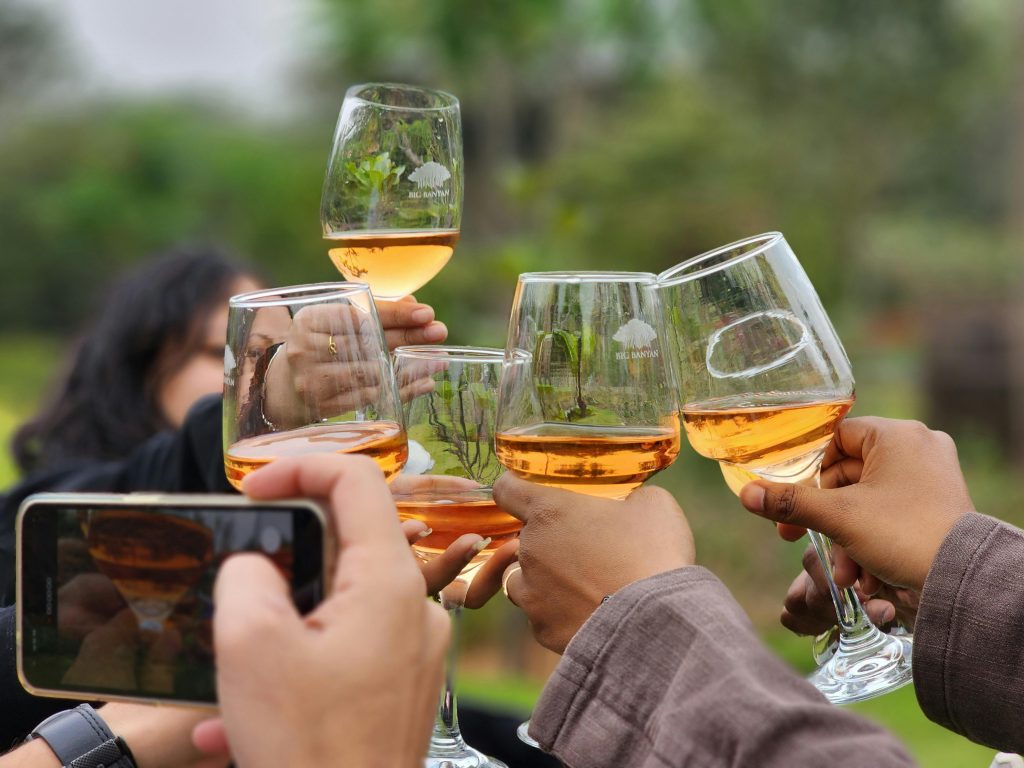
Dry Rosé vs Sweet Rosé:
Finding Your Style
One of the most common questions people ask is “is rosé wine sweet or dry?” The answer is: it can be both! Understanding the difference between dry rosé vs sweet rosé will help you choose bottles that match your taste preferences.
Dry Rosé Characteristics
Most quality rosés today are dry, meaning they have little to no residual sugar:
- Crisp, refreshing taste
- Flavors of citrus, red berries, and herbs
- Food-friendly and versatile
- Popular examples include most Provence rosés
Sweet Rosé Characteristics
Some rosés retain residual sugar for a sweeter profile:
- Noticeable sweetness on the palate
- Often labeled as “blush” wines
- Popular with those new to wine
- White Zinfandel is a common sweet rosé
How to Tell the Difference
Reading wine labels can help you identify sweetness levels:
- Look for terms like “dry,” “brut,” or “sec” for dry wines
- “Off-dry” or “demi-sec” indicates slight sweetness
- Check the alcohol content – lower alcohol (under 11%) often means sweeter wine
- When in doubt, ask your wine shop for recommendations
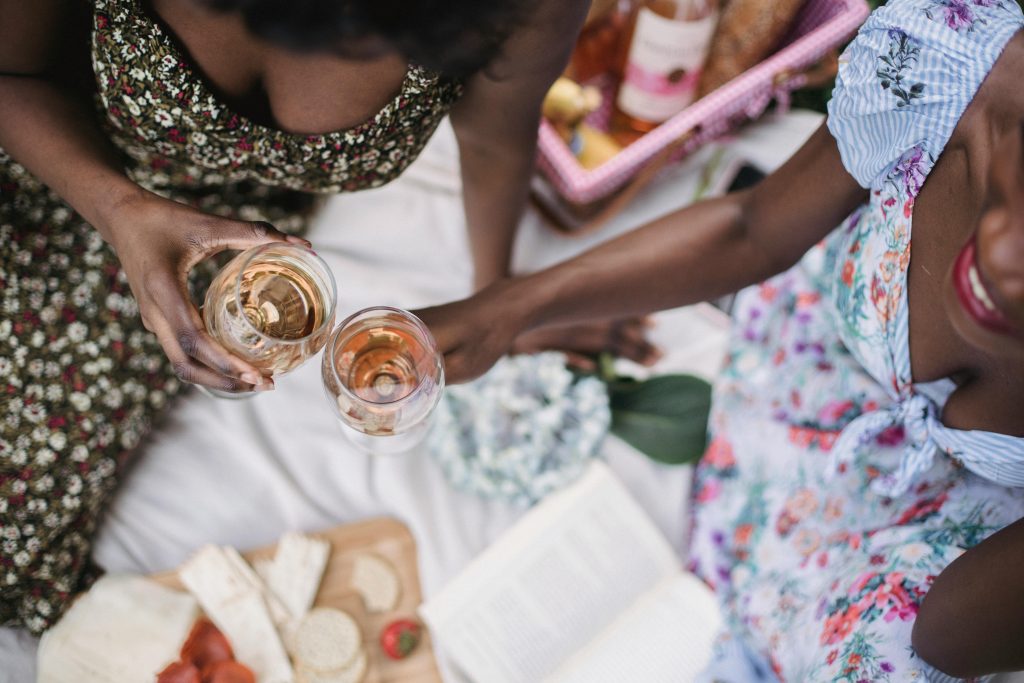
Best Rosé Wine for Beginners
If you're new to rosé or wine in general, starting with the right bottles can make all the difference. Here are some characteristics to look for in rosé wine for beginners:
What Makes a Good Beginner Rosé
The best rosé wine for beginners should be:
- Not too dry or too sweet – aim for balanced
- Reasonably priced to allow experimentation
- Widely available so you can find it easily
- From recent vintages (rosé is best drunk young)
Starter Rosé Recommendations
When looking for your first bottles, consider these approachable styles:
- Côtes de Provence Rosé: Classic, dry, and elegant
- Portuguese Vinho Verde Rosé: Light, slightly fizzy, and fun
- California Pinot Noir Rosé: Fruit-forward and familiar
- Spanish Garnacha Rosado: Good value with nice berry flavors
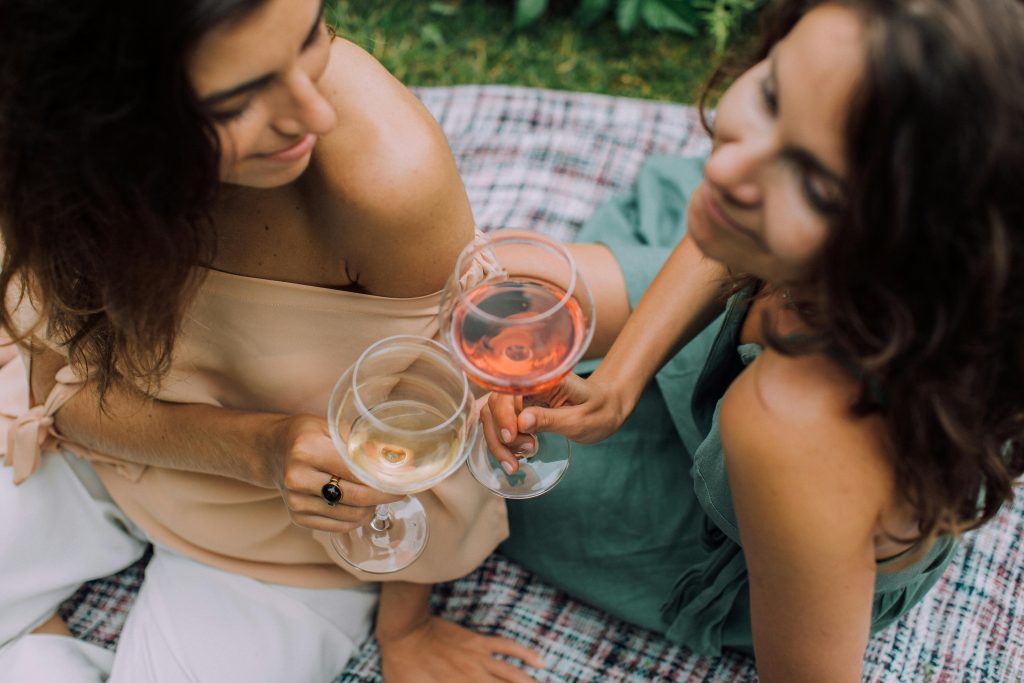
How to Choose a Rosé Wine
Walking into a wine shop and facing dozens of pink bottles can feel overwhelming. Here's a simple approach for how to choose a rosé wine that you'll enjoy:
Consider the Color
While not a perfect indicator, color can give you clues:
- Pale pink usually means lighter, more delicate flavors
- Deeper pink often indicates bolder, fruitier wines
- Very pale rosés are typically dry
- Darker rosés might have more body and intensity
Check the Vintage
Unlike many red wines, rosé is meant to be drunk young:
- Look for the most recent vintage available
- Most rosés are best within 1-2 years of production
- Avoid bottles more than 3 years old unless specifically aged
Read the Back Label
Good producers often provide helpful information:
- Tasting notes give you flavor expectations
- Food pairing suggestions
- Sweetness indicators
- Serving temperature recommendations
Consider Your Budget
You don't need to spend a fortune for good rosé. In fact, some of the best rosé under 20 dollars can rival much pricier bottles. Price ranges to consider:
- Under $15: Great everyday rosés from various regions
- $15-$25: Premium options with more complexity
- $25+: Special occasion bottles, often from renowned producers
Summer Rosé Wine:
The Perfect Warm Weather Companion
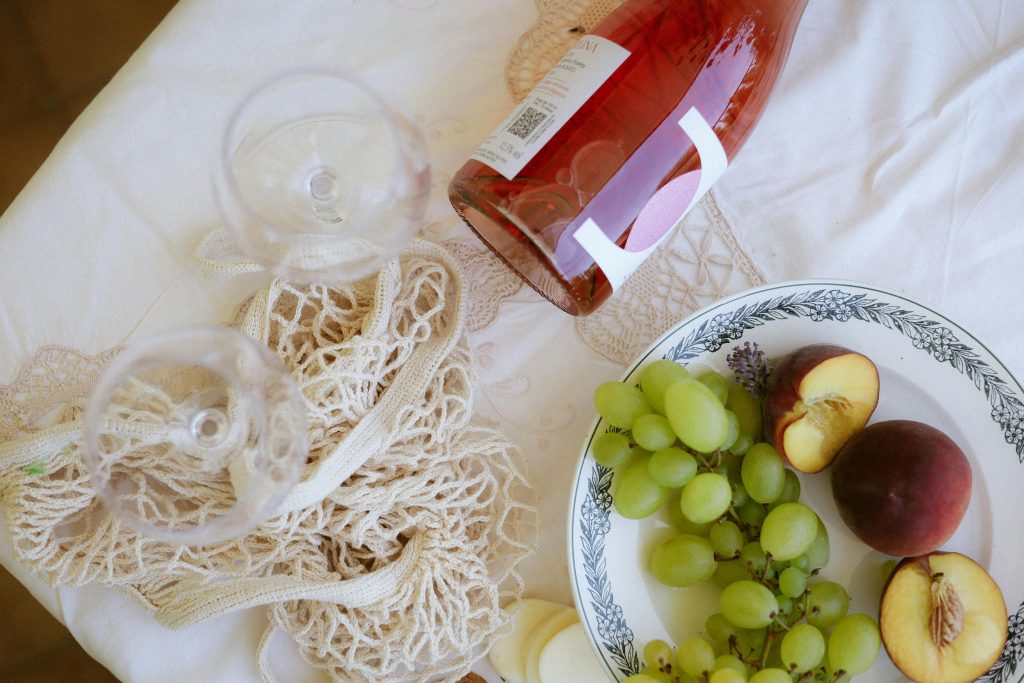
There's a reason rosé has become synonymous with summer drinking. Summer rosé wine offers everything you want in hot weather:
Why Rosé Works in Summer
- Light and refreshing when served chilled
- Lower alcohol than many red wines
- Versatile with summer foods
- Beautiful color adds to outdoor ambiance
Serving Summer Rosé
To maximize enjoyment:
- Chill to 45-55°F (slightly warmer than white wine)
- Use proper glassware – white wine glasses work well
- Keep bottles on ice during outdoor gatherings
- Consider rosé sangria for parties
Rosé Wine Food Pairing: A Versatile Partner
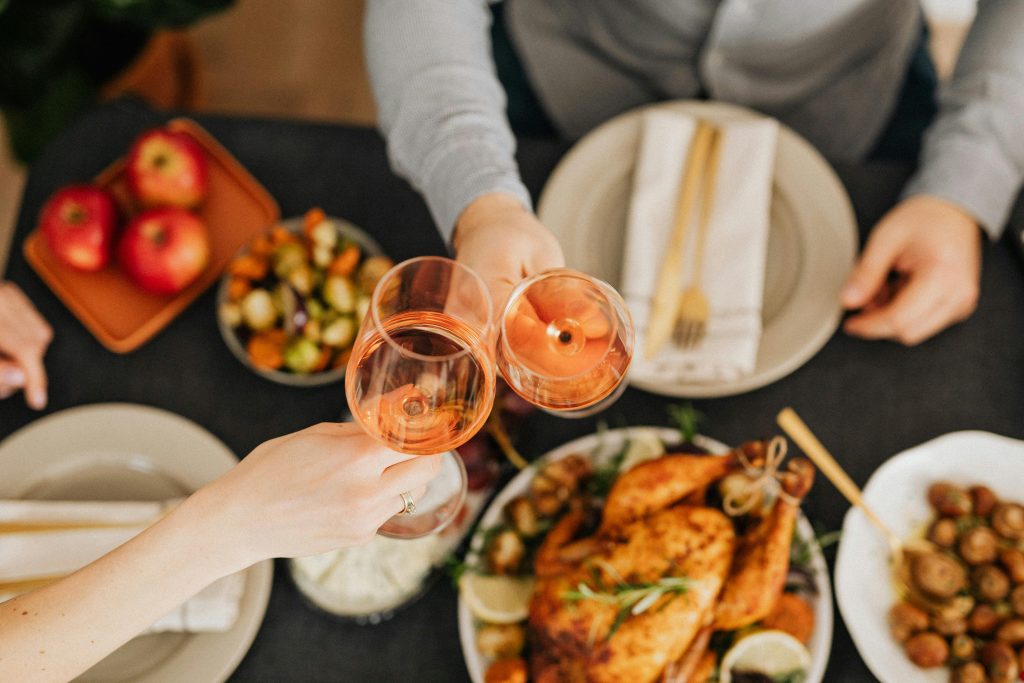
One of rosé's greatest strengths is its food-friendliness. Understanding rosé wine food pairing opens up countless dining possibilities:
Classic Pairings
Rosé's acidity and fruit flavors complement many dishes:
- Seafood: Grilled shrimp, salmon, and light fish dishes
- Salads: Especially those with goat cheese or fruit
- Mediterranean cuisine: Perfect with olive tapenade, hummus, and grilled vegetables
- Light pasta: Tomato-based sauces and seafood pastas
- Cheese: Soft cheeses like brie and fresh mozzarella
Unexpected Pairings
Don't be afraid to experiment:
- Spicy foods: The wine's coolness balances heat
- BBQ: Lighter grilled meats and vegetables
- Asian cuisine: Particularly sushi and Thai food
- Pizza: Especially margherita and vegetable toppings
Pairing by Rosé Style
Match the wine's body to your food:
- Light, pale rosés → delicate dishes
- Medium-bodied rosés → heartier salads and grilled foods
- Fuller rosés → meat dishes and rich sauces

Rosé Wine Recommendations by Occasion
Different situations call for different rosés. Here are some rosé wine recommendations based on common scenarios:
For a Picnic
Look for:
- Screw-cap bottles for easy opening
- Light, refreshing styles
- Good value options since you might buy several
For a Dinner Party
Choose:
- Well-known regions like Provence
- Elegant packaging
- Dry styles that pair with various foods
For a Beach Day
Pick:
- Canned rosés for convenience
- Lower alcohol options
- Crisp, thirst-quenching styles
For a Special Celebration
Consider:
- Rosé Champagne or sparkling rosé
- Premium still rosés from top producers
- Unique bottles that spark conversation
Storing and Serving Your Rosé
Once you've chosen your perfect bottle, proper storage and serving ensure the best experience:
Storage Tips
- Keep bottles in a cool, dark place
- Store on their side if they have corks
- Refrigerate only when ready to drink
- Most rosés don't improve with age
Serving Suggestions
- Chill for at least 2 hours before serving
- Open just before serving (rosé doesn't need to breathe)
- Pour smaller amounts to keep wine cold in glasses
- Consider wine chillers for outdoor serving
Making the Most of Your Rosé Journey
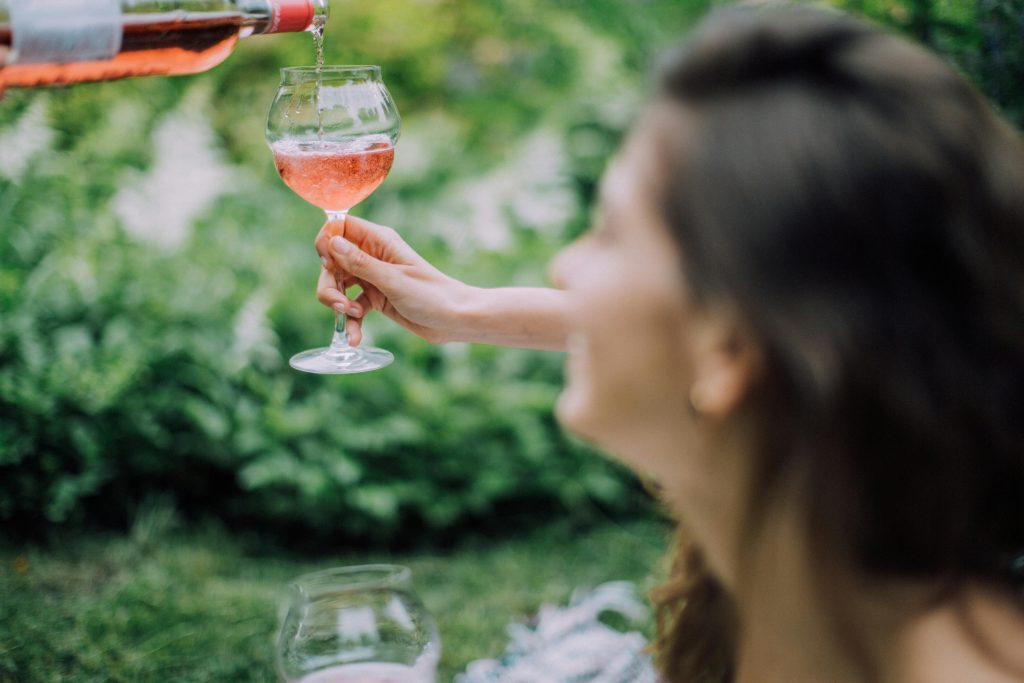
As you explore the world of pink wine, remember that the best rosé is the one you enjoy. Don't get too caught up in rules or expectations. Wine is meant to be fun, social, and enjoyable. Start with a few different styles to discover your preferences, and don't be afraid to ask questions at wine shops or restaurants. You also have an option to join a Wine Club and continue exploring Rose and other wines in your own home.
Whether you prefer the elegant restraint of a Provence rosé or the bold fruit flavors of a California style, there's a pink wine out there for you. The beauty of rosé lies not just in its color but in its ability to bring people together, to make any moment feel a little more special, and to prove that wine doesn't have to be complicated to be wonderful. So the next time you're standing in front of those pink bottles, remember what you've learned here. Consider the color, check the vintage, think about what you'll be eating, and most importantly, choose something that sounds delicious to you. After all, the best part about learning about rosé is getting to taste it. Here's to your pink wine adventure – may every glass be as refreshing as that perfect patio moment we imagined at the beginning.
Ready to Explore Further?
Rosé is one of the most versatile wines at the table — and the more you understand about food and wine pairing generally, the more confident you'll feel choosing a bottle for any occasion. Our complete food and wine pairing guidecovers every major food category including a dedicated seafood section that maps perfectly onto rosé's natural strengths. If this guide has sparked a broader curiosity about wine styles, our beginner's wine guide covers all five wine types — red, white, rosé, sparkling, and dessert — with the same no-jargon approach you've found here. And if you want to taste rosé more intentionally and actually describe what you're noticing in the glass, our wine tasting guide walks through the Five S's method in under 10 minutes. For a deeper regional breakdown of the world's best rosé producers and styles, Wine Enthusiast's rosé guide is a well-maintained external resource worth bookmarking. The pink wine adventure is just beginning — enjoy every sip.