
Wine Aging Do’s and Don’ts:
What You Need to Know
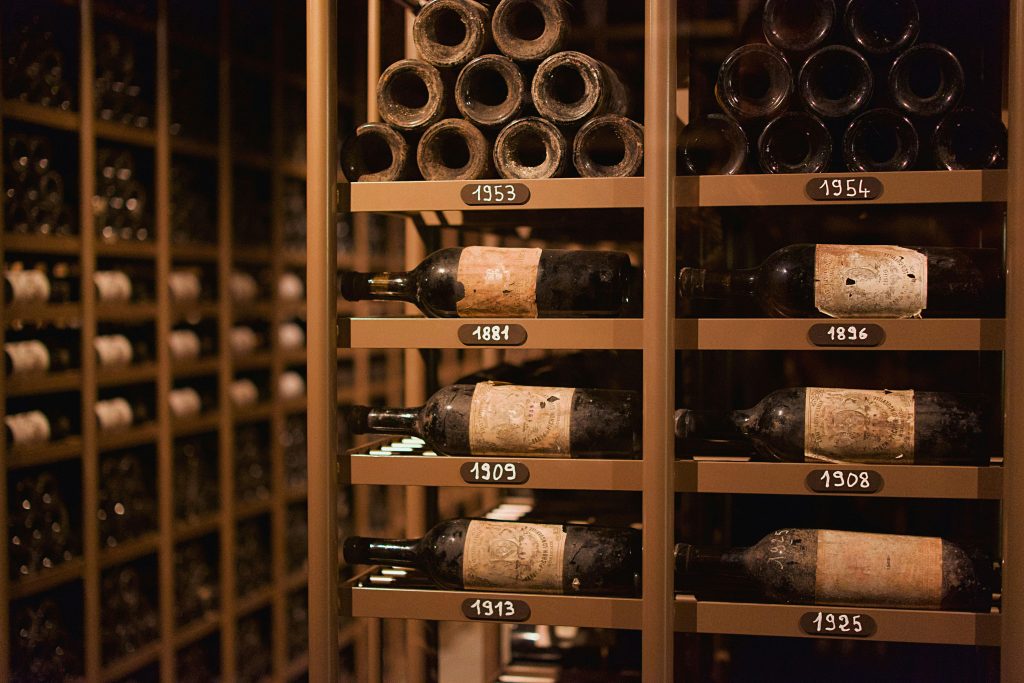 Vintage wine bottles arranged on shelves in a dimly lit wine cellar. Bottles are labeled with years ranging from 1881 to 1954, and their labels appear aged and worn. Rows of other bottles fill the background.
Have you ever bought an expensive bottle of wine, saved it for a special occasion, only to discover it tastes worse than when you first bought it? You’re not alone. Many wine enthusiasts make costly mistakes when it comes to aging wine at home. The truth is, not all wines improve with age, and even those that do require specific conditions to reach their potential.
Whether you’re just starting to build your wine collection or you’ve made some aging mistakes in the past, this guide will help you understand the fundamentals of wine aging and storage. Let’s dive into what actually works and what can ruin your precious bottles.
Understanding Which Wines Are Actually Worth Aging
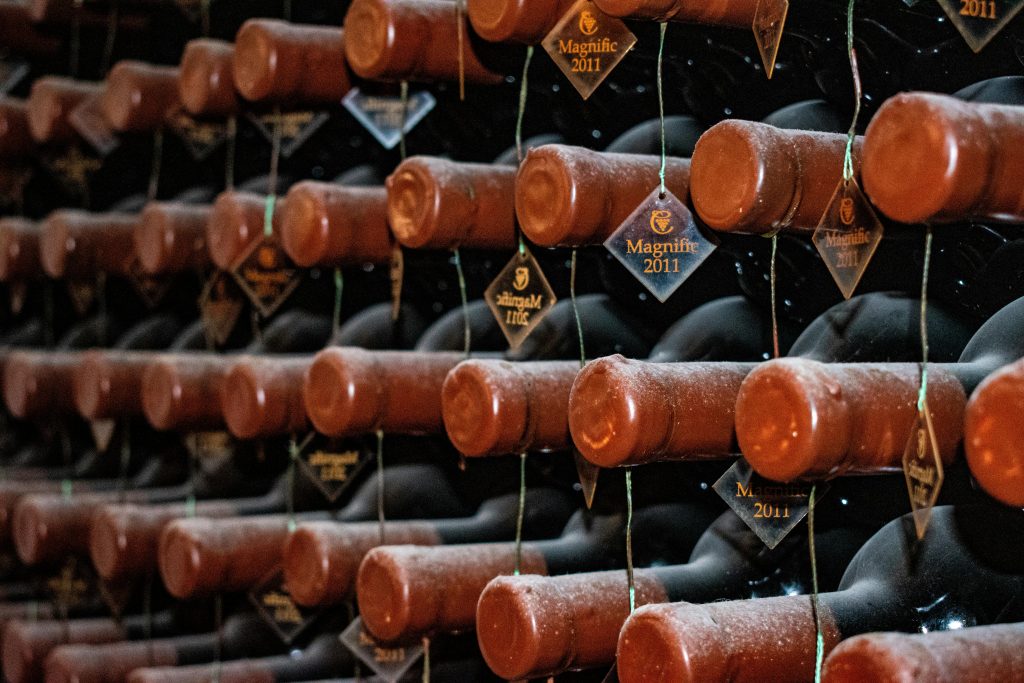 Rows of dusty wine bottles stacked horizontally in a cellar, each labeled with diamond-shaped tags reading Magnific 2011, indicating the vintage year.
Before we talk about how to age wine, let’s address the biggest misconception: not all wines get better with age. In fact, most wines available at your local store are meant to be consumed within a few years of purchase.
Wines That Improve With Age
The best wines for aging typically have certain characteristics that help them develop complexity over time:
- High-tannin red wines: Cabernet Sauvignon, Nebbiolo, and Bordeaux blends can age for decades
- High-acid wines: Riesling, Champagne, and many white Burgundies improve significantly with time
- Full-bodied reds with structure: Barolo, Brunello di Montalcino, and quality Syrah
- Sweet wines: Port, Sauternes, and late-harvest wines can age for generations
- Premium Champagne: Vintage Champagnes and prestige cuvées develop beautiful complexity
Wines to Drink Sooner Rather Than Later
Most everyday wines should be consumed within 2-3 years of purchase. This includes:
- Beaujolais and light, fruity reds
- Most white wines under $20
- Rosé wines (drink within 1-2 years)
- Simple, fruit-forward wines without much tannin or acid structure
Essential Wine Storage Conditions
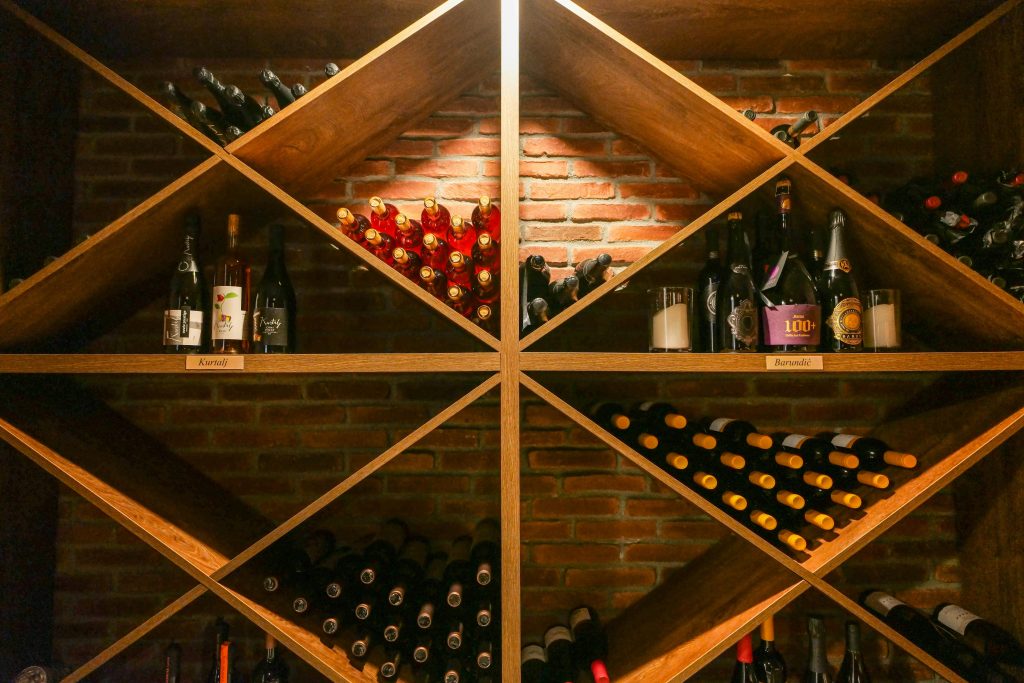 A wooden wine rack with diagonal shelves holds various bottles of wine, some upright and some lying down, against a brick wall. The racks are labeled and the display is warmly lit.
Creating the right environment is crucial for successful wine aging at home. Even the most age-worthy wines will deteriorate quickly under poor storage conditions.
Temperature: The Make-or-Break Factor
Wine aging temperature should remain consistently between 55-65°F (13-18°C). Here’s why this matters so much:
- Temperature fluctuations cause wine to expand and contract, potentially pushing the cork out
- Too warm (above 70°F) speeds up aging and can cook the wine
- Too cold (below 45°F) can slow development too much and potentially harm the wine
If you don’t have a wine cellar, consider investing in a wine refrigerator. Even a small unit can make a huge difference in preserving your collection.
Humidity Levels Matter More Than You Think
Wine aging humidity should stay between 60-70%. Low humidity dries out corks, allowing air to enter the bottle and spoil the wine. High humidity can damage labels and promote mold growth, though the wine itself usually remains safe.
Light and Vibration: Silent Wine Killers
Store wine in complete darkness when possible. UV light breaks down compounds in wine, creating unpleasant flavors. This is why many wine bottles are made with dark glass.
Similarly, keep wine away from vibrations from appliances, traffic, or even your washing machine. Constant movement prevents sediment from settling and can disturb the aging process.
Common Wine Aging Mistakes to Avoid
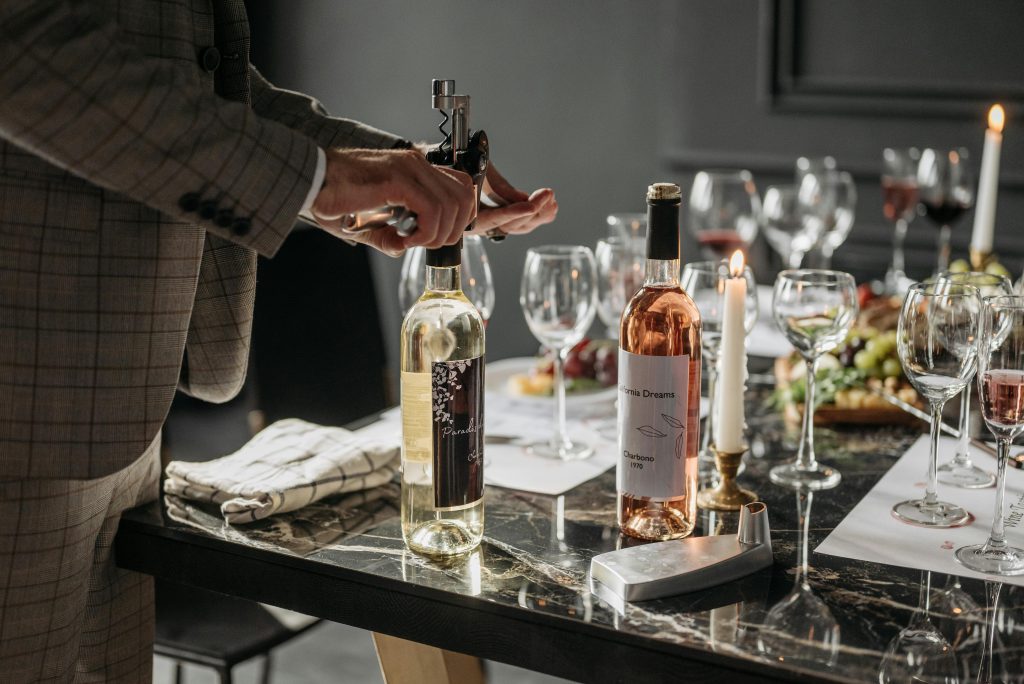 A person in a suit opens a bottle of white wine at an elegant dining table set with wine glasses, candles, bottles of wine, grapes, and a charcuterie board.
Even well-intentioned wine lovers make these critical errors:
Storing Wine Upright Long-Term
Always store wine bottles on their side. This keeps the cork moist and prevents air from entering the bottle. The only exception is sparkling wine, which can be stored upright for short periods.
Choosing the Wrong Location
That wine rack above your refrigerator? It’s probably the worst place in your kitchen. Avoid storing wine:
- In the kitchen (too much temperature variation)
- Near heating vents or radiators
- In garages or attics (extreme temperature swings)
- In direct sunlight
Opening Bottles Too Early or Too Late
Learning how to know when wine is ready to drink takes practice. Research the producer’s recommendations and read reviews from wine critics about optimal drinking windows. Many wines have a peak period rather than a single perfect moment.
Building Your Wine Collection Strategically
When building a wine collection for aging, think about your timeline and budget. Start with wines that have proven track records for aging and clear drinking windows.
Consider buying wines in different stages of development. Purchase some bottles ready to drink now, others that need 5-7 years, and perhaps a few special bottles for 10+ year aging. This approach ensures you’ll always have something ready to enjoy while your other bottles continue developing. Keep detailed records of what you buy, where you store it, and when you plan to drink it. Many collectors use wine apps or simple spreadsheets to track their inventory.
What Actually Happens When Wine Ages
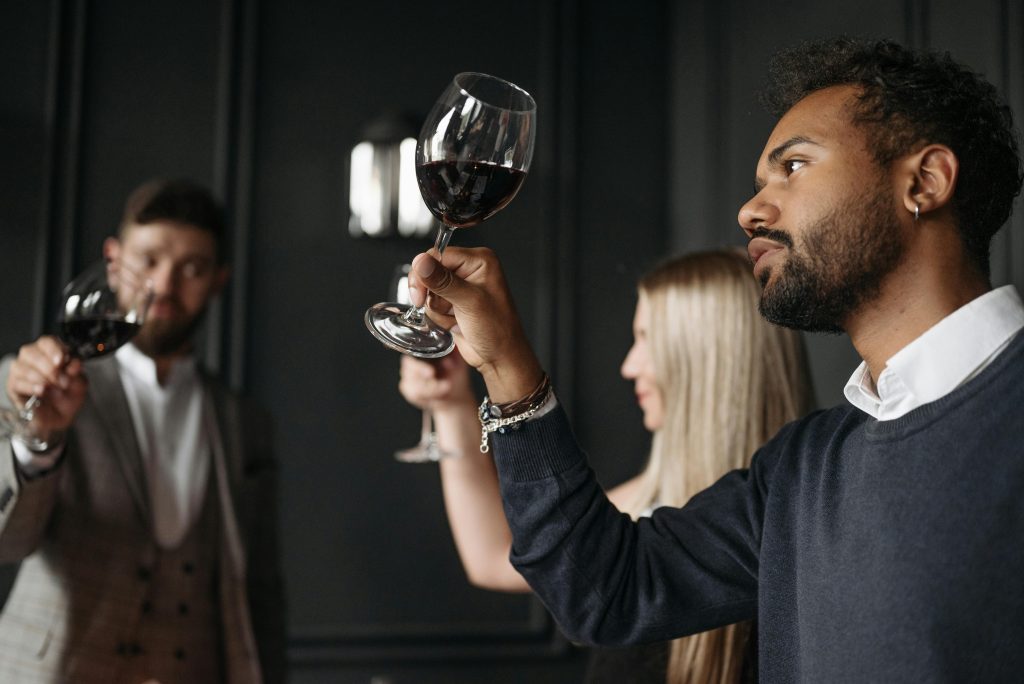 Three people, two men and one woman, hold up glasses of red wine, examining the color and clarity. They appear focused and are dressed in semi-formal attire, standing against a dark background.
Understanding the science behind wine aging helps you make better decisions. Over time, tannins in red wine soften and integrate, harsh acids mellow out, and complex secondary flavors develop. These might include earthy, nutty, or dried fruit characteristics that weren’t present in the young wine.
However, this process isn’t infinite. Every wine eventually passes its peak and begins declining. The key is finding that sweet spot where the wine has developed complexity but hasn’t started losing its fruit character.
Making Smart Aging Decisions
Wine aging for beginners starts with realistic expectations and modest investments. Don’t age expensive wines until you’ve mastered proper storage conditions. Start with moderately priced bottles from reputable producers known for age-worthy wines. Remember that wine aging is ultimately about enhancing your enjoyment. If you prefer young, fruity wines, there’s nothing wrong with drinking bottles immediately. The best wine is the one you enjoy, regardless of how long it’s been stored.
The most important wine aging tip? Start now, but start smart. With proper storage conditions and realistic expectations, you’ll be amazed at how much more complex and enjoyable your wines can become with just a little patience and the right approach.
The Complete Picture on Wine Storage
Aging is one aspect of wine storage — but the conditions that make it possible are the same ones that protect any bottle you own, even those you plan to drink this week. Our complete wine storage & ageing guide covers temperature, humidity, vibration, and light in depth, with a detailed table showing drinking windows for every major wine type. If you’re ready to invest in proper equipment, our thermoelectric vs compressor wine cooler guide will help you choose the right unit for your collection size and budget. And if you want to understand which wines from your current collection are worth holding versus opening now, our when is wine ready to drink guide gives you a practical framework. For expert guidance on specific producers and drinking windows, Wine Spectator’s vintage charts are freely available and regularly updated. Patience is the greatest tool in a wine collector’s arsenal — but only when pointed at the right bottles.