
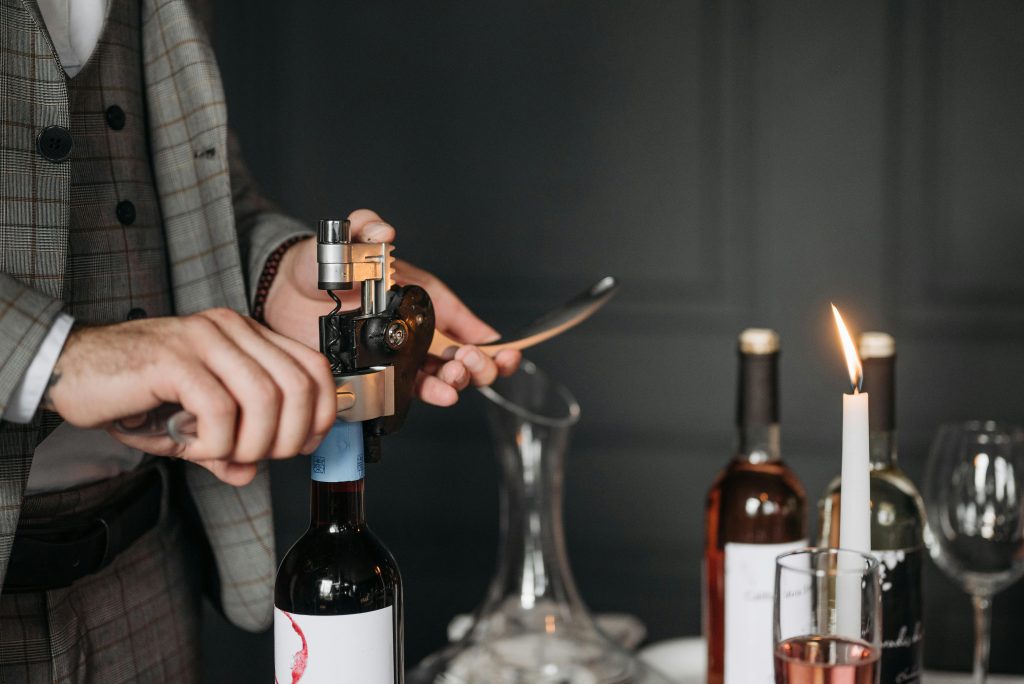
Have you ever been on a little wine vacation or become obsessed with a specific wine at a winery, only to come home to try the wine and find it tastes different? Whether it’s the exact same bottle from the winery or the same style from the store, sometimes the wine that tastes superb one night, won’t taste the same the next. So, why is it that your favorite wine tastes different every time? Below, we’ll delve into some of the most typical reasons for this—check it out!
It’s Not at The Same Serving Temperature
Serving temperature makes a big impact on a wine’s flavors and mouthfeel. It’s actually one of the biggest factors in your perception of alcohol. A cooler wine will be a bit less expressive, with more muted flavors. The warmer a wine is, the more flavors will push through and the more unique it will taste on your tongue.
Though proper serving temperature isn’t an exact science, you can find out how wineries typically serve different styles of wine. For example, reds are typically served between 62–68 degrees Fahrenheit, whereas whites are served between 49–55 degrees Fahrenheit.
You’re Drinking Out of Different Glassware
This may seem strange, but the glass you drink out of can alter your perception of taste. Certain shapes and styles of wine glasses are designed to direct wine across your mouth in various ways. Some encourage oxygen to interact with the wine differently. They make wine glasses specifically for different wine styles. Try pouring the same wine into two different glasses and see how that makes a difference!
Your Palate Was Affected
If you ate a specific food before or during your first wine tasting, that could impact how the wine tastes the second time. Understand this by thinking about orange juice. If you drink it after eating something salty for breakfast, it ends up being quite refreshing, but if you drink it after brushing your teeth, it’s disgustingly bitter.
The state of your palate before drinking, and while drinking, can impact why your favorite wine tastes different every time. Even being sick can impact your sensory system and make a glass taste different.
Your Memory Affected Your Perception
Spending time at a winery is a great way to spend the day. The sunshine, the ambiance, the laughter can all make your memory of the wine seem a little different than it actually tasted. So much of the experience of drinking wine comes from the environment you’re in. When you have a beautiful experience with a bottle of wine and then hope to feel the same at your kitchen table in front of Netflix, you might not get that same spark.
The Wine Has Aged Since You Tried It Last
If it’s been a while since you uncorked your favorite bottle, the wine will likely taste a little different. Even a few months in the bottle can mean a transformation in flavor and mouthfeel. Wine evolves every second and doesn’t stop doing so just because you opened the bottle. If you had a glass on vacation, then kept it with you to try months later, it’s not going to be the same wine you feel in love with.
Turn the Variables to Your Advantage
Understanding why wine tastes different is actually the first step toward tasting it more deliberately. Our wine tasting guide walks through the Five S's method — including exactly why serving temperature and glassware matter at each stage — so you can control those variables rather than be surprised by them. If you want to track how a wine develops over time and notice the changes mentioned in this post, our 36 wine tasting terms guide gives you the vocabulary to describe what you're noticing in each glass. And for anyone inspired to store a few bottles deliberately to observe how they change, our wine storage guide covers the conditions you need to age wine properly at home. The more intentionally you taste, the more interesting every bottle becomes.