
How to Pair Wine With BBQ:
5 Simple Rules That Actually Work

Affiliate Disclosure: Some links on Fine Wine World are affiliate links, meaning we may earn a paid commission if you click through and make a purchase — at no extra cost to you. Affiliate programs use cookies to track commissions, which may collect personal data. You can read more about how we handle your data in our [Privacy Policy]. We only recommend products we genuinely trust.
Picture this: it's a perfect Saturday afternoon, your grill is fired up, and friends are gathering in your backyard. The burgers are sizzling, the chicken is getting those beautiful grill marks, and then someone asks, “What wine should we drink?” Suddenly, you're standing there wondering if your grocery store wine selection will make or break the meal.
Don't worry – pairing wine with BBQ doesn't require a sommelier certificate or a wine cellar worth thousands. With just five simple rules, you can confidently choose wines that make your grilled food taste even better. Whether you're hosting your first backyard cookout or you're a seasoned grill master looking to step up your wine game, these straightforward guidelines will help you create memorable combinations that your guests will love.
Rule 1: Match the Weight of Your Wine to Your Food

Think of wine pairing like dating – you want partners that complement each other, not overpower one another. The weight of your wine should match the intensity of your grilled food. For lighter grilled items like fish, shrimp, or delicate vegetables, choose lighter wines. A crisp Sauvignon Blanc or Pinot Grigio works beautifully with grilled salmon or zucchini. These wines won't compete with subtle flavors but will enhance them instead.
When you're grilling heartier fare like ribeye steaks, pork ribs, or lamb, reach for fuller-bodied wines. A bold Cabernet Sauvignon or Malbec can stand up to the rich, smoky flavors without getting lost. The robust tannins in these red wines actually help cleanse your palate between bites of fatty, grilled meat. For middle-ground options like chicken breast, pork chops, or turkey burgers, consider medium-bodied wines. A Pinot Noir or Chardonnay often hits the sweet spot, providing enough character to enhance the food without overwhelming it.
Rule 2: Consider Your Sauce and Seasoning First
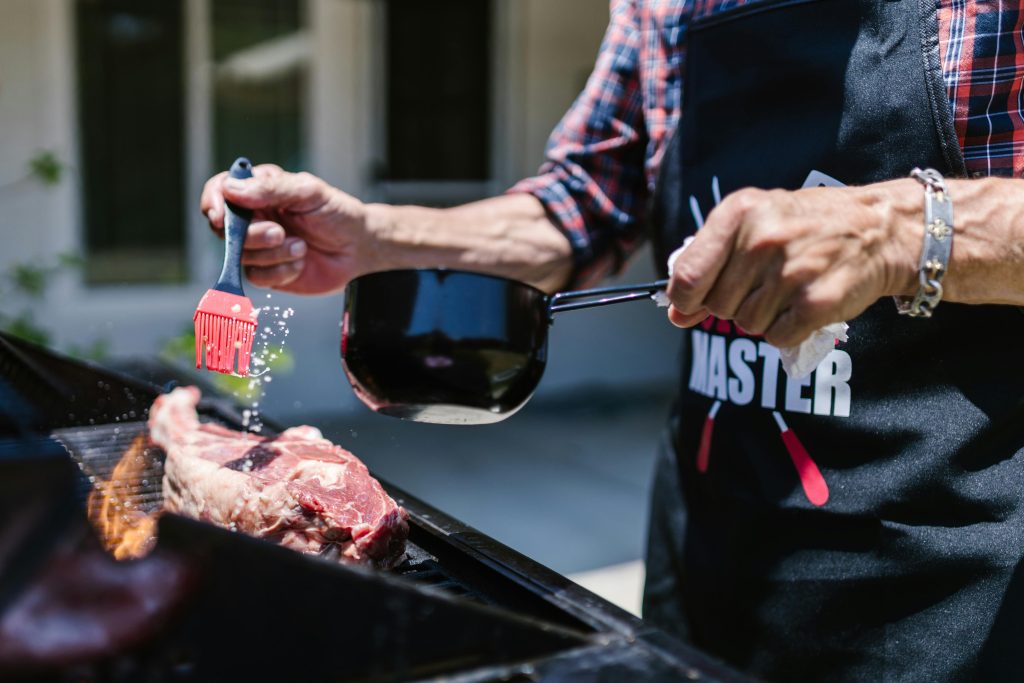
Here's where many people get tripped up – they focus only on the protein and forget about the flavors that really drive the dish. Your BBQ sauce, marinade, and seasoning rubs often have more impact on wine pairing than the meat itself. Sweet and tangy BBQ sauces pair wonderfully with wines that have a touch of sweetness. Try a Zinfandel or Riesling with your saucy ribs. The wine's slight sweetness balances the sauce's acidity while complementing its sugar content.
Spicy dry rubs and hot sauces call for wines with good acidity and moderate alcohol levels. High-alcohol wines can make spicy food taste even hotter. Instead, go for a Sangria, Rosé, or even a slightly chilled Beaujolais. These wines help cool your palate and won't amplify the heat.
For herb-heavy marinades with rosemary, thyme, or oregano, Mediterranean wines often work magic. A Spanish Tempranillo or Italian Chianti brings out those earthy, herbal notes beautifully.
Rule 3: Red Wine Doesn't Always Win with Grilled Meat
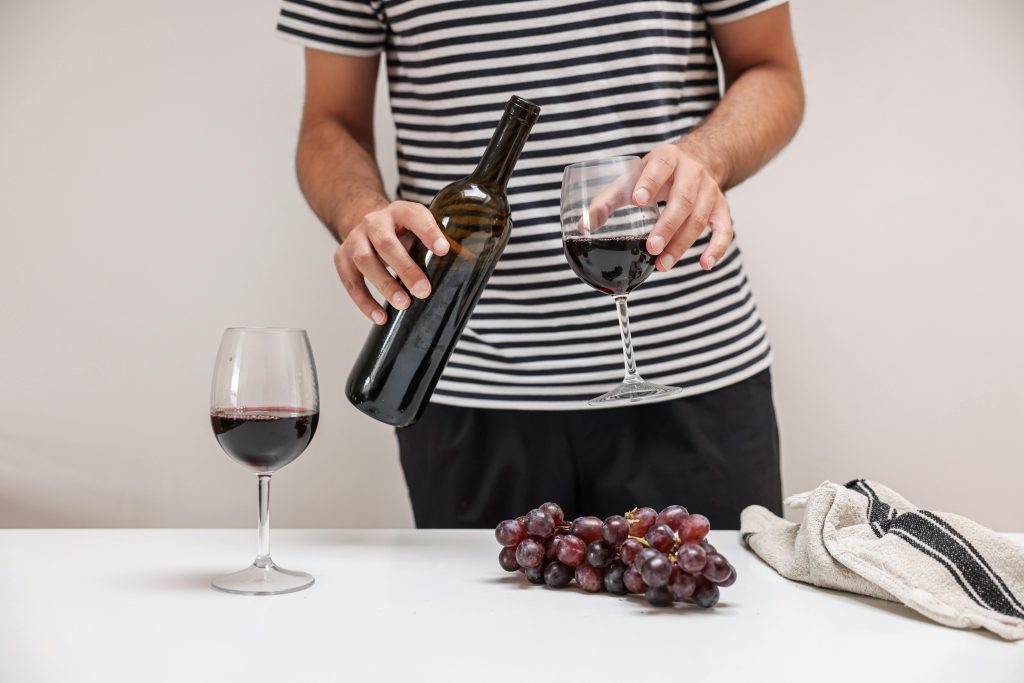
Let's bust a common myth right now – red wine isn't automatically the best choice for all grilled meat. While it's true that bold red wines pair excellently with red meat, the cooking method and preparation matter just as much.
Grilled chicken, especially when prepared with citrus marinades or served without heavy sauces, often pairs better with white wine. A Chardonnay or Albariño can highlight the chicken's natural flavors and complement the light char from the grill. Even with red meat, consider the preparation. A lightly seasoned grilled pork tenderloin might pair better with a Pinot Noir or even a rich white wine than with a heavy Cabernet. The goal is harmony, not following rigid rules that don't consider the actual flavors on your plate.
Turkey burgers, fish tacos, and grilled vegetable platters all shine with the right white or rosé wine. Don't be afraid to break conventional wisdom if it means creating a better-tasting combination.
Rule 4: Embrace the Power of Rosé and Sparkling Wines
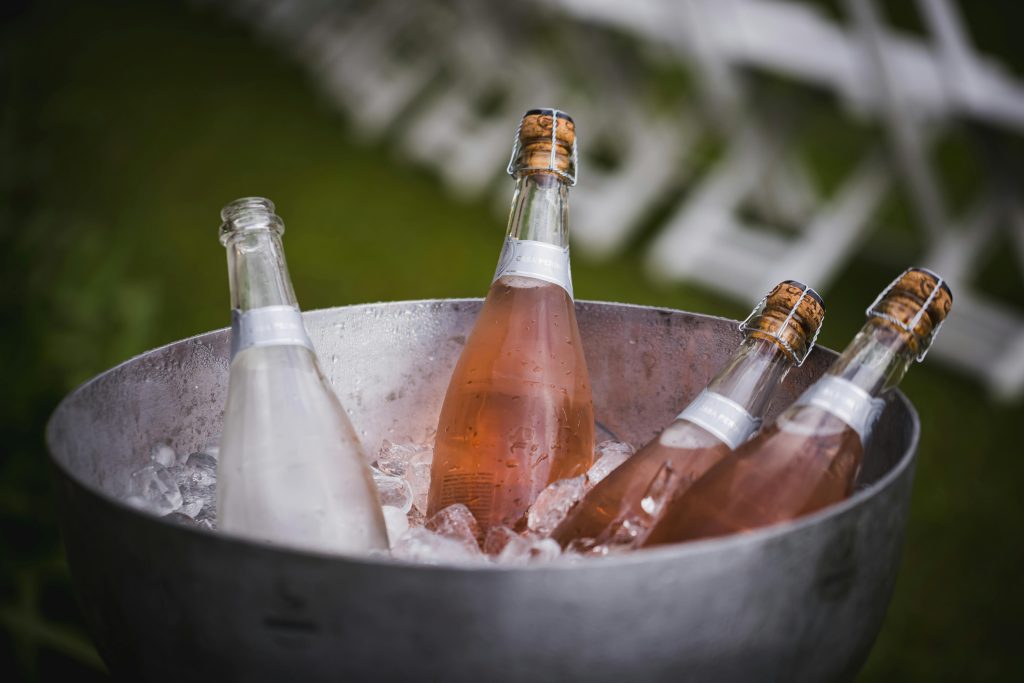
Rosé wine might be the most underrated option for BBQ pairing. It bridges the gap between red and white wines, offering more body than most whites but staying lighter than reds. This versatility makes rosé incredibly food-friendly for outdoor dining.
A good rosé pairs beautifully with grilled salmon, pork chops, chicken thighs, and even lighter beef cuts. It's particularly excellent with mixed grill platters where you're serving several different proteins and don't want to commit to just red or white wine.
Sparkling wines deserve serious consideration for BBQ events too. The bubbles and acidity cut through rich, fatty foods wonderfully. Try Prosecco with grilled shrimp skewers or Champagne with smoked salmon. Even with heartier fare, a dry sparkling wine can provide a refreshing contrast that cleanses the palate.
Plus, let's be honest – sparkling wine just feels more festive for outdoor entertaining. Your guests will appreciate the celebratory touch, especially during summer cookouts and special occasions.
Rule 5: When in Doubt, Choose Food-Friendly Crowd Pleasers
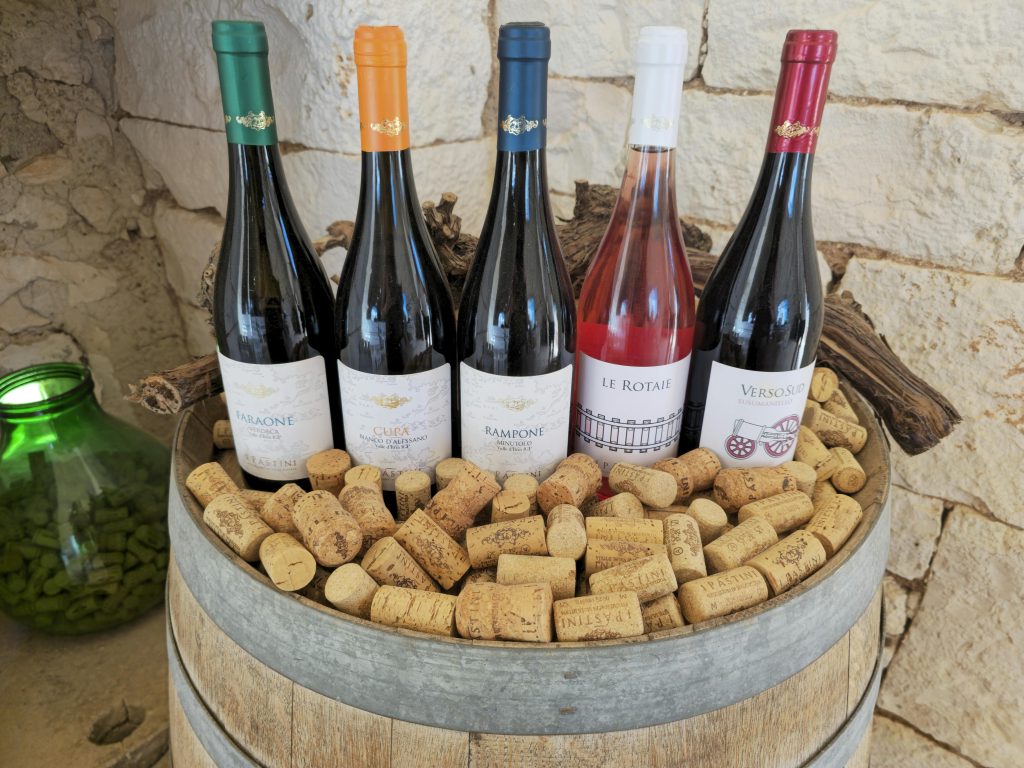
Some wines just work well with almost everything you throw on the grill. Having these reliable options in your back pocket takes the guesswork out of wine selection when you're serving a diverse group with varying tastes.
Pinot Noir tops this list. It's light enough for fish and chicken but has enough character for pork and lighter beef cuts. It plays well with most BBQ sauces and won't clash with different seasonings.
Sauvignon Blanc is your white wine safety net. Its crisp acidity and bright flavors complement everything from grilled vegetables to seafood to chicken. It's particularly good when you're serving multiple courses or appetizers alongside your main grilled items.
Sangria deserves special mention for BBQ gatherings. You can make it ahead of time, it's budget-friendly, and the fruit flavors pair wonderfully with the smoky char from grilling. Plus, it's crowd-pleasing and perfect for casual outdoor dining.
Making It Work in Real Life
Remember, these rules are guidelines, not laws. The best wine pairing is the one you and your guests enjoy. Start with these basics, but don't be afraid to experiment and trust your taste buds. Consider buying a few different bottles for your next BBQ and let guests try different combinations. You'll quickly learn what works for your preferred grilling style and flavor preferences. Keep notes on successful pairings so you can repeat the magic at future gatherings.
Most importantly, don't let wine pairing stress you out. The goal is to enhance your meal and create enjoyable moments with friends and family. With these five simple rules as your foundation, you're well-equipped to choose wines that make your BBQ gatherings even more memorable and delicious.
BBQ Is Just the Beginning of Great Food and Wine Pairing
The same logic behind these five rules — matching weight, considering sauce, embracing versatile grapes — applies across every kind of food and wine combination. Our complete food and wine pairing guide covers steak, seafood, pasta, cheese, and dessert with the same practical approach you'll find here, and includes a dedicated BBQ section that expands on Rules 1 and 2 in more detail. If you're hosting a BBQ and want to make sure you have the right bottles stocked and served at the right temperatures, our best wine for a dinner party guide covers quantities and serving logistics that work just as well outdoors as indoors. And if Rosé has caught your attention as the BBQ all-rounder, our beginner's wine guide explains the difference between dry Provençal rosé and sweeter styles — worth knowing before you buy. For specific bottle recommendations at every price point, Wine Enthusiast's BBQ wine guide is a well-curated external resource worth bookmarking for grilling season.