
6 Smart Tips for Selecting Wine as a Gift That Actually Impress
Affiliate Disclosure: Some links on Fine Wine World are affiliate links, meaning we may earn a paid commission if you click through and make a purchase — at no extra cost to you. Affiliate programs use cookies to track commissions, which may collect personal data. You can read more about how we handle your data in our [Privacy Policy]. We only recommend products we genuinely trust.
Picture this: You're standing in the wine aisle, surrounded by hundreds of bottles with fancy labels and prices ranging from $10 to $100. Your friend's birthday party is tomorrow, and you promised to bring a nice bottle of wine. The problem? You have absolutely no idea what makes a good wine gift, and the thought of picking the wrong bottle makes you break out in a cold sweat.
If this scenario sounds familiar, you're definitely not alone. Choosing wine as a gift can feel overwhelming, especially when you're not a wine expert yourself. Whether you're shopping for a birthday celebration, Christmas present, wedding gift, or dinner party contribution, selecting the right bottle doesn't have to be a guessing game. With the right approach and a few insider tips, you can confidently pick wine gifts that will genuinely impress your recipients.
In this guide, we'll walk through six practical strategies that will transform you from a confused wine shopper into someone who gives thoughtful, well-chosen wine gifts every time.
Know Your Recipient's Wine Preferences
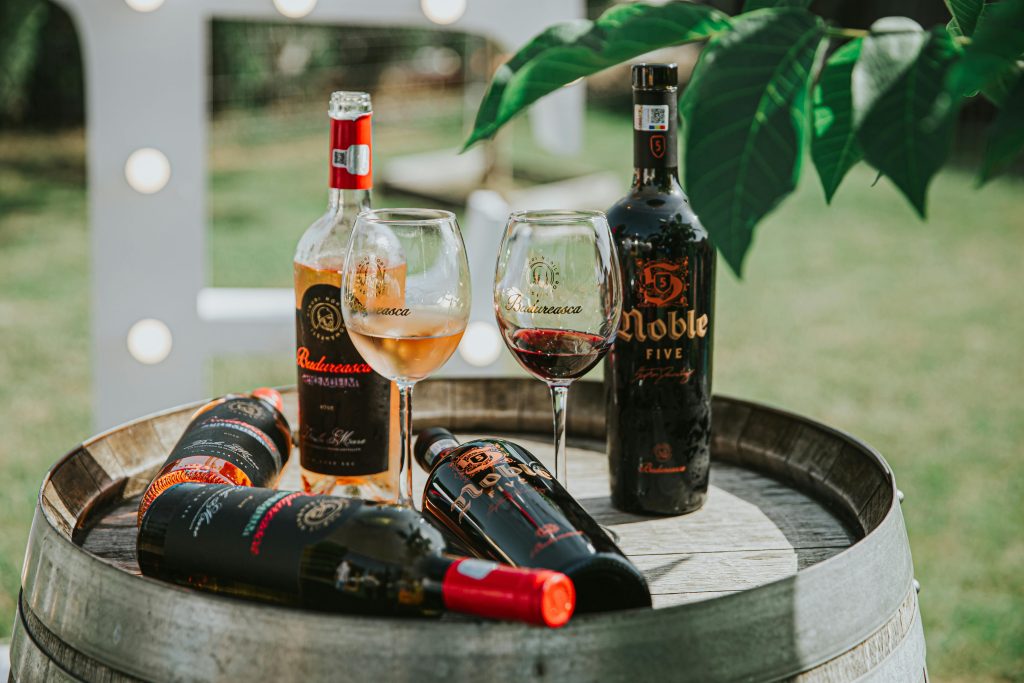
The most important step in choosing wine as a gift is understanding what the recipient actually enjoys drinking. This might seem obvious, but many people skip this crucial research phase and end up giving wines that never get opened.
Start by thinking about what you've seen them drink before. Do they typically reach for red wine at dinner parties, or do they prefer white wine with their meals? Have you noticed them enjoying rosé during summer gatherings? Even small observations can provide valuable clues about their preferences.
If you're not sure about their wine habits, don't be afraid to ask mutual friends or family members. You might say something like, “I'm thinking of bringing a bottle of wine to Sarah's party. Do you know what kind she usually likes?” This casual approach often yields helpful information without spoiling the surprise.
For wine beginners or people who rarely drink wine, consider starting with approachable options that aren't too bold or complex. Pinot Grigio, Sauvignon Blanc, or a light Pinot Noir are generally safe choices that most people find pleasant. These wines offer good flavors without being overwhelming for less experienced wine drinkers.

Consider the Occasion
Different occasions call for different types of wine gifts. A bottle you'd bring to a casual backyard barbecue might not be appropriate for a formal wedding celebration, and understanding these distinctions will help you make better choices.
For dinner parties, think about what food might be served. If you know the host is preparing seafood or chicken, a crisp white wine like Chardonnay or Albariño could be perfect. For red meat dinners or hearty winter meals, consider bringing a medium-bodied red wine such as Merlot or Sangiovese.
Wedding gifts deserve something a bit more special and celebratory. Champagne or sparkling wine is always a classic choice for weddings, as it captures the festive spirit of the occasion. If you prefer still wine, look for bottles from well-known regions like Napa Valley or Bordeaux that feel more premium and gift-worthy.
Birthday celebrations offer more flexibility, allowing you to focus on the person's individual tastes rather than matching the occasion. This is where your knowledge of their preferences becomes especially valuable.
Set a Realistic Budget
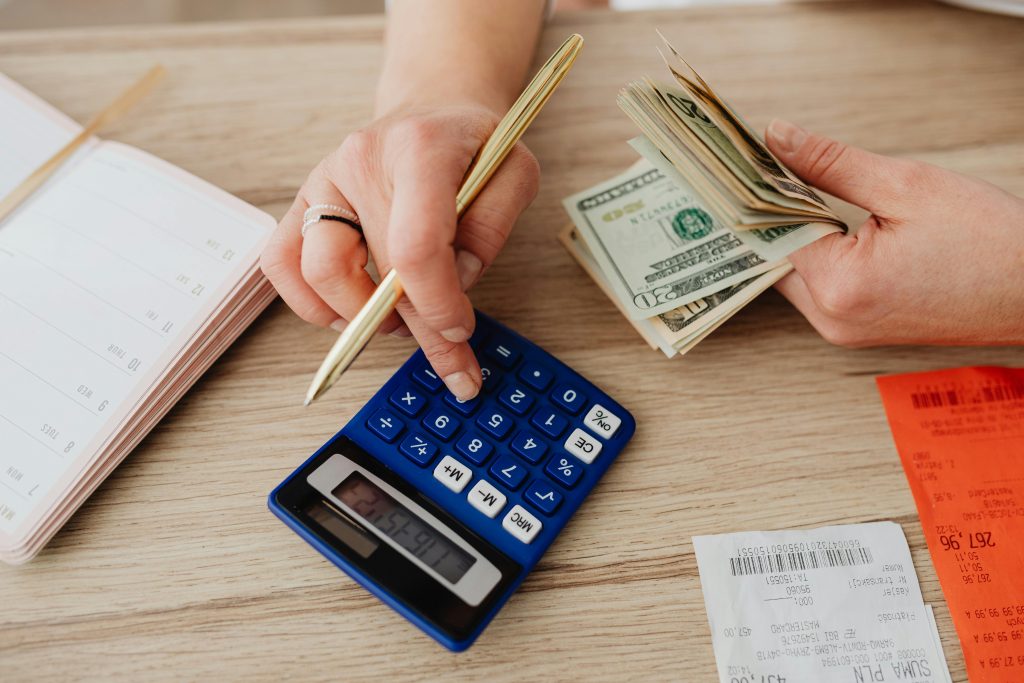
Wine gifts don't need to cost a fortune to be thoughtful and impressive. In fact, there are plenty of excellent wine options available for under $50 that make wonderful presents. The key is knowing how to shop smart within your budget range.
For most gift-giving situations, wines in the $15-30 range offer the best value and quality combination. This price point typically gets you well-made wines from reputable producers that taste significantly better than the cheapest options on the shelf.
If you want to splurge a bit more for special occasions like weddings or milestone birthdays, the $30-50 range opens up access to wines from prestigious regions and renowned winemakers. These bottles often come with more interesting stories and higher perceived value as gifts.
Remember that expensive doesn't always mean better, especially if the recipient isn't a serious wine enthusiast. A $20 bottle chosen thoughtfully based on their preferences will be much more appreciated than a $60 bottle that doesn't match their taste.

Shop at the Right Places
Where you buy your wine gift can be just as important as which wine you choose. Different retailers offer various advantages depending on your needs and experience level.
Local wine shops often provide the best value for gift buyers because the staff genuinely knows their inventory and can offer personalized recommendations. Don't hesitate to explain your situation to the wine shop employees – tell them about the occasion, your budget, and what little you know about the recipient's preferences. Most wine shop workers are passionate about helping customers find perfect matches.
Grocery stores work fine for basic wine gifts, but the selection might be limited and the staff typically can't offer much guidance. However, grocery stores do offer convenience and often have decent wines in the $10-25 range.
Online wine retailers can be excellent for finding specific bottles or accessing wider selections, but shipping costs and delivery timing need to be factored into your planning. This option works best when you know exactly what you want to buy.
Learn to Read Wine Labels

Understanding basic wine label information can dramatically improve your gift-giving success rate. You don't need to become a wine expert, but knowing a few key details will help you make more informed choices.
The grape variety is usually the most important piece of information on the label. Common white wine grapes include Chardonnay, Sauvignon Blanc, Pinot Grigio, and Riesling. Popular red wine grapes include Cabernet Sauvignon, Merlot, Pinot Noir, and Syrah. Each grape variety has typical flavor characteristics that can help you match the wine to your recipient's preferences.
The region where the wine was produced also provides valuable clues about style and quality. Well-known wine regions like Napa Valley, Willamette Valley, or Tuscany generally indicate higher quality and make wines feel more special as gifts.
Vintage years can matter, but for most gift-giving purposes, recent vintages (within the last 2-5 years) are perfectly fine. Very old wines require special storage and might not be appropriate gifts unless the recipient is a serious collector.

Consider Practical Presentation
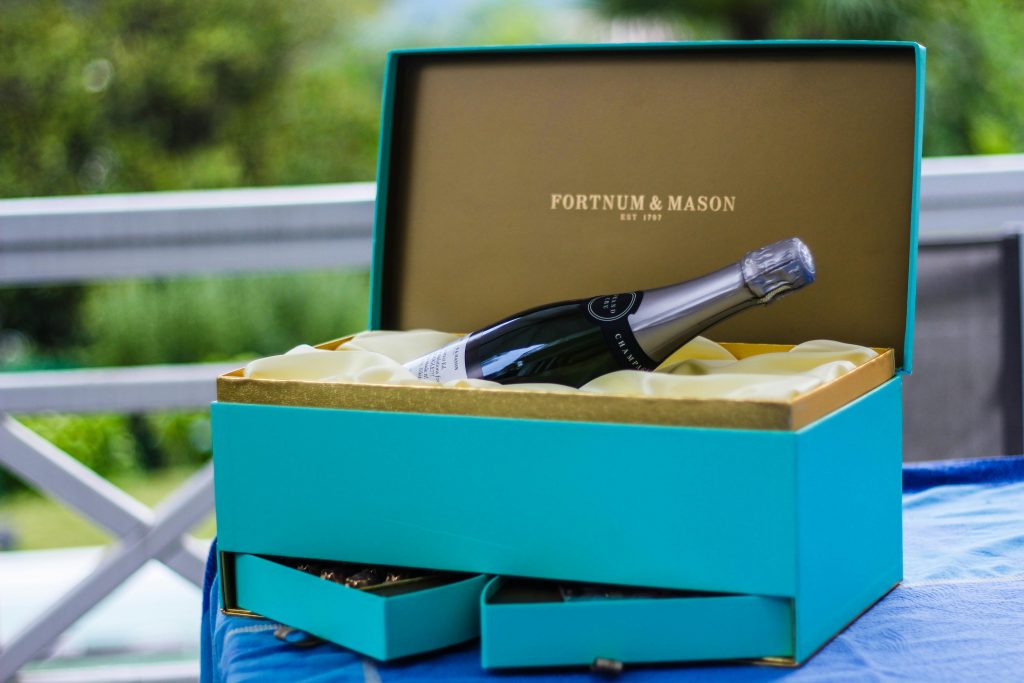
How you present your wine gift can enhance the overall impact and show extra thoughtfulness. A beautifully presented bottle demonstrates that you put effort into the gift, even if the wine itself wasn't extremely expensive.
Wine gift bags are readily available at most liquor stores and add an immediate touch of elegance to any bottle. Choose classic colors like burgundy, gold, or black for a sophisticated look that works for any occasion.
Adding a thoughtful note explains why you chose that particular wine and makes the gift feel more personal. You might write something like, “I remembered you mentioning how much you enjoyed that Pinot Noir last month, so I found this one from Oregon that I thought you might like.” For special occasions, consider pairing the wine with complementary items like artisanal chocolates, gourmet crackers, or a nice cheese. These additions don't need to be expensive, but they show extra consideration and create a more complete gift experience. Some wine shops offer gift wrapping services, which can be worth the small additional cost for important occasions like weddings or milestone celebrations.
When in Doubt, Go Classic
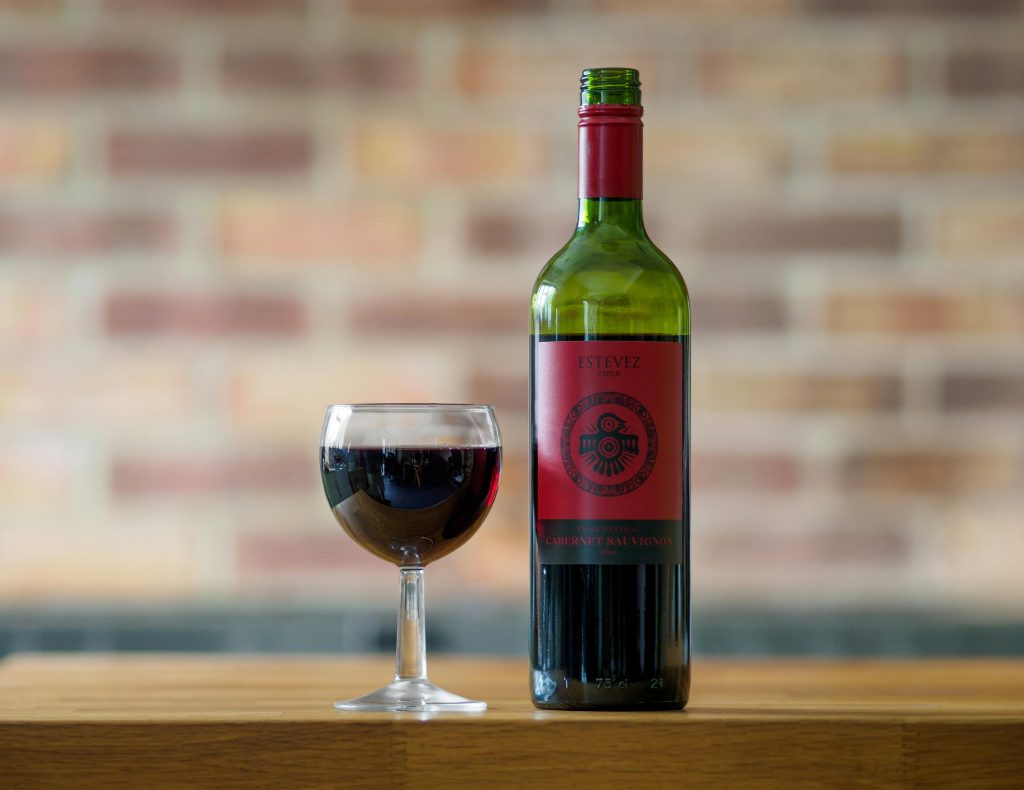
If you're still feeling uncertain after considering all these factors, remember that certain wine choices are almost universally appreciated and rarely go wrong as gifts.
Champagne or high-quality sparkling wine works for virtually any celebratory occasion and feels inherently festive and special. Even people who don't usually drink wine often enjoy champagne for toasts and celebrations. Well-made Pinot Noir offers broad appeal among red wine drinkers because it's generally lighter and less intense than wines like Cabernet Sauvignon. Oregon and California produce excellent Pinot Noir options in various price ranges.
For white wine lovers, Sauvignon Blanc from New Zealand or Sancerre provides crisp, clean flavors that pair well with many foods and drinking situations. These classic choices might not be the most adventurous options, but they're reliable crowd-pleasers that demonstrate good taste and consideration.
Choosing wine as a gift doesn't have to be stressful or complicated. By focusing on the recipient's preferences, considering the occasion, setting a realistic budget, and presenting your choice thoughtfully, you can consistently give wine gifts that are genuinely appreciated and enjoyed. Remember, the most important element is the thought and care you put into the selection process – that consideration will shine through regardless of which specific bottle you ultimately choose.

More Gift Ideas Worth Knowing About
If you're still weighing up whether to gift a bottle or something a bit different, a few other options are worth considering. Our best wine gifts under $50 guide covers accessories — quality glassware, aerators, wine journals — that make thoughtful standalone gifts or pair brilliantly alongside a bottle. For occasions where you want presentation to do the heavy lifting, our Gourmet Gift Baskets review covers a service that pairs premium wines with gourmet food and handles all the packaging for you. And if the recipient is someone who'd love to keep discovering new wines over time, our wine clubs comparison outlines the best subscription options — some of which make excellent one-off gifts with no ongoing commitment. The best wine gift is always one the recipient will actually open and enjoy.