
Sonoma vs Napa: Which Wine Region Should You Visit First?
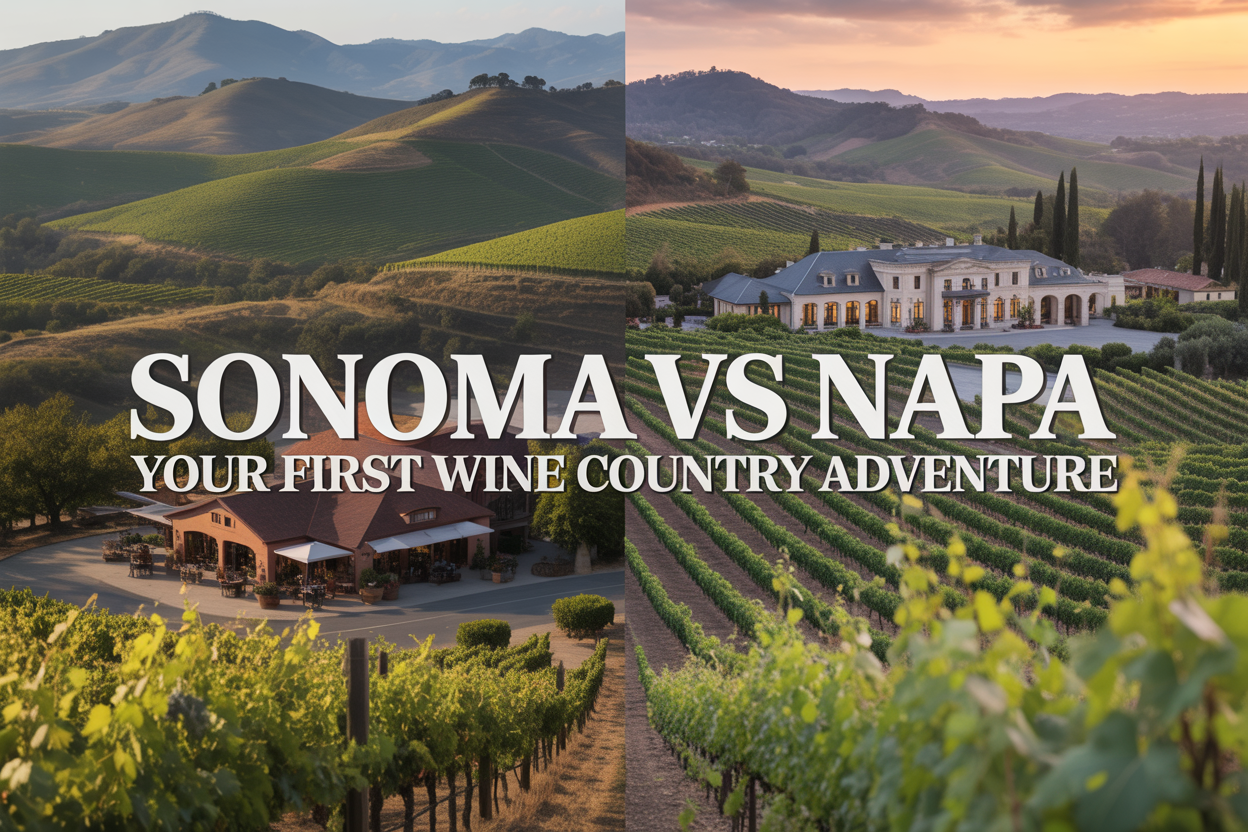
Choosing between Sonoma vs Napa for your first California wine country adventure can feel overwhelming. Both Northern California wine regions offer world-class wines and stunning scenery, but they deliver completely different experiences for wine lovers and travelers.
This guide is perfect for first-time visitors to Napa Valley vs Sonoma County who want to pick the best wine region to visit first based on their preferences and travel style.
We'll break down each region's personality and wine specialties so you understand what makes Sonoma County wineries different from Napa Valley wineries. You'll also discover how the visitor experience varies between these wine destinations – from intimate family-run tasting rooms to grand estate tours. Finally, we'll cover practical wine country vacation planning tips including costs, crowds, and logistics to help you decide which wine region matches your ideal getaway.
Understanding Each Wine Region's Unique Character
Sonoma's Laid-Back Agricultural Charm
and Family-Owned Wineries
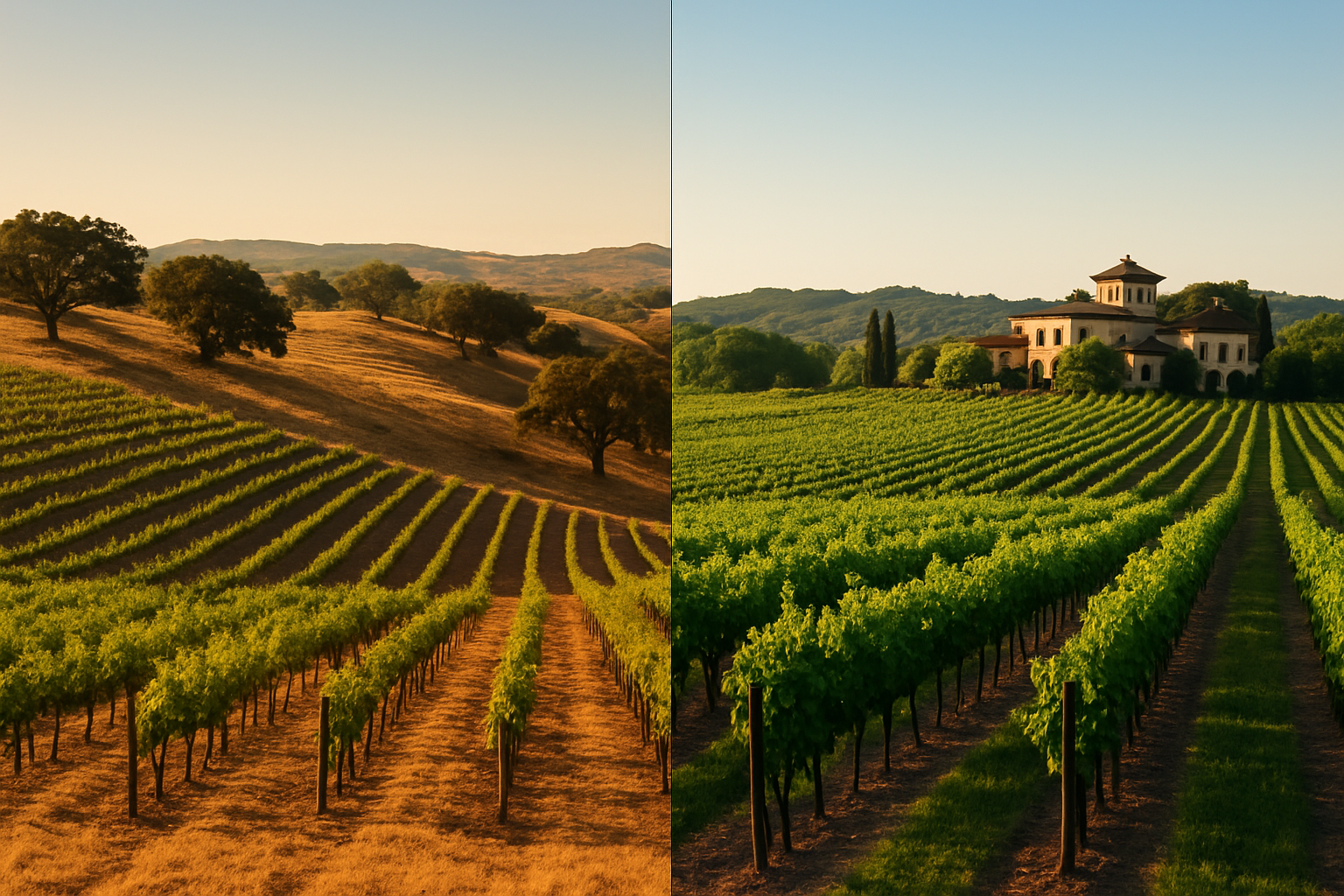
Sonoma County feels like stepping into a postcard of rural California, where rolling hills dotted with oak trees stretch as far as the eye can see. This wine region maintains its agricultural roots with working farms, apple orchards, and vegetable gardens sitting alongside vineyards. The pace here moves slower, reflecting a community that values tradition over flash.
Family-owned wineries dominate Sonoma's landscape, many passed down through generations of winemakers who learned their craft from parents and grandparents. These intimate operations often welcome visitors like old friends, with owners personally pouring tastings and sharing stories about their vines. You'll find yourself chatting with the actual winemaker rather than a hired sommelier, creating authentic connections that larger commercial operations can't match.
The towns scattered throughout Sonoma County – Healdsburg, Sebastopol, and Glen Ellen – maintain their small-town character with local farmers markets, family-run restaurants, and shops owned by longtime residents. This agricultural charm extends to the wineries themselves, where you might spot chickens roaming between vine rows or vegetable gardens growing alongside tasting rooms.
Napa's Prestigious Reputation
and Luxury Wine Experience
Napa Valley built its reputation on producing world-class wines that compete with the finest European vintages. This prestige comes with an atmosphere of refined elegance, where architectural marvels house state-of-the-art winemaking facilities and tasting rooms rival luxury hotels in their attention to detail.
The Napa Valley wine experience emphasizes sophistication and exclusivity. Many wineries require appointments for tastings, employ certified sommeliers who guide guests through carefully curated flights, and charge premium prices that reflect their prestigious status. The valley attracts serious wine collectors and connoisseurs willing to pay for access to limited releases and vintage library wines.
Luxury permeates every aspect of the Napa experience, from Michelin-starred restaurants to high-end resorts. The region's marketing focuses on creating memorable experiences that justify higher price points, whether through helicopter tours over vineyards, private chef dinners, or stays at exclusive wine country resorts.
Climate Differences That Shape Distinct Wine Styles
The Pacific Ocean's influence creates significant climate variations between these neighboring wine regions. Sonoma County benefits from coastal fog and cooler temperatures, particularly in areas like the Russian River Valley and Sonoma Coast. This maritime influence extends the growing season, allowing grapes to ripen slowly while maintaining bright acidity.
Napa Valley sits further inland, protected by mountain ranges that create a warmer, more Mediterranean climate. The valley floor experiences hot days and cool nights, perfect for bold red varieties like Cabernet Sauvignon that need intense heat to develop their signature power and structure.
These climate differences directly impact wine styles. Sonoma produces elegant, food-friendly wines with bright acidity and moderate alcohol levels. Pinot Noir thrives in the cooler coastal areas, while Zinfandel flourishes in the warmer inland valleys. Napa's wines tend toward concentration and intensity, with rich Cabernet Sauvignons and robust Chardonnays that showcase the valley's warm growing conditions.
Historical Development and Winemaking Traditions
Sonoma's winemaking history began with Mission grapes planted by Spanish missionaries in the early 1800s. The region developed organically, with Italian and other European immigrants establishing family wineries that focused on honest, straightforward wines for local consumption. This tradition of community-oriented winemaking continues today.
Napa Valley's transformation from agricultural land to wine country happened more dramatically. The region gained international recognition after the famous 1976 Paris tasting, when Napa wines defeated French rivals in blind tastings. This victory launched Napa's reputation as a serious wine region worthy of global attention and investment.
The winemaking philosophies reflect these different paths. Sonoma emphasizes sustainable farming and minimal intervention techniques, often incorporating organic or biodynamic practices. Napa focuses on precision viticulture and advanced technology to craft wines that can age for decades while maintaining consistent quality year after year.
Wine Variety and Quality Comparisons
Sonoma's Diverse Grape Varieties and Experimental Approach
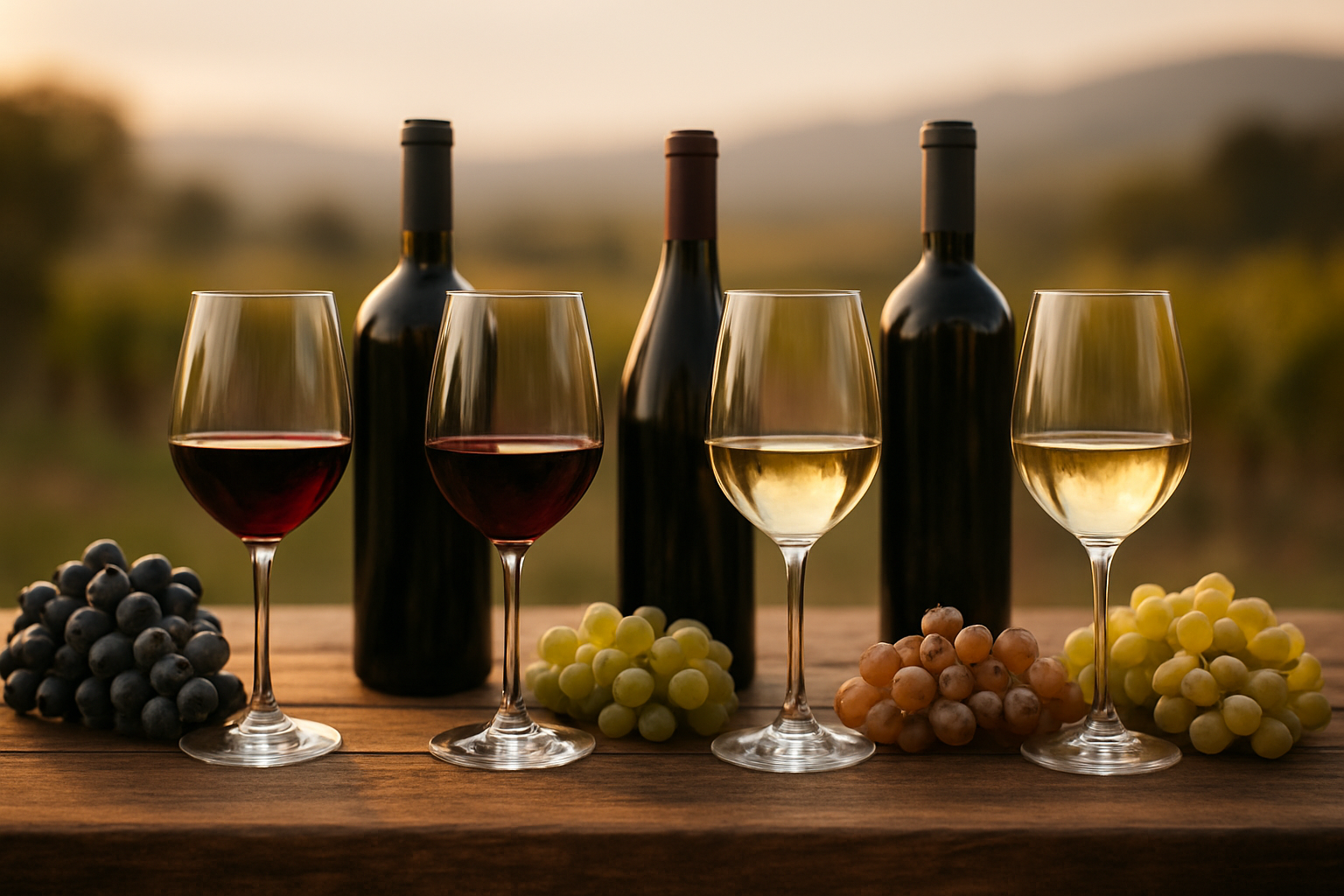
Sonoma County operates like a massive wine laboratory where creativity meets tradition. While Napa often gets the headlines, Sonoma quietly experiments with an impressive range of grape varieties across its diverse microclimates. From the cool, fog-kissed Russian River Valley perfect for Pinot Noir and Chardonnay, to the warmer Alexander Valley where Cabernet Sauvignon and Zinfandel thrive, Sonoma's winemakers have the freedom to explore.
The region's experimental spirit shines through its lesser-known varietals. You'll discover exceptional Gewürztraminer in the Green Valley, stunning Syrah from Bennett Valley, and even surprising Sangiovese from Dry Creek Valley. Many Sonoma wineries embrace sustainable and biodynamic farming practices, often producing natural wines that reflect their commitment to environmental stewardship.
Small family-owned wineries dominate Sonoma's landscape, giving winemakers the flexibility to take risks that larger operations might avoid. This means you'll often taste limited-production bottles that showcase unique blends or single-vineyard expressions you won't find anywhere else.
Napa's World-Renowned Cabernet Sauvignon Excellence
Napa Valley built its reputation on Cabernet Sauvignon, and for good reason. The region's warm days and cool nights create ideal conditions for this noble grape, producing wines with incredible depth, complexity, and aging potential. From Oakville to Rutherford, from Stag's Leap to Howell Mountain, each sub-appellation delivers distinct expressions of Cabernet that have earned global recognition.
The 1976 Judgment of Paris put Napa on the world map when Stag's Leap Wine Cellars' Cabernet Sauvignon beat French Bordeaux in a blind tasting. Since then, Napa has continued to refine its craft, producing Cabernets that regularly score 95+ points from wine critics.
Beyond Cabernet, Napa excels at Bordeaux varietals like Merlot, Cabernet Franc, and Petit Verdot. The region also produces outstanding Chardonnay, particularly from cooler areas like Carneros, and increasingly impressive Sauvignon Blanc. However, Cabernet Sauvignon remains king, representing about 40% of the valley's plantings.
Price Points and Value for Money Across Both Regions
| Aspect | Sonoma County | Napa Valley |
|---|---|---|
| Tasting Fees | $15-35 per person | $35-75 per person |
| Bottle Prices | $25-60 average | $50-150 average |
| Premium Wines | $60-120 | $150-500+ |
| Value Proposition | Better everyday drinking wines | Prestigious collectible wines |
Sonoma offers significantly better value for money, especially for everyday drinking wines. You can find excellent bottles under $40 that deliver impressive quality. The tasting fees are more reasonable, and many wineries still offer complimentary tastings with purchase.
Napa's premium positioning means higher prices across the board. While you'll pay more, you're often getting wines with greater aging potential and prestige. The cult Cabernets from producers like Screaming Eagle or Harlan Estate command thousands of dollars per bottle, but even mid-tier Napa wines typically start around $50.
For wine country vacation planning, budget-conscious travelers often find Sonoma provides more bang for their buck, while those seeking trophy bottles and prestige experiences gravitate toward Napa Valley.
Award-Winning Wineries and Must-Try Bottles
Sonoma Standouts:
-
Kosta Browne: Russian River Valley Pinot Noir that rivals Burgundy's finest
-
Ridge Vineyards: Their Geyserville Zinfandel blend consistently earns 90+ scores
-
Rochioli Vineyards: Family-owned producer of world-class Chardonnay and Pinot Noir
-
Seghesio Family Vineyards: Masters of Italian varietals in Sonoma soil
Napa Icons:
-
Caymus Vineyards: Their Napa Valley Cabernet Sauvignon remains a crowd-pleaser
-
Opus One: The Bordeaux-California collaboration produces legendary blends
-
Schramsberg: Sparkling wine pioneers crafting exceptional méthode champenoise
-
Inglenook: Historic estate producing elegant, food-friendly Cabernets
Both regions house numerous award-winning wineries, but the recognition often differs. Sonoma wins praise for innovation and value, while Napa dominates luxury wine competitions and collector auctions. Your choice between Sonoma vs Napa wine regions depends on whether you prioritize discovery and experimentation or prestige and collecting potential.
Visitor Experience and Atmosphere
Sonoma's Rustic Tasting Rooms
and Farm-to-Table Dining
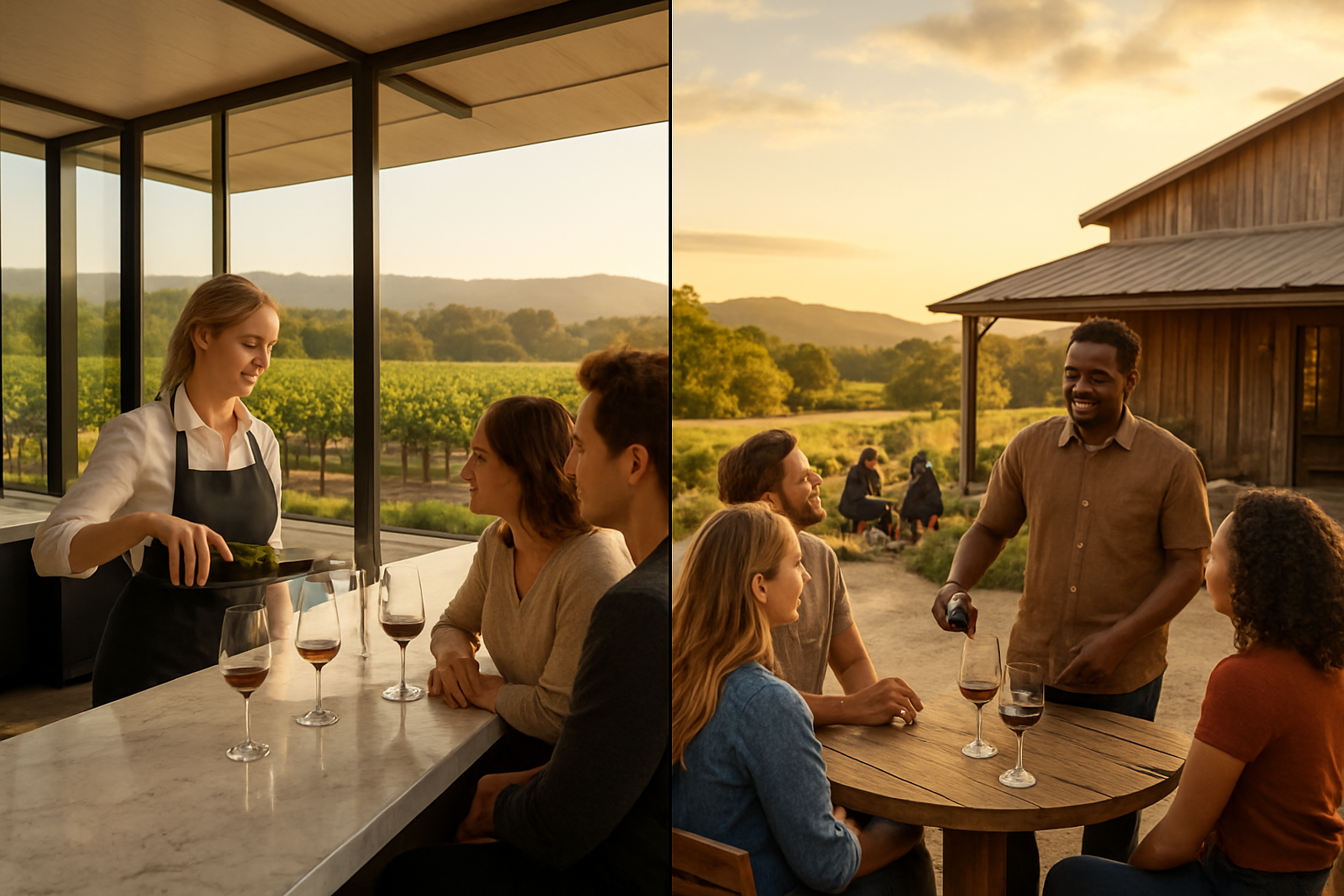
Sonoma County embodies the laid-back California wine country experience that many visitors dream about. The tasting rooms here feel like visiting a friend's barn rather than a corporate showroom. You'll find yourself sipping wine on weathered wooden decks, surrounded by olive trees and vegetable gardens that supply the on-site restaurants.
Family-owned wineries dominate the Sonoma landscape, creating intimate settings where you might meet the actual winemaker or vineyard owner. These aren't polished presentations – they're genuine conversations about passion, terroir, and decades of family tradition. The architecture leans toward converted farmhouses and rustic barns, with many tasting rooms featuring reclaimed wood, stone fireplaces, and panoramic views of rolling vineyards.
The farm-to-table dining scene in Sonoma County connects directly with the agricultural roots of the region. Restaurants source ingredients from neighboring farms, often within a five-mile radius of your table. You can taste heirloom tomatoes that were picked that morning, paired with wines made from grapes grown just outside the restaurant window. Popular spots like The Fig Cafe & Winebar and Farmhouse Inn showcase this philosophy, creating menus that change with the seasons and local harvest cycles.
Many wineries double as working farms, growing their own vegetables and raising livestock. This creates unique experiences where you can tour the vineyard, visit the chicken coop, and then enjoy lunch featuring eggs from those same chickens alongside their estate wines.
Napa's Upscale Facilities
and Celebrity Chef Restaurants
Napa Valley wine country travel takes a decidedly more luxurious approach to wine tourism. The valley's reputation as America's premier wine destination shows in every detail, from architecturally stunning tasting rooms to white-glove service standards. Wineries like Opus One and Stag's Leap invest millions in their visitor facilities, creating experiences that feel more like high-end retail showrooms than traditional tasting rooms.
The Napa Valley visitor experience often includes reservations, structured tastings, and guided tours led by sommeliers rather than casual conversations with winemakers. Tasting fees typically run higher than Sonoma, but the presentations are polished and educational. Many facilities feature contemporary art collections, sculpture gardens, and buildings designed by world-renowned architects.
Celebrity chef restaurants have made Napa Valley a culinary destination that rivals the wine itself. Thomas Keller's French Laundry remains the crown jewel, while other James Beard Award winners like Michael Chiarello and Cindy Pawlcyn have established restaurants throughout the valley. These dining experiences command premium prices but deliver exceptional food paired with extensive wine lists featuring both local and international selections.
The Auberge du Soleil, Meadowood Resort, and similar establishments cater to visitors seeking luxury accommodations with Michelin-starred dining and spa services. Wine country vacation planning in Napa often centers around securing reservations at these exclusive venues months in advance.
Crowd Levels and Seasonal Considerations for Visits
Understanding crowd patterns makes a significant difference in your Sonoma vs Napa experience. Summer weekends bring the heaviest traffic to both regions, but Napa Valley wineries typically see larger crowds year-round due to their international reputation. Tour buses frequently visit Napa's most famous wineries, while Sonoma County maintains a quieter atmosphere even during peak season.
Harvest season (August through October) creates excitement in both regions but also increases visitor numbers substantially. Napa's harvest festivals and special events draw wine enthusiasts from around the world, making reservations essential during this period. Sonoma's harvest season feels more authentic and less commercialized, with many smaller wineries welcoming visitors to participate in picking or crushing activities.
Winter months offer the best opportunity to experience either region without crowds. January through March provides intimate tasting experiences, especially in Sonoma where many wineries operate on a more casual, walk-in basis. Napa maintains its reservation system year-round, but securing spots becomes much easier during off-peak months.
Weekday visits consistently provide better experiences in both regions. Tasting room staff has more time for conversations, reservations are easier to secure, and the overall pace feels more relaxed. Sonoma County wineries often waive tasting fees on weekdays, while Napa maintains premium pricing regardless of the day.
Activities Beyond Wine Tasting

Sonoma's Outdoor Adventures and Coastal Proximity
Sonoma County offers visitors an incredible playground beyond the tasting room doors. The region's diverse landscape creates opportunities for adventure seekers who want to pair their wine country vacation with outdoor activities. The Russian River provides excellent kayaking and canoeing experiences, winding through redwood groves and vineyard-dotted valleys. Mountain biking enthusiasts can explore the numerous trails throughout Annadel State Park and Sugarloaf Ridge State Park, where panoramic views of the wine country await.
The proximity to California's rugged coastline sets Sonoma apart from its inland neighbor. A 30-minute drive from most Sonoma County wineries brings you to the dramatic Sonoma Coast, where towering redwoods meet crashing Pacific waves. Bodega Bay offers whale watching expeditions, tide pooling adventures, and scenic coastal hikes along the Sonoma Coast State Park. Fort Ross State Historic Park provides both cultural history and stunning ocean vistas, making it perfect for combining education with natural beauty.
Hiking opportunities abound throughout Sonoma County, from gentle vineyard walks to challenging mountain trail adventures. The Sonoma Overlook Trail rewards hikers with sweeping views of the valley floor, while more ambitious adventurers can tackle the peaks in nearby state parks for even more spectacular scenery.
Napa's Luxury Spas and Hot Air Balloon Rides
Napa Valley has perfected the art of luxury relaxation, offering world-class spa experiences that complement the sophisticated wine tasting journey. Auberge du Soleil, Calistoga Ranch, and Meadowood Resort feature award-winning spas where visitors can indulge in vineyard-inspired treatments using local grape extracts and mineral-rich mud from the region's natural hot springs.
Calistoga stands as Napa's wellness capital, built around natural geothermal activity that creates therapeutic hot springs and mineral pools. Historic spas like Indian Springs and Calistoga Spa Hot Springs have been pampering guests for over a century, offering everything from mud baths to couples' massage treatments in serene settings surrounded by vineyards.
Hot air balloon rides have become synonymous with the Napa Valley experience. Multiple companies launch colorful balloons at dawn, floating silently over the valley's checkerboard pattern of vineyards and estates. The peaceful journey provides unmatched aerial photography opportunities and often concludes with champagne toasts in the vineyards where the balloons land. Companies like Napa Valley Balloons and Adventures Aloft offer different packages, from intimate rides for couples to larger group experiences.
Art Galleries and Cultural Attractions
in Each Region
Both regions showcase vibrant arts scenes that reflect their unique personalities. Sonoma County embraces a more eclectic, community-focused approach to arts and culture. The Sebastopol Center for the Arts regularly features local artists, while Healdsburg's galleries along the town square display everything from contemporary sculptures to traditional landscape paintings. The Luther Burbank Home and Gardens in Santa Rosa offers insight into the famous horticulturist's life and work, providing cultural depth beyond wine appreciation.
Napa Valley's cultural offerings lean toward high-end experiences that match the region's luxury reputation. The Napa Valley Museum in Yountville combines regional history with rotating contemporary art exhibitions. Oxbow Public Market serves as both a gourmet food destination and cultural hub, hosting art installations and live performances. Several wineries double as art galleries, with Castello di Amorosa displaying medieval artifacts and Hess Collection Winery featuring contemporary art alongside their wines.
The di Rosa Center for Contemporary Art in Napa presents an impressive collection of Northern California artists in a stunning lakeside setting. Meanwhile, Sonoma County Museum focuses on regional history and rotating exhibitions that celebrate local culture and heritage.
Shopping Opportunities for Wine and Local Crafts
Wine country shopping extends far beyond cellar door purchases, though both regions excel at wine retail experiences. Sonoma County farmers markets in Healdsburg, Santa Rosa, and Sebastopol offer artisanal cheeses, locally made olive oils, and handcrafted goods that make perfect accompaniments to wine purchases. The Barlow in Sebastopol houses multiple artisan workshops where visitors can watch glassblowers, potters, and jewelry makers create unique pieces.
Napa Valley shopping centers around luxury retail experiences. The Village at Yountville features upscale boutiques selling everything from designer clothing to high-end kitchen accessories. V Marketplace in Yountville and Vintage 1870 in Yountville provide curated shopping experiences with wine accessories, gourmet foods, and local artisan products housed in beautifully restored historic buildings.
Both regions offer excellent opportunities to purchase wines directly from producers, often with exclusive releases and library wines unavailable elsewhere. Many wineries provide shipping services, making it easy to send purchases home rather than carrying them through your travels.
Practical Planning Considerations
Transportation Options
and Driving Distances from Major Cities
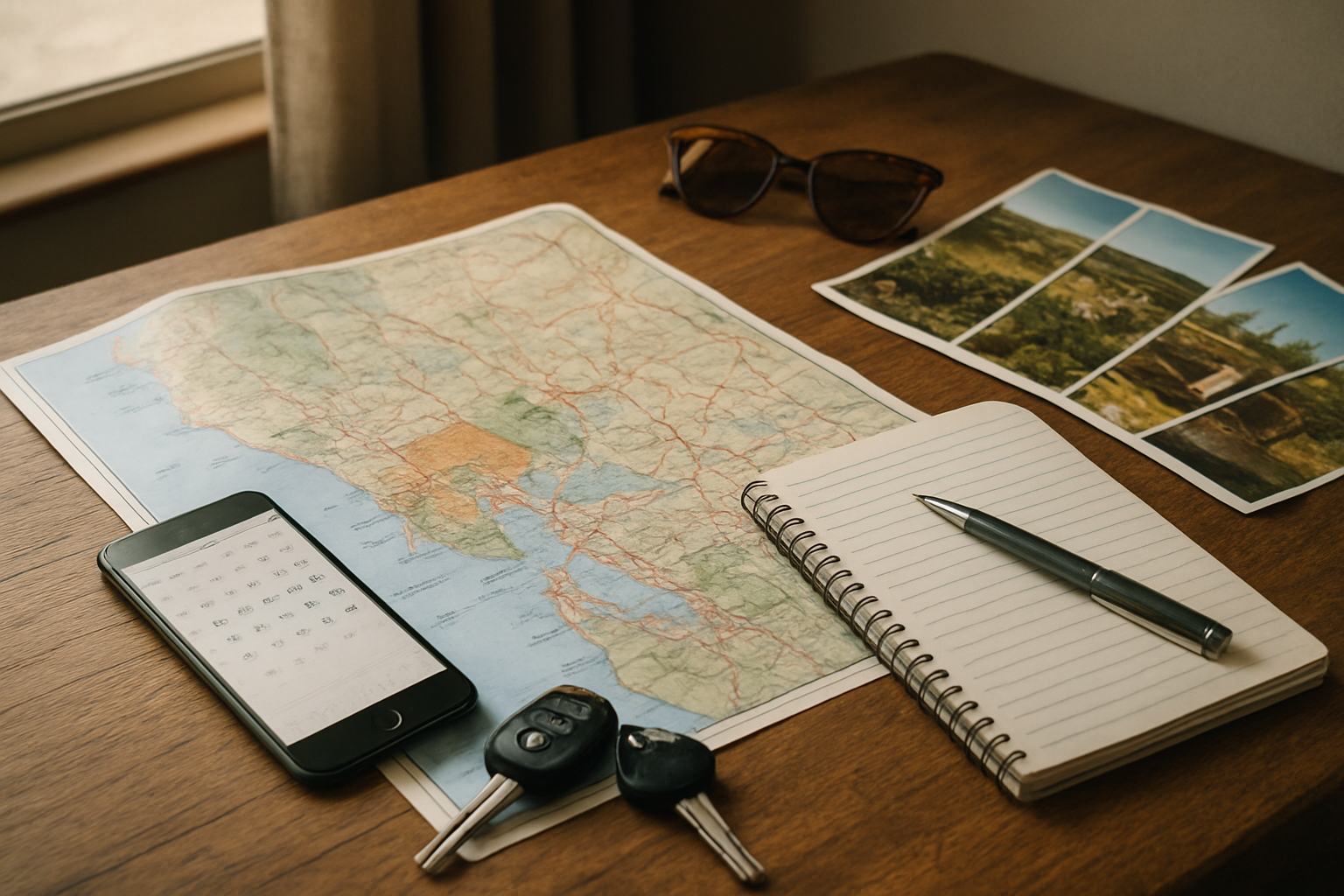
Getting to Sonoma vs Napa requires different planning depending on where you're starting your wine country vacation. From San Francisco, both regions sit about an hour north, but the routes and experiences vary significantly.
From San Francisco:
-
Napa Valley: 60-75 minutes via Highway 101 North to Highway 37, then Highway 29
-
Sonoma County: 45-90 minutes depending on destination (Russian River Valley is closer, Alexander Valley further)
From Sacramento:
-
Napa Valley: 60-90 minutes via I-80 West to Highway 29
-
Sonoma County: 75-105 minutes via I-80 West to Highway 101 North
From Los Angeles:
-
Both regions: 6-7 hours via I-5 North or Highway 101 North
Flying into San Francisco International (SFO) or Oakland (OAK) gives you the most flexibility for wine country travel. Sacramento International works well if you're focusing primarily on Napa Valley. Many visitors rent cars at the airport since having your own transportation provides the most freedom for winery hopping.
Ride-sharing services like Uber and Lyft operate in both regions, though availability can be limited in remote vineyard areas. Private wine tour companies offer transportation services, which solve the drinking-and-driving concern while providing local expertise.
Public transportation options are minimal. The VINE Transit system serves Napa Valley with limited routes, while Sonoma County Transit covers some areas but isn't practical for winery visits.
Accommodation Styles from Budget to Luxury
Both Sonoma and Napa offer accommodations across every price point, though Napa Valley generally commands higher rates for comparable properties.
| Accommodation Type | Napa Valley | Sonoma County |
|---|---|---|
| Budget Hotels | $150-250/night | $120-200/night |
| Mid-Range Inns | $300-500/night | $250-400/night |
| Luxury Resorts | $800-2000+/night | $600-1500/night |
| Vacation Rentals | $200-800/night | $150-600/night |
Napa Valley Accommodation Highlights:
Luxury dominates the Napa Valley accommodation scene. Auberge du Soleil and Meadowood Resort represent the pinnacle of wine country luxury, with world-class spas and Michelin-starred restaurants. Mid-range options like Maison Fleurie in Yountville offer French country charm without breaking the bank.
Sonoma County Options:
Sonoma County provides more variety for budget-conscious travelers. Historic bed-and-breakfasts dot the landscape, offering intimate experiences with local hosts. The Farmhouse Inn in Forestville delivers luxury without Napa's premium pricing, while boutique hotels in downtown Sonoma provide walkable access to tasting rooms.
Vacation rental properties shine in both regions, especially for groups. Sonoma County offers more affordable options, from cozy cottages in the Russian River Valley to sprawling estates in Alexander Valley. Napa's rental market skews upscale but provides unmatched luxury experiences.
Ideal Visit Duration for Each Region
Your ideal stay length depends on your wine knowledge level, budget, and travel style when choosing between Sonoma vs Napa wine country experiences.
Napa Valley:
-
Weekend (2-3 days): Perfect for first-time visitors wanting to hit the famous names like Opus One, Stag's Leap, and Robert Mondavi. Focus on Highway 29 corridor wineries.
-
Extended stay (4-5 days): Allows exploration of different AVAs (American Viticultural Areas) like Howell Mountain and Atlas Peak. Include a spa day and fine dining experiences.
-
Week-long visit: Dive deep into single varietals, book private tastings, and explore lesser-known boutique producers.
Sonoma County:
-
Long weekend (3-4 days): Covers 2-3 sub-regions comfortably. Russian River Valley and Dry Creek Valley pair well together.
-
Five days: Explore diverse microclimates from coastal Sonoma Coast to warmer Alexander Valley. Include time for non-wine activities.
-
Week or more: Perfect for wine enthusiasts wanting to understand terroir differences. Visit during harvest season for hands-on experiences.
Combined Visit Strategies:
Many wine country veterans recommend starting with a shorter Napa Valley visit (2-3 days) to experience the “greatest hits,” then spending longer in Sonoma County (4-5 days) for deeper exploration and better value.
Consider seasonal factors when planning your wine country vacation. Spring offers beautiful wildflowers but unpredictable weather. Summer brings peak crowds and highest prices. Fall harvest season creates magical atmospheres but requires advance bookings. Winter provides the best deals and intimate experiences, though some wineries have limited hours.
Book accommodations and popular winery experiences well in advance, especially for weekend visits during peak season (April through October).
Making Your Decision Based on Travel Goals
First-time wine country visitors seeking authentic experiences
Your first trip to California wine country deserves to feel genuine rather than touristy. Sonoma County offers the perfect introduction to authentic wine culture without overwhelming you. The region maintains a relaxed, down-to-earth atmosphere where winemakers often pour their own wines and share personal stories behind each bottle. You'll find family-owned operations that have been crafting wine for generations, creating intimate tasting experiences that feel like visiting friends rather than attending formal presentations.
The smaller crowds in Sonoma mean you can actually have conversations with winery staff and learn about the winemaking process. Many Sonoma County wineries welcome walk-ins, allowing spontaneous discoveries that make wine country vacation planning less stressful. The laid-back vibe encourages you to explore at your own pace, stopping at roadside farm stands and local eateries between tastings.
Napa Valley, while stunning, can feel intimidating for newcomers due to its polished reputation and higher prices. The reservation-only culture at many Napa Valley wineries requires advance planning that might limit your spontaneous exploration. For first-timers wanting to understand wine country culture organically, Sonoma provides a more approachable entry point.
Wine enthusiasts pursuing specific varietals or prestigious labels
Serious wine collectors and enthusiasts face a clear choice when comparing Sonoma vs Napa for their specific goals. Napa Valley dominates the conversation for Cabernet Sauvignon, producing some of California's most sought-after and collectible bottles. The valley's prestigious labels like Screaming Eagle, Harlan Estate, and Opus One represent the pinnacle of American winemaking prestige. If your cellar needs iconic Napa Cabernet or you're hunting allocation-only wines, Napa Valley wineries should top your list.
However, Sonoma County excels in varietal diversity and terroir expression. Wine enthusiasts seeking exceptional Pinot Noir should head to the Russian River Valley, while Chardonnay lovers will find outstanding examples in both Russian River and Sonoma Coast appellations. The region's cooler microclimates produce wines with more restraint and elegance compared to Napa's power-driven style.
For those interested in exploring lesser-known varietals or natural winemaking techniques, Sonoma offers more experimentation and innovation. Many Northern California wine regions within Sonoma focus on sustainable and biodynamic practices, appealing to environmentally conscious wine enthusiasts.
Budget-conscious travelers maximizing value
Smart wine country travelers can stretch their dollars significantly further in Sonoma County. Tasting fees typically range from $15-25 per person compared to Napa's $25-75 fees, with many Sonoma wineries waiving fees with purchases. The region offers numerous free or low-cost tasting opportunities, especially at smaller family wineries that value building relationships over maximizing profits.
Accommodation costs in Sonoma run 30-50% lower than comparable Napa Valley hotels, with charming bed-and-breakfasts and vacation rentals providing authentic experiences at reasonable rates. Restaurant prices follow similar patterns, with excellent farm-to-table dining available without Napa's premium pricing.
Wine purchases offer better value too. While Napa's prestige commands higher prices, Sonoma produces exceptional wines at more accessible price points. You'll discover outstanding bottles in the $25-45 range that would cost $60-100 in Napa for comparable quality.
Luxury seekers wanting premium experiences
Napa Valley remains the undisputed champion for luxury wine country experiences. The region offers world-class resorts like Meadowood and Calistoga Ranch, complete with spa services and Michelin-starred dining. Private helicopter tours, exclusive winery experiences, and personal sommelier services cater to visitors seeking white-glove treatment.
The valley's prestigious wineries provide VIP experiences that justify premium pricing through exceptional service and rare wine access. Cave tours at Schramsberg or private tastings at cult wineries create memorable moments worth the investment.
Sonoma County has elevated its luxury offerings significantly, with properties like Farmhouse Inn and Montage Healdsburg competing with Napa's finest. However, Sonoma's luxury feels more understated and farm-focused rather than ostentatious, appealing to travelers who prefer authentic luxury over flashy displays.
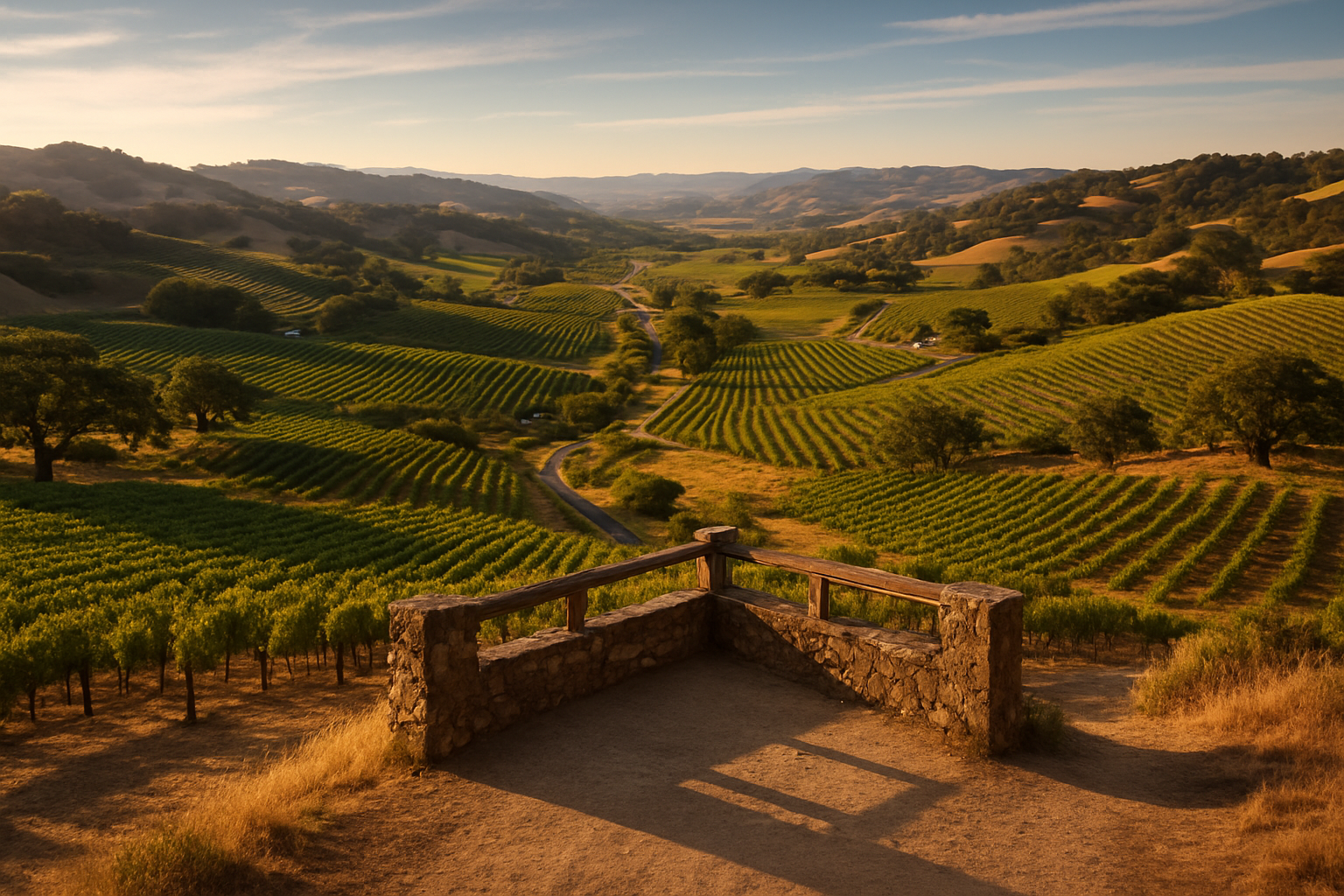
Both Sonoma and Napa offer incredible wine experiences, but they cater to different travel styles and preferences. If you're drawn to a more relaxed, authentic atmosphere with diverse activities and better value, Sonoma might be your perfect match. On the other hand, if you want world-renowned wines, luxury experiences, and don't mind paying premium prices for prestige, Napa could be exactly what you're looking for.
The best choice really comes down to what kind of trip you want to have. Consider your budget, whether you prefer intimate tastings or grand estates, and if you want to explore beyond just wine or even if you want to join a Wine Club. Either way, you can't go wrong – both regions will give you memories to last a lifetime and probably a few bottles to take home too.
Planning Your Trip: The Next Steps
Once you've decided which region calls to you, the real planning begins. Our step-by-step wine tasting trip guide walks you through budgeting, booking wineries, choosing accommodation, and building a daily itinerary that isn't over-packed. If you're new to wine tasting and want to feel confident in the tasting rooms you'll visit, our wine tasting guide covers technique and etiquette in a friendly, practical way. And if you plan to buy bottles to bring home, make sure you know how to store them properly — our wine storage guide covers everything from temperature to bottle positioning. For regularly updated winery reviews and travel features across both regions, Wine Spectator's California travel section is one of the most thorough resources available. Whichever region you choose, you're in for a genuinely memorable trip