
Best Wines for Beginners: Top Styles & Bottles to Try

Affiliate Disclosure: Some links on Fine Wine World are affiliate links, meaning we may earn a paid commission if you click through and make a purchase — at no extra cost to you. Affiliate programs use cookies to track commissions, which may collect personal data. You can read more about how we handle your data in our [Privacy Policy]. We only recommend products we genuinely trust.
Starting your wine journey can feel like walking into a foreign language class on the first day. The endless rows of bottles, confusing labels, and intimidating price tags can make anyone want to grab the first bottle with a pretty label and call it a day. But here's the thing – finding the best wine for beginners doesn't have to be overwhelming or expensive. Whether you're tired of always ordering the same drink at restaurants or someone gifted you a nice bottle that sparked your curiosity, this guide will help you discover easy wines to drink that won't break the bank or your taste buds.
Think of wine like music – you probably didn't start with complex jazz or classical symphonies. You found songs that made you feel good, then gradually explored different genres as your taste developed. Wine works the same way, and there are plenty of wines to try as a beginner that will help you build confidence and discover what you actually like.
Why Some Wines Are Perfect for New Drinkers
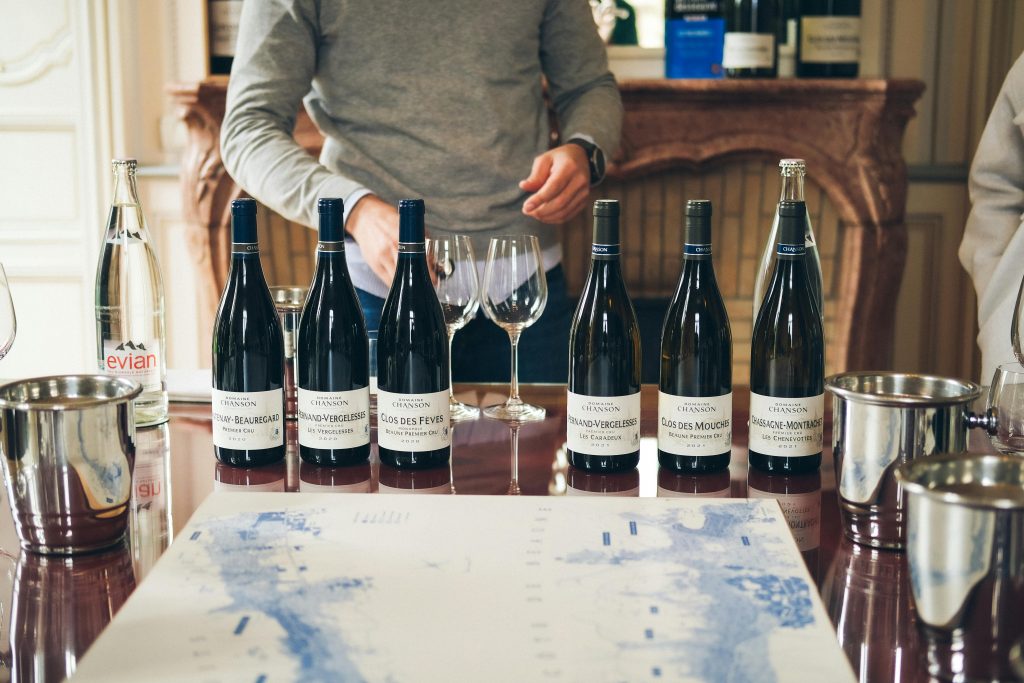
Before diving into specific bottles, let's talk about what makes certain best starter wines so approachable. The wines that work best for beginners typically share a few key characteristics that make them easier on the palate.
First, they're usually not too dry or bitter. Many people's first wine experience involves a very dry red that leaves their mouth feeling like they just ate chalk – not exactly encouraging! The most popular wines for new drinkers tend to have a touch of sweetness or fruit-forward flavors that balance out any harsh edges.
Second, they're not too strong. While alcohol content in wine typically ranges from 11% to 15%, beginner-friendly options often fall on the lighter side of that spectrum. This makes them more approachable and less likely to overwhelm your senses.
Finally, they're forgiving. What I mean by this is that these wines taste good whether you're drinking them alone, with food, or even if they're not at the perfect temperature. You don't need special glasses or perfect conditions to enjoy them.
Red Wines That Won't Scare You Away
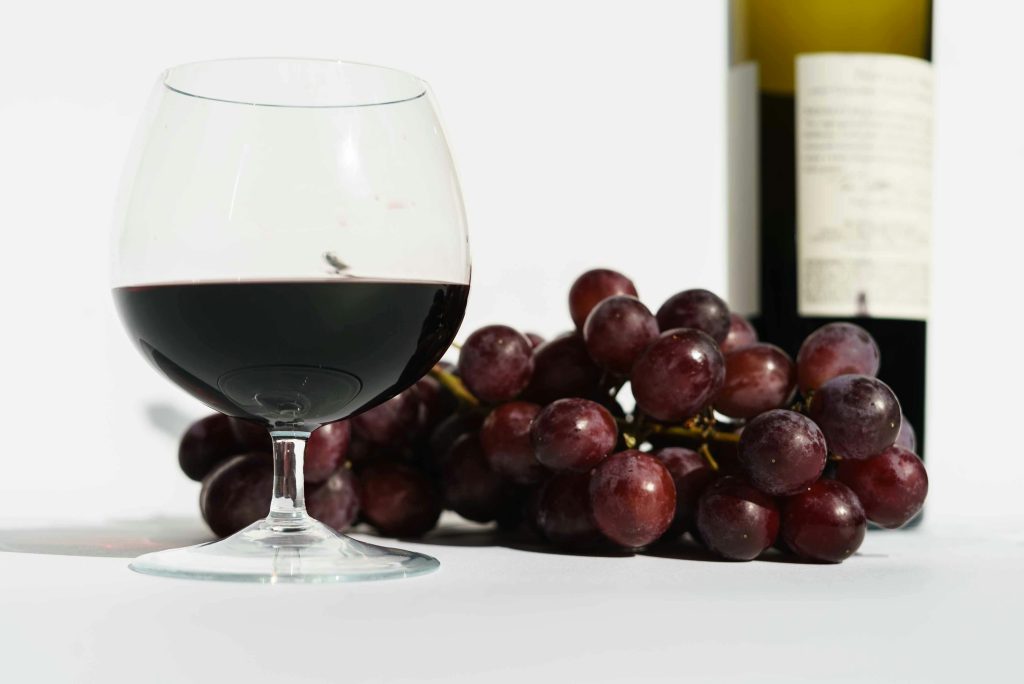
When people ask about the best red wine for beginners, I always start with Pinot Noir. This grape variety produces some of the most approachable red wines you'll find. Unlike heavier reds that can feel like drinking liquid velvet, Pinot Noir is light, smooth, and often has bright cherry or strawberry flavors that are easy to identify and enjoy.
Look for Pinot Noir from Oregon, California's Central Coast, or even some options from France's Burgundy region if you want to splurge a little. Most bottles under $20 will give you a great introduction to this style.
Beaujolais is another fantastic option that often gets overlooked. This French wine, made from the Gamot grape, is light, fruity, and has a slightly chilled quality that makes it perfect for any season. It's like the friendly neighbor of red wines – approachable, reliable, and always pleasant to have around.
If you're drawn to slightly richer flavors, Merlot can be an excellent choice. It's softer and rounder than its famous cousin Cabernet Sauvignon, with plum and chocolate notes that many people find appealing. Washington State and California produce some excellent beginner-friendly Merlots that won't assault your taste buds with harsh tannins.
For those who want to try something a bit different, consider a Côtes du Rhône from France. These blends are typically smooth, medium-bodied, and offer great value. They're the kind of wines that are not too dry and pair well with almost any food you might be eating.
White Wines for Every Palate

The world of white wine offers even more beginner-friendly options. When discussing the best white wine for beginners, Riesling deserves the top spot. Don't let anyone tell you that sweet wines aren't “serious” – Riesling produces some of the most beloved wines in the world, and many have just enough sweetness to balance their bright acidity.
German Rieslings are particularly beginner-friendly, especially those labeled as “Kabinett” or “Spätlese.” These terms indicate sweetness levels, with Kabinett being lighter and slightly sweet. The combination of fruit flavors like apple, peach, and lime with a touch of sweetness creates an incredibly pleasant drinking experience.
Sauvignon Blanc offers a completely different but equally approachable experience. These wines are typically crisp, refreshing, and bursting with flavors like citrus, grass, and tropical fruits. New Zealand produces some spectacular examples that are perfect for beginners, as does California's Napa Valley.
If you prefer something creamier and more substantial, Chardonnay might be your gateway wine. Look for unoaked versions first – these will be crisper and more fruit-forward. Once you develop your palate, you can explore the buttery, vanilla-scented oaked versions that many people associate with this grape.
Pinot Grigio (or Pinot Gris) rounds out the essential whites for beginners. These wines are typically light, crisp, and neutral – think of them as the white t-shirt of wines. They're versatile, inoffensive, and pair well with lighter foods or work great as an aperitif.
Sweet Wines Deserve Respect Too

Let's address the elephant in the room – sweet wines. Many people feel embarrassed about enjoying best sweet wine for beginners, but there's absolutely no reason to be. Some of the world's most expensive and sought-after wines are sweet, and they can provide an excellent entry point into wine appreciation.
Moscato d'Asti from Italy is bubbly, light, and deliciously sweet with peach and orange blossom flavors. It's perfect for celebrations or just because it's Tuesday and you want something that tastes like happiness in a glass.
Port wine, while stronger than table wines, offers rich sweetness with flavors of chocolate, caramel, and dried fruits. A small glass makes an excellent dessert wine, and most bottles will last for weeks after opening.
Ice wines, though more expensive, provide an incredible introduction to the concept of how sweetness and acidity can balance each other perfectly. These wines are made from grapes that have been frozen on the vine, concentrating their flavors into something truly special.
Shopping Smart Without Breaking the Bank
One of the biggest concerns for new wine drinkers is cost. The good news is that many wines under 20 for beginners offer excellent quality and drinking pleasure. You don't need to spend a fortune to find wines you'll enjoy.
Start with wines from regions known for value, such as:
- Portugal – produces incredible reds and whites at bargain prices
- Spain – offers diverse styles from crisp whites to rich reds, often under $15
- Chile – known for excellent Sauvignon Blanc and Carmenère
- Argentina – produces world-class Malbec and Torrontés at great prices
- Pacific Northwest – Oregon and Washington offer great Pinot Noir and Riesling
Don't be afraid to ask for help at wine shops. Most staff members are passionate about wine and love helping beginners find something they'll enjoy. Tell them your budget, mention any wines you've liked or disliked in the past, and let them guide you to appropriate options.
Building Your Wine Confidence
Remember that developing your wine palate is a personal journey. What works for your friends might not work for you, and that's perfectly fine. The most approachable wines are the ones that make you want to take another sip, regardless of what wine experts or critics might say.
Keep notes about what you try – even simple ones like “loved this with pizza” or “too dry for me” will help you identify patterns in your preferences. Many people use smartphone apps to track their wine experiences, but a simple notebook works just as well. Most importantly, don't let anyone make you feel bad about your wine choices. The wine world can sometimes feel exclusive or intimidating, but at its heart, wine is simply fermented grape juice meant to be enjoyed. Your palate is valid, your preferences matter, and the best wine is always the one you enjoy drinking.
Whether you're looking for light wines for beginners or ready to explore slightly more complex options, remember that every wine lover started exactly where you are now. Take your time, try different styles, and most importantly, have fun with the process. Your wine journey is just beginning, and there are countless delicious discoveries waiting for you.

Your Next Steps as a Beginner
Once you've found a few wines you genuinely enjoy, the natural next step is learning how to pair them with food — which makes every bottle taste better. Our food and wine pairing guide covers all the major food categories with specific recommendations, including the three simple rules that cover most everyday situations. When you feel ready to move beyond the basics, our wine tasting guide teaches you how to use the Five S's method so you can actually describe what you're tasting rather than just saying “I liked it.” And if a wine club appeals as a way to keep discovering new styles without the research burden, our wine clubs comparison lays out the best options for beginners clearly. For an independent visual reference on grape varieties and styles, Wine Folly's beginner poster is one of the most widely recommended resources for people at exactly this stage of their wine journey.