
Is Buying Bordeaux En Primeur Worth It?
Affiliate Disclosure: Some links on Fine Wine World are affiliate links, meaning we may earn a paid commission if you click through and make a purchase — at no extra cost to you. Affiliate programs use cookies to track commissions, which may collect personal data. You can read more about how we handle your data in our Privacy Policy and Affiliate Disclosure. We only recommend products we genuinely trust.
I've been watching wine collectors debate whether Bordeaux en primeur is worth the investment, and I get why there's so much confusion. You're essentially buying wine that doesn't exist yet, paying upfront for bottles you won't see for two years, and taking on risks that many traditional investments don't have.
This guide is for wine lovers who want to understand buying wine futures without the marketing fluff. Maybe you're new to fine wine investment and wondering if en primeur makes sense. Or you're an experienced collector questioning if this centuries-old system still works in today's market.
I'll walk you through what Bordeaux en primeur actually means and how the system works from château to your cellar. We'll dive into the en primeur pros and cons so you can see both the potential benefits and real risks involved. By the end, you'll have a clear answer to “should I buy en primeur” based on your specific situation and goals.
What is Bordeaux en primeur? The simple explanation
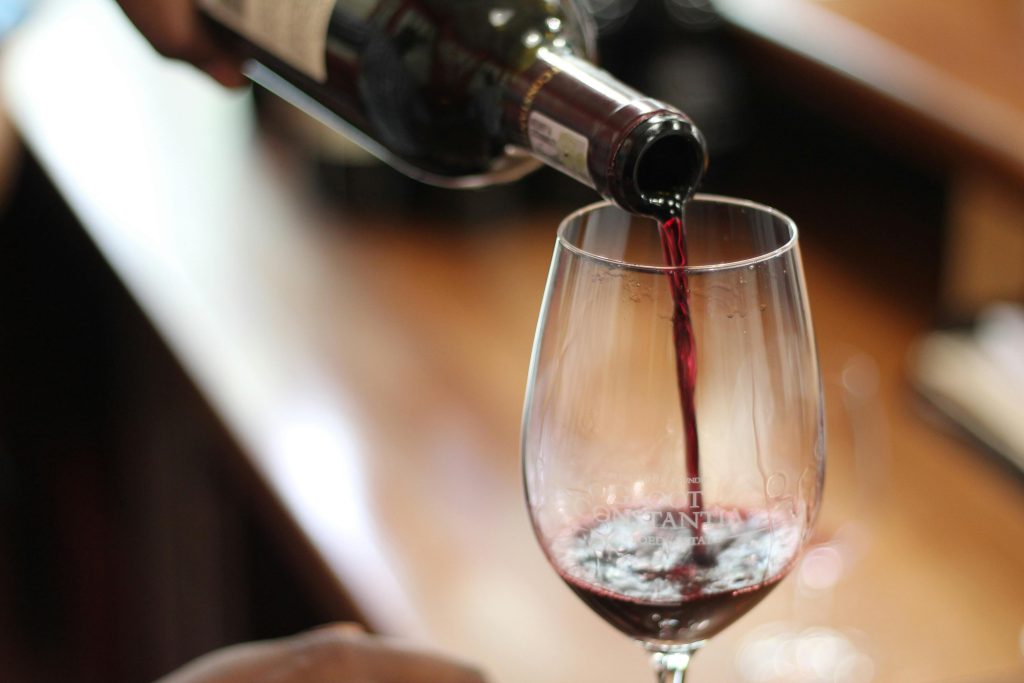
Bordeaux en primeur is exactly what it sounds like when you break it down — buying wine before it's even bottled. I think of it like ordering a custom-made suit: you pay upfront based on what you see and taste, then wait patiently for the finished product. The process starts each autumn with the harvest, and the following spring, buyers get to taste barrel samples and decide whether to reserve bottles at the release price.
Here's how the timeline works for something like the 2025 vintage: I'd taste and buy in spring 2026, the wine gets bottled in 2027, and my bottles finally arrive at my door sometime between 2027-2028. The châteaux essentially sell their wine futures — wine that's still aging in barrels — giving them cash flow while the wine matures. It's a centuries-old system that lets me secure coveted Bordeaux wines at release prices, though I'm betting on how those barrel samples will develop over the next 18-24 months.
How the en primeur system works — from château to your cellar
The Journey from Vineyard to Your Collection
Understanding how Bordeaux en primeur works requires walking through the entire timeline. After harvest in October, I wait until the following April when châteaux open their doors for the crucial spring tasting week. Critics, négociants, and serious buyers descend on Bordeaux to taste barrel samples – young wines still aging in oak. These tastings shape everything that follows, with published scores driving demand and pricing decisions.
The Business Mechanics Behind En Primeur
The real action happens between May and June during the official en primeur campaign. Châteaux announce their release prices based on critic scores and market conditions, while négociants – the Bordeaux merchants who bridge châteaux and consumers – secure allocations. When I buy en primeur, I'm paying today's “en primeur price” for wine that won't be bottled for 18 months and won't reach drinking maturity for 5-15 years. This creates three distinct price points: the initial en primeur price, the release price when bottled, and the eventual market price when ready to drink.

The golden era speaks for itself – legendary vintages like 2000, 2005, 2009, and 2010 proved the en primeur model's value. I watched buyers who secured these wines early enjoy massive savings compared to release prices, while gaining guaranteed access to bottles that became nearly impossible to find later. These success stories built the en primeur mythology that still influences wine investment strategies today.
The 2025 Bordeaux en primeur campaign — what you need to know
The 2025 Vintage Quality Assessment
I've been following the 2025 Bordeaux vintage closely, and my assessment is straightforward: this is a solid, reliable year that won't disappoint, but it's not the legendary vintage some marketing campaigns claim. The growing season delivered exactly what winemakers needed – a mild spring prevented frost damage, the hot summer concentrated flavors beautifully, and those crucial late August rains arrived perfectly timed to refresh the vines before harvest.
Strategic Buying Approach for 2025
My advice for the Bordeaux 2025 en primeur campaign is simple: resist the FOMO and think strategically. Every vintage comes with breathless claims of being “exceptional” or “the vintage of the century,” but I've seen this playbook too many times. This year rewards selective buying where quality, scarcity, and sensible pricing align. I'm focusing on specific châteaux in Pauillac and Saint-Julien that have shown pricing discipline, while avoiding properties that have inflated their release prices despite the vintage's solid but not spectacular character.
The real pros of buying en primeur
Guaranteed Access to Exceptional Wines
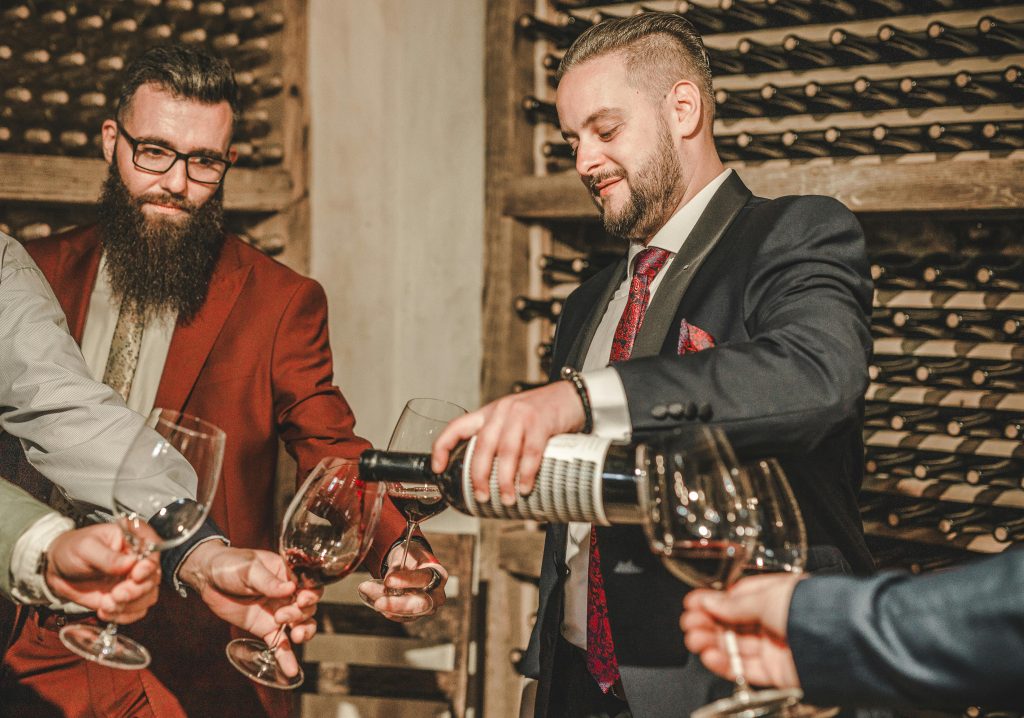
I've found that buying Bordeaux en primeur gives me access to wines that simply disappear from the market after release. Cult wines from Pomerol, garage wines with tiny production runs, and even some Bordeaux wine futures from châteaux experimenting with Burgundy-style winemaking become available only through the en primeur system. When these wines hit the market later, they're either sold out or priced astronomically higher.
Financial and Practical Advantages
The price advantage on correctly priced châteaux in quality vintages remains real, especially for wines where demand genuinely outstrips supply. I love the storage benefits too – keeping wines in bond through my merchant avoids duty until delivery while guaranteeing provenance. Plus, I can secure large-format bottles like magnums and double magnums that rarely appear post-release, making my fine wine investment more diverse and exciting.
The real cons and risks of buying en primeur
I've learned to view wine investment risks with a clear eye after seeing too many collectors get burned by the hidden costs and timing challenges. When I buy Bordeaux en primeur, I'm essentially tying up my capital for 2-3 years with zero return until delivery, paying full price upfront while additional costs like taxes, shipping, and storage fees pile on later. The en primeur worth it question becomes murky when I consider that barrel samples rarely match the finished wine quality critics score.
My biggest concern remains merchant risk – if my chosen wine dealer goes under before my bottles arrive, recovering my investment becomes nearly impossible. I'm also gambling on vintages that won't be completed for 18-24 months, betting against potential price drops when the wines hit the market. Storage planning adds another layer of complexity, as I need secure space for 12-24 bottles that might age for decades before drinking.
Who should buy en primeur — and who shouldn't
The Smart En Primeur Buyer Profile
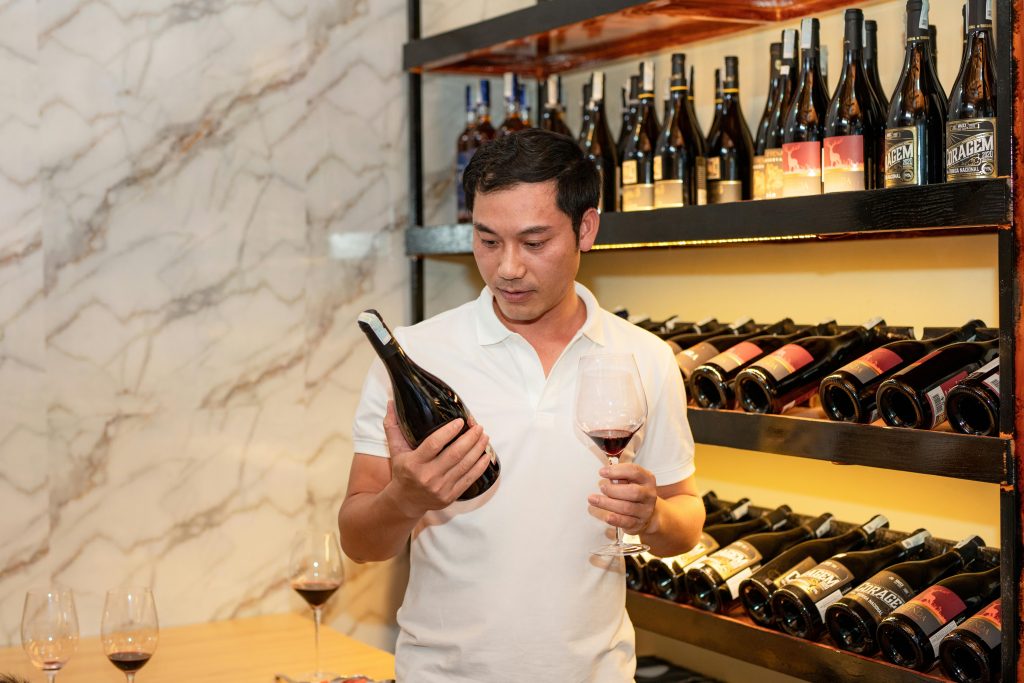
I recommend buying en primeur if you're targeting scarce, high-demand wines from top estates where allocation is limited and prices historically appreciate. You need secure storage already sorted, capital you won't miss for 2-3 years, and a specific drinking occasion planned a decade away. My advice centers on patience and precision.
When En Primeur Makes No Sense
Skip en primeur if you want wine for the next two years, you're buying purely for investment without deep market knowledge, or you're caught up in “vintage of the century” hype. I always tell clients to compare en primeur pricing against available back vintages first. FOMO kills rational wine investment decisions every time.
The honest verdict — is Bordeaux en primeur worth it in 2026?
For most wine lovers, buying en primeur isn't worth it in 2026. I'd recommend purchasing ready-to-drink Bordeaux from excellent recent vintages like 2018, 2019, or 2022 at current market prices. These often cost less than the 2025 en primeur releases while delivering immediate enjoyment without the two-year wait.
However, serious collectors targeting specific scarce wines from price-disciplined châteaux should consider selective purchases. The 2025 vintage offers solid quality, and when scarcity and reasonable pricing align, en primeur still makes sense. My advice: if you're unsure, wait. Most Bordeaux becomes available post-release, and only a short list of cult wines genuinely disappear—experienced collectors already know which ones those are.
Conclusion
After diving deep into the world of Bordeaux en primeur, I've come to see it's not a simple yes or no decision. The system offers genuine advantages – getting access to wines that might be impossible to find later, potentially securing lower prices on legendary vintages, and having the excitement of being part of wine history as it unfolds. But I can't ignore the real downsides: tying up money for years, the risk of market fluctuations, storage concerns, and the possibility that some wines won't live up to their early promise.
My honest take? En primeur works best for serious collectors who understand the risks and have both the financial flexibility and storage solutions in place. If you're just getting into fine wine or prefer immediate gratification, you're probably better off buying mature bottles from established vintages. The 2025 campaign might offer some interesting opportunities, but I'd approach it with clear expectations and never invest more than you can afford to have locked away for the long haul. At the end of the day, en primeur is as much about the journey as the destination – make sure it's a journey you actually want to take.
Whether You Buy En Primeur or Not — Know Your Bordeaux
Understanding the en primeur system is inseparable from understanding Bordeaux itself — the appellations, the château hierarchy, and why certain wines command the prices they do. Our best Bordeaux wines under $50 guide covers the same appellations discussed here — Pauillac, Saint-Julien, Pomerol, and the satellites — with specific bottle recommendations that represent excellent value whether you buy en primeur or on release. Our wine regions of the world guide covers Bordeaux's Left Bank, Right Bank, and sub-appellations in depth, giving you the regional context to evaluate any en primeur offer with confidence. And when those bottles finally arrive, our aged wine guide and wine storage guide ensure you'll store and open them at exactly the right moment. For independently reviewed en primeur offers and vintage assessments across all Bordeaux appellations, Decanter's en primeur section provides the most authoritative free coverage available. Buy wisely — and enjoy every bottle when the time is right. 🍷🇫🇷