
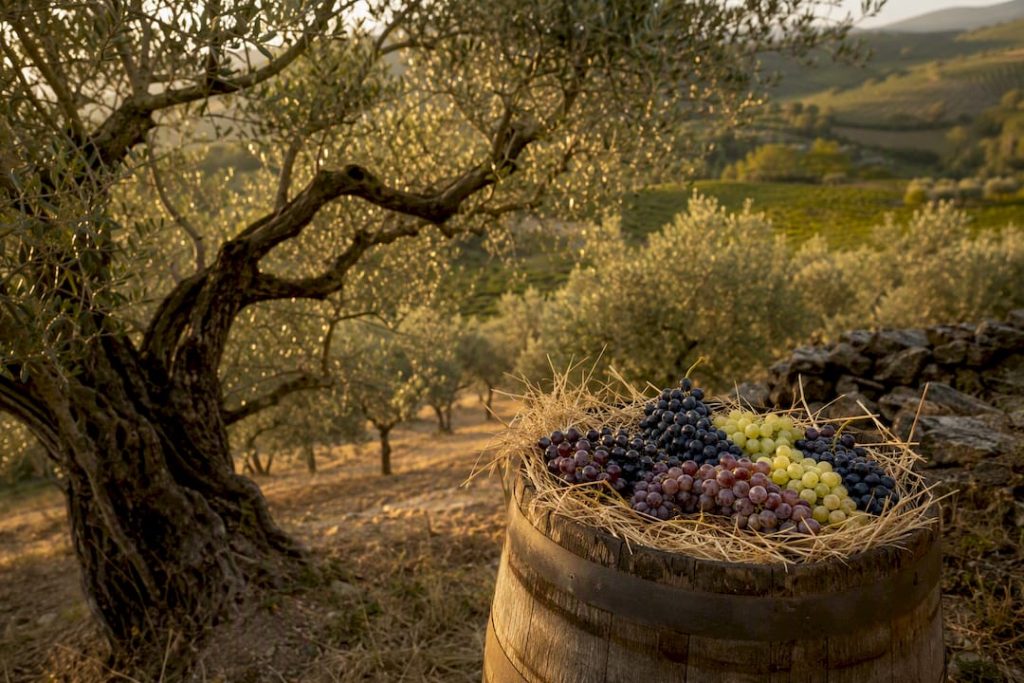
Heritage and forgotten grape varieties are the ancient, rare, or nearly-extinct grapes that once thrived in specific regions before market pressure, disease, or regulation pushed them aside, and they matter now because they hold genetic diversity that mainstream grapes lost decades ago. As vineyards face hotter summers and unpredictable rain, these old cultivars often carry built-in resistance and adaptability that winemakers can’t manufacture from scratch. They also tell a story. A glass of Picolit or Assyrtiko connects you to centuries of winemaking history that Cabernet Sauvignon simply can’t offer.
Affiliate Disclosure: Some links on Fine Wine World are affiliate links, meaning we may earn a paid commission if you click through and make a purchase — at no extra cost to you. Affiliate programs use cookies to track commissions, which may collect personal data. You can read more about how we handle your data in our Privacy Policy and Affiliate Disclosure. We only recommend products we genuinely trust.
Here’s a quick preview of the grapes we’ll cover:
- Petit Meslier — a near-extinct Champagne grape prized for razor acidity
- Arbane — another Champagne relic, planted on barely a few hectares today
- Picolit — an Italian dessert grape so fussy it yields under 20 hectoliters per hectare
- Assyrtiko — Santorini’s volcanic white, built for drought
- Saperavi — Georgia’s ink-dark red with 8,000 years of winemaking behind it
These aren’t museum pieces. They’re being replanted, studied, and bottled right now.
Key Takeaways
Heritage and forgotten grape varieties survive as a genetic and cultural reservoir that winemakers are actively reviving to build climate resilience and satisfy growing consumer demand for authenticity.
| Point | Details |
|---|---|
| Definition matters | Heritage grapes have deep regional roots; forgotten grapes were once common but nearly disappeared. |
| Decline had practical causes | Phylloxera, appellation rules, and market consolidation pushed rare grapes out of commercial vineyards. |
| Revival is scientific, not sentimental | DNA identification, paleogenomic research, and nursery programs confirm lineage and rebuild viable plant stock. |
| Rarity means real limits | Low-yield grapes like Picolit stay expensive and niche because their biology can’t be engineered around. |
| Start exploring with guidance | Fine Wine World’s regional and pairing guides help you find, taste, and enjoy these rare bottles with confidence. |
Table of Contents
- What Makes a Grape “Heritage” or “Forgotten”
- Heritage and Forgotten Grape Varieties by Region
- How Winemakers Are Bringing Forgotten Grapes Back
- Why These Grapes Carry Cultural Weight
- The Real Obstacles Standing Between These Grapes and Your Glass
- An Editor’s Take on Why This Trend Isn’t Just Hype
- Where Fine Wine World Can Take You Next
- Sources
What Makes a Grape “Heritage” or “Forgotten”
A grape earns the “heritage” label when it has deep, documented ties to a specific place, often a single valley, hillside, or village, and has been cultivated there for generations, sometimes centuries. “Forgotten” describes something narrower: a variety that was once planted more widely but fell out of commercial favor, sometimes down to a handful of surviving vines. The two labels overlap constantly. Genetic distinctiveness matters too. A true heritage grape usually isn’t a clone or crossing of something more famous. It’s its own genetic line, occasionally confirmed today through DNA analysis rather than guesswork.
Most of these grapes disappeared for practical, not romantic, reasons:
- Phylloxera devastated European vineyards in the late 1800s, and when growers replanted on resistant rootstock, many chose reliable, high-yield varieties over fragile local ones, a shift well documented in the history of phylloxera’s spread.
- Appellation rules in the 20th century often locked in a short list of “approved” grapes, quietly outlawing the rest.
- Market consolidation rewarded consistency. Retailers wanted grapes customers already recognized, not a dozen regional oddities.
- Cultural shifts, including rural depopulation and the postwar rush toward industrial farming, left old vineyards untended and eventually pulled up.
The revival happening now isn’t nostalgia. It’s strategy. Indigenous varieties already carry local adaptation that specialists see as a hedge against climate volatility, and that alone makes them worth saving.
Heritage grapes function as a living gene bank. The traits that let a vine survive drought, disease, or poor soil for three hundred years are exactly the traits winemakers need as growing conditions shift.
Heritage and Forgotten Grape Varieties by Region
This is where the story gets genuinely fun, because nearly every wine region on earth has at least one grape it quietly stopped talking about. Here’s what to look for, region by region.
France hides its heritage grapes in plain sight. Champagne’s official rules still permit three obscure whites alongside the big three: Petit Meslier, Arbane, and a variant called Pinot Blanc (sometimes labeled Fromenteau locally). Petit Meslier delivers searing acidity and citrus zest; Arbane leans floral and delicate, almost like a wildflower meadow bottled. Fewer than a handful of Champagne houses still plant them, so finding a varietal bottling is a genuine hunt. Head south to the Jura and you’ll meet Poulsard, a pale, translucent red with strawberry and white pepper notes that drinks almost like a rosé, and Trousseau, its darker, spicier cousin with a rustic, earthy backbone.
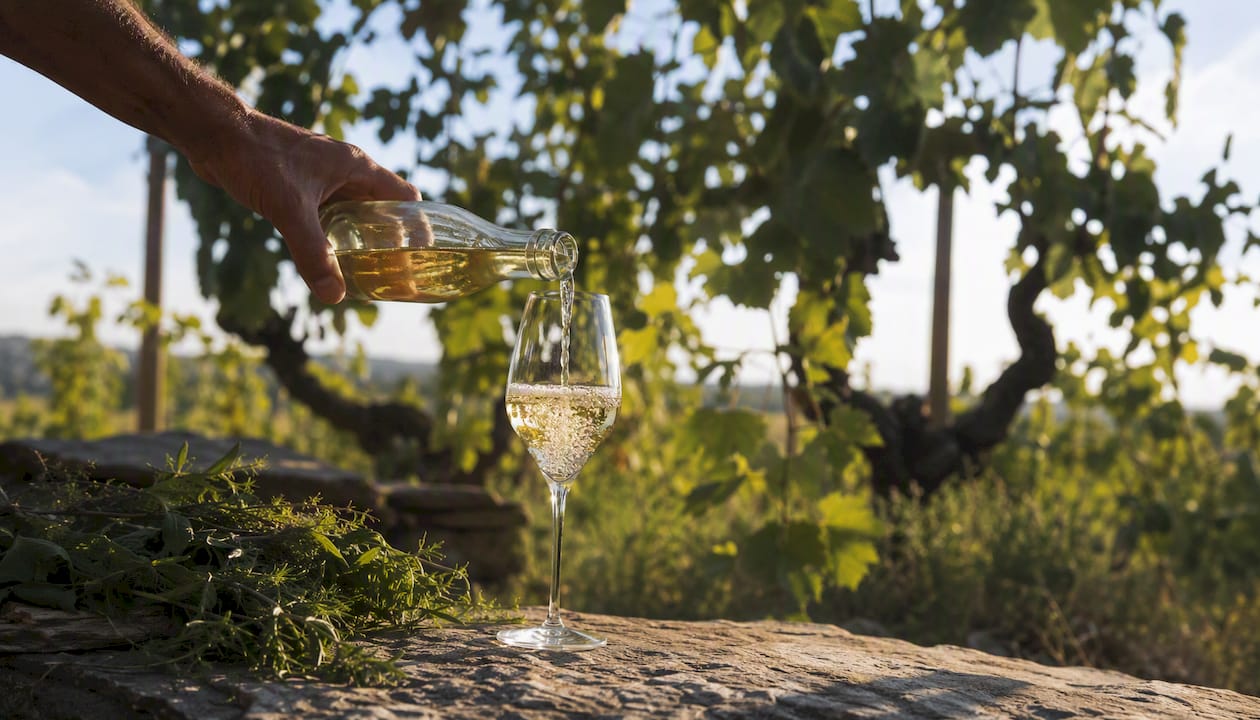
Italy rewards patience. Picolit, from Friuli, suffers from natural floral abortion that shrinks yields dramatically, which is exactly why it produces such concentrated, honeyed dessert wine. Ribolla Gialla, also from Friuli, makes bright, orchard-fruit whites that take beautifully to skin contact and orange-wine treatment. In Sicily, Nerello Mascalese grown on Mount Etna’s volcanic slopes produces something that tastes like a cross between Pinot Noir and Nebbiolo: pale, perfumed, mineral-driven, and increasingly a darling of sommeliers.
Iberia and Portugal are a deep well of rescued varieties. Godello, from Galicia, makes textured, almost creamy whites with stone-fruit and mineral notes, a real answer for anyone who loves Chardonnay but wants something less oaky. Touriga Nacional, Portugal’s flagship red grape for Port, produces structured, floral, blackberry-scented dry reds when vinified still. Carignan, once dismissed as a bulk-wine workhorse in southern France and Spain, is being replanted from old, low-yielding vines that produce surprisingly elegant, peppery reds. Alicante Bouschet, rare for being a teinturier grape with red flesh as well as red skin, gives wines an almost black color and deep, brambly fruit.
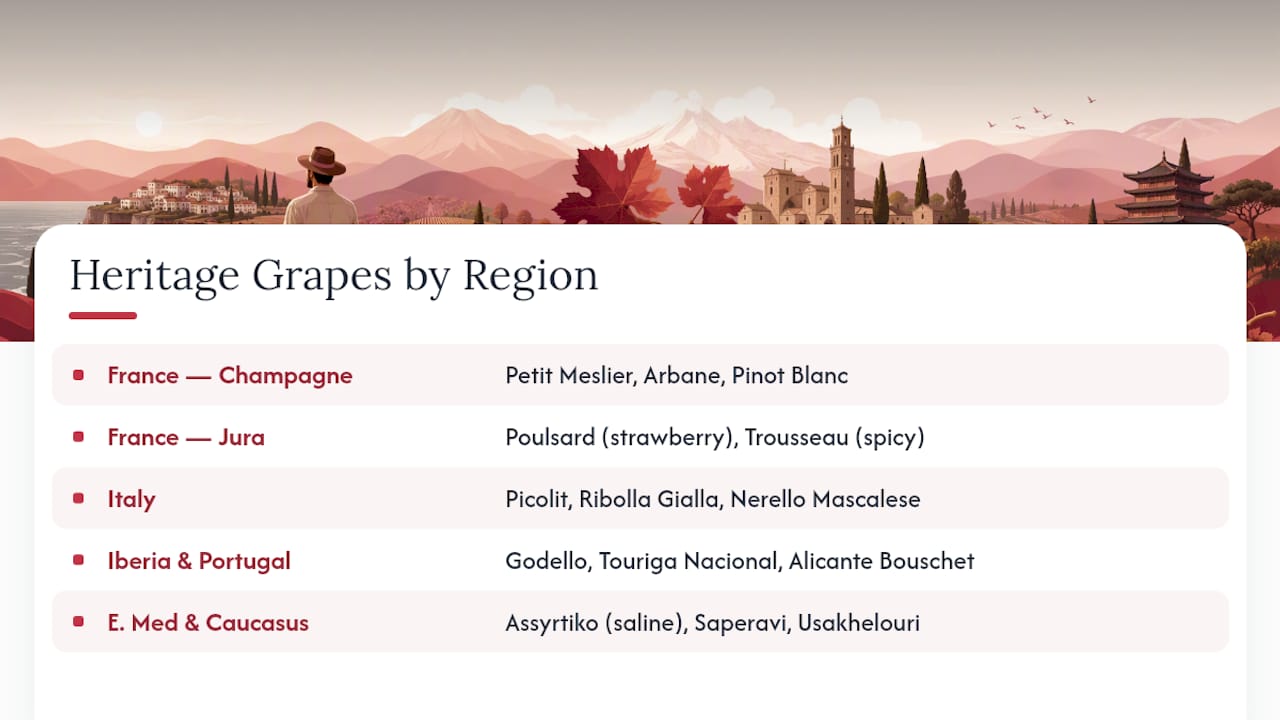
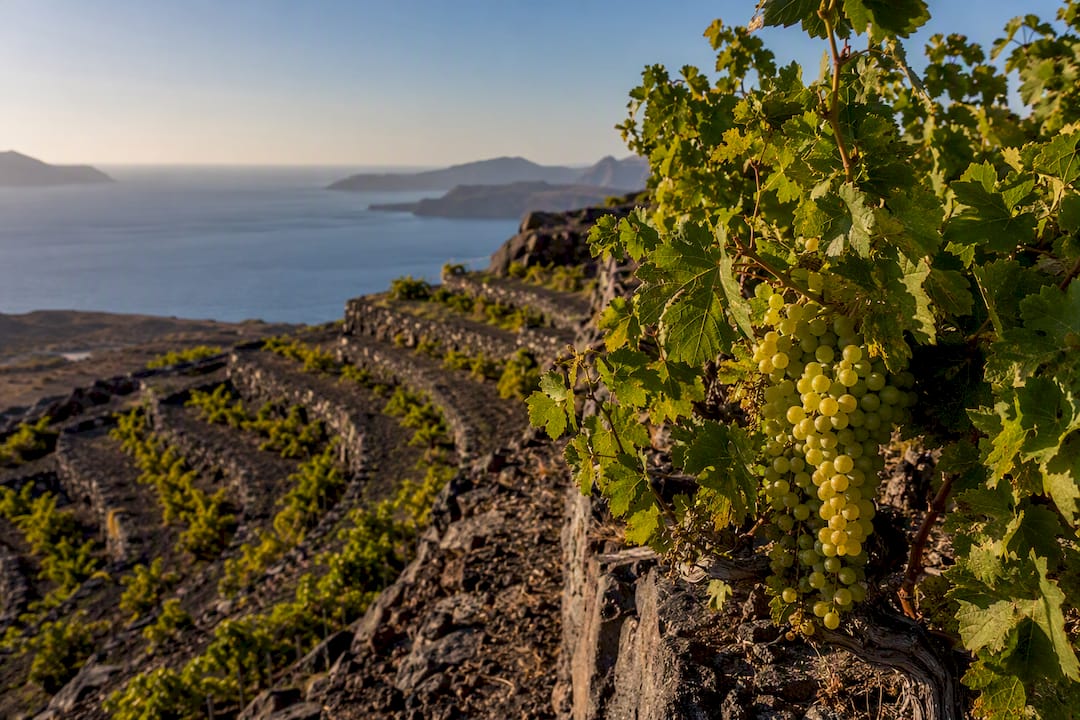
Eastern Mediterranean and Caucasus wines might be the most exciting frontier right now. Assyrtiko, grown in Santorini’s volcanic pumice soil, makes searing, saline whites that pair with nearly any seafood dish. Saperavi, Georgia’s signature red, is one of the few teinturier grapes with genuine international pedigree, offering dark fruit, firm tannin, and enough acidity to age for decades. Georgian producers also grow rarities like Usakhelouri, a delicate, aromatic red almost never seen outside the country. Turkey deserves a mention too: the country is home to as many as 1,400 distinct indigenous varieties, and small producers are actively pulling long-neglected grapes back into commercial production.
The New World has its own quiet survivors. Norton, also called Cynthiana, is a native American variety that thrives in Missouri and Virginia’s humid summers, producing deep, jammy reds with a distinctive tang that no European grape replicates. Availability skews toward direct-to-consumer sales from small wineries rather than retail shelves, so you’ll likely need to order straight from the source.
Central and Eastern Europe round things out nicely. Grüner Veltliner has already broken into the mainstream from its Austrian base, but lesser-known regional bottlings still carry a peppery, lentil-and-citrus signature worth seeking out. Furmint, Hungary’s Tokaj grape, swings from bone-dry and mineral to lusciously sweet. Rotgipfler, an Austrian rarity, makes rich, spiced whites. Chasselas, grown around Lake Geneva in Switzerland, produces subtle, almost neutral whites that reward slow, attentive tasting more than a quick sip.
Pro Tip: Keep a small notebook or note app entry for each new heritage grape you try. Jot down acidity, tannin, and one distinct aroma. After a dozen entries, you’ll start spotting patterns, like how nearly every volcanic-soil white shares that same saline snap.
How Winemakers Are Bringing Forgotten Grapes Back
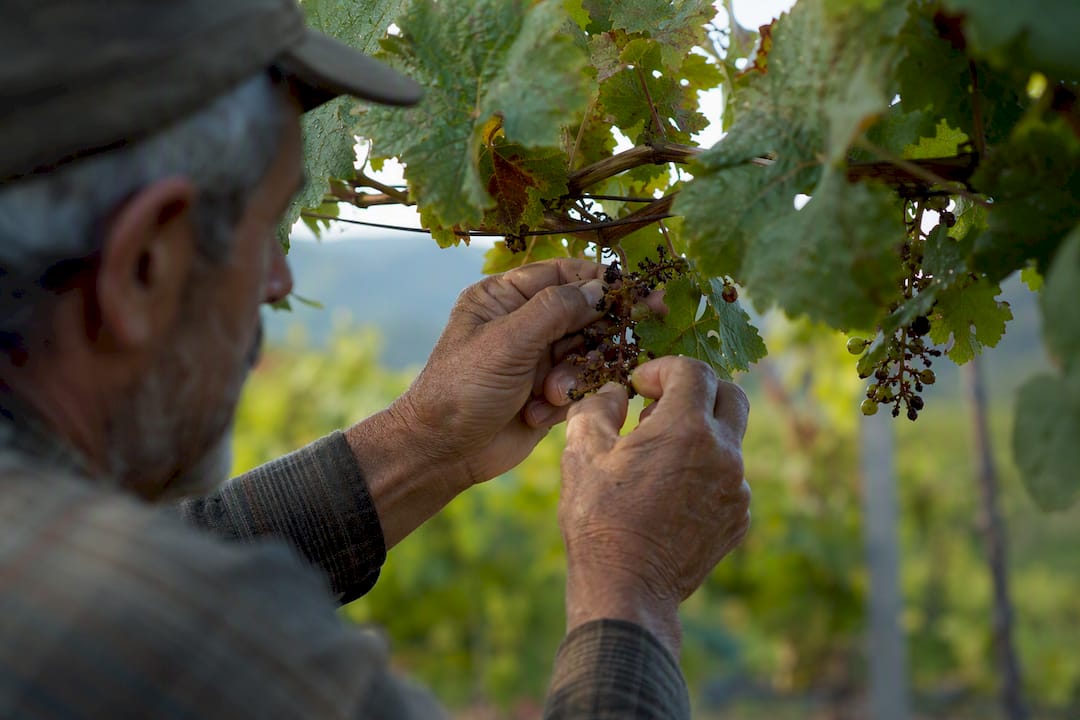
Rescuing a grape from the edge of extinction is slower and stranger than most people imagine. It usually starts with a phone call, a tip about a single old vine tangled in a hedgerow or growing in someone’s backyard for eighty years. From there, ampelographers and university nurseries take over, running DNA identification to confirm the vine is genuinely distinct and not a mislabeled clone of something common.
Genetic science has made this work far more precise. Paleogenomic studies on ancient grape pips from sites like the Negev Highlands have traced direct lineage between grapes cultivated centuries ago and cultivars still grown today, and similar archaeological work on Bronze Age pips in Sardinia shows just how far back some of these lines stretch.
Recovering one variety can take a decade or more, from the first identified vine through virus sanitation, trial plantings, and enough seasons of test vinification to know whether the wine is actually worth making.
Institutional projects give this work scale. Catalonia’s Familia Torres estate has recovered more than 54 ancestral varieties through open calls to local growers and long-term library vineyards, later steering selections toward the ones best suited to a warming climate. Regional programs in places like Comunitat Valenciana have surveyed over 200 accessions and rediscovered more than 50 varieties, often using in vitro culture to preserve and clean up the plant material.
None of this comes cheap or fast:
- Trial vineyards can take five to ten years before producing a commercially meaningful harvest.
- Naturally low-yielding grapes like Picolit stay expensive because there’s no shortcut around the plant’s biology.
- Small acreage means limited nursery stock, which slows adoption even when demand exists.
Why These Grapes Carry Cultural Weight
A heritage grape is a fragment of agricultural memory. Long before modern viticulture standardized farming, communities selected vines based on what actually survived their specific soil, slope, and weather, generation after generation of trial and error passed down as living plant material rather than written instruction. That’s a different kind of knowledge than a lab can produce overnight.
Some of these vines are, quite literally, ancient. Genetic research increasingly confirms that many heritage vines are clonal descendants of plants tended in medieval or even Roman-era vineyards, propagated cutting by cutting across an unbroken line. Tasting Saperavi or Assyrtiko isn’t just tasting a grape. It’s tasting a lineage that predates most modern nations.
There’s also a regional identity wrapped up in these grapes that a global variety like Merlot can’t replicate. Touriga Nacional means something specific to northern Portugal. Nerello Mascalese means something specific to Mount Etna. These grapes are inseparable from the land, the local dialect used to name them, and the family vineyards that kept them alive when it would have been easier to rip them out and plant something the market wanted.
That’s precisely why the terroir concept matters so much here. A heritage grape is often the clearest expression of terroir you can find in a glass, because there’s no international rootstock trend or flying winemaker consultant standardizing the flavor. What you taste is what that specific place has always produced.
The Real Obstacles Standing Between These Grapes and Your Glass
Reviving a grape is one thing. Making it commercially viable is another problem entirely, and it’s the reason so many heritage varieties stay niche even after successful rescue efforts.
Yield is often the first wall. Picolit’s natural floral abortion can limit fruit set to a fraction of what common varieties produce, and that kind of biological ceiling doesn’t respond to better farming or more fertilizer. Low yield means low volume, which means higher per-bottle cost, which limits the customer base to enthusiasts willing to pay for scarcity rather than everyday drinkers.
Consumer recognition is the second wall. Most wine buyers still shop by grape name, and a label reading “Rotgipfler” or “Usakhelouri” doesn’t trigger the instant comfort that “Chardonnay” does. Restaurants and retailers have to actively sell these wines through staff recommendations rather than relying on the label to do the work.
There’s also the agricultural risk itself. Planting a rare variety means betting years of vineyard land on something with no established market track record, and if the wine doesn’t sell, there’s no backup buyer scrambling for that specific grape. Some producers hedge by planting small experimental blocks alongside their reliable commercial varieties, treating heritage grapes as a long-term research project rather than the main business.
None of this means the movement is failing. It means the growth curve is genuinely slow, built vineyard by vineyard rather than through a single big trend cycle.
Where Fine Wine World Can Take You Next
Curious where to start once you’re hooked on the idea of tasting something genuinely rare? Fine Wine World already has the groundwork laid for you, without the guesswork of figuring out which regions even grow these grapes.
Our beginner’s guide to wine regions breaks down the appellations where heritage grapes still hang on, so you know exactly where to point your next bottle search. If you land a rare find like a Saperavi or an aged Furmint, our guide on cellaring and serving aged wine walks you through storing it properly instead of drinking it too soon or too late. And because most of these grapes have unusual acid and tannin profiles, our food and wine pairing guide will help you match them to a meal that actually shows them off. Small producers preserving old vines, like the family operation at Chateau Lebeau Vineyards, are exactly the kind of grower worth supporting if you want to see this movement grow. Start with one region guide, pick a grape you’ve never tried, and go find a bottle this month.
Sources
- Picolit | EnoCodex
- Saving America’s Indigenous Wine Grapes (Wine Enthusiast)
- Paleogenomic analyses of grape pips from the Negev Highlands (PNAS / White Rose repository)
- Turkey’s Winemakers Are Resurrecting the Wines of Millennia Past (New Lines Magazine)