
How to Remove Red Wine Stains: Every Surface, Every Situation
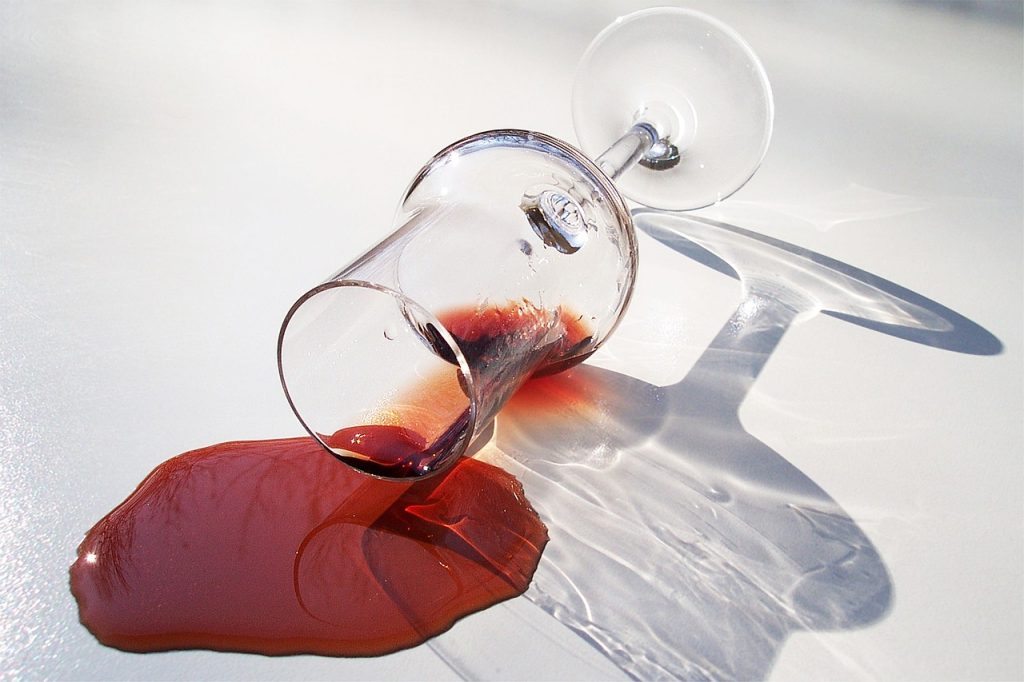
Spilled red wine? Don't panic. Stop reading this sentence and grab a clean cloth right now — blot, don't rub. Okay, good. Now keep reading.
Whether you're mid-party with a glass tipped over on the carpet, or you've just pulled a shirt out of the laundry and noticed a purple shadow you forgot about, this guide covers everything. Fresh spills, dried stains, clothes, carpet, upholstery, tablecloths, even natural stone — it's all here, broken down clearly so you can act fast.
Act First: What to Do in the First 60 Seconds
Before anything else, the single most important thing you can do is act immediately. Red wine contains tannins and natural dyes that start bonding with fabric fibers and porous surfaces the moment they make contact. The longer you wait, the harder the stain becomes to remove.
Here's what to do right now if the spill just happened:
- Blot, never rub. Use a clean white cloth or paper towels and press firmly on the stain. Rubbing pushes the wine deeper into the fibers and spreads it wider.
- Work from the outside edge inward. This stops the stain from spreading outward.
- Remove as much liquid as possible first. If it's on carpet, you can even press a dry towel down and stand on it for 30 seconds to absorb more wine.
- Don't use hot water. Cold or lukewarm water only — heat sets stains.
Once you've blotted up as much wine as you can, move to the specific section below for your surface.
How to Get Red Wine Out of Carpet
Carpet is one of the most common victims of a wine spill, and also one of the trickiest because the liquid sinks down into the pile and the backing underneath.
The Salt Method (Best for Fresh Spills)
After blotting, pour a generous amount of table salt directly onto the wet stain. The salt draws the wine out of the fibers by absorbing moisture. Let it sit for 2 to 3 minutes, then scoop and vacuum it up. You'll likely see the salt turn pink or purple — that's the wine coming out.
Red wine stain salt trick works best when the spill is still wet. If the stain is already dry, skip ahead to the dried stain section.
The Dish Soap and Hydrogen Peroxide Method
This is one of the most effective carpet treatments available, and most people already have both ingredients at home.
Mix together:
- 1 tablespoon of dish soap (plain, not with bleach)
- 1 tablespoon of hydrogen peroxide (standard 3% pharmacy grade)
Apply the mixture to the stain, let it sit for 5 to 10 minutes, then blot with a clean cloth. Rinse with cold water and blot again. Repeat if needed.
One important note: hydrogen peroxide can lighten some carpet colors. Always test on a hidden spot first, especially with darker or synthetic carpets.
Club Soda — Does It Actually Work?
Club soda is a popular home remedy, and it does help — but it works mainly by diluting the stain and making it easier to blot out, rather than breaking it down chemically. It's a decent option when nothing else is nearby, but it's not as effective as the dish soap and hydrogen peroxide method. Use it as a first step if that's all you have available.
Red Wine Stain Removal From Clothes
Clothing is where most people make the most mistakes, often because they throw the garment straight into the washing machine before treating it first. That's usually the wrong move, especially with hot water or a heated dryer — both will set the stain permanently.
For Fresh Wine Stains on Fabric
- Blot immediately and generously.
- Stretch the stained area over a bowl or sink and pour cold water through the back of the fabric to push the wine out rather than deeper in.
- Apply dish soap or laundry detergent directly to the stain and work it in gently with your fingers.
- Let it sit for 5 minutes.
- Rinse with cold water and check the stain before deciding whether to wash.
How to Get Wine Out of a White Shirt
White shirts are stressful because the stain is so visible — but they're also easier to treat because you have more options without worrying about color damage.
For white fabric specifically, try this combination:
- Mix 1 part dish soap with 2 parts hydrogen peroxide
- Apply to the stain and let it sit for 20 to 30 minutes
- Rinse and wash as normal in cold water
Hydrogen peroxide has mild bleaching properties that work really well on white or light-colored fabrics. You can also try oxygen-based stain removers like OxiClean, which are very effective on white fabric and color-safe fabric alike.
Whatever you do — do not put the garment in the dryer until you are certain the stain is completely gone. Heat from the dryer will permanently lock the stain into the fabric.
Does White Wine Remove Red Wine Stains?
You may have heard this one at a dinner party. The idea is that white wine dilutes and neutralizes red wine. There is some truth to it — white wine can help dilute the stain and make it easier to blot out. However, it is not a cure-all. It works only on fresh stains, and you still need to follow up with soap and water or a proper stain remover. Think of it as a first-aid option when you're at someone else's house and have nothing else handy. Pour a small amount of white wine onto the stain, blot quickly, then treat properly as soon as you can.
Dried Red Wine Stain Removal: When You Find It Too Late
Dried stains are a different challenge entirely. Once red wine dries, the dye has had time to bond with the surface, and simple blotting won't cut it. You need to rehydrate the stain first and then treat it.
Rehydrating a Dried Stain
Start by dampening the stained area with a small amount of cold water. This softens the dried wine and makes the stain responsive to treatment again. Do not soak the fabric — just dampen it enough to loosen the stain.
Best Products for Dried Red Wine Stains
- OxiClean or similar oxygen-based cleaners: These are particularly effective on dried stains. Mix according to the package directions and soak the garment or carpet area for 30 minutes to an hour before washing or rinsing.
- Dish soap and hydrogen peroxide paste: Mix these into a slightly thicker paste and apply it directly to the dried stain. Leave it for at least 20 to 30 minutes before rinsing.
- Commercial stain removers like Wine Away or Carbona: These are specifically formulated for wine stains and work well on dried stains when used as directed.
For very old or set-in stains, you may need to repeat the treatment two or three times. Patience is key — don't expect a week-old stain to vanish in five minutes.
Red Wine Stains on Upholstery
Sofas, armchairs, and car seats present their own challenge because you can't throw them in the washing machine. The goal is to lift the stain without soaking the fabric so deeply that the cushion inside gets wet and potentially molds.
What to Use on Upholstery
After blotting up as much wine as possible, try this method:
- Mix 1 teaspoon of dish soap with 1 cup of cold water.
- Apply a small amount to the stain using a clean cloth.
- Blot gently, working inward from the edges.
- Use a second cloth dampened with plain cold water to rinse.
- Blot dry thoroughly and allow to air dry completely.
For tougher stains, the dish soap and hydrogen peroxide combination works on most upholstery fabrics too — again, test on a hidden area first.
Always check the upholstery care label before using any liquid treatment. Labels marked “W” are safe for water-based cleaning. Labels marked “S” require solvent-based cleaners only.
Tablecloths and Linen
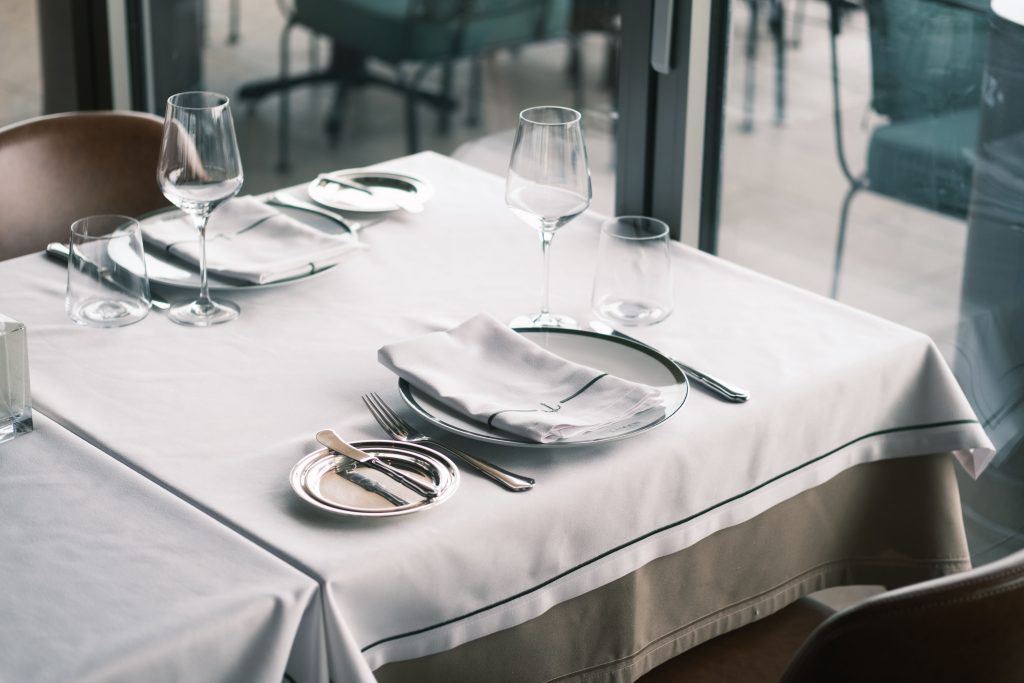
Tablecloths are often overlooked because the party is still going on when the spill happens. If you can't treat it immediately, at minimum soak up as much wine as possible and keep the fabric damp until you can treat it properly.
For linen and cotton tablecloths, the process is the same as clothing — treat with dish soap and cold water, or hydrogen peroxide for white fabrics. Soak in an oxygen-based cleaner for dried stains before washing.
For delicate fabrics like silk, avoid hydrogen peroxide and harsh cleaners. Use a gentle dish soap and cold water only, and consider taking it to a dry cleaner if the stain is stubborn.
Red Wine on Natural Stone: Marble, Granite, and Grout
This one surprises people, but natural stone is actually porous and can absorb red wine surprisingly fast. The approach is completely different from fabric.
- Do not use vinegar or lemon juice on marble or granite — the acidity will etch the stone surface permanently.
- Blot the spill immediately with a dry cloth.
- Use a small amount of dish soap mixed with warm water to clean the area gently.
- For grout lines, a paste made from baking soda and water applied with a toothbrush can help lift the stain.
- For sealed marble or granite, a poultice made from baking soda and hydrogen peroxide applied and covered with plastic wrap overnight can draw the stain out of the stone. Leave it on for 12 to 24 hours, then wipe clean.
If the stain has already dried into unsealed stone, it may require a professional stone cleaner or re-sealing the surface.
Quick Reference: Which Method for Which Surface
| Surface | Fresh Stain | Dried Stain |
|---|---|---|
| Carpet | Salt, then soap + hydrogen peroxide | Rehydrate, then OxiClean or hydrogen peroxide paste |
| Clothes (color) | Dish soap + cold water rinse | OxiClean soak, repeat as needed |
| White shirt | Dish soap + hydrogen peroxide | Hydrogen peroxide paste, extended soak |
| Upholstery | Dish soap + cold water, blot carefully | Same method, repeat with OxiClean |
| Tablecloth | Dish soap, cold water | Oxygen soak before washing |
| Natural stone | Dish soap only | Baking soda + hydrogen peroxide poultice |
The Stain Is Gone — Now What?

Once you've successfully removed the stain, rinse the area thoroughly with cold water to remove any soapy residue, which can attract dirt over time. For carpets and upholstery, allow the area to dry completely before putting anything on it. Open windows or use a fan to speed up drying if needed.
For clothing, always check the stain in daylight before putting it in the dryer. Sometimes what looks like a faint shadow in artificial light is actually still a stain that will set permanently under heat.
Final Thoughts
Spilling red wine is one of those small disasters that feels enormous in the moment, especially when it's on a nice carpet, a favorite shirt, or your best tablecloth. But with the right approach, most red wine stains — even dried ones — are very manageable.
The key takeaways are simple: act fast, blot don't rub, avoid heat, and use the right method for the surface. Keep a bottle of hydrogen peroxide and some dish soap on hand at home, and you'll be ready to handle almost any wine emergency.
Now go rescue that shirt — you've got this.