How Oak Aging Shapes Wine Flavor, Aroma, and Texture
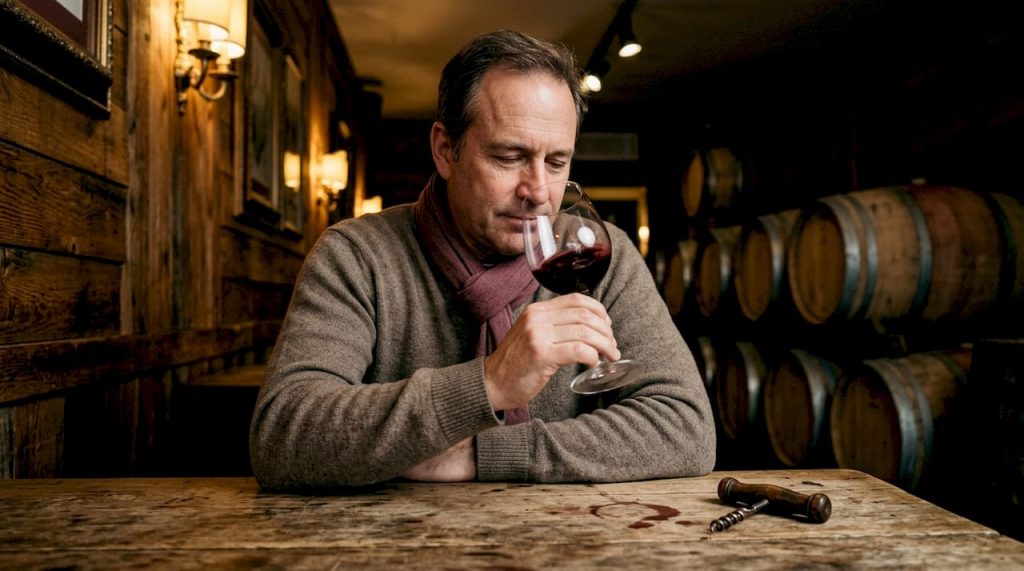
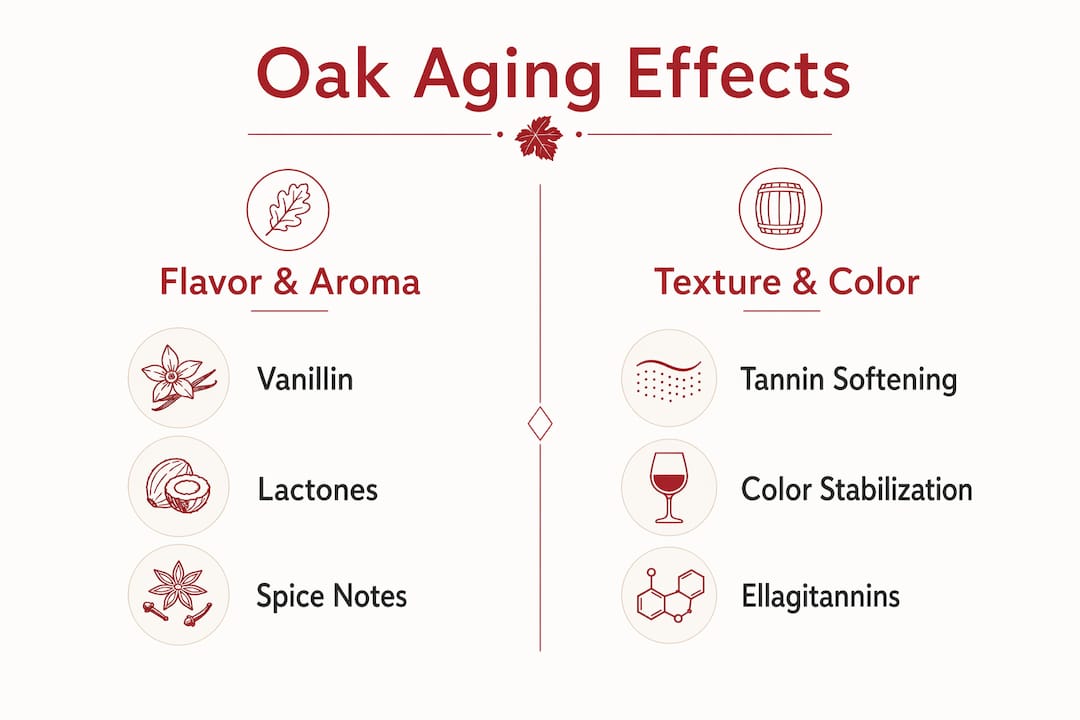
Oak aging is one of the most powerful tools a winemaker has. It adds vanilla, spice, and toast to a wine’s flavor profile through compounds like vanillin, oak lactones, and eugenol extracted directly from the wood. At the same time, micro-oxygenation through barrel staves transmits small controlled amounts of oxygen each year into the wine, softening harsh tannins and stabilizing color through polymerization. Oak also contributes ellagitannins, which are structurally different from grape tannins and improve mouthfeel by reducing astringency over time. The role of oak aging in wine goes well beyond flavor. It shapes texture, maturation speed, and long-term aging potential in ways no other vessel can fully replicate.
Affiliate Disclosure: Some links on Fine Wine World are affiliate links, meaning we may earn a paid commission if you click through and make a purchase — at no extra cost to you. Affiliate programs use cookies to track commissions, which may collect personal data. You can read more about how we handle your data in our Privacy Policy and Affiliate Disclosure. We only recommend products we genuinely trust.
Here is a quick summary of what oak does:
- Flavor compounds: Vanillin (vanilla), oak lactones (coconut, spice), eugenol (clove), and guaiacol (smoky, toasty)
- Micro-oxygenation: Controlled oxygen exposure softens tannins and polymerizes color pigments
- Texture: Ellagitannins from oak interact with grape tannins to reduce astringency and round out the wine
- Barrel variables: Size, oak species, barrel age, and toasting level all change how much oak character ends up in the glass
- Maturation: Chemical reactions fostered by slow oxygen exposure build complexity and aging potential
How oak barrel aging became a winemaking tradition
The story of oak and wine is older than most people realize, and it did not start with flavor at all.
Romans adopted oak barrels for transport. Before oak, wine traveled in clay amphorae. Roman traders discovered that oak barrels were lighter, stronger, and far easier to roll and stack. Oak’s natural waterproofing made it a practical choice for moving wine across long distances.
Early winemakers noticed something unexpected. Wine stored in oak barrels tasted different, and often better. The wood was contributing something to the wine during transit and storage, even if no one at the time could explain why.
Oak became the standard storage vessel across Europe. Through the medieval period, barrels were simply the container of choice. Monasteries and estates across France, Spain, and Italy aged their wines in oak by default, not by design
Winemakers began to treat aging as intentional. By the 17th and 18th centuries, producers in Bordeaux and Burgundy recognized that time in oak improved their wines. What had been a practical necessity became a deliberate stylistic decision.Regional traditions took shape around specific oak sources. French producers favored local oak forests like Allier, Tronçais, and Vosges. Spanish producers leaned toward American oak for Rioja, producing a distinctly different style with cedar and herbal notes.
The 20th century brought scientific understanding. Researchers began identifying the specific compounds oak transfers to wine, including vanillin, ellagitannins, and lactones, giving winemakers the vocabulary and knowledge to make more precise decisions.
Alternative aging methods emerged as barrel costs rose. Oak chips, staves, and micro-oxygenation systems entered the picture as cost-effective tools, though none fully replicate what a barrel does.
What oak actually does to flavor, aroma, and texture
The sensory changes oak produces in wine come from real chemistry, and understanding them makes every sip more interesting.
Flavor compounds extracted from wood are the most obvious contribution. Vanillin gives oak-aged wines their characteristic vanilla sweetness. Oak lactones, particularly the cis isomer, add coconut and spice notes. Eugenol contributes clove-like warmth, while guaiacol brings smoky, toasty depth. These compounds move from the wood into the wine during contact, and their concentration depends on how long the wine sits in barrel and how new that barrel is.
Oak-aged wines retain their fruity character when handled correctly, countering the common belief that oak aging masks fruit. Research comparing different aging modalities found that fruity volatile content was globally maintained at 86% or more relative to a control wine, regardless of the oak format used. The woody aromas add complexity on top of the fruit, not in place of it.
Texture is where oak’s impact gets underappreciated. Ellagitannins from oak wood polymerize with grape tannins over time, gradually softening the wine’s structure and reducing that mouth-drying astringency you feel in young reds. This is why a Cabernet Sauvignon that tastes grippy straight from the tank can feel plush and rounded after 18 months in barrel.
| Sensory attribute | Effect of oak aging | Common descriptors |
|---|---|---|
| Flavor | Extracts vanillin, lactones, eugenol from wood | Vanilla, coconut, clove, spice |
| Aroma | Toasting creates guaiacol, furfural, syringol | Toast, smoke, caramel, mocha |
| Texture | Ellagitannins polymerize with grape tannins | Silky, rounded, full-bodied |
| Color | Polymerization stabilizes anthocyanins | Deeper, more stable hue |
| Fruit | Preserved when oak contact is balanced | Fruity, fresh, complex |
Color stabilization is another underrated benefit. The oxygen transmitted through barrel staves drives polymerization of anthocyanins, the pigments responsible for a red wine’s color. This is why barrel-aged reds shift from vivid purple toward a more stable brick-red as they mature. You can see this shift clearly in a side-by-side comparison of a young cosecha and an older crianza from the same producer.
Pro Tip: If you want to spot oak influence in the glass before you even taste, look at the color. A wine with a graduated, brick-tinged rim rather than a uniform deep purple has likely spent meaningful time in barrel.
Oak types, barrel construction, and what they mean for your wine
Not all oak is the same, and the differences between species, barrel size, and toasting level shape the wine in distinct ways.
French oak vs. American oak is the most discussed distinction. French oak, primarily Quercus petraea and Quercus robur, has a tighter grain and transfers phenolic compounds more slowly and subtly. American oak (Quercus alba) is denser, with a more open grain, and delivers more vanillin and lactone character more quickly. French oak barrels provide roughly 2.5 times more phenols than American ones, and American oak tends to produce a sweeter, more vanilla-forward profile. French barrels are also significantly more expensive to produce because the wood must be hand-split rather than sawn.
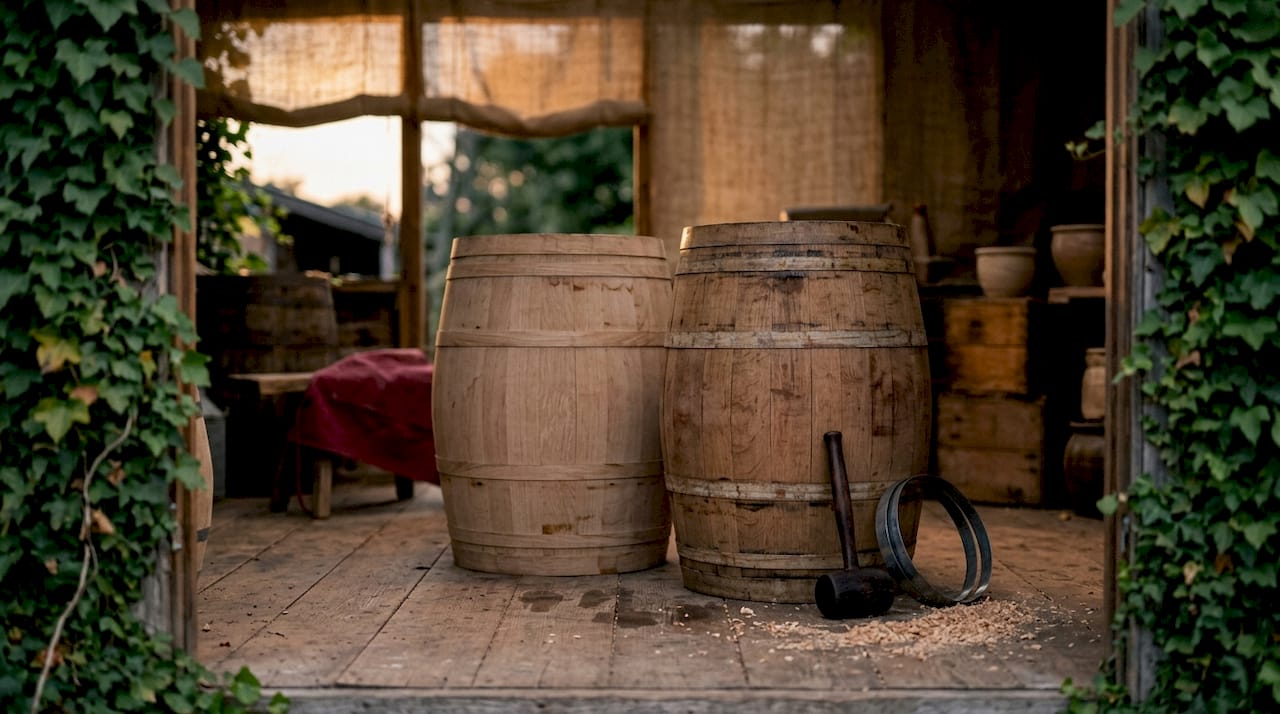
Barrel size changes everything about extraction intensity. The standard Bordeaux barrel holds 225 liters, while the Burgundy barrel holds 228 liters. Smaller barrels have a higher surface-area-to-volume ratio, meaning more wood contacts each liter of wine. A 225-liter barrel presents roughly 0.9 m² of wood surface per hectoliter of wine. Larger formats like the 300-liter hogshead or the massive casks used in Barolo extract far less oak character per liter, producing a gentler influence.
| Barrel type | Volume | Oak influence | Typical use |
|---|---|---|---|
| Bordeaux barrique | 225 L | High | Cabernet Sauvignon, Merlot |
| Burgundy barrel | 228 L | High | Pinot Noir, Chardonnay |
| Hogshead | 300 L | Moderate | New World reds, whites |
| Large cask (botti) | — | Low | Barolo, Rioja gran reserva |
Toasting level is where winemakers have the most precise control. Light toast preserves more of the wood’s natural lactones and ellagitannins. Medium and medium-plus toasting increases vanillin, furfural, and guaiacol, adding caramel and smoky notes. Heavy toast pushes toward intense smokiness and spice while reducing ellagitannin levels. Toasting level has a stronger influence on a wine’s volatile aroma profile than wood grain size, giving winemakers a powerful lever for style control.
Barrel age matters as much as barrel type. A new barrel imparts the most flavor and oxygen. After 3–5 vintages, most of the extractable flavor compounds have been leached out, and the barrel functions primarily as an oxygenation vessel rather than a flavor source. Many wineries sell their used barrels to distilleries at this point.
- New oak: Maximum flavor extraction, higher oxygen transmission, best for full-bodied reds and rich whites like Chardonnay
- 1–2 year old oak: Moderate flavor, still good oxygen transfer, useful for blending with new oak
- 3–5 year old oak: Minimal flavor, gentle oxygenation, good for delicate varieties
- Neutral oak (5+ years): Essentially flavor-free, valued purely for slow oxygen delivery
Oak alternatives like chips and staves can add flavor quickly, often within weeks rather than months. But chips and staves do not replicate oxygen transfer, which is why winemakers often pair them with micro-oxygenation systems in tank production. The flavor profile from chips tends to be one-dimensional, leaning heavily on vanilla without the textural complexity that barrel aging builds. You can explore how this same principle applies in other beverages, like barrel-aged coffee, where the wood contact creates similar aromatic layering without full oxygen exchange.
How winemakers fine-tune oak aging for the best results
The most skilled winemakers treat oak aging as a blend, not a single decision. Mixing new and old barrels is standard practice in quality-focused cellars. A winemaker might put 30% of a vintage into new French oak and the remaining 70% into second or third-fill barrels, then blend everything at the end. This approach lets them add oak complexity without overwhelming the wine’s fruit. Blending new and old oak to balance intensity and preserve fruit is one of the most reliable strategies in the cellar.
“New oak ‘opens’ aromatics in white wines and ‘sublimates’ tannin structure in reds, reflecting vintage and varietal considerations. Barrels retain their oxygen transmission function even when flavor-neutral, aiding slow maturation and tannin softening well beyond their flavor contribution.” — Expert insight on oak aging nuances from Wine Enthusiast
Toasting choices are also calibrated to the wine’s maturation timeline. Research on Tempranillo aged in Quercus petraea barrels found that lighter toasting with standard grain enhanced volatile concentration during shorter aging periods, while medium-long toasting with extra-fine grain performed better over 18 months. The interaction between toasting level and grain size becomes more pronounced the longer the wine ages.
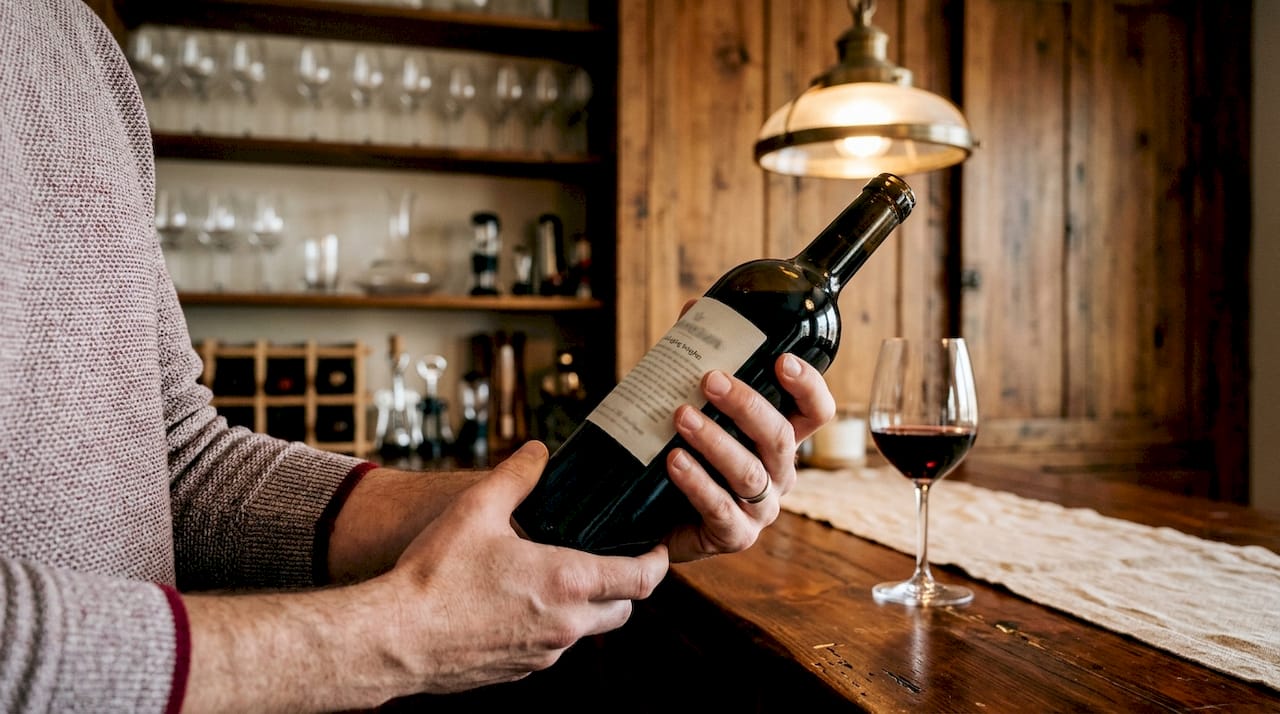
Pro Tip: When reading a wine label, “aged in new French oak” signals high oak intensity, while “aged in neutral oak” or “aged in large format casks” suggests the winemaker wanted the barrel’s oxygen management without heavy wood flavor.
Barrel programs also evolve with economics. A new French oak barrel costs considerably more than an American oak barrel, and availability fluctuates with forest management cycles. Many producers adjust their percentage of new oak from vintage to vintage based on both budget and the character of the fruit that year. A powerful, tannic vintage can absorb more new oak than a lighter, more delicate one.
For wines aged in stainless steel with oak alternatives, micro-oxygenation systems inject tiny, controlled amounts of oxygen into the tank to mimic what a barrel does naturally. The flavor from chips or staves adds the aromatic dimension, while the micro-oxygenation handles tannin softening. It is a practical solution, though wines made this way typically do not develop the same aging potential in the bottle as those matured in actual barrels.
Key Takeaways
Oak aging shapes wine through flavor extraction, controlled oxygen exposure, and tannin polymerization, with barrel size, toasting level, and oak species determining how much of each effect reaches the glass.
| Point | Details |
|---|---|
| Oxygen is the hidden engine | Barrels transmit approximately 10–45 mg/L of oxygen per year, softening tannins and stabilizing color through polymerization. |
| Toasting drives aroma more than grain | Toasting level has a stronger influence on volatile aroma than wood grain size, giving winemakers precise style control. |
| Barrel age shifts function | After 3–5 vintages, barrels lose most flavor contribution but continue delivering oxygenation benefits. |
| Fruit is preserved, not masked | Oak-aged wines maintain fruity volatile content at 86% or more relative to unoaked controls when aging is well managed. |
| Alternatives have limits | Oak chips and staves add flavor quickly but do not replicate oxygen transfer, requiring micro-oxygenation to approximate barrel effects. |
Want to go deeper into how aging transforms wine over time? Fine-wine-world’s guide to cellaring and serving aged wine walks you through everything from storage conditions to knowing when a bottle has hit its peak.