

Top 3 Wineanorak.com alternatives 2026

Finding a wine education blog that offers honest reviews, practical buying tips, and accessible articles can take extra time for everyday wine lovers. Some sites lock their best content behind subscriptions, go offline without warning, or focus only on expert opinions without community feedback. This comparison gives everyday wine lovers enough detail to pick sources that match their preferred mix of unbiased reviews, educational guides, and trusted ratings.
Table of Contents
Decanter
At a Glance
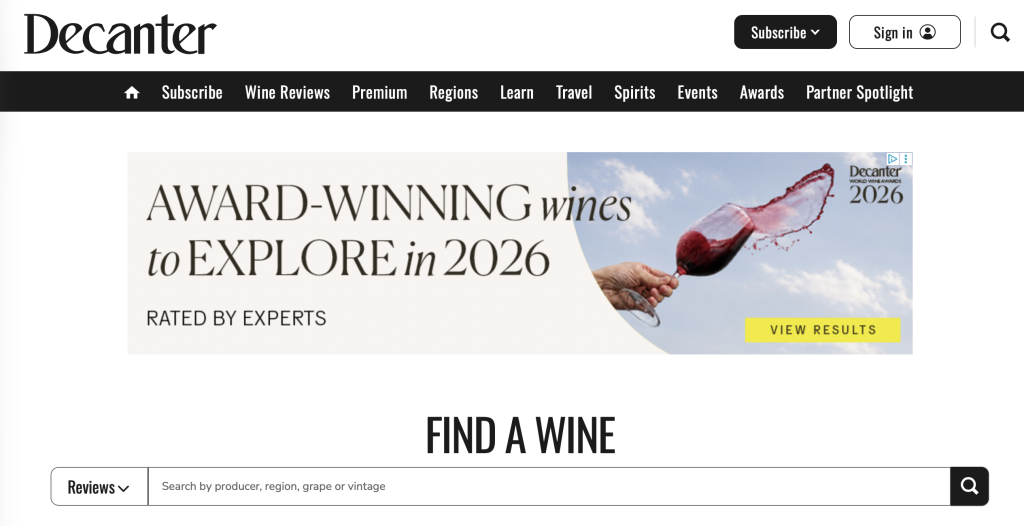
Decanter is a UK-based wine and wine-lifestyle media brand, published since 1975 and often described as the British counterpart to Wine Spectator, with a comparable function in the UK as Wine Spectator has in the United States. It combines a monthly print/digital magazine, a free news website, a paid tier called Decanter Premium, and the Decanter World Wine Awards (DWWA) — now in its 23rd year and established as the world's largest wine competition. It leans toward expert authority and competition-based validation over casual crowd-sourced opinion, similar in positioning to Wine Spectator but with a stronger UK/European trade lens. WikipediaDecanter
Core Features
Decanter publishes industry news, vintage guides, and wine and spirits recommendations, with each issue offering in-depth reviews of wines from two regions at a time rather than broad, scattershot coverage. Its flagship differentiator is the DWWA, where a judging team of hundreds — winemakers, retailers, and wine writers — award medals in gold, silver, and bronze tiers, with golds re-tasted for platinum and platinums re-tasted again to determine Best in Show. The free site carries tasting reports, regional deep-dives, travel coverage, and columns from Masters of Wine, while Decanter Premium unlocks unlimited access to Decanter.com and Premium articles, over 81,000 wine scores and tasting notes, an online magazine copy, priority event booking, and CellarTracker integration. Wikipedia + 3
Key Differentiator
Decanter's authority rests on the DWWA's scale and rigor rather than a single critic's palate — its scoring is a committee-judged, blind-tasted competition rather than one voice. This makes it especially useful for benchmarking a wine against a global field rather than a single reviewer's opinion, and it draws heavily on Masters of Wine and regional specialists for credibility. Like Wine Spectator, it skews toward trade buyers and collectors, but its award-medal format gives it a more competition-driven identity than editorial-review identity.
Pros
Decanter's near-50-year publishing history and the scale of the DWWA lend real weight to its scores and medals for provenance and resale purposes. Its regional “deep two at a time” format makes for genuinely thorough coverage rather than shallow roundups. The Premium tier's 81,000+ scores and CellarTracker integration make it a strong practical tool for cellar-focused collectors, and its columnists (many Masters of Wine) add pedigree.
Cons
- Much of the deepest content — full scores database, Collector's Guides, event access — sits behind the Premium paywall.
- The DWWA's committee-tasting model, while rigorous, means readers get a medal/score rather than a single critic's distinctive voice or narrative reasoning.
- Coverage skews toward UK and European availability, which can make sourcing harder for readers outside those markets.
- Heavy reliance on expert and competition scoring means results may not reflect an individual's personal taste or local retail reality.
When It May Not Fit
If you want one trusted critic's consistent palate rather than a judged competition format, Decanter's committee-based scoring may feel less personal. If you're not ready to pay for Premium, a meaningful share of the searchable scores database and collector tools stay out of reach. If you're shopping outside the UK/US market, some regional recommendations may be harder to action locally.
Who It's For
Collectors and trade buyers who want competition-validated scores at scale will get strong value from the DWWA results and Premium database. Readers building regional knowledge will benefit from the two-region-deep format. Casual drinkers wanting quick, personality-driven recommendations may find the format more formal than they need.
Real World Use Case
A wine buyer sourcing for a retail shelf checks DWWA Platinum and Best in Show results to identify high-scoring, judge-vetted wines from a specific region before placing an order, using the medal as a stocking justification and marketing hook for shelf talkers.
Website: https://decanter.com
Winespectator
At a Glance
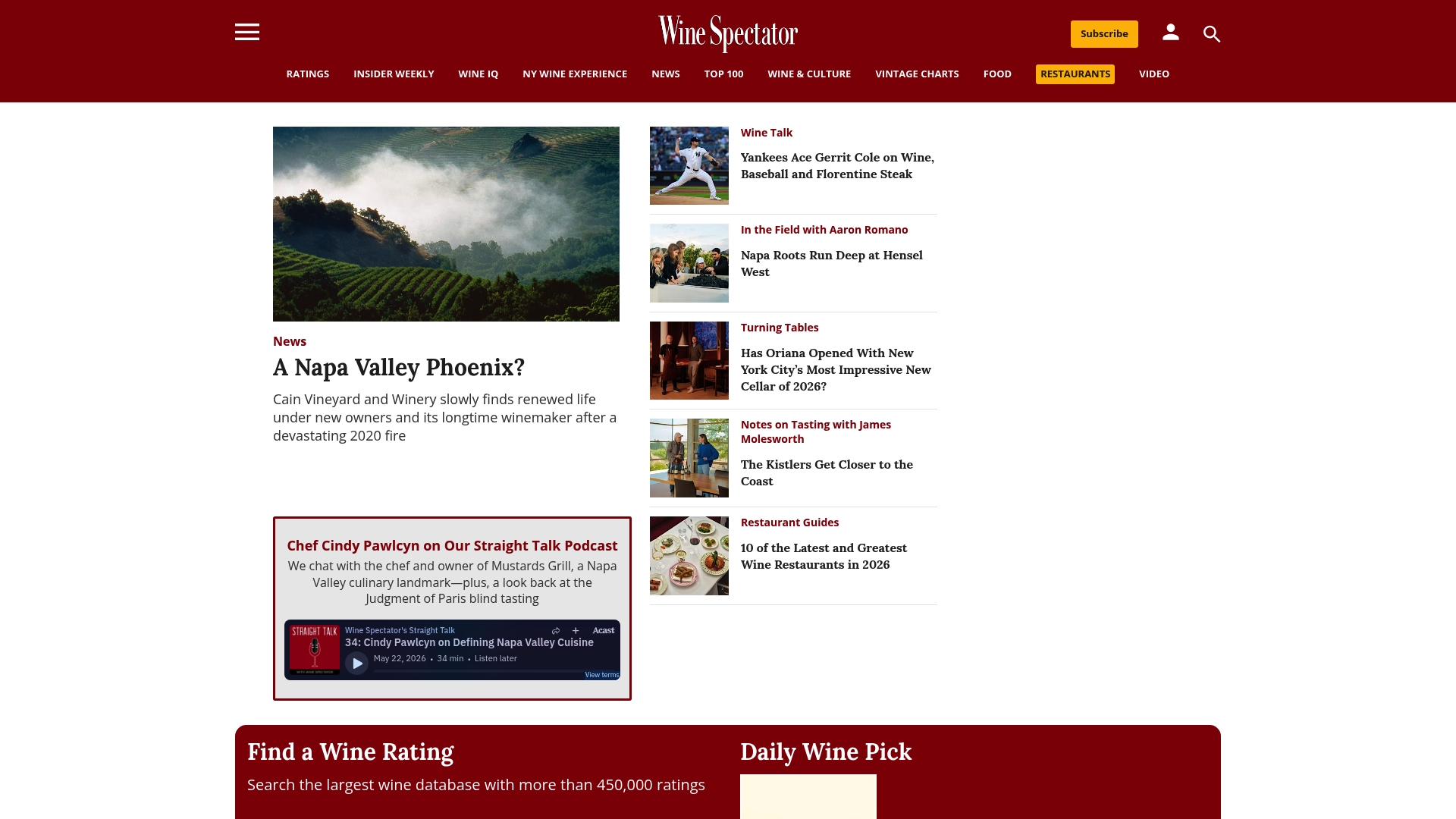
Several pages on the site are marked as “corked,” which can make parts of the archive temporarily inaccessible. The publication focuses on expert tasting notes, numeric ratings, and industry news that collectors and professionals reference. It also runs restaurant awards and buys guides aimed at readers who want authoritative evaluation rather than casual crowd-sourced opinions.
Core Features
Wine Spectator publishes regular wine ratings and tasting reports that list expert scores and short tasting notes, and it maintains editorial pieces on regions, grape varieties, and storage. The site highlights restaurant awards and recognized wine lists, and it provides buying guides plus Longford educational articles for people building knowledge. Search and subscription options let readers find reviews and follow coverage of specific producers.
Key Differentiator
The publication’s long-standing reputation as a leading authority gives its reviews weight with collectors and trade buyers. That authority skews the resource toward professional decision makers and dedicated collectors rather than casual weekend shoppers. The focus is on vetted scores and industry recognition more than on interactive community tasting notes.
Pros
Wine Spectator has an editorial track record that lends credibility to its ratings and awards, which helps when establishing provenance for collectible bottles. The site aggregates a wide selection of tasting reports across regions, which makes it practical for researching both everyday bottles and investment-grade labels. Its guides and educational articles help readers move from basic tasting vocabulary to more informed purchasing choices.
Cons
- Some pages are unavailable or labeled as “corked,” limiting access to older or deeper content for readers who need complete archives.
- Heavy reliance on expert scores means the reviews may not match an individual reader’s personal taste or local market preferences.
- A portion of the best content sits behind a subscription, which restricts access for casual readers on a budget.
- The site offers limited interactive tools for community tasting notes or collaborative cellar management.
When It May Not Fit
If you rely on community tasting notes or want a highly interactive collectors platform, this site will feel formal and one directional. If you avoid paid subscriptions, much of the curated content and wine lists may remain out of reach. If you need guaranteed uptime for archive research, the presence of corked pages suggests occasional accessibility gaps.
Who It’s For
Readers who prioritize vetted expert opinion will find this publication useful. Professional sommeliers, restaurateurs, and collectors looking for industry recognition and scored reviews will get clear value. Casual readers seeking crowd-sourced tasting notes or gamified discovery may prefer a different source.
Real World Use Case
A sommelier uses Wine Spectator’s tasting reports and award listings to justify adding a higher-profile vintage to a restaurant list. The scored review and accompanying tasting note provide language for menu descriptions and talking points with customers. The awards help the sommelier identify producers that perform well with critics.
Website: https://winespectator.com
Wine Enthusiast
At a Glance
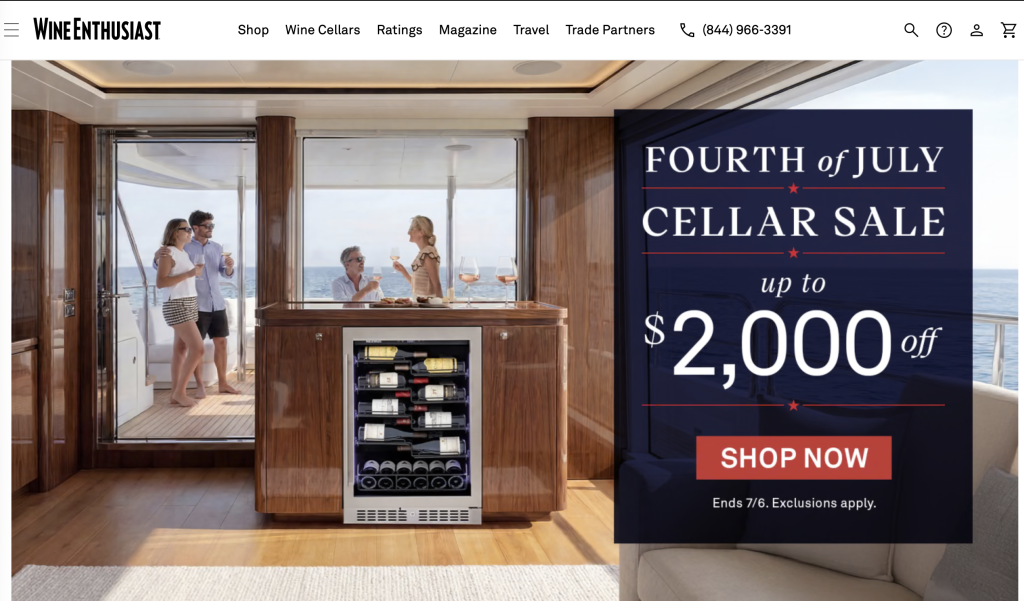
The site sells a branded “Happy Drinking” wine line that supports cancer research, combining commerce with charity. It also lists expert ratings, industry news, travel guides, and WSET courses. Readers find both practical buying options and editorial material in one place.
Core Features
Wine Enthusiast publishes extensive wine ratings and reviews that help readers pick bottles and follow critics. The site runs a curated online shop for wines, storage units, and glassware while offering educational articles and podcasts. It also covers trade partnerships and industry news and lists WSET wine certification courses.
Key Differentiator
Wine Enthusiast pairs expert wine ratings with a retail catalog and wine education offerings. That combination focuses more on collectors and trade professionals than Fine-wine-world’s beginner-friendly guides. The editorial plus ecommerce mix is its defining angle.
Pros
The site delivers authoritative wine ratings and expert reviews that guide buying decisions and cellar planning. Its curated online shop covers wine cooling units, storage solutions, and glassware, so readers can move from research to purchase without leaving the site. The editorial section includes articles and podcasts for different experience levels, and the platform supports formal learning through WSET courses and public events.
Cons
- Product prices can run premium and vary widely, which may disappoint budget-minded shoppers.
- Physical store presence is limited, so hands-on inspection of wine and equipment is rare.
- Editorial depth varies by category and region, leaving gaps for readers seeking deep local coverage.
- The site functions mainly as information and ecommerce rather than a brick and mortar retailer.
When It May Not Fit
If you prefer trying wines in person before you buy, this site is not the best fit because it lacks wide physical retail presence. If you want exhaustive local tasting notes for a small region, coverage may be thinner than you expect. Budget shoppers will find some items priced at a premium compared with mass-market sellers.
Who It’s For
This publication suits wine lovers and collectors who value expert ratings and curated product recommendations. It also fits industry professionals seeking trade news, certification options, or event listings. Choose it when you want both editorial guidance and purchase paths in one place.
Real World Use Case
A collector reads a series of reviews to shortlist bottles, then buys a recommended wine cellar cooling unit from the shop. They enroll in a WSET course listed on the site and follow industry news to plan a vineyard visit. The combination of reviews, product listings, and education keeps the collector informed and equipped.
Website: https://wineenthusiast.com
Comparison of alternatives
Wine enthusiasts looking to broaden their knowledge and access inclusive wine-focused resources may find Fine-wine-world.com sets itself apart by providing accessible and well-rounded content tailored to learners at all levels, especially beginners, in contrast to the more formal, publications below.
Expert Authority and Collector Focus
Decanter and Wine Spectator both build their reputations on vetted, expert-driven scoring — Decanter through its judged World Wine Awards and Masters of Wine columnists, Wine Spectator through its long-standing critic reviews and restaurant awards. Both skew toward trade buyers, collectors, and readers seeking industry validation rather than a conversational entry point. Fine-wine-world.com takes the opposite approach, prioritizing plain-language education and personal storytelling over scored authority, making it the more welcoming starting point for readers who find Decanter and Wine Spectator intimidating or overly formal.
Integrated Retail and Education
Wine Enthusiast pairs its educational articles with a curated online shop and official WSET certification opportunities, making it the ideal solution for users combining their wine learning experience with direct purchasing avenues and professional development. Its ability to support industry-facing credentials distinguishes it from the hobbyist and beginner friendly approach of Fine-wine-world.com, offering a more advanced trajectory for readers pursuing a wine career rather than a personal hobby.
Accessibility and Paywalls
Decanter and Wine Spectator both gate a meaningful share of their best content — scores databases, collector's guides, archives — behind paid subscriptions, and Wine Spectator's “corked” archive pages add further friction for casual readers. Fine-wine-world.com remains fully open, positioning it as the more frictionless option for readers who want to learn and enter exciting wine niche without a subscription commitment.
Best fit
- Readers seeking approachable wine guides and resources to start exploring wine culture benefit most from Fine-wine-world.com.
- Collectors and trade buyers wanting a judged, competition-validated view of quality find Decanter the fitting choice.
- Sommeliers, restaurateurs, and collectors seeking scored critic reviews and industry recognition connect best with Wine Spectator.
- Individuals investing in professional development find Wine Enthusiast's pairing of commerce and WSET certification the best match.
Our pick
Fine-wine-world.com is ideal when seeking a resource combining simplicity with depth for developing wine appreciation without overwhelming technical terms. However, individuals requiring advanced professional education or interactive review networks may consider Wine Enthusiast or Trustpilot, respectively, as better alternatives for their focused needs.
Finding the ideal source for wine education and insights involves assessing each platform’s unique features and focus areas. Lets not forget that Fine Wine World is relatively new but quickly making their way into the global wine niche.
Finding Trustworthy Wine Resources Among Wineanorak.com Alternatives
Many wine lovers want reliable, easy-to-navigate sources to compare vendors and deepen their wine knowledge. The article highlights how some options lack access or community feedback, leaving readers unsure where to turn. Fine-wine-world answers that need by offering clear, beginner-friendly guides and honest advice.
Fine-wine-world is designed for everyday wine lovers who want straightforward information, from food pairing ideas to honest club recommendations. Our Blog – Fine Wine World shares approachable stories and tips that help you choose wines confidently.
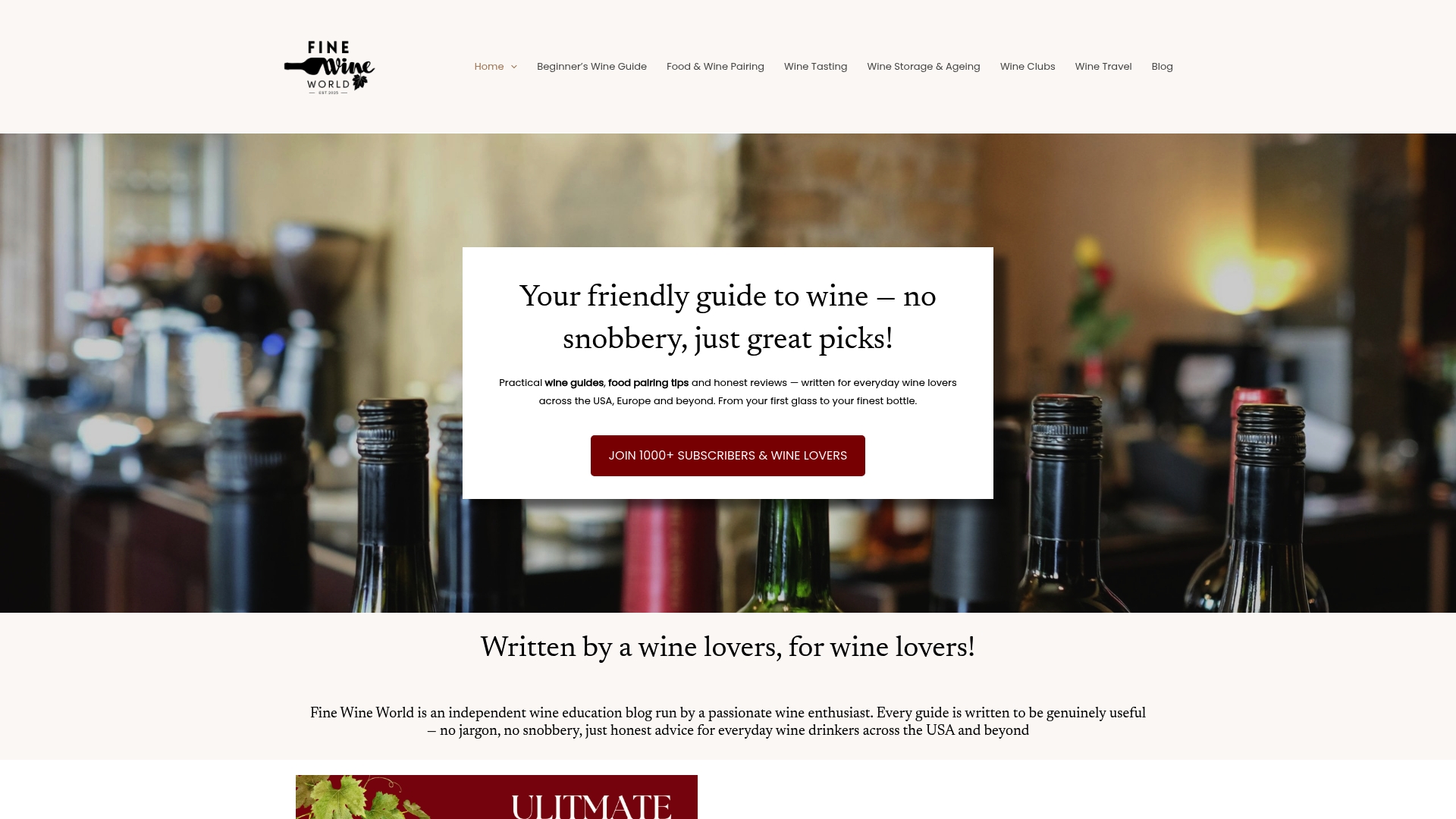
Visit Fine-wine-world to see our full collection of wine education resources. Step into wine enjoyment armed with trustworthy insights and heartfelt guidance that match your tastes and interests.
FAQ
What are the primary features of Fine-wine-world?
Fine-wine-world publishes extensively detailed wine ratings and reviews. It serves as a resource for expert assessments and advice, combining educational articles and commerce tailored for everyday wine lovers.
How does Trustpilot compare with Fine-wine-world?
Trustpilot offers verified consumer reviews and public profiles for businesses, providing customers with accessible feedback before purchasing. Fine-wine-world focuses on detailed wine education and lifestyle content for enthusiasts, making it a better fit for those seeking in-depth wine knowledge rather than broad company reviews.
What can I expect from Wine Spectator’s offerings compared to Fine-wine-world?
Wine Spectator provides expert tasting notes and industry news, emphasizing authoritative evaluations over casual crowd-sourced opinions. Fine-wine-world, on the other hand, is geared towards making wine knowledge accessible to everyday drinkers, which may better suit those looking for practical guidance and non-technical content.
Is there a community aspect to the platforms discussed?
Wine Enthusiast combines expert wine ratings with a retail catalog, but it primarily focuses on curated content rather than community engagement. Fine-wine-world directly addresses the interests of wine lovers through informative articles aimed at building a community of enthusiasts.
Who would benefit most from Fine-wine-world’s features?
Casual wine drinkers and collectors looking for expert ratings and accessible educational content will find Fine-wine-world beneficial. It caters to those who want a friendly guide through the wide variety of wine options available in the market.