
Low and Alcohol-Free Wine:
The Honest 2026 Guide
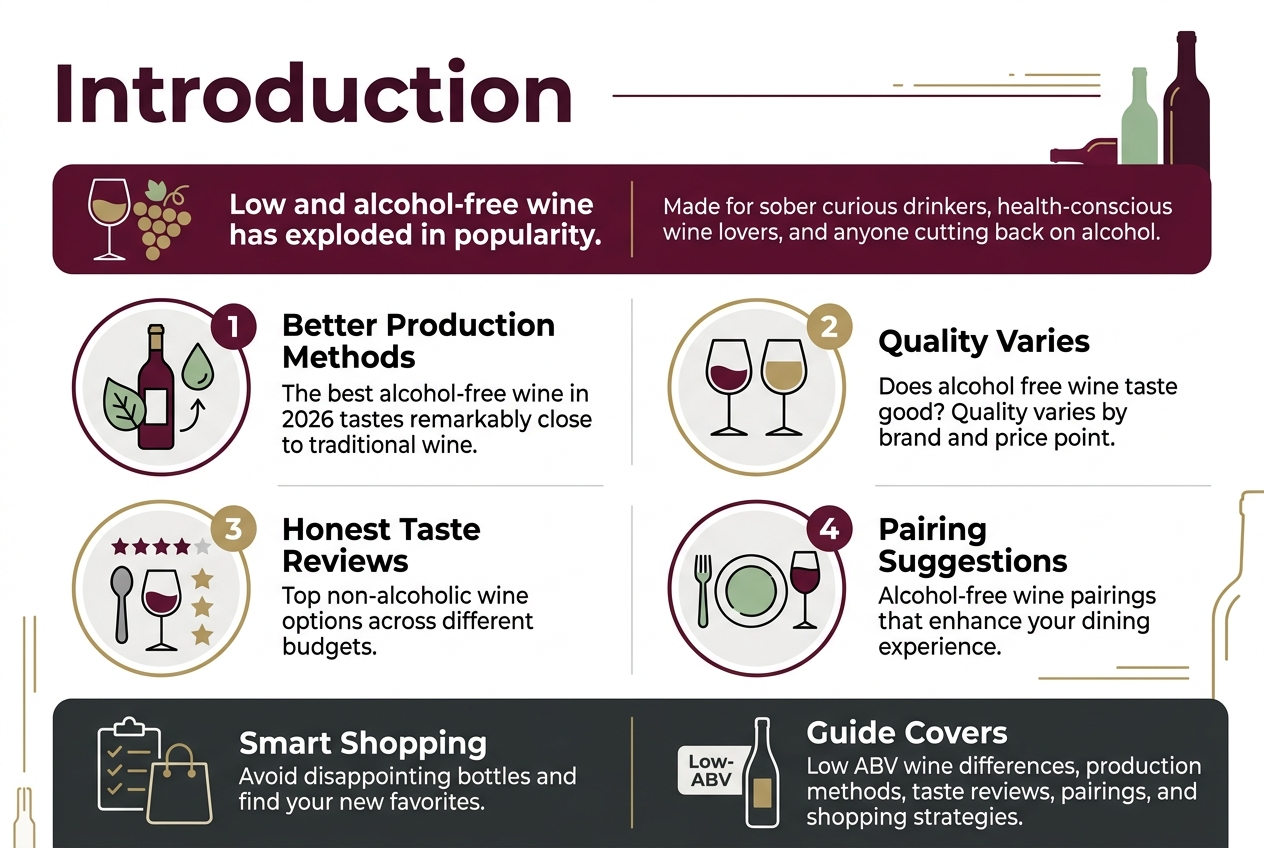
Low and alcohol-free wine has exploded in popularity, and for good reason. This comprehensive guide is written for sober curious drinkers, health-conscious wine lovers, and anyone wanting to cut back on alcohol without sacrificing the ritual and flavors they love.
The best alcohol-free wine in 2026 tastes remarkably close to traditional wine, thanks to improved dealcoholized wine production methods. Many people wonder “does alcohol free wine taste good?” and the honest answer is that quality varies dramatically between brands and price points.
We'll break down the production methods that separate the excellent alcohol-free wine brands from the mediocre ones, giving you the inside scoop on which techniques create the most wine-like flavors. You'll get our honest taste reviews of top non-alcoholic wine options across different budgets, plus practical alcohol-free wine pairing suggestions that actually enhance your dining experience.
This non-alcoholic wine guide covers everything from understanding low ABV wine differences to smart shopping strategies that help you avoid disappointing bottles and find your new favorites.
Understanding Low and Alcohol-Free
Wine Production Methods
Traditional dealcoholization techniques and their impact on flavor
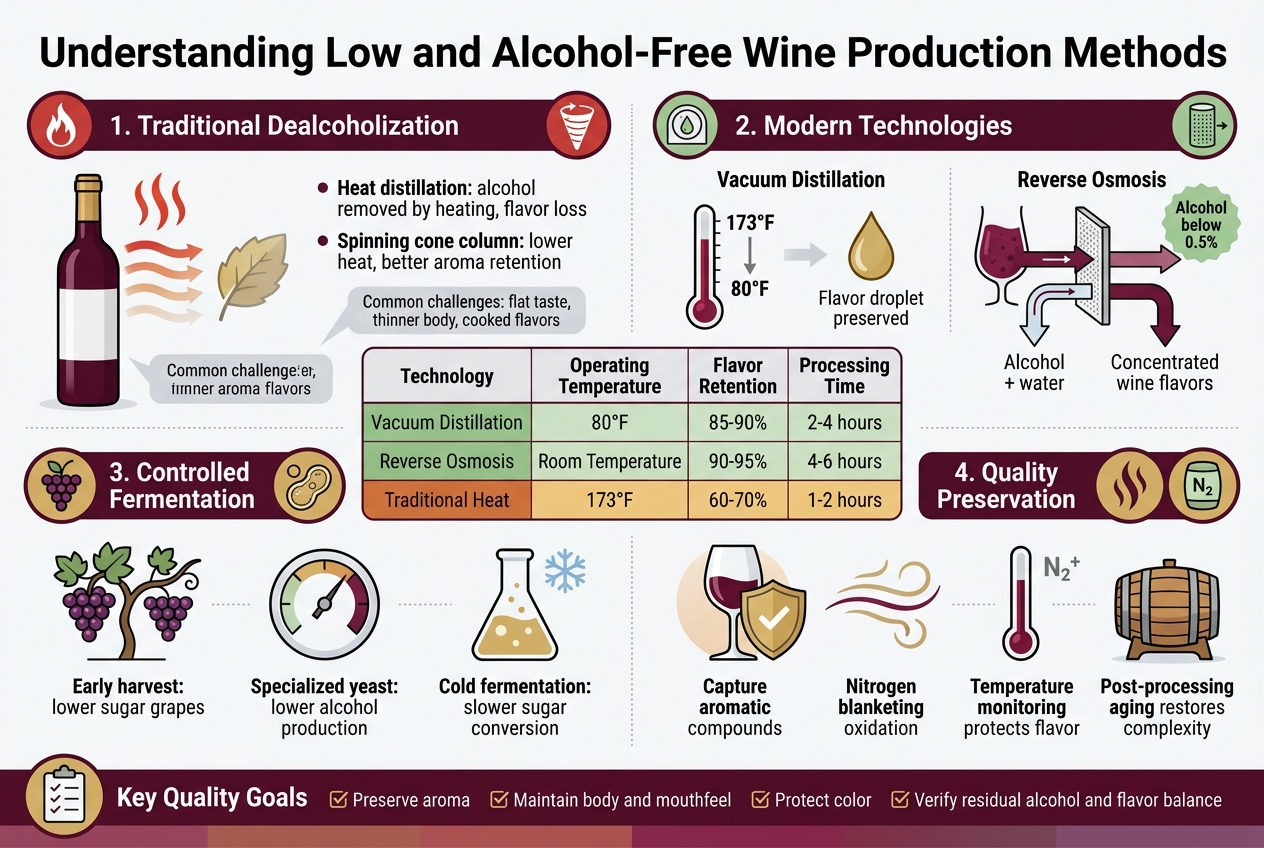
The most common approach for creating alcohol-free wine involves starting with fully fermented wine and removing the alcohol afterward. Traditional methods like heat distillation have been around for decades, though they often compromise the wine's delicate flavor profile. This technique heats the wine to evaporate the alcohol, but the high temperatures can damage aromatic compounds and create a cooked taste that's noticeably different from the original wine.
Spinning cone column technology represents a more sophisticated traditional approach. This method separates volatile compounds at lower temperatures, preserving more of the wine's original character. However, even these gentler traditional techniques can result in wines that taste flat or lack the complexity wine lovers expect.
The biggest challenge with traditional dealcoholized wine methods is maintaining the wine's body and mouthfeel. Alcohol contributes significantly to a wine's texture, and removing it leaves behind a thinner, sometimes watery sensation. Many producers compensate by adding grape juice concentrate or other natural flavor enhancers, though this can mask the wine's authentic varietal characteristics.
Modern vacuum distillation and reverse osmosis technologies
Today's low alcohol wine production methods have evolved dramatically, with vacuum distillation leading the charge in quality preservation. This technique operates under reduced pressure, allowing alcohol to evaporate at much lower temperatures – typically around 80°F instead of the traditional 173°F boiling point. The gentler process protects delicate flavor compounds that would otherwise be lost to heat damage.
Reverse osmosis represents another breakthrough in non-alcoholic wine production. This filtration method uses semi-permeable membranes to separate alcohol and water molecules from larger wine compounds. The process creates two streams: one containing alcohol and water, and another with concentrated wine flavors. Producers can then selectively remove alcohol while retaining the wine's essential character.
| Technology | Operating Temperature | Flavor Retention | Processing Time |
|---|---|---|---|
| Vacuum Distillation | 80°F | 85-90% | 2-4 hours |
| Reverse Osmosis | Room Temperature | 90-95% | 4-6 hours |
| Traditional Heat | 173°F | 60-70% | 1-2 hours |
Some cutting-edge facilities combine both technologies for optimal results. They might use reverse osmosis for initial alcohol reduction followed by gentle vacuum distillation for final adjustment, achieving alcohol levels below 0.5% while maximizing flavor preservation.
Fermentation control methods for naturally low alcohol wines
Creating low alcohol wine through controlled fermentation offers an entirely different approach that many producers now favor. This method focuses on managing the fermentation process itself rather than removing alcohol afterward. By controlling factors like temperature, yeast selection, and fermentation timing, winemakers can produce wines that naturally contain less alcohol.
Early harvest techniques play a crucial role here. Grapes picked earlier in the season have lower sugar levels, which translates to lower potential alcohol content during fermentation. While this might sound simple, it requires careful timing and grape selection to ensure the fruit still has adequate flavor development.
Specialized yeast strains designed for low alcohol production have revolutionized this approach. These yeasts either consume sugar less efficiently or stop fermenting earlier, leaving behind residual sugars while keeping alcohol levels low. Some producers use multiple yeast strains in sequence, starting with alcohol-producing yeasts for flavor development and finishing with strains that metabolize alcohol into other compounds.
Cold fermentation techniques slow down the conversion of sugar to alcohol, giving winemakers more control over the final alcohol content. This method preserves fresh fruit flavors while allowing for precise alcohol management throughout the process.
Quality preservation during alcohol removal processes
Maintaining wine quality during alcohol removal demands sophisticated equipment and expert timing. The key lies in protecting volatile aromatic compounds that give wine its distinctive smell and taste. Modern facilities capture these compounds during processing and reintroduce them to the finished product, creating a more authentic wine experience.
Nitrogen blanketing prevents oxidation during processing, which can cause browning and off-flavors. This inert gas atmosphere protects the wine throughout alcohol removal, maintaining its original color and preventing the development of unwanted flavors.
Temperature monitoring systems ensure processing never exceeds optimal ranges. Even small temperature spikes can irreversibly damage delicate wine compounds, so precision control systems maintain consistent conditions throughout the entire process.
Best non-alcoholic wine producers often age their products after alcohol removal, allowing flavors to integrate and mature. This post-processing aging, sometimes in oak barrels or tanks, helps restore some of the complexity lost during dealcoholization. Some producers even add tannins or other natural wine compounds to rebuild structure and mouthfeel.
Quality testing at multiple stages ensures the final product meets standards. Producers analyze samples for residual alcohol content, flavor balance, and overall wine character, making adjustments as needed to achieve the desired profile.
Health Benefits That Make the Switch Worthwhile
Reduced Calorie Intake Without Sacrificing Wine Enjoyment
The calorie difference between traditional wine and alcohol-free wine is striking. Regular wine contains roughly 120-130 calories per 5-ounce glass, while non-alcoholic wine typically delivers just 25-50 calories for the same serving. This dramatic reduction comes from removing alcohol, which packs 7 calories per gram—nearly double that of sugar.
Your favorite low alcohol wine brands achieve this through sophisticated production methods that preserve the complex flavors you love while stripping away the caloric burden. The dealcoholization process maintains grape tannins, natural fruit sugars, and aromatic compounds that create wine's signature taste profile.
For wine enthusiasts watching their weight, this translates to meaningful results. Switching to dealcoholized wine can save you 300-400 calories during a typical evening with friends, equivalent to a small meal. Over time, this adds up without requiring you to give up the ritual and pleasure of wine drinking.
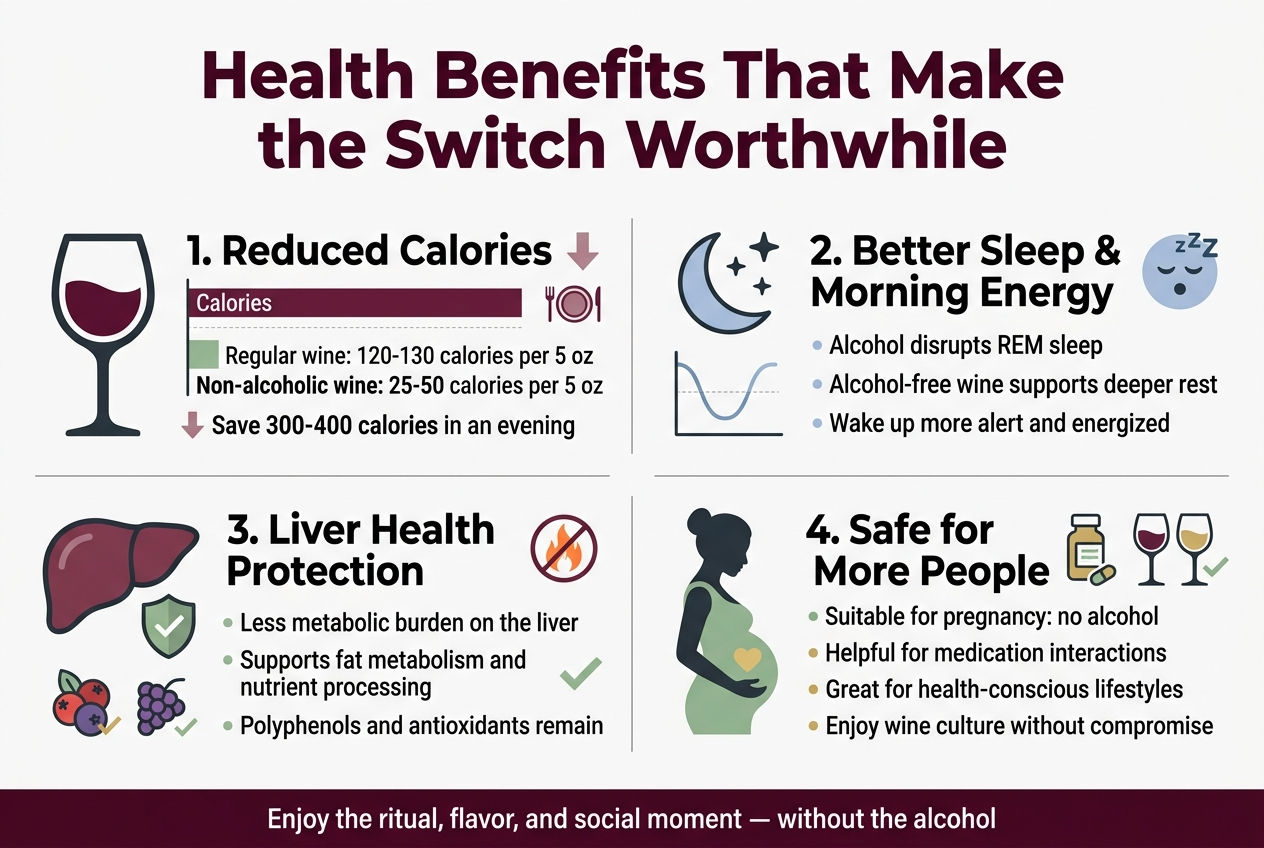
Alcohol disrupts your sleep architecture, particularly REM sleep stages that restore mental clarity and emotional balance. Even moderate wine consumption can fragment your sleep cycles, leaving you groggy despite spending adequate time in bed.
Non-alcoholic wine eliminates this disruption entirely. You'll experience deeper, more restorative sleep patterns that improve cognitive function, mood stability, and physical recovery. Many people report feeling more alert in the morning and maintaining consistent energy throughout the day after switching to alcohol-free alternatives.
The absence of alcohol also prevents dehydration—a primary culprit behind morning fatigue and headaches. Your body doesn't need to work overtime metabolizing ethanol, allowing natural recovery processes to function optimally.
Liver Health Protection and Reduced Inflammation
Your liver processes alcohol as a toxin, prioritizing its breakdown over other essential functions like fat metabolism and nutrient processing. Regular alcohol consumption, even at moderate levels, can lead to fatty liver accumulation and chronic inflammation.
Low alcohol wine and completely alcohol-free options remove this metabolic burden while delivering beneficial compounds like resveratrol, flavonoids, and antioxidants naturally present in grapes. These polyphenols actually support liver function and help reduce systemic inflammation throughout your body.
Research shows that the antioxidant properties in alcohol-free wine can improve cardiovascular health markers without the inflammatory effects of ethanol. Your liver can focus on detoxification and metabolic processes instead of constantly managing alcohol breakdown products.
Safe Drinking Options for Pregnant Women and Health-Conscious Individuals
Pregnancy requires complete alcohol avoidance, but many women miss the social and sensory aspects of wine. Non-alcoholic wine provides a perfect solution, allowing expectant mothers to participate in wine culture without any risk to fetal development.
People taking medications that interact with alcohol, managing liver conditions, or following strict fitness regimens also benefit from these alternatives. Alcohol-free wine reviews consistently highlight how these products allow individuals with health restrictions to enjoy wine-centric social situations without compromise.
The best non-alcoholic wine options have evolved dramatically, offering sophisticated flavors that rival traditional wines. This means health-conscious choices no longer require sacrificing taste or social enjoyment.
Taste Profile Comparisons:
What to Expect from Your Glass
Flavor Retention in Premium Low-Alcohol Varieties
Premium low alcohol wine brands have made significant strides in preserving the complex flavor profiles that wine enthusiasts expect. Through advanced dealcoholization techniques like reverse osmosis and spinning cone column technology, top-tier producers can now maintain up to 85% of original flavor compounds. The key difference lies in the concentration of volatile aromatics – while traditional wines rely on alcohol to carry these delicate notes, premium alcohol-free wine uses sophisticated preservation methods to keep fruit-forward characteristics intact.
Dealcoholized wine from established regions like Bordeaux and Napa Valley shows remarkable depth compared to their mass-market counterparts. You'll notice that grape varietal characteristics remain pronounced – a dealcoholized Pinot Noir still carries those signature cherry and earthy notes, while a non-alcoholic Chardonnay retains its buttery or citrusy profile depending on the original winemaking style.
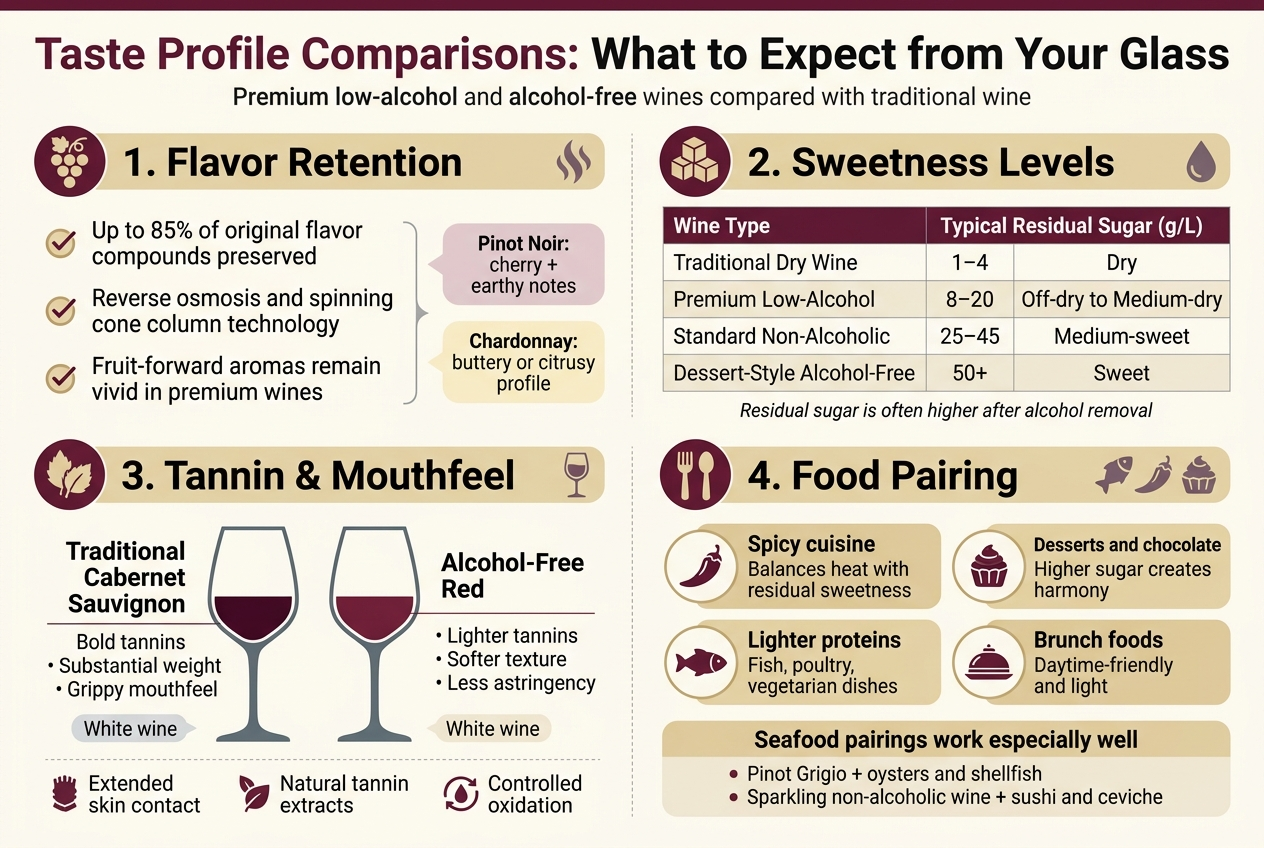
Non-alcoholic wine typically contains higher residual sugar levels than traditional wines, ranging from 15-60 grams per liter compared to the 1-15 grams found in dry conventional wines. This occurs because alcohol removal processes can concentrate natural sugars, and some producers add grape juice or natural sweeteners to compensate for lost body and complexity.
The sweetness impact varies significantly by production method. Vacuum distillation tends to preserve more natural sugar balance, while some reverse osmosis processes require careful sugar adjustment to achieve optimal taste profiles.
Tannin Structure and Mouthfeel Differences
Alcohol plays a crucial role in carrying tannins and creating wine's characteristic mouthfeel. Low alcohol wine brandsface the challenge of maintaining this structure without the alcohol backbone. Premium producers address this through several techniques:
-
Extended skin contact during fermentation to extract maximum tannins before dealcoholization
-
Addition of natural tannin extracts from grape seeds and oak to restore structure
-
Controlled oxidation processes that develop complex phenolic compounds
Red non-alcoholic wine varieties show the most dramatic differences in mouthfeel. Traditional Cabernet Sauvignon delivers bold, gripping tannins with substantial weight, while its alcohol-free counterpart tends toward lighter, softer tannins with less astringency. However, quality producers have learned to compensate through careful grape selection and innovative winemaking techniques.
White varieties adapt more successfully to dealcoholization since they rely less heavily on tannin structure. Alcohol-free wine versions of Sauvignon Blanc and Riesling often maintain their crisp, refreshing character with minimal compromise.
Pairing Potential with Food Compared to Traditional Wines
Non-alcoholic wine pairing opens up exciting culinary possibilities while requiring some adjustment in traditional pairing principles. Without alcohol's palate-cleansing properties, these wines work differently with food textures and flavors.
Rich, fatty foods that traditionally rely on wine's alcohol content to cut through heaviness need different approaches with alcohol-free wine. Instead of a bold Cabernet Sauvignon with a ribeye steak, consider a dealcoholized wine with higher acidity or effervescence to provide the necessary palate contrast.
The concentrated fruit flavors in many low alcohol wine varieties make them exceptional partners for:
-
Spicy cuisine – The residual sweetness helps balance heat without alcohol's intensifying effect
-
Desserts and chocolate – Higher sugar content creates natural harmony
-
Lighter proteins – Fish, poultry, and vegetarian dishes shine with delicate alcohol-free varieties
-
Brunch foods – Perfect for daytime entertaining without alcohol's heaviness
Seafood pairings work particularly well since the absence of alcohol doesn't mask delicate flavors. A quality dealcoholized Pinot Grigio enhances oysters and shellfish beautifully, while sparkling non-alcoholic wine versions create elegant pairings with sushi and ceviche.
The key to successful pairing lies in understanding that these wines function more like sophisticated fruit beverages with wine-like complexity rather than direct substitutes for traditional wine's interaction with food.
Top Brand Recommendations
Across Different Price Points
Premium options for special occasions and gifting
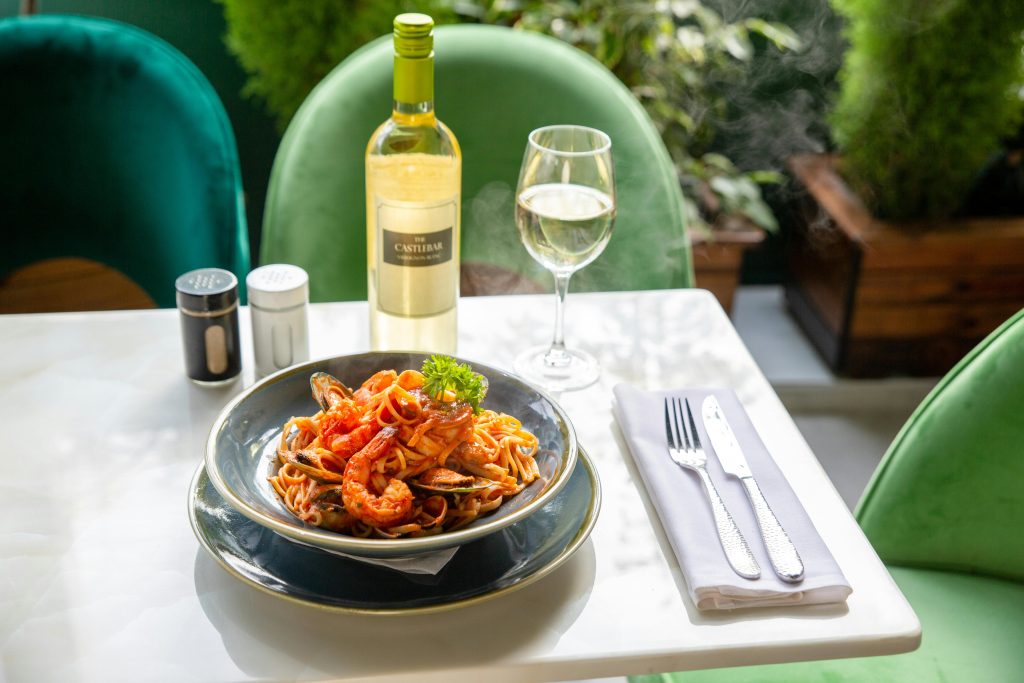
When you want to impress guests or celebrate special moments, premium alcohol-free wine options deliver the sophistication you're looking for. Eisberg stands out as a consistent top performer, with their Sauvignon Blanc offering crisp acidity and tropical fruit notes that rival traditional wines. Their Merlot provides deep berry flavors with subtle tannins that make it perfect for formal dinners.
Dealcoholized wine from established producers like Ariel Wine Cellars brings decades of expertise to the table. Their Cabernet Sauvignon and Chardonnay varieties maintain the complexity wine enthusiasts expect, making them ideal for gift-giving or hosting wine-focused events.
Fre by Sutter Home offers another excellent premium choice, particularly their White Zinfandel and Moscato varieties. These wines showcase bright fruit flavors without the cloying sweetness often found in lower-quality alternatives.
For truly special occasions, consider Torres Natureo wines from Spain. Their Syrah and Rosé selections demonstrate how traditional European winemaking techniques translate beautifully to non-alcoholic wine production, delivering authentic regional characteristics.
Everyday drinking wines that deliver consistent quality
Finding reliable low alcohol wine brands for daily enjoyment requires balancing quality with accessibility. Lyre's has revolutionized the everyday drinking category with their extensive range that includes everything from Classico (a Prosecco alternative) to American Malt (whiskey-style).
Seedlip's wine alternatives provide consistent quality across their portfolio, though their focus leans more toward aperitif-style drinks. For traditional wine experiences, Princess Bollicine offers excellent sparkling options that work perfectly for casual evening meals or weekend gatherings.
| Brand | Best Variety | Price Range | Availability |
|---|---|---|---|
| Lyre's | Classico | $15-25 | Widely available |
| Eisberg | Sauvignon Blanc | $8-12 | Most retailers |
| Fre | Chardonnay | $5-8 | Supermarkets |
| Princess Bollicine | Sparkling Rosé | $10-15 | Specialty stores |
Non-alcoholic wine from these everyday brands maintains enough character to pair well with meals while being gentle enough for regular consumption. The key advantage lies in their consistent production quality – you know what you're getting with each bottle.
Budget-friendly choices that exceed expectations
Smart shoppers can find excellent alcohol-free wine options without breaking the bank. Trader Joe's private label offers surprisingly good varieties under $6, particularly their sparkling grape juice alternatives that provide wine-like complexity.
Welch's Sparkling Grape Juice might seem basic, but their Premium varieties deliver more sophistication than expected, especially when served in proper wine glasses with appropriate food pairings.
St. Regis non-alcoholic wine provides excellent value in the $4-7 range, with their Chardonnay and Merlot varieties offering decent fruit expression and balanced acidity. While they won't fool serious wine connoisseurs, they work perfectly for casual drinking and non-alcoholic wine pairing with everyday meals.
Generic store brands from major retailers like Target and Walmart have improved dramatically in recent years. Their dealcoholized options often surprise newcomers to the category with their clean flavors and absence of artificial tastes.
The secret to maximizing budget options lies in proper serving techniques: chill white varieties thoroughly, decant reds when possible, and serve in appropriate glassware. These simple steps elevate even basic alcohol-free wine into enjoyable drinking experiences.
Smart Shopping Strategies for Maximum Value
Reading labels to identify quality indicators
When shopping for low alcohol wine and alcohol-free wine, the label holds all the secrets to quality. Look for wines that clearly state their production method – vacuum distillation and reverse osmosis typically preserve more flavor complexity than simple filtration methods. Premium dealcoholized wine brands often highlight their original grape varietals prominently, showing they started with quality fruit rather than generic blends.
Check the alcohol content carefully. True alcohol-free wines contain less than 0.5% alcohol, while low alcohol varieties range from 0.5% to 1.2%. The best low alcohol wine brands will also include harvest dates, specific vineyard locations, and tasting notes that mirror traditional wine descriptions. Avoid products with extensive additive lists or artificial flavoring agents, as these often mask poor base wine quality.
Look for certifications like organic, biodynamic, or sustainably farmed grapes. These indicators suggest the producer invested in quality from vineyard to bottle. Award symbols from wine competitions specifically for non-alcoholic winecategories also signal superior products that have been professionally evaluated against peers.
Best places to find diverse selections online and in-store
Specialty wine retailers have dramatically expanded their alcohol-free wine selections, often dedicating entire sections to these products. Whole Foods, Total Wine, and independent wine shops typically offer the most curated selections with knowledgeable staff who can provide alcohol-free wine reviews and recommendations.
Online retailers excel in variety and convenience. Wine.com, Dry Drinker, and Zero Proof offer extensive non-alcoholic wine collections with detailed tasting notes and customer reviews. Amazon provides broad selection but less specialized expertise. Many European retailers ship globally, giving access to premium brands not yet available domestically.
Direct-to-consumer purchasing from producers often yields the freshest products and exclusive releases. Many low alcohol wine brands offer subscription services with quarterly shipments of new releases and seasonal selections. This approach also supports smaller producers creating innovative products that might not reach mainstream retail channels.
Restaurant wine shops and hotel bottle shops increasingly stock alcohol-free wine guide 2026 selections, reflecting growing demand from hospitality professionals who understand quality differences.
Seasonal buying tips for optimal freshness and pricing
Spring launches bring new vintage releases from major low alcohol wine brands, making it ideal for trying latest improvements in production methods. Many producers release their premium lines in spring to capitalize on wedding season and outdoor entertaining.
Summer offers the best selection of rosé and light white dealcoholized wine options. Retailers often run promotions during grilling season, recognizing these wines pair excellently with barbecue fare. End-of-summer clearance sales provide opportunities to stock up on warm-weather favorites before fall transitions.
Fall harvest season paradoxically offers the best prices on previous vintage non-alcoholic wine as retailers make room for new releases. This timing works well for reds and full-bodied whites that complement autumn and winter meals.
Holiday seasons drive both premium releases and promotional pricing. Black Friday through New Year typically features the year's best deals, though popular items may sell out quickly. Stock up during these periods for entertaining and gift-giving.
Storage recommendations to maintain peak flavor
Alcohol-free wine and low alcohol wine require more careful storage than traditional wines due to their altered preservation properties. Keep bottles in cool, dark places with consistent temperatures between 45-65°F. Avoid refrigerator door storage where temperature fluctuations occur frequently.
Once opened, these wines deteriorate faster than regular wines. Refrigerate immediately after opening and consume within 3-5 days for optimal flavor. Use vacuum pumps or inert gas systems to minimize oxidation if you can't finish bottles quickly.
Store bottles on their sides only if they have natural corks. Synthetic closures and screw caps allow upright storage, which some experts prefer for non-alcoholic wine to prevent any cork interaction with the modified wine structure.
Avoid storing near heat sources, direct sunlight, or areas with strong odors. The simplified preservative systems in these wines make them more susceptible to environmental factors that can impact flavor profiles developed through careful low alcohol wine production methods.
Perfect Food Pairing Guide for Enhanced Dining
Light meals and appetizer combinations
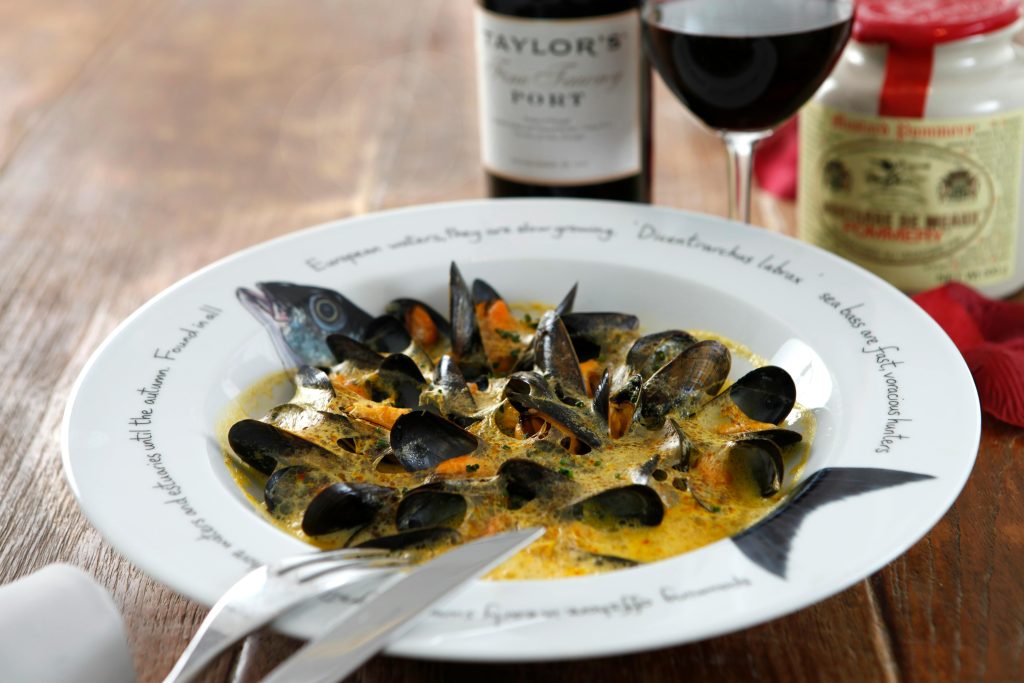
Non-alcoholic wine brings a fresh approach to appetizer pairing, where delicate flavors can truly shine without alcohol overpowering your palate. Alcohol-free wine works beautifully with cheese boards, especially soft cheeses like brie and camembert that need a gentle wine companion. The reduced tannins in dealcoholized red wines make them perfect partners for charcuterie, where you want the wine to complement rather than compete.
For seafood appetizers, low alcohol wine offers exceptional versatility. Dealcoholized sauvignon blanc pairs wonderfully with oysters and shrimp cocktail, maintaining the crisp acidity that makes these combinations work while keeping the focus on the ocean's flavors. Bruschetta topped with tomatoes and basil finds its match in non-alcoholic wine varieties, particularly those with bright, herbaceous notes.
Vegetable-forward starters benefit enormously from this pairing style. Roasted vegetable platters, hummus selections, and caprese skewers all work beautifully with alcohol-free options. The natural fruit flavors in these wines enhance rather than mask the fresh ingredients you're serving.
Non-alcoholic wine pairing with light soups creates memorable starter courses. A dealcoholized pinot grigio complements butternut squash soup perfectly, while alcohol-free rosé works magic with gazpacho during warmer months.
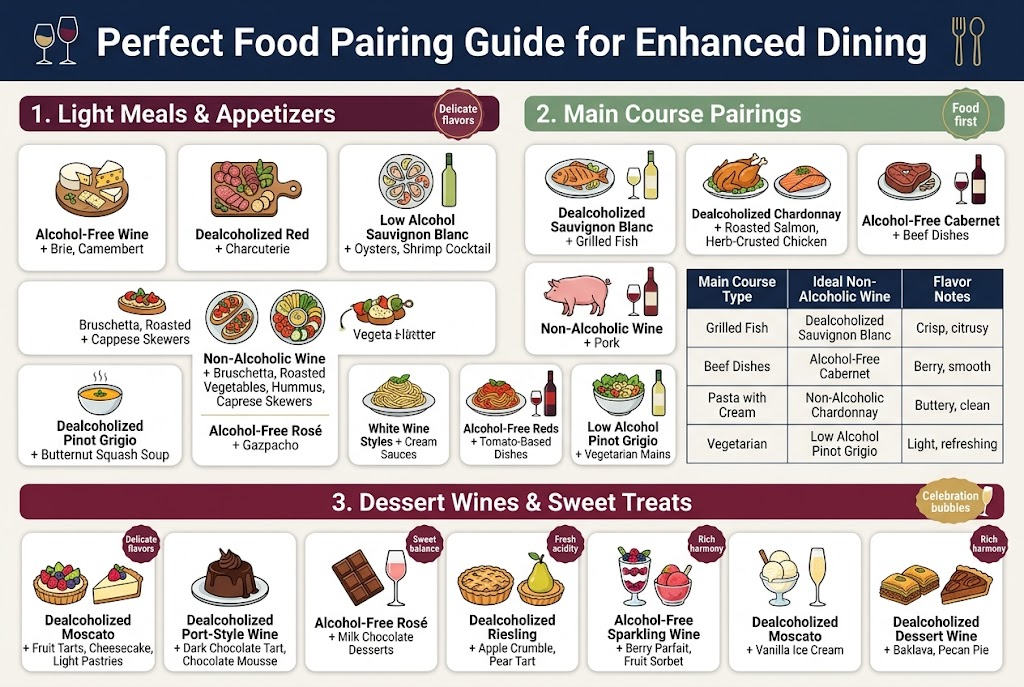
Low alcohol wine transforms main course dining by allowing food flavors to take center stage. Grilled chicken and fish dishes pair exceptionally well with dealcoholized whites, where the wine's acidity cuts through any richness without the alcohol heat that might overpower delicate proteins. Dealcoholized chardonnay works particularly well with roasted salmon or herb-crusted chicken breast.
Red meat dishes find excellent partners in alcohol-free wine varieties, especially when you're serving lighter preparations. A dealcoholized merlot complements beef tenderloin beautifully, providing the wine's characteristic plum and cherry notes without the alcohol intensity that might clash with subtle seasonings. Pork dishes, from grilled chops to roasted tenderloin, work wonderfully with non-alcoholic wine options that offer fruit-forward profiles.
Pasta dishes benefit tremendously from these pairings. Cream-based sauces pair naturally with dealcoholized white wines, while tomato-based dishes find their match in alcohol-free reds. The reduced alcohol content means the wine won't compete with complex herb and spice blends in your sauces.
Vegetarian main courses shine alongside low alcohol wine brands that emphasize fresh, clean flavors. Mushroom risottos, vegetable lasagnas, and grain bowls all benefit from wine companions that enhance rather than overwhelm plant-based ingredients.
| Main Course Type | Ideal Non-Alcoholic Wine | Flavor Notes |
|---|---|---|
| Grilled Fish | Dealcoholized Sauvignon Blanc | Crisp, citrusy |
| Beef Dishes | Alcohol-Free Cabernet | Berry, smooth |
| Pasta with Cream | Non-Alcoholic Chardonnay | Buttery, clean |
| Vegetarian | Low Alcohol Pinot Grigio | Light, refreshing |
Dessert wines and sweet treat matches
Alcohol-free wine opens up exciting possibilities for dessert pairings, where sweetness levels can be perfectly balanced without alcohol's warming effect. Dealcoholized moscato pairs beautifully with fruit tarts, cheesecakes, and light pastries, offering the wine's characteristic floral notes and gentle sweetness without overwhelming delicate desserts.
Chocolate desserts find their perfect match in non-alcoholic wine varieties with deeper, richer profiles. Dealcoholized port-style wines work wonderfully with dark chocolate tart or chocolate mousse, providing complementary berry notes that enhance cocoa flavors. Milk chocolate desserts pair excellently with alcohol-free rosé, where the wine's subtle sweetness and fruit character create harmony rather than competition.
Fresh fruit desserts benefit from the clean, bright flavors available in best non-alcoholic wine selections. Dealcoholized riesling complements apple crumbles and pear tarts perfectly, while alcohol-free sparkling wines add celebration to berry parfaits and fruit sorbets.
Ice cream and frozen desserts create unexpected but delightful pairings with certain low alcohol wine styles. Vanilla ice cream with dealcoholized moscato creates an elegant combination, while fruit sorbets pair beautifully with alcohol-free prosecco styles that add effervescence without alcohol burn.
Nut-based desserts like baklava or pecan pie find excellent partners in dealcoholized dessert wines that offer complementary nutty or caramel notes. These pairings work because the wine's natural sweetness enhances rather than competes with the dessert's rich flavors.
The low and alcohol-free wine scene has come a long way, and these aren't the overly sweet, artificial-tasting bottles from years past. Today's producers have mastered techniques that preserve the complexity and depth you love about traditional wine, while offering real health benefits and incredible versatility at the dinner table. From premium brands delivering restaurant-quality experiences to budget-friendly options perfect for weeknight meals, there's genuinely something for every palate and occasion.
Ready to explore this growing category? Start with a few different styles from our recommended brands, experiment with food pairings that highlight their unique characteristics, and don't be afraid to serve them at your next dinner party. You can always join one of the Wine Clubs and explore different wine varieties in your own home. Your guests might be surprised by just how satisfying a well-crafted alcohol-free wine can be. The future of wine doesn't have to include alcohol to be absolutely delicious.
Exploring Further: Wine Knowledge That Applies to Every Glass
Whether you're drinking alcohol-free or traditional wine, the fundamentals of tasting, pairing, and storage remain the same — and building that knowledge makes every glass more enjoyable. Our wine tasting guide walks through the Five S's method, which works just as well with dealcoholised wine and helps you identify the fruit, earth, and structural notes covered throughout this guide. If the flavour profiles described here — cherry, citrus, tannin, acidity — still feel a little abstract, our wine flavor profiles guide maps them all out in plain language. And when you're ready to explore traditional wine alongside alcohol-free options, our beginner's wine guide gives you the full picture of wine styles, regions, and grape varieties without any jargon. For independent reviews of the latest alcohol-free wine releases, Decanter's no and low wine section is one of the most up-to-date free resources available. The wine world is more inclusive than ever — and there's genuinely something for everyone at the table. When you are ready, opt for wine tours or wine travel packages. Many subscribers enjoyed our wine tours!