
Is Wine Vegan?
What Every Wine Drinker Should Know
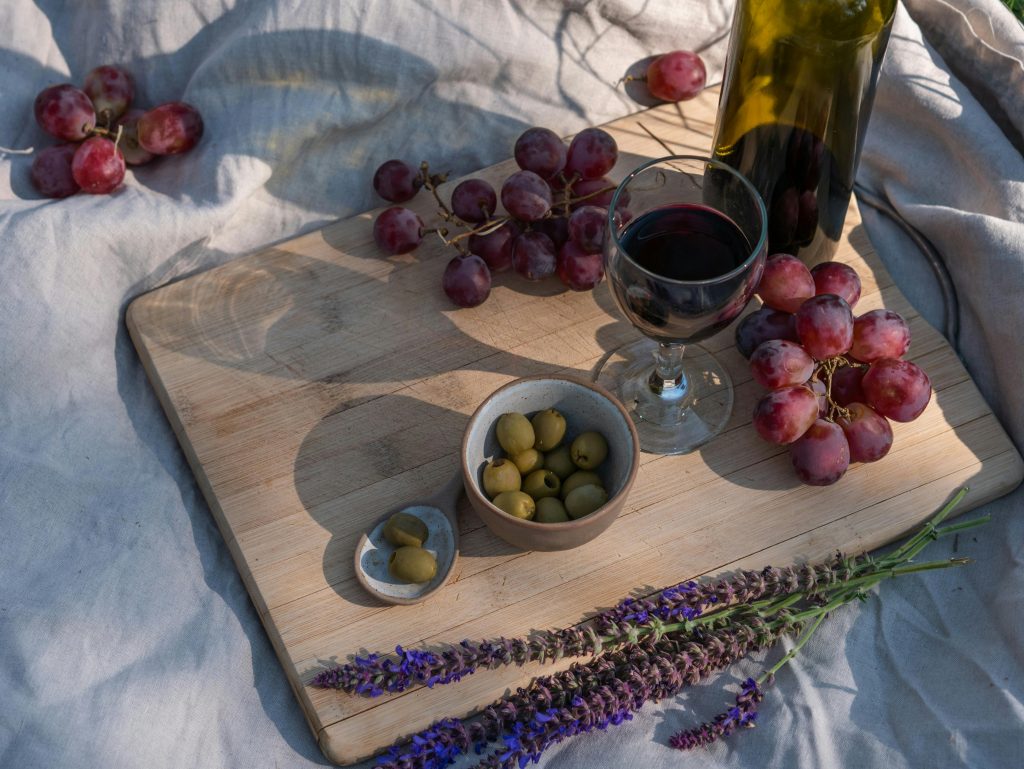
Picture this: You're at a dinner party, proudly holding a glass of your favorite Pinot Noir, feeling good about your plant-based lifestyle choices. Then someone drops a bombshell – “Did you know that wine might not actually be vegan?” Wait, what? How can fermented grape juice not be vegan?
If you're feeling confused right now, you're not alone. Most people assume wine is automatically vegan-friendly since it's made from grapes. But here's where things get interesting (and a bit complicated). The truth about wine and veganism isn't as straightforward as you might think, and today we're going to explore everything you need to know about finding wines that align with your values.
Whether you're a committed vegan, a curious vegetarian, or someone who simply wants to make more informed choices about what you're drinking, this guide will help you navigate the sometimes murky waters of wine production. We'll explore why some wines aren't vegan, how to identify vegan-friendly options, and share practical tips that will make your next wine shopping trip much easier.
The Hidden Animal Products in Your Wine Glass
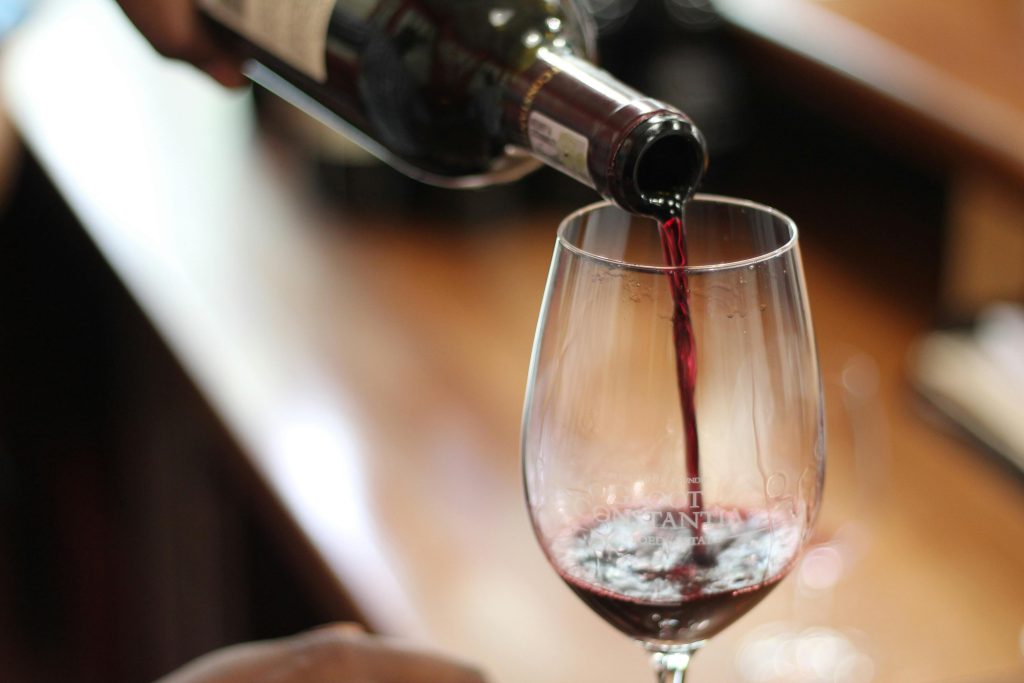
So, is wine vegan? The short answer is: not always. While wine starts as a simple combination of grapes, yeast, and time, the journey from vine to bottle often involves some unexpected animal-derived ingredients that might surprise you.
The main culprit behind non-vegan wine isn't actually an ingredient that stays in the final product – it's what happens during the fining process. When wine is first made, it tends to be cloudy and contains tiny particles of proteins, tartrates, and phenolics. While these particles are completely harmless and would eventually settle on their own, most winemakers speed up the clarification process using fining agents.
Common Animal-Based Fining Agents That Make Wine Not Vegan
Here's where things get particularly interesting for anyone following a plant-based lifestyle:
- Isinglass: This comes from fish bladders (yes, really!) and is commonly used in white wine production
- Egg whites (albumin): Frequently used in red wine to soften tannins and remove harsh flavors
- Casein: A milk protein that helps eliminate oxidative notes and clarify white wines
- Gelatin: Derived from animal bones and connective tissues, used to reduce astringency
The tricky part? These fining agents are removed before bottling, so they don't appear on the ingredient list. This means you could be drinking a wine that was processed using animal products without ever knowing it. For someone who's carefully chosen a vegan lifestyle, this hidden aspect of wine production can feel like a betrayal of trust.
Understanding the Wine Fining Process

To really grasp why wine might not be vegan, let's take a closer look at what actually happens during wine production. After grapes are crushed and fermented, the resulting liquid is pretty murky. Think of it like freshly squeezed orange juice with all the pulp – except in wine's case, we're dealing with dead yeast cells, grape fragments, and various proteins floating around.
Fining agents work through a process of attraction and binding. When added to wine, they attract these unwanted particles like magnets, forming larger clumps that sink to the bottom of the tank or barrel. The clear wine is then racked off the top, leaving the sediment behind.
Is Red Wine Vegan vs. White Wine?
You might wonder if there's a difference between red and white wines when it comes to vegan-friendliness. The answer is: it depends on the producer, but there are some general patterns:
Red wines often use egg whites for fining because they help soften harsh tannins while preserving the wine's structure. Some producers also use gelatin or isinglass, though this is less common.
White wines frequently employ isinglass or casein because these agents are particularly effective at removing proteins that can cause haziness in lighter-colored wines. Bentonite clay (which is vegan) is also commonly used for white wines.
The bottom line? Both red and white wines can be non-vegan, and you can't determine a wine's vegan status just by looking at its color.
How to Find Vegan Wine: Your Shopping Strategy

Now for the good news – finding vegan wine is becoming easier every year! More producers are recognizing the demand for vegan-friendly options and are either switching to plant-based fining agents or skipping the fining process altogether. Here's your game plan for finding wines that align with your values:
Look for Vegan Certification Labels
The easiest way to identify vegan wine is to look for certification symbols on the bottle. Common certifications include:
- The Vegan Society trademark
- Certified Vegan logo
- BeVeg certification
- V-Label (European Vegetarian Union)
These labels guarantee that no animal products were used at any stage of production, from vineyard to bottle.
Research Vegan Wine Brands
Many wineries now proudly advertise their vegan credentials. Some consistently vegan-friendly producers include:
- Frey Vineyards: Organic and vegan since 1980
- The Vegan Vine: Specifically created for plant-based wine lovers
- Barnivore-verified brands: Check their extensive database
- Yellow Tail: Most of their wines are vegan
- Charles Shaw (Two Buck Chuck): Surprisingly vegan-friendly
Alternative Fining Methods: How Wine is Made Vegan
Modern winemakers have plenty of vegan-friendly options for clarifying their wines:
- Bentonite clay: A natural volcanic clay that's extremely effective
- Activated charcoal: Great for removing off-odors and colors
- Pea protein: A newer option that works similarly to egg whites
- Silica gel: Effective for protein stabilization
- PVPP (Polyvinylpolypyrrolidone): A synthetic option that removes tannins
Some producers skip fining altogether, allowing wines to clarify naturally over time. These "unfined" wines might have a bit more sediment but are guaranteed vegan.
Practical Tips for the Vegan Wine Beginner

Starting your journey into vegan wine doesn't have to be overwhelming. Here are some practical strategies to help you build confidence:
Start with Natural Wine Shops
Natural wine shops often carry a higher percentage of vegan wines because many natural winemakers avoid fining agents altogether. The staff at these shops are usually well-versed in production methods and can guide you to vegan options.
Use Technology to Your Advantage
Several apps and websites can help you identify vegan wines:
- Barnivore: The most comprehensive database of vegan alcohol
- HappyCow: While known for restaurants, they also list vegan-friendly wine shops
- Vivino: Some users note vegan status in reviews
Ask Questions
Don't be shy about contacting wineries directly. Most are happy to share information about their production methods. You can also ask sommeliers and wine shop employees – they're increasingly aware of vegan wine options.
Build Your Vegan Wine List
Start keeping notes on wines you enjoy that are vegan-friendly. This personal vegan wine list will become invaluable for future purchases and recommendations to friends.
Navigating Social Situations and Wine Gifts

One challenge many vegans face is dealing with wine in social situations. Here's how to handle common scenarios:
At Restaurants
Call ahead or check the restaurant‘s website for their wine list. Many establishments now mark vegan options or can provide information upon request. If you're unsure, opt for wines from known vegan producers or stick to beer or spirits you know are vegan.
Receiving Wine as Gifts
When non-vegan friends give you wine, appreciate the gesture while gently educating them about vegan wine for future reference. You might say something like, “Thank you so much for thinking of me! Just so you know for next time, I try to stick to wines that use vegan fining methods – I'd be happy to share some brands I love!”
Hosting Parties
This is your chance to introduce others to delicious vegan wines. Make it a conversation starter rather than a lecture. Most people are genuinely interested when they learn about wine production methods.
The Future of Vegan Wine

The wine industry is evolving rapidly, and the future looks bright for vegan wine enthusiasts. More producers are switching to vegan-friendly methods for several reasons:
- Growing demand: The plant-based movement continues to expand
- Improved technology: Vegan fining agents are becoming more effective
- Transparency: Consumers increasingly want to know how their food and drinks are made
- Environmental concerns: Many vegan fining methods are also more sustainable
Some countries are even considering labeling requirements that would make it easier to identify vegan wines. The European Union has already implemented regulations requiring allergen labeling, which helps identify wines containing milk or egg proteins.
Making Informed Choices
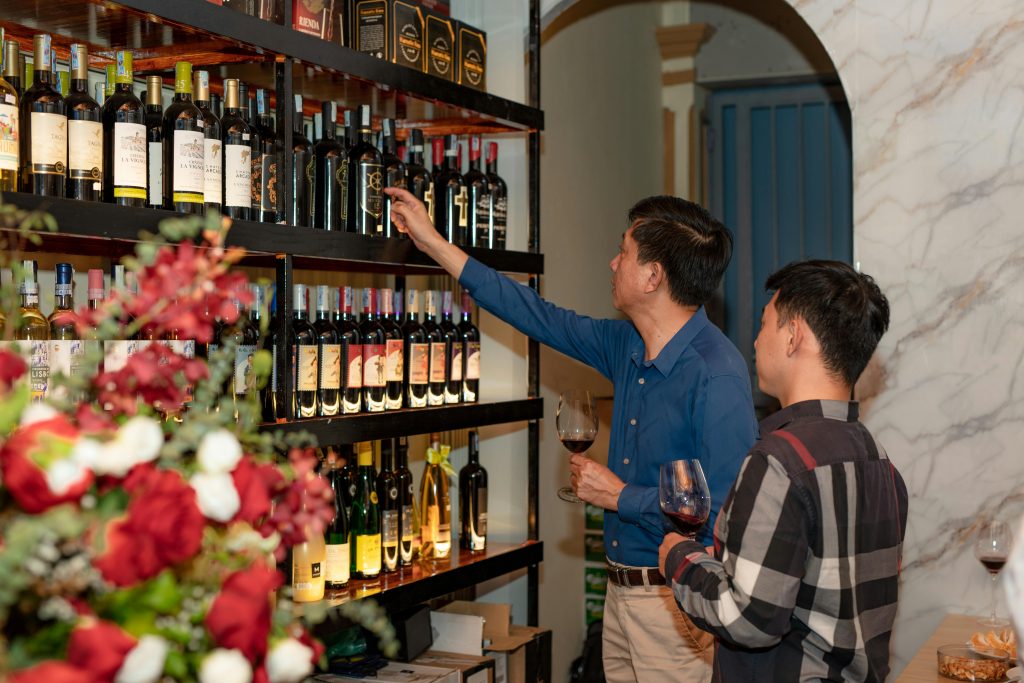
Understanding whether wine is vegan empowers you to make choices that align with your values. While it might seem frustrating that something as simple as fermented grape juice can contain hidden animal products, remember that knowledge is power. Every time you choose a vegan wine, you're voting with your wallet for more transparent, animal-friendly production methods.
The world of vegan wine is vast and growing. From bold reds to crisp whites, sparkling celebrations to sweet dessert wines, there's a vegan option for every palate and occasion. Don't let the initial confusion discourage you – with a bit of knowledge and the right resources, finding great vegan wines becomes second nature.
Next time someone asks, “Is wine vegan?” you'll not only have the answer but also the knowledge to help them discover amazing vegan-friendly bottles. Whether you're shopping for yourself, choosing a gift, or ordering at a restaurant, you now have the tools to make informed decisions that honor both your taste buds and your values.
So raise a glass (of vegan wine, of course) to informed choices, delicious discoveries, and a more transparent wine industry. The journey of exploring vegan wines is just beginning, and there's never been a better time to dive in. Cheers to that!
Keep Exploring: More Ways to Drink With Intention
Choosing vegan wine is one part of drinking more consciously — and once you start paying attention to how your wine is made, other aspects of wine production become fascinating too. Our complete guide to natural wine covers the broader natural wine movement, where many producers avoid fining altogether alongside minimising sulfites and additives — a natural overlap with vegan winemaking. Our organic vs biodynamic wine guide takes this further, explaining how farming philosophy affects what ends up in your glass from vineyard to bottle. And if reducing alcohol is also on your radar alongside veganism, our low and alcohol-free wine guide reviews the best options available in 2026, many of which are also produced using vegan-friendly methods. For the most comprehensive and up-to-date database of vegan wines and beers, Barnivore remains the gold standard free resource — searchable by brand and regularly updated by the community. Every bottle you choose thoughtfully is a step toward the kind of wine industry you want to support.