
Natural Wine for Beginners:
What You Need to Know
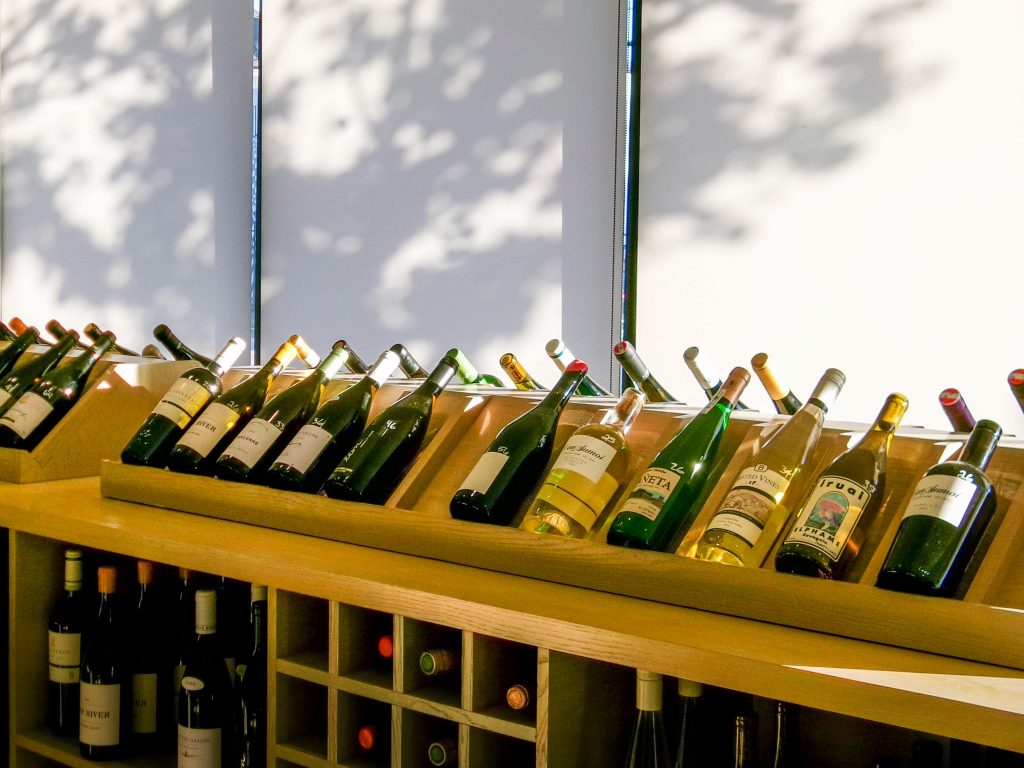
Have you been scrolling through Instagram, seeing trendy wine bars promoting “natural wine” and wondering what all the fuss is about? Maybe you've heard friends rave about feeling less hungover after drinking natural wine, or you've noticed these bottles popping up at your local wine shop with quirky labels and higher price tags. If you're curious but confused about what makes wine “natural” and whether it's worth the hype, you're in the right place.
Natural wine has become the talk of the wine world, especially among health-conscious drinkers who want to know exactly what's going into their glass. But with so much conflicting information out there, it can be hard to separate fact from marketing buzz. This guide will break down everything you need to know about natural wine in simple terms, from what it actually is to whether it really tastes different, and help you decide if it's worth adding to your wine routine.
What Is Natural Wine, Really?
Let's start with the basics. Natural wine is essentially wine made with minimal intervention from the winemaker. Think of it as the difference between a home-cooked meal using fresh ingredients versus a frozen dinner loaded with preservatives. Natural winemakers aim to let grapes express themselves as purely as possible, with little to no chemical additives or technological manipulation.
The concept isn't actually new – it's how wine was made for thousands of years before modern industrial techniques took over. Natural winemakers typically use organically or biodynamically grown grapes, rely on wild yeasts for fermentation instead of adding commercial yeasts, and avoid or minimize the use of sulfites and other additives that are common in conventional winemaking.
However, here's where it gets tricky: there's no official legal definition of “natural wine.” Unlike organic wine, which has strict certification requirements, natural wine operates more on philosophy and shared practices among winemakers. This means quality and methods can vary significantly between producers.
The Core Principles of Natural Winemaking
Most natural winemakers follow these general guidelines:
- Use organically or biodynamically farmed grapes
- Ferment with wild yeasts naturally present on grape skins
- Avoid adding chemicals, enzymes, or artificial additives
- Use minimal or no sulfites
- Avoid heavy filtration or fining processes
- Let the wine develop naturally without technological intervention

Natural Wine vs Conventional Wine:
The Real Differences
When you pick up a bottle of conventional wine from the grocery store, you might be surprised to learn about the 70+ additives that are legally allowed in winemaking. These can include everything from commercial yeasts and acids to stabilizers, clarifying agents, and preservatives.
Conventional winemaking often involves adjusting acidity levels, adding tannins for structure, using enzymes to speed up processes, and adding sulfites for preservation. The goal is consistency – making sure every bottle tastes the same and has a long shelf life.
Natural wine takes the opposite approach. Instead of controlling every variable, natural winemakers embrace unpredictability. This means each vintage might taste noticeably different, and the wine might change dramatically as it ages or even as it sits in your glass over an evening.
The Sulfite Factor
One of the biggest differences is sulfite content. Conventional wines can contain up to 350 parts per million (ppm) of sulfites, while natural wines typically contain less than 50 ppm, and many contain less than 10 ppm or none at all.
Sulfites are preservatives that prevent oxidation and unwanted bacterial growth. While they're effective at keeping wine stable, some people are sensitive to sulfites and experience headaches or allergic reactions. This is one reason why many people report feeling better after drinking natural wine.
Does Natural Wine Actually Taste Different?
This is probably the question you're most curious about, and the honest answer is: yes, natural wine often tastes quite different from conventional wine. But whether you'll like that difference depends on your palate and what you're expecting.
Natural wines tend to be more expressive and unpredictable. You might notice flavors that seem unusual at first – earthy, funky, or even slightly sour notes that come from wild fermentation. Some natural wines have a cloudy appearance because they're not heavily filtered, and you might find sediment in the bottle.
What to Expect When Tasting Natural Wine
- More pronounced fruit flavors: Without heavy manipulation, grape flavors often shine through more clearly
- Earthy or mineral notes: These come from the soil and natural fermentation process
- Less alcohol: Many natural wines have lower alcohol content than conventional wines
- Funkiness: Some natural wines have unique, sometimes acquired tastes from wild yeasts
- Variation: The same wine might taste different from year to year or even bottle to bottle
Don't be discouraged if your first natural wine tastes strange – it's like switching from processed food to fresh ingredients. Your palate might need time to adjust and appreciate these different flavor profiles.

Is Natural Wine Better for You?
While wine isn't exactly a health food, natural wine does offer some potential benefits for health-conscious drinkers. The main advantages come from what's not in the bottle rather than any magical health properties.
Potential Health Benefits
Fewer additives: With minimal chemical intervention, you're consuming fewer artificial substances. This can be particularly important if you're sensitive to additives or trying to eat and drink more cleanly.
Lower sulfite content: If you're one of the small percentage of people who are sulfite-sensitive, natural wines might cause fewer headaches or allergic reactions.
No residual pesticides: Since natural wine grapes are typically grown organically, you're avoiding potential pesticide residues that might be present in conventionally farmed grapes.
Antioxidants: Some argue that natural wines retain more beneficial compounds like resveratrol because they're less processed, though scientific evidence for this is still limited.
However, it's important to remember that alcohol is still alcohol. Natural wine won't magically make drinking healthier, and moderation remains key regardless of what type of wine you choose.
Natural Wine vs Organic Wine vs Biodynamic Wine
The world of alternative wines can be confusing, so let's clear up these terms:
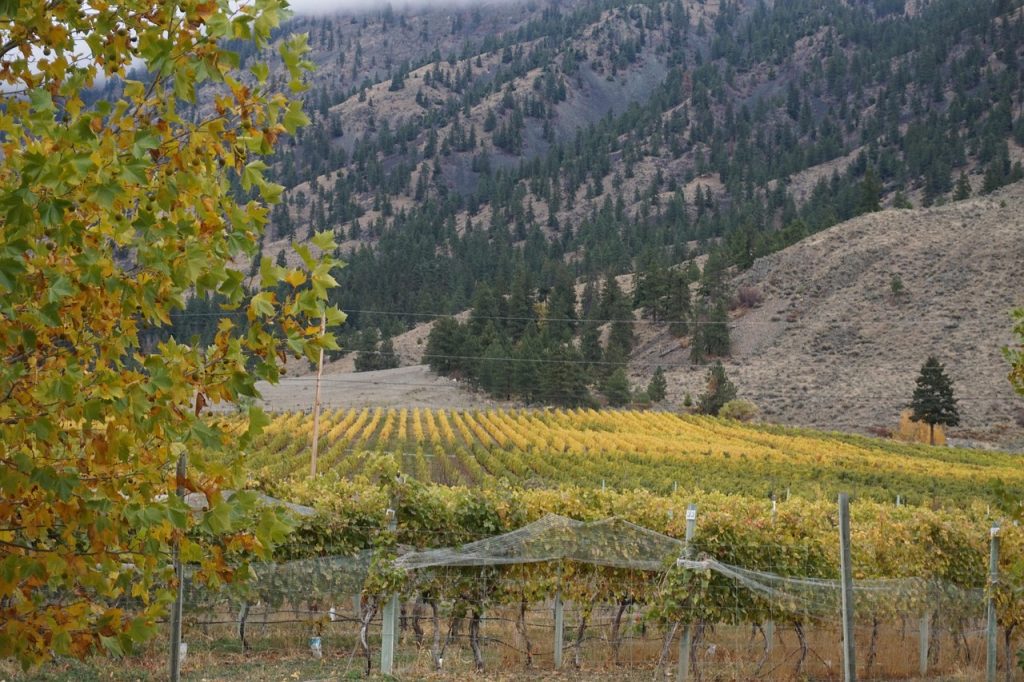
Organic wine refers to wine made from organically grown grapes, meaning no synthetic pesticides, herbicides, or fertilizers were used. However, organic wines can still use many additives during the winemaking process.
Biodynamic wine follows an even stricter farming approach that treats the vineyard as a self-sustaining ecosystem. It includes organic practices but adds elements like following lunar cycles and using special preparations. Biodynamic wines can still use some additives.
Natural wine focuses on minimal intervention winemaking and usually starts with organically or biodynamically grown grapes, but the emphasis is on what happens in the winery rather than just the vineyard.
Many natural wines are also organic and sometimes biodynamic, but these certifications aren't required for a wine to be considered natural.
Best Natural Wines to Try as a Beginner
Ready to dip your toes into natural wine? Here are some approachable styles and regions to start with:
Easy-Drinking Natural Wines for Beginners
- Light reds: Look for natural Beaujolais, Pinot Noir from Oregon, or Gamay from the Loire Valley
- Crisp whites: Try natural Sauvignon Blanc, Albariño, or Vermentino
- Pet-Nat (Pétillant Naturel): These lightly sparkling natural wines are fun and approachable
- Rosé: Natural rosé tends to be less funky and more familiar to new natural wine drinkers
Regions Known for Quality Natural Wine
- France: Loire Valley, Beaujolais, and Languedoc
- Italy: Friuli, Sicily, and parts of Tuscany
- United States: California's Central Coast and Oregon
- Australia: Adelaide Hills and Yarra Valley
Start with wines from established natural wine regions, as these producers typically have more experience creating balanced, approachable natural wines.

How to Find and Buy Natural Wine
Natural wines are becoming easier to find, but you still might need to do some hunting. Here's where to look:
Where to Shop
- Independent wine shops: These often have knowledgeable staff who can guide you to good natural wines
- Natural wine bars: Many cities now have bars specializing in natural wine where you can taste before buying
- Online retailers: Several online shops specialize in natural and organic wines
- Farmers markets: Some local winemakers sell natural wines at weekend markets
- Wine Clubs: often have better prices for specific wine types, plus you can explore wine from your own home!
What to Look For on Labels
Since there's no official certification, look for clues like:
- “No sulfites added” or “minimal sulfites”
- Organic or biodynamic certification symbols
- Winemaker statements about natural methods
- Importers or distributors known for natural wine
Don't be afraid to ask wine shop staff for recommendations – they're usually excited to share their knowledge about natural wines.

Making the Switch: Is Natural Wine Worth It?
Whether natural wine is worth trying depends on your priorities and palate. If you're interested in supporting more sustainable farming practices, want to avoid additives, or are simply curious about different flavor profiles, natural wine is definitely worth exploring.
Keep in mind that natural wines often cost more than conventional wines due to more expensive farming methods, lower yields, and smaller production scales. You're paying for the extra care and attention that goes into making these wines.
Start slowly – try a few different styles to see what appeals to you. Don't expect every natural wine to be amazing; like any category of wine, quality varies. But when you find a good natural wine that speaks to you, it can be a revelation.
Natural wine represents a return to traditional winemaking methods with a modern consciousness about health and sustainability. Whether it becomes your new go-to or just an occasional treat, understanding what natural wine is all about will make you a more informed and adventurous wine drinker. The most important thing is to approach it with an open mind and remember that the best wine is ultimately the one you enjoy drinking.
Your Next Steps Into the World of Natural Wine
Natural wine is a brilliant entry point into thinking more deeply about what's actually in your glass — and that curiosity tends to snowball in the best possible way. If tasting notes like “earthy,” “funky,” or “mineral” still feel a little abstract, our wine flavor profiles guide maps out all the main aroma and flavor categories so you can identify what you're tasting rather than just noticing it's different. Our wine tasting guide walks through the Five S's method — particularly useful with natural wines, where the smell stage often reveals a lot more than a conventional bottle would. And if you want to understand what makes any wine worth its price tag — natural or conventional — our guide to wine pricing and qualitydemystifies exactly that. For a trusted independent resource on natural wine producers and styles, Wine Searcher's natural wine guide is one of the most comprehensive free references available. Approach natural wine with an open mind and a curious palate — the rewards are well worth it.