
Wine and Spicy Food: Pairings That Work
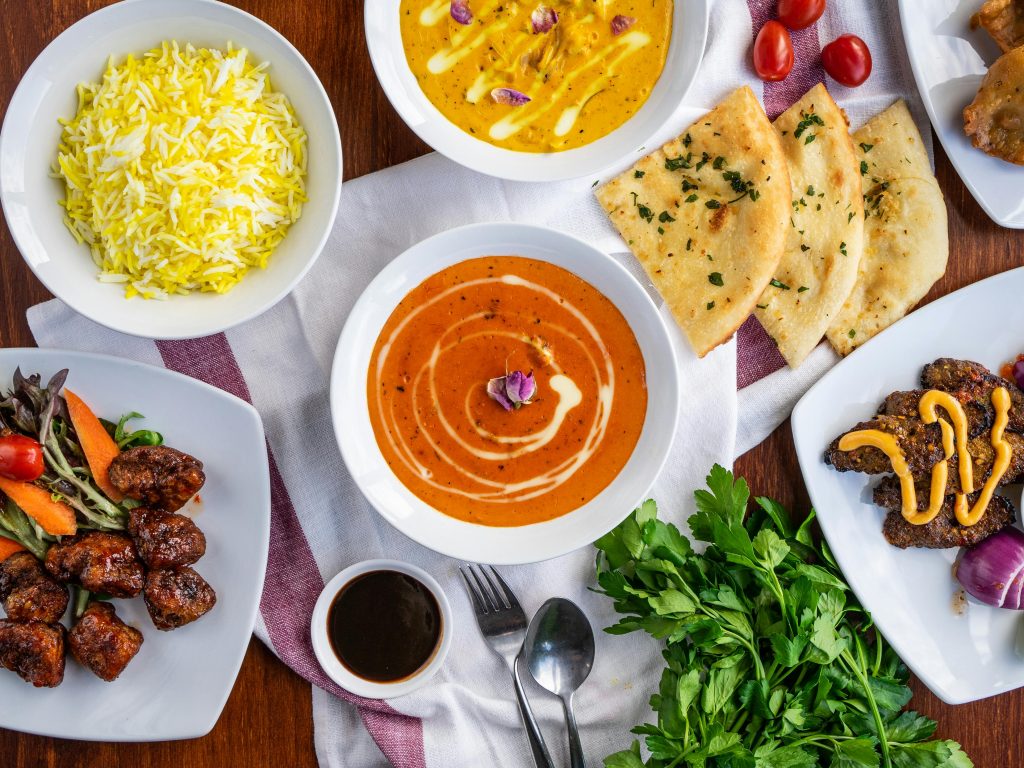
You'll discover why wine and heat create such tricky chemistry, plus learn professional techniques that actually work for balancing spice and wine. We'll explore the specific wines that complement heat beautifully—from off-dry Riesling with Thai green curry to sparkling wine with Korean fried chicken. You'll also get targeted recommendations for popular cuisines like Indian curries, Mexican tacos, and Sichuan stir-fries, complete with bottle examples you can find at your local wine shop.
Why wine and spicy food is more complicated than people think
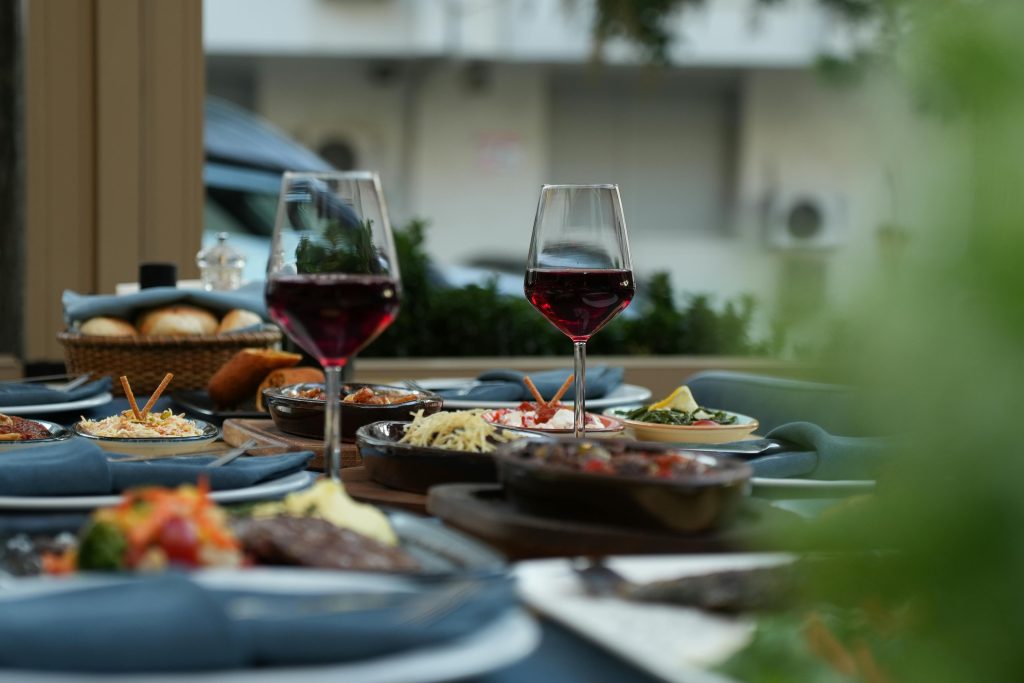
When you take a sip of wine with spicy food, you might notice something unexpected: the heat actually gets worse, not better. This isn't just your imagination playing tricks on you. There's real science behind why wine with spicy food can turn into a mouth-burning disaster if you choose wrong.
The culprit is capsaicin, the compound that gives chili peppers their fiery kick. Capsaicin molecules bind to pain receptors in your mouth, creating that burning sensation you feel when eating hot sauce or jalapeños. Here's where it gets interesting: capsaicin is fat-soluble, which means it dissolves in oils and alcohol but not in water. When you drink wine (or any alcoholic beverage) with spicy dishes, the alcohol actually helps spread capsaicin around your mouth more effectively, amplifying the heat instead of cooling it down.
High alcohol wine makes spicy food worse because ethanol acts like a delivery system for capsaicin. Think of alcohol as giving those spicy molecules a free ride to every corner of your mouth. That's why a big, bold Cabernet Sauvignon at 15% ABV can make your tikka masala feel like molten lava. The higher the alcohol content, the more efficiently it distributes the heat-causing compounds.
Why Traditional Wine Pairing Rules Fall Apart with Heat
You've probably heard the classic wine pairing advice: “red wine with meat, white wine with fish.” But why is wine hard to pair with spicy food goes beyond these simple rules. Spice changes everything about how your palate experiences wine.
Tannic wine clashes with spice in particularly unpleasant ways. Tannins, those drying compounds found in red wine skins and seeds, create a bitter, astringent sensation. When combined with capsaicin's heat, tannins amplify both the burning and the bitterness, creating a perfect storm of unpleasant sensations. Your mouth becomes a battlefield where heat meets harshness.
The temperature factor makes things even more complex. Spicy food raises the temperature in your mouth, which makes alcohol feel more intense. A wine that tastes perfectly balanced at room temperature can suddenly feel hot and aggressive when your palate is already dealing with chili heat. This is why high alcohol wine makes spicy food worse – you're essentially adding fuel to an already blazing fire.
The Hidden Challenges Most People Miss
Most wine drinkers don't realize that wine and heat pairing requires completely different strategies than regular food pairing. You're not just matching flavors anymore; you're managing sensations and chemical reactions happening in real-time in your mouth.
Your taste buds become less sensitive when they're under assault from capsaicin. Subtle wine flavors get completely overwhelmed, while harsh elements like high alcohol, aggressive tannins, and excessive oak become magnified. That expensive Bordeaux you've been saving? It might taste like paint thinner when paired with your favorite Thai green curry.
The timing matters too. Unlike regular food pairings where you can sip wine throughout the meal, best wine for spicy food often means choosing something that can reset your palate between bites rather than complement every flavor. You need a wine that acts more like a fire extinguisher than a flavor enhancer.
Body temperature also plays a role most people ignore. Spicy food makes you warm up, which affects how you perceive alcohol. What felt refreshing and crisp when you started eating can suddenly feel heavy and cloying as the meal progresses and your internal thermostat rises.
Does wine work with spicy food isn't really the right question. The better question is: which wines can handle the unique challenges that capsaicin throws at your palate? The answer requires understanding that successful wine pairing for spicy dishes means working with the science of heat, not against it.
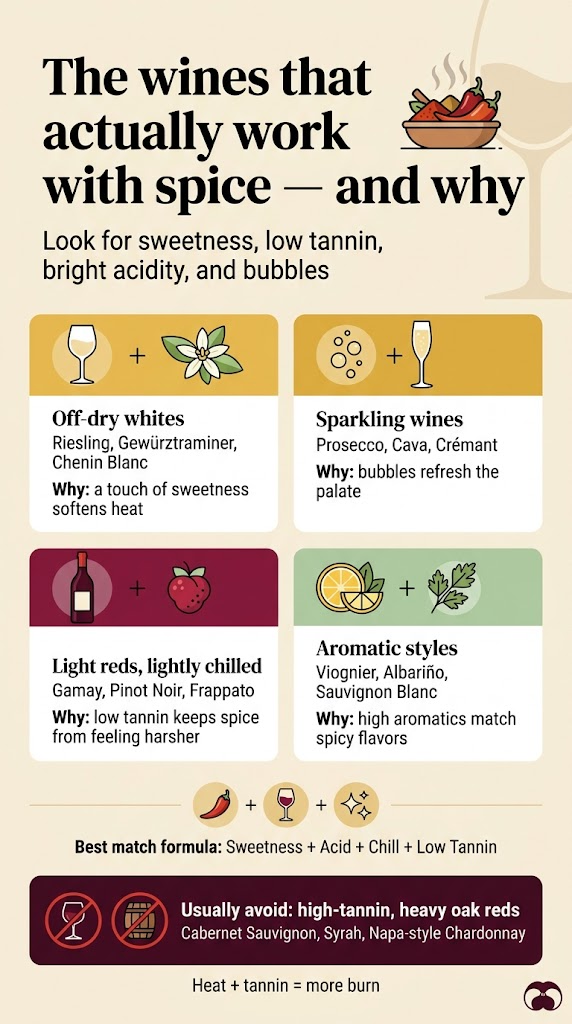
The wines that actually work with spice — and why
Off-Dry Riesling: Your Spice-Fighting Secret Weapon
When you reach for a wine with spicy food, off-dry Riesling should be your first choice. This best wine for spicy food delivers a touch of residual sweetness that literally cools down heat on your tongue. You'll taste bright citrus and stone fruit flavors wrapped in a gentle sweetness that acts like a buffer against chili burn.
The magic happens because sweetness in wine balances heat by coating your palate and neutralizing capsaicin – the compound that makes peppers hot. Plus, Riesling's natural acidity cuts through rich, spicy sauces while its lower alcohol content (usually 8-12%) won't amplify the heat like stronger wines do.
Your best bet? Look for German Kabinett or Spätlese Rieslings, or try Washington State and Alsace versions. These work brilliantly with wine with Indian curry, Thai dishes, and Mexican fare.
Gewürztraminer: The Aromatic Spice Companion
Gewürztraminer with spicy food creates one of the most harmonious pairings you'll ever experience. This aromatic white wine brings floral notes, lychee, and rose petal flavors that complement rather than compete with complex spice blends.
What makes Gewürztraminer special is its ability to match the intensity of spiced dishes. You're getting:
-
Natural sweetness that tames heat
-
Aromatic complexity that enhances spice layers
-
Full body that stands up to rich, creamy curries
-
Lower acidity that won't clash with tomato-based sauces
Gewürztraminer with Indian food works exceptionally well, especially with tikka masala or korma. The wine's perfumed character actually enhances the aromatic spices rather than masking them.
Pinot Gris: The Versatile Heat Handler
Pinot Gris with spicy food offers you a middle-ground approach that works across multiple cuisines. This wine typically shows more body than Pinot Grigio, with flavors of ripe pear, apple, and sometimes a hint of spice that echoes what's on your plate.
You'll appreciate Pinot Gris because it:
-
Provides enough weight to match substantial spicy dishes
-
Offers clean fruit flavors that refresh your palate
-
Contains moderate alcohol that won't intensify heat
-
Works equally well with creamy or broth-based spicy dishes
Alsace Pinot Gris brings more richness and slight sweetness, making it your go-to for wine with Thai green curry or spicy Asian stir-fries.
Grenache: The Red Wine Exception
Most red wine with spicy food combinations fail, but Grenache breaks the rules. This low tannin red wine with spicy food delivers juicy strawberry and cherry flavors with minimal tannins that won't create bitter clashes with heat.
You'll find Grenache works because it's:
-
Naturally fruit-forward and jammy
-
Low in harsh tannins
-
Medium-bodied without overwhelming delicate spice balances
-
Often blended with other grapes that add smoothness
Spanish Garnacha and Southern French Grenache both offer this approachable style. They're particularly good with wine with Mexican food like mole dishes or spicy barbacoa where you want red wine's earthiness without the tannin punch.
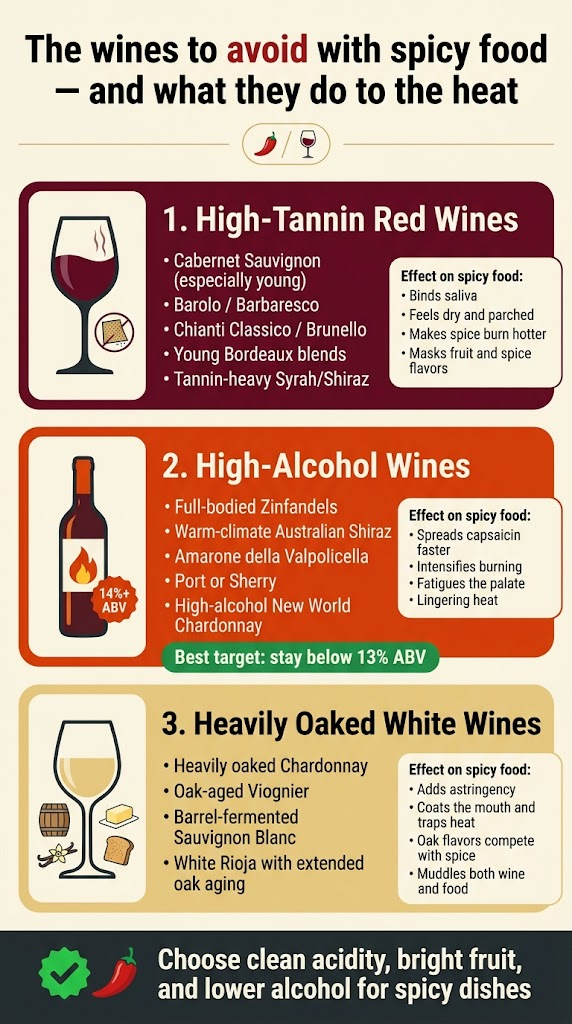
The wines to avoid with spicy food — and what they do to the heat
High-Tannin Red Wines
You know that mouth-drying sensation you get from a bold Cabernet Sauvignon or an intense Barolo? Those tannins that make your tongue feel like sandpaper are exactly what you want to avoid with spicy food. When you drink high-tannin reds with spicy dishes, the tannins bind with your saliva proteins, reducing your mouth's natural ability to cool down from the heat. This creates a double whammy – your mouth feels parched and the spice burns even hotter.
The worst offenders include:
-
Cabernet Sauvignon (especially young ones)
-
Nebbiolo-based wines like Barolo and Barbaresco
-
Sangiovese from Chianti Classico and Brunello
-
Young Bordeaux blends
-
Syrah/Shiraz with heavy tannin extraction
When you pair these wines with spicy food, you're essentially amplifying the heat while your mouth loses its ability to recover. The tannins clash with capsaicin (the compound that makes food spicy), creating an unpleasant, astringent sensation that masks both the wine's fruit flavors and the food's complex spices.
High-Alcohol Wines
Your wine's alcohol content becomes your enemy when dealing with spicy food. High-alcohol wines (anything above 14% ABV) intensify the burning sensation from chili peppers because alcohol is a solvent that helps capsaicin spread across your palate more effectively. Instead of cooling relief, you get a fiery combination that can overwhelm your taste buds.
Here's what happens when you choose high-alcohol wines with spicy dishes:
-
The alcohol amplifies the heat sensation
-
Your palate becomes fatigued more quickly
-
You lose the ability to taste subtle flavors in both the wine and food
-
The burning lingers longer in your mouth
Wines to skip include:
-
Full-bodied Zinfandels (often 15-16% ABV)
-
Australian Shiraz from warm climates
-
Amarone della Valpolicella
-
Fortified wines like Port or Sherry
-
Many New World Chardonnays with high alcohol
Your best bet is staying below 13% ABV when wine pairing for spicy dishes. Lower alcohol wines provide the refreshment your palate needs without adding fuel to the fire.
Heavily Oaked White Wines
That buttery, vanilla-rich Chardonnay you love with lobster? It's a disaster with spicy food. Heavy oak treatment in white wines creates several problems when you're dealing with heat. The oak tannins (yes, white wines can have tannins too) add astringency that compounds the drying effect of spice. Meanwhile, the rich, creamy texture from malolactic fermentation and oak aging creates a coating sensation that traps heat in your mouth.
Oaked whites that clash with spice include:
-
Heavily oaked Chardonnay
-
Oak-aged Viognier
-
Barrel-fermented Sauvignon Blanc
-
White Rioja with extended oak aging
The oak flavors – vanilla, butter, toast, and spice – compete directly with the complex spice profiles in your food. Instead of complementing each other, they create a muddled, overwhelming experience where neither the wine nor the food shines.
Your palate needs clean, crisp acidity and bright fruit flavors to cut through spice, not the heavy, woody characteristics that oak brings. Save those premium oaked whites for milder dishes where their complexity can truly be appreciated.
Gewürztraminer: Your Best Friend for Rich Curries
When you're facing a bowl of butter chicken or lamb korma, reach for a bottle of Gewürztraminer. This aromatic white wine has everything you need: a touch of sweetness to calm the heat, bold fruit flavors that won't get bullied by complex spice blends, and enough character to stand up to rich coconut milk and ghee-based sauces.
The wine's natural spice notes – think ginger, cardamom, and white pepper – actually complement the garam masala and turmeric in your curry rather than fighting against them. You'll find that each sip refreshes your palate between bites, allowing you to taste more of the dish's intricate flavors.
Try this: Trimbach Gewürztraminer from Alsace pairs beautifully with any creamy curry, while Dr. Loosen's German Gewürztraminer works magic with spicier vindaloos and madras dishes.
Off-Dry Riesling with Spicy Biryanis and Rice Dishes
Your fragrant biryani deserves a wine that can match its complexity. Off-dry Riesling brings the perfect balance of fruit sweetness and crisp acidity that cuts through the richness of basmati rice cooked in ghee and layered with aromatic meats or vegetables.
The wine's natural acidity helps cleanse your palate between forkfuls of saffron-scented rice, while its subtle sweetness tames any chili heat without masking the delicate spices like cardamom, cinnamon, and star anise. This pairing works especially well when your biryani includes dried fruits or nuts.
Light Reds for Tandoori and Grilled Dishes
Don't automatically skip red wine with Indian food. When you're enjoying tandoori chicken, lamb kebabs, or any dish with smoky char from the grill, a light red wine can be your perfect match. Choose wines with low tannins and bright fruit flavors – think Pinot Noir or Gamay.
These wines complement the smokiness from tandoori cooking without adding harsh tannins that would make the spices taste bitter. The fruit-forward character plays nicely with the yogurt marinades and dry spice rubs common in these preparations.
Bottle recommendations: Domaine de la Côte Pinot Noir offers elegance that won't overpower delicate tandoori flavors, while Louis Jadot Beaujolais brings the perfect amount of spice and fruit to match heartier grilled meats.
Best wine with Thai food: pad thai, green curry and stir fries
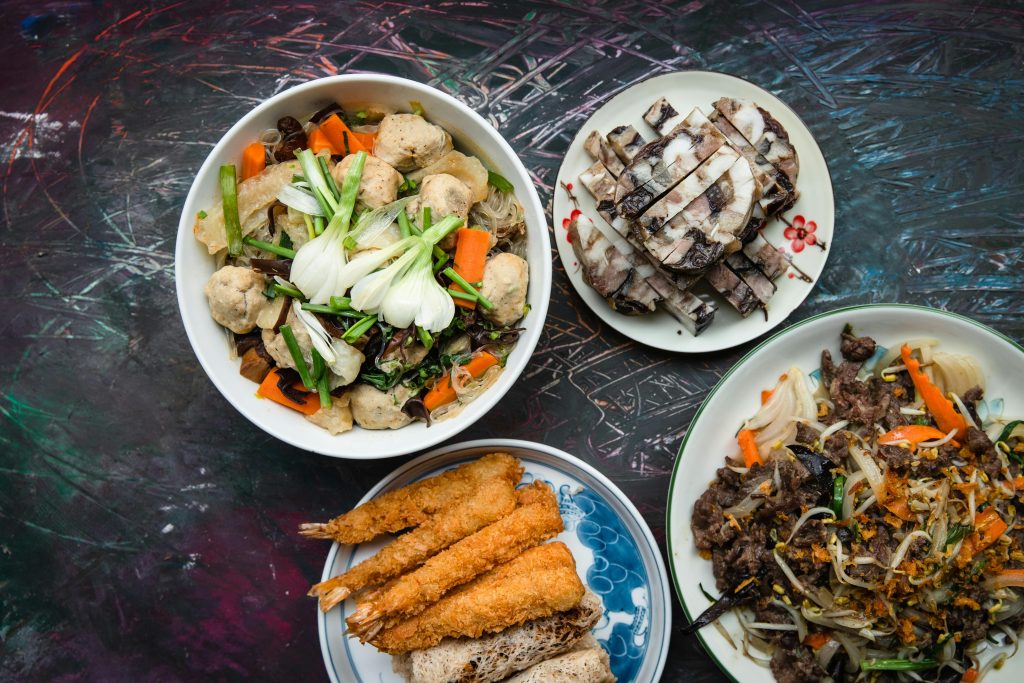
Your approach to wine with Thai food needs to be completely different from Indian cuisine pairings. Thai dishes bring their own unique challenges with sweet, sour, salty, and spicy elements all dancing together on your palate. The coconut milk in curries, fish sauce depth, lime juice brightness, and fresh herbs create a complex flavor web that demands specific wine characteristics.
You'll find that Thai cuisine relies heavily on aromatics like lemongrass, galangal, and kaffir lime leaves. These bright, citrusy notes mean your wine selection should complement rather than compete with these delicate flavors.
Perfect Wines for Pad Thai
Wine with Pad Thai works best when you choose bottles that can handle the dish's sweet-tangy sauce without overwhelming the rice noodles and proteins. Your go-to options include:
-
Off-dry Riesling: The touch of sweetness balances the tamarind and fish sauce while the wine's natural acidity cuts through any oiliness
-
Gewurztraminer with Thai food creates magic – its floral notes echo the dish's aromatic herbs
-
Pinot Gris: Offers enough body to stand up to the peanuts and shrimp while staying light enough for the delicate rice noodles
-
Prosecco with spicy food brings bubbles that cleanse your palate between bites
Conquering Green Curry Pairings
Wine with Thai green curry demands serious strategy. Green curry's intense heat from green chilies combined with creamy coconut milk creates a challenge that only specific wines can handle successfully.
Your best bets are:
-
Chenin Blanc: Its natural acidity cuts through coconut richness while fruit-forward character soothes the heat
-
Viognier: The wine's stone fruit flavors complement the curry's complexity without adding unwanted tannins
-
Off-dry rosé: Provides enough body for the curry's richness while the slight sweetness tames the chilies
Avoid high-alcohol wines here – they'll amplify the heat and make your meal uncomfortable.
Stir Fry Wine Solutions
Wine with spicy stir fry requires bottles that can keep pace with quick-cooked vegetables, proteins, and bold sauces. The high heat cooking method concentrates flavors, so your wine needs to match that intensity.
Top choices include:
-
Torrontés: This aromatic white brings tropical fruit notes that pair beautifully with Thai basil and chilies
-
Light Pinot Noir: When your stir fry includes heartier proteins, a low-tannin red with bright acidity works perfectly
-
Sparkling wine with spicy food – the bubbles constantly refresh your palate
Your key is choosing wines with bright acidity and avoiding anything too heavy or tannic that might clash with the dish's quick, fresh cooking style.
Best wine with Mexican food: tacos, enchiladas and salsa
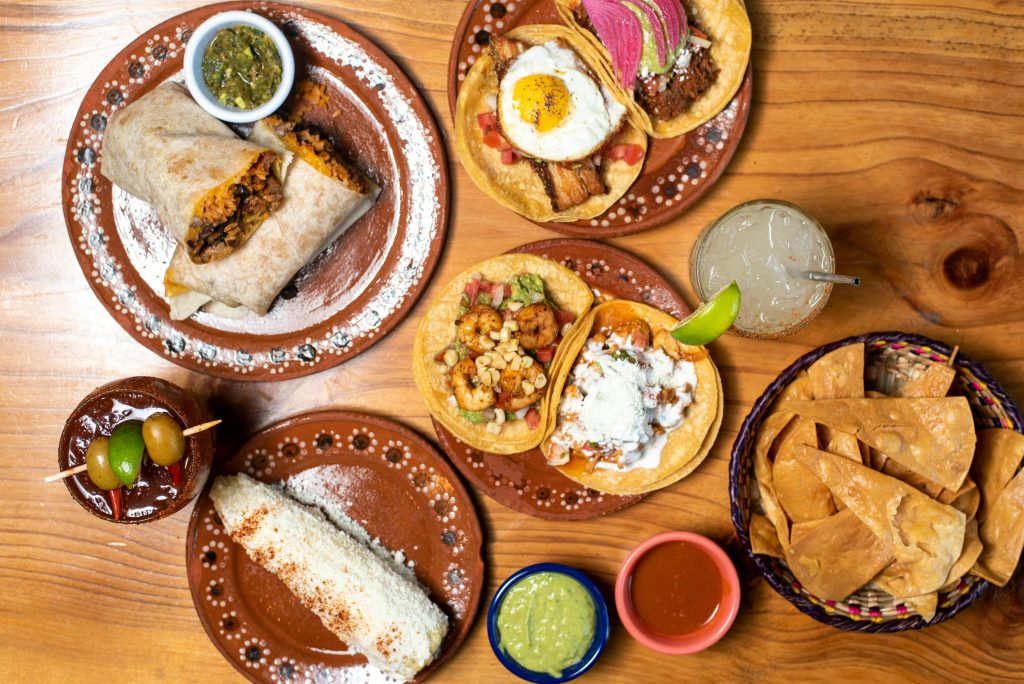
You'll discover that wine with Mexican food requires understanding the unique heat signatures of this cuisine. Mexican dishes don't just bring capsaicin heat – they layer complex spices like cumin, paprika, and chipotle that create smoky, earthy undertones alongside the burn. When you're choosing wine with tacos, wine with enchiladas, or any dish featuring jalapeños and hot sauce, you need wines that complement these multi-dimensional flavors rather than fighting them.
The acidity in Mexican cuisine – from lime juice, tomatoes, and vinegar-based salsas – actually works in your favor when pairing wine. This natural acidity creates a bridge that helps certain wines integrate beautifully with the food rather than clashing with the heat.
White Wine Champions for Mexican Dishes
Your best white wine for spicy food options shine particularly bright with Mexican cuisine. Off-dry Riesling with spicy food becomes your secret weapon – the touch of residual sugar balances jalapeño heat while the wine's crisp acidity cuts through rich cheese in quesadillas and enchiladas.
Viognier with spicy food offers another excellent choice, especially with chicken tacos or fish dishes. Its stone fruit flavors and subtle richness provide a cooling effect against moderate spice levels. For lighter fare like fish tacos or ceviche with a spicy kick, try Torrontés with spicy food – this Argentine white brings floral aromatics that complement cilantro and lime beautifully.
Chenin Blanc with spicy food works exceptionally well with tomato-based Mexican dishes. Its versatility shines whether you're tackling mild salsa verde or moderate heat from poblano peppers.
Sparkling Wine Magic
Don't overlook sparkling wine with spicy food – Prosecco with spicy food creates magical combinations with Mexican cuisine. The bubbles provide a palate-cleansing effect that resets your taste buds between bites of spicy food. Try it with spicy nachos or buffalo chicken tacos for a surprisingly refreshing pairing.
Red Wine Strategies
Your red wine with spicy food selections need careful consideration for Mexican dishes. Pinot Noir with spicy foodworks beautifully with carnitas or barbacoa – its low tannin profile won't amplify heat while its earthy notes complement the smoky flavors.
Grenache with spicy food handles moderate Mexican spice levels well, particularly with dishes featuring roasted peppers. Its fruity wine character provides a cooling contrast to capsaicin heat.
Rosé: Your Versatile Partner
Dry rosé and spicy food pairing excels with Mexican cuisine's diversity. Rosé bridges the gap between white and red wine benefits – offering enough body for heartier dishes like enchiladas while maintaining the refreshing qualities you need against spice. Its versatility makes it perfect for mixed Mexican spreads where heat levels vary across dishes.
Best wine with Sichuan and Chinese food
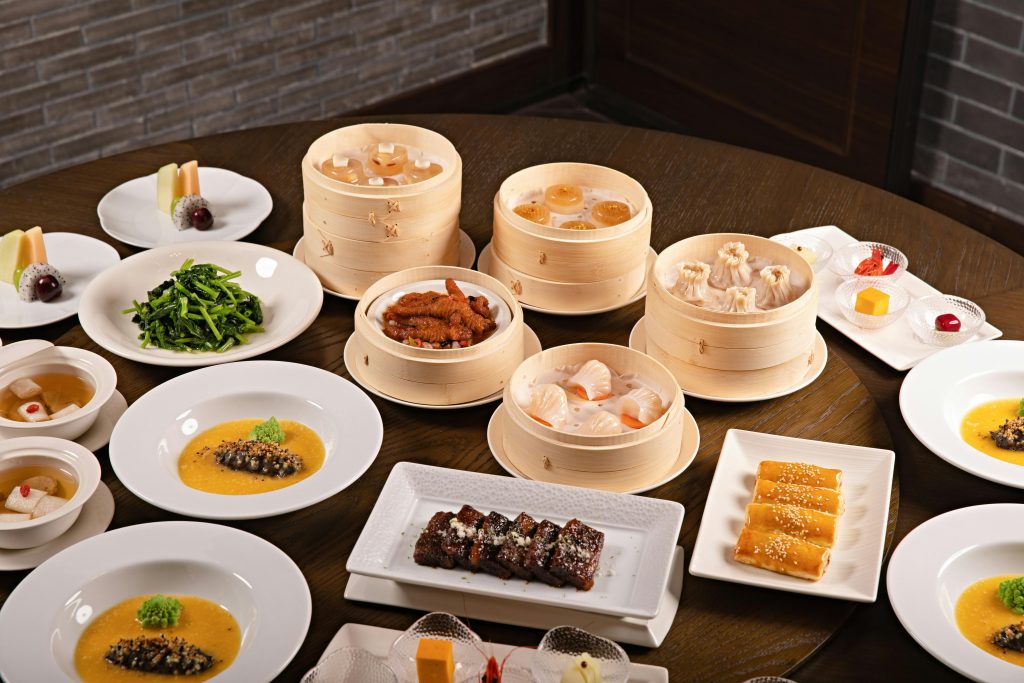
When you're dealing with wine with Szechuan food, you're facing one of the most complex spice profiles in all of cuisine. The signature málà flavor—that numbing, tingling sensation from Szechuan peppercorns combined with fiery chilies—creates a unique challenge for wine pairing. Your mouth experiences both heat and numbness simultaneously, which means you need wines that can cut through this intensity while complementing the bold flavors.
The key difference with Szechuan cuisine is that you're not just battling straight heat. The numbing quality of the peppercorns actually changes how your taste buds perceive flavors, making some wines taste completely different than they would with other spicy dishes. This is why your usual wine pairing for spicy dishes strategies might fall flat with authentic Szechuan cooking.
Best White Wines for Szechuan Heat
Off dry Riesling spicy food pairing works brilliantly with Szechuan dishes because the wine's natural acidity cuts through rich, oily sauces while its touch of sweetness balances the málà intensity. Look for German Kabinett or Spätlese Rieslings, or try Washington State off-dry versions that offer the perfect balance of sweetness in wine balances heat.
Gewurztraminer with spicy food becomes your secret weapon when facing dishes like mapo tofu or dan dan noodles. The wine's aromatic intensity and slight sweetness complement the complex spice blends, while its lower alcohol content won't amplify the heat. Alsatian Gewurztraminers work particularly well, though New World versions from Oregon or New Zealand also shine.
For something different, try Chenin Blanc with spicy food—especially the off-dry styles from Loire Valley or South African versions. The wine's natural acidity and fruit-forward character create a cooling effect against the numbing spice, making each bite more enjoyable.
Red Wine Strategies
While whites typically dominate Szechuan pairings, certain reds can work if you choose carefully. Low tannin red wine with spicy food is your rule here. Pinot Noir with spicy food works when you select lighter Burgundian styles or cool-climate versions from Oregon. The wine's silky texture won't clash with the spice, and its bright acidity helps cleanse your palate.
Gamay with spicy food offers another excellent option. Beaujolais wines, especially cru versions like Fleurie or Morgon, provide enough fruit intensity to stand up to bold flavors without overwhelming your already-challenged taste buds.
Sparkling Wine Solutions
Never underestimate sparkling wine with spicy food when tackling Szechuan cuisine. The bubbles provide a scrubbing action that cleanses your palate between bites, while the wine's acidity cuts through oily dishes like kung pao chicken or twice-cooked pork. Prosecco with spicy food works wonderfully, but consider upgrading to Champagne for special occasions—the complexity holds up beautifully against intricate spice combinations.
Specific Dish Recommendations
For wine with spicy stir fry dishes, your best bet remains off-dry Riesling or Gewurztraminer. The quick cooking method preserves vegetable freshness while intensifying spices, requiring wines with enough character to match this intensity. When you're enjoying hot pot or other communal Szechuan dishes, sparkling wine becomes perfect because you're constantly switching between different spice levels and ingredients.
Quick reference table: cuisine, wine match, bottle example
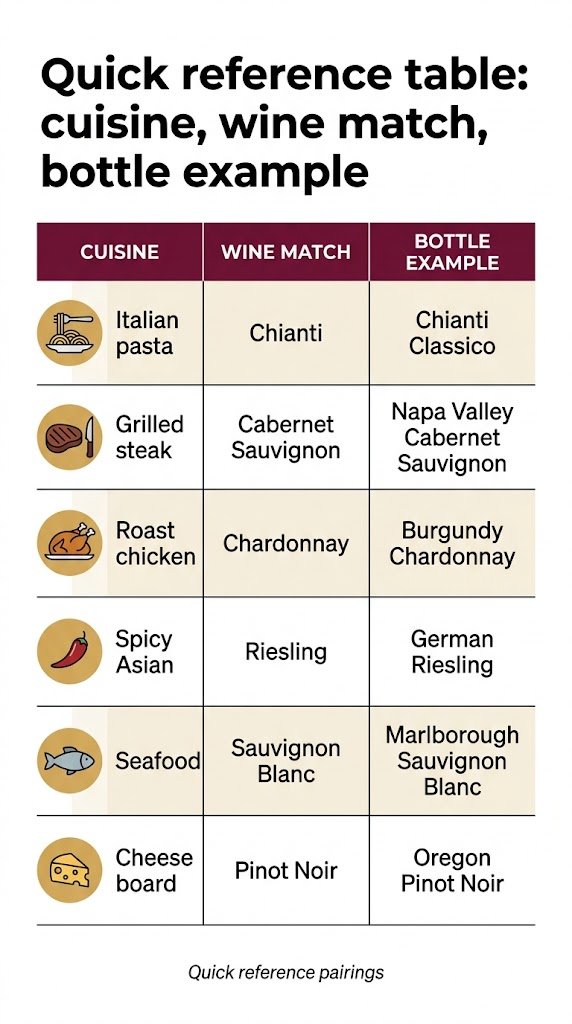
| Cuisine | Best Wine Match | Specific Bottle Example | Why It Works |
|---|---|---|---|
| Indian Curry | Off-dry Riesling | Chateau Ste. Michelle Riesling | Sweetness balances heat, low alcohol won't amplify spice |
| Thai Green Curry | Gewürztraminer | Trimbach Gewürztraminer | Aromatic intensity matches bold flavors, slight sweetness cools heat |
| Pad Thai | Pinot Gris | King Estate Pinot Gris | Clean acidity cuts through richness, neutral profile won't clash |
| Mexican Tacos | Dry Rosé | Whispering Angel Rosé | Fresh acidity balances salsa heat, light body won't overwhelm |
| Szechuan Stir Fry | Off-dry Chenin Blanc | Vouvray Demi-Sec | Honey notes soothe numbing spice, crisp finish cleanses palate |
| Korean BBQ | Gamay | Louis Jadot Beaujolais | Low tannins won't clash, bright fruit complements savory heat |
| Cajun Jambalaya | Viognier | Condrieu or Languedoc Viognier | Rich texture matches bold spices, stone fruit sweetness balances heat |
| Buffalo Wings | Prosecco | La Marca Prosecco | Bubbles cleanse palate, low alcohol won't intensify burn |
| Vindaloo | Torrontés | Alamos Torrontés | Floral aromatics complement curry spices, bright acidity cuts heat |
| Enchiladas | Sangiovese | Chianti Classico | Medium body matches sauce richness, moderate tannins work with tomato base |
Quick Shopping Tips for Your Next Spicy Food Night
When you're grabbing wine for spicy takeaway or cooking at home, look for these key indicators on the label:
Alcohol Level: Stay under 13% ABV – anything higher will make your mouth feel like it's on fire even more.
Sweetness Clues: Words like “off-dry,” “demi-sec,” or “late harvest” signal the sweetness that balances heat perfectly.
Grape Varieties: Riesling, Gewürztraminer, and Chenin Blanc are your best friends for spicy food wine pairing.
Sparkling Options: Any Prosecco, Cava, or Champagne works brilliantly – the bubbles act like a palate fire extinguisher.
Your wallet doesn't need to suffer either. Many budget-friendly options like Columbia Crest Riesling or Bogle Chenin Blanc deliver excellent results with spicy dishes. Keep a few bottles of these reliable options in your fridge, and you'll never be stuck with the wrong wine when your spicy food craving hits.
Professional Techniques for Perfect Spice and Wine Balance
Your serving temperature strategy can make or break the cooling effect you get from wine with spicy food. Cold wine naturally provides more relief from heat, but there's science behind the optimal temperatures that go beyond just “the colder, the better.”
For sparkling wine with spicy food and white wines like off dry Riesling, serve them at 38-42°F (3-6°C). This temperature range maximizes the cooling sensation while preserving the wine's aromatic compounds that help balance spice. You'll notice that Prosecco with spicy food works exceptionally well at this temperature because the bubbles create additional cooling as they burst on your palate.
Rosé wine with spicy food performs best slightly warmer at 45-50°F (7-10°C). This allows the fruit flavors to shine while maintaining enough chill to provide heat relief. Dry rosé and spicy food pairing becomes much more effective when you nail this temperature sweet spot.
Red wines require careful handling. Even low tannin red wine with spicy food should be served cooler than usual—around 55-60°F (13-15°C). Pinot Noir with spicy food benefits from this approach, as does Gamay with spicy food. The cooler temperature reduces the perception of alcohol heat while enhancing the wine's natural cooling properties.
Here's a pro tip: chill your glasses in the freezer for 10 minutes before serving. The cold glass helps maintain your wine's temperature longer, extending the cooling relief throughout your meal.
Serving Order Strategies for Multi-Course Spicy Meals
When you're planning a multi-course meal with varying spice levels, your wine serving order becomes crucial for maintaining palate balance. Start with your lightest, lowest-alcohol options and build intensity gradually—but never match the spice escalation with wine strength.
Begin with sparkling wine with spicy food for appetizers or lighter spicy dishes. The bubbles cleanse your palate and prepare it for what's coming. If you're serving wine with jalapeños or wine with hot sauce dishes as starters, Prosecco or other sparkling options reset your taste buds between bites.
For the main courses, transition to off dry wine with spicy food options. Whether you choose Gewurztraminer with Indian food or Riesling with spicy food, these wines handle the peak heat levels of your meal. The slight sweetness becomes more important as spice levels increase.
Save your low ABV wine recommendations for spicy dishes for the final courses. Even if the last course has intense heat, stick with wines under 12% alcohol. Your palate will be more sensitive to alcohol burn by this point, and low alcohol wine with spicy food prevents the evening from becoming overwhelming.
Never serve high-alcohol wines late in a spicy meal progression. Your taste buds lose sensitivity to subtlety as the meal progresses, but they become hypersensitive to alcohol heat.
Wine Preparation Methods That Enhance Heat Relief
Your wine preparation technique can amplify the cooling properties that make certain wines work beautifully with heat. These methods go beyond simple temperature control to actively enhance the wine's ability to provide spice relief.
Aeration techniques work wonders for certain wines. Gently swirl Viognier with spicy food or Chenin Blanc with spicy food in your glass for 30 seconds before sipping. This releases aromatic compounds that create a cooling sensation and helps integrate the wine's natural fruit sugars with its acidity.
For fruity wine with spicy dishes, consider the “breathe and chill” method: open your bottle 15 minutes before serving, but keep it refrigerated. This allows the fruit characteristics to open up while maintaining the cold temperature that provides heat relief.
Dilution strategies can be controversial but effective. Adding a single ice cube to a glass of off dry Riesling when serving wine with Indian curry or wine with Thai green curry can extend the cooling effect without significantly impacting flavor—especially if you're dealing with particularly intense heat levels.
For wine with Mexican food or wine with Szechuan food, consider the “double-glass” technique: keep a second, smaller glass of the same wine chilled separately. Take small sips from the smaller glass between bites to maintain consistent cooling relief while savoring the main wine normally.
When serving Gewurztraminer with Thai food or other aromatic wines, avoid over-aerating. These wines lose their cooling aromatics quickly when exposed to too much air. Pour and serve immediately for maximum spice-fighting effectiveness.
Conclusion
Your spice cabinet doesn't have to be the enemy of your wine collection. The key is understanding how different wines interact with heat and flavor intensity. Off-dry wines like Riesling and Gewürztraminer cool down fiery dishes, while light reds such as Pinot Noir complement rather than compete with complex spices. Avoid high-alcohol wines and heavy tannins that amplify heat and create an unpleasant burning sensation.
Start experimenting with these pairings at your next dinner party or takeout night. Keep a bottle of off-dry Riesling chilled for Thai green curry, grab a Spanish Albariño for your favorite Mexican restaurant, or try a Côtes du Rhône with that new Sichuan spot down the street. Your taste buds will thank you for moving beyond the old “white wine with everything spicy” rule and discovering combinations that actually enhance both the food and the wine.