
Wine Regions of the World:
A Beginner's Guide
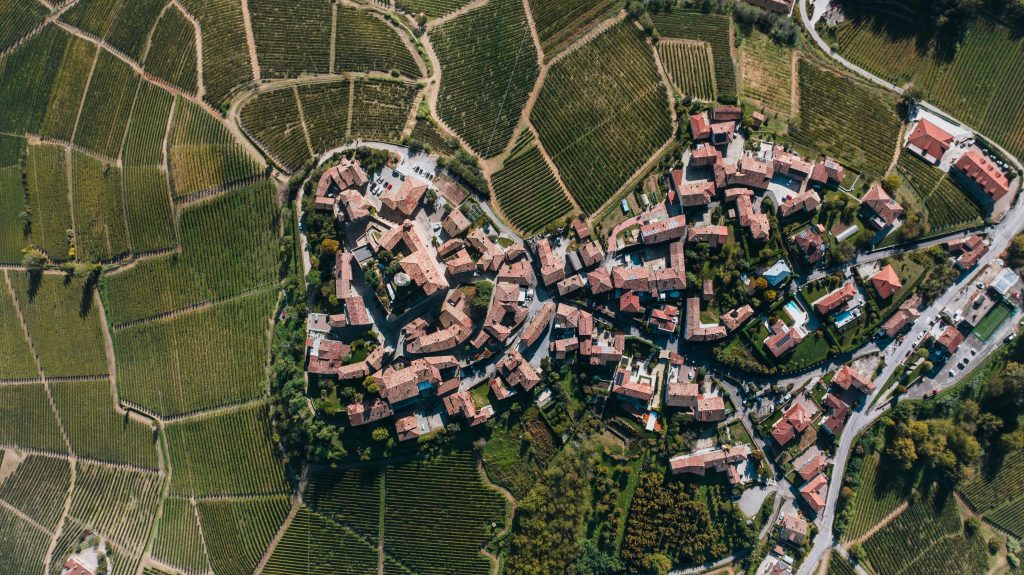
This beginner-friendly overview is perfect for new wine drinkers, curious food lovers, and anyone planning their first wine tasting trips. You'll learn the key differences between Old World vs New World wine regions, discover the characteristics that make each area unique, and get practical tips for choosing wines based on where they're made.
We'll start with the basics of wine region terminology, then explore famous wine regions Europe has to offer alongside exciting New World destinations. You'll also discover how regional characteristics influence taste, and get actionable steps for building your wine knowledge over time. By the end, you'll understand why location matters so much in winemaking and feel ready to explore the best wine regions to visit on your own wine adventure.
Understanding Wine Region Basics and Terminology
Climate Types That Shape Wine Character
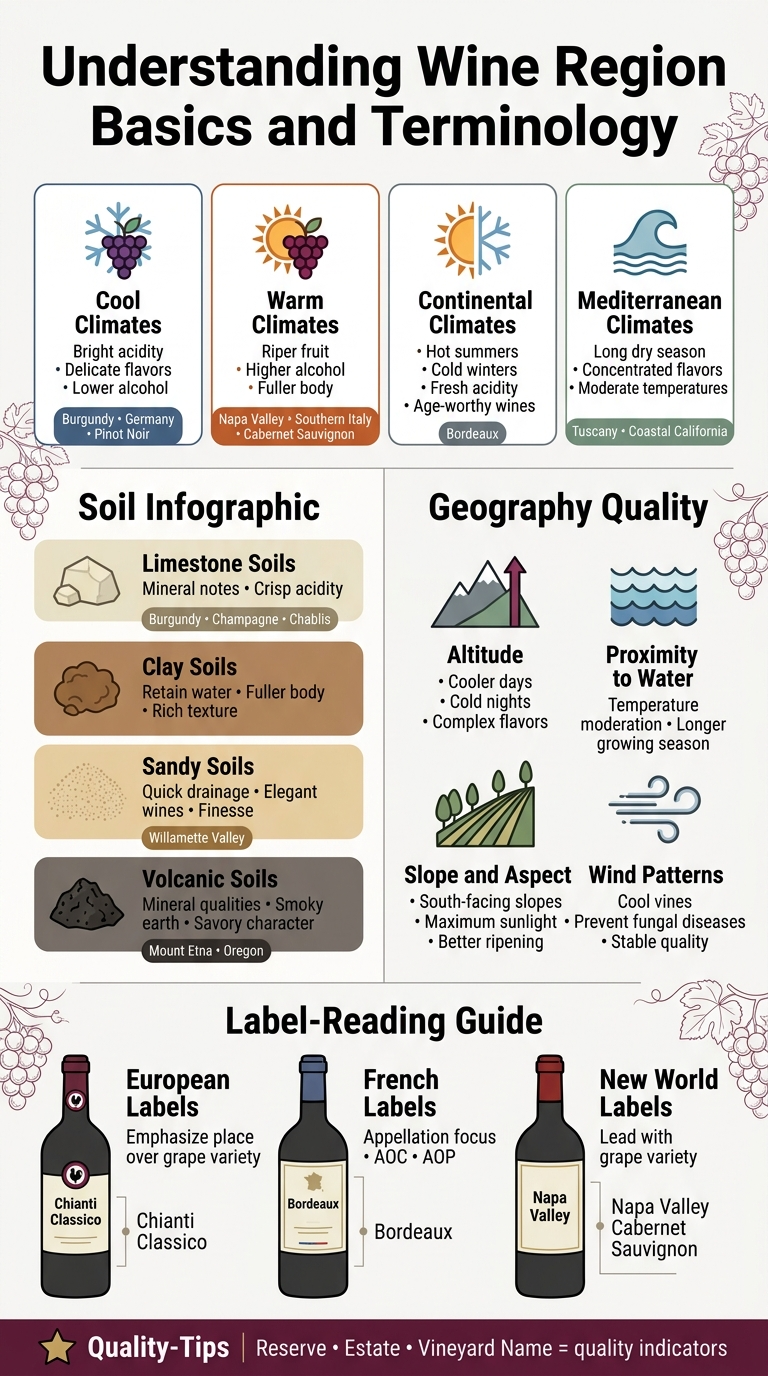
You'll discover that climate is the most powerful factor shaping wine character across different wine regions of the world. Cool climates like those in Burgundy or Germany produce wines with bright acidity, delicate flavors, and lower alcohol levels. Your Pinot Noir from these regions will showcase red fruit notes and elegant structure rather than jammy intensity.
Warm climates found in regions like Napa Valley or southern Italy create wines with riper fruit flavors, higher alcohol content, and fuller body. When you taste a Cabernet Sauvignon from these areas, you'll notice concentrated dark fruit flavors and robust tannins.
Continental climates with hot summers and cold winters, typical of major wine regions like Bordeaux, offer the perfect balance. You get the ripeness needed for complex flavors while maintaining the acidity that keeps wines fresh and age-worthy.
Mediterranean climates provide long, dry growing seasons that concentrate flavors while sea breezes moderate temperatures. This explains why you'll find such distinctive character in wines from regions like Tuscany or coastal California.
Soil Composition and Its Impact on Flavor
Your wine's flavor profile starts in the dirt. Different soil types across wine producing countries create distinct taste signatures that you can learn to recognize in your glass.
Limestone soils, common in Burgundy and Champagne, contribute mineral notes and crisp acidity to your wines. When you taste Chablis, that steely, oyster shell character comes directly from the region's fossil-rich limestone.
Clay soils retain water and nutrients, producing fuller-bodied wines with rich texture. You'll notice this in wines from regions with clay-heavy soils – they tend to feel more substantial in your mouth.
Sandy soils drain quickly and warm up fast, creating elegant wines with finesse. This is why you'll find such refined Pinot Noir in Oregon's Willamette Valley, where volcanic soils mixed with sedimentary deposits create perfect drainage.
Volcanic soils, found in regions like Sicily's Mount Etna or Oregon, impart distinctive mineral qualities and smoking earth notes. Your wines from these areas often display unique savory characteristics that reflect their dramatic origins.
Geographic Factors That Define Quality
Your understanding of wine regions for beginners starts with recognizing how geography creates quality boundaries. Altitude plays a huge role – higher elevations mean cooler temperatures during hot days and dramatic temperature drops at night. This daily temperature variation helps grapes maintain acidity while developing complex flavors.
Proximity to water bodies moderates temperature extremes. You'll notice that many famous wine regions Europe boast are located near oceans, rivers, or lakes. The cooling effect prevents grapes from over-ripening while extending the growing season.
Slope and aspect determine sun exposure throughout the day. South-facing slopes in the Northern Hemisphere receive maximum sunlight, perfect for ripening challenging varieties like Nebbiolo in Piedmont. You'll find that the best vineyard sites are carefully positioned to capture optimal sun while avoiding excessive heat.
Wind patterns affect vine health and grape development. Coastal regions benefit from afternoon breezes that cool vineyards and prevent fungal diseases. This is why you'll find such consistent quality in regions like Bordeaux, where Atlantic influences create ideal growing conditions.
Reading Wine Labels by Region
You can decode a wine's character before opening the bottle by understanding regional labeling conventions. European wines typically emphasize place over grape variety – when you see “Chianti Classico,” you're getting primarily Sangiovese grapes, but the region tells you about style and quality level.
French labels focus heavily on appellation, with terms like “AOC” or “AOP” indicating strict regional controls. Your Bordeaux label might not mention Cabernet Sauvignon, but the region tells you exactly what to expect in terms of blend and style.
New World regions often lead with grape variety, making them more beginner-friendly. When you pick up a bottle labeled “Napa Valley Cabernet Sauvignon,” you immediately know both the grape and region.
Quality indicators vary by region but share common themes. Look for terms like “Reserve,” “Estate,” or specific vineyard names, which typically indicate higher quality selections. Your understanding of these regional cues will help you make better wine choices and build confidence in exploring different wine regions of the world.
Old World European Wine Regions
French Wine Regions for Beginners
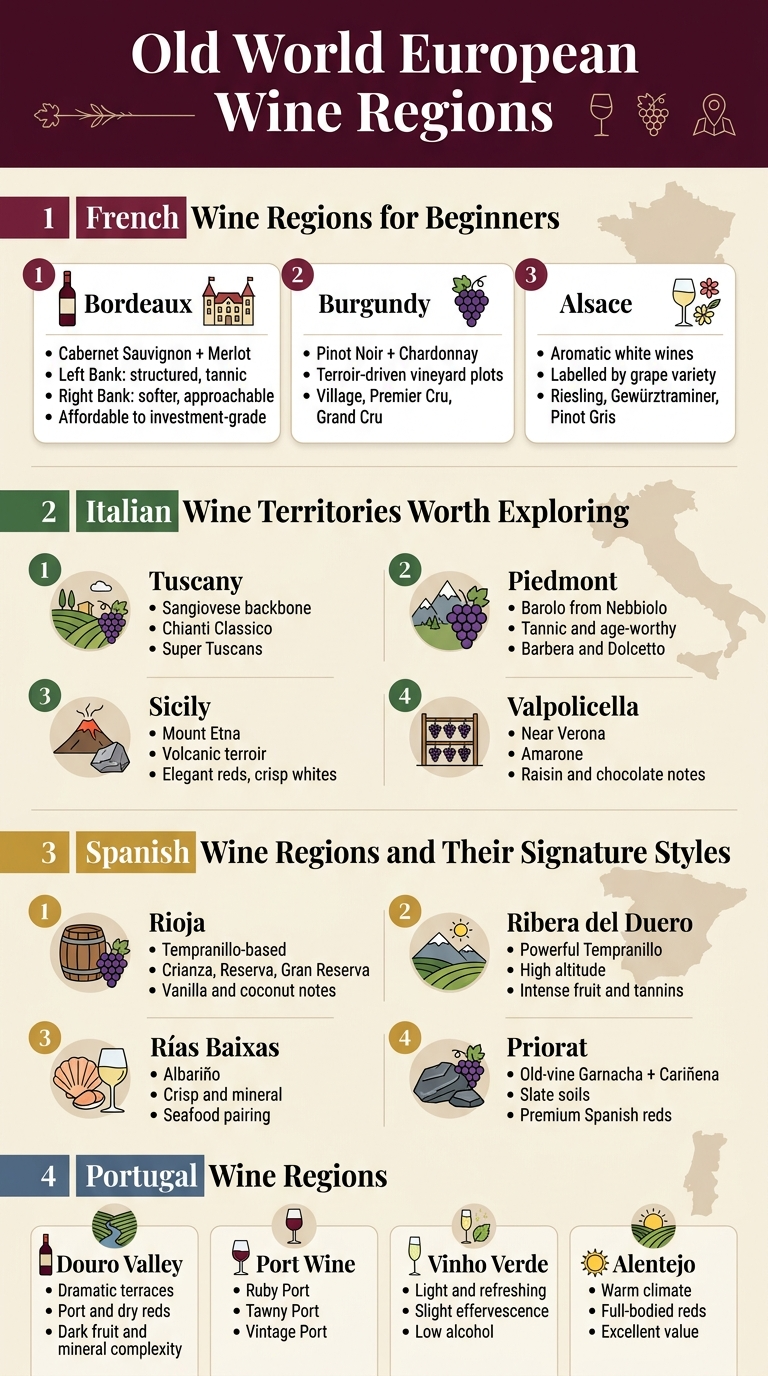
When you think about famous wine regions Europe has to offer, France immediately comes to mind. As a beginner exploring French wines, you'll want to focus on three key regions that showcase the country's diverse winemaking heritage.
Bordeaux stands as your gateway to understanding prestigious red wines. Located in southwestern France, this region produces wines from Cabernet Sauvignon and Merlot grapes that age beautifully. You'll find wines ranging from affordable everyday bottles to investment-grade treasures. The Left Bank offers structured, tannic wines perfect for aging, while the Right Bank provides softer, more approachable styles you can enjoy sooner.
Burgundy represents the pinnacle of Pinot Noir and Chardonnay production. Here, you'll discover how terroir truly impacts wine character. Each vineyard plot produces distinctly different wines, even when using identical grape varieties. Start with village-level wines to understand the regional style before exploring premier and grand cru bottlings.
Alsace wine region provides your introduction to aromatic white wines. Unlike other French regions, Alsace labels wines by grape variety rather than place names. You'll find exceptional Riesling, Gewürztraminer, and Pinot Gris that pair beautifully with spicy cuisines. These wines offer excellent value and food-pairing versatility for your dinner table.
Italian Wine Territories Worth Exploring
Italy's wine landscape offers you incredible diversity across 20 regions, each with distinct grape varieties and winemaking traditions. Your Italian wine journey should begin with these essential territories.
Tuscany wine region Italy delivers some of the world's most recognizable wines. Chianti wine region guiderecommendations always start with understanding Sangiovese, the backbone grape that creates everything from everyday drinking wines to age-worthy reserves. You'll find Chianti Classico offers consistent quality and food-friendly acidity that complements Italian cuisine perfectly. Don't overlook Super Tuscans, which blend international grape varieties with local traditions to create modern classics.
Piedmont wine region Barolo produces Italy's most prestigious red wines from Nebbiolo grapes. These wines demand patience – they're tannic and austere when young but develop incredible complexity with age. If Barolo feels too intense initially, try Barbera or Dolcetto from the same region for more approachable introductions to Piedmontese winemaking.
Sicily wine region Etna represents Italy's exciting volcanic wine frontier. Mount Etna's slopes produce elegant wines with distinctive mineral character that reflects the volcanic soil. You'll discover how altitude and volcanic terroir create wines unlike anywhere else in Italy. The reds show surprising finesse, while the whites offer crisp minerality perfect for seafood.
Valpolicella wine region near Verona produces wines using unique drying techniques. Amarone, made from dried grapes, creates rich, concentrated wines with raisin and chocolate notes that pair wonderfully with aged cheeses and hearty winter dishes.
Spanish Wine Regions and Their Signature Styles
Spain's wine regions offer you exceptional value and distinctive styles that showcase the country's winemaking evolution. Your exploration of Spanish wines reveals how tradition meets innovation across diverse climates and terrains.
Rioja wine region Spain serves as your ideal starting point for understanding Spanish wine. Located in north-central Spain, Rioja produces Tempranillo-based wines with characteristic vanilla and coconut notes from American oak aging. You'll find three quality levels: Crianza (aged two years), Reserva (aged three years), and Gran Reserva (aged five years). These wines offer incredible food-pairing versatility and age gracefully in your cellar.
Ribera del Duero produces more powerful, concentrated Tempranillo wines than Rioja. The region's high altitude and continental climate create wines with intense fruit character and robust tannins. You'll appreciate how these wines showcase Tempranillo's potential for creating world-class reds that rival Bordeaux and Barolo.
Rías Baixas in northwestern Spain specializes in Albariño, a white grape that produces crisp, mineral-driven wines perfect for seafood. You'll find these wines offer refreshing acidity and citrus notes that make them ideal summer sippers or shellfish companions.
Priorat represents Spain's premium wine revolution. This small Catalonian region produces intense, mineral-rich reds from old-vine Garnacha and Cariñena grown in slate soils. These wines demonstrate how Spanish winemakers are elevating local grape varieties to international acclaim.
Portugal Wine Regions
Portugal offers you unique grape varieties and winemaking traditions found nowhere else in the world. Your Portuguese wine journey reveals how this Atlantic nation creates distinctive wines from indigenous grapes you won't encounter in other countries.
Douro Valley Portugal wine region produces both the world's finest Port wines and exceptional dry reds. The terraced vineyards along the Douro River create dramatic landscapes where you'll discover how extreme terrain produces concentrated, flavorful grapes. Modern Douro table wines showcase the same grapes used for Port but vinified dry, creating powerful reds with dark fruit character and mineral complexity.
Port wine region Portugal deserves special attention for its fortified wine tradition. You'll find different Port styles ranging from young, fruity Ruby Ports perfect for casual enjoyment to aged Tawny Ports with nutty complexity ideal for contemplative sipping. Vintage Port represents the pinnacle – wines that age for decades and develop incredible depth.
Vinho Verde from northern Portugal produces light, refreshing wines with slight effervescence. These wines offer you perfect warm-weather drinking with their low alcohol content and crisp acidity. Despite the name meaning “green wine,” you'll find both white and red versions.
Alentejo in southern Portugal creates rich, full-bodied reds from international and Portuguese grape varieties. The region's warm climate produces wines with generous fruit character and smooth tannins that provide excellent value for everyday drinking.
New World Wine Regions
California's Premier Wine Valleys
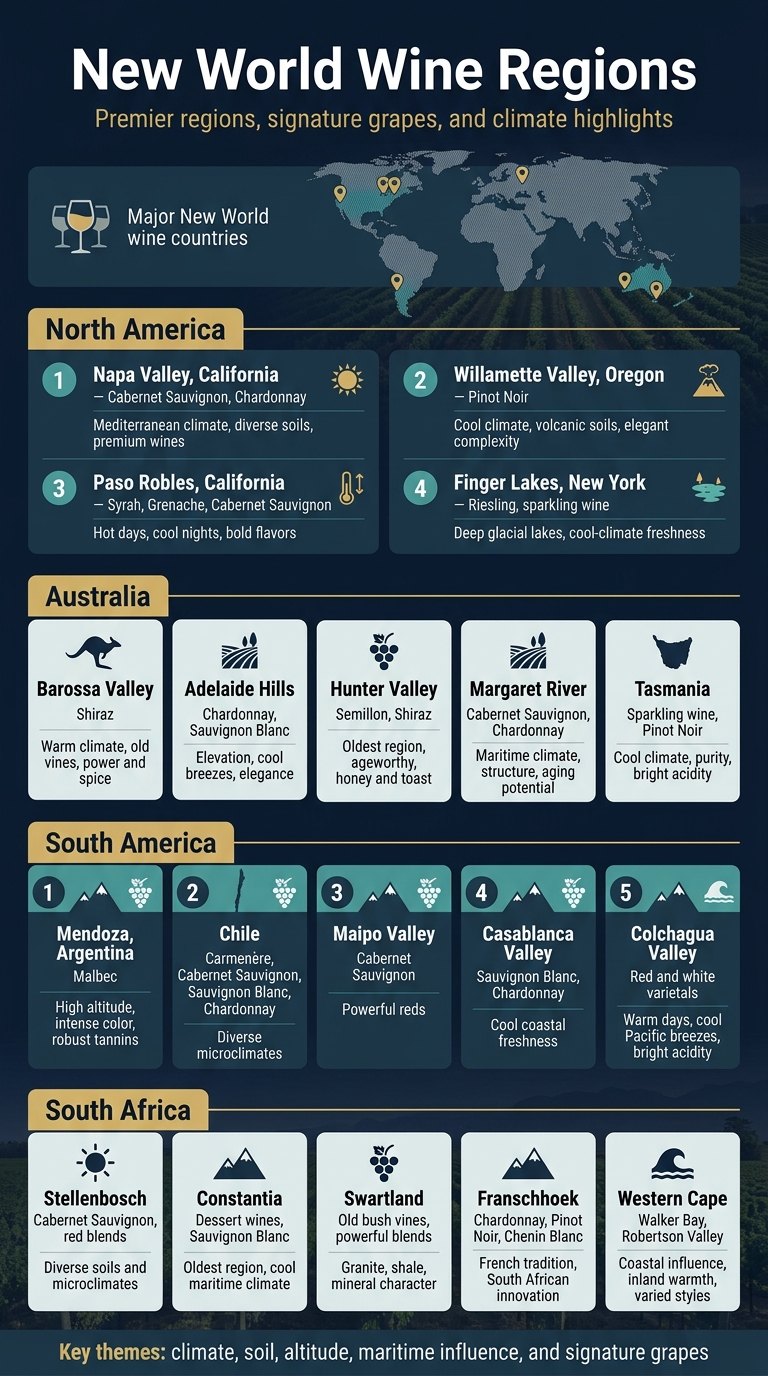
When you think about major wine regions explained, California stands out as the crown jewel of American winemaking. You'll discover that this state produces nearly 90% of all American wine, with Napa Valley wine region guideexperiences being among the world's most sought-after destinations.
Napa Valley offers you an unparalleled introduction to premium Cabernet Sauvignon and Chardonnay. Your tastings here will showcase why this region commands some of the highest wine prices globally. The valley's Mediterranean climate and diverse soils create perfect conditions for producing bold, fruit-forward wines that have earned international acclaim.
Willamette Valley Oregon wine presents you with a completely different experience. You'll find yourself in Oregon's cool-climate paradise, where Pinot Noir reaches extraordinary heights. The region's volcanic soils and gentle rainfall patterns produce wines with remarkable elegance and complexity that rival Burgundy's finest offerings.
Don't overlook Paso Robles wine region on your Central Coast exploration. You'll encounter a diverse landscape where both Rhône and Bordeaux varietals thrive. The dramatic temperature swings between day and night help preserve acidity while developing intense flavors in grapes like Syrah, Grenache, and Cabernet Sauvignon.
Finger Lakes New York wine rounds out your American wine education with exceptional Rieslings and sparkling wines. The deep glacial lakes moderate temperatures, allowing you to experience cool-climate winemaking at its finest in an unexpected location.
Australian Wine Regions and Their Unique Characteristics
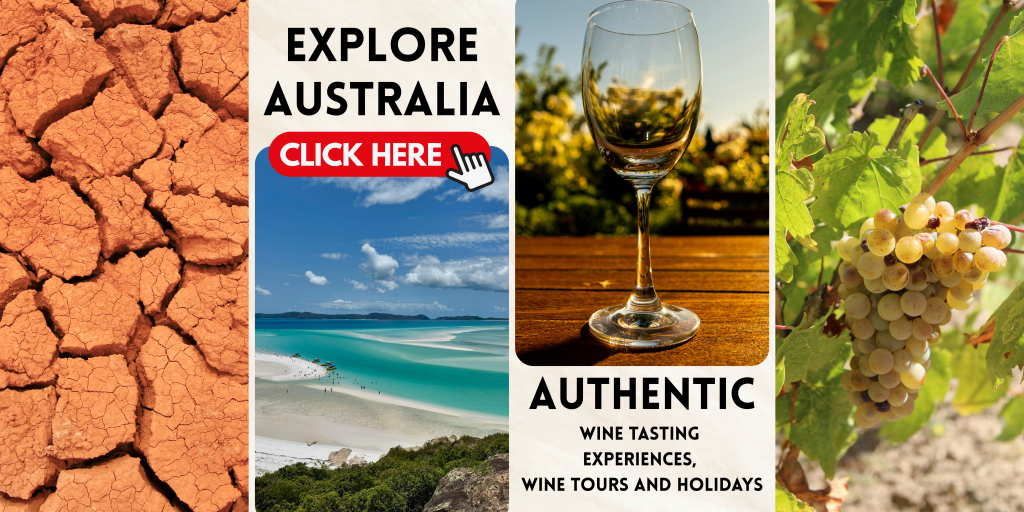
Your Australian wine journey begins in the legendary Barossa Valley, where you'll taste some of the world's most powerful Shiraz wines. The region's warm climate and old vine Shiraz plantings dating back to the 1840s produce wines with incredible depth and spice that define Australian red wine character.
Head south to Adelaide Hills, where you'll discover how elevation and cool breezes create perfect conditions for elegant Chardonnay and crisp Sauvignon Blanc. Your tastings here will reveal a more refined side of Australian winemaking, with wines that balance power and finesse beautifully.
You can't miss the Hunter Valley, Australia's oldest wine region, where you'll experience unique Semillon that ages magnificently without oak. These wines start neutral but develop incredible honey and toast notes over decades. The region's hot, humid climate also produces distinctive Shiraz with earthy, leather characteristics.
Margaret River offers you premium Cabernet Sauvignon and Chardonnay that rival Bordeaux and Burgundy. The maritime climate creates wines with remarkable structure and aging potential that have earned international recognition.
Your exploration should include Tasmania, where cool-climate conditions produce outstanding sparkling wines and Pinot Noir. The island's pristine environment and long growing seasons create wines with exceptional purity and bright acidity.
South American Wine Countries to Know
Argentina opens your South American wine adventure with Malbec that transformed from a French blending grape into a world-class varietal. You'll find that Mendoza's high-altitude vineyards, ranging from 2,000 to 5,000 feet above sea level, create wines with intense color, robust tannins, and distinctive mineral notes. The dramatic Andes Mountains provide natural irrigation through snowmelt, while intense UV radiation at altitude develops thick grape skins that contribute to Malbec's characteristic depth.
Your Chilean wine exploration reveals how the country's unique geography creates diverse microclimates. You'll taste exceptional Carmenère, a grape variety that nearly disappeared from Bordeaux but found its true home in Chilean soil. The Maipo Valley produces powerful Cabernet Sauvignon, while cooler coastal regions like Casablanca Valley offer you crisp Sauvignon Blanc and elegant Chardonnay.
Don't miss exploring Chile's emerging regions like Colchagua Valley, where you'll discover how warm days and cool Pacific breezes create ideal conditions for both red and white varietals. Your tastings will reveal wines with remarkable concentration and bright acidity.
Uruguay surprises you with exceptional Tannat, a grape that produces fuller, more approachable wines than its French counterparts. The Atlantic Ocean's influence moderates temperatures, creating wines with unique character and food-friendly acidity.
South African Wine Regions on the Rise
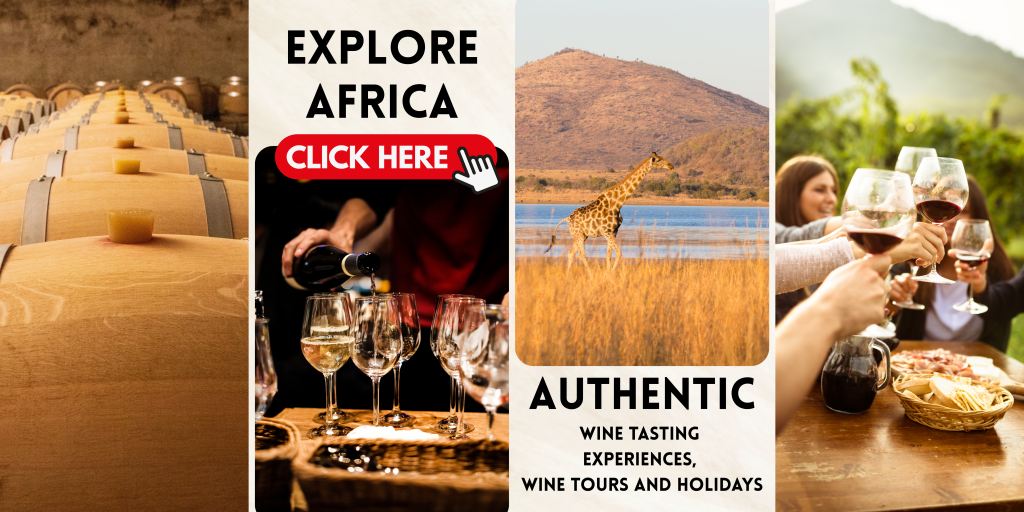
Your South African wine journey begins in Stellenbosch, where you'll discover how diverse soils and microclimates create exceptional Cabernet Sauvignon and unique red blends. The region's mountain slopes and valleys offer you multiple terroirs within short distances, allowing winemakers to craft complex wines with distinctive personality.
Explore Constantia, South Africa's oldest wine region, where you'll taste world-renowned dessert wines alongside excellent Sauvignon Blanc. The cool maritime climate near Cape Town creates wines with remarkable freshness and longevity that have impressed wine lovers for centuries.
Your adventure should include the Swartland region, where you'll experience how old bush vines and Mediterranean climate conditions produce powerful, concentrated wines. The area's granite and shale soils contribute to wines with exceptional mineral character and aging potential.
Franschhoek offers you a perfect blend of French winemaking tradition and South African innovation. You'll find exceptional Chardonnay and Pinot Noir alongside unique cultivars like Chenin Blanc, which South African winemakers have elevated to world-class status.
The Western Cape's diverse appellations provide you with endless exploration opportunities, from the coastal influences of Walker Bay to the inland warmth of Robertson Valley, each offering distinct wine styles that showcase South Africa's emerging position among the world's premier wine destinations.
Choosing Wines Based on Regional Characteristics

Understanding your palate helps you navigate the diverse world of wine regions more effectively. If you enjoy bold, full-bodied wines with intense fruit flavors, you'll gravitate toward New World regions like Napa Valley, Paso Robles, or Australia's Barossa Valley. These areas produce wines with higher alcohol content and pronounced fruit characteristics that make your taste buds sing.
On the flip side, if you prefer more subtle, earthy wines with complex mineral notes, Old World regions like Burgundy, Alsace, or Tuscany will become your go-to destinations. These regions emphasize terroir over fruit intensity, creating wines that tell stories about their specific locations.
For those who love crisp, refreshing whites, explore cooler climate regions such as Germany's Rhine Valley, Loire Valley in France, or Oregon's Willamette Valley. These areas produce wines with bright acidity and delicate flavors that pair beautifully with lighter dishes.
Start by identifying what you already enjoy in wines – is it the jammy sweetness of a California Zinfandel or the mineral-driven elegance of a Sancerre? Once you know your preferences, you can seek out similar regional styles or deliberately explore contrasting options to expand your palate.
Price Points Across Different Wine Regions
Your budget significantly influences which wine regions you'll explore regularly. Famous wine regions Europe like Bordeaux and Champagne command premium prices due to their prestigious reputations and limited production. A quality Bordeaux from a renowned château can easily cost $50-200 or more, while entry-level options from these regions still hover around $20-30.
New World wine regions often offer better value for money without sacrificing quality. You'll find excellent wines from emerging wine regions America, Australian wine valleys, or South American producers at $15-25 that compete with $40-50 European counterparts.
Consider these budget-friendly regional alternatives:
-
Instead of expensive Burgundy, try Oregon Pinot Noir or German Spätburgunder
-
Replace costly Champagne with high-quality Cava from Spain or Crémant from France
-
Swap pricey Napa Cabernet for excellent options from Paso Robles or Washington State
Hidden wine regions to visit often produce exceptional wines at fraction of the cost. Sicily's Mount Etna region, Portugal's Douro Valley (beyond Port), and lesser-known Italian regions like Abruzzo offer incredible value. These areas haven't reached peak recognition yet, meaning you can discover outstanding wines before prices climb.
Food Pairing Guidelines by Wine Region
Each wine region's culinary traditions evolved alongside their wines, creating natural pairing opportunities you can replicate at home. When you choose wines from major wine regions explained through their food cultures, you're tapping into centuries of perfected combinations.
Italian wine regions pair seamlessly with their local cuisine. Chianti Classico from Tuscany complements tomato-based pasta dishes and grilled meats, while Barolo from Piedmont matches perfectly with truffle dishes and aged cheeses. Sicilian wines from the Etna region work beautifully with seafood and Mediterranean vegetables.
French wine regions offer equally compelling pairings. Burgundy Pinot Noir enhances roasted chicken or salmon, while Bordeaux reds complement red meat and aged cheeses. Alsace wines bridge the gap between German and French styles, pairing excellently with spicy Asian cuisine or rich pork dishes.
For New World regions, consider these guidelines:
-
Napa Valley Cabernet Sauvignon: Grilled steaks, lamb, or strong cheeses
-
Willamette Valley Pinot Noir: Duck, salmon, or mushroom dishes
-
Finger Lakes Riesling: Spicy Asian food, pork, or fruit-based desserts
When exploring undiscovered wine regions Europe or emerging areas worldwide, research their local food traditions. This approach helps you understand why certain grape varieties thrive in specific locations and how their wines naturally complement regional ingredients and cooking methods.
Building Your Wine Region Knowledge

Essential Wine Region Maps and Resources
Your wine journey becomes much easier when you have the right tools at your fingertips. Start with a quality wine region map guide that shows major wine producing countries and their key areas. The Wine Folly world wine map breaks down complex regions into digestible visual chunks, perfect for beginners who want to understand geographic relationships between famous wine regions Europe and emerging wine regions worldwide.
Digital resources can transform your learning experience. Apps like Vivino help you track wines by region, while websites like Guild of Sommeliers offer detailed maps of Bordeaux wine region guide materials and Burgundy wine region France breakdowns. Wine-Searcher's regional guides provide current pricing and availability for wines from specific areas.
Books remain invaluable for deep dives. Hugh Johnson's “World Atlas of Wine” gives you comprehensive coverage of best wine regions Italy, Napa Valley wine region guide information, and detailed insights into Tuscany wine region terroir. For focused European exploration, consider regional specialists like “The Wines of Burgundy” by Sylvain Pitiot.
Your local wine shop often stocks regional guides and can recommend resources based on your interests. Many shops organize tastings focused on specific regions, giving you hands-on experience with Chianti wine region guide principles or Rioja wine region Spain characteristics.
Hidden Wine Regions to Visit
Beyond the famous destinations everyone talks about, you'll find incredible experiences in undiscovered wine regions Europe and emerging areas worldwide. Sicily wine region Etna produces volcanic wines with unique mineral profiles that rival anything from traditional regions. The volcanic soils create distinctive flavors you won't find elsewhere.
Portugal's Vinho Verde region offers more than just light, fizzy whites. You'll discover complex reds and innovative winemaking in this coastal area. The Douro Valley Portugal wine region extends beyond Port production into stunning table wines with dramatic terraced vineyards.
In America, look beyond Napa and Sonoma. Willamette Valley Oregon wine showcases exceptional Pinot Noir in a cooler climate setting. Finger Lakes New York wine region surprises visitors with world-class Rieslings and innovative cold-climate varieties. Paso Robles wine region delivers bold reds without the crowds of more famous California destinations.
Central Europe holds treasures like Slovenia's Goriska Brda, where Italian and Slavic winemaking traditions merge. Austria's Wachau Valley produces some of the world's finest Rieslings along the Danube River. These regions offer authentic experiences without tourist bus crowds.
Eastern European countries like Georgia (the birthplace of wine) and Romania provide fascinating historical perspectives on winemaking, often using ancient techniques alongside modern innovations.
Starting Your Wine Region Exploration Journey
Begin your exploration with a clear strategy rather than random tastings. Choose one region that interests you and commit to learning its basics. If you're drawn to Tuscany wine region Italy, start with Chianti before moving to Brunello di Montalcino or Super Tuscans.
Create a tasting progression that makes sense. Start with lighter wines from cooler climates, then move to fuller-bodied wines from warmer regions. This approach helps your palate develop without being overwhelmed by intense flavors early in your journey.
Document your experiences in a wine journal or app. Note the region, producer, vintage, and your impressions. This record becomes invaluable as you develop preferences and understand regional characteristics.
Join wine clubs focused on specific regions or sign up for monthly selections that rotate through different areas. Many clubs offer educational materials that explain regional winemaking techniques and terroir influences.
Attend local wine events and tastings featuring regional themes. Wine shops often host “Tour of Tuscany” or “Bordeaux vs. Burgundy” events that provide guided comparisons. These structured tastings help you understand what makes each region unique.
Consider planning wine travel experiences to complement your home learning. Visit best wine regions to visit that match your developing interests. Whether you choose vineyard experiences France offers in Champagne or winery tours Tuscany provides, firsthand experience accelerates your understanding of regional differences.
Start small, stay curious, and let your palate guide your journey through the fascinating world of wine regions.

You've now explored the fundamentals of wine regions and discovered how geography shapes every bottle you open. From the storied vineyards of France and Italy to the innovative wineries of California and Australia, each region brings its own personality to your glass. Understanding these regional differences helps you make better wine choices and appreciate the unique characteristics that make each bottle special.
Start your wine journey by picking one region that interests you most and try a few different wines from that area. Pay attention to how the flavors reflect what you've learned about climate and winemaking traditions. Keep tasting, keep learning, and don't be afraid to ask questions at your local wine shop. Your palate will develop over time, and soon you'll be confidently exploring wine regions like a seasoned enthusiast.
From Regions to Glasses: Your Next Steps
Understanding where wine comes from is one of the most rewarding ways to deepen your appreciation — and it connects naturally to everything else about wine. Our complete beginner's wine guide ties regions, grape varieties, and tasting notes together in one place, giving you the full picture of how location shapes what ends up in your glass. When you're ready to taste regional differences more deliberately, our wine tasting guide walks through the Five S's method so you can identify the specific flavours and structural characteristics that distinguish, say, a Burgundy from a California Pinot Noir. If regional travel is on the horizon, our wine tasting trip planning guide covers exactly how to turn a wine region into an itinerary — from budgeting and booking wineries to building a daily schedule. For the most comprehensive visual reference of global wine regions, Wine Folly's world wine map remains one of the best free tools available for beginners and enthusiasts alike. The world of wine is a world of places — and every bottle is an invitation to explore one.