
Sweet Wine Guide: Best Types and Bottles to Try

I'm here to help you navigate the wonderful world of sweet wines, whether you're a complete beginner curious about dessert wine or someone looking to expand beyond dry varietals. Sweet wine gets unfairly dismissed as “beginner's wine,” but I'll show you why some of the world's most sophisticated bottles happen to be sweet.
This sweet wine guide covers everything from understanding what makes wine sweet to finding the best sweet wines for your palate and budget. I'll walk you through the most popular types of sweet wine, including approachable options like Moscato and complex choices like Sauternes, so you can discover your favorites. You'll also learn practical sweet wine pairing tips that go way beyond dessert, plus get my recommendations for the best bottles to try at every price point.
Ready to explore sweet wine without the snobbery? Let's dive in.
Sweet wine is not unsophisticated —
let's settle this once and for all

I'm tired of hearing people dismiss sweet wine as somehow inferior or unsophisticated. This couldn't be further from the truth, and I have the hard facts to prove it.
Walk into any high-end wine auction, and you'll see Château d'Yquem – arguably the world's greatest sweet wine from Sauternes, France – commanding prices that would make your head spin. We're talking hundreds, sometimes thousands of dollars per bottle. These prices regularly exceed what collectors pay for the most prestigious red wines from Bordeaux's left bank, including legendary names like Lafite and Margaux.
The numbers don't lie. When wine connoisseurs are willing to pay more for a bottle of Sauternes than they would for a first-growth Bordeaux red, we're clearly not dealing with some sugary afterthought. These are serious wines made by serious winemakers who've dedicated their lives to perfecting their craft.
Take German Trockenbeerenauslese, for instance. I've watched vineyard workers spend entire days hand-selecting individual grapes that have been naturally concentrated by noble rot. They're looking for berries so dehydrated they look like raisins, and each vine might produce only enough juice for a few glasses of wine. The labor intensity and skill required make this some of the most expensive wine production in the world.
The dismissal of sweet wines isn't based on quality – it's pure cultural bias. Somewhere along the way, we decided that bone-dry meant sophisticated, and anything with residual sugar was beginner territory. This mindset ignores centuries of winemaking tradition and the incredible complexity that the best sweet wines offer.
I've tasted sweet wines that showcase more nuance and complexity than most dry wines ever could. The interplay between sweetness, acidity, and flavor compounds creates layers of taste that evolve in your glass over hours. When done right, sweet wine represents winemaking at its absolute peak.
What actually makes a wine sweet?
The simple explanation
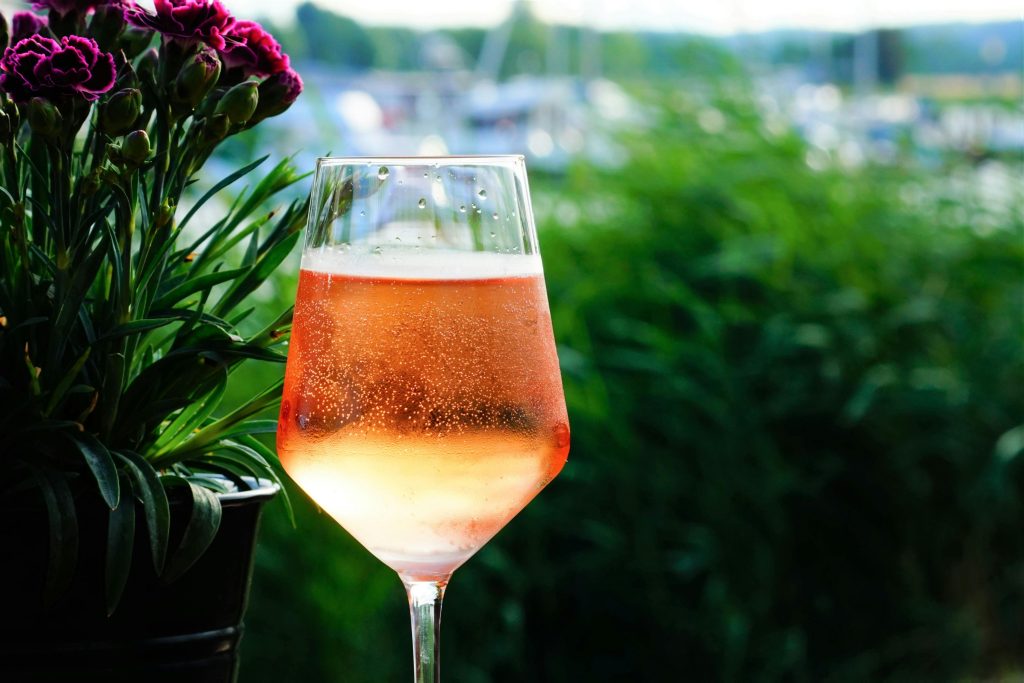
I get asked this question constantly, and the answer is much simpler than most people think. When grapes ferment, yeast naturally eats up the sugar and converts it into alcohol. But sometimes—either by accident or design—fermentation stops before all that grape sugar gets converted. The leftover sugar that remains in the wine is called residual sugar, and that's what makes your wine sweet.
Think of it like making bread but stopping the process halfway through. You'd still have some flour that never got transformed. Same concept with wine—except instead of flour, it's sugar that never became alcohol.
The Dry vs Sweet Spectrum
Here's where I see a lot of confusion, especially among people new to sweet wine. When we say a wine is “dry,” we're not talking about how it feels in your mouth or whether it makes you thirsty. Dry simply means the wine has little to no residual sugar left after fermentation. It's purely about sweetness levels, not texture or any other flavor characteristic.
I can't count how many times someone has told me they don't like “dry” wines because they sound harsh or rough. But dry wines can be smooth, fruity, even creamy—the term only refers to sugar content.
How Winemakers Control Sweetness
Winemakers have several tricks up their sleeves to create sweet wines:
-
Stopping fermentation early by chilling the wine or adding sulfur dioxide
-
Fortifying with spirits (like in Port wine) to kill the yeast before it finishes its job
-
Using super-concentrated grapes that have so much sugar the yeast can't handle it all
-
Adding unfermented grape juice back into finished dry wine
Understanding this foundation makes everything else about sweet wine so much clearer. When you see terms like “off-dry” or “dessert wine” on labels, you'll know exactly what winemakers are talking about—and more importantly, what to expect when you pour that first glass.
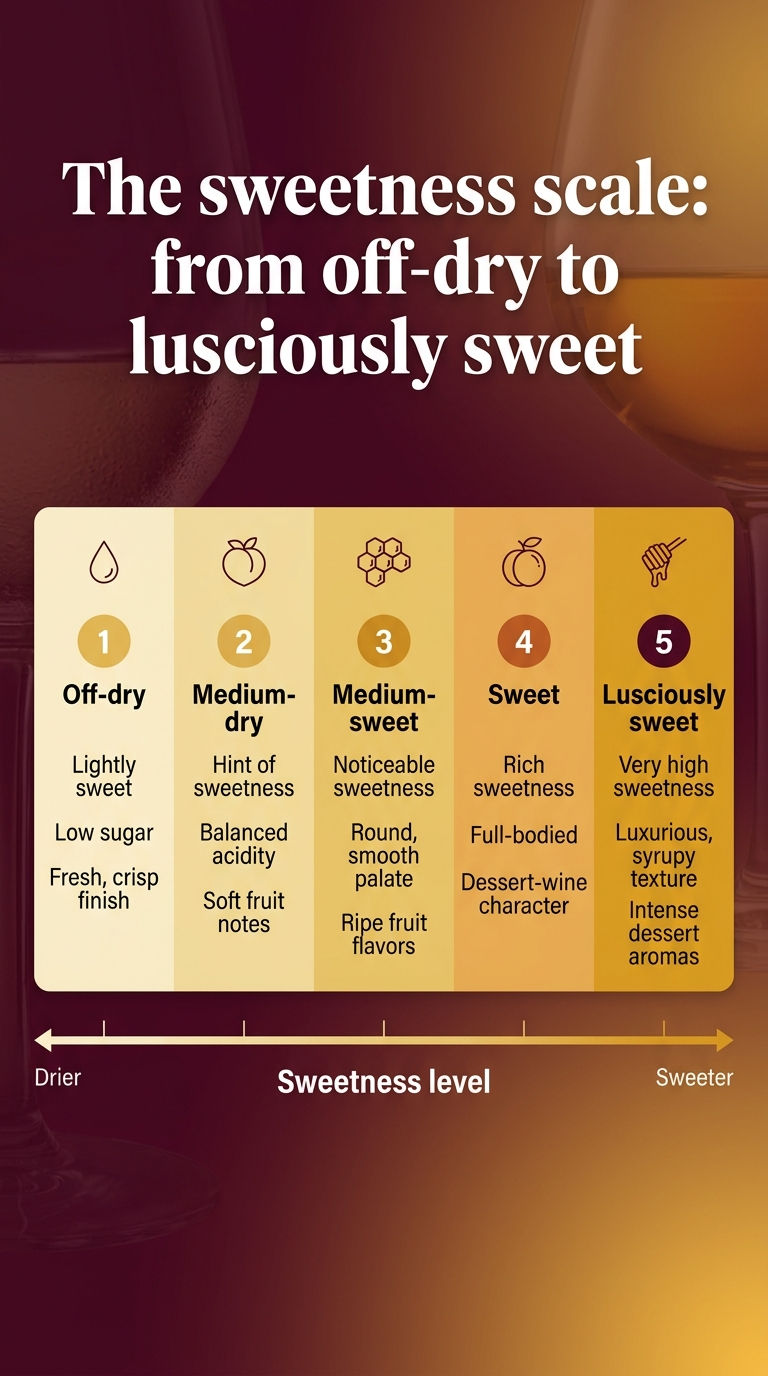
The sweetness scale: from off-dry
to lusciously sweet
I've created a simple sweetness scale to help you understand where different wines fall on the spectrum. This guide will help you identify your current preferences and discover new styles to explore.
Understanding Wine Sweetness Levels
When I talk about sweet wines with friends, I notice there's often confusion about what makes one wine sweeter than another. The sweetness in wine comes from residual sugar left after fermentation, and winemakers measure this in grams per liter. I find it helpful to think of sweetness as a sliding scale rather than just “sweet” or “dry.”
The wine industry uses specific terms to describe sweetness levels, and knowing these terms will help you navigate wine shops and restaurant menus with confidence. Each category represents a different amount of residual sugar, creating distinct flavor profiles and pairing opportunities.
The Complete Sweetness Scale
| Sweetness Level | Residual Sugar | Wine Examples | Taste Profile |
|---|---|---|---|
| Off-Dry | 4-12 g/L | Pinot Grigio (some), Vouvray demi-sec, Riesling Spätlese | Barely perceptible sweetness; crisp with subtle fruit |
| Medium-Sweet | 12-45 g/L | Moscato d'Asti, Lambrusco amabile | Noticeable sweetness balanced by acidity |
| Sweet | 45-120 g/L | Sauternes, Late Harvest Riesling Auslese, Tokaji | Rich sweetness with complex flavors |
| Very Sweet | 120+ g/L | Ice wine, Pedro Ximénez Sherry, Tokaji Eszencia | Intensely sweet, syrup-like consistency |
Finding Your Sweet Spot
I recommend starting with off-dry wines if you're new to sweet wines. These bottles offer just a hint of sweetness that won't overwhelm your palate. Many people don't even realize they're drinking something with residual sugar because the sweetness is so subtle.
If you enjoy medium-sweet wines like Moscato d'Asti, you're in the perfect position to explore both directions on the scale. You can step back to off-dry options for food pairings or move forward to dessert wines for special occasions.
The sweet and very sweet categories represent serious dessert wines that pair beautifully with rich foods or stand alone as dessert themselves. I always keep a bottle of Sauternes or ice wine for special celebrations.
Moscato: the most approachable sweet wine
for beginners
Why Moscato Is Perfect for Sweet Wine Beginners
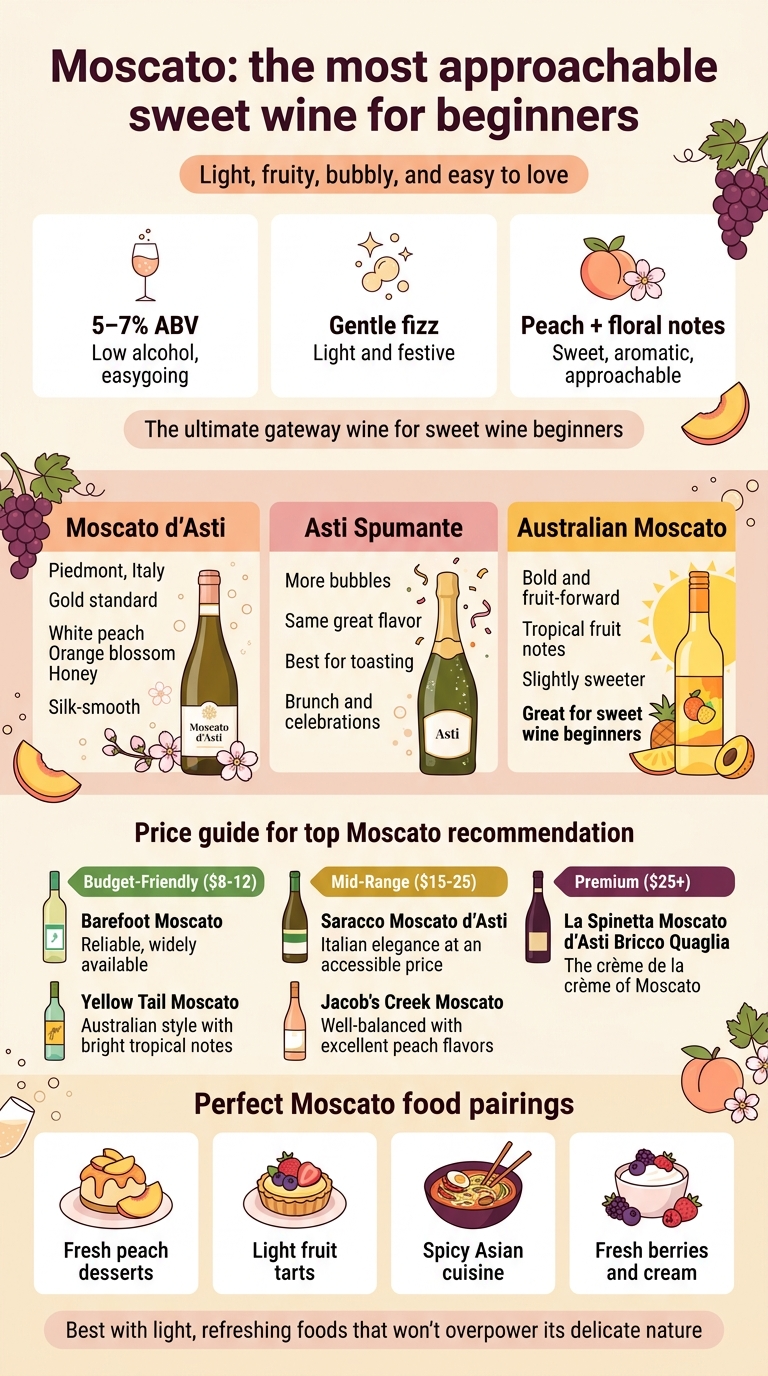
I consider Moscato the ultimate gateway wine for anyone intimidated by sweet wines. With its gentle 5-7% alcohol content, you won't feel overwhelmed, and that subtle fizz makes every sip feel like a celebration. When I taste Moscato, I'm immediately hit with intense peach and floral notes that remind me why this style has become one of the best-selling wines globally.
The beauty of Moscato lies in its approachability. I've served it to wine skeptics who claimed they “don't like sweet wine,” only to watch them finish the bottle. The low alcohol means you can enjoy a glass without feeling heavy, making it perfect for afternoon gatherings or as an aperitif.
The Gold Standard: Moscato d'Asti from Piedmont
When I want to experience Moscato at its finest, I always reach for Moscato d'Asti from Piedmont, Italy. This is the gold standard that set the blueprint for all other Moscatos. The Italian producers have perfected the balance between sweetness, acidity, and that delicate effervescence that makes each sip dance on your tongue.
What sets Moscato d'Asti apart is its refinement. I taste layers of white peach, orange blossom, and honey, all wrapped in silk-smooth texture. The bubbles are gentle – more like a whisper than the aggressive fizz you might find in other sparkling wines.
Asti Spumante: More Bubbles, Same Great Flavor
Asti Spumante takes the Moscato experience and cranks up the effervescence. I think of it as Moscato d'Asti's livelier cousin – same beautiful peachy flavors, but with more pronounced bubbles that make it perfect for toasting special moments.
The extra fizz doesn't overwhelm the delicate fruit flavors. Instead, it enhances them, creating a more festive drinking experience that I love serving at brunches and casual celebrations.
Australian Moscato: Bold and Fruit-Forward
Australian Moscato brings a completely different personality to the table. I find these bottles to be fruitier and bolder than their Italian counterparts, often with more tropical fruit notes alongside the classic peach flavors. The Aussie style tends to be slightly sweeter, making it an excellent choice if you're just starting your sweet wine journey.
My Top Moscato Recommendations by Price Point
Budget-Friendly ($8-12):
-
Barefoot Moscato – Reliable, widely available, and perfect for everyday drinking
-
Yellow Tail Moscato – Australian style with bright tropical notes
Mid-Range ($15-25):
-
Saracco Moscato d'Asti – Italian elegance at an accessible price point
-
Jacob's Creek Moscato – Well-balanced with excellent peach flavors
Premium ($25+):
-
La Spinetta Moscato d'Asti Bricco Quaglia – The crème de la crème of Moscato
Perfect Moscato Food Pairings
I love how versatile Moscato is with food. My go-to pairings include:
-
Fresh peach desserts – The wine echoes the fruit flavors beautifully
-
Light fruit tarts – The acidity cuts through rich pastry
-
Spicy Asian cuisine – The sweetness tames heat while the bubbles refresh your palate
-
Fresh berries and cream – A match made in heaven for summer afternoons
The key is matching Moscato's light, refreshing character with foods that won't overpower its delicate nature.
Riesling: the most misunderstood sweet wine
in the world
Why Riesling confuses everyone
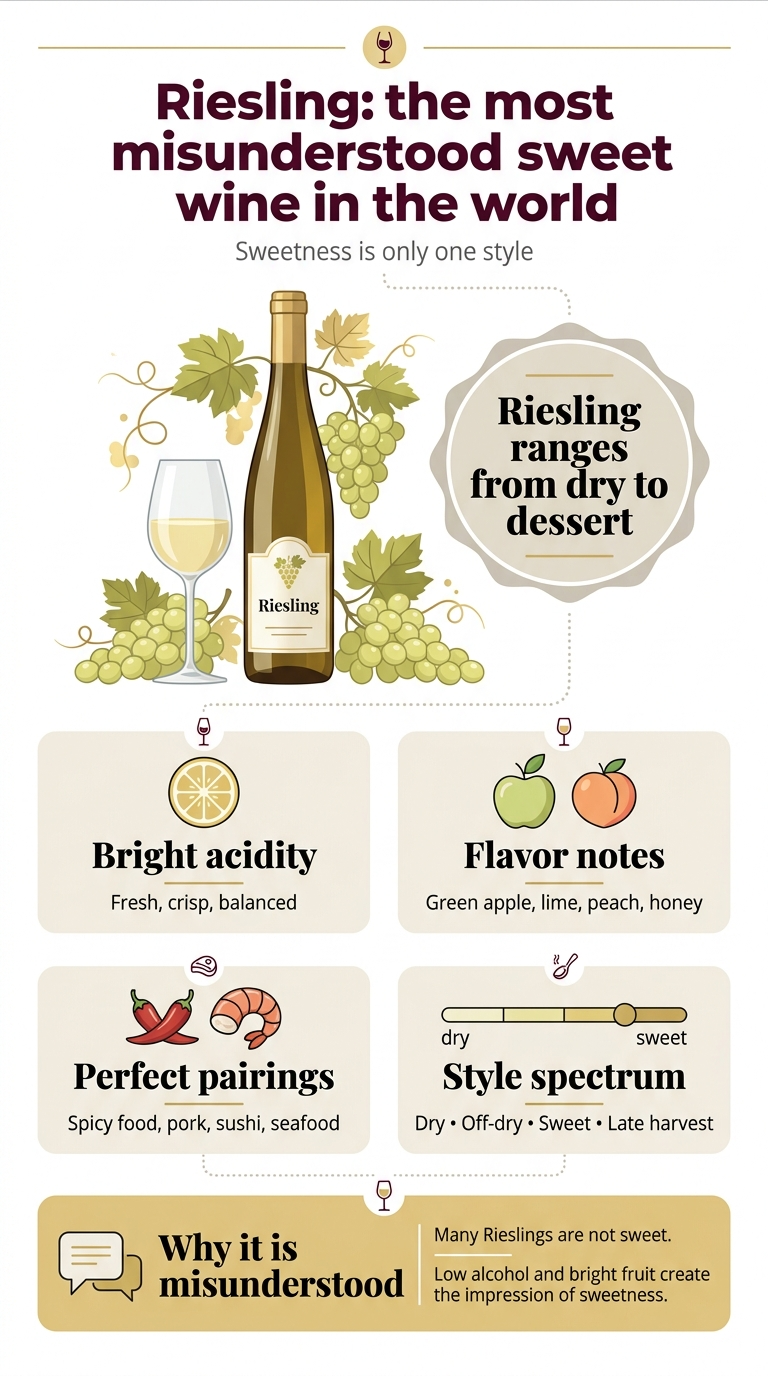
I've watched countless wine lovers skip right past Riesling because they assume it's all sticky-sweet grocery store stuff. This drives me crazy because Riesling is actually one of the most versatile grapes in the world – it can be bone dry, off-dry, or intensely sweet depending on where it comes from and how it's made.
The real problem? Most Riesling labels don't tell you squat about sweetness levels. You'll see a beautiful German bottle with fancy Gothic lettering, but good luck figuring out if you're about to drink something dry as the Sahara or sweet as candy.
Decoding German Riesling sweetness levels
German Riesling follows a traditional classification system that I wish more people understood. These terms on the label actually tell you everything about ripeness and potential sweetness:
-
Kabinett: Light, delicate, often off-dry to medium-sweet
-
Spätlese: “Late harvest” – richer, usually medium-sweet
-
Auslese: “Select harvest” – definitely sweet, with concentrated flavors
-
Beerenauslese: Berry selection, very sweet dessert wine territory
-
Trockenbeerenauslese: The holy grail – intensely sweet, made from shriveled grapes
-
Eiswein: Ice wine, picked frozen for incredible concentration
Here's what makes my job harder: some producers also make “trocken” (dry) versions of these styles. Always look for that word if you want bone-dry German Riesling.
Reading German wine labels like a pro
I always tell people to look for the alcohol percentage first. German sweet Rieslings typically clock in around 7-9% alcohol, while dry versions hit 11-13%. Lower alcohol usually means residual sugar balanced the fermentation.
The producer matters enormously. Estates like Dr. Loosen and Schloss Lieser have built reputations on transparent labeling that actually helps you understand what you're buying.
Why sweet Riesling doesn't taste heavy
This is where Riesling absolutely shines in my book. The grape naturally develops razor-sharp acidity, especially in cool German vineyards. When you combine high acidity with residual sweetness, magic happens – the wine tastes balanced instead of cloying.
I've served sweet German Rieslings to people who “hate sweet wine” and watched them go back for seconds. That acidity cuts through the sweetness and keeps everything fresh and lively on your palate.
Alsatian and Australian styles
Alsatian Riesling throws everyone for a loop because it's typically bone dry with intense minerality. Same grape, completely different expression thanks to warmer climate and different winemaking philosophy.
Australian Riesling, particularly from Clare Valley and Eden Valley, gives you that distinctive lime zest character with bright acidity. These are almost always dry and age beautifully.
My top sweet Riesling recommendations
Dr. Loosen Ürziger Würzgarten Kabinett: This German beauty delivers apple and peach flavors with that perfect acid-sugar balance I mentioned. Around $25 and worth every penny.
Chateau Ste. Michelle Harvest Select Sweet Riesling: For budget-conscious sweet wine lovers, this Washington State bottle offers honeyed sweetness without breaking the bank at under $15.
Sauternes and late harvest wines:
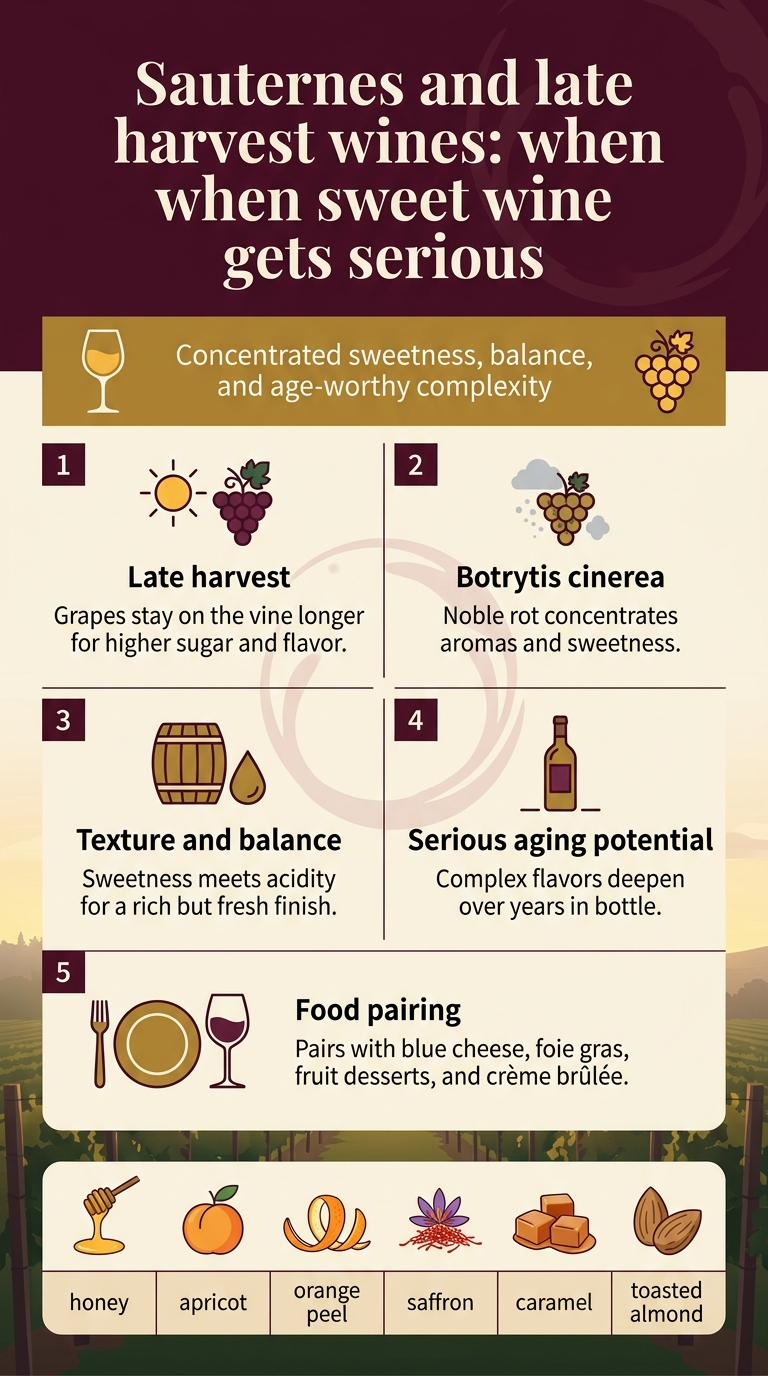
I have to confess something about Sauternes — I was intimidated by this legendary dessert wine for years before I finally tried it. What a mistake that was. When the right weather conditions hit Bordeaux's sweet wine regions of Sauternes and Barsac, something magical happens. A beneficial fungus called botrytis cinerea (or “noble rot”) attacks the grapes, dehydrating them and concentrating their sugars to extraordinary levels.
The result? Some of the most complex and age-worthy sweet wines on the planet. Château d'Yquem might grab all the headlines with its four-figure price tags, but I've discovered incredible bottles from producers like Château Climens in Barsac and Château Doisy-Védrines that offer that same honeyed complexity at a fraction of the cost. These wines balance sweetness with bright acidity and develop flavors of apricot, honey, and orange marmalade as they age. I've kept bottles in my cellar for over a decade, and they just keep getting better.
German Late Harvest: Precision Meets Poetry
German winemakers have perfected the art of late harvest wines like no one else. When I taste a German Auslese, Beerenauslese, or Trockenbeerenauslese, I'm always struck by their incredible precision. These designations indicate increasing levels of ripeness and concentration, with Trockenbeerenauslese representing grapes so affected by noble rot that each berry is individually selected.
My personal favorite discovery has been Auslese Rieslings from the Mosel region. They offer that perfect balance I'm always chasing — enough sweetness to satisfy my dessert wine cravings, but with such piercing acidity that they never feel cloying. The way these wines express their terroir while maintaining such elegance continues to amaze me after years of tasting them.
Tokaji: The King of Wines
I had my first taste of Hungarian Tokaji at a wine bar in Budapest, and it completely changed my perspective on what sweet wine could be. This isn't just marketing speak when people call it “the wine of kings and the king of wines” — Tokaji represents one of the world's oldest named wine styles, with a winemaking tradition dating back centuries.
The unique production method involves adding botrytis-affected grapes called “aszú berries” to base wine, with the sweetness level measured in “puttonyos.” I've found that 3-puttonyos offers a great introduction, while 6-puttonyos delivers mind-blowing intensity. The volcanic soils of the Tokaj region create wines with distinctive minerality that I can't find anywhere else. These bottles age gracefully for decades, developing complex flavors of dried fruits, spices, and that signature smoky character that makes Tokaji so distinctive.
What is the sweetest wine you can buy?
Ice Wine: Liquid Gold from Frozen Grapes
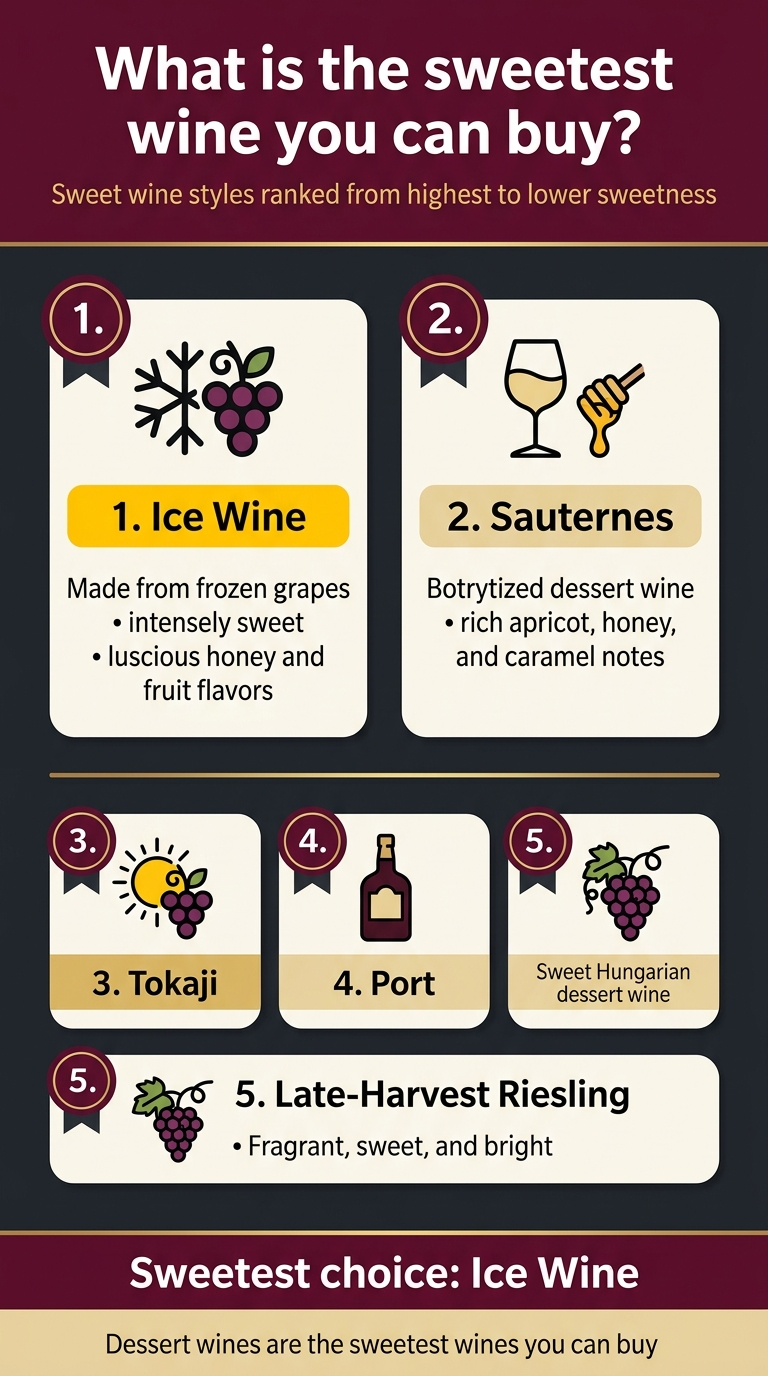
Ice wine, or Eiswein as the Germans call it, takes the crown as one of the sweetest wines you can buy. I've tasted glasses that are so intensely sweet they're like drinking pure nectar. The magic happens when grapes freeze on the vine during harsh winter conditions. Winemakers harvest these frozen grapes and press them while still solid, concentrating the sugars to incredible levels.
When I describe ice wine to friends, I tell them to imagine the sweetest honey combined with bright acidity that keeps it from being cloying. Canadian ice wines from Niagara and German Eisweins deliver flavors of candied apricots, tropical fruits, and sometimes a hint of spice. A half-bottle typically runs $40-80, making it a special occasion purchase, but a little goes a very long way.
Pedro Ximénez Sherry: Dessert in a Glass
Pedro Ximénez Sherry from Spain might actually be sweeter than ice wine, and I'm not exaggerating when I say it's like drinking liquid raisins. These grapes get dried in the sun until they're practically raisins before fermentation, creating a wine so thick it coats the glass.
My favorite way to experience PX, as wine lovers call it, mirrors that perfect pairing mentioned by sommeliers everywhere: pour it over vanilla ice cream. The wine tastes like figs, dates, molasses, and dark chocolate all rolled into one syrupy experience. You can find decent bottles starting around $25, making it more accessible than ice wine.
Tokaji Eszencia: The Legendary Sweet Wine
Tokaji Eszencia from Hungary represents the ultimate expression of sweet wine. I've only tasted this legendary wine a few times, and each sip reminded me why it was once called “the wine of kings and the king of wines.” The sweetness level is so intense that the wine can barely ferment, sometimes taking decades to develop just 2-3% alcohol.
This wine tastes like concentrated honey with notes of orange peel, dried fruits, and exotic spices. A small bottle can cost several hundred dollars, making it more of a once-in-a-lifetime experience than a regular purchase.
Is Prosecco sweet?
And other sweet wine questions answered
Is Prosecco Sweet?
No, most Prosecco is actually dry, not sweet. I know this surprises many people because the bubbles and fruity aromas can make it taste sweeter than it really is. The majority of Prosecco you'll find in stores is labeled "Brut,” which means it contains less than 12 grams of residual sugar per liter – making it quite dry. However, you can find sweeter versions like “Demi-Sec” Prosecco if you specifically look for them on the label.
Is Rosé Wine Sweet?
Most rosé wines are dry, though they often taste fruitier than their red counterparts. The pink color comes from brief contact with grape skins, not added sugar. I've noticed many people assume rosé is sweet because of its pretty color and berry flavors, but the vast majority of quality rosés are made in a dry style. That said, some producers do make off-dry or sweet rosés, so always check the label if sweetness matters to you.
Is Riesling Sweet?
Riesling can be anywhere from bone-dry to lusciously sweet – it's one of the most versatile grape varieties I know. German Rieslings often include sweetness indicators on their labels, while many American and Australian Rieslings tend to be made in drier styles. The grape's natural acidity balances beautifully with residual sugar, which is why sweet Rieslings never taste cloying. If you're unsure about a bottle's sweetness level, look for terms like “trocken” (dry) or “kabinett” (often off-dry to sweet).
Is Moscato Very Sweet?
Yes, most Moscato is quite sweet, making it perfect for sweet wine beginners. With residual sugar levels often exceeding 100 grams per liter, Moscato delivers that dessert-like sweetness many people crave. I recommend it to anyone just starting their sweet wine journey because it's approachable, affordable, and pairs wonderfully with spicy foods or fresh fruit. The low alcohol content (usually around 5-7%) also makes it less intimidating for casual wine drinkers.
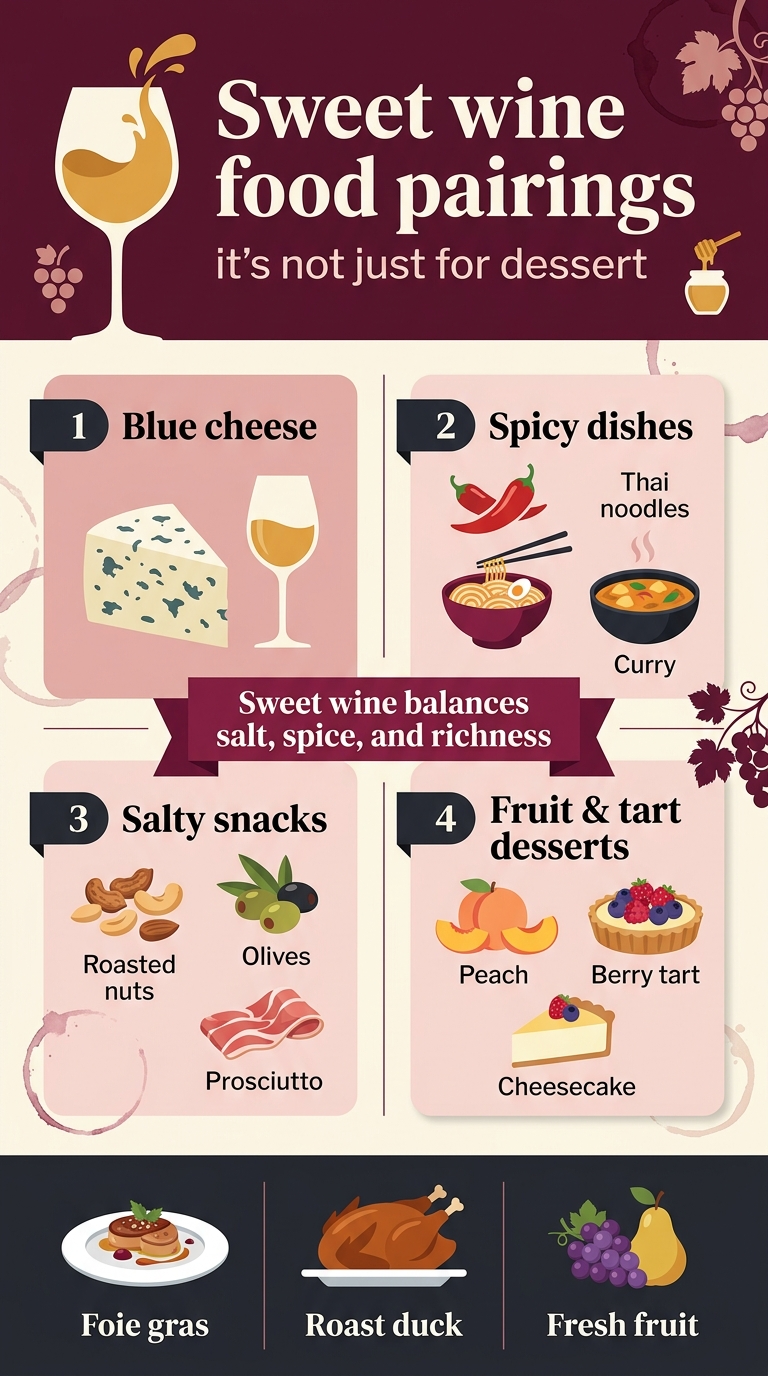
Sweet wine food pairings — it's not just for dessert
Breaking the Dessert-Only Rule
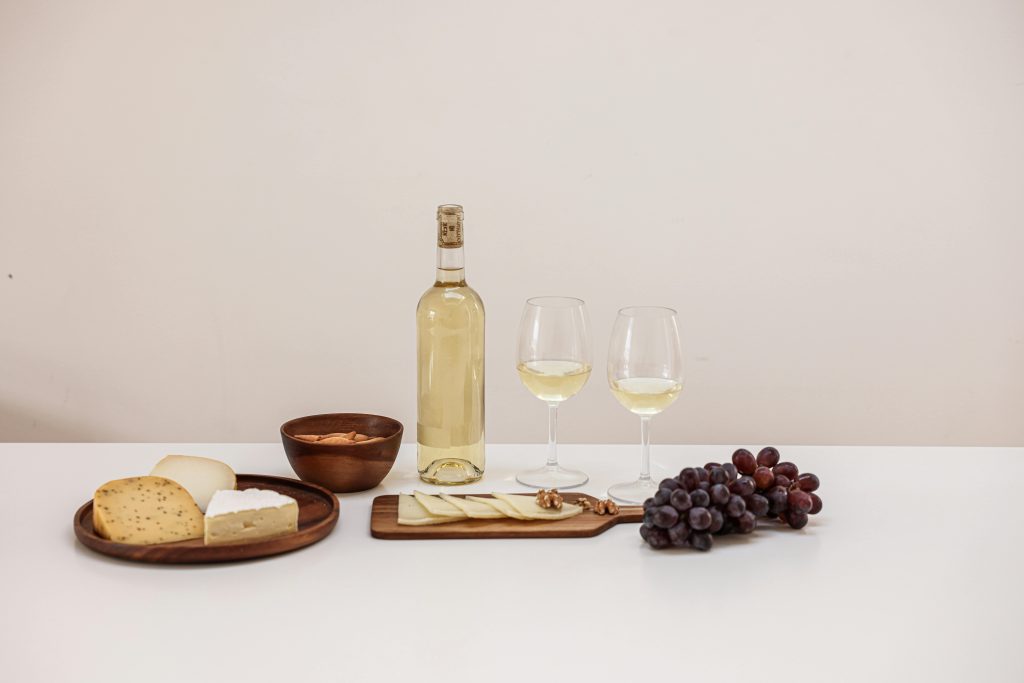
I've discovered that one of the biggest misconceptions about sweet wine food pairing is that these wines only work with dessert. Trust me, your culinary world opens up dramatically once you start experimenting with savory combinations. The magic happens when sweetness balances other intense flavors like salt, fat, and spice in ways that'll surprise your palate.
Savory Pairings That Actually Work
My go-to recommendation for impressive sweet wine pairing starts with Sauternes and foie gras. I know it sounds fancy, but this classic French combination demonstrates perfectly how sweetness cuts through rich, fatty textures. The honeyed notes in Sauternes create this incredible balance that makes the foie gras feel lighter on your palate.
Blue cheese with Sauternes works on the same principle. I've served this pairing at dinner parties, and guests are always shocked by how well the wine's sweetness tames the cheese's sharp saltiness. The contrast creates this amazing flavor harmony that keeps you coming back for more.
For something more approachable, I love pairing Moscato with spicy Asian cuisine. When I'm eating Thai curry or Szechuan dishes, the wine's natural sweetness acts like a cooling agent that calms the heat without masking the complex spice flavors. It's like having the perfect palate cleanser between bites.
Late harvest Riesling shines with duck or pork dishes that include fruit sauces. I've paired it with duck à l'orange and pork tenderloin with apricot glaze, and the wine's concentrated sweetness enhances the fruit elements while complementing the rich meat.
Strong Cheese Combinations
Tokaji deserves special mention for its incredible ability to pair with aged, strong cheeses. I've tried it with aged Gouda, Stilton, and even sharp cheddar. The wine's acidity and sweetness create this beautiful contrast that brings out nutty, complex flavors in the cheese you might not notice otherwise.
Classic Dessert Matches
When I do want dessert pairings, I stick to combinations where the wine doesn't overpower the sweet dish. Moscato with fresh fruit tarts works beautifully because the wine's light effervescence and floral notes complement rather than compete with the fruit flavors.
Sauternes with crème brûlée remains one of my favorite classic combinations. The wine's richness matches the custard's texture, while its acidity cuts through the caramelized sugar topping perfectly.
Best sweet wines to try — recommendations
at every budget
Under €15: Sweet Wines for Every Day
When I'm looking for sweet wines that won't break the bank, I always reach for Moscato d'Asti DOCG from Michele Chiarlo. This Italian gem delivers everything you want in an approachable sweet wine — gentle fizz, peach and honey flavors, and just 5.5% alcohol so you can actually finish a bottle without feeling it the next day. The taste reminds me of biting into a ripe white peach with a drizzle of acacia honey. I pair this with fresh fruit tarts or enjoy it on its own as an afternoon treat.
My other go-to recommendation is Dr. Loosen Riesling Spätlese from the Mosel. Don't let the German label intimidate you — this wine perfectly balances sweetness with bright acidity that makes your mouth water. You'll taste green apple, lime zest, and white flowers with a mineral finish that screams “I'm from slate soils.” I love serving this with spicy Asian cuisine because the sweetness tames the heat while the acidity cuts through rich sauces.
€15–30: When Sweet Wine Gets Serious
Moving up in price brings me to Château Doisy-Daëne Barsac, an entry-level Sauternes that shows why this region earned its legendary reputation. This golden nectar tastes like candied apricots, orange marmalade, and toasted almonds with a texture that coats your palate beautifully. The botrytis (noble rot) that concentrates these grapes creates flavors you simply can't find anywhere else. I serve this with blue cheese or foie gras when I want to impress dinner guests.
For late harvest excellence, I recommend Inniskillin Vidal Icewine from Canada. This dessert wine captures winter in a bottle — imagine honey, dried fruits, and tropical notes concentrated into pure liquid gold. The grapes freeze on the vine, concentrating their sugars naturally. Each sip delivers intense sweetness balanced by crisp acidity. I pair this with vanilla ice cream or dark chocolate for the ultimate indulgent dessert.
Splurge (€30+): The Crown Jewels of Sweet Wine
When I'm celebrating something special, I splurge on Château d'Yquem Sauternes. This is the wine that made Sauternes famous — a symphony of honeyed complexity that can age for decades. You'll taste layers of dried fruits, spices, nuts, and flowers that evolve with every sip. The mouthfeel is luxurious and lingering. I save this for milestone celebrations and pair it with crème brûlée or aged Roquefort cheese.
My other luxury pick is Royal Tokaji 5 Puttonyos from Hungary. This historic dessert wine tastes like liquid amber with flavors of dried apricots, orange peel, and exotic spices. The sweetness feels perfectly balanced, never cloying. Hungarian winemakers have been perfecting this style for centuries, and it shows in every drop. I enjoy this with rich desserts like chocolate torte or simply on its own while watching the sunset.
These recommendations span different styles and price points, but each bottle represents the best value in its category. I've personally tasted and served all of these wines, and they never disappoint guests who think sweet wine isn't sophisticated.
Conclusion
I've learned that sweet wine deserves way more respect than it gets. The range runs from barely sweet off-dry wines to rich, honeyed bottles that cost hundreds of dollars, and each style has its place. My biggest takeaway is that sweetness comes from residual sugar left after fermentation, not added sugar like many people think. Whether you're starting with an approachable Moscato or diving into a complex German Riesling, there's a sweet wine that matches your taste and budget.
Don't let wine snobs convince you that sweet wines are somehow inferior. Some of the world's most expensive and revered wines are sweet – just look at top-tier Sauternes or ice wines. I encourage you to explore beyond dessert pairings too. Try a crisp Riesling with spicy Thai food or pair that Moscato with fresh fruit and cheese. Sweet wines open up a whole new world of flavors and experiences that dry wines simply can't match.
Your Sweet Wine Journey Continues Here
Sweet wine connects naturally to some of the most rewarding areas of wine knowledge — food pairing, fortified wines, and dessert matching — and each one deepens your appreciation of the others. Our 7 tasty pairings for dessert and wine guide covers chocolate, fruit tarts, crème brûlée, and cheese pairings in detail, with specific sweet wine recommendations for each — a natural companion to the food pairing section here. Our complete guide to fortified wines covers Port, Sherry, and Madeira in depth, including the Pedro Ximénez and Tawny Port styles that overlap directly with the very sweet end of this guide's sweetness scale. And if reading wine labels is still an area of uncertainty — particularly for German Rieslings with their classification system — our how to read a wine label guide demystifies exactly that. Life is sweet — and so is your next glass. 🍷