
Fortified Wine Guide: Port, Sherry
and Madeira
Fortified wines often get overlooked, but they're some of the most fascinating and food-friendly wines you can explore. This fortified wine guide is perfect for wine lovers ready to move beyond the basics, cooking enthusiasts who want to understand what they're adding to their dishes, and anyone curious about these stronger, longer-lasting wines that have captivated drinkers for centuries.
You'll discover what makes fortified wine different from regular wine and why these spirits-strengthened bottles pack more flavor and alcohol than your typical Chardonnay or Cabernet. We'll break down the big three – Port, Sherry, and Madeira – explaining how each one is made, what they taste like, and when to drink them. You'll also learn the best fortified wine food pairing combinations that can transform your next dinner party, from classic Port wine with chocolate to surprising Sherry and seafood matches.
By the end, you'll know exactly how to serve and store these wines properly, plus which bottles make the best starting points if you're new to fortified wines. No wine jargon or pretentious tasting notes – just practical advice to help you enjoy these incredible wines with confidence.
What is fortified wine? The simple explanation

The Simple Definition of Fortified Wine
You've probably heard of Port and Sherry, but you might not know exactly what makes them different from regular wine. The answer lies in one key process: fortification. When winemakers create fortified wine, they add neutral grape spirit (essentially brandy) to the wine at some point during production. This process bumps up the alcohol content from your typical 12-14% to anywhere between 15-20%.
Think of fortification as giving wine a strength boost. Regular wine gets its alcohol naturally from yeast converting grape sugars during fermentation. But with fortified wine, you're adding extra alcohol on top of that natural process. The timing of when this alcohol gets added makes all the difference in the final product's character and sweetness level.
How the Fortification Process Actually Works
The magic happens during fermentation, and timing is everything. If you add the grape spirit early in the fermentation process (like with Port), you stop the yeast from converting all the grape sugars into alcohol. This leaves you with residual sweetness and a rich, dessert-like wine. The alcohol level jumps high enough that it kills off the yeast, freezing the fermentation right where you want it.
On the flip side, if you let fermentation complete first and then add the spirit (as with most Sherries), you end up with a dry wine that's simply stronger. The yeast has already done its job of eating up all those sugars, so you're left with something crisp and bone-dry.
Your fortified wine gets its distinctive character from this process. The added alcohol doesn't just make the wine stronger – it completely changes the texture, flavor profile, and aging potential. You'll notice fortified wines feel richer and more viscous in your mouth compared to regular table wines.
Why Fortification Was Invented
You might wonder why anyone would want to mess with perfectly good wine in the first place. The answer goes back centuries to practical concerns about preservation and transportation. Before refrigeration and modern winemaking techniques, wine spoiled easily during long sea voyages. Adding alcohol acted as a natural preservative, keeping the wine stable for months or even years of travel.
British merchants discovered that Portuguese wines fortified for the journey to England not only survived the trip but actually tasted better than when they started. This happy accident led to the development of Port as we know it today. Similar preservation needs drove the creation of Sherry in Spain and Madeira on the Portuguese island of the same name.
What Makes Fortified Wine Different from Regular Wine
When you taste fortified wine side by side with regular wine, you'll immediately notice several key differences. The alcohol warmth hits differently – it's more pronounced and warming rather than sharp. The texture tends to be silkier and more coating on your palate. Many fortified wines also have concentrated flavors that seem more intense than what you'd find in table wines.
The aging potential sets fortified wines apart too. While most regular wines are meant to be consumed within a few years, quality fortified wines can age gracefully for decades. Some Madeiras have been known to last over a century and still taste incredible. This longevity comes from the higher alcohol content and the unique aging processes used for each style.
Your fortified wine collection will also behave differently once opened. Many styles stay fresh much longer than regular wine because that higher alcohol content continues to act as a preservative even after you pop the cork.
Port wine: everything you need to know
The Origin Story: Portugal's Douro Valley
You'll find Port wine's birthplace in Portugal's stunning Douro Valley, where steep terraced vineyards cascade down hillsides like ancient amphitheaters. This UNESCO World Heritage region has been producing fortified wine since the 17th century, when British merchants discovered they could preserve Portuguese wine for long sea voyages by adding brandy during fermentation. The result? A sweet, robust wine that became Britain's favorite after-dinner drink.
The Douro's unique microclimate and schist soil create perfect conditions for the indigenous grape varieties that make Port wine so distinctive. You're tasting centuries of winemaking tradition in every sip, with quintas (wine estates) that have been perfecting their craft for generations.
Understanding Port Wine Styles
Ruby Port: Your Gateway to Port Wine
Ruby Port offers the most straightforward introduction to Port wine for beginners. You'll taste bright, fruity flavors with notes of blackberry, cherry, and plum, plus that characteristic sweetness that makes Port wine so approachable. The deep red color gives Ruby its name, and you can enjoy it right after opening without any aging required.
Basic Ruby Port typically costs under , making it perfect for trying Port wine without a major investment. You'll find it works beautifully with chocolate desserts or sharp cheeses.
Tawny Port: The Sophisticated Choice
When you try Tawny Port, you're experiencing what happens when Port wine ages in wooden barrels. The extended aging process creates complex flavors of caramel, nuts, dried fruits, and spices. You'll notice the color has shifted from deep red to amber-brown – that's where the “tawny” name comes from.
Aged Tawny Ports come with age statements like 10, 20, or 40 years, indicating the average age of the blend. A 20-year Tawny Port offers incredible complexity with notes of:
-
Roasted almonds and hazelnuts
-
Dried figs and apricots
-
Butterscotch and vanilla
-
Warm spices like cinnamon and nutmeg
Vintage Port: The Crown Jewel
Vintage Port represents the pinnacle of Port wine craftsmanship. You're drinking wine from a single exceptional year, declared only when conditions are perfect (roughly 3 times per decade). These wines age in bottle for decades, developing incredible depth and complexity.
When you open a Vintage Port, you'll need to decant it carefully since it throws sediment during aging. The experience is worth the effort – you'll taste concentrated dark fruits, chocolate, and spices that evolve in your glass.
Late Bottled Vintage (LBV): The Best of Both Worlds
LBV Port explained simply: it's wine from a single year that's aged longer in barrels before bottling. You get some of the character of Vintage Port without the need for long cellaring or decanting. Most LBV Ports are filtered, so you can drink them immediately after opening.
Port Wine Taste Profile and When to Drink
Port wine tastes sweet but balanced, with alcohol levels around 19-20%. You'll experience rich fruit flavors ranging from fresh berries in younger styles to dried fruits and nuts in aged versions. The fortification process stops fermentation early, leaving natural grape sugars that create Port's signature sweetness.
You'll want to serve Port wine at cellar temperature (60-65°F) in smaller glasses, treating it as a digestif rather than a dinner wine. The traditional serving time is after meals, when the rich sweetness complements desserts or stands alone as a contemplative drink.
Perfect Food Pairings
Chocolate: The Classic Combination
Port wine with chocolate creates one of the world's great food pairings. You'll find Ruby Port works beautifully with milk chocolate, while Tawny Port's nutty complexity pairs perfectly with dark chocolate. Try a 20-year Tawny with 70% dark chocolate for an unforgettable experience.
Cheese: Beyond Blue Cheese
While Stilton and Port pairing remains the gold standard, you can explore other combinations. Aged Gouda works wonderfully with Tawny Port, while young Ruby Port complements creamy goat cheese. The wine's sweetness balances the salt and fat in aged cheeses perfectly.
Nuts: A Natural Match
Port wine with walnuts might be the most natural pairing in the wine world. The nutty flavors in aged Tawny Port echo beautifully with toasted almonds, pecans, or hazelnuts. You'll understand why this combination has been popular for centuries.
Sherry: the most misunderstood wine in the world

Breaking Down the Sherry Stigma
You've probably been served cooking sherry at some family dinner, or maybe you remember your grandmother sipping something brown and mysterious during the holidays. Here's the truth: what you think you know about Sherry is probably wrong. This Spanish fortified wine has been unfairly dismissed as old-fashioned or overly sweet, when in reality, it offers one of the most diverse and sophisticated wine experiences you can find.
The biggest misconception? That all Sherry is sweet. Most Sherry is actually bone dry – drier than your favorite Sauvignon Blanc. The confusion comes from the fact that many people's only exposure has been to cream sherry or the cooking stuff from the grocery store. Real Sherry from Jerez, Spain, tells a completely different story.
Understanding the Sherry Spectrum: From Crisp to Luscious
Sherry isn't just one wine – it's an entire family of wines that range from razor-sharp dry to intensely sweet. Your journey through Sherry wine explained starts with understanding these four main styles that will completely change how you think about this misunderstood category.
Fino Sherry sits at the driest end of the spectrum. When you taste Fino Sherry, you'll discover something that tastes like the ocean breeze – salty, fresh, and incredibly crisp. This happens because of flor yeast that grows naturally on the wine's surface, protecting it from oxidation and giving it that distinctive briny character. Many people say it's what white wine would taste like if it came from the sea.
Amontillado Sherry bridges the gap between fresh and rich. You start with Fino, but then the flor dies away, letting the wine oxidize partially. This creates something more complex – still dry, but with nutty, toasted flavors that make your mouth water. Think of it as Fino's sophisticated older sibling.
Oloroso Sherry goes full oxidative from the start. Without any flor protection, these wines develop deep amber colors and rich, nutty flavors. They're still completely dry, but they taste like they could be sweet because of their intense fruit and nut character. Your palate might think “raisins and almonds,” but there's zero residual sugar.
Pedro Ximénez (PX) Sherry flips the script entirely. These wines are made from sun-dried grapes that concentrate into liquid raisins. When you taste PX Sherry, you're experiencing one of the world's most intensely sweet wines – think chocolate sauce meets fig jam. This is where the “all Sherry is sweet” myth comes from, but PX represents just one corner of the Sherry universe.
Why Sherry Deserves Your Respect
The solera aging system makes Sherry unique among all wines. Your glass contains wine that could be decades old, blended seamlessly with newer vintages through a pyramid system of barrels. This means consistency you can count on – that bottle of Fino will taste the same today as it did five years ago.
Here's what makes Sherry special: versatility. Fino Sherry with tapas creates one of the world's great food and wine pairings. The wine's salinity enhances everything from olives to seafood. Amontillado Sherry food pairing works beautifully with roasted chicken or aged cheeses. Oloroso matches perfectly with nuts and cured meats. And PX Sherry with ice cream? Pure magic.
Your best bet for getting started? Buy a bottle of Fino from a reputable producer like Tio Pepe or La Gitana. Serve it ice-cold from the refrigerator – yes, really cold – and prepare to have your mind changed about what Sherry can be. Once you experience that first sip of properly served Fino, you'll understand why Sherry is having a comeback among wine lovers who thought they knew everything about wine.
The next time someone dismisses Sherry as old-fashioned, you'll know they're missing out on one of wine's most dynamic and food-friendly categories.
Madeira: the wine that lasts forever
When you think about Madeira wine, you're looking at perhaps the most unique production method in the wine world. What sets Madeira apart from every other wine is its deliberate exposure to heat and oxidation – processes that would normally destroy wine but instead create something extraordinary.
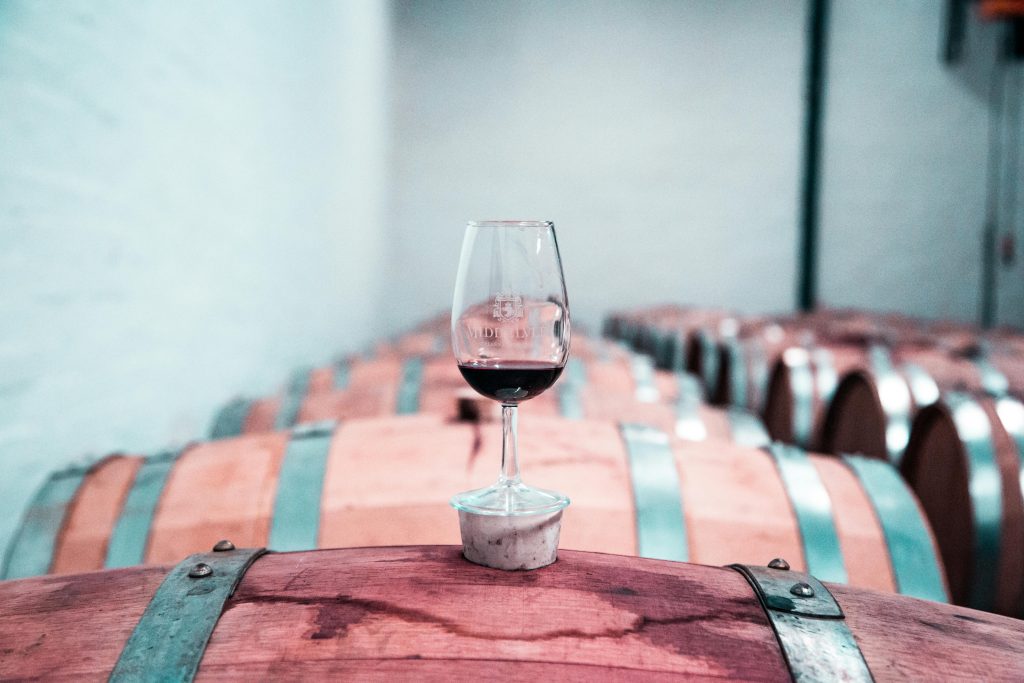
The traditional method, called canteiro, involves aging the wine in wooden casks stored in lodge attics where temperatures naturally reach 100-130°F for years. You can imagine those barrels slowly cooking under the Portuguese sun, developing incredible complexity. The modern estufagem process speeds things up by heating the wine in concrete or stainless steel tanks at controlled temperatures for 3-6 months.
This heating process, known as maderization, breaks down the wine's structure and rebuilds it into something virtually indestructible. You're witnessing controlled oxidation that would ruin other wines but transforms Madeira into liquid gold.
Why Madeira Wine Lasts Forever
Here's where Madeira wine becomes truly fascinating – you could open a bottle from the 1800s and it would still be perfectly drinkable. The heating process creates a wine so stable that oxygen can't harm it anymore. Once you understand this, you realize why Madeira wine lasts so long even after opening.
Your opened bottle of Madeira can sit on the shelf for months, even years, without deteriorating. The wine has already been through its oxidation journey during production, so exposure to air barely affects it. This makes Madeira wine perfect for occasional sippers or cooking enthusiasts who want a splash here and there.
The aging potential is legendary. Vintage Madeiras from the 1800s still appear at auctions, and they're not just collectibles – they're genuinely enjoyable to drink. You're looking at wine that can outlast generations.
Types of Madeira Wine Explained
Understanding the four main grape varieties helps you navigate Madeira's flavor spectrum:
Sercial gives you the driest style – crisp, acidic, and perfect as an aperitif. Think almonds and citrus with a mineral backbone.
Verdelho sits in the medium-dry category, offering more body while maintaining freshness. You'll taste honey notes with that characteristic Madeira smokiness.
Bual delivers medium-sweet richness with caramelized fruit flavors and nutty complexity. This works beautifully with cheese courses.
Malmsey provides the sweetest expression – lush, dessert-wine territory with fig, toffee, and spice notes that pair perfectly with chocolate.
Perfect Madeira Wine Food Pairing
Your dry Madeira wines (Sercial and Verdelho) shine as aperitifs or with seafood, nuts, and aged cheeses. The acidity cuts through rich foods while the unique smoky character adds intrigue to any pairing.
Medium-sweet Bual works magic with blue cheese, foie gras, or fruit-based desserts. The balance between sweetness and acidity creates harmony with both savory and sweet elements.
Sweet Malmsey transforms dessert courses. Try it with chocolate torte, crème brûlée, or even vanilla ice cream. The concentrated flavors won't get overwhelmed by rich desserts.
When cooking with Madeira wine, you're adding depth that's impossible to achieve with regular wine. The concentrated, caramelized flavors enhance sauces, gravies, and reductions in ways that will surprise your taste buds.
Best Madeira Wine for Beginners
Start your Madeira journey with a 5-year-old Bual or Malmsey. These offer the classic Madeira character without the intensity of older bottlings. Blandy's and Henriques & Henriques produce excellent entry-level options that won't break the bank.
Avoid the cheap “cooking Madeira” found in grocery stores – it's a pale imitation of real Madeira wine and will give you completely the wrong impression of this extraordinary fortified wine.
Marsala and Vermouth: the cooking wines
that deserve more respect

What is Marsala Wine?
You've probably encountered Marsala in your kitchen, especially if you've ever made chicken Marsala or zabaglione. But this Italian fortified wine deserves recognition far beyond its culinary applications. Marsala wine comes from the sun-baked island of Sicily, where it's been produced since the 18th century in the port city that shares its name.
Marsala wine explained simply: it's a fortified wine made from indigenous Sicilian grapes like Grillo, Catarratto, and Inzolia for white varieties, and Perricone and Nero d'Avola for red versions. The fortification happens during fermentation with grape brandy, and the wine ages in wooden barrels using a solera-like system similar to Sherry production.
Cooking Marsala vs Drinking Marsala: Know the Difference
Here's where many people get confused about Marsala wine. The bottles you see in grocery store cooking aisles are often cooking Marsala – lower quality versions loaded with salt and additives that make them unsuitable for drinking. True drinking Marsala is a completely different experience.
Quality Marsala comes in several styles:
-
Marsala Fine: Aged at least one year, light and fresh
-
Marsala Superiore: Aged at least two years, more complex
-
Marsala Vergine: Aged at least five years, bone dry and sophisticated
You'll also find sweetness levels ranging from secco (dry) to dolce (sweet), giving you options for different occasions and food pairings.
What is Vermouth?
Vermouth might live in your liquor cabinet as a cocktail mixer, but this aromatized fortified wine has a rich history and complexity that extends far beyond martinis and Manhattans. Vermouth explained for beginners: it's wine fortified with neutral spirits and flavored with a secret blend of botanicals, herbs, spices, and roots.
The two main categories you need to know are dry Vermouth vs sweet Vermouth. Dry vermouth (often called French vermouth) is crisp, herbal, and perfect for gin-based cocktails. Sweet vermouth (Italian-style) is richer, with notes of vanilla, caramel, and warming spices that make it ideal for whiskey cocktails.
Beyond the Kitchen: Appreciating These Wines on Their Own
Both Marsala and Vermouth shine when you treat them as serious wines rather than just cooking ingredients. Quality Marsala, especially aged versions, offers incredible complexity with notes of dried fruits, nuts, caramel, and spice. The bone-dry Vergine styles pair beautifully with aged cheeses, while sweeter versions complement desserts.
Vermouth has experienced a renaissance among wine lovers who appreciate its botanical complexity. You can enjoy dry vermouth chilled as an aperitif, perhaps with a twist of lemon and some olives. Sweet vermouth works wonderfully over ice with an orange peel, or try it with tonic water for a refreshing spritz.
Marsala Wine Food Pairing and Vermouth with Food
These wines excel at the dinner table when you move beyond traditional applications. Try dry Marsala with roasted pork, mushroom risotto, or aged pecorino cheese. Sweet Marsala pairs beautifully with chocolate desserts, tiramisu, or blue cheese.
For Vermouth cocktails guide enthusiasts, experiment with food pairings too. Dry vermouth complements oysters, smoked fish, and herb-crusted dishes. Sweet vermouth works with charcuterie, dark chocolate, and even spicy Asian cuisine.
Your wine journey becomes richer when you discover these underappreciated fortified wines beyond their kitchen roles.
Port vs Sherry vs Madeira: comparison table
The Complete Breakdown
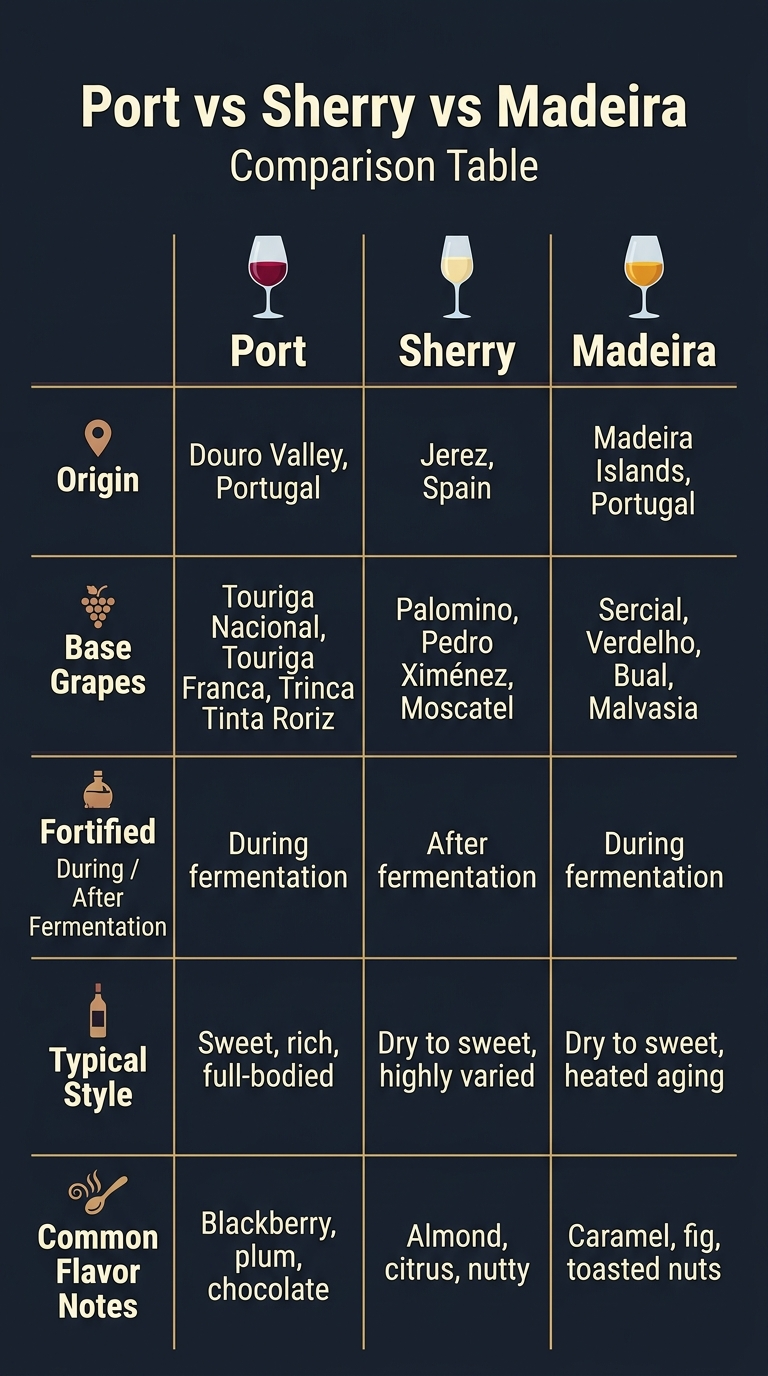
Understanding the difference between Port and Sherry (and Madeira) becomes crystal clear when you compare them side by side. Each fortified wine brings its own personality to your glass, and knowing their key characteristics helps you choose the perfect bottle for any occasion.
| Characteristic | Port | Sherry | Madeira |
|---|---|---|---|
| Sweetness Level | Sweet to very sweet (Ruby, Tawny, Vintage) | Bone dry to very sweet (Fino to PX) | Dry to very sweet (Sercial to Malmsey) |
| Alcohol by Volume | 19-20% ABV | 15-17% ABV | 17-20% ABV |
| When to Drink | After dinner, with dessert | Before dinner (dry), after dinner (sweet) | Aperitif (dry), digestif (sweet) |
| Primary Food Pairings | Chocolate, blue cheese, walnuts | Tapas, seafood, jamón | Soup courses, rich meats, desserts |
| Aging Style | Barrel aging, bottle aging | Solera system | Estufagem heat process |
| Origin | Douro Valley, Portugal | Jerez, Spain | Madeira Island, Portugal |
| Fortification Timing | During fermentation | After fermentation | During fermentation |
| Serving Temperature | Slightly chilled to room temp | Well chilled (dry) to cool (sweet) | Cool to room temperature |
Why These Differences Matter for Your Wine Experience
Port wine stands out as your go-to choice for cozy evening moments. Whether you're reaching for a Ruby Port with its fresh fruit flavors or a 20-year Tawny Port with its nutty complexity, you're getting consistent sweetness levels that pair beautifully with rich desserts. The higher alcohol content (19-20% ABV) gives Port its warming quality, making it perfect for cold weather sipping.
Sherry offers the widest range of styles among fortified wines. If you think all Sherry is sweet cooking wine, you're missing out on bone-dry Fino and Manzanilla that rival the best white wines for seafood pairings. The Solera aging system creates layers of complexity you won't find in other wines, while the moderate alcohol levels (15-17% ABV) make dry Sherries excellent aperitif choices.
Madeira brings unique versatility to your wine collection. The estufagem heating process creates virtually indestructible wines that improve with age and survive temperature changes that would ruin other wines. You can open a bottle of Madeira and it will taste fresh months later – something neither Port nor Sherry can claim.
Choosing Based on Your Preferences
Your personal taste preferences should guide your selection. Love rich, chocolate-forward flavors? Port wine delivers every time. Prefer crisp, mineral-driven wines that stimulate your appetite? Dry Madeira or Fino Sherry fits perfectly. Want something that bridges the gap between wine and spirits? Sweet Madeira or cream Sherry offers that perfect middle ground.
The fortification timing also affects your drinking experience. Port's early fortification preserves grape sweetness, while Sherry's post-fermentation fortification allows for diverse flavor development through the flor yeast process.
Understanding these core differences between Port and Sherry (and Madeira) transforms you from a confused shopper into a confident buyer who knows exactly which fortified wine will deliver the experience you're seeking.
Your fortified wine storage guide starts with getting the temperature right. Port wine serving temperature varies by style – serve Ruby and Vintage Ports slightly cool at 60-65°F to highlight their fruit and structure. Tawny Ports taste best at room temperature around 68-70°F, which allows their nutty complexity to shine. White Port works brilliantly chilled at 45-50°F, especially when making that refreshing White Port and tonic.
Sherry serving temperature depends entirely on the style you're pouring. Dry Sherries like Fino and Manzanilla demand proper chilling at 45-50°F – think white wine cold. Amontillado and Oloroso Sherries prefer cellar temperature around 55-60°F, while sweet Pedro Ximénez Sherry tastes magnificent slightly chilled at 50-55°F.
Madeira wine adapts to almost any temperature, but you'll get the best experience serving dry styles like Sercial chilled at 50-55°F and sweeter Bual or Malmsey at room temperature. This flexibility makes Madeira incredibly food-friendly.
Choosing the Right Glassware
Your glassware choice dramatically impacts your fortified wine experience. Skip the tiny cordial glasses – they trap aromas and make tasting difficult. Instead, use a small wine glass or tulip-shaped glass that holds 4-6 ounces. This gives you room to swirl and concentrate those complex aromatics.
For Sherry, Spanish copitas are traditional but not essential. A standard white wine glass works perfectly, especially for Fino and Manzanilla where you want to appreciate their delicate, saline qualities.
Port benefits from slightly larger glasses that allow the wine to breathe. Never fill glasses more than one-third full – you need space for those incredible aromas to develop.
How Long Fortified Wines Last Once Opened
Here's where fortified wines show their practical advantage over regular wines. How long does Port last after opening depends on the style. Ruby Port stays fresh for 4-6 weeks when recorked and stored in a cool place. Tawny Ports last even longer – up to 8 weeks thanks to their oxidative aging. Vintage Port is more delicate once opened, staying at peak quality for just 3-5 days.
How long does Sherry last once opened varies dramatically by type. Fino and Manzanilla are fragile – drink them within 1-2 weeks of opening and keep them refrigerated. Amontillado and Oloroso last 4-6 weeks at room temperature. Sweet Pedro Ximénez Sherry can maintain quality for several months.
How long does Madeira last opened? This is where Madeira wine truly excels. Thanks to its unique heating process during production, Madeira can last for months or even years once opened. Some collectors keep bottles open for decades without noticeable deterioration.
Proper Storage Before and After Opening
Store your unopened fortified wines upright in a cool, dark place. Unlike table wines, most fortified wines don't need to lie on their sides since many use alternative closures or synthetic corks.
Temperature stability matters more than achieving perfect cellar conditions. Avoid areas with dramatic temperature swings like kitchens or near heating vents. A consistent 55-65°F works well for long-term storage.
After opening, recork tightly and store Port and sweet wines at room temperature away from light. Dry Sherries must go in the refrigerator immediately after opening. Madeira is remarkably forgiving – store it however works best for your space.
For optimal freshness, consider vacuum pump systems for opened bottles, though they're not essential for most fortified wines. The higher alcohol content naturally preserves these wines far better than regular table wines.
Remember that fortified wine storage guide rules are more forgiving than you might expect. These wines were originally created for long sea voyages, so they're built to withstand less-than-perfect conditions while maintaining their character and quality.
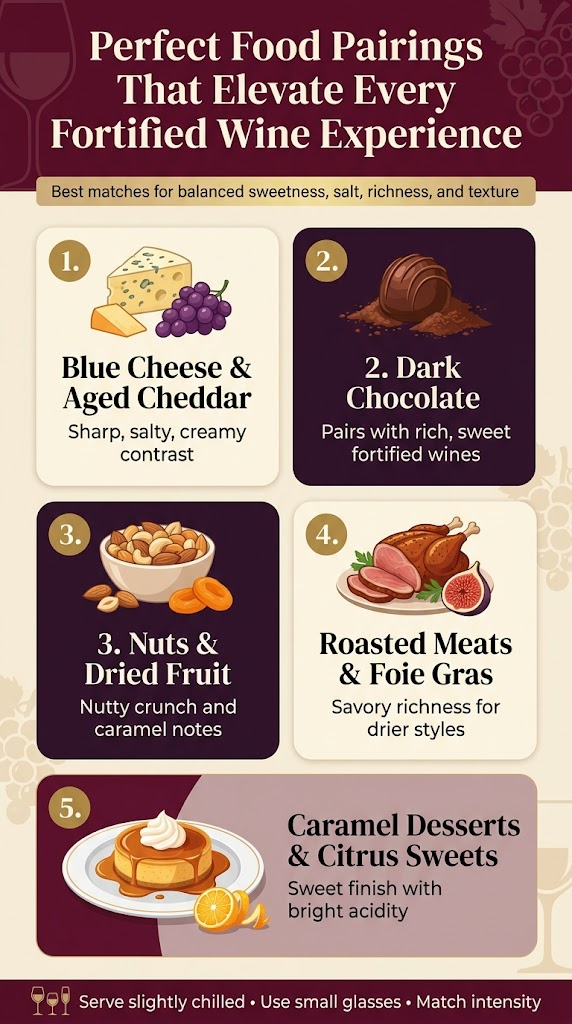
Perfect Food Pairings That Elevate Every Fortified Wine Experience
Match Port Styles with Desserts, Cheese, and Chocolate
Port wine and chocolate create one of the most legendary pairings in the wine world, and for good reason. Your Ruby Port works beautifully with dark chocolate desserts, where its bold fruit flavors complement the cocoa's richness without being overwhelmed. Try pairing a young Ruby Port with chocolate tart or brownies – the wine's vibrant berry notes will make both taste even better.
Tawny Port tells a different story with chocolate. Your aged Tawny Port, with its nutty and caramelized flavors, pairs magnificently with milk chocolate or chocolate desserts that include nuts. A 20-year-old Tawny Port alongside chocolate hazelnut cake creates a harmony that's hard to beat. The wine's smooth, mellow character won't fight with the sweeter chocolate.
When it comes to cheese, you'll want to reach for your Vintage Port or Late Bottled Vintage Port with strong blue cheeses. The classic Stilton and Port pairing exists because the wine's sweetness balances the cheese's sharp, salty intensity perfectly. Your Port wine with blue cheese creates a combination where each element makes the other shine brighter.
For dessert pairings beyond chocolate, your Port wine works wonderfully with fruit-based desserts. Ruby Port pairs beautifully with berry tarts, while Tawny Port complements apple or pear desserts. Your Christmas cake or fruitcake becomes even more festive when paired with Port – the wine's sweetness and richness match the cake's dense, spiced character.
Don't overlook nuts in your Port wine food pairing adventures. Walnuts and almonds create simple yet sophisticated accompaniments to any Port style, while dried fruits like figs and dates echo the wine's own concentrated flavors.
Create Sophisticated Sherry and Tapas Combinations
Your Fino Sherry with tapas creates some of the most authentic Spanish food experiences you can have at home. Fino Sherry's bone-dry character and crisp acidity make it perfect with salty, savory small plates. Pair your chilled Fino with olives, marcona almonds, or jamón serrano – the wine's fresh, yeasty notes complement these classic tapas beautifully.
Manzanilla Sherry takes seafood pairings to another level. Your glass of Manzanilla alongside fresh oysters, grilled prawns, or boquerones (white anchovies) captures the essence of coastal Spanish dining. The wine's subtle salinity enhances seafood flavors without masking their delicate taste.
Your Amontillado Sherry bridges the gap between light and rich tapas. This versatile style works wonderfully with medium-intensity dishes like tortilla española, manchego cheese, or grilled vegetables. The wine's nutty complexity adds depth to these more substantial tapas without overwhelming them.
For heartier tapas, your Oloroso Sherry provides the perfect match. Its rich, nutty character stands up to robust flavors like chorizo, aged cheeses, or meat croquettes. The wine's full body and complex flavor profile complement these richer dishes perfectly.
Your Pedro Ximénez Sherry transforms dessert tapas into something special. Drizzle PX Sherry over vanilla ice cream, pair it with figs and goat cheese, or simply enjoy it with a piece of dark chocolate. This sweet Sherry's raisin and molasses notes create dessert experiences that feel both indulgent and sophisticated.
Discover Madeira's Surprising Versatility with Both Sweet and Savory Dishes
Madeira wine's unique production process makes it remarkably food-friendly across a wide range of dishes. Your dry Sercial Madeira works beautifully as an aperitif wine, but it also pairs wonderfully with lighter seafood dishes, salads, and even sushi. The wine's crisp acidity and subtle nutty notes won't overpower delicate flavors.
Your Verdelho Madeira sits in the medium-dry category and opens up exciting pairing possibilities with both appetizers and main courses. Try it with roasted chicken, creamy pasta dishes, or even spicy Asian cuisine. The wine's balanced character and slight sweetness help tame heat while complementing complex flavors.
Cooking with Madeira wine transforms your savory dishes in remarkable ways. Your Bual or Malmsey Madeira works magnificently in reduction sauces for beef or pork, while the wine's natural acidity helps tenderize meat during braising. The concentrated flavors add depth that regular wine simply can't match.
Your sweet Malmsey Madeira creates exceptional pairings with both cheese courses and desserts. Try it with aged gouda or roquefort for a sophisticated cheese course, or pair it with crème brûlée or tiramisu for dessert. The wine's rich, honeyed character complements both sweet and savory elements beautifully.
What makes Madeira wine truly special for food pairing is its ability to handle temperature variations and intense flavors. Your Madeira won't be overwhelmed by spicy dishes, rich sauces, or even grilled foods – making it one of the most versatile fortified wines for adventurous food pairing.
Build Your Own Fortified Wine and Food Pairing Guidelines
Creating your own fortified wine food pairing guidelines starts with understanding sweetness levels and intensity. Your dry fortified wines like Fino Sherry or Sercial Madeira pair best with lighter, more delicate dishes, while your sweeter wines like Port or PX Sherry need rich desserts or strong cheeses to create balance.
Consider the weight and intensity of both your wine and food when creating pairings. Light fortified wines work with light dishes, while full-bodied wines need substantial foods to create harmony. Your White Port might overwhelm a delicate fish dish, but it could be perfect with a rich pâté.
Temperature plays a crucial role in your pairing success. Serve your lighter fortified wines chilled with fresher foods, while your aged, richer wines are best at cellar temperature with heartier dishes. The serving temperature affects both the wine's character and how it interacts with food flavors.
Build your confidence by starting with classic pairings and then experimenting. Once you understand why Stilton and Port work together, you can apply similar principles to other blue cheese and sweet wine combinations. Your palate will develop preferences that guide future pairing decisions.
Keep notes on your successful combinations and what didn't work. Your personal fortified wine and food pairing guide becomes more valuable as you discover which flavor profiles you enjoy most and which combinations create the most memorable experiences.
Your First Port Wine: Start Sweet and Simple
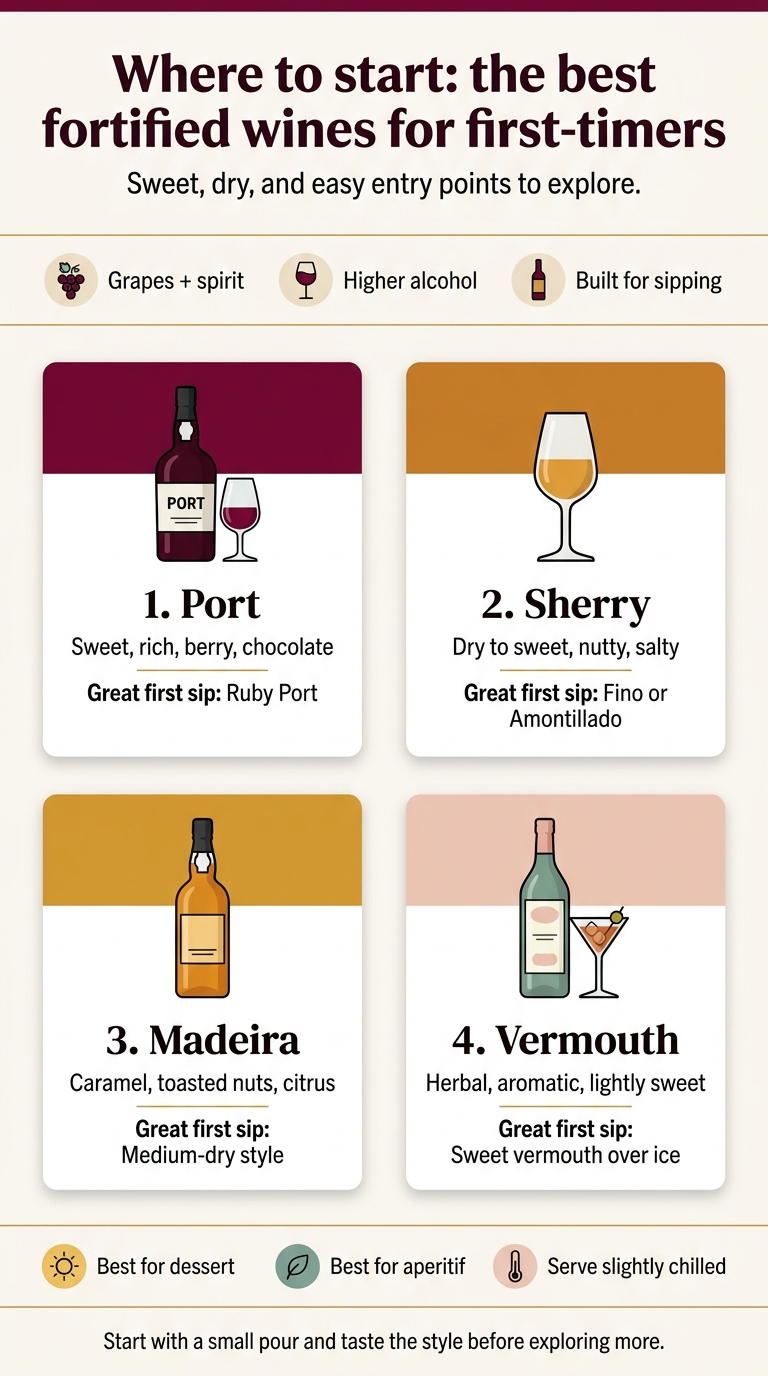
Ruby Port is your best friend when diving into the Port universe. You can't go wrong with a Graham's Six Grapes (around $20) or Sandeman Ruby (under $15). Both deliver that classic Port sweetness without breaking the bank. The fruity richness pairs perfectly with dark chocolate or aged cheddar, making your first Port experience memorable.
If you're feeling slightly adventurous, grab a bottle of Taylor Fladgate 10 Year Tawny Port (around $30). This aged beauty offers nutty, caramel notes that feel sophisticated without being intimidating. You'll taste why Port has captivated wine lovers for centuries.
White Port deserves your attention too. Pick up Cockburn's Fine White Port (around $18) and mix it with tonic water over ice. Add a twist of lemon, and you've got the perfect aperitif that'll surprise your guests.
Sherry That Won't Scare You Away
Forget everything you think you know about Sherry being your grandmother's dusty cooking wine. Lustau Manzanilla (around $12) will change your mind completely. This bone-dry, crisp Sherry tastes like the ocean breeze and pairs beautifully with olives, almonds, or fresh seafood.
For something richer, try Hidalgo Amontillado Napoleon (around $25). This amber beauty bridges the gap between dry and sweet, offering hazelnut and honey notes that work with both savory and sweet dishes.
Sweet tooth calling? González Byass Nectar Pedro Ximénez (around $20) delivers liquid raisins and dates in the most delicious way possible. Drizzle it over vanilla ice cream, and you'll understand why PX Sherry has a devoted following.
Madeira for the Curious Beginner
Blandy's 5 Year Old Sercial (around $25) offers your entry point into Madeira's fascinating world. This dry style delivers crisp acidity with hints of citrus and nuts. You can sip it as an aperitif or pair it with lighter seafood dishes.
Want something sweeter? Broadbent Malmsey 10 Year (around $40) provides rich, honeyed flavors that complement everything from blue cheese to chocolate desserts. The beauty of Madeira lies in its incredible longevity—this bottle will stay fresh for months once opened.
Beyond the Big Three
Don't overlook Florio Dry Marsala (around $15) for cooking and sipping. Quality drinking Marsala offers complex nutty flavors that work wonderfully in the kitchen and your glass.
Carpano Antica Formula Vermouth (around $25) transforms your home bar instantly. This Italian sweet vermouth elevates cocktails and works beautifully on its own over ice with an orange twist.
Smart Shopping Strategy
Start with one bottle from each major category—Port, Sherry, and Madeira. This approach lets you discover your preferences without overwhelming your palate or wallet. Most wine shops carry these beginner-friendly bottles, and many offer mixed cases with small format bottles perfect for exploration.
Buy from reputable producers with consistent quality. The bottles mentioned above represent excellent value and authentic expressions of their respective styles. You're building a foundation for understanding fortified wine, not collecting trophies.
Your journey through the world of fortified wines reveals three distinct personalities that deserve a place in your wine collection. Port brings rich, dessert-friendly sweetness that pairs beautifully with chocolate and cheese. Sherry offers incredible versatility, from bone-dry fino perfect with seafood to luscious Pedro Ximénez that transforms dessert. Madeira stands as the most resilient choice, aging gracefully and handling temperature changes that would ruin other wines.
The beauty of fortified wines lies in their approachability and longevity. You don't need special storage conditions or worry about finishing a bottle quickly once opened. Start with a quality tawny port or cream sherry to discover what appeals to your palate. These wines reward curiosity, so experiment with food pairings and serving temperatures. Your taste buds will thank you for exploring beyond the typical wine aisle, and you'll gain confidence serving something truly special at your next dinner party.