
Wine and Steak Pairing: Best Bottles for Every Cut
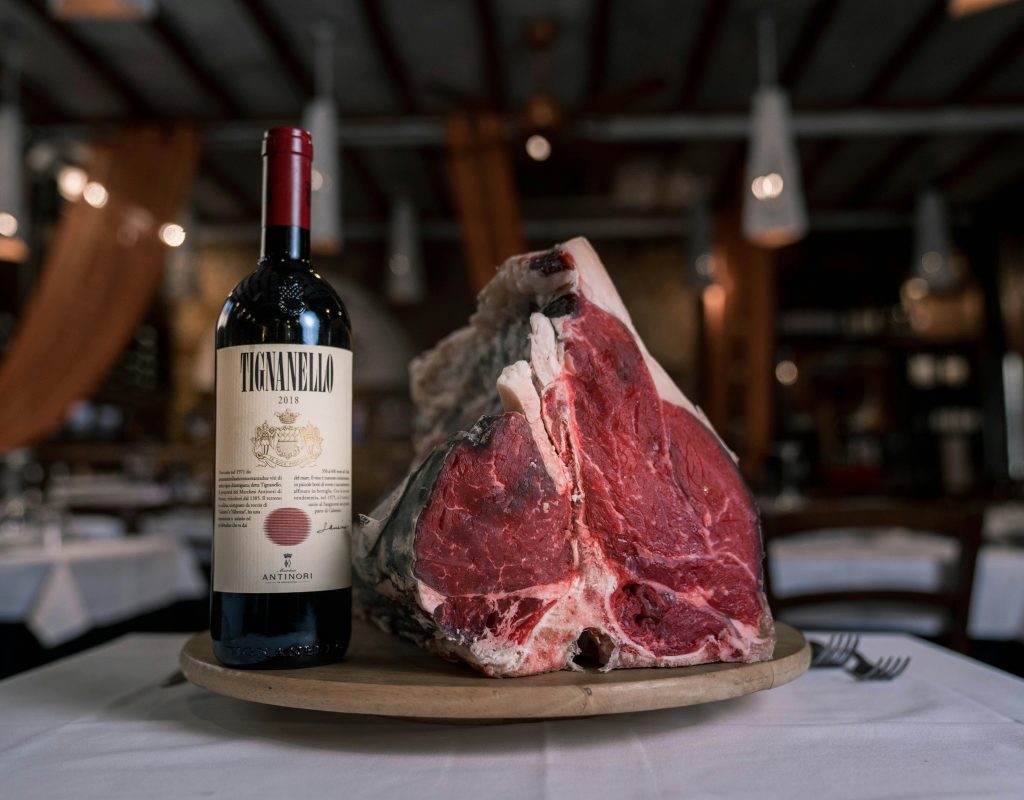
I've spent years experimenting with different wine and steak combinations, and I can tell you that finding the perfect match transforms an ordinary dinner into something extraordinary. Getting the best wine to pair with steak isn't just about grabbing any red bottle from your wine rack – different cuts need different approaches.
This guide is for home cooks, grill masters, and anyone who wants to master the art of steak wine pairing without the guesswork. Maybe you're planning a special dinner or just want to make your weekend grilling sessions more memorable.
I'll walk you through why certain red wine with steak combinations work so well, breaking down specific wine pairing for ribeye and wine pairing for filet mignon recommendations. We'll also explore how cooking methods and sauces change everything, plus I'll share my go-to steak wine pairing chart that takes the confusion out of your next wine selection.
Why bold red wines and steak are a perfect match
The Science Behind Perfect Wine and Steak Pairing
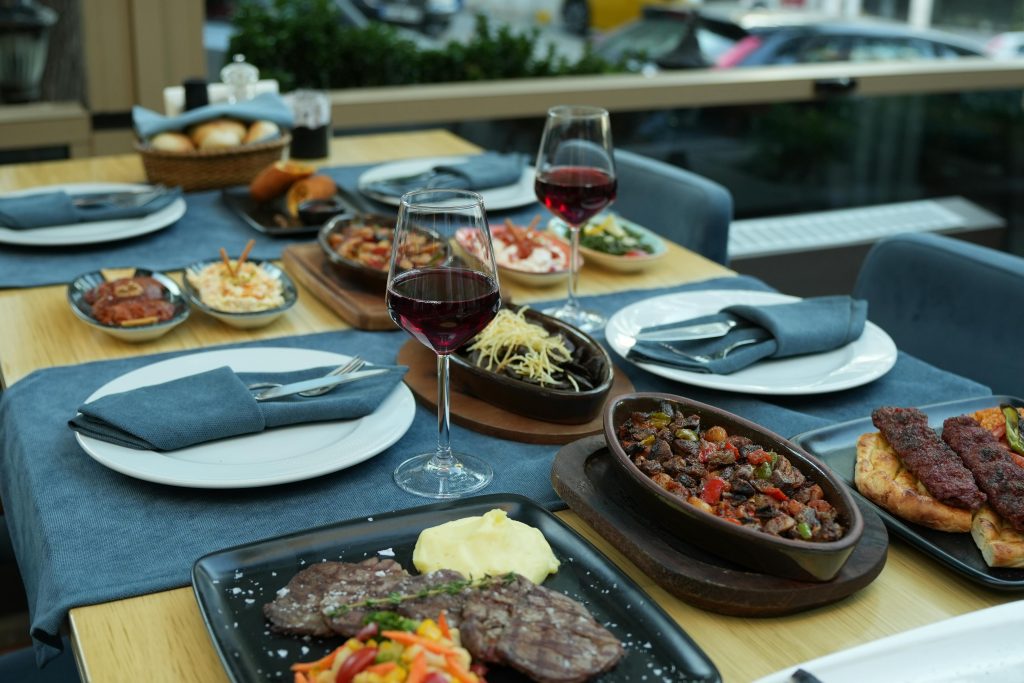
When I first started exploring wine and steak pairing, I discovered something fascinating that changed how I think about this classic combination. The magic happens at a molecular level, where the proteins and fats in steak actually transform the way bold red wines taste on my palate.
The key player here is tannin – those compounds in red wine that can make your mouth feel dry or astringent when you sip wine on its own. I've learned that when tannins encounter the proteins in steak, they bind together in what's called a tannin-protein reaction. This binding process essentially neutralizes the harsh, bitter qualities of tannins, making the wine taste smoother and more balanced.
How Fat Content Enhances the Experience
The fat marbling in steak plays an equally important role in this pairing dance. When I bite into a well-marbled ribeye or strip steak, the rich fats coat my palate and soften any remaining tannins even further. This creates a harmonious balance where neither the wine nor the meat overpowers the other.
I've noticed this effect is most pronounced with full-bodied red wines like Cabernet Sauvignon, Malbec, or bold Syrah. These wines naturally have higher tannin levels, which means there's more opportunity for that beneficial protein-binding reaction to occur.
Why This Chemistry Creates Culinary Magic
What makes this red wine with steak combination so special is how each element enhances the other. The wine's acidity cuts through the richness of the meat, cleansing my palate between bites, while the steak's savory, umami-rich flavors bring out the fruit characteristics in the wine that might otherwise be hidden behind those tannins.
I've found that this natural chemistry explains why wine and steak pairing has been a cornerstone of fine dining for centuries – it's not just tradition, it's pure science working in perfect harmony.
Best wine with ribeye — the richest cut
Why Ribeye Demands the Boldest Wines
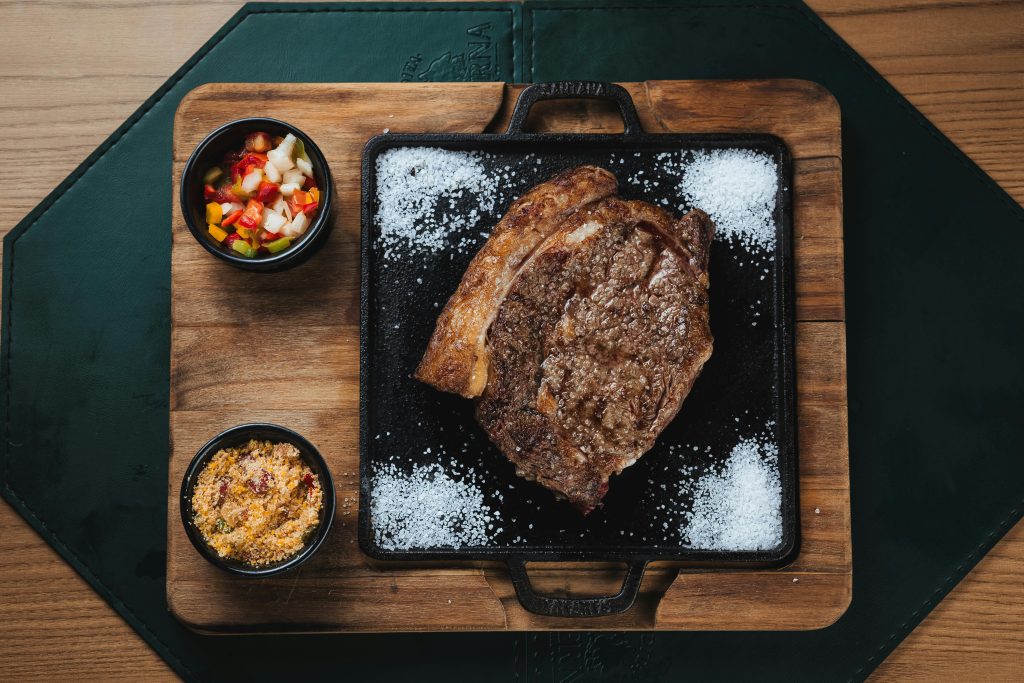
When I'm working with ribeye steaks, I know I'm dealing with the most intensely marbled cut available. That gorgeous fat marbling creates an incredibly rich, buttery texture that can easily overwhelm lighter wines. My approach to wine pairing for ribeye focuses on finding bottles with enough power and structure to stand up to all that delicious fat.
The heavy marbling in ribeye releases incredible amounts of flavor and richness when cooked, which means I need wines with substantial tannins and bold fruit flavors. These tannins actually help cleanse the palate between bites, cutting through the richness while complementing the meat's savory intensity.
My Top Wine Recommendations for Ribeye
Cabernet Sauvignon tops my list for cabernet sauvignon steak pairing with ribeye. I particularly love Napa Valley Cabernets like Caymus or Silver Oak, which bring powerful blackcurrant flavors and firm tannins that match ribeye's intensity perfectly. For budget-friendly options, I reach for Columbia Crest Grand Estates or Bogle Cabernet Sauvignon.
Malbec from Argentina has become my go-to choice for ribeye nights. Catena Zapata and Alamos deliver that perfect combination of dark fruit flavors and velvety tannins that complement the steak's richness. The wine's natural earthiness plays beautifully against ribeye's beefy flavors.
Syrah or Shiraz rounds out my trio of best wine for ribeye options. I love Penfolds Bin 28 Kalimna or E. Guigal Côtes du Rhône for their peppery spice notes and full-bodied structure. These wines add an extra layer of complexity that enhances the steak's natural flavors without competing.
Matching Intensity Levels
My rule for red wine with steak pairings is simple: the richer the cut, the bolder the wine needs to be. Ribeye sits at the top of the richness scale, so I always choose wines with 14% alcohol or higher and substantial tannin structure to create that perfect balance.
Best wine with filet mignon — the leanest cut
Understanding Filet Mignon's Delicate Nature
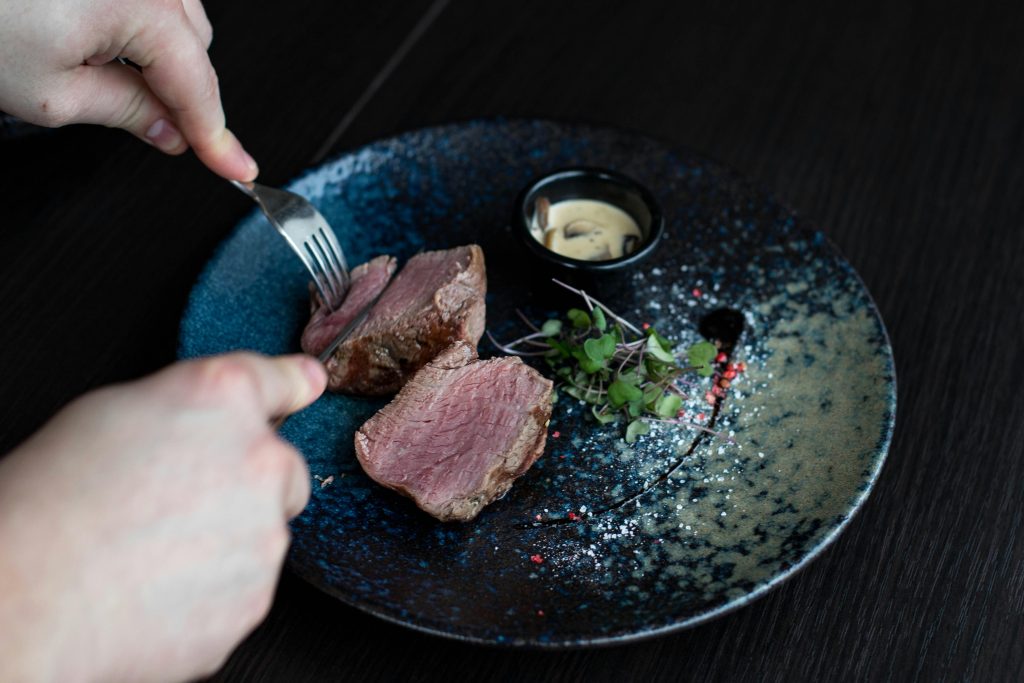
When I think about filet mignon wine pairing, I always come back to the fundamental principle that this cut demands respect. The filet mignon is essentially the ballet dancer of the steak world – lean, elegant, and incredibly tender. Unlike a marbled ribeye that can handle bold, aggressive wines, filet mignon's delicate texture and mild flavor profile requires a more nuanced approach to wine selection.
The key difference lies in how the meat's leanness affects the overall dining experience. Since filet mignon has minimal marbling and fat content, there's less richness to cut through compared to fattier cuts. This means I need wines that complement rather than compete with the steak's subtle beef flavor.
My Top Wine Choices for Filet Mignon
Merlot stands out as my go-to choice for filet mignon. The wine's soft tannins and plush fruit flavors create a harmonious balance with the steak's tender texture. I particularly love how Merlot's cherry and plum notes enhance the meat's natural flavors without overwhelming them. The wine's medium body matches perfectly with filet mignon's refined character.
Lighter Pinot Noir represents another excellent pairing option. I find that Pinot Noir's silky texture mirrors the steak's tenderness beautifully. The wine's earthy undertones and bright acidity actually brighten the meat's flavor profile, creating a sophisticated combination that feels effortless.
Bordeaux blends offer complexity without heaviness. When I choose a Bordeaux blend for filet mignon, I look for bottles where Merlot takes the lead, providing that essential softness while Cabernet Franc adds subtle spice notes that complement the meat's clean flavor.
Why Traditional Bold Reds Don't Work
I've learned through experience that powerful Cabernet Sauvignons or intense Syrahs can completely overshadow filet mignon's delicate nature. These wines with their robust tannins and concentrated flavors end up masking the steak's subtle characteristics rather than enhancing them.
Best wine with sirloin and T-bone
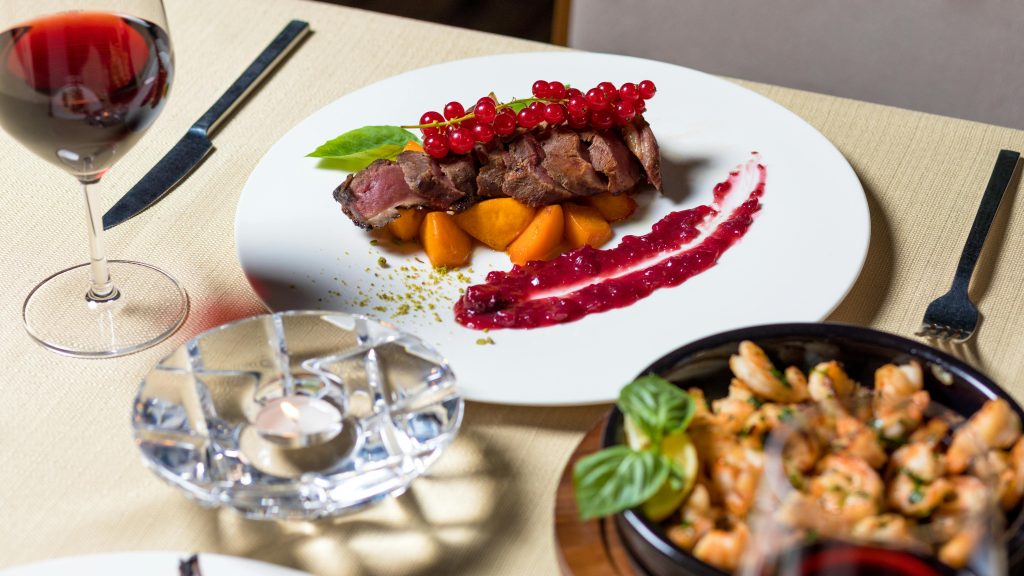
The Perfect Balance: Zinfandel for Sirloin
I've found that sirloin strikes the perfect balance between flavor and tenderness, which is why I reach for red wine with steak options that mirror this versatility. My go-to choice? A robust Zinfandel. The wine's jammy fruit flavors and moderate tannins complement sirloin's meaty texture without overwhelming its natural beef taste.
Zinfandel brings this amazing berry-forward profile with hints of pepper and spice that enhances sirloin's beefy richness. I particularly love how the wine's natural acidity cuts through any fat while its fruit-driven character doesn't compete with the steak's flavor. When I'm grilling sirloin for friends, I always have a bottle of California Zinfandel chilling nearby.
T-Bone: Double the Pleasure with Malbec
T-bone steaks present a unique wine and steak pairing challenge since you're essentially getting two cuts in one – the tender filet on one side and the more robust strip on the other. My solution? Malbec. This Argentinian beauty handles both personalities beautifully.
I love how Malbec's dark fruit flavors and velvety tannins bridge the gap between the delicate filet portion and the heartier strip section. The wine's medium to full body provides enough structure for the strip while remaining gentle enough for the filet. Plus, Malbec's signature plum and blackberry notes create this incredible harmony with T-bone's complex flavor profile.
Shiraz: The Crowd-Pleasing Champion
When I'm hosting a dinner party and serving either sirloin or T-bone, Shiraz becomes my secret weapon. Australian Shiraz offers this perfect combination of fruit, spice, and structure that makes it incredibly food-friendly. The wine's bold blackberry flavors and signature pepper notes create an amazing wine pairing for ribeye alternative that works beautifully with these middle-ground cuts.
What I appreciate most about Shiraz is its versatility. Whether I'm serving grilled sirloin with simple seasonings or a perfectly cooked T-bone with herb butter, the wine adapts beautifully to different preparation styles.
Best wine with steak and peppercorn sauce

Why Peppercorn Sauce Changes Everything
When I add peppercorn sauce to my steak, the entire wine and steak pairing equation shifts dramatically. That bold, spicy kick from the peppercorns creates a whole new flavor profile that demands a different approach to wine selection. I've learned through countless dinner parties that what works perfectly with a plain grilled steak might clash terribly once you introduce that creamy, pepper-packed sauce.
The richness of the cream base combined with the heat from crushed peppercorns creates layers of complexity that can either enhance or compete with your wine choice. I always tell my guests that peppercorn sauce is like adding a third guest to the dinner conversation between wine and beef – it needs to harmonize with both elements.
My Go-To Wine: Syrah/Shiraz
After years of experimenting with different red wine with steak combinations, I've discovered that Syrah (or Shiraz, depending on where it's from) is absolutely magical with peppercorn sauce. The reason this pairing works so beautifully comes down to the wine's natural pepper notes that mirror the sauce's spiciness.
When I pour a glass of Northern Rhône Syrah alongside my pepper-crusted ribeye, those telltale white pepper and black olive characteristics in the wine create this incredible echo effect with the peppercorn sauce. It's like they're speaking the same flavor language. Australian Shiraz works wonderfully too, especially the cooler-climate versions from regions like Eden Valley or Adelaide Hills.
Wine Pairing for Ribeye with Peppercorn Sauce
My favorite combination involves a well-marbled ribeye with classic green peppercorn sauce paired with a robust Côtes du Rhône or Barossa Valley Shiraz. The wine's natural spiciness doesn't fight against the sauce – instead, they dance together while the wine's tannins cut through the cream base.
I always look for these specific characteristics in my Syrah selection:
-
Medium to full body to match the richness
-
Noticeable pepper and spice notes
-
Good acidity to balance the cream
-
Smooth tannins that won't clash with the heat
Other Wines That Work
While Syrah remains my top choice, I've had success with other premium steak wine selections when serving peppercorn sauce. Grenache-based blends from the Southern Rhône offer similar spicy qualities, and I particularly enjoy Châteauneuf-du-Pape when I'm feeling indulgent.
For something different, I sometimes reach for a spicy Zinfandel from California. The jammy fruit provides a nice contrast to the sauce's heat while maintaining enough structure to complement the beef. Just make sure it's not too fruit-forward, or it might get lost against those bold peppercorn flavors.
Practical Tips for Home Cooks
Making this pairing work at home doesn't require expensive bottles or perfect technique. I keep a few reliable Syrah options in my cellar specifically for nights when I'm craving that pepper-crusted steak experience. Even a $20 bottle from Washington State or Australia can deliver those essential pepper notes that make the pairing sing.
The key is serving temperature – I let my Syrah breathe for about 30 minutes and serve it slightly below room temperature. This brings out those spicy characteristics while keeping the wine from overwhelming the delicate cream elements in the sauce.
Best wine with steak and mushroom sauce
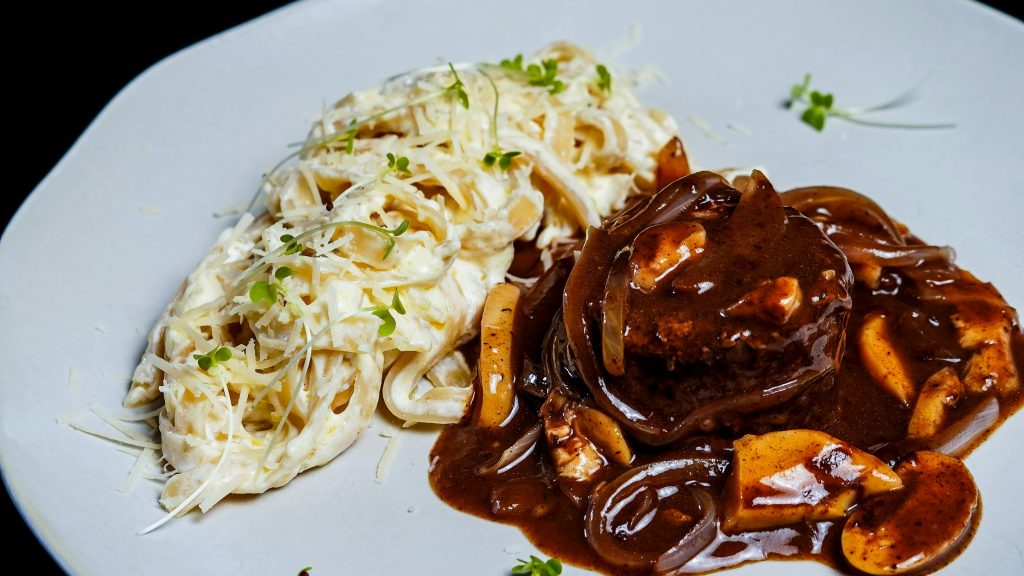
Why Mushroom Sauce Calls for Earthy Wines
When I'm serving steak with mushroom sauce, I always reach for wines that mirror those deep, earthy flavors. The rich umami from mushrooms creates a completely different pairing challenge than a simple grilled steak. I've learned that the sauce becomes the star here, and my wine and steak pairing needs to complement those forest floor notes.
Pinot Noir sits at the top of my list for this combination. I love how its natural earthiness plays with the mushroom's savory depth without overpowering the steak underneath. The wine's medium body won't compete with either component of the dish.
My Top Wine Choices for Mushroom-Sauced Steak
Red Burgundy has become my go-to when I want something special. The Burgundian terroir brings out those mineral, earthy notes that make mushroom sauce sing. I find that a good Gevrey-Chambertin or Nuits-Saint-Georges creates magic with this pairing.
Barolo offers another fantastic option when I'm serving a heartier cut like ribeye. The wine's tannins can handle the richness while its earthy undertones complement the mushrooms beautifully. I particularly enjoy how aged Barolo develops those truffle-like notes that echo the sauce.
Here are my other reliable choices:
-
Châteauneuf-du-Pape for its earthiness and full body
-
Oregon Pinot Noir for a New World take on the classic pairing
-
Sangiovese from Chianti Classico for its savory character
-
Northern Rhône Syrah when I want more intensity
Matching Wine Intensity to Your Steak Cut
I adjust my wine selection based on the steak cut underneath that mushroom sauce. With filet mignon wine pairing, I stick to lighter options like Pinot Noir since the meat's delicate flavor needs protection. For ribeye wine pairing, I can go bolder with Barolo or Châteauneuf-du-Pape because the marbled meat holds up beautifully.
The key lies in balancing all three elements: the steak's richness, the sauce's earthiness, and the wine's character. I've found this steak sauce wine pairing to be one of the most rewarding combinations when done right.
Can you drink white wine with steak?
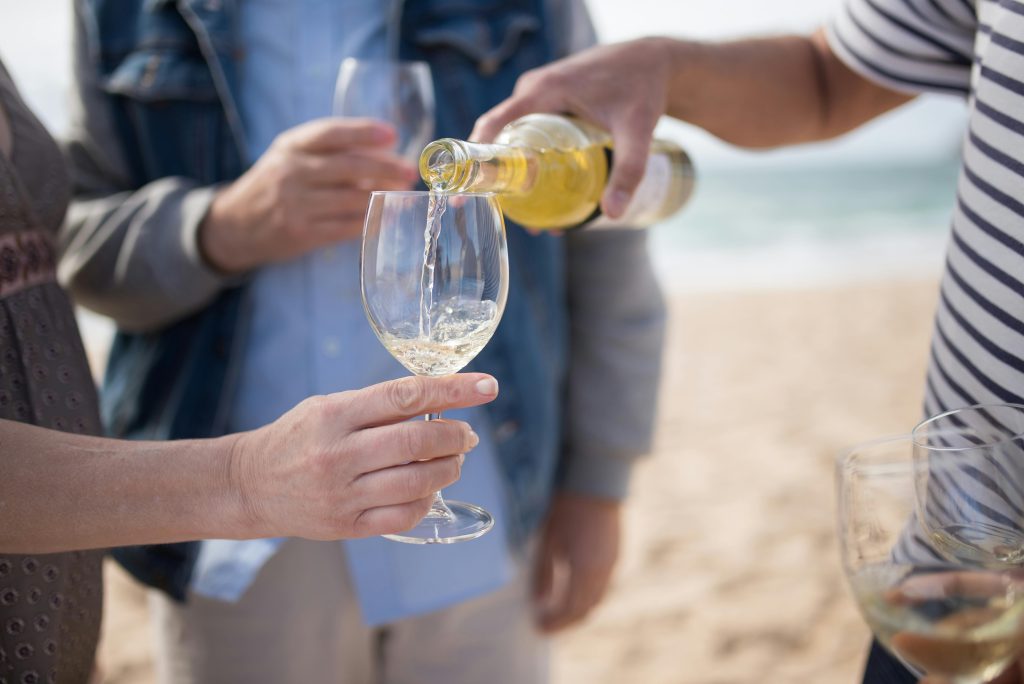
The Honest Truth About White Wine with Steak
I get this question more often than you'd think, and my honest answer is yes, technically you can drink white wine with steak, but it's rarely the ideal choice. The reality is that most white wines simply don't have the structure or intensity to stand up to the bold, rich flavors of a perfectly cooked steak.
That said, I've discovered a few exceptions that actually work surprisingly well. Full-bodied, heavily oaked Chardonnays can hold their own with lighter cuts like filet mignon or a thin-cut sirloin. The key is finding whites with enough weight and complexity to complement rather than get overwhelmed by the meat.
When White Wine Actually Works
I've found success pairing certain white wines with steak in specific situations:
-
Oaked Chardonnay: The buttery, vanilla notes from oak aging create a rich texture that can complement a tender filet mignon
-
White Rhône blends: Wines with Viognier or Marsanne offer more body and can handle lighter preparations
-
Aged white Burgundy: These develop incredible complexity and earthiness that pairs beautifully with mushroom-crusted steaks
The Science Behind the Mismatch
My experience has taught me that the fundamental issue with most wine and steak pairing combinations using whites comes down to tannins and acidity. Red wines naturally contain tannins that cleanse the palate between bites of rich, fatty meat. White wines lack this structure, which is why they often feel thin or sharp when paired with steak.
The umami-rich flavors in beef also need wines with similar depth and intensity. Most whites, even good ones, simply don't have the concentrated fruit flavors and robust character that make red wine with steak such a classic combination.
My Recommendation
While I respect anyone's wine preferences, I always steer my guests toward reds when they're enjoying steak. The pairing just makes more culinary sense, and you'll appreciate both the wine and the meat more when they complement each other properly.
Cooking Method Considerations That Impact Wine Selection
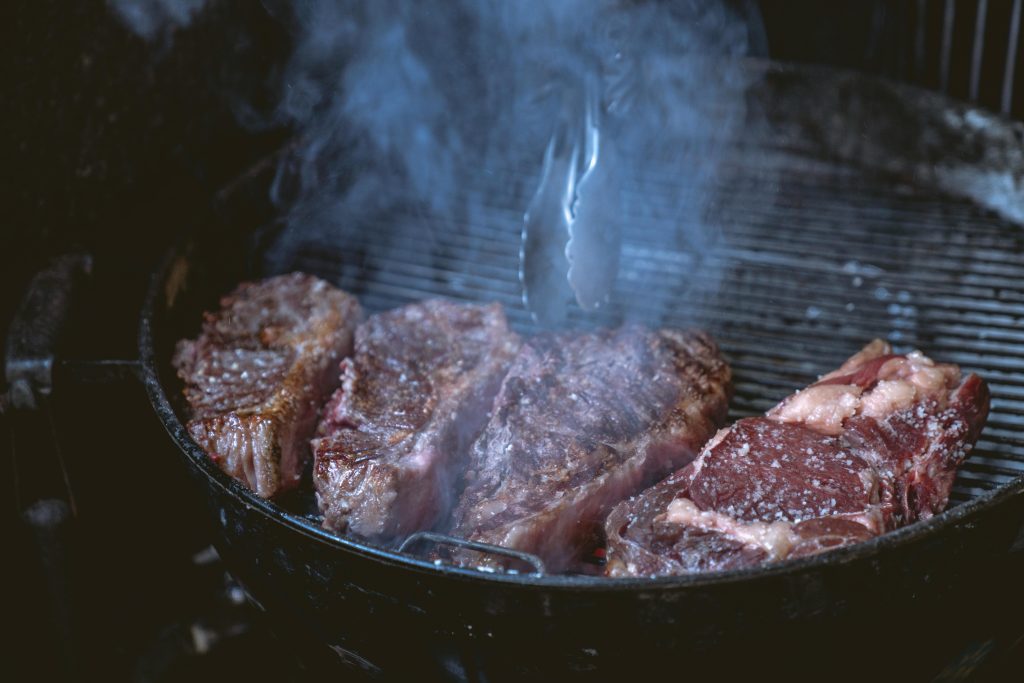
Grilled steaks calling for robust, smoky wine profiles
When I fire up my grill, I'm already thinking about which wines can stand up to those incredible smoky flavors. Grilling transforms steak completely – you get that beautiful char on the outside while keeping the inside tender, plus all those amazing smoky notes from the grill itself. This cooking method demands wine and steak pairing choices that won't get overwhelmed by the bold, charred flavors.
I always reach for wines with serious backbone when serving grilled steaks. My go-to picks include:
-
Cabernet Sauvignon – especially those from regions like Napa Valley or Washington State that have enough power to match the grill's intensity
-
Syrah/Shiraz – the peppery notes and robust structure complement those smoky char marks perfectly
-
Zinfandel – particularly old vine versions that bring both fruit concentration and spicy complexity
-
Malbec – the bold, dark fruit flavors and firm tannins make this an excellent match for grilled cuts
What I've learned over the years is that grilled steaks actually enhance certain wine characteristics. The smokiness from the grill brings out subtle smoky notes in wines that might otherwise stay in the background. It's like the cooking method and the wine have this conversation on your palate.
Pan-seared cuts enhanced by wine with balanced structure
Pan-searing creates an entirely different flavor profile compared to grilling, and my wine pairing for ribeye or other pan-seared cuts reflects this difference. When I sear a steak in a hot pan, I'm creating that gorgeous caramelized crust while developing rich, buttery flavors from the fond that builds up in the pan. This technique calls for wines that offer elegance alongside power.
I prefer wines with balanced structure for pan-seared steaks because they complement rather than compete with the cooking method:
-
Pinot Noir from Oregon or Burgundy – brings enough acidity to cut through the richness while offering earthy complexity
-
Medium-bodied Cabernet Sauvignon – provides structure without overwhelming the delicate caramelization
-
Sangiovese – the bright acidity and moderate tannins work beautifully with pan-seared preparations
-
Tempranillo – offers excellent balance between fruit and earth that enhances the seared flavors
The beauty of pan-searing lies in how it concentrates flavors without adding external elements like smoke. I find that wines with good acidity really shine here because they help cleanse the palate between bites, allowing you to appreciate both the wine's complexity and the steak's refined flavors.
Braised preparations requiring wines with earthy undertones
Braising completely changes my approach to red wine with steak pairings. When I braise a tougher cut like chuck or short ribs, I'm creating something entirely different – the long, slow cooking process breaks down connective tissues and creates incredibly rich, savory flavors. The braising liquid itself often contains wine, herbs, and vegetables, adding layers of complexity that require thoughtful wine selection.
For braised steak preparations, I look for wines with earthy undertones that echo the cooking process:
-
Côtes du Rhône – the blend typically includes Grenache and Syrah that bring both earthiness and enough body to match the rich braised flavors
-
Italian Chianti Classico – the Sangiovese grape's natural earthiness and bright acidity work perfectly with herb-laden braises
-
Spanish Garnacha – offers rustic, earthy characteristics that complement slow-cooked preparations
-
French Burgundy – Pinot Noir's earthy complexity and silky texture pair beautifully with braised dishes
What I love about braised steak and wine combinations is how the cooking method creates natural bridge flavors. The vegetables and herbs in the braising liquid often mirror the terroir characteristics found in these earthier wines, creating seamless pairings.
Rare versus well-done preferences affecting tannin choices
Your preferred doneness level completely changes which wines work best, and I've learned this lesson through plenty of trial and error. The difference between a rare steak and a well-done one isn't just about texture – it's about how proteins interact with wine tannins and how cooking affects the meat's natural flavors.
For rare to medium-rare steaks, I choose wines with more aggressive tannins:
-
Young Cabernet Sauvignon – the firm tannins complement the protein structure in less-cooked meat
-
Barolo or Barbaresco – high tannin Nebbiolo varieties work beautifully with rare preparations
-
Bordeaux blends – the tannin structure enhances rather than overwhelms the meat's natural flavors
When I'm serving well-done steaks, I shift toward wines with softer tannins:
-
Aged Cabernet Sauvignon – time has mellowed the tannins while maintaining the wine's structure
-
Merlot-based blends – naturally softer tannins won't clash with the more developed meat proteins
-
Mature Rioja – the extended aging creates silky tannins that complement well-done preparations
The science behind this comes down to protein interaction. Rare meat has more intact proteins that can bind with and soften aggressive tannins. Well-done meat has fewer of these proteins available, so softer tannins prevent the wine from tasting harsh or overly astringent.
Steak and wine pairing chart — quick reference
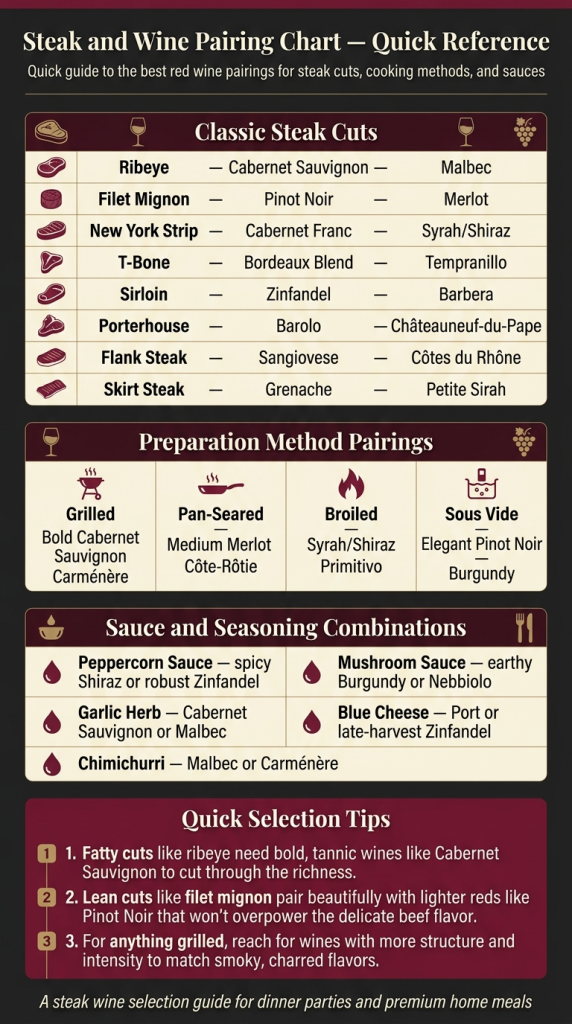
After years of pairing wine with steak, I've put together this comprehensive steak and wine pairing chart that takes the guesswork out of your next dinner. This quick reference guide covers every major cut and helps you nail the perfect wine and steak pairing every time.
Classic Steak Cuts Wine Pairing Chart
| Steak Cut | Best Wine Match | Backup Option |
|---|---|---|
| Ribeye | Cabernet Sauvignon | Malbec |
| Filet Mignon | Pinot Noir | Merlot |
| New York Strip | Cabernet Franc | Syrah/Shiraz |
| T-Bone | Bordeaux Blend | Tempranillo |
| Sirloin | Zinfandel | Barbera |
| Porterhouse | Barolo | Châteauneuf-du-Pape |
| Flank Steak | Sangiovese | Côtes du Rhône |
| Skirt Steak | Grenache | Petite Sirah |
Preparation Method Pairings
| Cooking Style | Wine Recommendation | Alternative Choice |
|---|---|---|
| Grilled | Bold Cabernet Sauvignon | Carménère |
| Pan-Seared | Medium Merlot | Côte-Rôtie |
| Broiled | Syrah/Shiraz | Primitivo |
| Sous Vide | Elegant Pinot Noir | Burgundy |
Sauce and Seasoning Combinations
I've found that what you put on your steak matters just as much as the cut itself when choosing wine:
-
Peppercorn Sauce: Go with spicy Shiraz or robust Zinfandel
-
Mushroom Sauce: Try earthy Burgundy or Nebbiolo
-
Garlic Herb: Stick with Cabernet Sauvignon or Malbec
-
Blue Cheese: Pick Port or late-harvest Zinfandel
-
Chimichurri: Choose Malbec or Carménère
My Quick Selection Tips
When I'm pressed for time, I follow these simple rules: fatty cuts like ribeye need bold, tannic wines like Cabernet Sauvignon to cut through the richness. Lean cuts like filet mignon pair beautifully with lighter reds like Pinot Noir that won't overpower the delicate beef flavor. For anything grilled, I automatically reach for wines with more structure and intensity to match the smoky, charred flavors.
This wine pairing guide for steak cuts has never failed me, whether I'm hosting dinner parties or just treating myself to a premium steak wine selection at home.
Conclusion
I've discovered that the magic of steak and wine pairing really comes down to understanding how different cuts work with different bottles. Rich, marbled cuts like ribeye call for bold reds that can stand up to all that fat and flavor, while leaner cuts like filet mignon pair beautifully with lighter reds that won't overpower the meat's delicate taste. The cooking method and sauce you choose can completely change which wine works best – a creamy mushroom sauce opens the door to different options than a spicy peppercorn coating.
My biggest takeaway is that there's no single “right” answer when it comes to wine and steak. While bold reds are the classic choice, I've learned that even white wines can work in certain situations. The key is matching the intensity of your wine to the intensity of your dish. Next time you're planning a steak dinner, think about your cut, your cooking method, and your sauce as a complete package – then let that guide your wine choice. Your taste buds will thank you for the extra thought you put into creating that perfect pairing.
Steak Night Sorted — Now Expand Your Pairing Knowledge
Understanding why bold reds work with steak gives you a framework that applies across all meat-based pairings. Our complete food and wine pairing guide covers the same matching principles — weight, tannin, acidity, and sauce — across every major food category, so you can apply tonight's steak logic to your next dinner. If the Cabernet Sauvignon and Merlot recommendations made you curious about the differences between those two grapes, our Cabernet Sauvignon vs Merlot guide explains exactly what sets them apart in terms of tannin, body, and food friendliness. And when you're ready to serve these bold reds at their very best — properly decanted and at the right temperature — our wine decanting guideand serving temperature guide cover everything you need to know. Here's to your next perfect steak dinner. 🥩🍷