
Best Wineries to Visit in South France
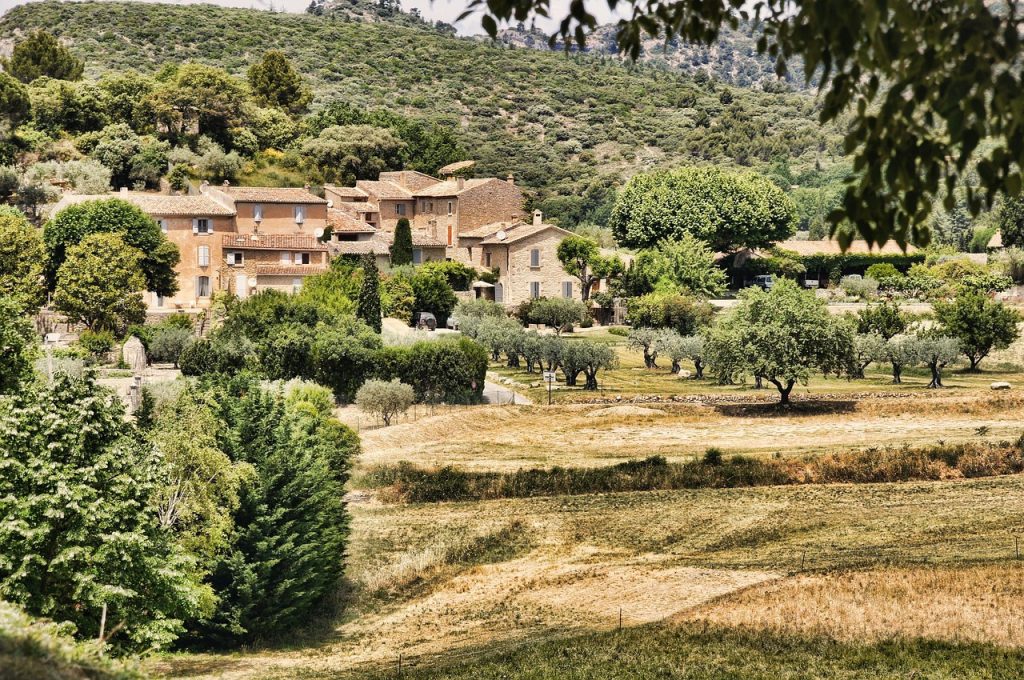
This guide is for wine lovers who want to discover exceptional vintages beyond the obvious Bordeaux and Burgundy routes – plus anyone planning a wine-focused trip through Provence, Languedoc, or the southern Rhône Valley.
Wine tasting in south France have taught me that this region offers incredible diversity, from the elegant rosés of Provence to the bold reds of Châteauneuf-du-Pape. I'll share my favorite hidden gem wineries across three major regions, including those stunning coastal vineyards where you can sip Picpoul de Pinet while watching Mediterranean sunsets. I'll also walk you through the practical side of wine tourism here – comparing guided wine tours versus self-driving adventures, and sharing my tips for timing your visit perfectly.
Ready to discover why the south of France deserves a spot on every wine lover's bucket list? Let me show you the wineries that have completely changed how I think about French wine.
Why the south of France is Europe's most underrated wine destination
Breaking Free from the Tourist Trail
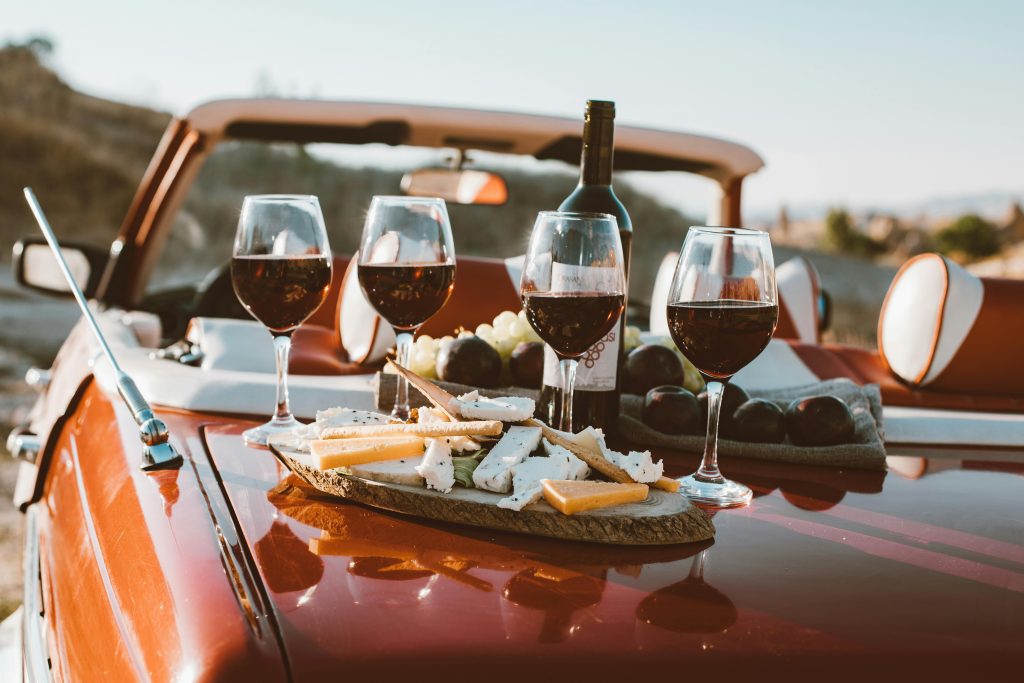
When I think about French wine destinations, my mind naturally drifts to the usual suspects—Bordeaux's grand châteaux, Burgundy's prestigious vineyards, and Champagne's sparkling cellars. While these regions are absolutely magnificent, they come with a hefty price tag, crowded tasting rooms, and the need to book appointments weeks or months in advance. I've discovered something far more rewarding in the best wineries South France has to offer.
The South France wine regions present a completely different experience. Here, I can show up at a family-owned winery without a reservation and find myself chatting with the actual winemaker while they pour my tasting. There's something magical about sitting under ancient olive trees, glass in hand, listening to passionate vignerons share stories about their land that's been in their family for generations.
Unmatched Wine Diversity
What strikes me most about wine tasting south France is the incredible range of styles produced across the region. With over 21,000 wine-growing estates spread across 36 controlled appellations, the diversity is staggering. I can start my day sampling delicate Provence rosé, move on to robust Languedoc reds, discover the unique sparkling wines of Limoux, and finish with the rare fortified treasures of Roussillon—all within a few hours' drive.
The Languedoc wine tour experiences alone offer everything from fresh coastal whites like Picpoul de Pinet to powerful mountain reds from Corbières. Each sub-region tells its own story through the glass, shaped by distinct terroirs that range from Mediterranean coastal plains to rugged hillside vineyards.
Stunning Mediterranean Landscapes
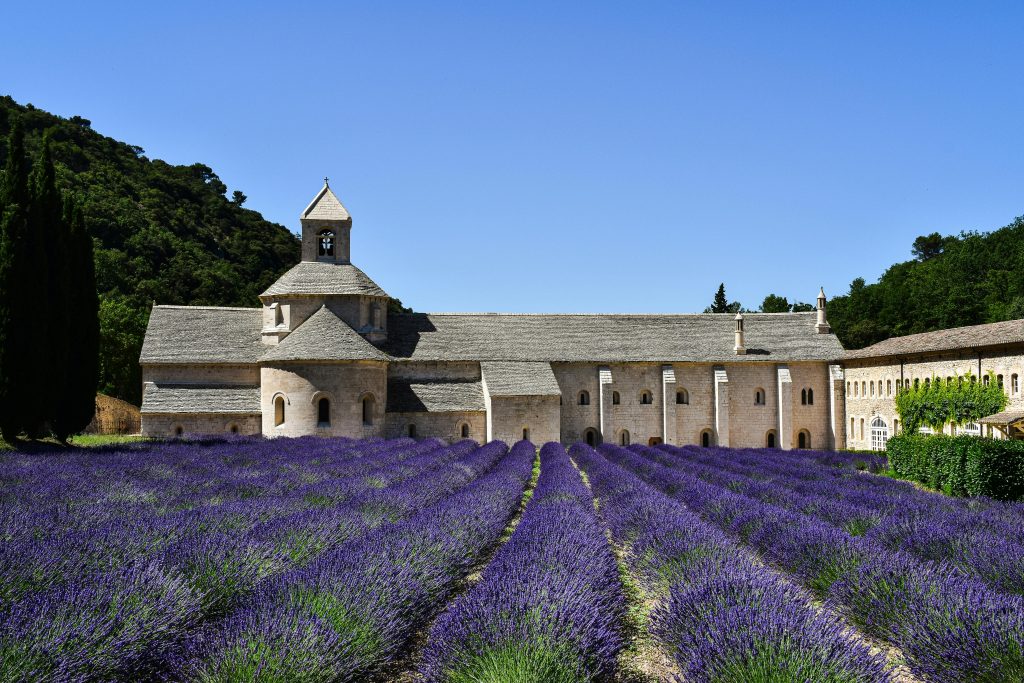
Beyond the wine itself, Provence wineries to visit are set against backdrops that rival any postcard. I've tasted wines while gazing across lavender fields that stretch to snow-capped Alps, explored cellars carved into ancient limestone cliffs, and enjoyed sunset tastings overlooking the sparkling Mediterranean. The Mediterranean coastal wineries offer this perfect combination of exceptional wine and breathtaking scenery that you simply can't find in the more famous northern regions.
Authentic French Hospitality
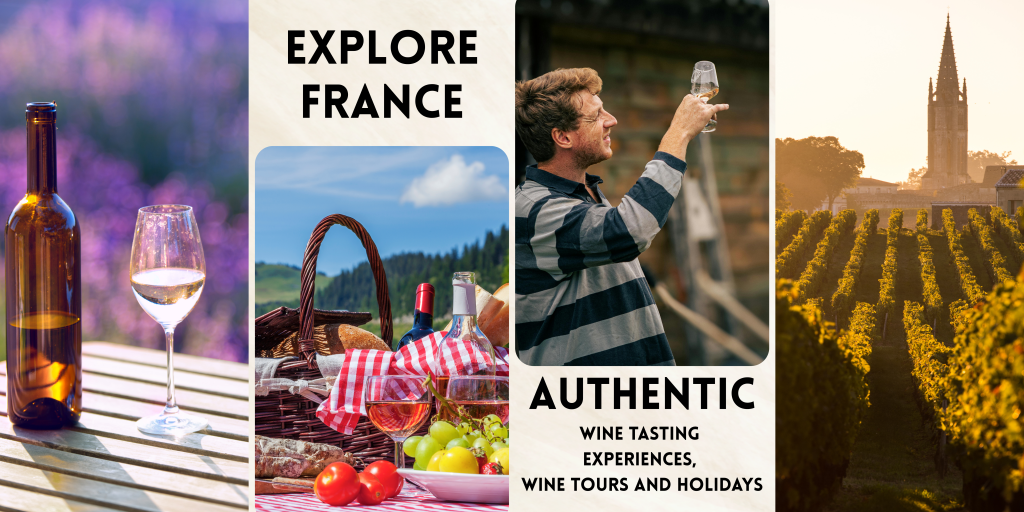
The warmth and authenticity I've encountered during French wine tasting experiences in the south remain unmatched. Winemakers here still have time for unhurried conversations. They'll walk me through their vineyards, explain their winemaking philosophy, and often invite me to stay for an impromptu meal featuring local specialties perfectly paired with their wines.
This guide covers every major wine region in the south, from the prestigious Rhône Valley vineyards to hidden gems in Languedoc Roussillon, helping you plan the perfect south France wine holiday that captures this authentic spirit.
The wine regions of south France — a quick overview
Provence: The Rosé Capital
I've fallen in love with Provence countless times, and it's easy to see why this region captures hearts worldwide. Famous for producing the world's finest pale dry rosé wines, Provence delivers that perfect Mediterranean lifestyle in a glass. The crisp, mineral-driven rosés from appellations like Côtes de Provence and Coteaux d'Aix-en-Provence pair beautifully with seafood and sunny afternoons. But don't let the rosé reputation fool you – I've tasted some incredible reds here too, especially around Bandol where Mourvèdre creates deep, age-worthy wines, and in Baux-de-Provence where organic practices rule. Perfect for wine lovers seeking elegance and those Instagram-worthy vineyard moments.
Languedoc: France's Value Champion
The sheer size of Languedoc amazes me every time I visit – it's France's largest wine region, stretching from Nîmes to the Spanish border. What really excites me about Languedoc wine tours is the incredible diversity you'll find here. The bold reds from Corbières and Minervois showcase the Mediterranean sun, while the crisp whites of Picpoul de Pinet near the coast offer perfect seafood pairings. I'm particularly impressed by the sparkling wines from Limoux, which have been perfecting their craft since before Champagne existed. The quality-to-price ratio here is outstanding, making it ideal for adventurous wine lovers who want exceptional wines without breaking the bank.
Roussillon: The Fortified Wine Frontier
Down in the far southwest near the Spanish border, Roussillon feels like France's wild child. The landscape here is dramatic – think steep hillside vineyards and ancient stone terraces. I'm constantly amazed by the bold Mediterranean reds produced here, but what really sets Roussillon apart are the legendary fortified wines of Banyuls and Maury. These sweet, complex wines age beautifully and pair wonderfully with chocolate desserts. The region attracts serious wine enthusiasts who appreciate traditional winemaking methods and aren't afraid to explore unique styles that you won't find anywhere else.
Southern Rhône: The Prestigious Powerhouse
Technically sitting at the northern edge of south France wine regions, the Southern Rhône commands respect with its world-famous appellations. Châteauneuf-du-Pape remains the crown jewel, producing some of the most sought-after reds in France, while Gigondas and Vacqueyras offer similar quality at more approachable prices. I love how these Rhône Valley vineyards showcase the power of Grenache, Syrah, and Mourvèdre blends in the warm Mediterranean climate. These wines suit collectors and serious enthusiasts who appreciate prestige, complexity, and wines that can age gracefully for decades.
Best wineries to visit in Provence
The Crown Jewel: Provence Rosé Estates
I've discovered that Provence produces an astounding 90% of France's rosé, making it the undisputed capital of pink wine. When I visit Domaine Ott, I always recommend their Clos Mireille estate near the Mediterranean coast. The vineyard tours here showcase why this producer has become one of the most celebrated Provence wineries to visit. During my last visit, the tasting cost around €25-30 per person, and I learned you need to book at least two weeks ahead, especially during summer months.
Château Vaudois consistently impresses me with its 4.7-star rating from over 152 reviews. Located near Bandol, this winery offers exceptional French wine tasting experiences that blend quality wines with outstanding visitor service. The vineyard tours cost approximately €15-20, and while walk-ins are sometimes possible, I always recommend calling ahead.
Hidden Gems Beyond the Pink
Most visitors miss out on Provence's serious side, but I've found some incredible alternatives. Château Simone, tucked away near Aix-en-Provence, produces some of the most distinctive whites in southern France. This tiny historic estate requires appointments, but the intimate tastings (around €20) reveal wines you won't find anywhere else.
The Serious Red Wine Experience
Domaine de Trevallon in Baux-de-Provence represents the pinnacle of Provence's red wine potential. I consider this the most celebrated estate in the appellation, producing exceptional reds and whites that rival any in France. Visits here feel exclusive – you're tasting wines that serious collectors seek out.
Practical Planning Tips
During my years exploring wine tasting south France, I've learned that famous estates like Château Minuty and Miraval get completely booked during summer. I now reserve spots weeks in advance for July and August visits. The experience is worth the planning – these Provence wineries offer unforgettable Mediterranean wine adventures.
Best wineries to visit in Languedoc — the south's hidden treasure
The Crown Jewel: Château de Lascaux
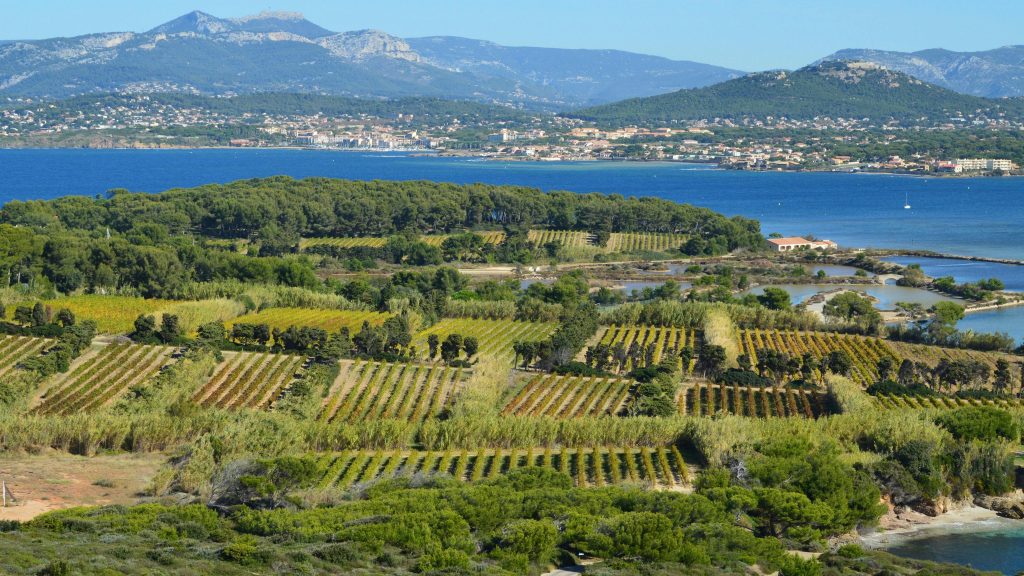
I've discovered something truly magical in the Pic Saint-Loup subregion, and Château de Lascaux stands as my absolute favorite example of Languedoc's transformation. This family estate has been perfecting their craft for 14 generations, which means they've been making wine here since before the French Revolution. The vineyard sits in one of the most breathtaking locations I've ever visited – imagine rolling hills dotted with Mediterranean pines and ancient stone buildings.
What sets this place apart isn't just the stunning scenery. Their wines consistently blow me away, earning 143 certified customer ratings that speak to their quality. During my visit, I tasted their signature red blend that perfectly captures the wild herbs and rocky terroir of Pic Saint-Loup. The winemakers here understand their land intimately, and you can taste that connection in every bottle.
The tasting experience feels intimate and personal. I spent an afternoon with the current generation of the family, learning about their sustainable practices and sampling wines directly from the barrel. Booking is straightforward through their website, and I recommend calling ahead for the full estate tour. Prices range from €15-25 for standard tastings, with premium experiences available.
Gérard Bertrand: The Languedoc Wine Empire
When I think about Languedoc wine tours, Gérard Bertrand immediately comes to mind as the region's most celebrated producer. This isn't just one winery – it's a collection of spectacular estates that showcase everything Languedoc can offer. My personal favorite is Château l'Hospitalet near Narbonne, which feels more like a wine resort than a traditional winery.
Château l'Hospitalet deserves a full day of your time. I've stayed at their wine hotel, dined at their restaurant, and spent hours in their tasting room, and each experience exceeded my expectations. The property combines luxury accommodation with world-class wine education. Their sommelier-led tastings walk you through the diversity of Languedoc terroirs, from coastal whites to powerful mountain reds.
What makes Gérard Bertrand special is their commitment to biodynamic winemaking across all properties. I've toured several of their estates, and the attention to detail in both vineyard management and hospitality is remarkable. Booking through their central reservation system allows you to create custom experiences. Full-day packages start around €80 and include lunch, multiple tastings, and estate tours.
Domaine Haut Lirou: Exceptional Value in Pic Saint-Loup
For outstanding wine without breaking the bank, I always recommend Domaine Haut Lirou to fellow wine enthusiasts exploring Languedoc Roussillon. Located in the prestigious Pic Saint-Loup area, this estate delivers some of the best value tastings I've experienced anywhere in France. With 189 customer ratings backing up their reputation, they've mastered the art of making exceptional wine accessible.
My tasting here focused on their red wines, which showcase the mineral-driven character that makes Pic Saint-Loup so special. The winemaker walked me through their parcels, explaining how different soil compositions create distinct flavor profiles. Their flagship red is a blend that rivals wines costing twice as much from more famous regions.
The casual, friendly atmosphere makes this perfect for wine beginners and experts alike. I appreciate how they take time to explain their winemaking philosophy without any pretension. Tastings start at just €8, making this one of the best wine bargains in south France. Advance booking isn't always necessary, but I recommend calling ahead during peak season.
Terres des Templiers: Roussillon's Grand Cave Experience
Terres des Templiers offers something completely different – a journey into Roussillon's unique fortified wine tradition. Their Grand Cave experience ranks among my most memorable wine tastings in France, and with 248 certified customer ratings, I'm clearly not alone in this opinion. This cooperative represents the best of Roussillon's winemaking heritage while embracing modern techniques.
The highlight of my visit was tasting their range of Banyuls and Rivesaltes – fortified wines that pair beautifully with chocolate and aged cheeses. The cave itself is an architectural marvel, carved into the hillside with perfect natural temperature control. During the guided tour, I learned about the traditional solera aging system still used for their finest vintage ports.
What captivates me about this place is how they've preserved centuries-old winemaking traditions while making them relevant for modern palates. The tasting room overlooks terraced vineyards that climb impossibly steep slopes toward the Pyrenees. Booking online is essential, especially for weekend visits. Standard tastings begin at €12, with premium experiences featuring rare vintage selections.
Best wineries to visit in Roussillon — the hidden fortified wine country
Why Roussillon Captivates Me
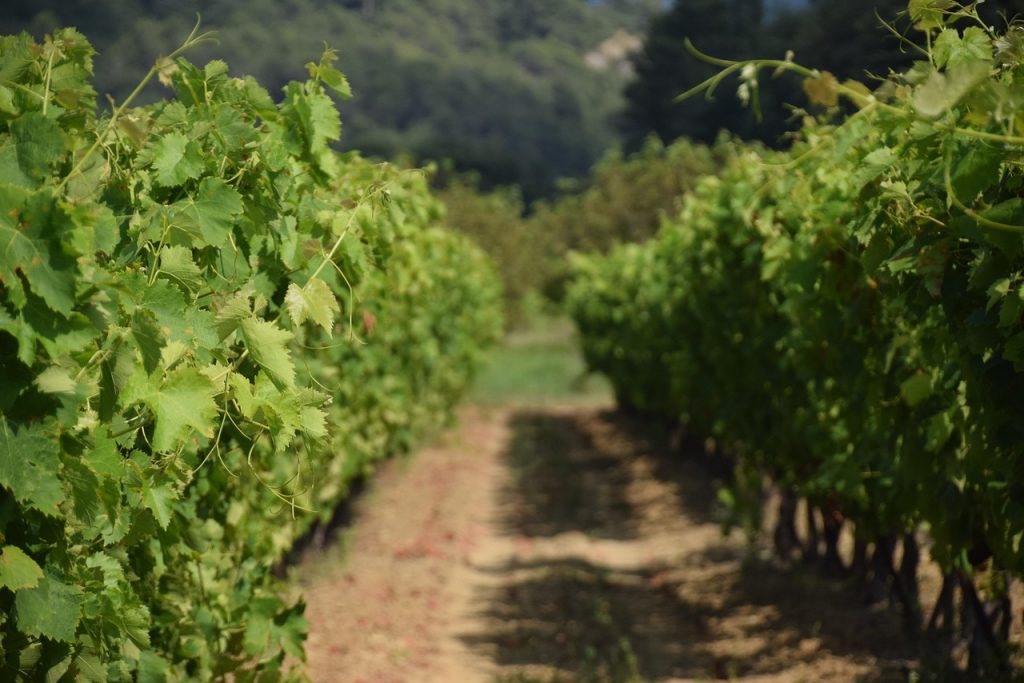
Roussillon holds a special place in my heart. Tucked away between the Pyrénées and the Mediterranean, this region produces some of the most extraordinary wines I've ever tasted. The landscape here is breathtaking – volcanic soils meet dramatic mountain slopes that plunge toward the sparkling coastline. What makes my visits here unforgettable is the focus on Vins Doux Naturels, those remarkable fortified sweet wines that you simply won't find anywhere else in France.
My Top Roussillon Winery Picks
Terres des Templiers – Banyuls-sur-Mer
This village cooperative completely blew me away on my first visit. Perched right on the seafront in Banyuls-sur-Mer, the setting alone makes the trip worthwhile. I love how they've managed to maintain their traditional production methods while creating a modern tasting experience.
What I Always Taste Here:
-
Their flagship Banyuls rouge – rich, complex, with notes of dried fruit and chocolate
-
The aged Rimage vintage selections
-
Their Collioure red wines for comparison
My Visit Experience: The tasting room offers panoramic sea views, and the staff genuinely loves sharing their passion for these unique fortified wines. I usually spend about 90 minutes here, including a quick tour of their aging cellars.
Practical Details: Tastings start at €15 for four wines. I recommend booking ahead, especially during summer months.
Domaine du Mas Blanc – The Historic Pioneer
This estate holds legendary status in Banyuls production, and visiting feels like stepping into wine history. The Parcé family has been perfecting their craft here for generations, and their dedication shows in every bottle.
What Makes This Special: I'm always amazed by their terraced vineyards that cascade down to the sea. The micro-climate here creates wines with incredible concentration and character.
Must-Try Wines:
-
The Banyuls Docteur Parcé – their premium cuvée
-
Old vintage Banyuls (some dating back decades)
-
Their dry Collioure wines
Booking Info: Private tastings available by appointment. Expect to pay €20-30 per person. Email contact@domainemasblanc.com or call ahead.
Mas Amiel – Maury's Crown Jewel
My journey to Mas Amiel in the Maury appellation always feels like discovering a hidden treasure. This estate produces both traditional fortified Maury wines and increasingly exciting dry reds that rival the best from neighboring regions.
Why I Keep Coming Back: The combination of traditional fortified wine expertise with innovative dry wine production makes every tasting here a learning experience. Their outdoor aging process for fortified wines – leaving barrels exposed to the elements – creates flavors I haven't found anywhere else.
Tasting Highlights:
-
Their vintage Maury – dark, powerful, with incredible depth
-
New-style dry reds and rosés
-
The famous “Vintage” selections aged in glass bonbonnes
Visit Details: Tastings from €12, with premium experiences up to €45. I suggest their “Discovery” tour which includes vineyard walks. Book through their website.
Planning Your Roussillon Wine Tour
I always combine my Roussillon winery visits with time in Collioure – honestly, it's one of France's most beautiful fishing villages. The colorful houses tumbling down to the harbor create the perfect backdrop for ending a wine-filled day. Plan for a full day to properly explore both the wineries and this coastal gem.
The drive between wineries is stunning, winding through terraced vineyards with the Mediterranean stretching endlessly to the horizon. I've found that spring and early fall offer the best weather for touring, though the dramatic winter light here can be absolutely magical for photography enthusiasts.
Southern Rhône wineries — Châteauneuf-du-Pape and beyond
The Crown Jewel: Châteauneuf-du-Pape
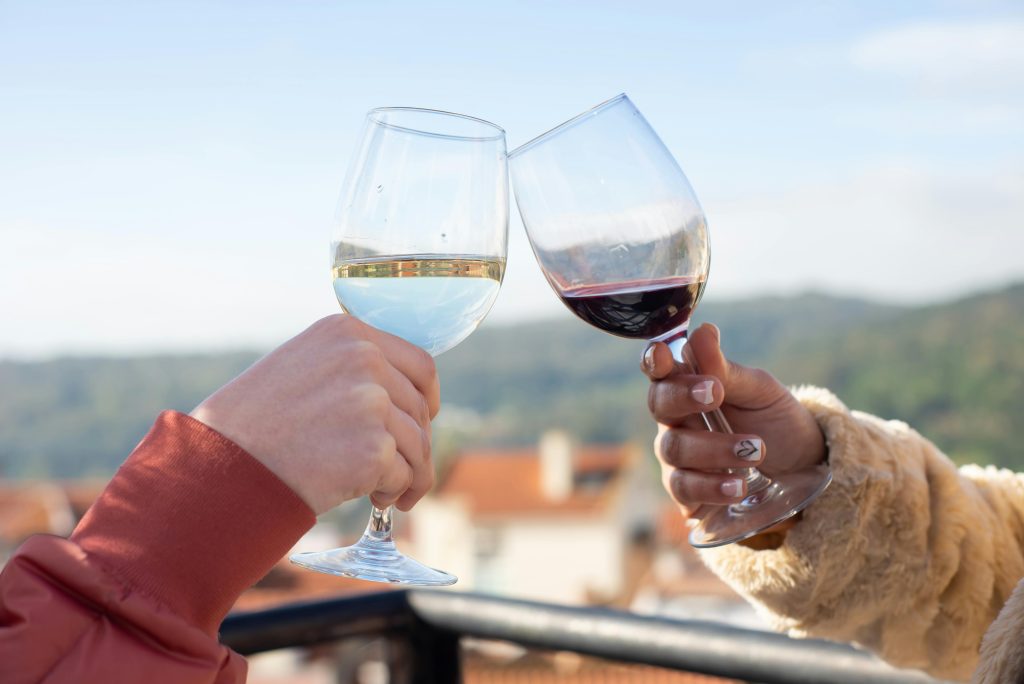
When I think about prestigious wine destinations in southern France, Châteauneuf-du-Pape immediately comes to mind as the undisputed star of the Southern Rhône. This legendary appellation stands apart with its unique blend of 13 permitted grape varieties, creating some of the most complex and age-worthy wines I've ever tasted. The iconic cobblestone vineyards and historic papal connections make every visit feel like stepping into wine history.
Château Rayas represents the holy grail for serious wine collectors. I'll be honest – securing a visit here requires persistence and luck. This legendary estate produces tiny quantities of extraordinary wine, and they're notoriously selective about visitors. My advice? Contact them months in advance and don't get discouraged by initial rejections. The experience of tasting their pure, elegant Châteauneuf-du-Pape in their modest cellar is worth every effort.
Château Beaucastel offers a more accessible yet equally impressive experience. I always recommend booking well in advance since their reputation for biodynamic winemaking and exceptional quality draws visitors from around the world. Their tour showcases their innovative techniques while their tasting room provides a comfortable setting to appreciate their remarkable reds and whites. Expect to pay premium prices, but the education and wine quality justify the investment.
For a more relaxed experience, Château Mont-Redon delivers excellent value without sacrificing quality. Their visitor facilities are welcoming, and I find their tours particularly informative for understanding traditional Rhône winemaking. The tasting fees are reasonable, and you'll often find their wines offer better value than some of the more famous names.
Hidden Gems: Gigondas and Vacqueyras
Smart wine lovers know that Gigondas and Vacqueyras deliver Châteauneuf-du-Pape quality at significantly lower prices. I've discovered some of my favorite Southern Rhône wines in these neighboring appellations.
Domaine Les Pallières in Gigondas consistently impresses me with their structured, age-worthy reds. The Brunier family's expertise shines through in every bottle, and their hospitality makes visits memorable. Booking ahead is wise, especially during harvest season, and expect to pay moderate tasting fees that are often waived with purchases.
Château des Tours in Vacqueyras offers another excellent opportunity to taste high-quality wines without the Châteauneuf-du-Pape price premium. Their rustic charm and straightforward approach to winemaking create an authentic experience that feels refreshingly unpretentious.
Planning Your Southern Rhône Wine Adventure
I recommend allocating at least two full days to properly explore this region. The proximity of these appellations makes it possible to visit multiple wineries, but don't rush – these wines deserve contemplation. Most wineries charge tasting fees ranging from €10-25, often credited toward purchases. Summer visits require early morning appointments to beat the heat, while spring and fall offer the most comfortable touring conditions.
Hidden Gem Wineries in Rhône Valley
E. Guigal's World-Class Côte-Rôtie Wines
When I first visited E. Guigal's cellars in Ampuis, I understood why wine critics call them the “King of the Northern Rhône.” The family has been crafting exceptional wines since 1946, and their approach to Côte-Rôtie is nothing short of revolutionary. What sets Guigal apart is their meticulous vineyard management across some of the steepest slopes in France – I watched workers hand-harvest grapes on inclines so dramatic that safety ropes are essential.
My tasting experience included their legendary La Landonne, La Mouline, and La Turque – three single-vineyard Côte-Rôtie wines that represent the pinnacle of Northern Rhône winemaking. Each wine tells a different story of terroir, and I could taste the distinct personality of each vineyard site. The La Mouline, with its elegant violet notes and silky tannins, particularly impressed me with its balance of power and finesse.
What I love about visiting Guigal is their educational approach. They explain how their 42-month aging process in new oak creates wines that can age for decades. The cellars themselves are a marvel – I walked through underground passages lined with thousands of barrels, each contributing to wines that consistently earn 95+ point ratings from international critics.
Domaine Jean-Louis Chave's Family Legacy Vintages
Stepping into Domaine Jean-Louis Chave feels like entering a living museum of winemaking history. This family has been making wine in Mauves for over 500 years – I'm talking about a legacy that predates the discovery of America. When Jean-Louis Chave himself guided my tasting, I felt the weight of centuries of accumulated knowledge in every word he spoke about his vineyards.
The domain's approach to Hermitage is pure artistry. I tasted their legendary Hermitage Rouge, which comes from multiple parcels across the hill, each contributing different characteristics to the final blend. What fascinated me was learning how they use no new oak whatsoever – instead relying on old barrels and foudres to let the pure expression of granite terroir shine through.
My visit included a walk through their ancient cellars, where I saw wines aging in vessels that have been used for generations. The Chave family doesn't chase trends or modern winemaking techniques. They trust in methods passed down through 16 generations, and the results speak for themselves. Their wines are among the most sought-after in the world, with some vintages selling for thousands of dollars per bottle.
The white Hermitage I tasted was equally impressive – a complex blend of Marsanne and Roussanne that showed incredible minerality and aging potential. Jean-Louis explained how these whites can evolve beautifully for 20-30 years, developing honeyed notes while maintaining their characteristic acidity.
Château de Beaucastel's Biodynamic Approach
My journey to Château de Beaucastel in Châteauneuf-du-Pape opened my eyes to how biodynamic farming can elevate wine quality to extraordinary levels. The Perrin family has been pioneers in organic and biodynamic viticulture since the 1950s, long before it became fashionable. Walking through their vineyards, I could see the difference – the soil teemed with life, and the vines looked healthier than anywhere else I'd visited.
What makes Beaucastel unique among Rhône Valley vineyards is their use of all 13 permitted grape varieties in their flagship Châteauneuf-du-Pape. During my tasting, I experienced how each variety contributes to a symphony of flavors – Grenache providing fruit and warmth, Syrah adding structure and spice, Mourvèdre bringing earthiness and longevity. The complexity was mind-blowing.
The biodynamic practices I witnessed were fascinating: they use horn manure preparations, follow lunar cycles for bottling, and maintain biodiversity throughout their property. I saw sheep grazing between vine rows, wild herbs growing as cover crops, and compost piles that smelled like rich forest floor. This holistic approach creates wines with incredible depth and a sense of place that's unmistakable.
My wine tasting experience included their rare Hommage à Jacques Perrin, made only in exceptional vintages from old Mourvèdre vines. The wine showed such concentration and elegance that I understood why collectors pay premium prices for Beaucastel wines. Their commitment to quality and environmental stewardship makes them a must-visit destination for anyone serious about understanding great French winemaking.
Guided wine tours vs self-driving in south France
Why I Love Self-Driving Through South France Wine Country
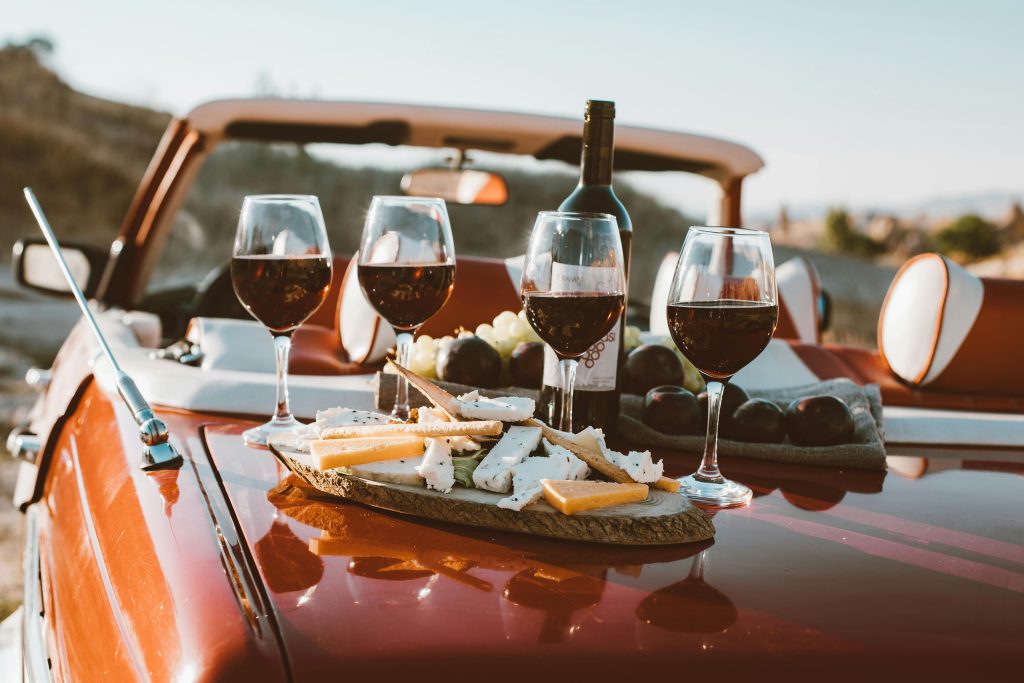
After years of exploring wine regions south France, I've discovered that self-driving gives me the ultimate freedom to create my perfect wine tasting south France adventure. The roads connecting wine villages are genuinely spectacular—well-marked, beautifully maintained, and surprisingly quiet once you escape the major cities. I can spend as much time as I want at each winery, make spontaneous stops when I spot an intriguing château, and truly immerse myself in the rural landscapes that make these regions so magical.
My favorite self-drive experiences include the Corbières winery visit circuit, which winds through some of the most dramatic terrain in Languedoc wine tour territory. The signposted route takes me past ancient castles perched on rocky outcrops while connecting exceptional family-owned wineries. The Roussillon coastal drive from Collioure to Banyuls to Cerbère ranks among France's most scenic routes—I get Mediterranean views on one side and terraced vineyards climbing hillsides on the other.
For Provence wineries to visit, I love the Luberon loop starting from Avignon, which easily combines with a Châteauneuf-du-Pape exploration in a single day. The villages are close together, parking is rarely an issue, and the countryside driving between tastings becomes part of the entire experience.
When Guided Tours Make Perfect Sense
I've had excellent experiences with wine tour south of France operators like Montpellier Wine Tours, Taste du Languedoc, Winedering and Avignon Wine Tour. These companies know the winemakers personally, often securing access to private cellars and special cuvées that I might not discover on my own. The guides provide cultural context and technical insights that enrich every tasting.
For wine tasting Montpellier day trips, guided tours typically cost €80–150 per person, including transportation, multiple tastings, and lunch. When I factor in fuel, parking fees, and the convenience of having an expert driver who knows exactly where to go, the value becomes quite reasonable.
Making Your Choice
My recommendation depends on your comfort level and goals. Choose self-driving if you want maximum flexibility, enjoy scenic routes, and feel confident navigating French countryside. Opt for guided tours if you prefer structured experiences, want local expertise, or plan to focus heavily on tasting without driving concerns.
Best time to visit south France for wine tourism
Spring Season: The Perfect Balance (May-June)
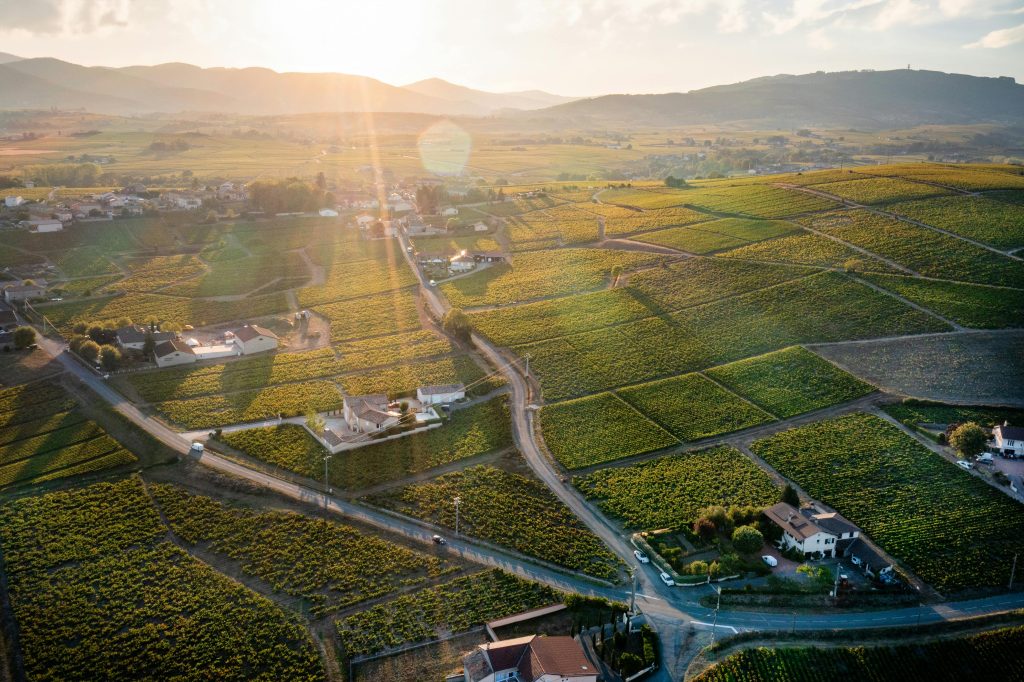
I've found that late spring offers the most magical experience for wine tourism in south France. The vineyards transform into a sea of vibrant green as new leaves unfold, creating picture-perfect backdrops for your wine tasting adventures. During May and June, temperatures hover comfortably between 65-75°F, making it ideal for spending entire days exploring the best wineries in South France without the exhausting heat of summer.
What I love most about visiting during this period is the relaxed atmosphere. Tourist crowds haven't peaked yet, so I can enjoy more intimate conversations with winemakers and receive personalized attention during tastings. Most Provence wineries and Languedoc wine tours operate without requiring appointments, giving me the freedom to explore spontaneously. The weather is perfect for combining wine visits with leisurely drives through the countryside, stopping at hidden gems along the way.
Summer Adventures: Early Birds Get the Wine (July-August)
Summer brings intense heat to the Mediterranean coast, but I've learned to make it work perfectly for wine tourism. My strategy? Start early and beat the heat. I begin my winery visits at 9 AM when temperatures are still pleasant and the light creates stunning golden hues across the vineyards.
During these months, I focus on coastal wineries with stunning Mediterranean views, where sea breezes provide natural cooling. Many Roussillon wine tours and Châteaux Languedoc-Roussillon visits offer air-conditioned tasting rooms, making summer visits comfortable. The bonus? I can spend afternoons on beautiful beaches after morning wine tastings, creating the perfect wine holiday in south France.
Harvest Magic: The Most Exciting Time (September-October)
September through October represents my absolute favorite time for wine tourism in southern France. This is harvest season – vendemmia – when vineyards buzz with activity and excitement. I've witnessed grape picking at dawn, participated in harvest festivals, and tasted wine straight from the fermentation tanks.
Many wineries open their doors for special harvest events, offering unique behind-the-scenes experiences you won't find during other seasons. The Languedoc wine tour experiences during harvest are particularly spectacular, with many estates offering hands-on picking opportunities. The weather remains warm but more comfortable than summer, and the countryside takes on golden autumn colors that make every vineyard visit feel like a postcard.
Winter Tranquility: Intimate Discoveries (November-April)
While many consider winter the off-season, I find it offers some of my most memorable wine tasting experiences in France. The crowds disappear completely, creating an intimate atmosphere perfect for deep conversations with passionate winemakers. Many smaller estates reduce their hours, but major wineries remain open and often provide more detailed, unhurried tastings.
This period works beautifully for wine enthusiasts seeking authentic connections with the wine-making process. I've enjoyed private barrel tastings, learned about aging techniques, and discovered hidden gems in the Picpoul de Pinet wine region without any distractions. The cooler weather makes it ideal for exploring inland areas and focusing purely on the wine rather than combining with beach activities.
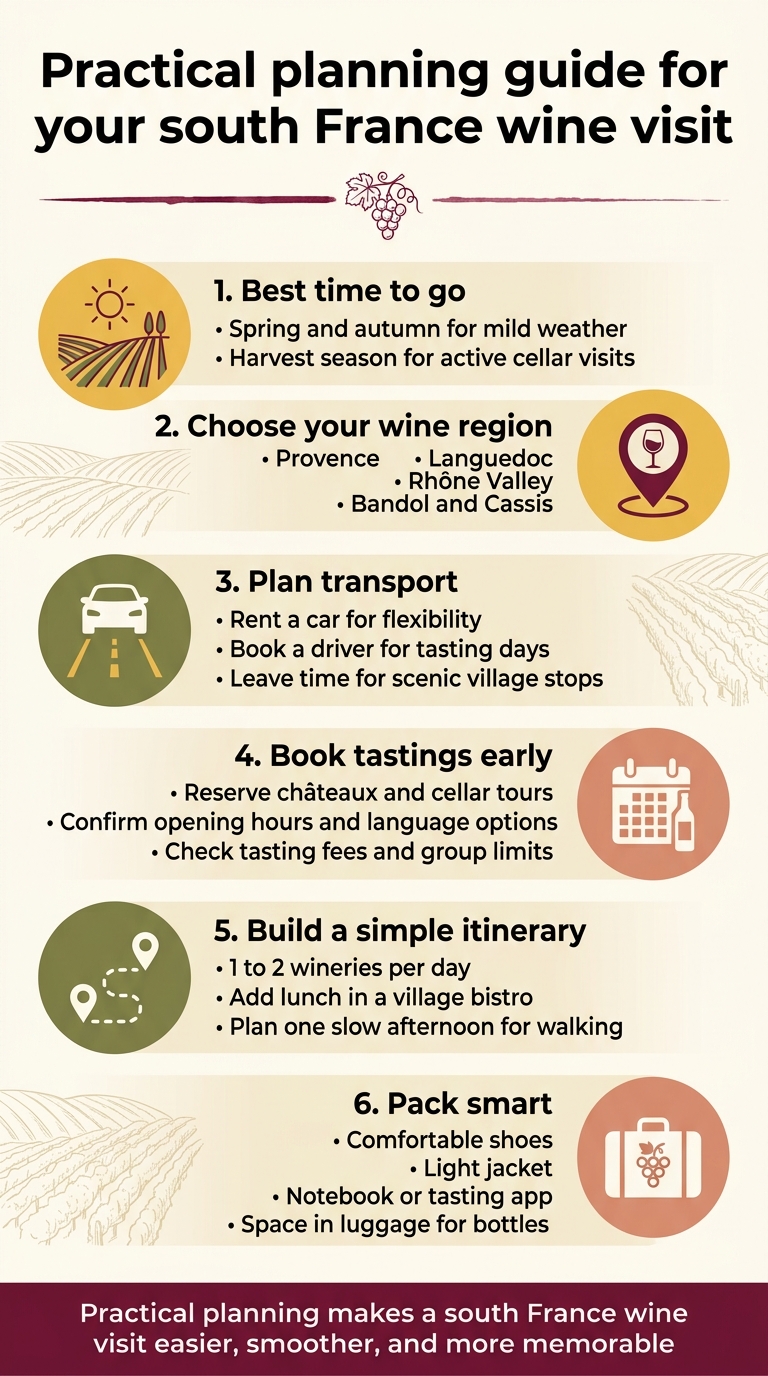
Practical planning guide for your south France wine visit
Getting to Your Wine Adventure Base
I've found that choosing the right airport can make or break your south France wine holiday. For exploring Languedoc wineries, I always fly into Montpellier – it's perfectly positioned for reaching those hidden Corbières estates and Picpoul de Pinet wine regions within an hour's drive. When I'm planning a Provence wine tour, Marseille gives me the best access, though Aix-en-Provence works beautifully too if you prefer a smaller, more charming base.
If Roussillon wine tours are on my agenda, Perpignan is my go-to airport. The connections from both the UK and USA are solid, and you'll be sipping fortified wines in the foothills of the Pyrenees before you know it. For Rhône Valley adventures, especially around Châteauneuf-du-Pape, I head straight to Avignon – the TGV connections are fantastic if you're coming from Paris.
Transportation: Why I Never Skip the Rental Car
I've learned the hard way that serious wine tasting in south France demands wheels. While you can manage day trips from major cities using tours, the real gems – those family-run estates tucked away in the Corbières hills or coastal vineyards near the Mediterranean – require your own transport. I book my rental car in advance, especially during harvest season when availability gets tight.
Smart Booking Strategies
My approach to winery visits varies dramatically by region. In Languedoc, I love the spontaneous feel – most estates welcome walk-ins, and I've discovered some of my favorite wines by simply following signs down dusty vineyard roads. However, I always book ahead for the celebrity estates like Gérard Bertrand properties or prestigious spots like Château Beaucastel in the southern Rhône. These places fill up quickly, especially during peak season.
Budget Planning for Wine Tasting Experiences
I budget differently across regions based on my experience. Languedoc wine tours typically run me €5-20 per person for tastings – incredible value for the quality you get. When I'm visiting Provence wineries, I set aside €15-30 per tasting, while Châteauneuf-du-Pape experiences command €20-40. The higher prices in prestigious regions reflect the quality and reputation, but I've found exceptional value even at the top end.
Getting Your Wine Home
I've tried various shipping methods, and most major estates offer reliable international shipping services. For my friends in the USA, I often recommend checking wine.com or working with specialist importers who source directly from these south France wine regions – sometimes it's more cost-effective than shipping individual cases.
Food Pairing: The Secret Weapon
The local cuisine is where my wine tasting experiences really come alive. I seek out grilled fish along the Mediterranean coast, pair Roquefort with robust Languedoc reds, and never miss bouillabaisse in Marseille. The natural harmony between local wines and regional dishes creates those unforgettable moments that make south France wine holidays so special.
Conclusion
I've shared my favorite wine spots across south France's most incredible regions, from the prestigious estates of Châteauneuf-du-Pape to the coastal gems of Languedoc. Each area offers something unique – whether you're sipping Côtes de Provence rosé with Mediterranean views or discovering the bold reds of Roussillon's hidden valleys. What strikes me most about wine touring here is how accessible these world-class wineries are, yet they remain refreshingly authentic and unpretentious compared to other famous wine regions.
My advice is simple: start planning your south France wine adventure now, especially if you can visit during the golden months of late spring or early fall. Don't feel pressured to stick to just one region – rent a car and explore multiple areas to truly appreciate the diversity this corner of France offers. Pack comfortable shoes, bring a designated driver or book a guided tour, and most importantly, keep an open mind about trying wines you've never heard of. Trust me, you'll return home with new favorites and memories that will last a lifetime.
From South France to the Full World of Wine Travel
Southern France is one of wine travel's greatest rewards — and once you've experienced it, every other wine region becomes more interesting to explore. Our wine travel hub covers wine destinations across Europe and beyond, with the same practical focus on planning, visiting, and getting the most from every winery trip. If the Châteauneuf-du-Pape and Rhône Valley visits in this guide sparked deeper curiosity about Grenache, Syrah, and Mourvèdre, our Syrah vs Shiraz guide explains exactly what makes these Southern Rhône grapes so distinctive. And if Tuscany has also been calling you, our wine tasting holidays in Tuscany guide covers another great European wine destination with the same depth and practical planning advice. À votre santé — and bon voyage. 🍷🇫🇷