
Syrah vs Shiraz: What's the Difference?

Syrah vs Shiraz: What's the Difference?
I get this question all the time from fellow wine lovers: “Is Syrah the same as Shiraz?” The short answer is yes — they're the exact same grape. But here's where it gets interesting: these wines can taste completely different depending on where they're made and how the winemaker approaches them.
If you're a wine enthusiast who's confused about why your French Syrah tastes nothing like your Australian Shiraz, or you're just starting to explore red wines and want to understand what you're drinking, I'm here to clear things up. I'll walk you through the fascinating history behind these two names, break down the distinct taste profiles of Old World Syrah versus New World Shiraz, and show you which foods pair best with each style. By the end, you'll know exactly what to expect when you see either name on a bottle.

Yes, they're the same grape — so why do they taste so different?
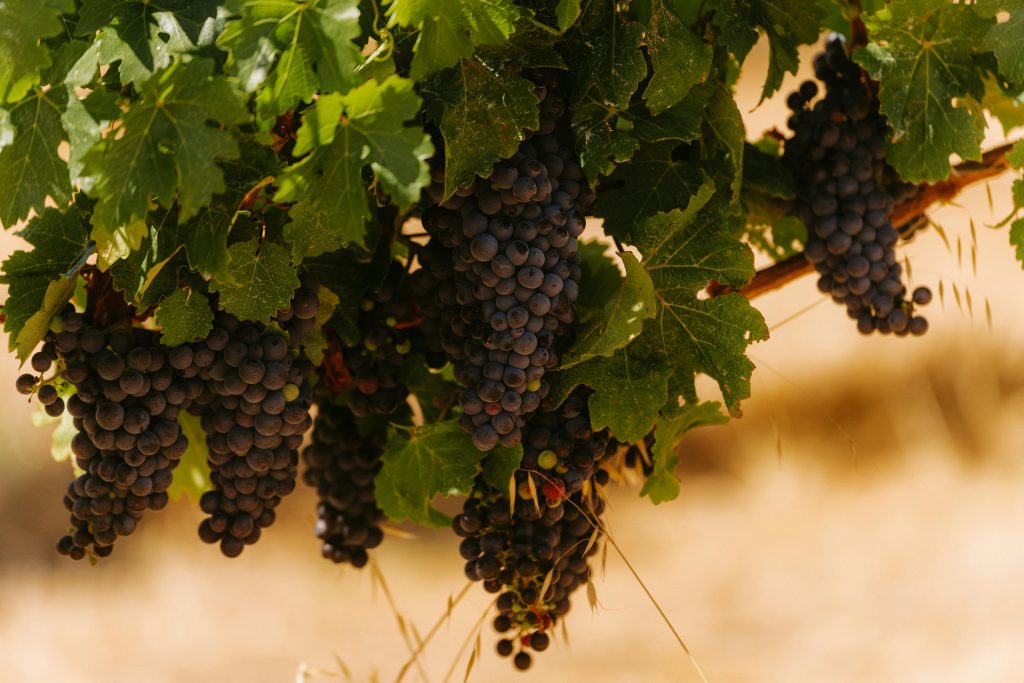
But here's where things get fascinating. Even though we're talking about the exact same grape, these wines can taste so dramatically different that you'd swear they come from completely different varieties. I've tasted French Syrahs that are elegant, peppery, and restrained alongside Australian Shiraz that's bold, jammy, and powerful—and honestly, if someone told me they were different grapes, I might believe them.
The Climate Factor Makes All the Difference
The transformation happens because of where and how these grapes grow. Climate plays a huge role in shaping flavor. In France's Northern Rhône, where Syrah originated, the climate is cooler and more moderate. The grapes ripen slowly, developing complex flavors while maintaining bright acidity and moderate alcohol levels.
Meanwhile, in Australia's warm regions like Barossa Valley, the same grape ripens under intense heat and sunshine. This creates wines with higher sugar levels, more concentrated fruit flavors, and often higher alcohol content. The difference between Syrah and Shiraz taste really comes down to this fundamental climate distinction.
Winemaking Philosophy Shapes the Final Product
Beyond climate, I've noticed that winemaking traditions vary dramatically between Old World and New World approaches. French Syrah producers often embrace restraint—they want to express the vineyard's character and maintain elegance. They might use older oak barrels or concrete tanks to preserve the grape's natural characteristics.
Australian Shiraz makers, on the other hand, often aim for bold, expressive wines that showcase ripe fruit flavors. They might use newer American oak, which adds vanilla and spice notes, or employ techniques that concentrate flavors even further. These different philosophies mean that even if you could grow the same grape in identical conditions, the wines would still taste different based on how they're made.
Where the names come from — a brief history
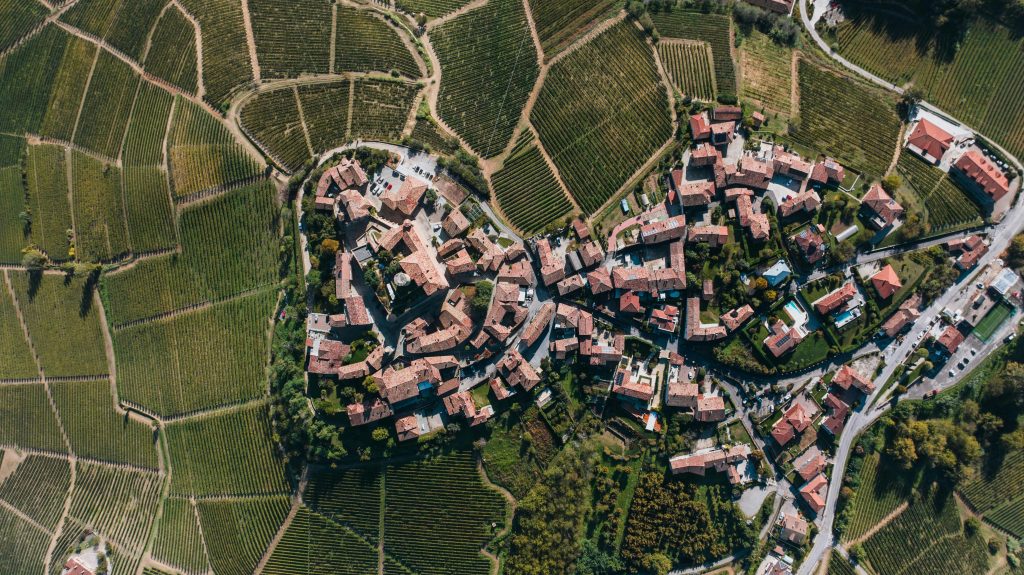
The French Origins of Syrah
I've always found it fascinating that Syrah vs Shiraz isn't really about two different grapes at all—it's about geography and winemaking philosophy. Syrah has its roots firmly planted in France's northern Rhône Valley, where it's been growing for centuries. The legendary appellations of Hermitage and Côte-Rôtie set the gold standard for what Syrah wine should taste like. These regions taught me that true Syrah expresses the essence of its terroir—the granite soils, the steep hillsides, and that particular French approach to winemaking that emphasizes restraint and elegance.
When I taste wines from Hermitage, I'm experiencing what Syrah was meant to be in its original form. The French Syrahfrom these benchmark regions shows me why this grape became so revered. It's structured, complex, and speaks of place rather than just varietal character. This Old World wine style became the template that would later influence how winemakers around the world approached this remarkable grape.
How Australia Gave Us Shiraz
The story gets really interesting when I follow Syrah's journey to Australia in the 19th century. Australian producers decided to call their version Shiraz, and this wasn't just a random name change—it represented a completely different winemaking philosophy. While some people think the name comes from the Iranian city of Shiraz, that's actually just a romantic myth with no historical basis.
What I love about the Australian approach is how they embraced the grape's potential for boldness and power. Australian Shiraz became something distinctly different from its French cousin, showing me that the same grape can express itself in radically different ways depending on climate, soil, and winemaking techniques. This New World wine style prioritized fruit intensity and approachability over the more austere French model, creating a completely new category that wine lovers either embrace wholeheartedly or find too bold for their taste.
The name Shiraz stuck because it captured something essential about the Australian wine identity—confident, bold, and unafraid to be different from European traditions.
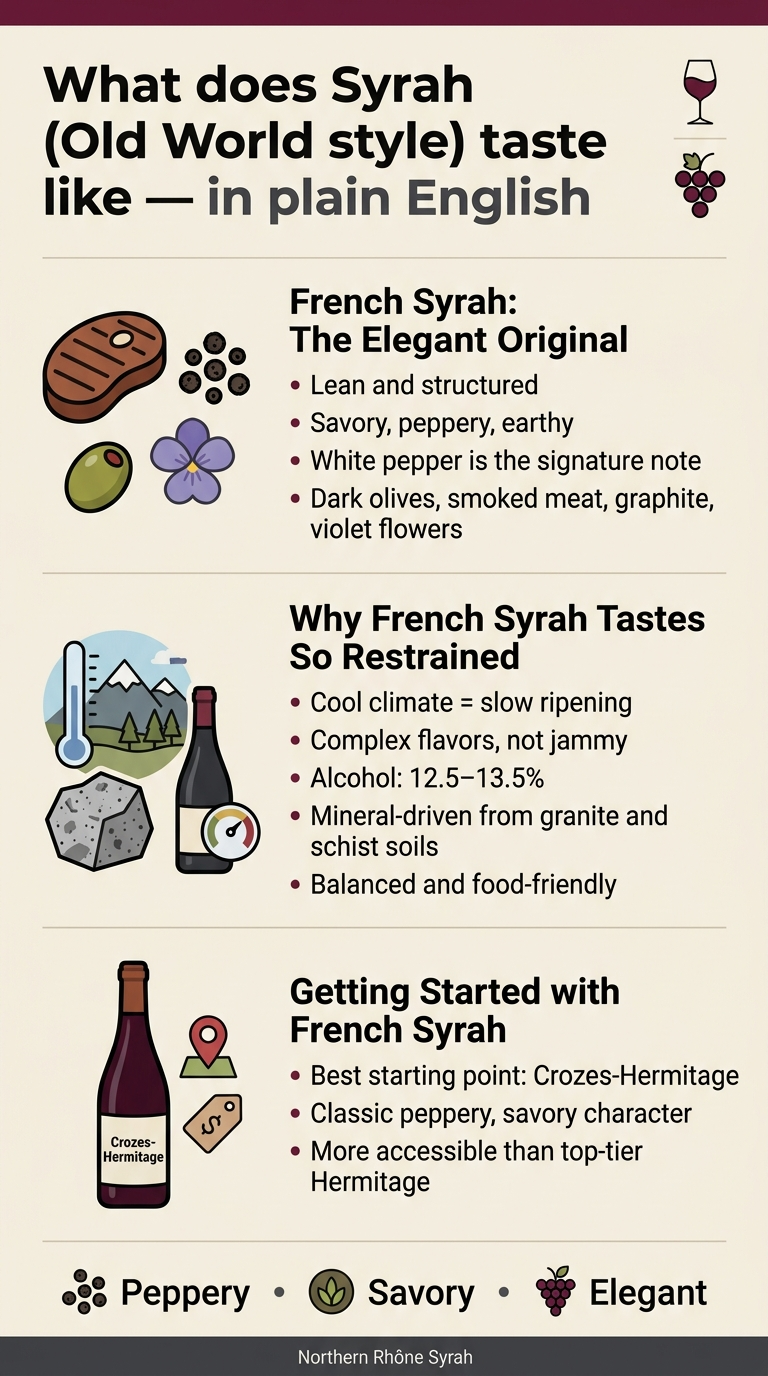
What does Syrah (Old World style) taste like — in plain English
French Syrah: The Elegant Original
When I taste French Syrah wine, particularly from the Northern Rhône, I'm struck by how different it feels compared to its Australian cousin. This Old World style has a lean, structured personality that reminds me of a perfectly seasoned grilled steak — savory, structured, peppery, with something earthy underneath.
The hallmark of French Syrah is that distinctive white pepper note. I can't think of another grape variety that delivers this specific spice character so consistently. It's like someone ground fresh peppercorns right into the wine, but in the most elegant way possible. Beyond the pepper, I pick up notes of dark olives, smoked meat, graphite, and delicate violet flowers.
Why French Syrah Tastes So Restrained
The cooler French climate plays a huge role in creating this restrained, elegant style. When Syrah grapes ripen slowly in places like Hermitage or Crozes-Hermitage, they develop complex flavors without becoming overly ripe or jammy. The alcohol levels typically hover around 12.5-13.5%, which keeps everything balanced and food-friendly.
I love how French Syrah tastes more mineral-driven than fruit-forward. There's an earthiness that speaks to the granite and schist soils of the Northern Rhône. It's wine that makes you think rather than just enjoy — though I definitely do both.
Getting Started with French Syrah
If you're curious about what French Syrah tastes like, I recommend starting with a Crozes-Hermitage. It's the most accessible entry point into Northern Rhône Syrah, offering that classic peppery, savory character without the hefty price tag of top-tier Hermitage wines.
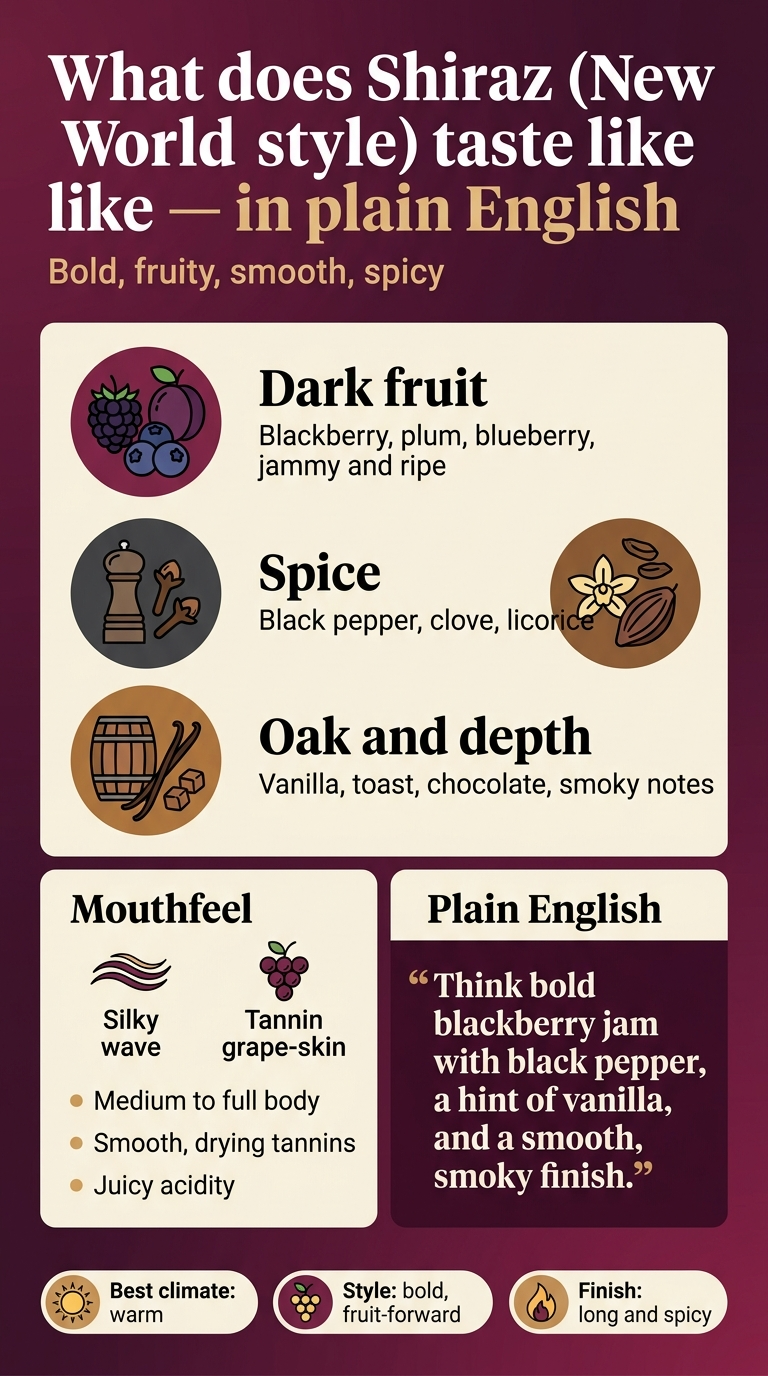
What does Shiraz (New World style) taste like — in plain English
Shiraz taste profile: bold and generous
When I taste Australian Shiraz, the first thing that hits me is pure boldness. This isn't a wine that whispers—it announces itself with confidence. Think of dark berry jam stirred with dark chocolate and a whisper of eucalyptus. It's bold, lush, generous, and immediately satisfying.
The fruit flavors in Shiraz come on strong and sweet. I get rich blackberry and plum jam notes that feel almost syrupy compared to their French cousins. These aren't just ripe berries—they're sun-soaked, concentrated fruit that's been kissed by intense Australian sunshine. Dark chocolate weaves through the palate, adding depth and richness that makes each sip feel indulgent.
What makes Australian Shiraz truly distinctive is that eucalyptus note. It's subtle but unmistakable—a fresh, almost medicinal quality that reminds you exactly where this wine comes from. Some people describe it as minty, others as herbal, but I think of it as Australia's signature on every bottle.
Why Australian conditions create this richer style
Australia's warmer climate plays a huge role in what does Shiraz taste like. While French Syrah grows in cooler conditions that preserve acidity and create more restrained flavors, Australian vineyards bask in intense heat and sunshine. This extended ripening period concentrates the sugars in the grapes, leading to those jammy, fruit-forward characteristics I love about Shiraz.
The warmer conditions also mean higher alcohol levels—typically 14-15% or even higher. You can feel this warmth and richness on your palate. It's not just about the alcohol content though; it's about how that extra ripeness translates into a fuller, more generous wine experience.
Oak aging adds vanilla and spice
Most Australian Shiraz spends time in oak barrels, and I can always taste it. The vanilla notes are prominent but not overwhelming—they blend beautifully with those dark fruit flavors. Sometimes I pick up hints of coconut, coffee, or sweet spices that come from the oak aging process.
The Barossa Valley standard
When I want to experience classic Australian Shiraz, I reach for a Barossa Valley bottle. This region produces some of the most iconic expressions of what Shiraz wine should taste like—powerful, fruit-driven, and unmistakably Australian. Barossa Shiraz represents everything I've described: that perfect balance of intense fruit, chocolate richness, eucalyptus character, and oak integration that defines the New World style.
Is Shiraz stronger than Syrah?
Alcohol Content Differences
Yes, Shiraz is typically stronger than Syrah. When I taste Australian Shiraz alongside French Syrah, the alcohol difference is immediately noticeable. Australian Shiraz regularly reaches 14.5–15.5% ABV, while French Syrah usually sits between 12.5–13.5%. That might not sound like much on paper, but it makes a world of difference in your glass.
Why the Alcohol Gap Exists
The warmer Australian climate produces riper grapes with higher sugar content, and when those sugars ferment, they create more alcohol. I've noticed that grapes in regions like the Barossa Valley and McLaren Vale get so ripe that winemakers sometimes struggle to keep alcohol levels down. French Syrah from the Northern Rhône, on the other hand, comes from a cooler climate where grapes ripen more slowly and maintain lower sugar levels.
Practical Drinking Implications
Here's what this means for your wine night: if you want to enjoy more than one glass without feeling the effects quickly, Old World Syrah is definitely the lighter choice. I can comfortably have two glasses of 13% French Syrah, but that same amount of 15% Australian Shiraz hits differently.
How Alcohol Affects Taste and Mouthfeel
The alcohol difference also dramatically changes how the wine feels in your mouth. Higher alcohol creates more body and warmth, giving Australian Shiraz that rich, almost syrupy texture I love. Lower alcohol French Syrah feels more elegant and restrained, with a lighter mouthfeel that lets the fruit and earthy flavors shine without the alcohol heat overpowering them.
This alcohol variation is one of the key reasons why Syrah vs Shiraz can taste like completely different wines, even though they're the same grape variety.
Other regions making excellent Syrah and Shiraz worth knowing
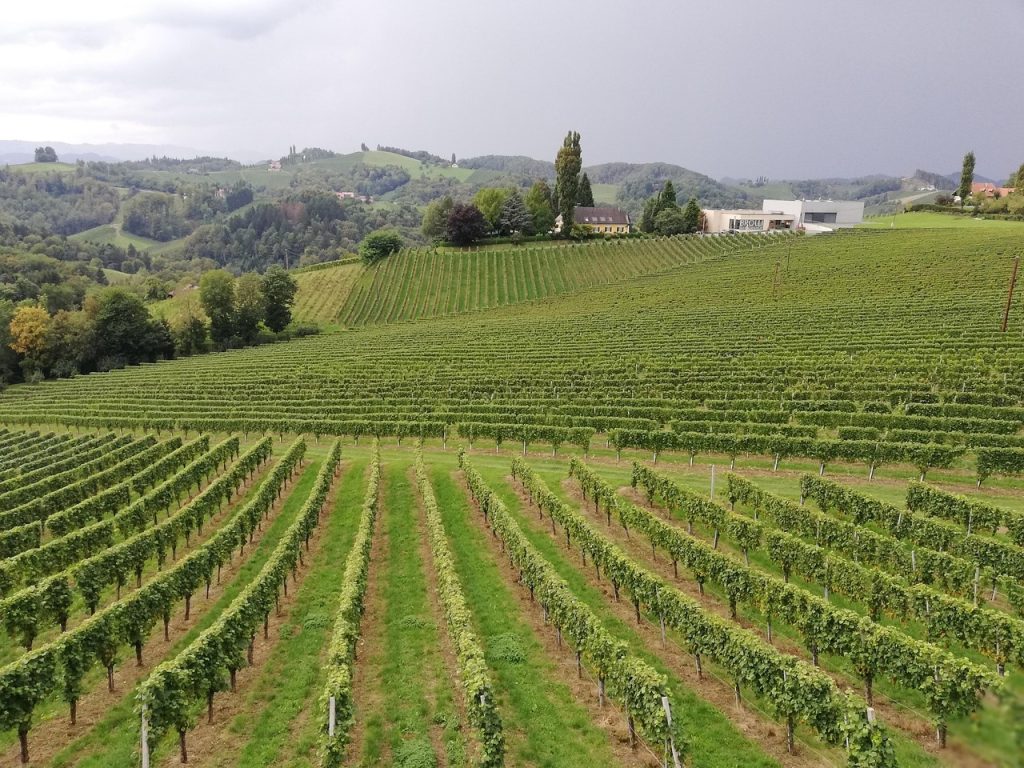
Washington State: Cool-Climate Excellence
I've been consistently impressed by Washington State's approach to Syrah. The Columbia Valley and Walla Walla regions produce wines that lean heavily toward the French style, thanks to their cooler climate and longer growing seasons. These Syrah wines show remarkable restraint and elegance, with pronounced black pepper notes and a mineral backbone that rivals many Northern Rhône bottles I've tasted.
What makes Washington Syrah special is how the producers embrace the cooler climate rather than fight it. The wines develop complex savory characteristics – think smoked meat, cracked black pepper, and dried herbs – while maintaining bright acidity that keeps everything fresh and food-friendly.
South Africa's Swartland: A Rising Star
The Swartland region has become my go-to recommendation when people ask about exciting new Syrah regions. What's fascinating here is how South African producers use the name itself as a stylistic signal. When I see “Syrah” on a South African label, I expect lean, elegant wines with mineral complexity. When it says “Shiraz,” I'm prepared for something bolder and more fruit-forward.
These Swartland Syrah producers are crafting some of the world's most compelling bottles, often using old bush vines and minimal intervention winemaking. The result is wines with incredible concentration and unique character that reflects the region's granite soils and Mediterranean climate.
Argentina's Hidden Gems
I've discovered some remarkable Syrah from Argentina's San Juan and Mendoza regions. These high-altitude vineyards produce wines that bridge Old World and New World styles beautifully. The intense sunlight and cool nights create wines with concentrated fruit flavors balanced by refreshing acidity and structured tannins.
California's Paso Robles
Paso Robles continues to surprise me with its Syrah quality. The region's diverse microclimates allow winemakers to craft everything from Rhône-style blends to powerful single-varietal expressions that showcase California's signature sunshine and warmth.
Food pairings: what each style works best with
Syrah Food Pairing: Where Old World Elegance Shines
When I'm pairing Syrah wine with food, I think of it as matching elegance with elegance. The Old World style Syrah from regions like the Northern Rhône brings that beautiful peppery, herbal character that dances perfectly with refined dishes.
My go-to pairing remains the classic: lamb and Syrah. There's something magical about how the wine's black pepper notes complement herb-crusted lamb. I also love pairing it with:
-
Wild mushroom risottos or pasta dishes
-
Venison with juniper or rosemary
-
Aged hard cheeses like Comté or aged Gouda
-
Mediterranean dishes featuring olives, herbs, and earthy flavors
The Syrah taste profile really shines with foods that have subtle complexity rather than bold, in-your-face flavors. I find that dishes with thyme, rosemary, or black pepper bring out the wine's natural spice.
Shiraz Food Pairing: Bold Wines for Bold Flavors
Shiraz wine from Australia or other New World regions plays by different rules. This is where I break out the big guns – literally and figuratively. The bold fruit and oak structure can handle much more aggressive flavors.
My favorite Shiraz food pairing combinations include:
-
BBQ ribs with smoky sauce
-
Grilled beef steaks with char marks
-
Spicy lamb burgers with bold seasonings
-
Slow-cooked beef stews with rich gravies
-
Anything coming off the grill with caramelized edges
The difference between Syrah and Shiraz becomes crystal clear when you're choosing what to eat with them. Where Syrah whispers, Shiraz shouts – and your food should match that energy.
My Golden Rule for Pairing Success
Here's the rule I swear by: lean Syrah with lean, savory food; bold Shiraz with bold, rich food. This simple guideline has never steered me wrong. If your dish has delicate herbs and subtle flavors, reach for Old World Syrah. If you're firing up the grill or making something with serious spice and richness, Shiraz is your friend.
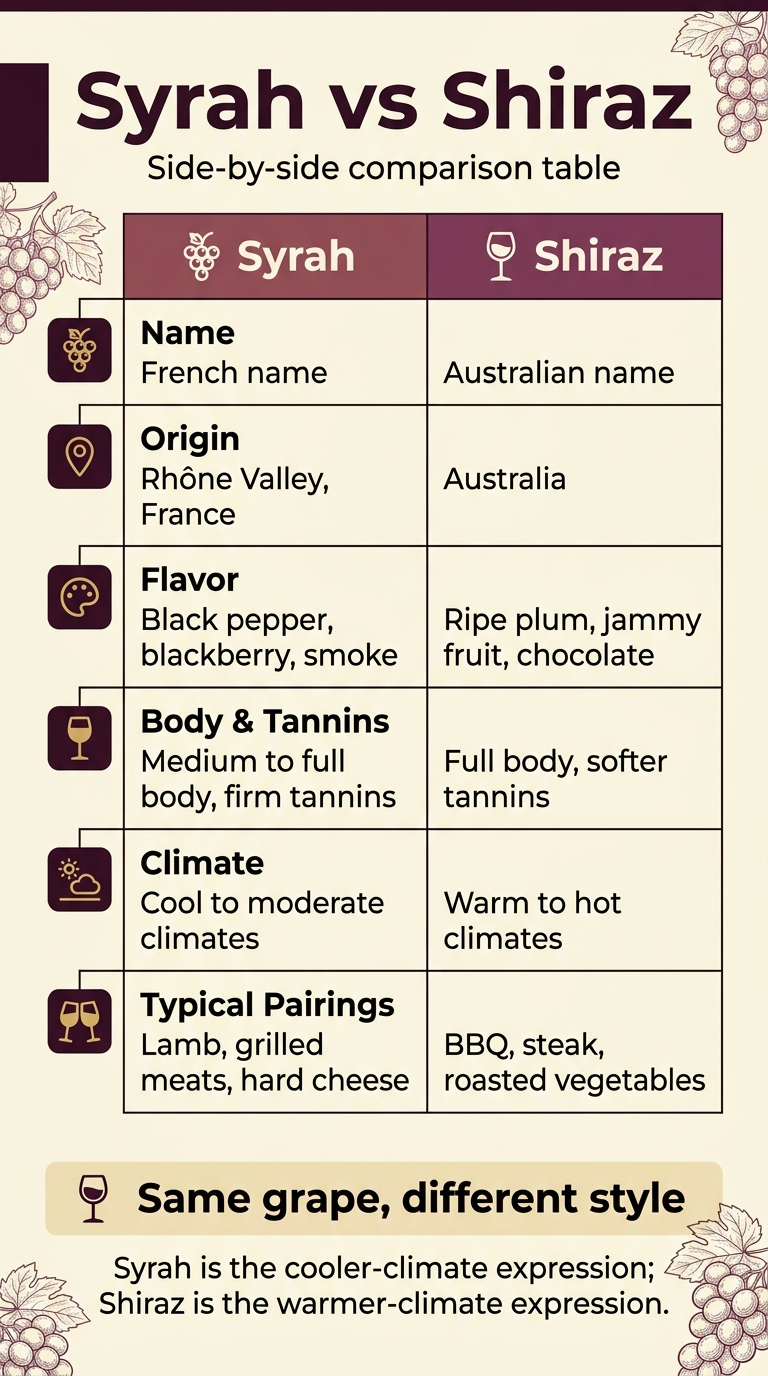
Syrah vs Shiraz: side-by-side comparison table
I've created this side-by-side comparison to make your next wine choice crystal clear. This table breaks down the key differences between Syrah and Shiraz in the most scannable format possible.
| Wine Name | Main Region | Flavor Profile | Tannin Level | Alcohol Level | Best Food Match |
|---|---|---|---|---|---|
| Syrah | Northern Rhône | Pepper, olive, smoky | High | Medium-High | Grilled lamb |
| Shiraz | Australia | Jammy, sweet, bold | Medium-High | High | BBQ ribs |
Same grape, two completely different drinking experiences — now you know exactly how to choose.

Why This Comparison Matters
I designed this table specifically to answer the most common questions I get about Syrah vs Shiraz. When you're standing in the wine aisle wondering which bottle to grab, these six factors tell you everything you need to know.
The flavor profiles really capture the essence of each style. My French Syrah friends always emphasize those earthy, peppery notes that make your mouth water before you even taste the wine. Meanwhile, Australian Shiraz delivers that fruit-forward punch that hits differently — like comparing a sophisticated jazz performance to an upbeat rock concert.
Notice how both wines pack serious tannins, but I've found Syrah tends to grip your palate more intensely. That's why I always recommend having some protein ready when opening either bottle. The alcohol levels also tell an important story — Australian Shiraz typically pushes higher because of those sun-drenched vineyards that concentrate the sugars.
I use this comparison constantly when helping people navigate their wine choices. Whether you're planning a dinner party or just want to understand what you're drinking, these distinctions make all the difference between a good wine experience and a great one.
I hope this clears up the mystery of Syrah versus Shiraz for you. At the end of the day, we're talking about the same grape that expresses itself differently based on where it grows and how it's made. The earthy, peppery elegance of French Syrah tells one story, while the bold, fruity punch of Australian Shiraz tells another. Both have their place at my dinner table.
Next time you're at the wine shop, don't get caught up in the name game. Think about what you're craving instead. Want something sophisticated for your lamb dinner? Grab a Northern Rhône Syrah. Planning a barbecue with friends? That jammy Barossa Valley Shiraz will be perfect. The beauty lies in having two distinct personalities from one incredible grape variety.
From Syrah and Shiraz to the Full World of Red Wine
Understanding the Syrah/Shiraz divide gives you a brilliant lens for understanding how climate and winemaking philosophy shape every red wine you'll ever encounter. Our wine regions of the world guide covers the Northern Rhône, Barossa Valley, Washington State, Swartland, and Mendoza in depth — the exact regions behind every style discussed here — so you can shop with genuine confidence. If the tasting vocabulary in this post — pepper, jammy, mouthfeel, tannins, body — felt unfamiliar, our 36 wine tasting terms guide explains every one in plain language. And now that you know when to reach for Syrah versus Shiraz, our wine and lamb pairing guide and wine and steak pairing guide go deeper on pairing these styles with the specific meats they complement best. Same grape, two incredible stories — enjoy exploring both. 🍷