
Burgundy Wine Tour for Beginners
Planning your first Burgundy wine tour doesn't have to feel overwhelming. This guide is for wine newcomers who want to explore France's most celebrated wine region without getting lost in intimidation or confusion.
You'll discover why Burgundy actually makes the perfect starting point for your wine journey, not the complex maze many people imagine. We'll break down Burgundy's five main wine regions in simple terms, so you can navigate from Chablis to Côte d'Or with confidence. You'll also learn the essential Burgundy wine classification system explained in plain English – no sommelier degree required.
We'll show you the best base for your Burgundy wine tour (spoiler: it's Beaune), recommend beginner-friendly domaines that welcome newcomers, and help you choose between guided wine tours Burgundy offers or exploring on your own. Plus, you'll get practical Burgundy wine itinerary options for 1, 2, and 3-day trips that won't leave you feeling rushed or missing the highlights.
Affiliate Disclosure: Some links on Fine Wine World are affiliate links, meaning we may earn a paid commission if you click through and make a purchase — at no extra cost to you. Affiliate programs use cookies to track commissions, which may collect personal data. You can read more about how we handle your data in our Privacy Policy and Affiliate Disclosure. We only recommend products we genuinely trust.
Why Burgundy is the perfect wine region for beginners — not the most intimidating
The Burgundy Myth Busted
You've probably heard that Burgundy is the most complex wine region in the world – a maze of confusing classifications that only sommeliers can navigate. Here's the truth: that reputation is massively overblown, especially for visitors exploring Burgundy wine tour for beginners.
The reality is refreshingly simple. Burgundy produces wine from just two grape varieties across its entire region – Pinot Noir for reds and Chardonnay for whites. That's it. No need to memorize dozens of grape varieties like in other regions. Every bottle you taste during your Burgundy wine tour comes from one of these two grapes, making it incredibly easy to understand what you're drinking.
Why Two Grapes Make Everything Easier
This simplicity becomes your greatest advantage when wine tasting Burgundy. Instead of getting overwhelmed by different grape varieties, you focus on how the same grape expresses itself differently across various vineyards. A Chardonnay from Chablis tastes completely different from one in Meursault, even though it's the exact same grape variety.
This creates the perfect learning environment for beginners. You're essentially taking a masterclass in terroir – how soil, climate, and location shape wine flavor. It's the most fascinating concept in wine and the one that converts casual drinkers into genuine enthusiasts.
The Welcome Mat is Out
Your concerns about language barriers are unfounded too. Most wineries in popular wine villages speak English and actively welcome international visitors. The tourism infrastructure in places like Beaune specifically caters to English-speaking travelers, making your beginner wine tasting Burgundy experience smooth and enjoyable.
Beyond the Price Tag Fears
Yes, Burgundy can be expensive at the top level, but you don't need to break the bank to enjoy incredible wines during your visit. Many excellent domaines offer tastings at reasonable prices, and you'll discover outstanding wines that never make it to international markets. Your Burgundy wine regions guide experience will reveal quality at every price point, not just the celebrity bottles that grab headlines.
Burgundy's wine regions explained simply — the five sub-regions
Chablis: The Northern Gem
You'll find Chablis standing alone in the far north of Burgundy, creating what's arguably the world's most mineral and steely Chardonnay. When you taste Chablis, forget everything you know about buttery, oaked Chardonnay from other regions. This is Chardonnay's sharp, elegant cousin—crisp, clean, and completely unoaked. Your palate will experience bright acidity and subtle mineral notes that reflect the region's unique Kimmeridgian soil. For your Burgundy wine tour, Chablis offers an excellent starting point to understand how terroir shapes wine character.
Côte de Nuits: The Red Wine Powerhouse
Your journey through Burgundy's most prestigious red wine strip begins just south of Dijon. The Côte de Nuits produces legendary Pinot Noir that wine lovers dream about. You'll discover world-famous villages like Gevrey-Chambertin, Morey-Saint-Denis, and Vosne-Romanée, each creating wines with distinct personalities. When you visit these vineyard sites, you'll understand why this narrow strip of land commands such reverence. The reds here are powerful, complex, and age-worthy—perfect for serious wine exploration during your Burgundy wine tour.
Côte de Beaune: The Balanced Beauty
You'll fall in love with the Côte de Beaune's versatility, as this sub-region produces both exceptional whites and elegant reds. Your white wine education reaches its peak here with legendary appellations like Le Montrachet, where Chardonnay achieves perfect balance between richness and precision. The red wines from Pommard and Volnay offer a gentler introduction to Burgundian Pinot Noir—softer and more elegant than their Côte de Nuits counterparts. This makes the Côte de Beaune especially appealing when you're interested in exploring both wine styles during your visit.
Côte Chalonnaise: Your Value Discovery
You'll discover genuine treasure in the Côte Chalonnaise, where excellent wines from villages like Mercurey, Givry, and Rully offer incredible value. This region represents your best entry point for experiencing authentic Burgundy without the premium prices of the Côte d'Or. When you're planning your Burgundy wine tour on a budget, these appellations deliver quality that punches above their price point. You'll taste wines that demonstrate classic Burgundian character while keeping your wallet happy.
Mâconnais: The Sunny South
Your southern Burgundy adventure takes you to the Mâconnais, where warmer climate creates a different expression of Chardonnay. You'll notice these wines are rounder and more fruit-forward compared to their northern neighbors. Pouilly-Fuissé stands as the star appellation here, offering accessible prices while maintaining excellent quality. When you're looking for approachable wines that showcase Burgundy's range, the Mâconnais provides perfect examples of how climate influences wine style.
Understanding the Burgundy classification system — in plain English
The Four-Level Quality Pyramid
You'll find that Burgundy's wine classification system is actually refreshingly straightforward once you understand the basic principle: it's all about the vineyard, not the producer. Unlike Bordeaux where châteaux create the hierarchy, Burgundy wine classification explained focuses purely on where the grapes grow and how exceptional that specific piece of land is.
Think of it as a pyramid with four distinct levels, each representing increasing vineyard quality and prestige:
Regional AOC (Bourgogne) sits at the bottom – these wines can come from grapes grown anywhere within the entire Burgundy region. You'll see “Bourgogne Rouge” or “Bourgogne Blanc” on the label. These are your entry-level wines, perfect for everyday drinking and getting familiar with Burgundy's signature Pinot Noir and Chardonnay styles.
Village wines form the second tier. These must come from grapes grown within the boundaries of a specific village. You'll recognize them by village names like Gevrey-Chambertin, Meursault, or Chablis on the label. The terroir becomes more defined here, and you'll start tasting the unique character each village brings to its wines.
Premier Cru represents the third level, featuring specific named vineyards within villages that have been recognized for superior quality. Look for “1er Cru” on the label followed by both the village name and the specific vineyard. For example, “Gevrey-Chambertin 1er Cru Les Cazetiers.”
Grand Cru stands at the pinnacle – just 33 exceptional vineyards across all of Burgundy earn this prestigious designation. These wines carry only the vineyard name on the label, like “Chambertin” or “Montrachet,” without even mentioning the village.
Making Sense of Labels During Your Visit
Your beginner wine tasting Burgundy experience becomes much more meaningful when you can decode these labels. During vineyard visits, you'll notice how winemakers often produce wines from multiple classification levels, sometimes even from the same village.
When you're touring wineries around Beaune wine tours, ask to see examples of each classification level. Many domaines own parcels across different tiers, giving you the perfect opportunity to compare how the same winemaker's approach translates across the quality pyramid.
The Perfect Educational Tasting Strategy
Here's where your Burgundy wine tour for beginners really comes together: seek out guided tastings that showcase the complete classification system. The most educational approach involves tasting six wines that cover one Regional, two Villages, two Premier Crus, and one Grand Cru.
This systematic tasting lets you experience the entire quality pyramid in one session, making the differences crystal clear. You'll taste how the wines gain complexity, depth, and finesse as you climb the classification ladder. The price differences become understandable when you can actually taste what you're paying for.
Many guided wine tours Burgundy specifically design their tastings around this concept, making it an incredibly valuable learning experience that sticks with you long after your visit ends.
Where to base yourself — Beaune is the answer for beginners
Why Beaune Makes the Perfect Home Base
You'll find no better place to anchor your Burgundy wine tour than Beaune. This charming medieval town sits perfectly positioned between the two most famous wine regions – the Côte de Nuits to the north and the Côte de Beaune to the south. From your hotel in Beaune, you can reach virtually every major wine village within 30 minutes, making it the ideal launching pad for your Burgundy wine tour for beginners.
The town offers everything you need for a comfortable stay. You'll discover excellent restaurants serving traditional Burgundian cuisine, cozy wine bars where you can taste local bottles, and enough accommodations to suit any budget. The compact old town means you can easily walk between attractions, restaurants, and wine shops without needing a car.
Must-See Attractions in Beaune
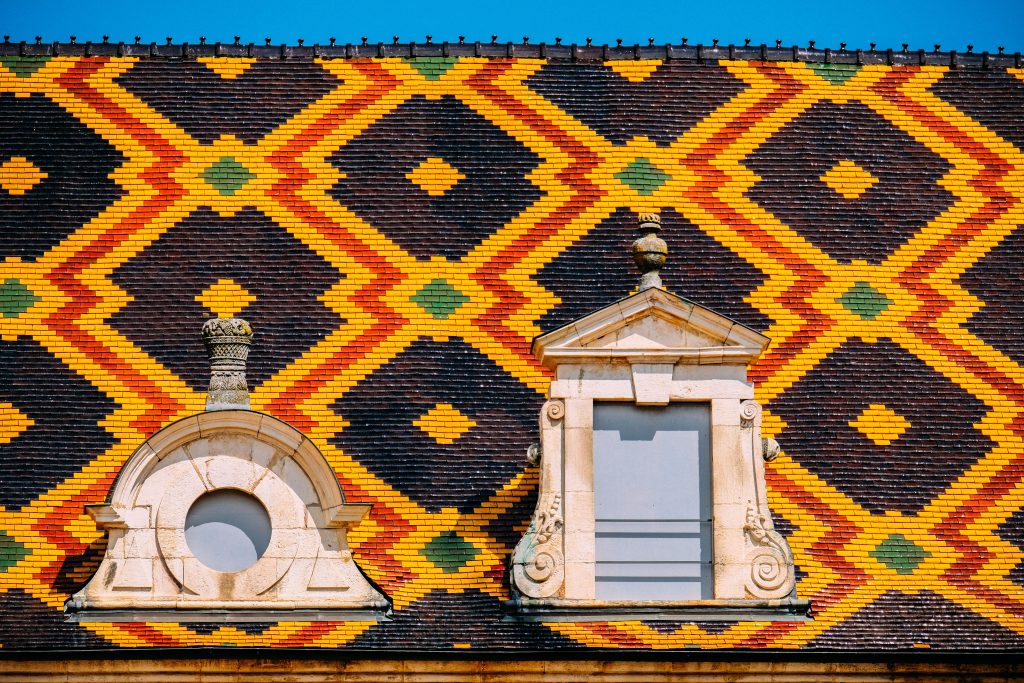
Your time in Beaune shouldn't be spent only visiting wineries. The Hospices de Beaune stands as the town's crown jewel – this medieval hospital features the most photographed polychrome tile roof in all of Burgundy. Beyond its stunning architecture, the Hospices produces wine sold at the world's most famous charity auction each November, adding a unique layer to your wine education.
Walk along the well-preserved medieval ramparts that encircle the old town. These ancient walls offer excellent photo opportunities and help you understand Beaune's rich history. The town's wine market provides another learning opportunity where you can see how local vignerons sell their wines directly to consumers.
Exploring the Côte de Nuits from Beaune
Dedicate at least one full day to exploring the Côte de Nuits, Burgundy's most prestigious Pinot Noir territory. You'll want to visit Gevrey-Chambertin, home to some of the world's most expensive red wines, where you can learn about Grand Cru vineyards firsthand. Vosne-Romanée offers another essential stop – this village produces legendary wines that command astronomical prices at auction.
End your Côte de Nuits tour in Nuits-Saint-Georges, a larger wine town where you can taste excellent wines without the intimidation factor of some smaller, more exclusive villages. This northern route gives you the perfect contrast to the white wine focus of the Côte de Beaune, helping you understand why Burgundy wine tours appeal to both red and white wine lovers.
Alternative Base Options
If Beaune doesn't appeal to you, consider Dijon as your alternative base. This larger city offers excellent train connections to Paris and sits just 20 minutes from the Côte de Nuits. You'll find more urban amenities and nightlife options, though you'll sacrifice some of the intimate wine country atmosphere.
For white wine enthusiasts, Chablis presents another compelling option. This charming small town focuses exclusively on Chardonnay production and offers a more intimate, less touristy experience than Beaune. However, you'll need to drive about an hour to reach the main Côte d'Or wine regions, making it less practical for comprehensive Burgundy vineyard visits.
Best domaines and wineries to visit in Burgundy for beginners
Top Domaines Across Burgundy's Sub-regions
Your Burgundy wine tour becomes truly memorable when you visit the right domaines, and choosing beginner-friendly places makes all the difference. You'll want to focus on producers who welcome visitors warmly and explain their wines without overwhelming you with technical jargon.
In the Côte de Nuits, Domaine de Montmain stands out with 317 certified customer ratings, making it one of the most popular domaines for visitor experiences. You'll find their approach particularly welcoming for newcomers to Burgundy wine tasting. For a deeper dive into traditional winemaking, Domaine Trapet offers two centuries of family history combined with modern biodynamic practices. Their wines span from Côte de Nuits to Côte de Beaune, giving you a broader perspective on Burgundy's diversity.
Côte de Beaune delivers exceptional experiences, especially at Domaine Famille Picard, where you'll explore cellars dating back 14 centuries. Their guided visits provide an excellent introduction to Burgundy's deep historical roots. For white wine lovers, any Meursault domaine that accepts visitors will give you an unforgettable experience—tasting Meursault directly from barrel in a village cellar ranks among the greatest Burgundy experiences you can have.
Chablis Specialists for First-Time Visitors
Chablis wine tasting requires visiting the right producers who understand the region's unique mineral character. William Fèvre represents one of the most celebrated Chablis producers, offering excellent visitor facilities and the definitive introduction to Chablis' distinctive mineral style. You'll appreciate their ability to explain how soil and climate create those crisp, oyster-shell notes that define great Chablis.
Domaine Laroche provides a more modern, visitor-friendly approach with a comprehensive range from entry-level wines to Grand Cru expressions. Their tastings help you understand the progression from simple Chablis to the region's most prestigious bottles.
Understanding Tasting Costs and Value
Your Burgundy vineyard visits will typically cost between €15-50 per person for standard tastings, and many domaines waive this fee when you purchase a bottle. Premium tastings featuring older vintages or Grand Cru wines can easily reach €100-200, but these experiences often justify the cost through rare wine access and deeper educational content.
Book ahead whenever possible, especially during harvest season when domaines get particularly busy with both tourists and winemaking activities.
Guided tours vs self-driving in Burgundy — which is right for beginners
The Case for Guided Wine Tours Burgundy
Your first Burgundy wine tour for beginners becomes infinitely easier with a knowledgeable guide by your side. When you're navigating Burgundy's complex classification system for the first time, having an expert translate the nuances between Premier Cru and Grand Cru makes all the difference. Your guide handles the driving through narrow vineyard roads, communicates with smaller domaines that may not speak English, and transforms what could be confusing vineyard visits into genuine wine education.
Half-day guided wine tours from Beaune typically cost €80-120 per person and include visits to two domaines with 8-10 wine tastings. You'll experience the complete Côte de Nuits tour or Côte de Beaune wineries without worrying about logistics. Full-day options run €150-200 per person, covering three domaines, lunch in a picturesque wine village, and the complete Côte d'Or experience that showcases why this region produces some of the world's finest Pinot Noir.
Your guide provides context that transforms tastings from simple sipping into understanding terroir, vintage variations, and why specific vineyards command premium prices. They know which best domaines to visit Burgundy based on your preferences and can secure appointments at prestigious estates that don't welcome walk-ins.
When Self-Driving Makes Sense
Self-driving works best for your second Burgundy wine holiday when you already understand the classification system and want more flexibility. Renting a car gives you freedom to explore the legendary Route des Grands Crus from Dijon to Santenay at your own pace—one of the world's greatest wine road drives.
You can dedicate one full day to the Côte de Nuits tour focusing on renowned red wines, then spend another day exploring Côte de Beaune or venture north for Chablis wine tasting. This approach works perfectly for weekend routes where you stay overnight in vineyard accommodations.
Making Your Decision
Choose guided tours for your first visit when Burgundy's complexity feels overwhelming. The investment in expert guidance pays dividends in understanding and access to exclusive tastings. Save self-driving for return visits when you're confident navigating the region's wine villages and ready to create your own Burgundy wine itinerary based on personal discoveries from previous guided experiences.
Cycling through Burgundy's vineyards — an increasingly popular option
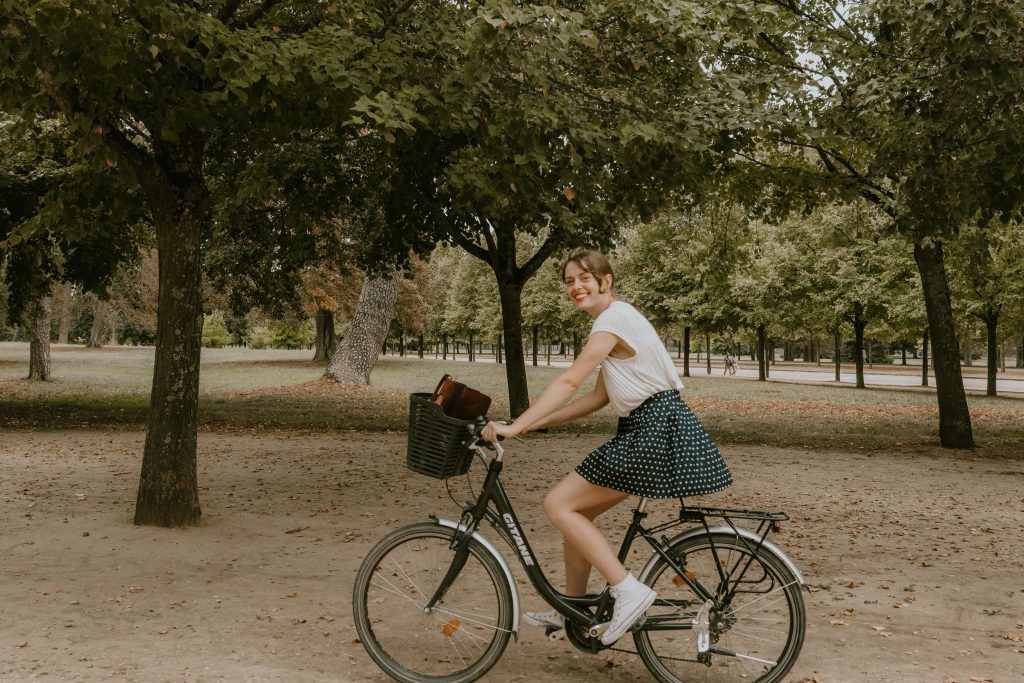
Why Cycling Wine Tours Are Perfect for Beginners
Cycling through Burgundy's vineyards offers you an intimate way to experience this legendary wine region that simply can't be matched by car or bus tours. The distances between wine villages are surprisingly manageable, and the quiet country roads wind through some of France's most beautiful landscapes. When you arrive at a domaine on a bicycle, you'll notice an immediate warmth in your reception – winemakers appreciate visitors who take the time to truly experience their terroir.
Your cycling wine tour in Burgundy doesn't require Tour de France fitness levels. The region's gentle rolling hills are perfectly suited for leisurely exploration, especially with modern e-bike options that make even the steepest vineyard slopes accessible to everyone.
Electric Bike Hire Options from Beaune
Beaune serves as your ideal base for cycling wine tours Burgundy adventures. Several rental shops offer high-quality e-bikes specifically designed for vineyard touring. You'll find these electric bikes are game-changers for navigating Burgundy's terrain – the extra boost helps you tackle hills without breaking a sweat, leaving you fresh for wine tastings.
Most rental shops provide:
- Full-day e-bike rentals (typically €35-45 per day)
- Route maps and recommendations
- Safety equipment including helmets
- Basic maintenance support
- Wine transport bags for your purchases
Book your e-bike rental at least 24 hours in advance, especially during peak season (May through October).
Guided Cycling Wine Tours
If you prefer structure and expert knowledge, guided cycling wine tours offer excellent value at approximately €80-100 per person. Your guide handles all logistics while sharing insider knowledge about Burgundy wine classification and local history.
A typical guided tour includes:
- Professional guide with deep regional knowledge
- E-bike rental and safety equipment
- Two wine tastings at carefully selected domaines
- Route planning avoiding busy roads
- Emergency support vehicle
- Small group sizes (usually 6-8 people maximum)
These tours often access smaller, family-owned domaines that might be difficult to visit independently, making them particularly valuable for beginners wanting authentic experiences.
Self-Guided Route: Beaune to Pommard, Volnay, and Meursault
Your perfect introduction to self-guided cycling covers approximately 25 kilometers through three of Burgundy's most accessible wine villages. This route showcases different aspects of Côte de Beaune wineries while remaining completely manageable on an e-bike.
Suggested itinerary:
- Start in Beaune (morning departure recommended)
- First stop: Pommard (famous for robust Pinot Noir)
- Continue to Volnay (elegant, lighter-style reds)
- Final destination: Meursault (renowned white Burgundies)
- Return to Beaune via scenic vineyard paths
The entire loop takes 4-6 hours including tasting stops, with most of the route following dedicated cycling paths or quiet country lanes. You'll cycle directly through premier cru vineyards, offering countless photo opportunities and a genuine understanding of Burgundy's famous terroir concept. This responsible approach allows you to visit multiple domaines while maintaining your safety and legal compliance for cycling on public roads.
Burgundy wine tour itineraries for beginners — 1, 2 and 3 day options
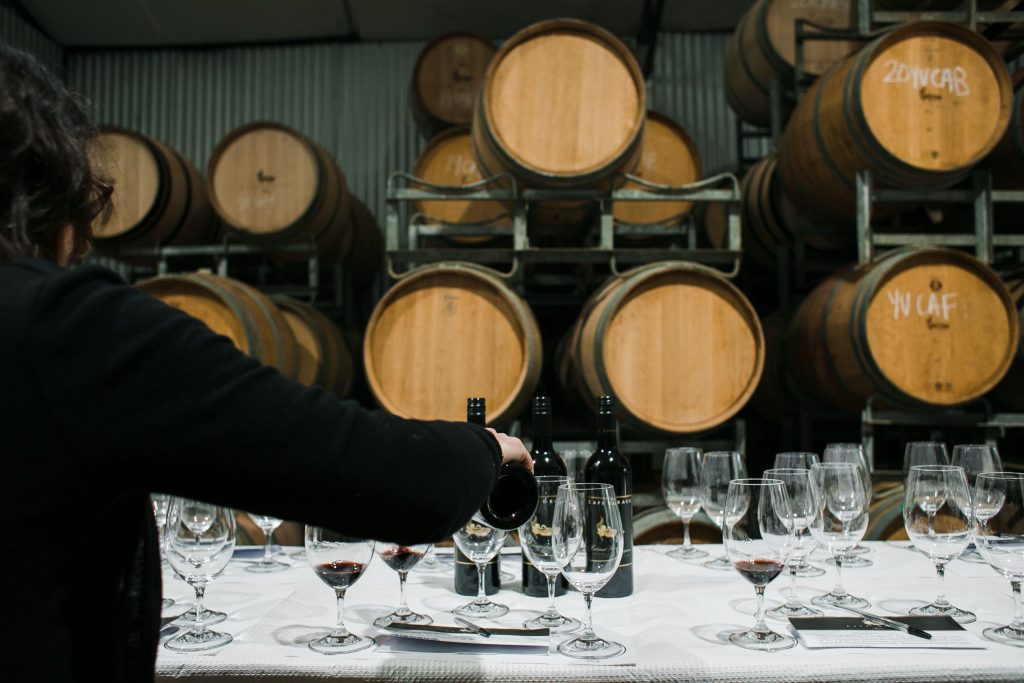
Half-Day Burgundy Wine Tour (4-5 Hours)
Your best bet for a focused introduction to Burgundy wine tour for beginners is concentrating on the Côte de Beaune. This route gives you a taste of Burgundy's diversity without overwhelming your palate or schedule.
Start your Beaune wine tour at 10 AM with a visit to a Meursault producer. Here, you'll discover why Burgundy's white wines are legendary—expect rich, buttery Chardonnays that showcase the limestone terroir. After an hour of tasting and learning about the winemaking process, drive 15 minutes south to Pommard.
Your second stop focuses entirely on Pinot Noir. The contrast between Meursault's elegant whites and Pommard's structured reds perfectly demonstrates Burgundy's range. Most Burgundy domaines for beginners in this area offer English-speaking guides who explain the differences in soil, climate, and winemaking techniques. End your half-day tour with a light lunch in Beaune, where you can reflect on the morning's tastings while enjoying local charcuterie and cheese.
Full-Day Burgundy Wine Experience (8-9 Hours)
Your full-day Burgundy wine itinerary takes you on a north-to-south journey from Dijon to Santenay, covering nearly the entire Côte d'Or. This comprehensive wine tasting Burgundy experience includes three domaine visits and a traditional lunch break.
Begin in Gevrey-Chambertin at 9 AM, where you'll taste some of Burgundy's most famous Pinot Noirs. The morning tasting introduces you to the concept of terroir—how different vineyard plots create distinct wine characteristics even when using identical grape varieties and techniques.
Drive south to Nuits-Saint-Georges for lunch around 12:30 PM. Choose a traditional bistro where you can enjoy coq au vin or bœuf bourguignon paired with local wines. This break helps reset your palate for the afternoon tastings.
Your afternoon stops include visits to Côte de Beaune wineries in Volnay and Meursault. By the end of the day, you'll have experienced both red and white Burgundies from different villages, giving you a solid foundation for understanding the region's complexity.
One-Day Paris to Burgundy Adventure
The high-speed TGV makes a Burgundy wine holiday possible even from Paris. Your train departs Paris Gare de Lyon at 7:47 AM, arriving in Beaune at 9:27 AM—perfect timing for a full day of wine tour from Beaune.
Start with the iconic Hospices de Beaune, where you'll learn about Burgundy's wine auction history and see the stunning medieval architecture. The colorful tiled roof provides the perfect backdrop for photos.
Book a late morning tasting at a domaine within walking distance of Beaune's center. Many producers offer beginner wine tasting Burgundy sessions that explain the basics of Burgundy's classification system while you sample their wines.
Lunch at one of Beaune's wine bars lets you try additional producers without the formality of a full domaine visit. Aim for the 6:32 PM train back to Paris, giving you time for last-minute wine purchases at Beaune's wine shops.
Two-Day Deep Dive
Your two-day Burgundy wine region guide adventure splits focus between whites and reds, giving you time to truly appreciate the differences between Burgundy's main wine styles.
Day 1: Côte de Beaune White Wine Focus
Base yourself in Beaune and dedicate your first day to understanding Burgundy's white wines. Visit producers in Meursault, known for rich, full-bodied Chardonnays, then contrast these with the more mineral-driven wines from Puligny-Montrachet. End your day with tastings in Beaune itself, where you'll find excellent value wines from this famous appellation.
Day 2: Côte de Nuits Red Wine Exploration
Your second day takes you north to explore Burgundy's most prestigious red wine villages. Start in Gevrey-Chambertin, where you'll taste powerful, age-worthy Pinot Noirs. Continue to Vosne-Romanée, home to some of the world's most expensive wines, where even the village-level wines demonstrate exceptional elegance and complexity.
Three-Day Complete Burgundy Experience
Adding Chablis wine tasting to your itinerary creates the ultimate Burgundy wine tour for beginners experience. This three-day journey shows you the full spectrum of Burgundy's wine diversity.
Days 1-2: Follow the two-day itinerary above, focusing on the Côte de Beaune and Côte de Nuits.
Day 3: Chablis Discovery
Drive north to Chablis (about 1.5 hours from Beaune) for a completely different Chardonnay experience. The contrast between Chablis's steely, mineral-driven wines and the rich, buttery Chardonnays from the Côte de Beaune represents one of wine's most instructive comparisons.
Visit two Chablis producers: one focusing on classic Chablis and another producing Premier Cru wines. The difference in vineyard sites and winemaking approaches will deepen your understanding of how terroir influences wine character. This comparison will enhance your wine knowledge for years to come, making it an invaluable addition to your Burgundy wine tour.
Practical Burgundy wine tour planning guide for beginners
When to Book Your Burgundy Wine Tour
Your Burgundy wine tour planning needs to start well before you arrive. Quality wineries across the region require advance booking, especially the smaller family domaines that produce those exceptional Premier Cru and Grand Cru wines you're hoping to taste. Book your visits at least 3-4 weeks ahead, though popular estates like Domaine de la Romanée-Conti or Joseph Drouhin may need even longer lead times. If you're traveling during harvest season (September-October) or summer peak months, book even earlier.
Popular wine villages like Gevrey-Chambertin, Vosne-Romanée, and Meursault get particularly busy, so don't leave your bookings to chance. Many domaines have specific tasting days or limited visitor slots, making advance planning essential for your Burgundy wine tour experience.
Budget Planning for Your Wine Tour
Your wine tasting budget will vary significantly depending on the level of wines you want to experience. Standard tastings at village-level domaines typically cost €15-50 per person, covering 3-5 wines including some regional and village appellations. These offer excellent value for beginners learning about Burgundy wine classification.
Premium tastings featuring Premier Cru and Grand Cru wines command higher prices at €100-200 per person. While expensive, these sessions provide access to exceptional bottles that retail for hundreds of euros, making the tasting fee worthwhile for serious wine enthusiasts.
Guided tours add convenience and expertise to your experience. Half-day guided tours average €80-120 per person, while full-day tours cost €150-200. These prices usually include transportation between wineries, making them cost-effective when you factor in car rental and fuel costs.
Getting There and Transportation
The TGV train from Paris delivers you to Beaune or Dijon in under 2 hours, making it the most comfortable way to reach Burgundy. The high-speed rail connection eliminates driving stress and allows you to start enjoying wine immediately upon arrival.
For exploring the wine regions, car rental becomes essential if you're planning a self-driving tour between villages. The D974 highway connects most major wine villages, but parking can be limited in popular spots like Gevrey-Chambertin during peak season. Consider staying in Beaune as your base, where you'll find better parking options and easy access to both Côte de Beaune and Côte de Nuits wineries.
Language and Cultural Tips
English is widely spoken at most established wineries, particularly in tourist-friendly areas around Beaune and major wine villages. However, learning basic French phrases like “Bonjour,” “Merci,” and “C'est délicieux” creates a warmer atmosphere and shows respect for local culture.
Smaller family domaines may have limited English, but wine speaks a universal language. Don't let language barriers deter you from visiting authentic producers where you'll often meet the winemaker personally.
Wine Purchasing and Shipping
Buying wine directly from domaines offers significant advantages over retail purchases. You'll often find better prices on Grand Cru and Premier Cru bottles, plus access to limited-production wines unavailable elsewhere. Many producers offer cellar-door discounts, particularly when purchasing multiple bottles.
Most established domaines arrange international shipping, though costs vary significantly. French wine export regulations are strict, and shipping charges can add substantial expense to your purchases. Compare shipping costs with potential customs duties in your home country before making large purchases. Some visitors prefer to hand-carry a few special bottles rather than deal with shipping complications.