
Chillable Red Wines:
The 2026 Guide
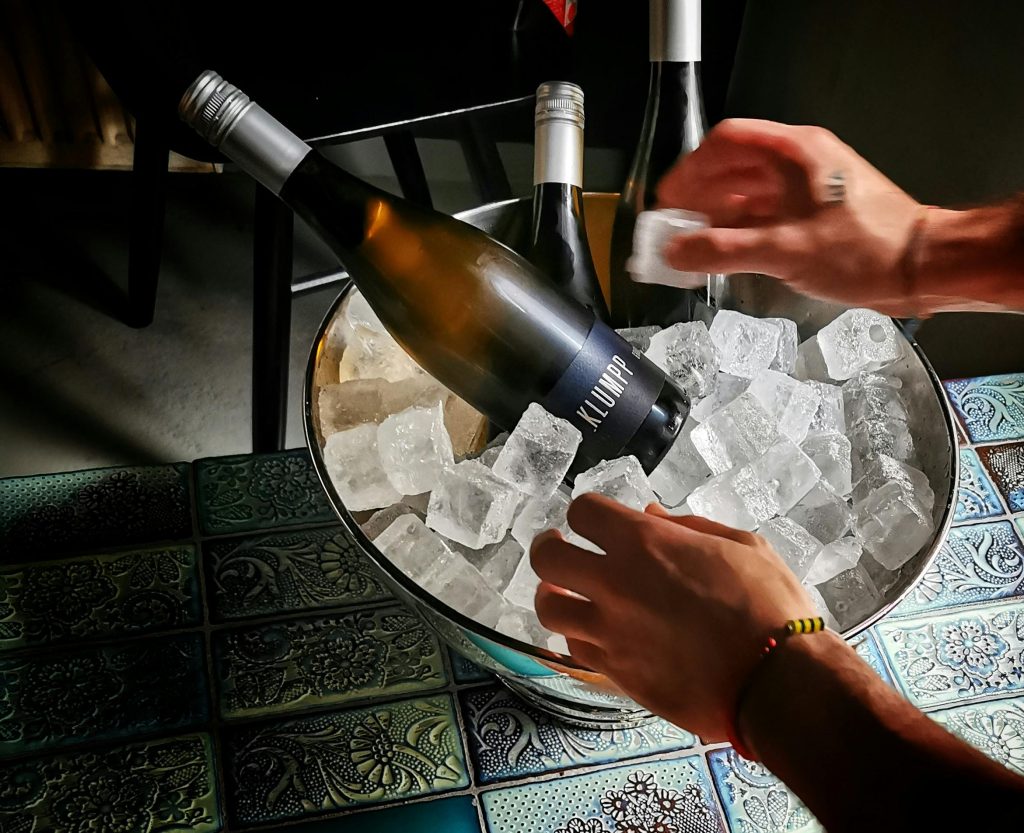
Red wine served chilled? You're not imagining things. Chillable red wines are taking over summer tables and trendy wine bars, and the “room temperature only” rule is officially dead. This guide is for wine lovers who want to break free from outdated traditions and discover a refreshing new way to enjoy reds.
You'll learn which light red wines actually taste better when chilled and why your Gamay wine chilled brings out flavors you never knew existed. We'll cover the science behind what makes certain reds perfect for the fridge, from crisp Beaujolais to elegant Pinot Noir at the right temperature. Plus, you'll discover hidden gems like Frappato wine and Zweigelt wine that shine when served cold.
We'll also walk you through the ideal red wine serving temperature for different styles and share which food pairs with chilled red wine for your next dinner party. By the end, you'll know exactly which best red wines to chill and which ones should stay far away from your refrigerator.
Why the “never chill red wine” rule is outdated
You've probably heard it countless times from wine enthusiasts, sommeliers, and even wine shop staff: “Never chill red wine.” This blanket rule has been drilled into wine culture for decades, but here's the thing—it's based on outdated thinking that doesn't account for the incredible diversity of red wines available today. The rule originated when wine knowledge focused primarily on full-bodied, tannic powerhouses like Cabernet Sauvignon, Bordeaux blends, and robust Syrah from warm climates. These wines absolutely deserve room temperature service because chilling them makes their tannins feel harsh and astringent while muting their complex aromatics.
But that rigid approach ignores an entire category of light-bodied red wines that actually shine when served chilled. When you chill a Gamay from Beaujolais or a delicate Pinot Noir, you're not breaking wine rules—you're unlocking their true potential. These lighter reds have minimal tannins and bright, fresh fruit flavors that become even more vibrant and refreshing when served at cooler temperatures. The “never chill” rule treats all red wines as if they're cut from the same cloth, when in reality, a light red wine chilled can be just as sophisticated and enjoyable as any room-temperature Bordeaux.
Wine trends in 2026 are moving away from these one-size-fits-all approaches. Modern wine lovers understand that different styles demand different serving temperatures, and the best red wines to chill are finally getting the recognition they deserve. Your wine enjoyment shouldn't be limited by outdated rules that don't consider the full spectrum of red wine styles available today.
What makes a red wine suitable for chilling?

Low Tannins Are Your Best Friend
When you're looking for a red wine that'll work well chilled, you want to focus on bottles with low tannins. Tannins are those compounds that create that drying sensation in your mouth – think of the feeling you get after drinking strong black tea. While tannins can add complexity and structure to red wine at room temperature, they turn into absolute villains when you drop the temperature. Cold makes tannins grip your palate harder, creating an unpleasantly harsh and astringent experience that'll have you wondering why you bothered chilling the wine in the first place. Look for wines described as “smooth,” “soft,” or “approachable” – these descriptors often signal lower tannin levels that won't fight against the cold.
High Natural Acidity Makes Magic Happen
Your ideal chillable red wine should have bright, natural acidity – and here's where the science gets interesting. Unlike tannins, acidity actually improves when you chill red wine. The cold temperature makes that acidity pop, creating a refreshing brightness that can transform your entire drinking experience. You'll notice this vibrant quality in wines from cooler climates or higher altitudes, where grapes naturally develop more acidity. This explains why wines from places like Burgundy, the Loire Valley, or cool-climate regions in Oregon work so beautifully when chilled. That zippy acidity becomes the backbone that makes chilled red wine so food-friendly and sessionable.
Light to Medium Body Keeps Things Balanced
The third piece of the puzzle is body – you want wines that feel light to medium-weight in your mouth. Full-bodied, powerful reds with high alcohol become clunky and unbalanced when cold, losing their appeal and complexity. Light-bodied red wines, on the other hand, maintain their elegance and drinkability at cooler temperatures. These wines typically have lower alcohol levels (usually under 13.5%) and a more delicate structure that doesn't get overwhelmed by chilling. Think of wines that you might describe as “elegant,” “graceful,” or “food-friendly” rather than “bold” or “powerful.”
Gamay: the original chillable red and
why it works so well
What Gamay Tastes Like: Your Gateway to Chilled Reds
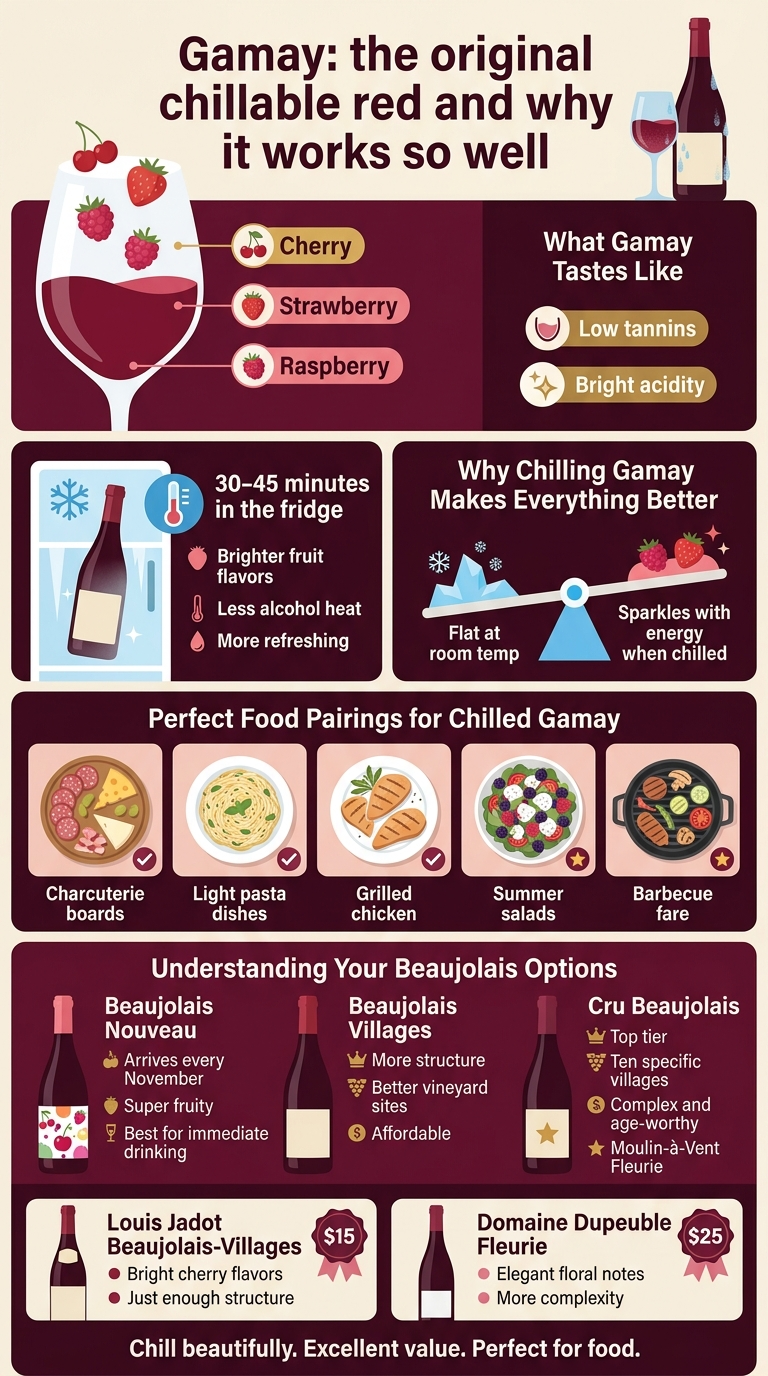
You'll fall in love with Gamay once you understand what makes it so special. This grape produces wines that taste like summer in a glass – imagine juicy red cherries, fresh strawberries, and ripe raspberries dancing on your palate. The magic happens because Gamay wines have naturally low tannins, which means no bitter, drying sensation that you might expect from other reds. Instead, you get bright acidity that makes your mouth water and keeps you coming back for more sips.
Think of chilled Gamay as the sophisticated cousin of rosé wine. You get all that beautiful red fruit character, but with more depth and complexity. The wine feels light and refreshing, yet satisfying enough to pair with actual meals rather than just poolside sipping.
Why Chilling Gamay Makes Everything Better
When you pop a bottle of Gamay in the fridge for 30-45 minutes, something magical happens. The cooler temperature amplifies all those bright fruit flavors while taming any hint of alcohol heat. You'll notice the wine becomes incredibly refreshing and food-friendly.
The high acidity in Gamay wine becomes your best friend when chilled. That natural tartness cuts through rich foods beautifully and cleanses your palate between bites. Room temperature Gamay can sometimes feel a bit flat, but chilled Gamay practically sparkles with energy.
Perfect Food Pairings for Chilled Gamay
Your chilled Gamay will shine brightest alongside these crowd-pleasing combinations:
-
Charcuterie boards: The wine's acidity cuts through fatty salami and prosciutto while complementing aged cheeses
-
Light pasta dishes: Think pasta primavera, carbonara, or anything with fresh herbs
-
Grilled chicken: The wine won't overpower delicate proteins but adds enough character to enhance the meal
-
Summer salads: Especially those with goat cheese, nuts, or berry vinaigrettes
-
Barbecue fare: Surprisingly great with lighter grilled meats and vegetables
The key is matching the wine's light, refreshing nature with foods that won't overwhelm its delicate charm.
Understanding Your Beaujolais Options
When shopping for Gamay wine, you'll mostly encounter bottles from Beaujolais, France. Here's what you need to know about your options:
Beaujolais Nouveau arrives every November and tastes like liquid candy – super fruity, light, and meant for immediate drinking. Perfect for beginners but lacks complexity.
Beaujolais Villages offers more structure and flavor while staying affordable. These wines come from better vineyard sites and show what Gamay can really do.
Cru Beaujolais represents the top tier, with wines from ten specific villages that produce the most complex and age-worthy Gamay wines. Names like Moulin-à-Vent and Fleurie indicate serious quality.
Two Bottle Recommendations to Try
Louis Jadot Beaujolais-Villages: You'll find this reliable bottle at most wine shops for under $15. It delivers classic Gamay character with bright cherry flavors and just enough structure to pair with food.
Domaine Dupeuble Fleurie: Step up to this Cru Beaujolais for around $25 and discover what premium Gamay tastes like. Expect elegant floral notes alongside the fruit, with enough complexity to impress wine-loving friends.
Both bottles chill beautifully and represent excellent value in the chillable red wine category.
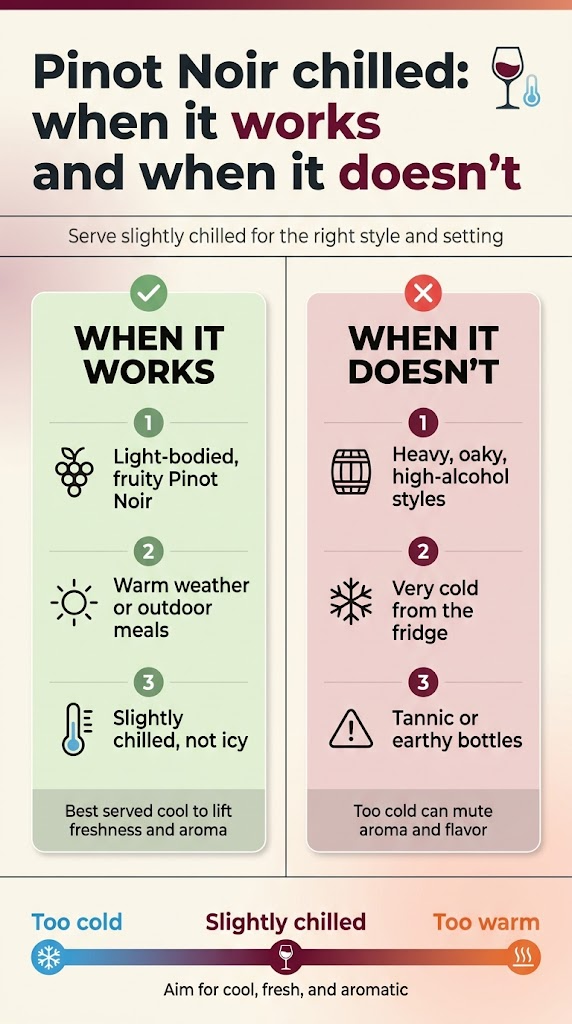
Pinot Noir chilled: when it works
and when it doesn't
Why Some Pinot Noirs Love the Chill
Your Pinot Noir temperature choice can make or break your wine experience. This grape walks a fine line when it comes to chilling, and understanding which styles work best at cooler temperatures will save you from disappointment.
Light-bodied red wine styles, particularly those from cooler climates, transform beautifully when you drop their serving temperature to around 58°F (14°C). These wines possess the delicate structure and bright acidity that actually benefits from a slight chill.
Old World Pinot Noir: Perfect Chill Candidates
European Pinot Noirs shine when you serve them chilled. Burgundy wines, with their elegant mineral backbone and restrained fruit, become more focused and food-friendly at cooler temperatures. The chill enhances their natural acidity while preserving their subtle earthiness.
German Spätburgunder follows the same pattern. These wines often showcase bright cherry notes and zippy acidity that comes alive when slightly chilled. You'll notice how the cooler temperature brings out their mineral qualities while maintaining their delicate fruit expression.
Lighter Oregon Pinot Noirs also fall into this category. Many producers in the Willamette Valley craft wines with European sensibilities – think bright acidity, moderate alcohol, and elegant structure. These characteristics make them excellent chilled red wine options for warmer months.
New World Pinot Noir: Handle with Care
Full-bodied California and Australian Pinot Noirs tell a different story. These wines typically feature riper fruit, higher alcohol content, and more concentrated flavors. When you chill these styles, you risk muting their complexity and making them taste flat or overly tannic.
The reason comes down to chemistry. Cooler temperatures suppress volatile compounds that carry aroma and flavor. While this works beautifully for delicate wines, it can strip the personality from more powerful expressions.
Top Recommendations
For your chillable red wine collection, consider Louis Jadot Bourgogne Rouge for an accessible Burgundy option, or try Argyle Pinot Noir from Oregon's Willamette Valley. Both wines showcase the bright, elegant style that thrives at cooler serving temperatures.
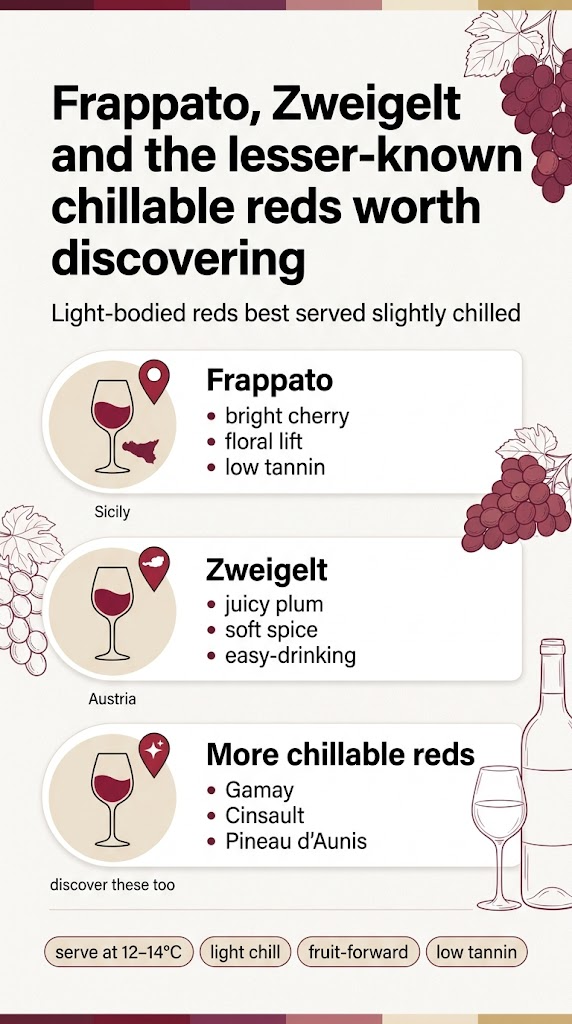
Frappato, Zweigelt and the lesser-known chillable reds worth discovering
Frappato: Sicily's Secret Weapon
You've probably never heard of Frappato, but this Sicilian gem deserves a spot in your fridge alongside your favorite rosé. This light red wine practically begs to be chilled, with its delicate strawberry and cherry flavors dancing on your palate like a summer breeze. The wine's floral notes remind you of walking through a Mediterranean garden, while its bright acidity makes your mouth water for another sip.
What makes Frappato so perfect for chilling is its incredibly light body and minimal tannins. When served cold, it becomes refreshingly crisp without losing its fruit-forward character. You'll taste hints of red berries, white pepper, and sometimes a subtle herbal quality that keeps things interesting.
Recommendation: Try the Arianna Occhipinti SP68 Rosso – a natural wine that showcases Frappato's pure, unadulterated character. Serve it at 55°F and watch your guests try to figure out if they're drinking red wine or the world's most complex rosé.
Zweigelt: Austria's Food-Friendly Superstar
Austrian Zweigelt might sound intimidating, but it's actually one of the most approachable chillable red wines you'll encounter. This grape produces wines with bright cherry flavors and just enough tannin to remind you it's still a red wine, but not so much that chilling turns it bitter.
When you chill Zweigelt, its natural acidity becomes more pronounced, creating a wine that practically screams for food pairing. You'll notice flavors of sour cherry, raspberry, and sometimes a hint of violet. The wine maintains a lovely balance between fruit and earthiness, making it incredibly versatile at your dinner table.
Recommendation: Look for Weingut Judith Beck Zweigelt – an organic producer whose wines show beautiful purity and food-friendly character. Chill it to around 58°F and pair it with anything from grilled vegetables to light pasta dishes.
The Hidden Gems: Schiava and Trollinger
Don't overlook Schiava from Italy's Alto Adige region or Germany's Trollinger if you can find them. Schiava offers delicate strawberry flavors with an almost tea-like quality that becomes incredibly refreshing when chilled. Trollinger brings similar light-bodied charm with bright red fruit and crisp acidity that makes it perfect for warm weather drinking.
| Wine | Origin | Key Flavors | Ideal Temp |
|---|---|---|---|
| Frappato | Sicily | Strawberry, floral, herbs | 55°F |
| Zweigelt | Austria | Cherry, raspberry, violet | 58°F |
| Schiava | Alto Adige | Strawberry, tea-like | 55°F |
These lesser-known chillable red wines represent the future of warm-weather drinking, offering complexity without heaviness and proving that the best red wines to chill aren't always the obvious choices.
The ideal temperature for chillable reds —
and how to get there fast
Finding Your Sweet Spot: 54-60°F
When you're chilling red wine, precision matters more than you might think. Your target temperature for chillable reds sits between 54-60°F (12-15°C) — noticeably cooler than the traditional red wine serving temperature of 60-68°F, but definitely warmer than your typical white wine service at 45-50°F.
This narrow temperature window exists for good reason. At 54-60°F, light red wines maintain their fruit-forward character while gaining that refreshing quality that makes them perfect for warm weather. The cooler temperature tames any aggressive alcohol heat without muting the wine's personality. Your Gamay wine chilled to this range will sing with bright cherry notes, while a properly chilled Pinot Noir reveals delicate strawberry and earth tones that might otherwise get lost.
Quick Cooling Methods That Actually Work
You don't need to plan hours ahead to enjoy chilled red wine. Here are three reliable methods that deliver results fast:
The 20-25 Minute Fridge Method: Pop your bottle in the refrigerator for exactly 20-25 minutes. Set a timer — this isn't a “stick it in and forget about it” situation. This method works perfectly when you're prepping dinner or getting ready for guests.
Ice Bucket Speed Chill (10 minutes): Fill a bucket or large bowl with equal parts ice and cold water. Submerge your bottle completely and wait 10 minutes. The water conducts cold much better than air alone, making this your fastest option.
Wine Sleeves for Instant Results: These gel-filled sleeves live in your freezer and slip over bottles for near-instant cooling. They're especially handy for last-minute decisions or outdoor events.
The Danger Zone: When Cold Goes Wrong
Over-chilling your red wine creates problems you'll taste immediately. When temperatures drop below 50°F, several things happen that ruin your drinking experience:
-
Tannins become harsh and astringent
-
Fruit flavors shut down completely
-
The wine tastes thin and unbalanced
-
Aromatic compounds become muted
You'll know you've gone too far if your wine tastes sharper than expected or seems to lack the fruit character you remember. The good news? Just let it warm up for 10-15 minutes, and your wine will bounce back.
Temperature Monitoring Made Simple
| Method | Time Required | Final Temperature | Best For |
|---|---|---|---|
| Refrigerator | 20-25 minutes | 55-58°F | Planned serving |
| Ice bucket | 10 minutes | 54-56°F | Quick needs |
| Wine sleeve | 5-8 minutes | 52-55°F | Outdoor events |
| Room temp + fridge | 15 minutes | 58-60°F | Fine-tuning |
Most wine thermometers clip onto bottles and give instant readings, but you can also judge by touch. The bottle should feel cool but not cold against your palm — think “cellar cool” rather than “refrigerator cold.”
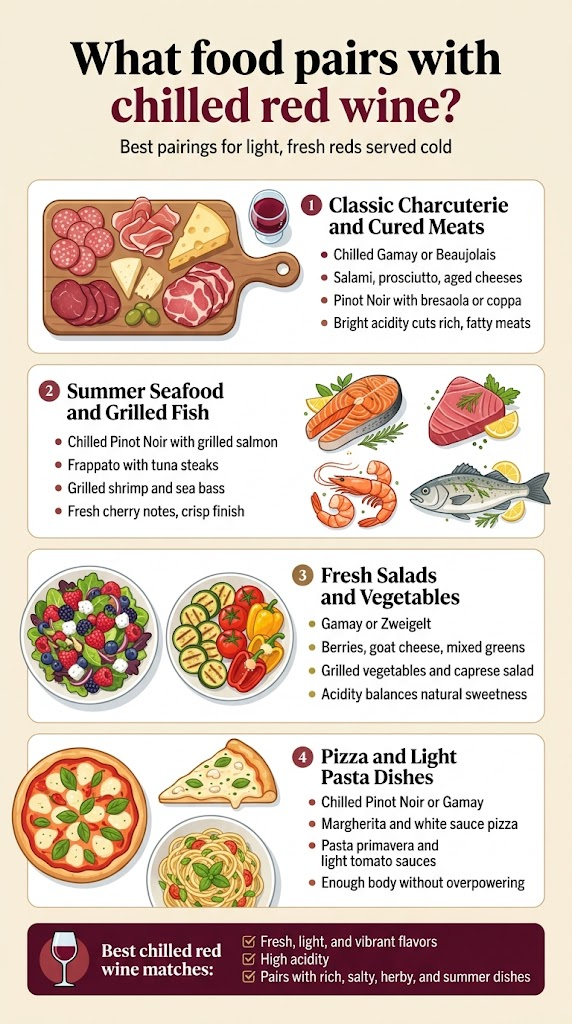
What food pairs with chilled red wine?
Classic Charcuterie and Cured Meat Pairings
Chilled red wine and charcuterie boards are a match made in heaven. Your Gamay wine chilled creates the perfect backdrop for salamis, prosciutto, and aged cheeses. The cool temperature highlights the wine's bright acidity, which cuts through rich, fatty meats beautifully. Try a chilled Beaujolais with a selection of French charcuterie – the traditional pairing works because both share that fresh, vibrant character that doesn't compete for attention on your palate.
Pinot Noir chilled also shines with lighter cured meats like bresaola or coppa. The wine's delicate fruit flavors complement rather than overpower these nuanced proteins. You'll find that serving your light red wine chilled brings out subtle spice notes that echo the herbs and seasonings in quality charcuterie.
Summer Seafood and Grilled Fish
This is where chillable red wine really surprises people. Your best red wines to serve chilled can handle seafood pairings that would be impossible with room-temperature reds. Grilled salmon pairs exceptionally well with chilled Pinot Noir – the wine's earthiness complements the fish's richness without the heaviness that comes from warmer serving temperatures.
Tuna steaks love chilled Frappato wine, especially when you've seasoned them with Mediterranean herbs. The wine's bright cherry notes and crisp finish enhance rather than mask the fish's natural flavors. Even lighter seafood like grilled shrimp or sea bass works beautifully with your chilled red wine summer selections.
Fresh Salads and Vegetables
Your light bodied red wine becomes incredibly versatile when chilled, especially with vegetarian dishes. Summer salads with berries, goat cheese, and mixed greens pair wonderfully with chilled Gamay or Zweigelt wine. The cool temperature keeps the wine from overwhelming delicate greens while its fruit-forward character complements sweet elements in your salad.
Grilled vegetables take on new life with chilled reds. Roasted tomatoes, zucchini, and bell peppers work particularly well with these wines because the acidity balances the vegetables' natural sweetness. You can even pair chilled red wine with caprese salads – something unthinkable with traditional room-temperature reds.
Pizza and Light Pasta Dishes
Pizza night gets an upgrade when you serve your red wine chilled. Margherita pizzas, white sauce pizzas, and even lighter meat toppings pair beautifully with chilled Pinot Noir or Gamay. The cool temperature prevents the wine from clashing with cheese while maintaining enough body to stand up to tomato sauce.
Light pasta dishes shine with chilled red wine pairing options. Pasta primavera, light tomato sauces, and herb-based dishes all work exceptionally well. Your chilled red wine won't overpower delicate flavors but still provides enough structure to complement the meal's heartiness.
The reds that should never go in the fridge
Your boldest, most structured red wines simply don't play nice with cold temperatures. When you chill a powerful Cabernet Sauvignon, those tannins that normally provide structure and backbone become harsh and aggressive, overwhelming your palate with bitter astringency. The cold essentially amplifies everything you don't want while muting the rich fruit flavors that make these wines special.
Malbec suffers a similar fate in the fridge. These wines are built for warmth, where their dense, dark fruit character can shine through. Drop the temperature too low, and you're left with a flat, one-dimensional experience that tastes more like grape juice gone wrong than the luxurious wine you paid for.
Syrah and Shiraz are equally problematic when chilled. Their natural spice and pepper notes turn sharp and unpleasant at cold temperatures, while their signature smoky, meaty characteristics disappear entirely. You'll miss out on all the complexity that makes these wines worth drinking.
Premium Aged Reds That Demand Respect
Barolo, the king of Nebbiolo, becomes completely unrecognizable when cold. This wine needs warmth to reveal its legendary tar and rose aromas, and chilling shuts down these delicate nuances completely. You're essentially wasting your money if you serve Barolo at fridge temperature.
Amarone presents another cautionary tale. These concentrated, dried-grape wines have incredible depth and richness that cold temperatures completely mask. When chilled, Amarone loses its characteristic raisin and fig notes, leaving you with something that tastes thin and disappointing.
Temperature Guidelines for Heavy Reds
| Wine Type | Ideal Serving Temperature | Why Cold Doesn't Work |
|---|---|---|
| Cabernet Sauvignon | 60-65°F | Tannins become harsh and bitter |
| Malbec | 62-66°F | Fruit flavors disappear, tastes flat |
| Syrah/Shiraz | 60-64°F | Spice notes turn sharp and unpleasant |
| Barolo | 62-68°F | Aromatics shut down completely |
| Amarone | 64-68°F | Concentration and richness are masked |
Your best bet with these wines is to serve them slightly below room temperature – around 60-65°F. If they're too warm, just let them sit for a few minutes rather than reaching for the refrigerator. These wines have earned their reputation through centuries of traditional serving methods, and there's good reason why refrigerating red wine of this caliber goes against everything wine lovers have learned about proper service.
Top Chillable Red Wine Recommendations
for 2026
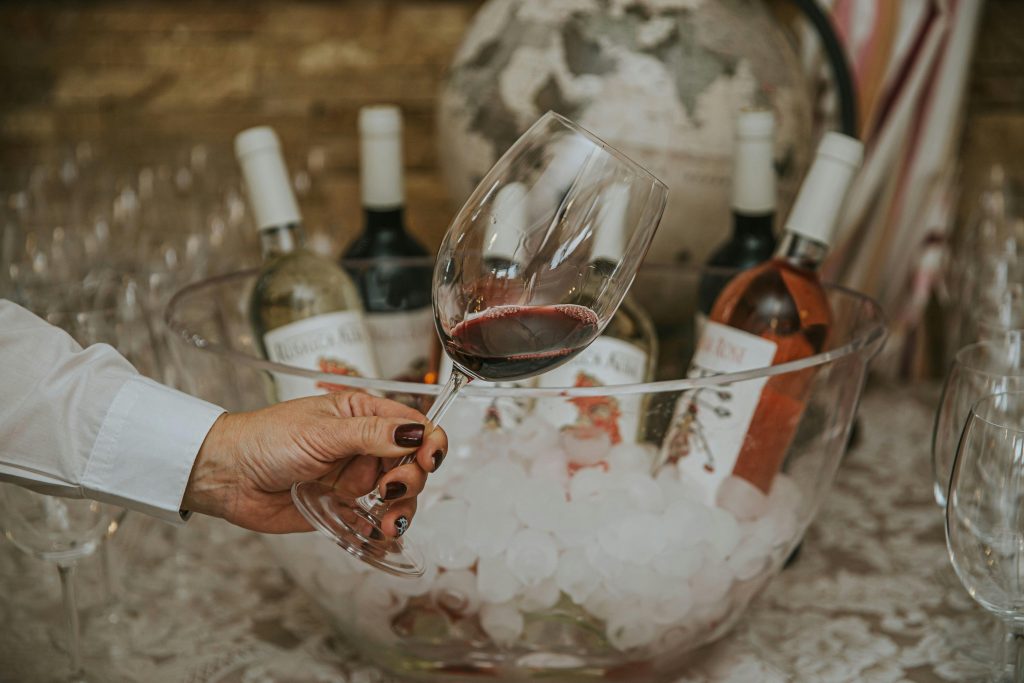
You don't need to break the bank to discover excellent chillable red wines. Several outstanding options deliver impressive quality without stretching your budget.
Georges Duboeuf Beaujolais remains your go-to choice for affordable Gamay wine chilled perfection. This light red wine typically runs between $12-15 and offers bright cherry flavors that shine when served at 55°F. You'll find it at most wine shops and grocery stores nationwide.
Domaine de la Chanteleuserie Bourgueil gives you Loire Valley Cabernet Franc that transforms beautifully when chilled. Priced around $16-18, this wine showcases how cooling can enhance herbaceous notes while maintaining fruit-forward appeal.
Louis Jadot Bourgogne Rouge provides entry-level Burgundian Pinot Noir that responds well to light chilling. At roughly $18-20, you're getting authentic French terroir in a bottle that benefits from 30 minutes in the refrigerator before serving.
Planeta Frappato from Sicily delivers exceptional value around $15-17. This lesser-known grape variety offers floral aromatics and bright acidity that make it perfect for your chilled red wine collection.
Domäne Wachau Zweigelt brings Austrian excellence to your table for under $20. You'll appreciate its food-friendly nature and how chilling enhances its spicy, cherry-driven character.
Premium Selections Worth the Investment
When you're ready to explore premium chillable red wine options, these selections justify their higher price points through exceptional quality and complexity.
Domaine Marcel Lapierre Morgon represents Gamay at its finest. This natural wine producer crafts bottles that typically cost $35-45, but you'll taste the difference in every sip. The wine's mineral backbone and pure fruit expression become even more pronounced when properly chilled.
Domaine de la Côte Pinot Noir from California's Sta. Rita Hills showcases how New World producers are mastering the art of elegant, chillable Pinot Noir. Expect to pay $50-65 for wines that rival Burgundian counterparts in finesse and temperature adaptability.
Arianna Occhipinti Frappato elevates Sicily's signature grape to premium status. At $30-40, you're investing in biodynamic winemaking that produces bottles with remarkable depth and aging potential, even when served chilled.
Frank Cornelissen Rosso del Contadino pushes boundaries with natural winemaking techniques applied to Nerello Mascalese. This $40-50 bottle offers volcanic terroir expression that benefits from light chilling, revealing layers of complexity.
Weingut Prager Zweigelt Reserve demonstrates Austrian winemaking at its peak. These $30-35 bottles show how traditional grape varieties can create modern, food-friendly wines perfect for contemporary serving temperatures.
Rising Stars and New Discoveries
Your palate deserves to experience these emerging chillable red wine trends that are shaping wine culture in 2026.
Cinsault from South Africa's Swartland region is gaining serious attention. Producers like Eben Sadie and Chris Alheit craft bottles ($25-35) that showcase this grape's natural affinity for slight chilling. You'll discover bright red fruit flavors with herbal complexity.
Trousseau from California's Sierra Foothills represents American innovation with French grape varieties. Look for bottles from Donkey & Goat or Scholium Project ($30-40) that demonstrate this variety's potential when served at cellar temperature.
Poulsard offers transparency and elegance rarely found in red wines. Jura producers create bottles ($35-50) that blur the line between red and rosé, making them natural candidates for your chilled wine collection.
Portuguese field blends from the Dão region are capturing attention for their food-friendly nature. Seek out producers like Niepoort who create complex, traditional blends ($20-30) that benefit from light chilling.
Ontario Pinot Noir from Canada's emerging wine regions shows remarkable potential when chilled. Wineries like Norman Hardie produce bottles ($25-35) that express cool-climate elegance perfectly suited to modern serving preferences.
Where to Find These Wines in Your Area
You have multiple avenues for sourcing these chillable red wines, each offering distinct advantages for building your collection.
Independent wine shops remain your best resource for discovering lesser-known varieties like Frappato wine and Zweigelt wine. These retailers often carry carefully curated selections and can provide personalized recommendations based on your preferences for light bodied red wine options.
Online retailers like Wine.com, Vivino, and Drizly expand your access to specialized producers. You can search specifically for “chillable red wine” or filter by grape variety and serving temperature preferences. Many offer detailed tasting notes that highlight cooling benefits.
Restaurant wine lists increasingly feature chilled red wine summer selections. Ask your sommelier about their recommendations – many establishments now stock bottles specifically chosen for their temperature versatility.
Winery direct purchases through tasting rooms or wine clubs give you access to limited productions and library releases. Many producers now market their wines specifically as suitable for chilling, making selection easier.
Specialty importers focus on natural wines and small producers who often create the best red wines to serve chilled. Look for importers like Kermit Lynch, Selections de la Viña, or Jenny & François who specialize in food-friendly, terroir-driven bottles perfect for your chilled wine explorations.
Quick reference: chillable red wines
at a glance
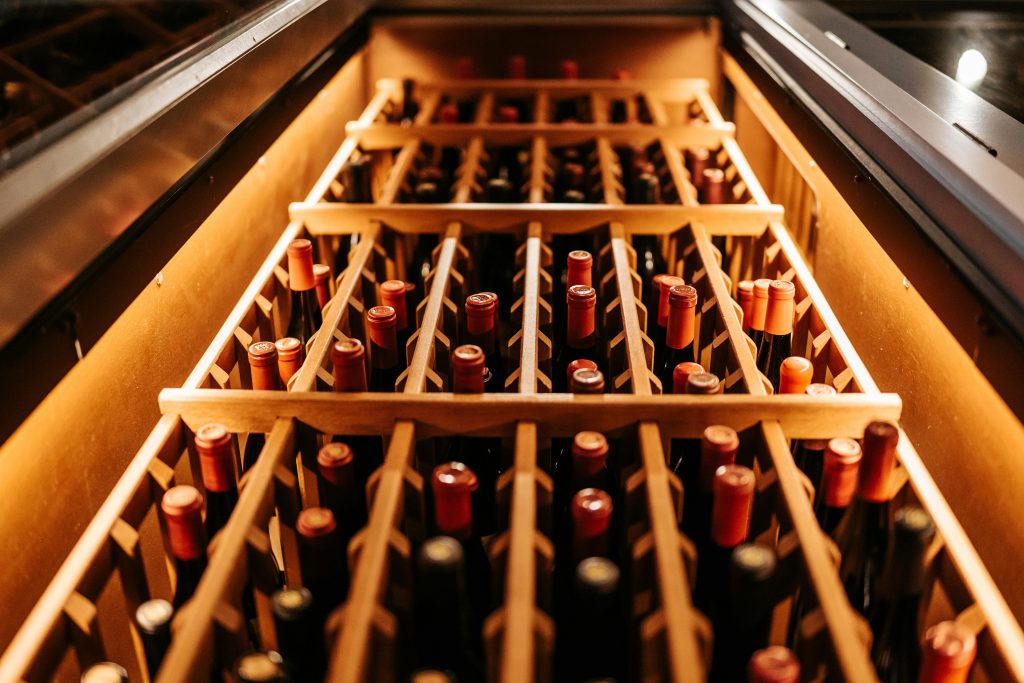
You need this table saved to your phone or pinned to your kitchen wall. Consider it your go-to reference for when you're standing in front of your wine fridge wondering what to chill for tonight's dinner.
| Wine Type | Ideal Serving Temperature | Best Food Match | Flavor in Plain English |
|---|---|---|---|
| Gamay (Beaujolais) | 50-55°F (10-13°C) | Grilled salmon, mushroom dishes | Fresh strawberries with a hint of pepper |
| Pinot Noir (light styles) | 55-60°F (13-15°C) | Roast chicken, duck breast | Cherry pie with earthy undertones |
| Frappato | 48-52°F (9-11°C) | Mediterranean seafood, pasta with herbs | Bright red berries with floral notes |
| Zweigelt | 52-57°F (11-14°C) | Grilled vegetables, pork tenderloin | Dark cherries with spicy finish |
| Dolcetto | 50-55°F (10-13°C) | Pizza, charcuterie boards | Juicy plums with mild tannins |
| Barbera (young styles) | 52-58°F (11-14°C) | Tomato-based dishes, grilled meats | Tart cherries with bright acidity |
| Loire Valley Cabernet Franc | 55-60°F (13-15°C) | Goat cheese, herb-crusted lamb | Green bell pepper with red fruit |
| Lambrusco | 45-50°F (7-10°C) | Prosciutto, fresh mozzarella | Fizzy grape juice for grown-ups |
Getting the Temperature Right Fast
Your fridge runs at about 38°F, which means most chillable red wines need 15-30 minutes out before serving. If you're in a rush, wrap the bottle in a damp paper towel and stick it in the freezer for 10-15 minutes – but set a timer so you don't end up with wine popsicles.
For broader wine and food pairing guidance that goes beyond these quick matches, check out our comprehensive food and wine pairing guide. You'll discover why certain combinations work so well and get ideas for your next dinner party.
Remember, these temperatures aren't set in stone. Your palate might prefer your Gamay a degree warmer or your Frappato slightly cooler. Start with these guidelines and adjust based on what tastes best to you.
Conclusion
The wine world is changing, and chillable red wines are leading the charge into a more relaxed, enjoyable drinking experience. You've learned that the old “never chill red wine” rule doesn't apply to every bottle in your collection. Lighter-bodied wines like Gamay, certain Pinot Noirs, Frappato, and Zweigelt can transform into refreshing alternatives when served at 55-60°F, especially during warmer months or alongside lighter dishes.
Your wine adventures don't have to be limited by tradition. Next time you're hosting a summer barbecue or looking for something different to pair with salmon or charcuterie, grab a bottle of Beaujolais or that interesting Frappato you've been curious about and give it a gentle chill. You'll discover a whole new side of red wine that's perfect for those moments when you want something more complex than white wine but lighter than a full-bodied Cabernet. Just remember to keep those tannic, full-bodied reds at room temperature where they belong.
Keep Exploring the World of Light Reds
Chillable reds are part of a broader family of light, food-friendly wines that are worth knowing well. If this post has sparked a curiosity about what makes certain grapes light-bodied and why terroir produces such different styles, our wine regions of the world guide covers Beaujolais, Burgundy, Loire Valley, Oregon, and Sicily in depth so you can shop with genuine regional confidence. And when you're ready to taste these wines more intentionally — identifying those tannins, fruit notes, and acidity levels in your glass — our wine tasting guide walks through the Five S's method that makes every comparative tasting more rewarding. Chill, sip, and enjoy — summer wine drinking has never been better. 🍷