
How Climate Affects Wine Quality: A Beginner's Guide
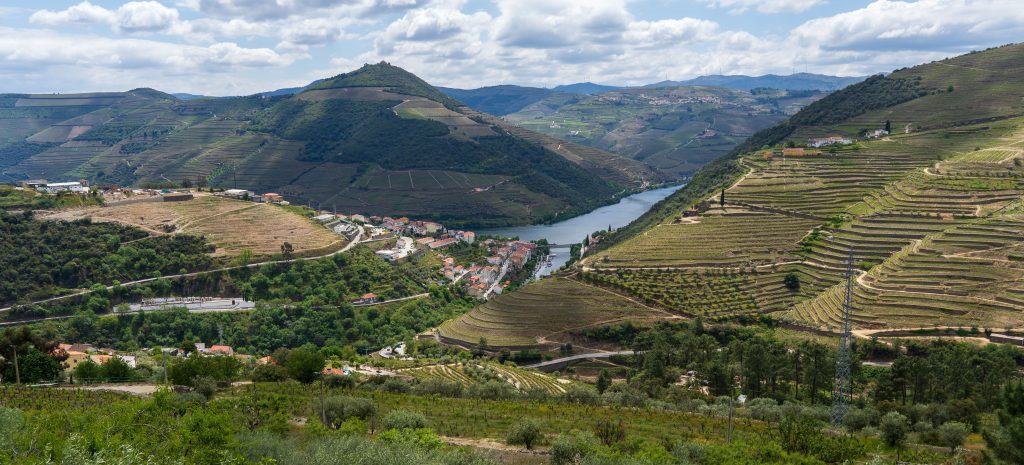
Climate is the single most powerful force shaping what ends up in your glass. The role of climate in wine goes far beyond geography. It controls how grapes grow, when they ripen, and what flavors they develop. Winemakers call this connection terroir, the French term for the complete natural environment of a vineyard. Temperature, rainfall, sunlight, and seasonal timing all work together to define a wine’s character. Understanding these forces helps you appreciate why a Pinot Noir from Burgundy tastes nothing like one from California, even when the grape is identical.
Affiliate Disclosure: Some links on Fine Wine World are affiliate links, meaning we may earn a paid commission if you click through and make a purchase — at no extra cost to you. Affiliate programs use cookies to track commissions, which may collect personal data. You can read more about how we handle your data in our Privacy Policy and Affiliate Disclosure. We only recommend products we genuinely trust.
How does temperature shape grape development and wine style?
Temperature is the most direct driver of grape chemistry. Heat and cold affect sugar accumulation, acid levels, and the aromatic compounds that give wine its personality. Get the temperature wrong, and the wine suffers at every level.
Grapes need warmth to ripen, but too much heat tips the balance. The sugar-acid relationship is highly temperature-sensitive: rising heat pushes sugar up while accelerating acid breakdown. Less acid means a flatter, less refreshing wine. More sugar means higher alcohol, which can overwhelm delicate aromas.
Cooler growing seasons preserve the natural acidity that makes wines feel bright and lively. Regions like Germany’s Mosel Valley and New Zealand’s Marlborough produce wines with crisp, precise flavors precisely because their temperatures stay moderate through the growing season. Warm regions like Napa Valley and Barossa Valley produce richer, fuller wines because heat drives sugar accumulation faster.
Extreme heat is a separate problem entirely. Temperatures above 104°F cause cellular damage to grapevines, reducing yield and altering flavor in sensitive varieties. That kind of heat does not just stress the vine. It fundamentally changes what the grape can become.
Here is what temperature does at each stage of the growing season:
- Budbreak: Cool nights slow budbreak, protecting young shoots from late frost damage.
- Flowering: Warm, dry conditions during flowering improve fruit set and yield consistency.
- Veraison (color change): Moderate warmth during this stage allows even, gradual ripening.
- Harvest: Cool nights before harvest preserve acidity and aromatic freshness in the finished wine.
Pro Tip: When reading a wine label, check the region’s latitude. Regions between 30° and 50° north or south latitude generally produce the world’s finest wines because temperatures stay within the ideal range for balanced ripening.
How do precipitation and sunlight affect vineyard health?
Rainfall and sunshine are equally critical to the climate impact on wine. They work together to determine how healthy the vine is, how much fruit it produces, and what flavors develop in the grape.
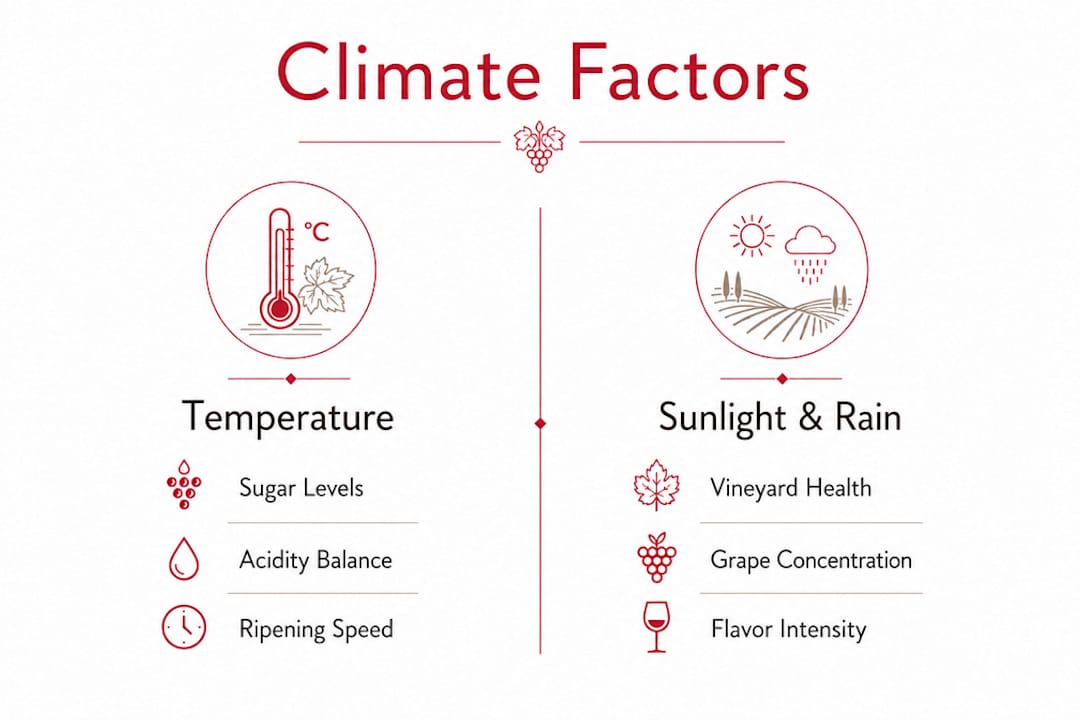
Vines need water, but timing matters more than volume. Rain during flowering can disrupt pollination and reduce yield. Rain close to harvest dilutes grape juice, lowering concentration and flavor intensity. Drought, on the other hand, stresses the vine and can halt ripening entirely if it becomes severe enough. Viticulturists in dry regions like Mendoza, Argentina, rely on controlled irrigation from Andean snowmelt to keep vines productive without overdoing moisture.
Sunlight drives photosynthesis, which builds the sugars and aromatic compounds that define wine flavor. More sun hours generally mean riper, more complex fruit. But direct, intense sunlight without cloud cover can sunburn grape clusters and destroy delicate aromas before harvest. Coastal regions benefit from morning fog that moderates temperature and diffuses light, creating ideal conditions for aromatic varieties like Chardonnay and Pinot Gris.
- Too much rain: Dilutes flavor, promotes fungal disease like botrytis and mildew.
- Too little rain: Stresses vines, halts sugar development, and reduces yield.
- Optimal sunlight: Builds aromatic complexity and even ripening across the cluster.
- Excess direct sun: Causes sunburn, destroys delicate floral and citrus aromas.
Pro Tip: When you notice a wine described as “concentrated” or “intense,” that often signals a dry growing season where vine stress pushed the vine to produce smaller, more flavorful berries rather than large, watery ones.
What do warm and cool climate regions produce?
The effects of weather on wine become clearest when you compare regions side by side. Climate shapes wine flavor so fundamentally that it acts as an invisible ingredient, producing distinct results even from the same grape variety. Understanding wine terroir and climate together gives you a reliable map for predicting what a wine will taste like before you open the bottle.
Warm climate regions sit closer to the equator or benefit from continental heat. Cool climate regions sit at higher latitudes or near cold ocean currents. Each produces a recognizable style.
| Climate type | Example regions | Typical wine traits |
|---|---|---|
| Warm | Napa Valley, Barossa Valley, Rioja | Full body, high alcohol, ripe dark fruit, low acidity |
| Mediterranean | Tuscany, Southern Rhône, McLaren Vale | Medium body, dried fruit, earthy notes, moderate acidity |
| Cool | Burgundy, Mosel, Marlborough | Light to medium body, high acidity, floral and citrus aromas |
| Cold | Champagne, Finger Lakes, Alto Adige | High acidity, lean structure, green fruit, mineral character |
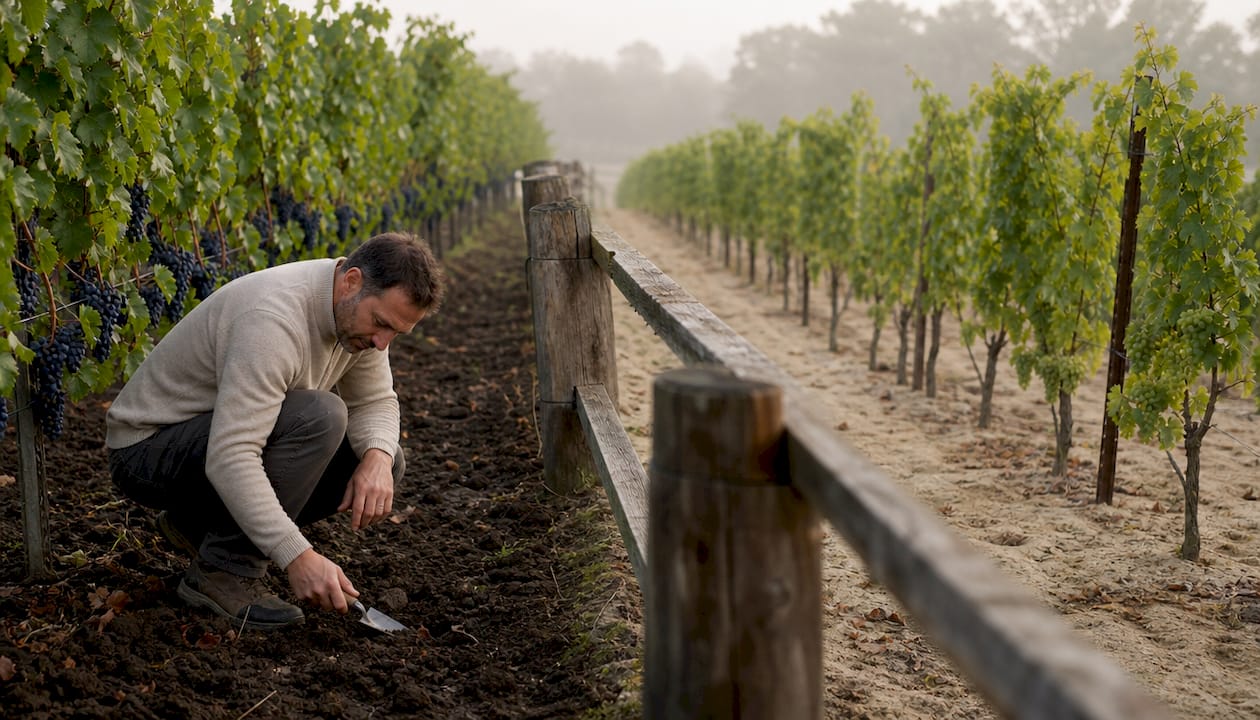
Microclimates add another layer of complexity. A single valley can contain both warm south-facing slopes and cool north-facing ones, producing wines that taste dramatically different within a few miles of each other. The Willamette Valley in Oregon is a perfect example. Its western hills block Pacific rain while its valley floor captures afternoon heat, creating a microclimate ideal for Pinot Noir. Learning to read regional wine profiles helps you connect these climate patterns to what you actually taste.
How is climate change reshaping wine production?
Climate change is the most urgent challenge facing wine today. The effects are measurable, accelerating, and already visible in vineyards across every major wine region.
Warming climates have pushed flowering and ripening stages 11–13 days earlier compared to historical averages. That shift forces harvest into hotter periods, compromising wine stability and aroma even before grapes reach full ripeness. Earlier harvest also means less time for complex flavor development in the vineyard.
The sensory impact is real. Warming conditions shift wine aromas away from delicate floral and exotic fruit notes toward heavier honey and unctuous characters. That is a direct result of altered sugar and alcohol levels driven by heat. Research also shows a moderate negative correlation between rising CO2 levels and global wine production, meaning climate stress does not just change flavor. It reduces how much wine the world can make.
Viticulturists are responding with a range of adaptive strategies:
- Canopy management: Adjusting leaf cover to shade grape clusters from intense afternoon sun.
- Irrigation scheduling: Using precision water delivery to maintain vine health during drought without over-watering.
- Varietal selection: Planting heat-tolerant grape varieties better suited to warmer growing conditions.
- Harvest timing adjustment: Picking earlier in the morning or at night to preserve freshness and acidity.
- Elevation shifts: Moving vineyards to higher altitudes where temperatures remain cooler.
Integrated climate-resilient viticulture combines soil organic matter restoration, cover crops, and monitoring technology to manage compounding climate stressors. This approach treats the vineyard as a living system rather than a production unit. It is the direction the best producers are already moving.
California illustrates the complexity well. Climate suitability and wildfire risk now move in tandem across many growing regions. A warming climate may open new areas for viticulture while simultaneously making established ones more vulnerable to fire. Adaptation requires balancing both pressures at once.
Climate change impacts vary widely depending on region, grape cultivar, and environmental context. Customized adaptation is not optional. It is the only path forward for wine regions that want to survive the next 50 years.
Understanding how harvest timing connects to these climate shifts gives you a much clearer picture of why vintage variation matters so much in fine wine.
Key Takeaways
Climate is the defining force in wine quality, and its influence on grape chemistry, regional style, and long-term production is both measurable and accelerating.
| Point | Details |
|---|---|
| Temperature drives grape chemistry | Heat raises sugar and lowers acidity, directly shaping wine body, alcohol, and freshness. |
| Rainfall timing matters more than volume | Rain near harvest dilutes flavor; drought stresses vines and halts ripening. |
| Climate defines regional wine style | Warm climates produce full-bodied, ripe wines; cool climates produce high-acid, aromatic wines. |
| Climate change is advancing harvest | Flowering and ripening now occur 11–13 days earlier, pushing harvest into hotter, riskier conditions. |
| Adaptation requires integrated strategies | Canopy management, varietal selection, and soil health practices are the tools producers use to respond. |
Climate is the ingredient no winemaker can control
Climate is the ingredient no winemaker can fully control. You can choose your grape. You can manage your vineyard. But you cannot change the weather, and you definitely cannot change the long-term climate your vines grow in.
What I find most fascinating is how this invisible force creates the diversity we love about wine. The reason a cool-climate Riesling from the Mosel tastes like liquid slate and green apple while a warm-climate Grenache from the Southern Rhône tastes like sun-dried plum and spice comes down almost entirely to temperature and rainfall patterns over decades. Same planet, completely different wines.
The climate change conversation worries me, but it also shows how adaptable this industry can be. Producers in Burgundy are experimenting with grape varieties they never considered before. Winemakers in Australia are planting at higher elevations. These are not signs of panic. They are signs of a craft that has always evolved with its environment.
My honest advice for wine lovers: pay attention to the vintage year on your bottle. A single year of unusual weather can completely change a wine’s character. That variation is not a flaw. It is climate speaking directly to you through the glass. Learning to hear it makes every bottle more interesting.
— Adriana
Fine-wine-world’s guides to climate and wine regions
Understanding climate’s role in wine opens up a whole new way of choosing and enjoying what you drink. Fine-wine-world has built a library of beginner-friendly resources to help you connect the dots between geography, climate, and the wines you love.
Start with the wine regions of the world guide, which maps out how climate profiles shape the wines produced in every major growing area. If you want to understand how environmental choices affect what ends up in your bottle, the sustainable wine guide covers climate-smart practices in plain language. For those curious about aging and when to drink a bottle, the cellaring and serving guide explains how climate conditions during the vintage affect how long a wine will last and when it peaks.
FAQ
What is the role of climate in wine quality?
Climate controls temperature, rainfall, and sunlight, which together determine how grapes ripen, what sugars and acids they develop, and what aromas they produce. These factors directly define a wine’s flavor, balance, and overall quality.
How does temperature affect wine flavor?
Higher temperatures increase sugar levels and reduce acidity in grapes, producing fuller-bodied, higher-alcohol wines with riper fruit flavors. Cooler temperatures preserve acidity and delicate aromas, resulting in lighter, crisper wines.
What is the difference between warm and cool climate wines?
Warm climate wines tend to be full-bodied, high in alcohol, and rich with dark or dried fruit flavors. Cool climate wines are typically lighter, higher in acidity, and more aromatic, with citrus, floral, and mineral notes.
How is climate change affecting wine production?
Warming has advanced flowering and ripening by 11–13 days, pushing harvest into hotter periods and altering wine aromas and stability. Rising CO2 and temperature anomalies also show a measurable negative correlation with global wine output.
What is terroir in wine?
Terroir refers to the complete natural environment of a vineyard, including climate, soil, and topography. Climate is the dominant component of terroir because it shapes every stage of grape development from budbreak through harvest.