
Wine and Lamb Pairing: The Definitive Guide
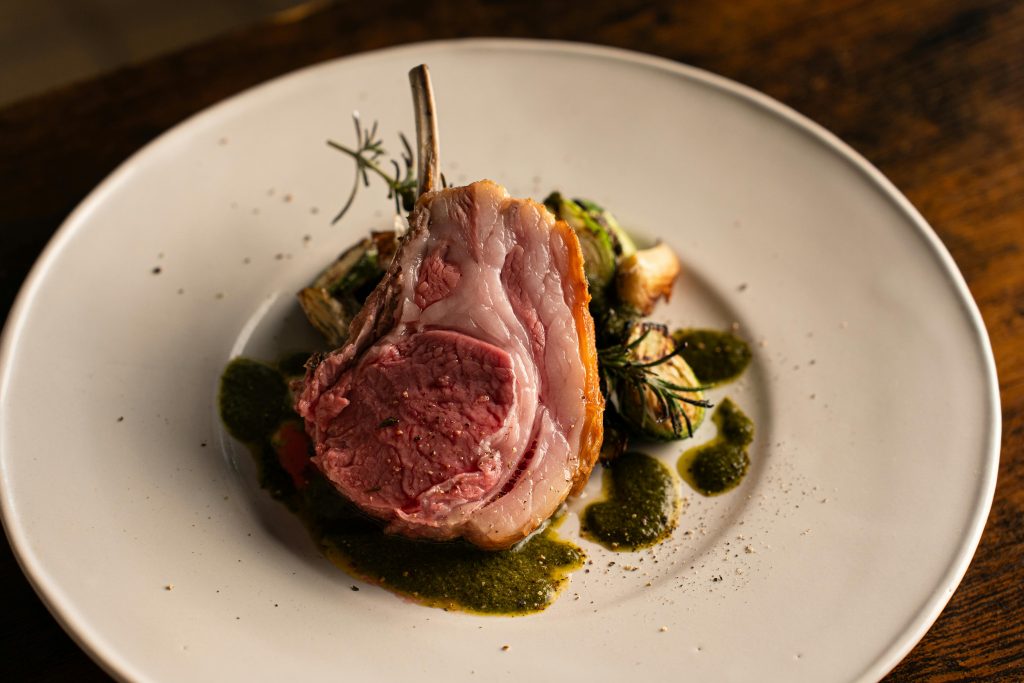
I've spent years exploring wine and lamb pairing combinations, and I can tell you there's something magical about getting it right. When you match the right wine with lamb, the flavors don't just complement each other—they transform into something completely new.
This guide is for home cooks, dinner party hosts, and wine lovers who want to master the art of pairing wine with lamb dishes. I'll walk you through everything from classic combinations to unexpected discoveries that will elevate your next lamb dinner.
I'll cover the essential wine pairing lamb dishes you need to know, from finding the best wine with leg of lamb to discovering perfect matches for lamb chops and slow-cooked shanks. You'll also learn my expert tips for creating memorable experiences that go beyond basic wine and lamb pairing rules. Plus, I'll share a complete pairing chart that takes the guesswork out of choosing wines for every lamb cut and preparation method.
Ready to turn your next lamb dinner into an unforgettable experience? Let's dive in.
Why lamb and red wine is one of the great classic pairings
The Science Behind Perfect Lamb and Red Wine Harmony
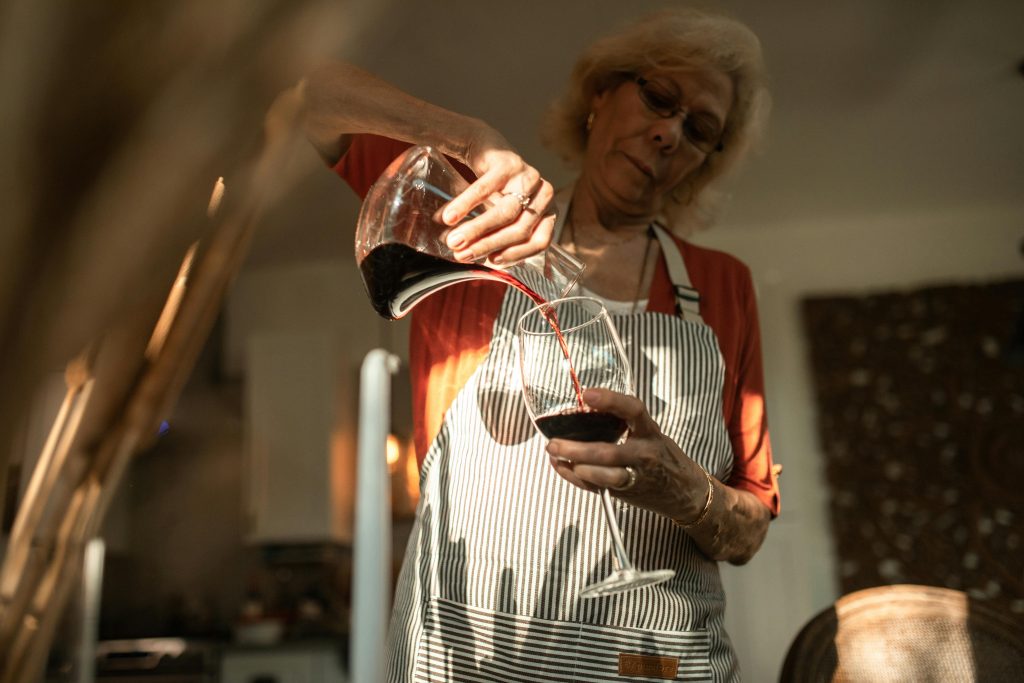
When I think about the magic that happens when rich, gamey lamb meets a bold red wine, I'm reminded why this combination has captivated food lovers for centuries. The secret lies in lamb's unique flavor profile and structure. Unlike other meats, lamb carries an intense, almost earthy richness that comes from its natural diet and slower maturation. This creates a complex taste that needs a wine with enough backbone to stand up to it.
The high fat content in lamb is where the real chemistry happens. Those marbled fats coat your palate, and when you sip a tannic red wine, the tannins literally bind with the proteins and fats in the meat. This interaction softens the wine's harsh edges while the wine cuts through the richness of the lamb, creating a balanced, harmonious experience that neither element could achieve alone.
A Tradition Rooted in French Gastronomy
My appreciation for wine and lamb pairing deepens when I consider its historical roots. The Bordeaux-lamb partnership represents one of France's oldest and most revered culinary traditions. French winemakers and chefs have spent generations perfecting this match, understanding that lamb's robust character demands wines with equal complexity and strength.
This classic pairing emerged from practical wisdom. In regions where both lamb and bold red wines flourished, cooks discovered that the local wines naturally complemented their local proteins. The tannins in wines like Cabernet Sauvignon, Merlot, and Bordeaux blends proved ideal companions to lamb's rich, sometimes gamey notes.
The Celebratory Nature of Lamb and Wine
I've noticed that lamb and red wine pairing naturally elevates any meal into something special. There's an inherent celebratory quality to this combination that makes it perfect for holidays, dinner parties, and romantic evenings. When I serve lamb with a carefully chosen red wine, the entire dining experience transforms from ordinary to memorable.
The ritual of selecting the right wine for your lamb preparation becomes part of the celebration itself. Whether I'm choosing a bold Syrah for herb-crusted lamb chops or a elegant Pinot Noir for a delicate lamb tenderloin, the decision reflects the care and thought that goes into creating an exceptional meal.
Best wine with roast leg of lamb
Traditional French Bordeaux Blends
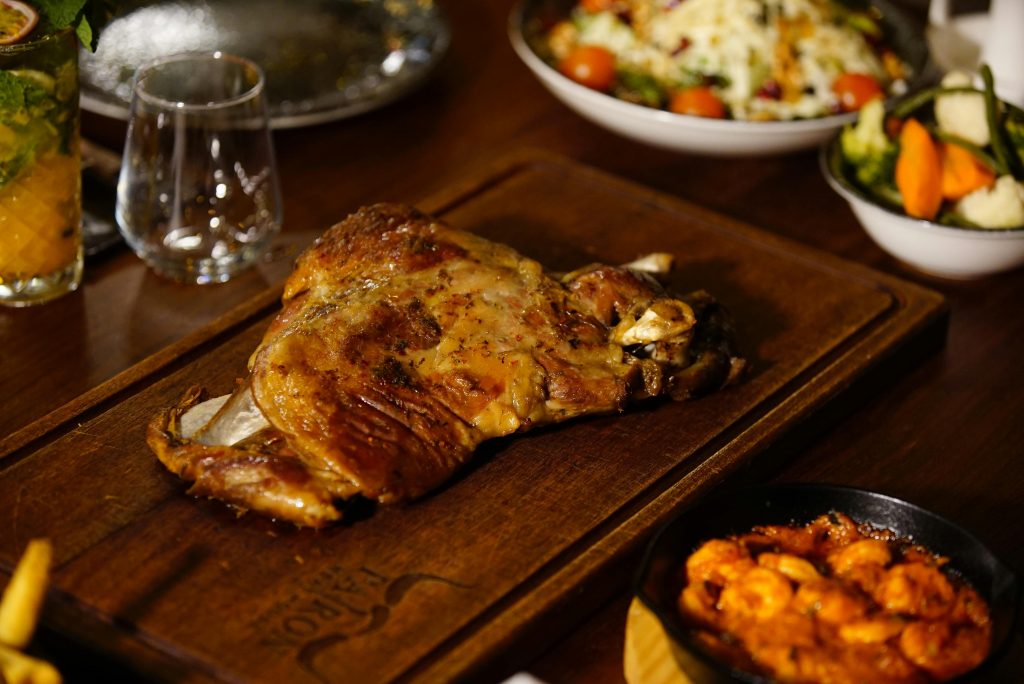
When I'm serving roast leg of lamb, I always reach for a classic Bordeaux blend first. The combination of Cabernet Sauvignon and Merlot creates this perfect dance with the meat's rich, savory flavors. Château Cos d'Estournel from Saint-Estèphe never disappoints me – its structured tannins complement the lamb's texture beautifully while the dark fruit notes enhance the meat's natural sweetness.
For special occasions, I splurge on Château Lynch-Bages from Pauillac. This wine's powerful yet elegant profile stands up to the lamb's intensity without overwhelming it. The earthy undertones mirror the herbs I typically use in my lamb preparation, creating this seamless wine and lamb pairing that guests always remember.
Bold Cabernet Sauvignon Selections
My go-to red wine with lamb has to be a well-structured Cabernet Sauvignon. I've found that Caymus Napa Valley Cabernet works incredibly well with roast leg of lamb. The wine's bold tannins cut through the meat's richness while its black currant flavors add depth to each bite.
Silver Oak Alexander Valley Cabernet Sauvignon is another favorite of mine. Its smooth finish and balanced acidity make it an ideal wine with lamb choice that doesn't compete with the dish's natural flavors. The wine's vanilla and spice notes from oak aging complement my typical rosemary and garlic seasoning perfectly.
Spanish Rioja Reserva Excellence
I can't talk about best wine with leg of lamb without mentioning Spanish Rioja Reserva. Marqués de Riscal Reservabrings this amazing earthy complexity that lamb loves. The extended aging gives the wine these leather and tobacco notes that create incredible depth alongside the meat.
La Rioja Alta Viña Ardanza Reserva is my secret weapon for lamb dinners. Its perfect balance of fruit and savory elements makes every lamb wine pairing feel effortless. The wine's silky texture and long finish extend the enjoyment of each bite of perfectly roasted lamb.
Best wine with lamb chops
The Quick-Cook Advantage
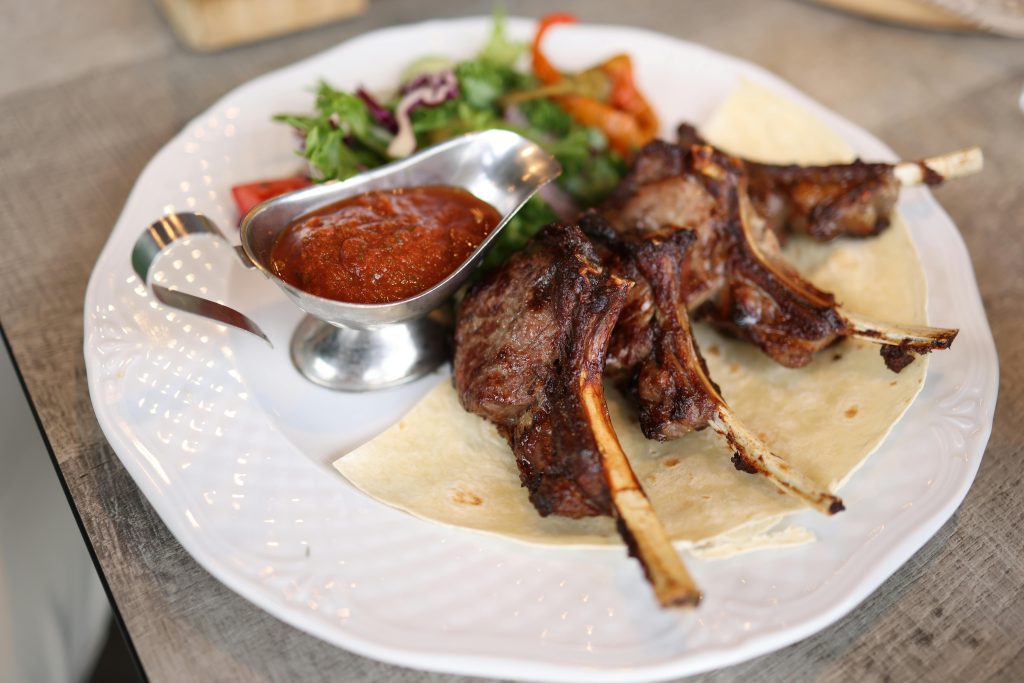
Lamb chops offer a fantastic opportunity to explore slightly lighter wine with lamb options without sacrificing flavor. Since these tender cuts cook quickly over high heat, they develop a beautiful crust while maintaining their juicy interior. This cooking method creates different flavor profiles compared to slow-roasted cuts, opening up exciting wine and lamb pairing possibilities.
I've discovered that the shorter cooking time means the meat retains more of its natural sweetness, which pairs beautifully with medium-bodied reds that won't overpower the delicate lamb flavor. The key is finding wines that complement rather than compete with the meat's inherent tenderness.
My Top Wine Recommendations for Lamb Chops
Grenache tops my list for wine with lamb chops. This variety brings bright red fruit flavors and moderate tannins that enhance the meat without overwhelming it. The wine's natural spiciness echoes the herbs typically used with lamb chops, creating a harmonious match.
Côtes du Rhône represents exceptional value in red wine lamb pairing. These blends typically feature Grenache as the base, supported by Syrah and Mourvèdre. The result is a wine with enough structure to stand up to the meat while offering the fruit-forward character that lamb chops deserve.
Chianti brings a different dimension to the pairing table. The Sangiovese grape‘s natural acidity cuts through any richness while its earthy undertones complement the lamb's gamey notes. I particularly enjoy how Chianti's cherry flavors play against rosemary-seasoned chops.
Grilled Lamb Chops: A Special Case
When I'm grilling lamb chops, the char and smoke add complexity that calls for wines with a bit more intensity. The caramelization from the grill creates sweet and savory notes that pair exceptionally well with:
-
Barbera d'Alba – Its high acidity balances the richness while complementing smoky flavors
-
Tempranillo – Spanish varieties bring leather and tobacco notes that echo the grill's character
-
Lighter Syrah blends – Northern Rhône styles offer pepper and herb notes that enhance grilled meat
The direct heat creates a different texture and flavor profile than pan-seared chops, making these wine lamb flavor combinations particularly effective for outdoor cooking.
Temperature and Timing Considerations
I always serve my wine pairing lamb dishes at the right temperatures. Lamb chops taste best when served medium-rare to medium, and the wines I recommend should be served slightly below room temperature (60-65°F) to maintain their freshness and acidity.
The beauty of lamb chops lies in their versatility – whether you're preparing a quick weeknight dinner or an elegant dinner party, these lamb dinner wine choices will elevate your meal without requiring extensive cellar planning or expensive bottles.
Best wine with slow-cooked lamb and lamb shanks
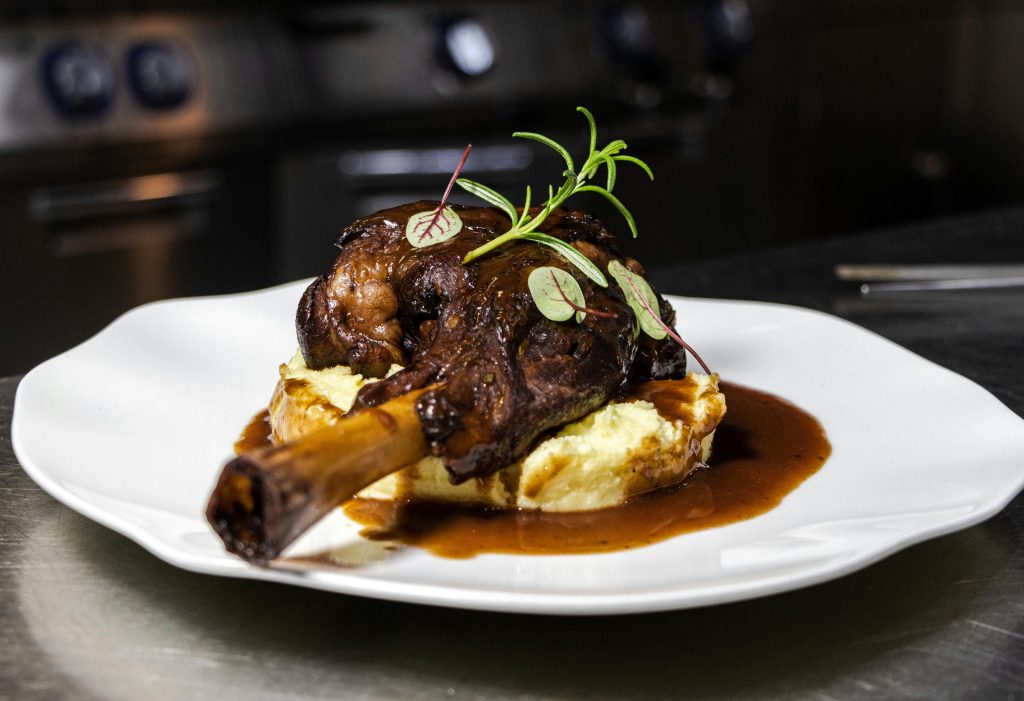
Understanding Slow-Cooked Lamb's Unique Character
When I prepare slow-cooked lamb or lamb shanks, something magical happens during those long hours in the pot. The tough connective tissues break down completely, creating incredibly tender meat that falls off the bone. What's even better for wine pairing with lamb is how this extended cooking process mellows out lamb's natural gaminess, making it more approachable for wine matching.
The slow cooking method transforms the lamb's texture and flavor profile dramatically. I've found that braised lamb shanks develop a rich, almost succulent quality that's quite different from the more assertive flavors you get with grilled or roasted preparations. This transformation opens up exciting possibilities for wine and lamb pairing.
My Top Wine Choices for Slow-Cooked Lamb
Merlot has become my go-to choice for slow-cooked lamb dishes. The wine's naturally soft tannins and plush fruit flavors complement the tender texture beautifully. I particularly love how Merlot's chocolate and plum notes enhance the caramelized flavors that develop during the braising process. When I'm serving lamb shanks with root vegetables, a medium to full-bodied Merlot from Washington State or Bordeaux creates an absolutely perfect match.
Syrah offers another fantastic option, especially when my slow-cooked lamb includes aromatic herbs like rosemary or thyme. The wine's peppery notes and dark fruit flavors work wonderfully with the concentrated flavors that develop during long cooking. I've had tremendous success pairing Northern Rhône Syrah with lamb shanks braised in red wine and herbs.
Malbec rounds out my top three recommendations for this preparation style. The wine's robust character and smooth finish provide an excellent backdrop for richly flavored slow-cooked lamb. When I'm making lamb with tomatoes and Mediterranean herbs, an Argentine Malbec never disappoints.
Modern Cooking Methods and Wine Selection
The growing popularity of slow cookers has made braised lamb more accessible to home cooks, and I've adjusted my wine with lamb recommendations accordingly. When using a slow cooker, I find that the flavors concentrate even more than with traditional braising, making wines with good structure essential.
For slow cooker preparations, I recommend wines with moderate acidity to cut through the richness while maintaining enough body to stand up to the intense flavors. A well-balanced Côtes du Rhône or a fruit-forward Malbec works exceptionally well with these modern cooking methods.
Best wine with lamb and mint sauce
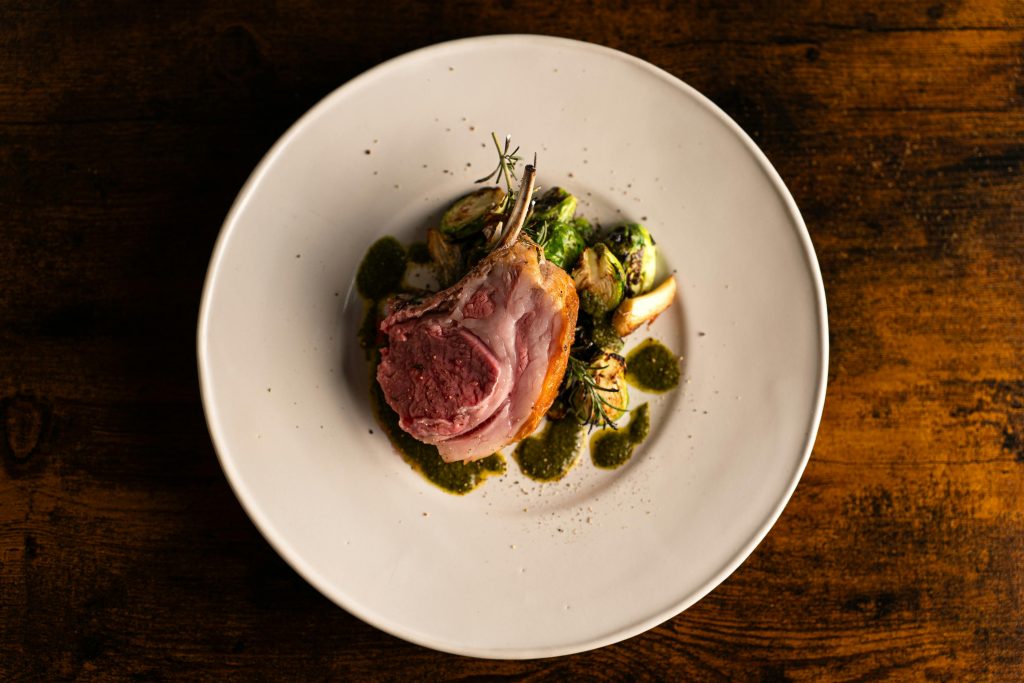
Why Cabernet Franc Shines with Mint Sauce
I've spent countless evenings pairing wines with lamb and mint sauce, and I can tell you that Cabernet Franc consistently delivers the most harmonious experience. The wine's natural herbaceous notes create a bridge between the rich lamb and the bright, cooling mint. When I pour a glass of Loire Valley Cabernet Franc alongside lamb with mint sauce, the wine's subtle green pepper and herb characteristics don't compete with the mint – they actually amplify each other.
The secret lies in Cabernet Franc's moderate tannins and fresh acidity. While heavier red wines can overwhelm the delicate mint, Cabernet Franc's lighter structure allows both the sauce and the meat to shine. I particularly love how the wine's earthy undertones complement the lamb's natural gaminess without masking the mint's refreshing qualities.
Alternative Wine Pairing Options
When Cabernet Franc isn't available, I turn to several other excellent options for wine with lamb and mint sauce. Pinot Noir from Burgundy works beautifully, especially with its bright acidity that matches the mint's sharpness. The wine's lighter body prevents it from overpowering this classic lamb wine pairing.
Sancerre Rouge offers another fantastic choice. This Loire Valley red brings the same regional harmony as Cabernet Franc but with even more pronounced herbal notes. I've found it particularly successful when the mint sauce has additional herbs like parsley or chives.
For those preferring bolder options, a young Chianti Classico can work wonders. The wine's natural acidity cuts through the lamb's richness while its subtle herb notes complement the mint without clash.
Serving Temperature and Timing Tips
I always serve these wines slightly cooler than typical reds – around 60-62°F. This temperature preserves the fresh, herbaceous qualities that make the pairing with mint sauce so special. The cooler temperature also prevents the alcohol from overwhelming the mint's delicate sweetness.
Timing matters too. I open these bottles about 30 minutes before serving, allowing them to breathe just enough to soften any harsh edges without losing their fresh character.
Best wine with spiced or Moroccan lamb
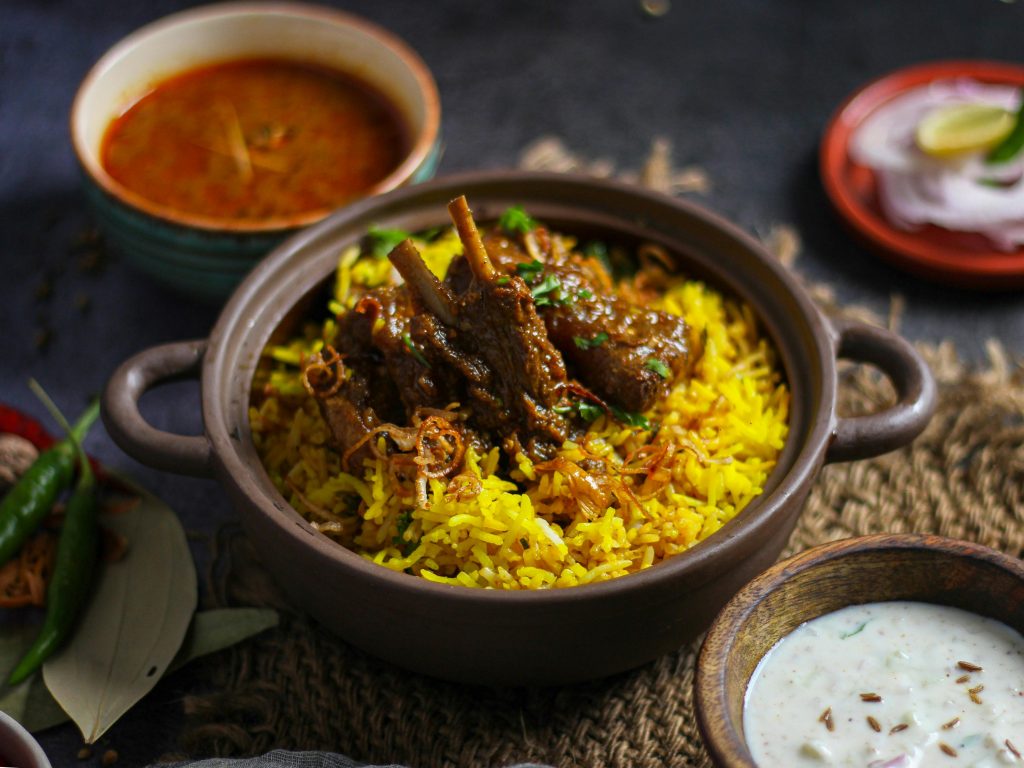
Why Moroccan Lamb Demands a Different Wine Strategy
When I first encountered lamb tagine at a Moroccan restaurant, I quickly realized my usual Cabernet Sauvignon approach wasn't going to work. The complex spice blends – think cumin, cinnamon, ginger, and preserved lemons – completely overwhelmed my traditional red wine lamb pairing choices. Spiced lamb dishes require wines that can dance with bold flavors rather than compete against them.
The key difference with Moroccan and North African-inspired lamb preparations lies in their aromatic intensity. Unlike a simple roasted leg where the meat's natural flavors take center stage, spiced lamb tagine or harissa-crusted preparations create a symphony of competing tastes that need careful wine consideration.
My Top Wine Picks for Spiced Lamb
I've discovered that Grenache-based wines work beautifully with spiced lamb dishes. The grape's natural fruit-forward character and moderate tannins complement rather than clash with complex spice rubs. My favorite choices include:
Châteauneuf-du-Pape remains my go-to for special occasions. The blend typically includes Grenache, Syrah, and other Rhône varietals, creating layers that mirror the complexity in Moroccan cuisine.
Côtes du Rhône Villages offers excellent value while delivering the same flavor profile. I particularly love how these wines handle the sweet-savory balance found in lamb tagines with dried fruits.
Spanish Garnacha from regions like Campo de Borja or Jumilla provides incredible bang for your buck. These wines often show more concentration and earthiness that pairs wonderfully with cumin and paprika.
Understanding Spice and Tannin Interactions
My experience has taught me that high-tannin wines create an unpleasant bitter clash with aromatic spices. When harissa or ras el hanout meets aggressive tannins, the result tastes medicinal and harsh. This is why I always choose wines with softer, more integrated tannins for my wine pairing with lamb when North African spices are involved.
Grenache naturally possesses these gentler tannins while maintaining enough structure to stand up to rich, slow-cooked lamb preparations.
| Wine Style | Best Spice Matches | Price Range |
|---|---|---|
| Southern Rhône Blends | Ras el hanout, preserved lemons | $15-40 |
| Spanish Garnacha | Harissa, smoked paprika | $12-25 |
| Languedoc Blends | Cinnamon, ginger, dried fruits | $10-20 |
Seasoning and Sauce Pairings That Transform Your Experience
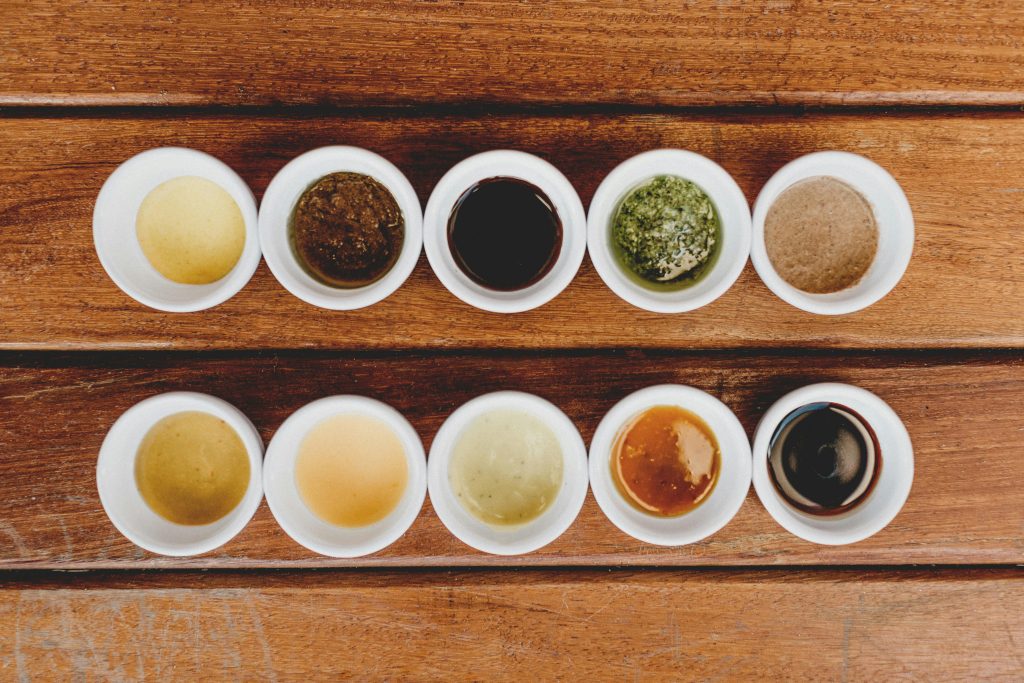
Herb combinations that enhance specific wine characteristics
I've discovered that the right herb blend can make the difference between a good wine and lamb pairing and an absolutely magical one. When I use Mediterranean herbs like thyme, oregano, and sage with my lamb, they bring out the earthy undertones in wines like Côtes du Rhône and Chianti. These herbs create a bridge between the meat's richness and the wine's mineral notes.
My go-to combination for enhancing wine complexity includes fresh rosemary, dried lavender, and a touch of fennel seed. This blend works wonders with structured red wines like Barolo or Brunello di Montalcino, where the herbs amplify the wine's herbal and floral notes without overwhelming them.
For lighter preparations, I love using fresh parsley, chives, and tarragon. These bright herbs complement Pinot Noir beautifully, allowing the wine's fruit characteristics to shine while the herbs add a fresh counterpoint to the lamb's natural richness.
Garlic and rosemary preparations with earthy wine selections
Nothing beats the classic combination of garlic and rosemary when I'm aiming for a robust wine and lamb pairing. I create a paste using minced garlic, chopped fresh rosemary, olive oil, and coarse sea salt, then rub it under the lamb's skin before roasting. This preparation calls for wines with serious earthiness – think aged Rioja, Barolo, or Northern Rhône Syrah.
The key is balance. Too much garlic can overpower even the boldest wine, so I use about three cloves per leg of lamb. I also like to add roasted garlic cloves around the meat, which become sweet and mellow, creating another flavor layer that pairs beautifully with wines that have spent time in oak.
My favorite technique involves creating small slits in the lamb and inserting slivers of garlic and rosemary sprigs directly into the meat. This infuses the lamb from within and creates pockets of intense flavor that match perfectly with the concentrated fruit and earth notes found in premium red wine selections.
Mint and fruit-based sauces for lighter wine styles
Traditional mint sauce might seem simple, but I've learned that different approaches to mint can open up exciting wine pairing possibilities. When I make my mint sauce with fresh mint, white wine vinegar, and a touch of honey, it pairs beautifully with lighter red wines like Beaujolais or Loire Valley Cabernet Franc.
I've experimented with fruit-based mint combinations that transform the entire dining experience. My pomegranate-mint glaze works exceptionally well with Grenache-based wines, while my apple-mint chutney creates magic with German Spätburgunder or Austrian Pinot Noir.
For something more adventurous, I prepare a blackberry-mint reduction that I brush onto lamb chops during the final minutes of cooking. This sauce bridges the gap between the meat's savory elements and the wine's fruit profile, making it perfect for New World Syrah or Malbec that have pronounced berry characteristics.
Spicy marinades requiring wines with cooling properties
When I'm working with spicy lamb marinades, my wine selection strategy completely shifts. Harissa-marinated lamb needs wines with enough fruit sweetness to cool the palate – I reach for wines like Châteauneuf-du-Pape or Australian Shiraz with their generous fruit profiles and smooth tannins.
My Moroccan-inspired marinade includes cumin, coriander, cinnamon, and cayenne pepper. This complex spice blend requires wines that won't compete but rather provide relief. I've found that wines with residual sugar or very ripe fruit characteristics work best – think Amarone della Valpolicella or late-harvest style Zinfandel.
For Asian-influenced preparations with ginger, soy, and chili, I choose wines with bright acidity and minimal oak. The cooling effect of a crisp Sangiovese or unoaked Tempranillo helps balance the heat while complementing the umami elements in the marinade. The secret is matching intensity with intensity while ensuring the wine provides a refreshing counterpoint to the spice.
Expert Tips for Creating Memorable Wine and Lamb Experiences
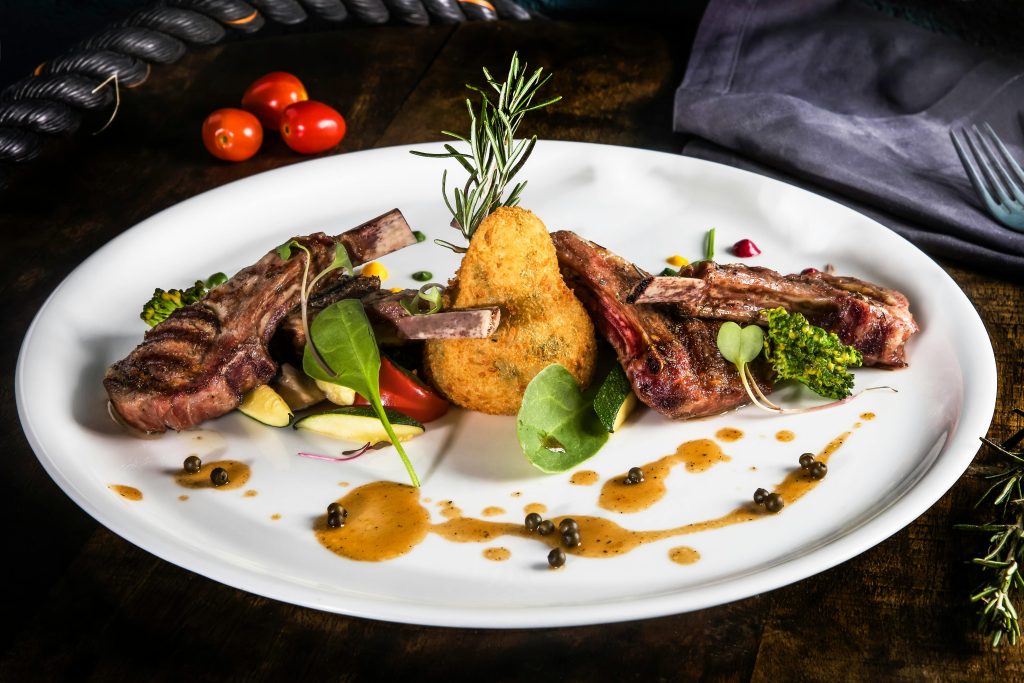
Temperature Serving Guidelines for Optimal Taste
Getting the temperature right makes all the difference in wine and lamb pairing. I've learned through countless dinners that serving wine too cold or too warm can completely overshadow the complex flavors of both the wine and lamb.
For red wines with lamb, I keep my bottles at 60-65°F (15-18°C). This temperature range allows the tannins to shine without becoming overwhelming, and the fruit flavors complement the richness of the meat perfectly. I take my bottles out of the cellar about 30 minutes before serving to reach this sweet spot.
With lamb, temperature control is equally critical. I let my lamb rest for 10-15 minutes after cooking, which brings it to the perfect serving temperature while allowing the juices to redistribute. Medium-rare lamb (130-135°F internal temperature) pairs beautifully with bold reds like Cabernet Sauvignon, while well-done preparations work better with softer wines.
Room temperature matters too. I find that dining in a space that's 68-72°F helps both the wine and lamb maintain their optimal temperatures throughout the meal.
Decanting Strategies for Maximum Flavor Development
Decanting has transformed my wine and lamb pairing experiences more than any other single technique. I decant almost all red wines I serve with lamb, but my approach varies based on the wine's age and style.
For young, tannic wines like Barolo or Bordeaux, I decant 2-3 hours before serving. This extended exposure to air softens harsh tannins and allows the wine to develop complex secondary aromas that complement lamb's earthy flavors. I use a wide-bottomed decanter to maximize surface area contact with air.
Older wines (10+ years) get gentler treatment. I decant these just 30-60 minutes before serving, primarily to separate sediment rather than for aeration. The goal is preserving the delicate flavors that have developed over time.
My timing strategy revolves around the lamb preparation. I start decanting when I put the lamb in the oven, so both wine and meat reach their peak simultaneously. For quick-cooking lamb chops, I decant earlier in my prep process.
Double decanting works wonders for particularly closed wines. I pour the wine into a decanter, then back into the clean bottle, then into the decanter again. This aggressive aeration opens up even the most stubborn bottles.
Glassware Selection That Enhances Both Wine and Food
The right glass elevates every aspect of wine and lamb pairing. I've experimented with different shapes and sizes over the years, and I've settled on specific glasses that consistently deliver the best results.
For bold reds with lamb, I use large Bordeaux-style glasses with wide bowls. The generous surface area allows the wine to breathe while concentrating the aromas toward my nose. This design particularly benefits Cabernet Sauvignon, Merlot, and other full-bodied wines that pair beautifully with roasted lamb.
Burgundy glasses work perfectly for Pinot Noir and other lighter reds I serve with delicate lamb preparations. The wider bowl and slightly flared rim captures the subtle aromatics while directing them perfectly.
I always warm my glasses slightly before pouring – either by holding them in my hands or giving them a quick rinse with warm water and drying thoroughly. Cold glass can shock the wine and mute its flavors.
For special lamb dinners, I use different glasses for different wines throughout the meal. This prevents flavor contamination and allows each wine to shine. I keep extra glasses nearby for guests who want to compare different wine and lamb combinations.
Crystal glasses make a noticeable difference compared to regular glass. The thinner rim feels better against the lips, and crystal seems to enhance both the wine's appearance and taste. When I'm serving premium lamb cuts with exceptional wines, I bring out my best crystal.
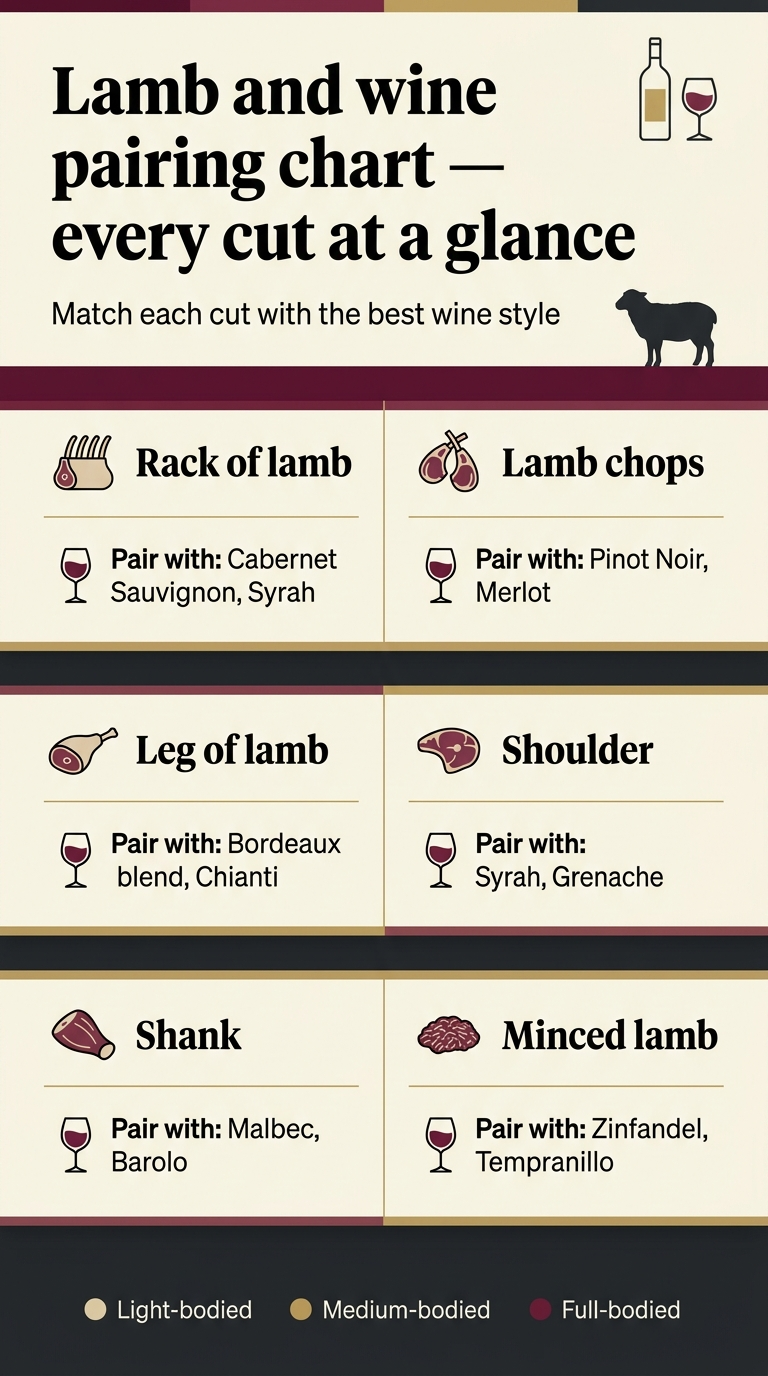
Lamb and wine pairing chart — every cut at a glance

Quick Reference for Perfect Wine and Lamb Pairing
| Lamb Cut/Preparation | Best Wine Pairing | Why It Works |
|---|---|---|
| Roast Leg of Lamb | Cabernet Sauvignon, Bordeaux | Rich tannins complement the meat's intensity |
| Lamb Chops | Pinot Noir, Côtes du Rhône | Medium body matches the tender texture |
| Lamb Shanks | Syrah/Shiraz, Barolo | Bold wines stand up to slow-cooked richness |
| Rack of Lamb | Merlot, Chianti Classico | Elegant wines for premium cuts |
| Ground Lamb | Sangiovese, Tempranillo | Bright acidity cuts through fat content |
| Lamb Shoulder | Zinfandel, Malbec | Robust flavors complement marbled meat |
| Lamb with Mint Sauce | Sauvignon Blanc, Sancerre | Fresh herbs need crisp, herbaceous wines |
| Moroccan/Spiced Lamb | Grenache, Côtes du Rhône Villages | Fruit-forward wines balance exotic spices |
| Grilled Lamb | Cabernet Franc, Rioja | Smoky char pairs with earthy undertones |
| Braised Lamb | Nebbiolo, Northern Rhône | Complex wines for complex preparations |
My Go-To Wine Selections by Cooking Method
When I'm planning a lamb dinner, I always consider how I'm preparing the meat first. Grilled lamb chops call for something completely different than slow-braised lamb shanks.
For high-heat cooking methods like grilling or roasting, I reach for wines with strong tannin structure – Cabernet Sauvignon or Malbec work beautifully. The char and caramelization need wines that won't get overwhelmed.
Slow-cooked preparations demand different treatment. When I'm making lamb shanks or shoulder roasts, I want wines with enough complexity to match the developed flavors – think Syrah from the Northern Rhône or a well-aged Barolo.
Sauce and Seasoning Considerations
The wine pairing completely changes based on what I'm serving alongside the lamb. Mint sauce transforms everything – suddenly I need something with bright acidity like Sauvignon Blanc or even a crisp Albariño.
Mediterranean preparations with rosemary and garlic call for Italian reds – Chianti Classico or Brunello di Montalcino. The herbal notes in these wines create perfect harmony.
Spiced lamb dishes require fruit-forward wines that can handle heat and complexity. I always keep Grenache-based blends on hand for Moroccan-style preparations, while Australian Shiraz works magic with Indian-spiced lamb curries.
Conclusion
I've found that matching the right wine with lamb really does make a huge difference in how both taste. The natural richness of lamb meat works beautifully with red wines, especially when you think about the fat content and how tannins help cut through that richness. Whether you're grilling lamb chops for a quick dinner or slow-cooking shanks for Sunday lunch, there's always a perfect wine waiting to complement your dish.
My biggest takeaway from exploring these pairings is that you don't need to overthink it. Start with the classics like Cabernet Sauvignon or Bordeaux for roasted lamb, then experiment based on how you're cooking and what seasonings you're using. Spiced Moroccan lamb calls for something completely different than mint-crusted chops, and that's the fun part. Keep my pairing chart handy, trust your taste buds, and don't be afraid to try something new – some of my best discoveries happened when I stepped outside the traditional recommendations.
From Lamb to Every Great Meat Pairing
The principles behind wine and lamb pairing — using tannin to cut fat, matching wine weight to cooking method, following the sauce rather than just the protein — apply across every meat-based pairing you'll ever make. Our wine and steak pairing guide covers the same tannin-fat interaction in depth for beef, with a cut-by-cut breakdown that mirrors the approach you've found here. If the Cabernet Sauvignon and Merlot recommendations sparked your curiosity about what separates those two grapes, our Cabernet Sauvignon vs Merlot guide explains exactly what makes each one suited to different lamb cuts. And when those bold reds need proper handling before serving, our wine decanting guide covers exactly how long to decant young Barolo, aged Bordeaux, and everything in between. Here's to your next perfect lamb dinner. 🍷🥩