
Wine with Fish and Seafood: The Complete Guide
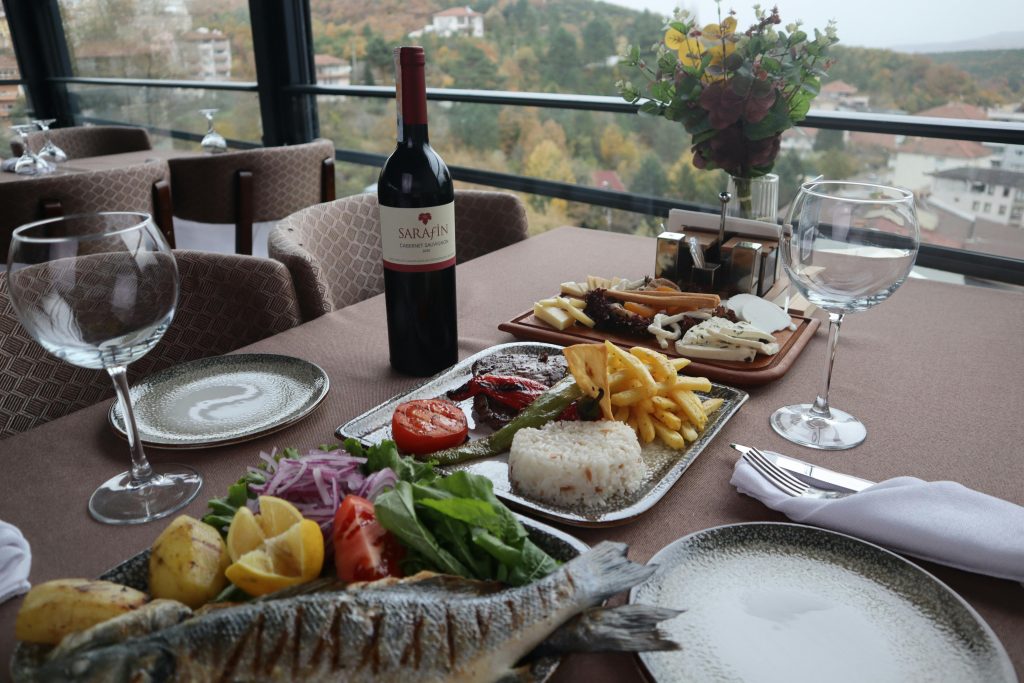
Picture this: you've just prepared a beautiful piece of grilled salmon, and you're standing in front of your wine rack, completely stumped. Should you reach for that bottle of Chardonnay? What about the Pinot Grigio your friend brought over last week? Or maybe you're feeling adventurous and wondering if that light red wine could work?
If this sounds familiar, you're not alone. Finding the right wine to pair with fish and seafood can feel like solving a puzzle, especially when traditional wine rules seem to contradict each other. But here's the good news: pairing wine with seafood doesn't have to be complicated. Whether you're cooking at home or ordering at a restaurant, this guide will give you the confidence to make delicious wine choices that enhance your seafood experience.
Why Wine and Seafood Make Such Good Friends
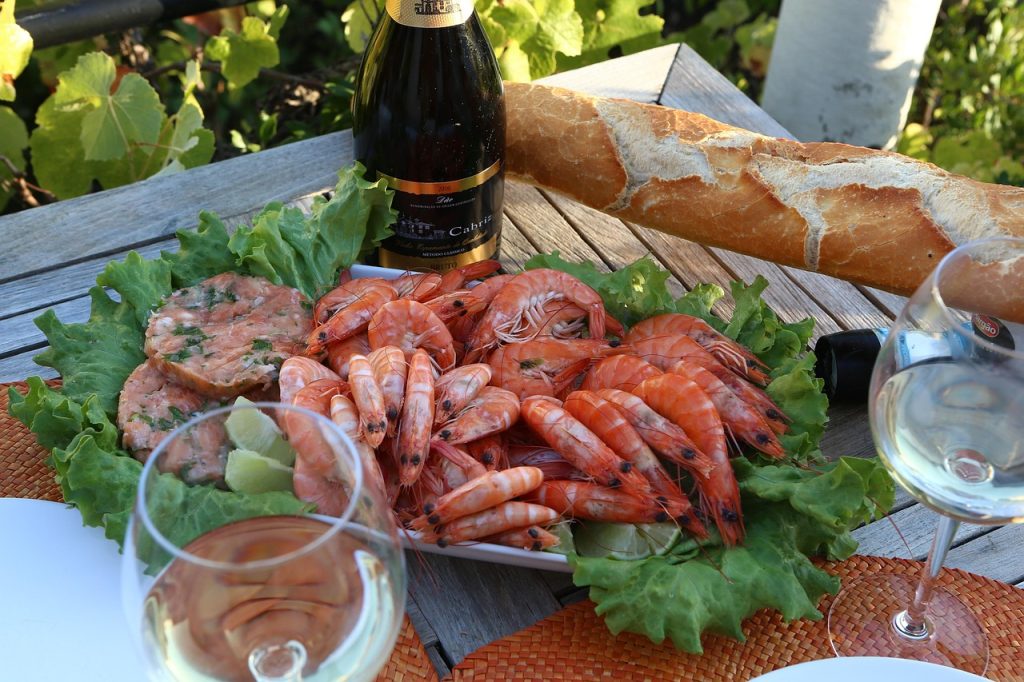
Before diving into specific pairings, let's talk about why wine and seafood work so well together. Fish and seafood tend to have delicate flavors that can easily be overwhelmed by heavy wines. The natural salinity in many seafood dishes also plays beautifully with the acidity in wine, creating a balanced and refreshing combination.
The texture of seafood matters too. Light, flaky fish like sole or flounder needs a different wine approach than meaty tuna or rich lobster. Understanding these basic principles will help you make smart choices, even when faced with unfamiliar seafood dishes.
Think of wine as a seasoning for your seafood. Just as you wouldn't put heavy barbecue sauce on delicate scallops, you wouldn't pair them with a bold Cabernet Sauvignon. The goal is harmony, where both the wine and the seafood shine without one overpowering the other.
Breaking Down the Classic White Wine with Fish Rule
You've probably heard the old saying “white wine with fish,” but this rule is more of a starting point than an absolute law. White wines typically work well with seafood because they tend to be lighter, more acidic, and complement rather than compete with delicate fish flavors.
The Science Behind the Pairing
White wines generally have higher acidity and lighter body than reds, which makes them natural partners for seafood. The acidity in wine acts like a squeeze of lemon on fish, brightening flavors and cutting through any richness. This is why a crisp Sauvignon Blanc with fish feels so refreshing and why Chablis with oysters is such a classic combination.
However, not all white wines are created equal. A buttery, oak-aged Chardonnay will pair differently with seafood than a zesty Albariño. The key is matching the weight and intensity of the wine to your seafood preparation.
When to Consider Breaking the Rules
While white wine remains the go-to choice for most seafood, there are plenty of exceptions. Preparation method, sauces, and the type of seafood all influence what wine works best. A simple grilled fish might call for white wine, but that same fish blackened with spices or served with a tomato-based sauce might sing with a light red wine.
Your Seafood Wine Pairing Cheat Sheet
Let's get practical. Here's a breakdown of popular seafood options and their best wine matches:
Light, Delicate Fish
For mild fish like sole, halibut, or sea bass, choose equally delicate wines:
- Pinot Grigio – clean and neutral, won't overpower subtle flavors
- Albariño – slightly more aromatic with a hint of stone fruit
- Vermentino – crisp with a slight herbal quality
- Grüner Veltliner – adds a touch of white pepper spice
Medium-Bodied Fish
Fish like cod, monkfish, or grouper can handle wines with more personality:
- Sauvignon Blanc – classic choice with bright acidity
- Dry Riesling – don't let the sweetness reputation fool you
- Verdejo – Spanish alternative with similar profile to Sauvignon Blanc
- White Rioja – offers more texture and complexity
Rich, Oily Fish
Salmon, mackerel, and sardines need wines that can match their intensity:
- Chardonnay – especially good with grilled or roasted preparations
- Viognier – aromatic and full-bodied
- White Burgundy – elegant with enough weight
- Rosé – bridges the gap between white and red
Shellfish: A Category of Its Own
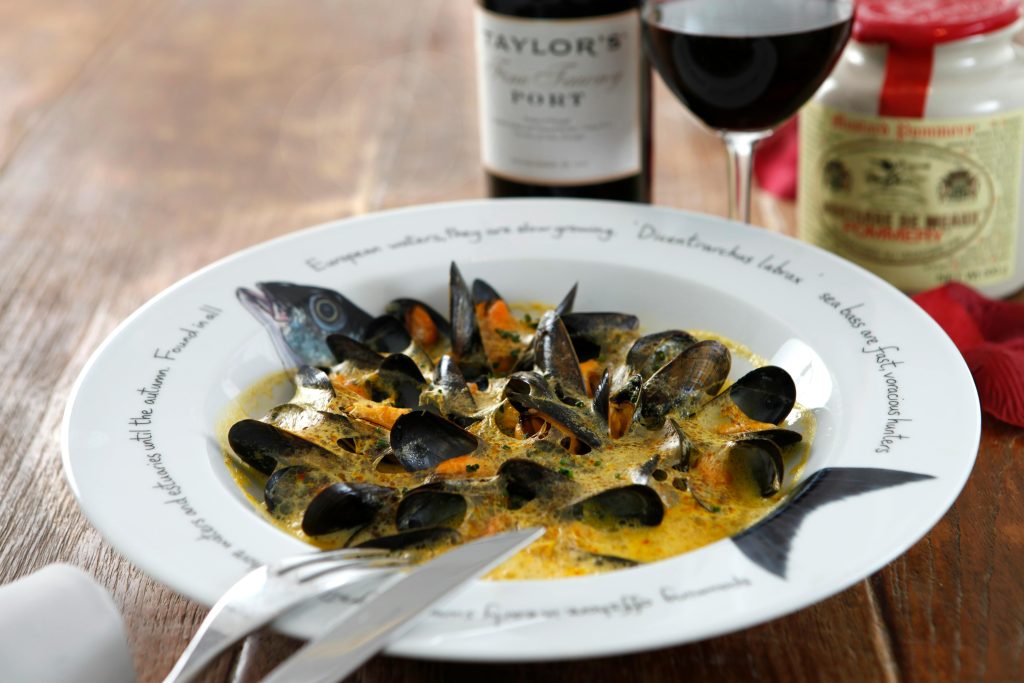
Shellfish presents unique pairing opportunities because of their distinctive flavors and textures. From sweet lobster to briny oysters, each type of shellfish has its ideal wine match.
Wine with Shrimp
Shrimp is incredibly versatile, and your wine choice should reflect the preparation:
- Grilled or sautéed shrimp: Verdicchio or Fiano
- Shrimp scampi: Pinot Grigio or Soave
- Coconut shrimp: Off-dry Riesling or Gewürztraminer
- Shrimp cocktail: Muscadet or Vinho Verde
Best Wine with Lobster
Lobster's sweet, rich meat can handle more substantial wines:
- Steamed lobster: Premier Cru Chablis or white Burgundy
- Lobster with butter: Rich Chardonnay or white Rhône blend
- Lobster roll: Champagne or premium Prosecco
- Lobster bisque: Aged white Rioja or Marsanne
Wine Pairing for Shellfish Variety
Different shellfish call for different approaches:
- Oysters: Chablis, Sancerre, or Muscadet
- Clams: Albariño or Txakoli
- Mussels: Belgian wheat beer or crisp Pinot Blanc
- Scallops: White Burgundy or Austrian Grüner Veltliner
- Crab: Riesling or Chenin Blanc
The Art of Wine with Sushi
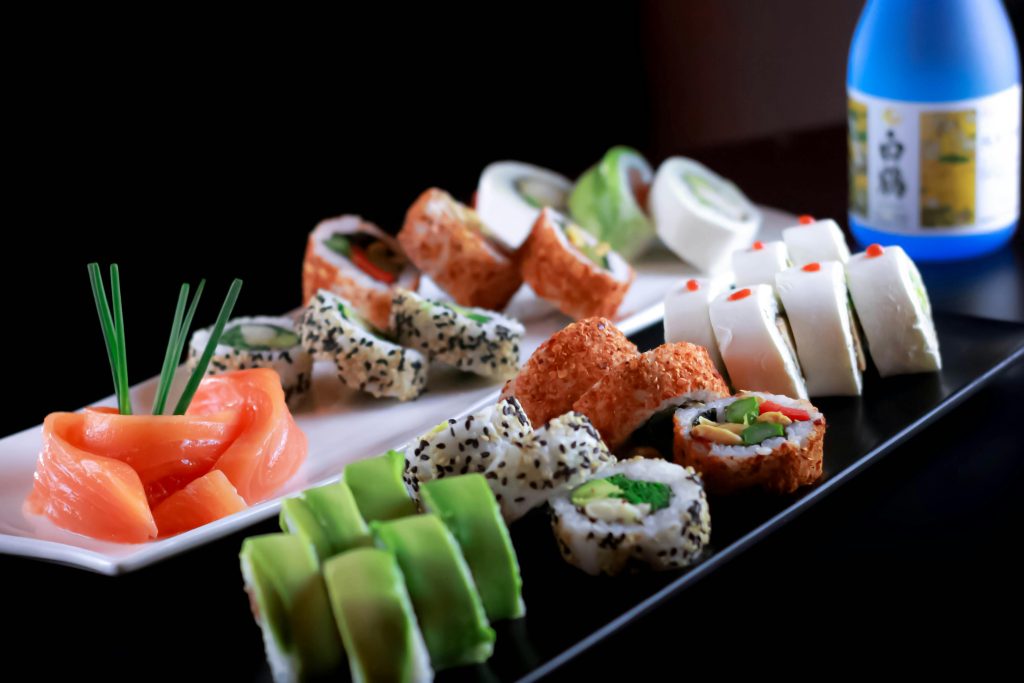
Sushi presents a unique pairing challenge because it combines raw fish with rice, seaweed, and often spicy or sweet elements. Traditional sake is always a safe bet, but wine can work beautifully too.
For classic sushi and sashimi, consider these options:
- Grüner Veltliner – handles wasabi heat well
- Riesling – balances soy sauce saltiness
- Champagne – cleanses palate between pieces
- Fino Sherry – unexpected but brilliant with umami flavors
For American-style rolls with mayo-based sauces or tempura, try:
- Gewürztraminer – matches sweetness and spice
- Prosecco – cuts through creamy textures
- Albariño – refreshing contrast to rich flavors
Red Wine with Fish: When and How It Works
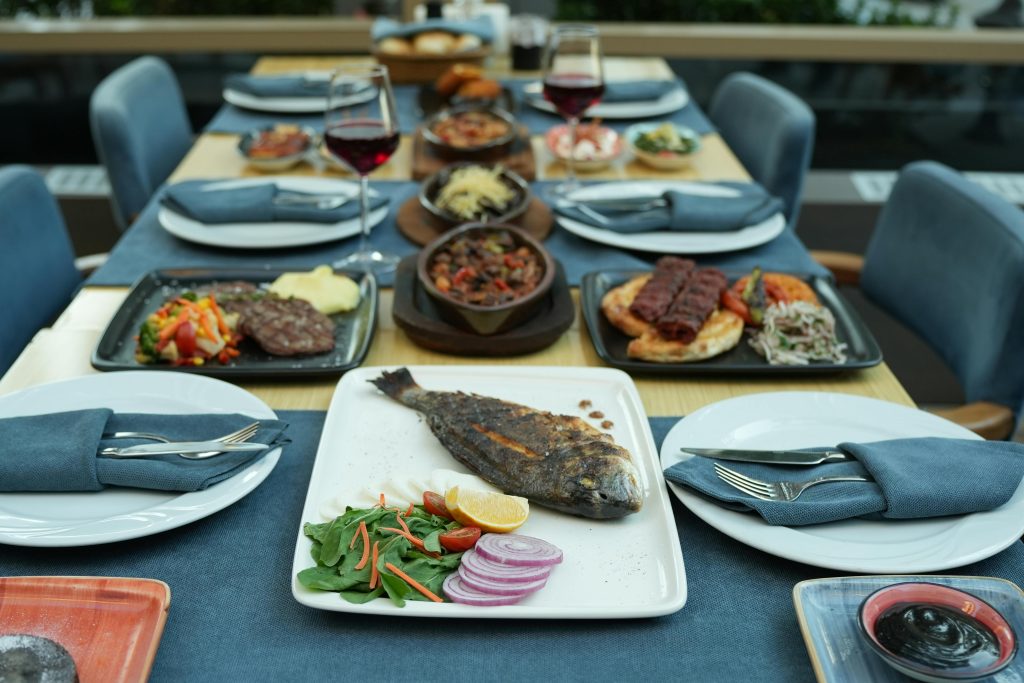
Despite conventional wisdom, red wine with fish can be spectacular when done right. The key is choosing the right red wine and the right fish preparation.
Best Red Wine Choices for Seafood
Light-bodied reds with good acidity work best:
- Pinot Noir – especially with salmon or tuna
- Beaujolais – light and fruity
- Barbera – Italian option with bright acidity
- Zweigelt – Austrian red that's food-friendly
When to Pour Red with Seafood
Consider red wine when:
- Fish is grilled or blackened
- Serving meaty fish like tuna or swordfish
- Using tomato-based sauces
- Preparing fish with earthy ingredients like mushrooms
Cooking Method Matters
How you prepare your seafood significantly impacts wine selection. The same piece of fish can pair with completely different wines depending on preparation.
Raw and Ceviche Preparations
Raw fish and ceviche need wines with bright acidity:
- Albariño
- Vermentino
- Vinho Verde
- Txakoli
Grilled and Roasted
These methods add smoky, caramelized flavors that can handle fuller wines:
- Oaked Chardonnay
- White Rioja
- Rosé
- Light red wines
Fried Seafood
Fried fish needs wines that cut through oil and refresh the palate:
- Champagne or Cava
- Riesling
- Albariño
- Verdicchio
Poached and Steamed
Gentle cooking methods preserve delicate flavors:
- Chablis
- Sancerre
- Muscadet
- Soave
Sauce Considerations
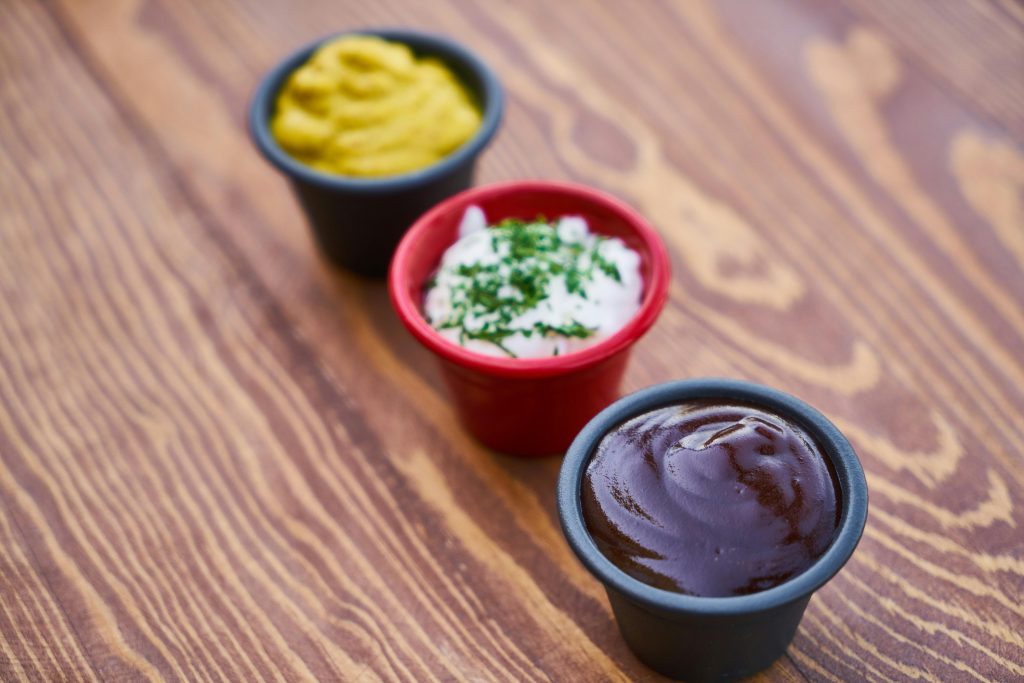
Often, the sauce determines the wine more than the seafood itself. Here's how to navigate common sauce pairings:
Butter and Cream Sauces
Rich sauces need wines with enough body to match:
- Full-bodied Chardonnay
- White Burgundy
- Viognier
- Aged white Rioja
Tomato-Based Sauces
Acidity in tomatoes opens up red wine possibilities:
- Chianti Classico
- Barbera
- Rosé
- Vermentino
Asian-Inspired Sauces
Sweet, salty, and spicy flavors need specific wines:
- Off-dry Riesling
- Gewürztraminer
- Grüner Veltliner
- Chenin Blanc
Regional Pairings That Never Fail

One foolproof approach to wine pairing is matching seafood with wines from the same region. Coastal areas have developed their wine and food cultures together over centuries.
Mediterranean Matches
- Greek seafood with Assyrtiko
- Spanish seafood with Albariño or Txakoli
- Italian seafood with Vermentino or Falanghina
- French seafood with Muscadet or Picpoul de Pinet
New World Combinations
- Pacific Northwest salmon with Oregon Pinot Gris
- California Dungeness crab with Sonoma Chardonnay
- New Zealand green-lipped mussels with Marlborough Sauvignon Blanc
- Australian prawns with Clare Valley Riesling
Making It Easy: Your Go-To Wines

If you want to keep things simple, stock these versatile wines that pair well with various seafood:
- Sauvignon Blanc – Works with almost any simply prepared fish
- Albariño – Spanish crowd-pleaser for shellfish
- Grüner Veltliner – Austrian all-rounder with food-friendly acidity
- Rosé – Bridges white and red, works with many preparations
- Chablis – Classic choice for oysters and delicate fish
Common Mistakes to Avoid
Even experienced wine lovers make these seafood pairing mistakes:
- Choosing wine that's too oaky for delicate fish
- Ignoring the sauce and focusing only on the seafood
- Serving wine too warm (most whites taste best well-chilled)
- Being afraid to try unconventional pairings
- Overthinking instead of trusting your taste
Temperature and Serving Tips

Proper serving temperature makes a huge difference:
- Light whites: 45-50°F (7-10°C)
- Fuller whites: 50-55°F (10-13°C)
- Rosé: 50-55°F (10-13°C)
- Light reds: 55-60°F (13-15°C)
Remember: It's better to serve wine too cold than too warm. You can always let it warm up in the glass.
Building Confidence in Your Choices
The best way to improve your seafood and wine pairing skills is through practice. Start with classic pairings to understand why they work, then experiment with your own combinations. Take notes on what you enjoy and don't be afraid to break traditional rules if something tastes good to you.
Consider hosting a seafood and wine tasting party where you can try multiple pairings side by side. This hands-on approach helps you understand how different wines interact with various seafood preparations and develops your palate.
Your Seafood Wine Pairing Journey
Pairing wine with fish and seafood should be enjoyable, not stressful. While guidelines help, remember that the best pairing is the one you enjoy. Start with these recommendations, but don't be afraid to experiment and discover your own favorite combinations.
Whether you're preparing a simple weeknight dinner of pan-seared cod or planning an elaborate seafood feast, you now have the knowledge to choose wines that enhance your meal. The next time you're at the fish counter or seafood restaurant, you can confidently select both your seafood and the perfect wine to accompany it.
The world of seafood and wine pairing is vast and exciting, offering endless opportunities to discover new favorite combinations. So pour a glass, prepare some beautiful seafood, and enjoy the delicious journey of finding your perfect pairings. After all, the best wine with your fish is the one that makes you smile.
Expand Your Pairing Knowledge Beyond Seafood
Seafood is just one chapter in the broader story of food and wine pairing — and the principles you've learned here (matching weight, using acidity to cut richness, considering sauce over protein) apply just as well to every other dish on the table. Our complete food and wine pairing guide covers red meat, pasta, cheese, and dessert pairings with the same level of detail you've found here, all in one place. If the regional pairing section caught your attention — the idea of matching coastal wines with coastal food — our wine regions of the world guide explains exactly why certain regions produce wines that are natural partners for their local cuisine. And if you want to host a seafood and wine evening where every pairing lands perfectly, our best wine for a dinner party guide covers quantities, serving order, and crowd-pleasing choices for every budget. The sea is full of possibilities — and now so is your wine rack.