
Wine Body Explained: A Beginner's Tasting Guide
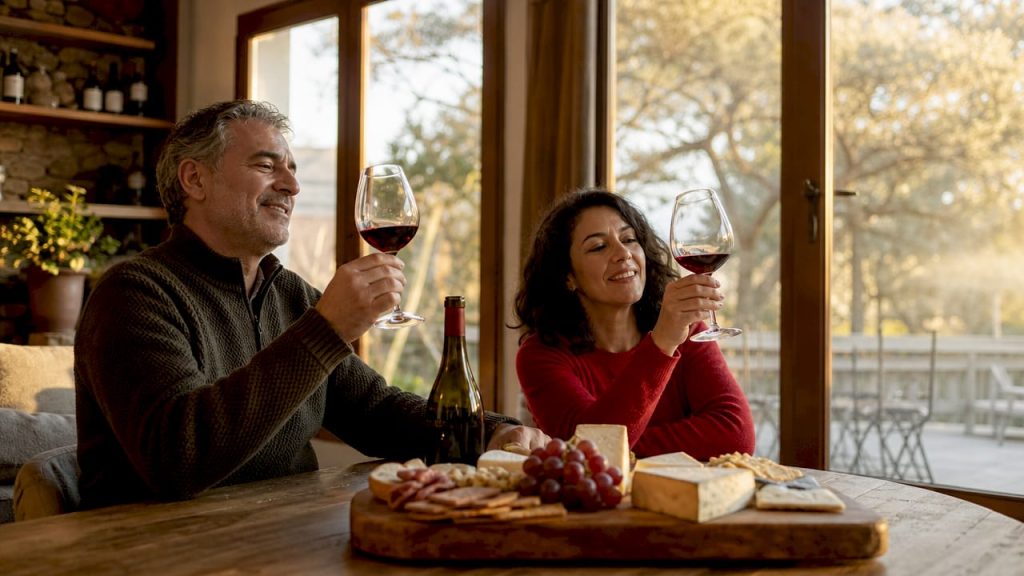
Wine body is defined as the sensation of weight and fullness you feel on your palate when you taste wine. Think of it as the difference between sipping skim milk and pouring cream over your tongue. That tactile difference is exactly what separates a light-bodied Riesling from a full-bodied Cabernet Sauvignon. The concept of what is wine body explained comes down to four core components: alcohol, residual sugar, tannins, and extract. Understanding these elements helps you choose wines you’ll love, pair them with food more confidently, and talk about what you’re tasting without guessing.
Affiliate Disclosure: Some links on Fine Wine World are affiliate links, meaning we may earn a paid commission if you click through and make a purchase — at no extra cost to you. Affiliate programs use cookies to track commissions, which may collect personal data. You can read more about how we handle your data in our Privacy Policy and Affiliate Disclosure. We only recommend products we genuinely trust.
What factors determine wine body?
Wine body is driven primarily by alcohol content, with higher ABV producing greater viscosity and weight on the palate. A wine with 14.5% ABV will almost always feel heavier than one at 11.5%, even before you consider anything else. That’s why checking the label before you taste gives you a reliable head start on predicting body.
Beyond alcohol, three other structural components shape what you feel in the glass:
- Residual sugar adds viscosity and a coating sensation. Wines with noticeable sweetness, like a late-harvest Riesling or a Sauternes, feel thicker and more coating because sugar increases mouthfeel weight.
- Tannins contribute grip and firmness, especially in red wines. Two wines with identical alcohol levels can feel completely different if one has high tannins and the other has almost none. Tannin presence increases structural grip, which is why a young Barolo feels so much more structured than a Pinot Noir at the same ABV.
- Wine extract, which includes phenolics and dissolved minerals, adds richness and depth. Higher extract wines have more dissolved solids, and those solids contribute directly to a sense of fullness and concentration.

One component that surprises many wine lovers is glycerol. Glycerol, a fermentation byproduct, adds an oily, viscous quality to the mouthfeel. This explains why some moderate-alcohol wines feel fuller than their label suggests. A wine at 13% ABV with high glycerol production can feel as weighty as one at 14%.
Pro Tip: Before your next tasting, glance at the ABV on the bottle. Wines under 12.5% are almost always light-bodied. Wines above 13.5% lean full-bodied. Use that as your starting prediction, then confirm it with your palate.
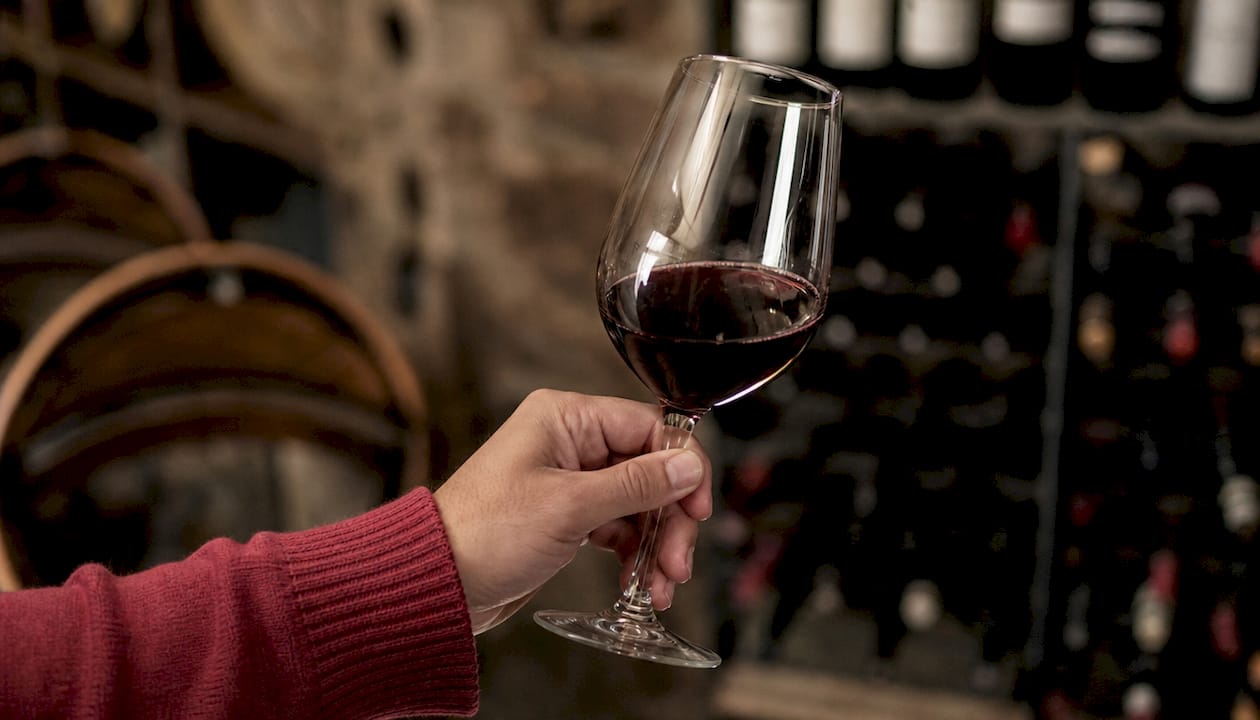
Body is also a tactile sensation, not a flavor. Beginners often confuse body with flavor intensity, but they are separate experiences. A wine can be bold in flavor and light in body, or rich in body and relatively subtle in taste. Keeping those two channels separate is the key to reading wine accurately.
How do you recognize wine body when tasting?
The dairy analogy is the most reliable tool for learning to identify body. Skim milk, whole milk, and cream map directly onto light, medium, and full-bodied wines. When you sip a wine, ask yourself: does this feel thin and watery, like skim milk? Does it feel round and coating, like whole milk? Or does it feel rich and heavy, like cream? That single question cuts through a lot of confusion.
Here is a practical four-step approach to tasting for body:
- Take a small sip and hold it. Let the wine sit on your palate for three to five seconds before swallowing. This gives your tongue time to register texture rather than just flavor.
- Focus on weight, not taste. Ignore the fruit notes and aromas for a moment. Ask yourself how heavy the liquid feels. Does it feel thin or substantial?
- Notice the warmth. Alcohol creates a gentle warmth at the back of the throat. More warmth usually signals more body. This is one of the easiest physical cues to train yourself to notice.
- Check the finish. Full-bodied wines tend to linger longer on the palate. Light-bodied wines fade quickly. A long, coating finish is a reliable sign of higher body.
Practicing focused tasting on mouthfeel rather than flavor improves your ability to discern body faster than almost any other technique. Most beginners improve noticeably after just a few deliberate practice sessions.
A common mistake is confusing a wine’s color depth with its body. A dark, inky wine looks full-bodied, but color intensity does not guarantee weight on the palate. Malbec and Syrah are both deeply colored, but a young Malbec from Mendoza can feel lighter than an oaked Syrah from the Rhône Valley. Always let your palate lead, not your eyes.
Pro Tip: Try tasting a light-bodied wine and a full-bodied wine side by side. The contrast makes body differences immediately obvious and trains your palate far faster than tasting wines in isolation.
What are examples of light, medium, and full-bodied wines?
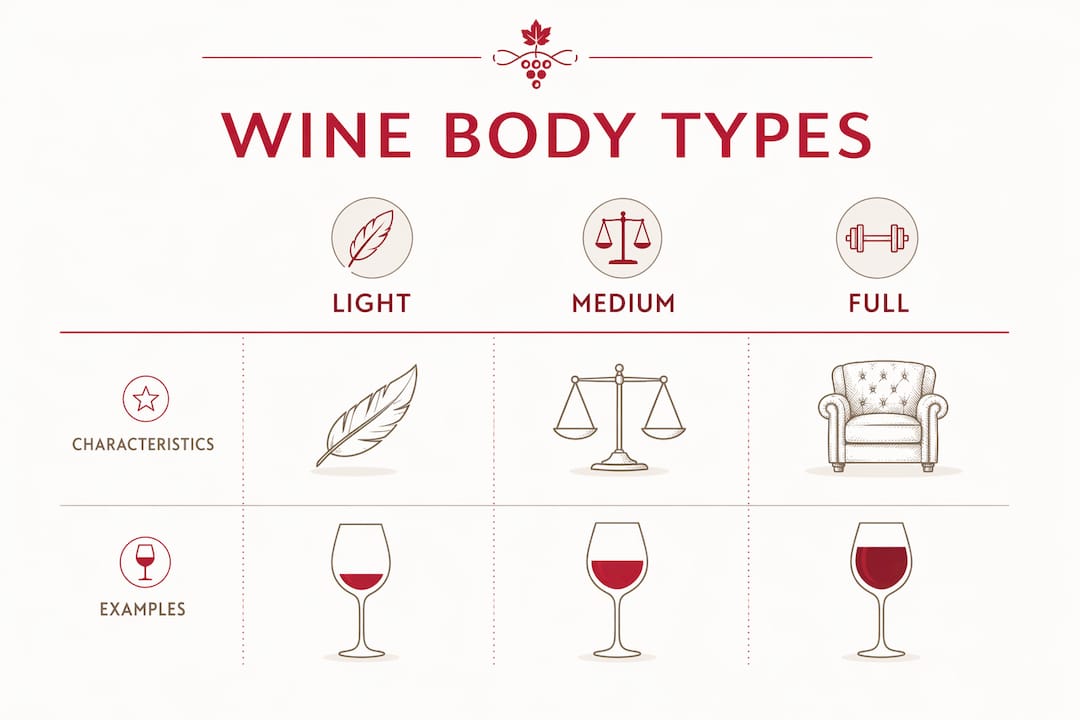
Understanding wine body becomes much easier when you connect it to specific wines you can actually try. Here is how the three categories break down in practice.
| Body Level | Common Varieties | Typical ABV | Key Characteristics |
|---|---|---|---|
| Light-bodied | Pinot Noir, Riesling, Muscadet | Under 12.5% | Thin texture, high acidity, quick finish |
| Medium-bodied | Merlot, Grenache, Chardonnay (unoaked) | 12.5%–13.5% | Balanced texture, moderate tannin, round mouthfeel |
| Full-bodied | Cabernet Sauvignon, Syrah, Malbec, oaked Chardonnay | Above 13.5% | Rich, coating texture, warming finish, firm structure |
Full-bodied wines commonly include Cabernet Sauvignon, Syrah, Malbec, and oaked Chardonnay, while light-bodied styles often include Muscadet and Riesling. That range covers a huge variety of occasions and food pairings.
Production technique plays a major role here. Oak aging enhances perceived body by adding tannins and flavor compounds, creating a creamy texture especially in Chardonnay. An unoaked Chardonnay from Burgundy can feel medium-bodied and crisp, while the same grape aged in new American oak barrels in California feels rich, buttery, and full. The grape is the same. The winemaking is what changes the body.
A few things worth knowing about each category:
- Light-bodied wines pair well with delicate dishes: fresh seafood, light salads, and mild cheeses. Their lower alcohol and higher acidity make them refreshing and food-friendly. Check out Fine-wine-world’s guide to wine and food pairing for specific match-ups.
- Medium-bodied wines are the most versatile. They work with a wide range of foods, from roasted chicken to pasta dishes, and suit most casual drinking occasions.
- Full-bodied wines shine alongside rich, fatty, or heavily seasoned foods. A grilled ribeye with a Cabernet Sauvignon is a classic pairing because the wine’s weight and tannins cut through the fat.
If you want to explore wines across all three body levels, Fine-wine-world’s guide to wines for beginners gives you a curated starting point with approachable bottles in every category.
Why does wine body matter for enjoyment and pairing?
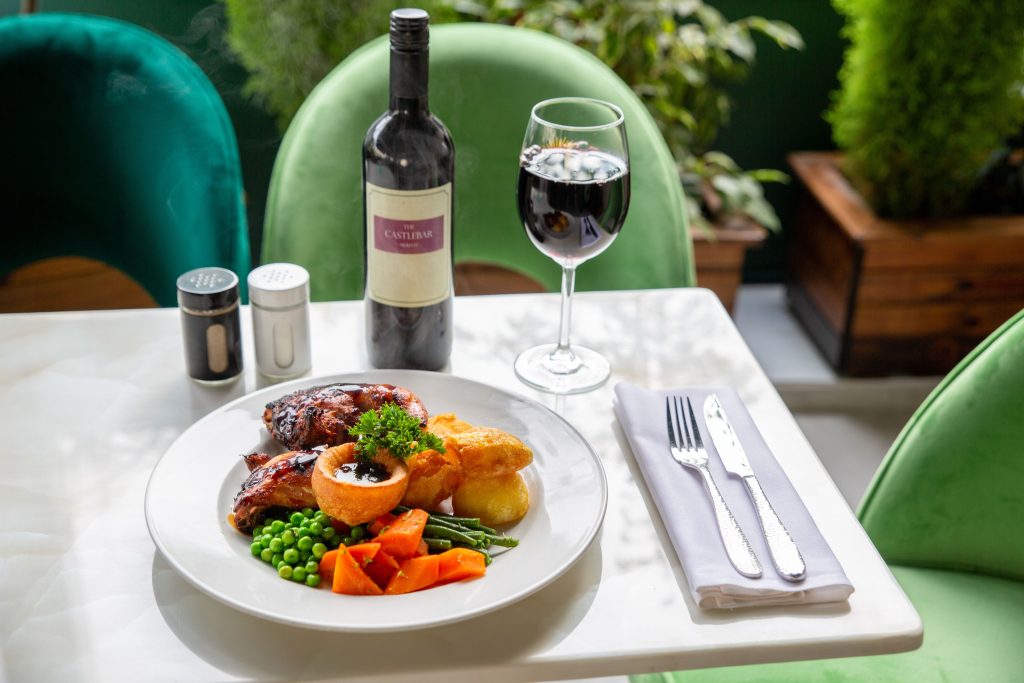
Wine body is one of the most practical tools you have as a wine drinker. It directly affects how a wine feels with food, how satisfying it is on its own, and whether it suits the occasion.
Balance, the harmony between acidity, tannin, alcohol, sweetness, and fruit, is what separates a great full-bodied wine from a clumsy one. A wine with high body but low acidity can feel flat and heavy, what tasters call “flabby.” A wine with high body and high acidity feels alive and energetic. Body without balance is just weight.
Here is how body knowledge improves your wine decisions:
- Food pairing: Match the weight of the wine to the weight of the dish. Light wines with light food, full wines with rich food. This single rule prevents most pairing mistakes.
- Label reading: ABV is printed on every bottle. Use it as a quick body predictor before you buy. Wines under 12.5% are almost always light-bodied. Wines above 13.5% lean full.
- Personal preference: If you find yourself consistently preferring certain wines, body is often the common thread. Recognizing that you love medium-bodied wines helps you shop more confidently and waste less money on bottles that don’t suit your taste.
- Occasion matching: Light-bodied wines suit warm weather, outdoor meals, and casual sipping. Full-bodied wines suit cooler evenings, formal dinners, and slow meals with rich food.
Understanding wine tasting terms like body, balance, and finish gives you a shared vocabulary for describing what you experience. That vocabulary makes every tasting more rewarding and every conversation about wine more satisfying.

Key Takeaways
Wine body is the tactile weight and texture you feel on your palate, shaped by alcohol, residual sugar, tannins, and extract, and it is the most practical tool for pairing wine with food and matching wine to your personal taste.
| Point | Details |
|---|---|
| Body is tactile, not flavor | Focus on weight and texture on the palate, not aroma or taste intensity. |
| Alcohol drives body | Wines above 13.5% ABV are typically full-bodied; wines under 12.5% are light-bodied. |
| Use the dairy analogy | Compare skim milk (light), whole milk (medium), and cream (full) to identify body quickly. |
| Balance matters as much as body | Full body without supporting acidity and fruit can make a wine feel flat or heavy. |
| Oak aging changes body | Winemaking choices like oak aging add tannins and creaminess, increasing perceived body. |
The thing most people get wrong about wine body
I spent years thinking bold-flavored wines were automatically full-bodied. A deeply spiced Grenache fooled me every time. It tasted big, but on the palate it was actually medium-bodied with high acidity. That confusion is incredibly common, and it leads people to avoid wines they would actually love.
The shift that changed everything for me was learning to separate what I tasted from what I felt. Once I started focusing on the physical weight of the wine rather than its flavor intensity, body became easy to read. I started using the dairy analogy at every tasting, even mentally comparing a sip to skim milk or cream before reaching for any other description.
My honest advice: do not rush this. Body recognition takes a few deliberate practice sessions, not years of study. Side-by-side tastings are the fastest shortcut. Pour a Pinot Grigio and a Cabernet Sauvignon at the same time and pay attention only to how each one feels in your mouth. The contrast is immediate and unforgettable.
The other thing worth saying is that body is not a quality marker. Light-bodied wines are not lesser wines. A perfectly balanced Muscadet with fresh oysters is one of the most satisfying wine experiences you can have. Body is a characteristic, not a score. Once you stop equating weight with quality, your whole relationship with wine opens up.
— Adriana
Keep learning with Fine-wine-world
If this guide sparked your curiosity, Fine-wine-world has plenty more to help you build real wine confidence.
Start with the beginner’s guide to wine regions to see how geography shapes body, flavor, and style across the world’s great wine-producing areas. From Burgundy’s elegant Pinot Noirs to Napa Valley’s powerful Cabernets, region tells you a lot about what to expect in the glass. You can also explore Fine-wine-world’s food and wine pairing resources to put your new body knowledge to work at the dinner table. Every guide is written for everyday wine lovers, not sommeliers.
FAQ
What is wine body in simple terms?
Wine body is the weight and texture you feel on your palate when you taste wine. It ranges from light (thin and watery) to full (rich and coating), driven mainly by alcohol content.
How does alcohol affect wine body?
Wines under 12.5% ABV tend to be light-bodied, while wines above 13.5% ABV are typically full-bodied. Higher alcohol increases viscosity and the sensation of weight on the palate.
What is the difference between wine body and wine flavor?
Body is a tactile sensation perceived through mouthfeel and texture, while flavor is what you taste and smell. A wine can be bold in flavor but light in body, or vice versa.
Can winemaking change a wine’s body?
Yes. Techniques like oak aging add tannins and creaminess, increasing perceived body. Malolactic fermentation also softens acidity and adds a rounder, fuller texture to wines like Chardonnay.
What does wine balance mean for beginners?
Wine balance means that acidity, tannin, alcohol, sweetness, and fruit all work together without any one element dominating. A full-bodied wine without enough acidity can feel heavy and flat rather than rich and satisfying.