
Wine Pairing Mistakes to Avoid for Better Meals
Wine pairing mistakes to avoid are common, fixable errors that quietly undermine what should be a great meal. The core principle of food and wine compatibility is simple: match the weight, sweetness, and structure of the wine to the dish. Get that wrong, and even an expensive bottle tastes flat or harsh. Get it right, and an ordinary weeknight dinner feels like something special. This guide covers the most frequent pairing blunders, explains why they happen, and gives you clear fixes you can use tonight.
Affiliate Disclosure: Some links on Fine Wine World are affiliate links, meaning we may earn a paid commission if you click through and make a purchase — at no extra cost to you. Affiliate programs use cookies to track commissions, which may collect personal data. You can read more about how we handle your data in our Privacy Policy and Affiliate Disclosure. We only recommend products we genuinely trust.
1. Wine pairing mistakes to avoid start with temperature
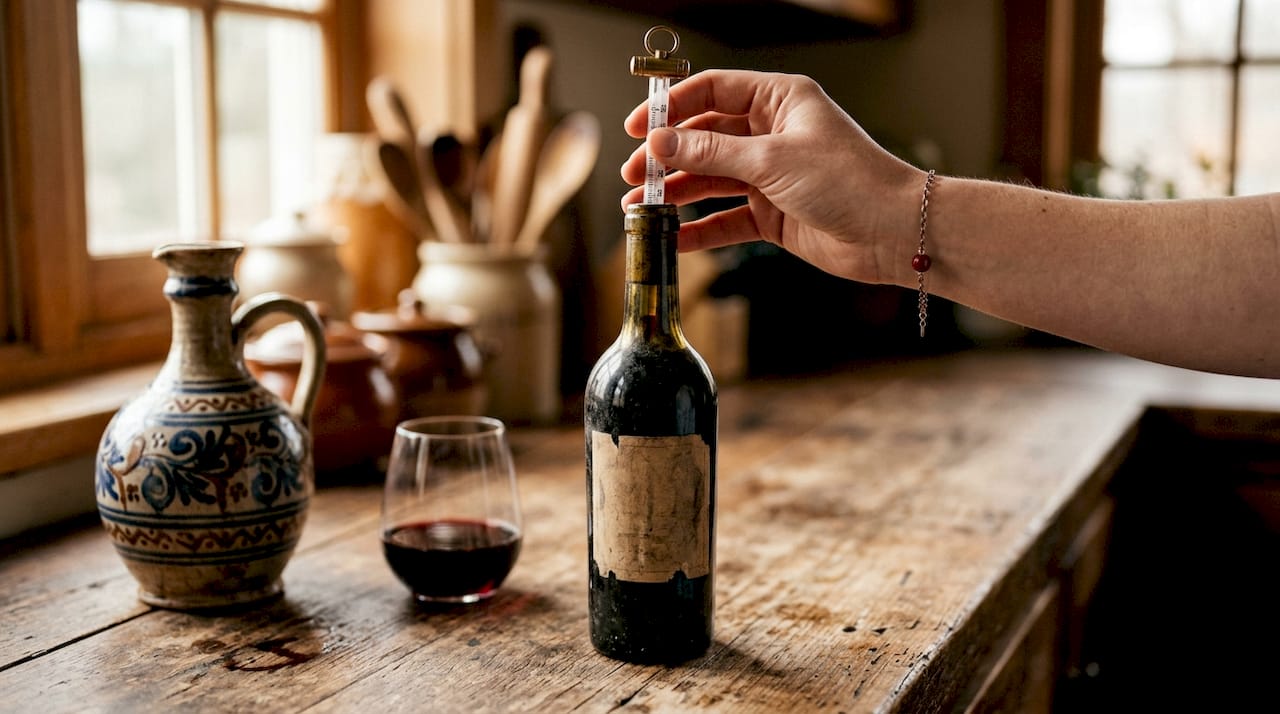
Serving wine at the wrong temperature is the single most common error home cooks make. Red wines taste best at 15–18°C (59–64°F), while white and rosé wines need to be colder, between 7–12°C (45–54°F). Most home refrigerators run around 4°C, so whites pulled straight from the fridge are often too cold. Most kitchens run warm, so reds left on the counter are usually too warm.
Temperature changes how wine tastes more than almost any other factor. A red served too warm tastes boozy and flat. A white served too cold loses its aroma entirely.
- Red wine too warm? Chill it for 15–20 minutes before serving. That small step noticeably improves the experience.
- White wine too cold? Let it sit on the counter for 10 minutes before pouring.
- Rosé? Treat it like a white. Serve it cold, around 8–10°C (46–50°F).
Pro Tip: Keep a simple kitchen thermometer near your wine rack. A 30-second check before opening a bottle saves you from a mediocre glass.
2. Pairing dry wine with sweet desserts
Pairing a dry wine with a sweet dessert is one of the most fundamental pairing errors you can make. The rule is direct: the wine must be as sweet as or sweeter than the dessert. When it is not, the wine tastes thin, sour, or bitter next to the sugar in the food.
A dry Cabernet Sauvignon with a slice of chocolate cake is a classic mismatch. The wine’s tannins and acidity clash with the sweetness, and neither the food nor the wine shows its best side. The fix is straightforward once you know it.
| Dessert | Wrong choice | Better choice |
|---|---|---|
| Chocolate cake | Dry Cabernet Sauvignon | Ruby Port or sweet Shiraz |
| Fruit tart | Brut Champagne | Sweet rosé or Moscato |
| Crème brûlée | Dry Chardonnay | Sauternes or late-harvest Riesling |
| Cheesecake | Sauvignon Blanc | Gewürztraminer or off-dry Riesling |
- Sweet rosé pairs well with fruit-based desserts and light pastries.
- Dessert wines like Sauternes or Muscat work beautifully with creamy or custard-style sweets.
- For chocolate, look for a wine with some residual sugar and dark fruit character.
Fine-wine-world has a full guide on dessert and wine pairings if you want to go deeper on this topic.
3. Ignoring tannins when pairing with spicy food
High-tannin red wines intensify heat in spicy dishes and suppress the wine’s fruit flavors. Tannins are the drying, grippy compounds found in red wines like Cabernet Sauvignon, Barolo, and Malbec. When they meet capsaicin from chili or pepper, the heat amplifies. The wine tastes harsh, and the food tastes hotter than it is.
This is one of the most misunderstood wine pairing errors. Many people reach for a bold red with spicy food because it feels like a strong match. The opposite is true.
- Spicy Thai or Indian dishes: Choose a fruity, low-tannin wine like Gewürztraminer, off-dry Riesling, or Grenache.
- Spicy BBQ: A chilled Zinfandel or a fruit-forward rosé handles the heat without fighting it. Fine-wine-world’s guide on pairing wine with BBQ covers this in detail.
- Mild spice: A light Pinot Noir or a dry rosé works well without overpowering the dish.
Pro Tip: A slight sweetness in the wine actually cools the perception of spice. Off-dry whites are your best friend with anything that has a kick.
The broader principle is matching wine body to food intensity. Lighter dishes like seafood pair with white or sparkling wines, while rich dishes like roasted lamb call for structured reds. Keep that scale in mind and most pairings fall into place naturally.
4. Overfilling the glass and other pouring mistakes
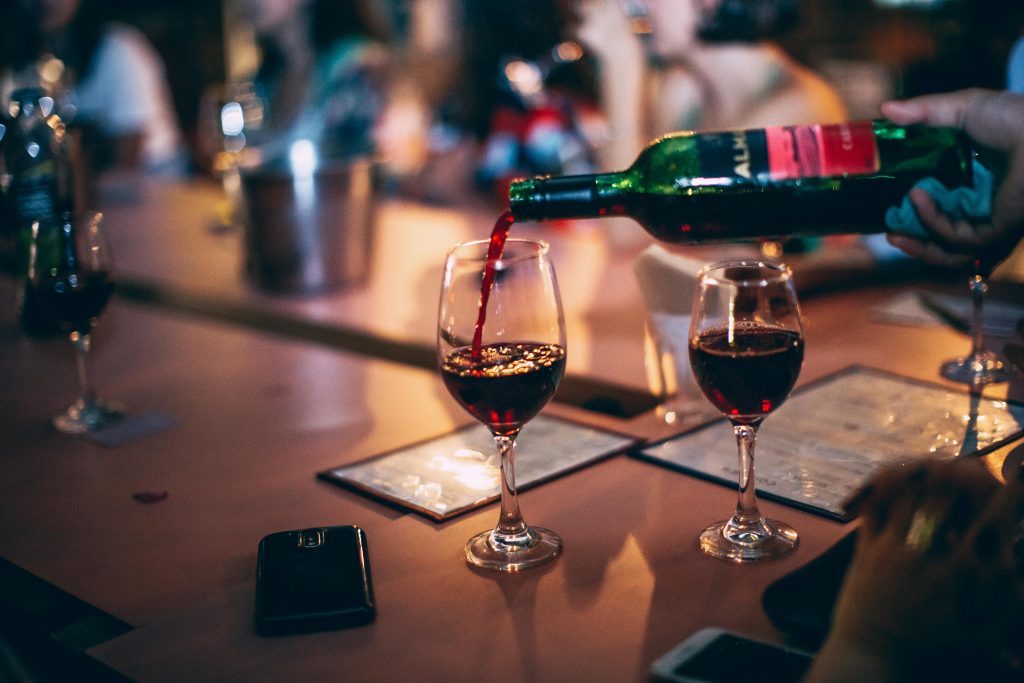
The correct wine pour is 4–6 ounces, filling the glass just below its widest point. That space above the wine is not wasted. It is where the aroma collects. Overfilling leaves no room to swirl, which means you lose the bouquet entirely before the wine even reaches your mouth.
Pouring too fast causes its own problems. Slow pouring prevents splashes, controls the flow, and preserves natural aeration. With sparkling wines, a fast pour sends the bubbles straight to the surface and dissipates them prematurely. You end up with flat Champagne before the first sip.
| Glassware type | Best for | Why it matters |
|---|---|---|
| Large Bordeaux glass | Bold reds like Cabernet, Merlot | Wide bowl allows tannins to soften with air |
| Burgundy glass | Pinot Noir, delicate reds | Wider bowl captures subtle aromas |
| Tulip-shaped glass | White wines, rosé | Narrower opening preserves freshness |
| Flute | Sparkling wine, Champagne | Tall shape keeps bubbles active longer |
One more overlooked detail: hold the glass by the stem, not the bowl. Your hand warms the wine quickly, which shifts the temperature and alters how it tastes and smells. This is a small habit that makes a real difference.
5. Letting critic scores drive your wine selection
Over-reliance on critic scores or prestige region names is a common wine buying mistake that leads to disappointing pairings. A 95-point wine from a famous region may not suit your palate or your dish. Scores reflect a critic’s preferences on a specific day with a specific bottle. They do not reflect your taste or your dinner.
The better approach is to communicate your preferences and budget to staff at a wine shop. Tell them what you are cooking, what flavors you enjoy, and what you want to spend. That conversation produces better results than scanning a list of high-scoring bottles. Articulating personal preferences is more effective than memorizing ratings.
- Focus on flavor and balance, not label prestige.
- Ask for recommendations based on the dish, not the score.
- Try wines from lesser-known regions. They often offer better value and surprising quality.
Fine-wine-world’s guide on how to choose the right wine walks through this process in practical terms.
Key Takeaways
Avoiding wine pairing mistakes requires matching wine sweetness to dessert sweetness, serving wine at the correct temperature, and choosing wine structure based on food weight and spice level.
| Point | Details |
|---|---|
| Serve at the right temperature | Reds at 15–18°C, whites and rosés at 7–12°C for best flavor. |
| Match sweetness in dessert pairings | Wine must be as sweet as or sweeter than the dessert to avoid bitterness. |
| Avoid high-tannin reds with spicy food | Choose fruity, low-tannin wines to prevent heat amplification. |
| Pour 4–6 ounces and hold the stem | Correct pour allows aroma to develop; stem-holding preserves temperature. |
| Skip the scores, talk to your wine shop | Describing your taste and dish gets you a better bottle than chasing ratings. |
What I have learned from getting pairings wrong
I spent years reaching for bold reds with everything, convinced that a bigger wine always meant a better meal. The first time I served a Barolo with a Thai green curry, I understood the problem immediately. The wine tasted like hot metal and the food tasted like fire. Neither was enjoyable.
That experience taught me something no wine guide had made clear: pairing is about harmony, not hierarchy. A simple, chilled Grenache rosé with that same curry would have been far more satisfying than the prestigious bottle I wasted. The best pairing is the one that makes both the food and the wine taste better together than they do alone.
Understanding basic matches and avoiding common mismatches is genuinely enough to improve most meals. You do not need to memorize rules or study wine regions. You need to think about weight, sweetness, and spice, and then trust your palate. Mistakes are how you learn what works for you. Keep a mental note of what clicked and what did not, and your instincts will sharpen quickly.
The one rule I always come back to: when in doubt, choose a wine with good acidity and moderate body. It pairs with more foods than almost anything else on the shelf.
— Adriana
Fine-wine-world’s pairing resources for home cooks
Pairing wine with food gets easier when you have the right starting points. Fine-wine-world’s food and wine pairing section covers the fundamentals in plain language, from matching weight and flavor to navigating sweetness and spice.
If you want to understand why certain wines cost more and whether that price reflects quality worth pairing with, the guide on wine pricing and quality breaks it down honestly. And if you are just starting out, the wine regions beginner’s guide gives you a clear map of styles and flavors to help you shop with confidence.
FAQ
What is the most common wine pairing mistake?
Serving wine at the wrong temperature is the most frequent error. Reds served too warm taste boozy, and whites served too cold lose their aroma.
Should wine be sweeter than the dessert?
Yes. The wine must be as sweet as or sweeter than the dessert. A dry wine next to a sweet dish tastes bitter or sour.
Why does red wine taste harsh with spicy food?
High-tannin reds amplify the heat in spicy dishes and suppress the wine’s fruit flavors. Fruity, low-tannin wines or off-dry whites work much better.
How full should a wine glass be?
Fill the glass to just below its widest point, roughly 4–6 ounces. That space allows the wine to breathe and the aroma to collect before you drink.
Does a high critic score mean a wine will pair well with my food?
Not necessarily. Critic scores reflect one taster’s preference on one occasion. Describing your dish and taste to a wine shop professional produces a better match than chasing high ratings.