
Wine Color Differences Explained: Your Complete Guide
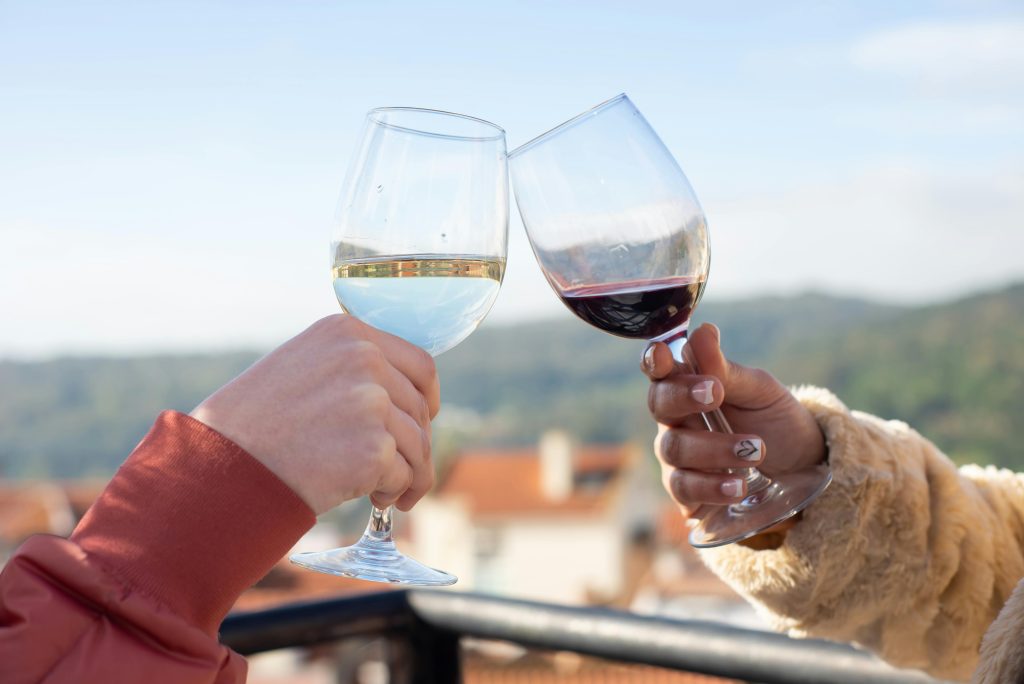
Wine color is defined by one primary factor: how long grape juice stays in contact with grape skins during fermentation. Red wines ferment with their skins for days or weeks, white wines ferment with little to no skin contact, and rosés fall in between with just hours of contact. Beyond skin contact, grape variety, climate, and aging all shape the final hue in your glass. Understanding wine color differences explained through these lenses gives you a practical tool for predicting flavor, body, and the best food to serve alongside it.
Affiliate Disclosure: Some links on Fine Wine World are affiliate links, meaning we may earn a paid commission if you click through and make a purchase — at no extra cost to you. Affiliate programs use cookies to track commissions, which may collect personal data. You can read more about how we handle your data in our Privacy Policy and Affiliate Disclosure. We only recommend products we genuinely trust.
1. How does skin contact shape wine color differences?
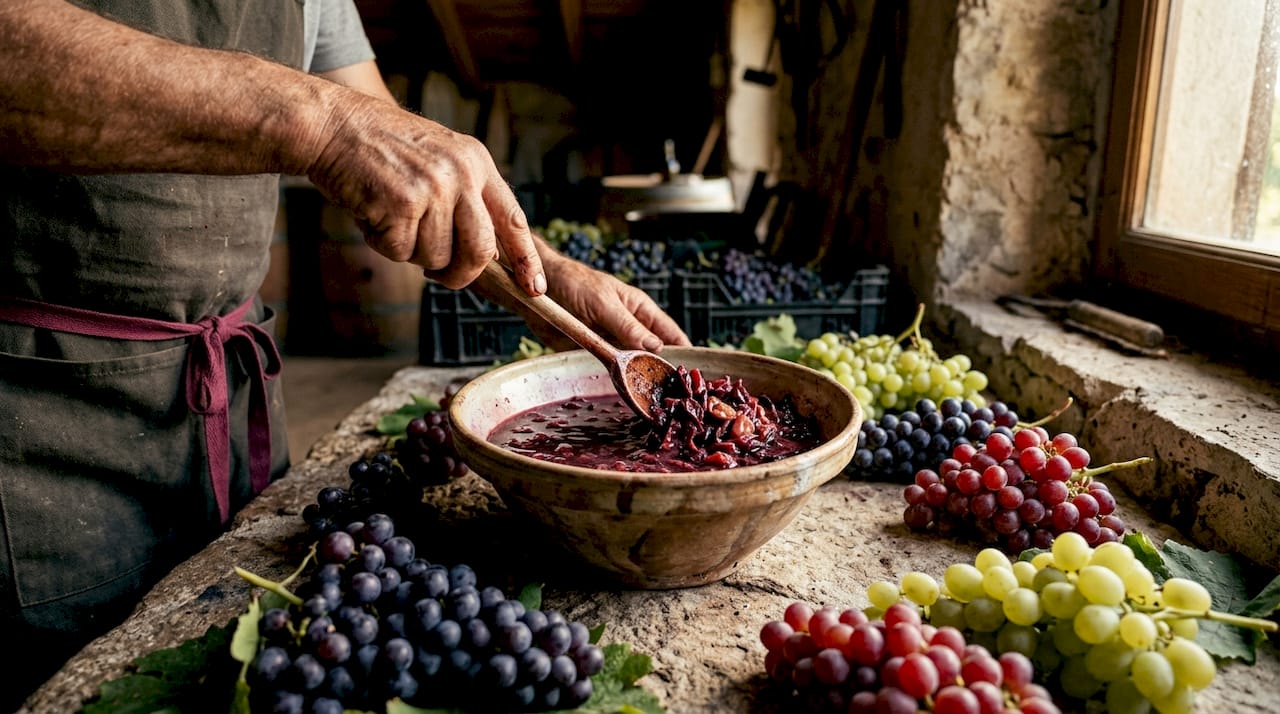
Grape juice is naturally colorless, regardless of whether the grape is red or white. All the pigmentation in red wine comes from anthocyanins, which are color compounds found exclusively in grape skins. The juice alone produces clear or faintly pink liquid. Color only develops when the juice macerates with those skins.
The winemaking process controls exactly how much color ends up in the bottle:
- Red wines ferment in contact with skins for anywhere from a few days to several weeks. This extended maceration pulls deep ruby, purple, and garnet tones into the wine.
- White wines have their skins removed before or immediately after pressing. The resulting juice ferments without skin contact, producing pale straw, green, or gold hues.
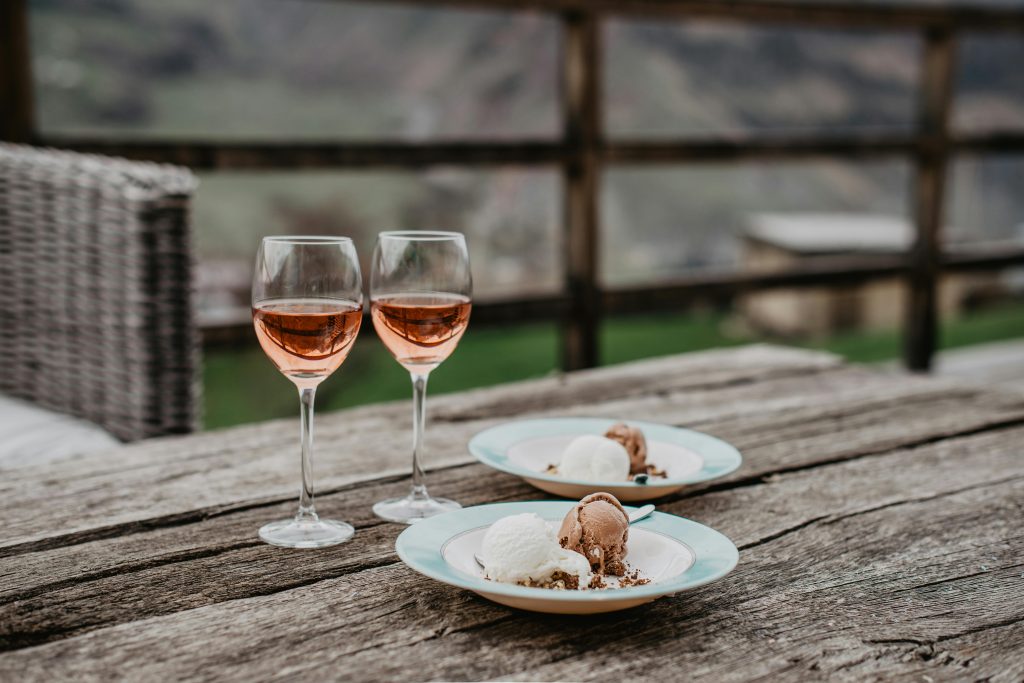
- Rosé wines spend just a few hours in contact with red grape skins, enough to extract a blush pink color without the full tannin load of a red.
60–70% of a wine’s phenolic content and color comes directly from the skins. That single fact explains why maceration time is the most powerful lever a winemaker controls. Longer contact means more color, more tannin, and more structure.

Pro Tip: When you see a very pale rosé, it likely had under two hours of skin contact. A deeper salmon or copper rosé probably sat with its skins for closer to 12–24 hours.
2. What role do grape variety and climate play in wine hues?
Grape variety is the second biggest driver of wine color intensity. Not all red grapes carry the same amount of anthocyanins in their skins, and not all skins are equally thick.
| Grape | Skin Thickness | Typical Color |
|---|---|---|
| Cabernet Sauvignon | Thick | Deep ruby to opaque purple |
| Syrah / Shiraz | Thick | Dark purple with violet edges |
| Merlot | Medium | Bright ruby to garnet |
| Pinot Noir | Thin | Pale ruby to translucent garnet |
| Grenache | Thin | Light ruby to salmon |
Thick-skinned grapes like Cabernet Sauvignon produce more opaque, saturated wines than thin-skinned varieties like Pinot Noir. That difference shows up clearly in the glass before you even take a sip.
Climate adds another layer. Warmer growing regions produce riper grapes with higher concentrations of phenolics, which translates to deeper, more saturated colors. A Grenache from the Southern Rhône Valley in France will look noticeably darker than a Grenache grown in a cooler coastal region. Cool climates tend to produce lighter, more translucent wines with brighter acidity.
- Warm climate reds (Napa Valley Cabernet, Barossa Shiraz): deep, inky, full-bodied
- Cool climate reds (Burgundy Pinot Noir, Willamette Valley Pinot): pale, translucent, high-acid
- Warm climate whites (Viognier from Languedoc): deeper gold, richer texture
- Cool climate whites (Mosel Riesling, Chablis): pale straw or green-tinged, crisp
Understanding the impact of grape variety on wine color helps you set expectations before you pour. A translucent Pinot Noir is not a weak wine. It is simply a thin-skinned grape doing exactly what it is supposed to do.
3. How does aging change wine color over time?
White wines darken as they age, while red wines lighten. This is one of the most counterintuitive facts in wine, and it is one of the most useful things you can observe in a glass.
White wines start pale straw or green-tinged and gradually shift toward gold, amber, and eventually brown as oxygen slowly reacts with the wine over years. A young Chardonnay looks almost watery in the glass. A 10-year-old white Burgundy glows deep gold. A very old Sauternes can turn a rich amber that resembles honey.
Red wines move in the opposite direction. Young reds show deep purple or ruby at the core. As anthocyanin pigments bind to tannins and precipitate out as sediment, the wine loses color intensity. The hue shifts from ruby to garnet, then to brick and tawny tones.
| Wine Type | Young Color | Aged Color |
|---|---|---|
| White wine | Pale straw, green | Gold, amber, brown |
| Red wine | Deep purple, ruby | Garnet, brick, tawny |
| Rosé | Salmon, pink | Copper, light orange |
Rim color in red wines is the most reliable age indicator. Tilt your glass over a white surface and look at the very edge of the liquid. A purple rim signals youth. A brick or tawny rim signals a wine with significant age. The core of the wine often stays deceptively dark, so the rim tells the real story.
Pro Tip: Check the rim color of any red wine before you drink it. If the rim shows brick or orange tones, the wine is likely past its peak drinking window. Use Fine-wine-world’s guide on wine aging dos and don’ts to know when to open your bottles.
4. What does wine color tell you about flavor and food pairing?
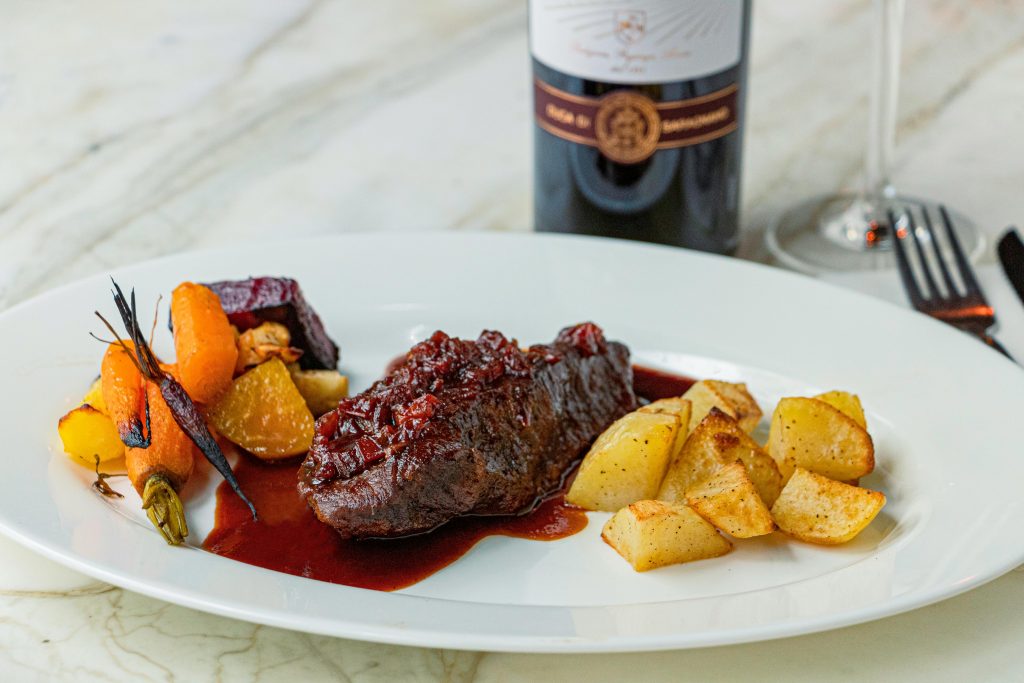
Wine color is a practical shortcut for predicting what a wine will taste like and what food it will complement. Lighter colors often suggest higher acidity and lighter body, making them ideal for seafood, salads, and delicate dishes. Deeper colors signal bolder flavors, more tannin, and a fuller body that holds up to rich, hearty food.
Here is how to use color as a pairing guide:
- Pale white wines (Pinot Grigio, Sauvignon Blanc): high acidity, light body. Pair with oysters, grilled fish, goat cheese, and green salads.
- Deep gold whites (oaked Chardonnay, white Burgundy): richer texture, lower acidity. Pair with roast chicken, lobster, and cream sauces.
- Light reds (Pinot Noir, Gamay): bright acidity, soft tannins. Pair with salmon, duck, mushroom dishes, and charcuterie.
- Deep reds (Cabernet Sauvignon, Syrah): full body, firm tannins. Pair with red meat, aged cheese, and slow-cooked stews.
- Rosés (pale to medium pink): versatile and food-friendly. Pair with grilled vegetables, light pasta, and summer salads.
Color guides food pairing because it reflects the wine’s structure. A wine’s color is a slow-motion snapshot of its production history, revealing body, tannin level, and acidity before you even smell it. For a deeper look at matching wine to your meal, Fine-wine-world’s food and wine pairing guide walks through the full process. If you are pairing with red meat specifically, the wine and steak pairing guide covers every cut.
5. Why do some white wines turn pink, and when is it a problem?
A pink tint in white wine is almost always a warning sign. White wine juice is naturally colorless, so any unexpected pink hue points to something that went wrong during production or storage.
The three most common causes are:
- Oxidation. When white wine is exposed to too much oxygen, it begins to shift in color from pale straw to pink, then bronze, then brown. Each stage represents deeper degradation. Pink is the early warning.
- Tannin leaching. Extended skin contact or contaminated equipment can introduce red-pigmented tannins into white wine. This causes pink hues and sometimes metallic off-flavors that make the wine unpleasant to drink.
- Metal contamination. Copper or iron from winemaking equipment can react with the wine and cause color shifts alongside bitter or metallic tastes.
Pink color development in white wines typically precedes more advanced oxidation. Catching it early opens a window for intervention, but once the wine smells flat, nutty, or vinegary, the damage is done.
Unexpected pink in white wine signals oxidation or contamination rather than intentional style. The exception is orange wine, which is a white wine made with extended skin contact on purpose. Orange wines carry amber, copper, and golden-pink hues that are entirely intentional and produce a tannic, textured style unlike any standard white. If you did not buy an orange wine and your white wine looks pink, trust your instincts and check the aroma before drinking.
Key Takeaways
Wine color is the single most reliable visual clue for understanding a wine’s production method, grape variety, age, and likely flavor profile before you take a sip.
| Point | Details |
|---|---|
| Skin contact drives color | Red wines macerate with skins for days; white wines ferment without skins; rosés have hours of contact. |
| Grape variety matters | Thick-skinned grapes like Cabernet Sauvignon produce darker wines than thin-skinned grapes like Pinot Noir. |
| Aging reverses color direction | White wines darken with age; red wines lighten from purple to brick and tawny tones. |
| Rim color reveals age in reds | A brick or tawny rim signals maturity more reliably than the core color of the wine. |
| Color predicts pairing | Lighter wines suit delicate dishes; darker wines pair with richer, heavier food. |
What I have learned from reading wine color closely
My honest view on wine color is that most casual drinkers look at it for a second and move on. That is a missed opportunity. The rim of a red wine tells you more about its age than any label. I have opened bottles expecting a vibrant Pinot Noir only to find a tawny, fading rim that told me the wine was past its best. The label said nothing. The color said everything.
The one mistake I see repeatedly is treating color as a quality signal. A pale Pinot Noir is not inferior to an opaque Cabernet. They are built differently from the ground up, starting with the grape’s skin thickness and the winemaker’s maceration choices. Judging a wine’s quality by depth of color is like judging a book by font size.
What I do recommend is using color alongside aroma and taste, not instead of them. Color sets your expectations. Aroma confirms or surprises you. Taste delivers the final verdict. When all three align, you have a wine that is doing exactly what it should. When color and aroma contradict each other, pay attention. A white wine that looks pink and smells flat is telling you something worth hearing.
— Adriana
Fine-wine-world resources to go deeper
Color is your starting point, not your finish line. Once you understand why wines look the way they do, the next step is putting that knowledge to work at the table.
Fine-wine-world’s wine regions of the world guide shows how geography shapes the grape varieties and climates that drive color differences across every major wine region. For practical application, the food and wine pairing guide translates color and body cues into specific meal matches you can use tonight. If you want to understand how aging changes what is in your cellar, the wine aging guide covers the color shifts and timing signals that tell you when to open a bottle. Fine-wine-world has the guides to take you from curious to confident.
FAQ
What causes the difference between red and white wine color?
Red wine gets its color from anthocyanin pigments in grape skins during fermentation. White wine ferments without skin contact, so it stays pale.
Why do red wines lighten and white wines darken with age?
Red wines lose color as anthocyanins bind to tannins and settle as sediment. White wines darken because oxidation gradually deepens their hue from straw to gold and amber.
Is a pale red wine lower quality than a dark one?
No. Pale reds like Pinot Noir come from thin-skinned grapes with fewer anthocyanins. Color depth reflects grape variety and winemaking style, not quality.
What does pink color in a white wine mean?
Pink in white wine usually signals oxidation, tannin leaching, or metal contamination, not intentional style. Check the aroma for flat or vinegary notes before drinking.
How can I use wine color to choose a food pairing?
Lighter-colored wines suit delicate dishes like fish and salads. Darker wines pair better with red meat, aged cheese, and rich sauces. Color reflects body and tannin level, both of which drive pairing decisions.