
How to Pair Wine with Mediterranean Cuisine
Pairing wine with Mediterranean cuisine means selecting wines that match the food’s acidity, herbal brightness, and regional character. Mediterranean dishes rely on olive oil, lemon, fresh herbs, and bold spices. Those flavors need wines with equal energy and freshness, not heavy oak or aggressive tannins. Varieties like Assyrtiko, Provençal rosé, and Grenache are industry-acknowledged go-to choices because they share the same sensory DNA as the food. Get this right, and every course feels more alive. Get it wrong, and even a great bottle tastes flat.
Affiliate Disclosure: Some links on Fine Wine World are affiliate links, meaning we may earn a paid commission if you click through and make a purchase — at no extra cost to you. Affiliate programs use cookies to track commissions, which may collect personal data. You can read more about how we handle your data in our Privacy Policy and Affiliate Disclosure. We only recommend products we genuinely trust.
How to pair wine with Mediterranean cuisine: the core principles
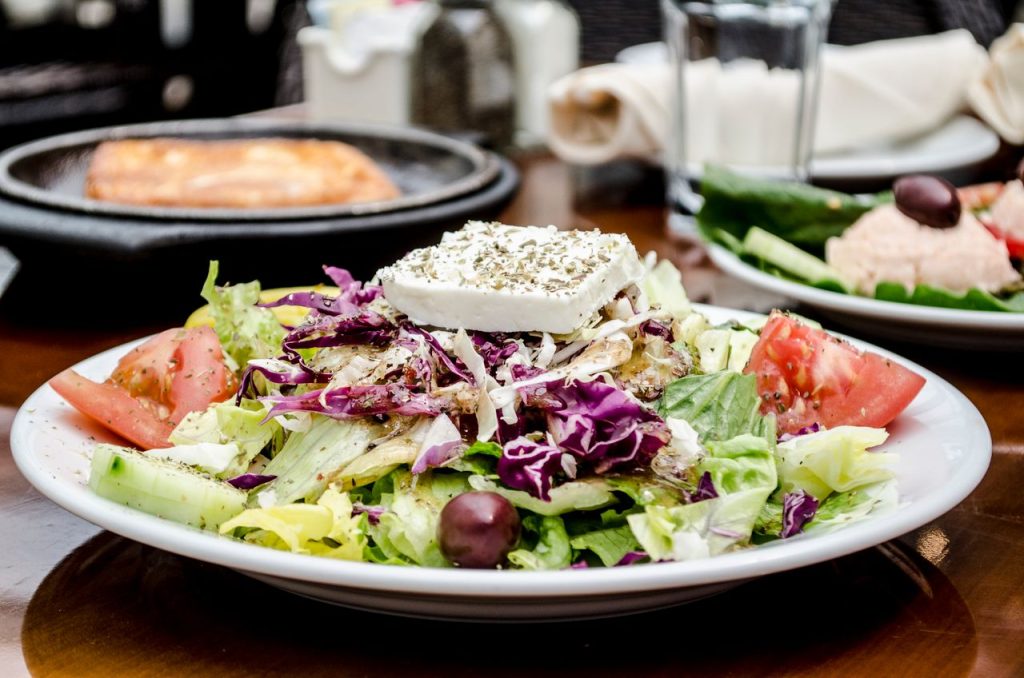
The single most important factor when pairing wine with Mediterranean food is acidity. Acidity in wine must equal or exceed the acidity in the dish. Otherwise, the wine tastes dull and lifeless next to tomatoes, olives, or a lemon vinaigrette.
Mediterranean cuisine also favors light to medium-bodied wines with fresh, herbal, or mineral notes. Think of the food itself: grilled fish, roasted vegetables, herb-marinated lamb, and mezze spreads. These dishes are bright and layered, not heavy. A wine that mirrors that brightness will complement the food rather than fight it.
The wine qualities that work best include:
- High acidity: Cuts through olive oil, tahini, and feta; keeps the wine tasting vibrant course after course
- Light to medium body: Avoids overwhelming delicate herbs and vegetables
- Herbal or mineral notes: Echoes the fresh flavors of the cuisine
- Low to moderate tannins: Prevents the bitter clash that heavy tannic reds create with acidic dressings and salty ingredients
- Freshness and fruit: Refreshes the palate between bites
Grape varieties that consistently deliver these qualities include Assyrtiko, Vermentino, Sauvignon Blanc, dry rosé, Pinot Noir, and Grenache. Each brings a different flavor profile, but all share the freshness Mediterranean food demands.
Pro Tip: Serve lighter reds like Pinot Noir slightly chilled, around 55–60°F. Chilling softens tannins and highlights fruitiness, making them a much better match for grilled chicken or fish.
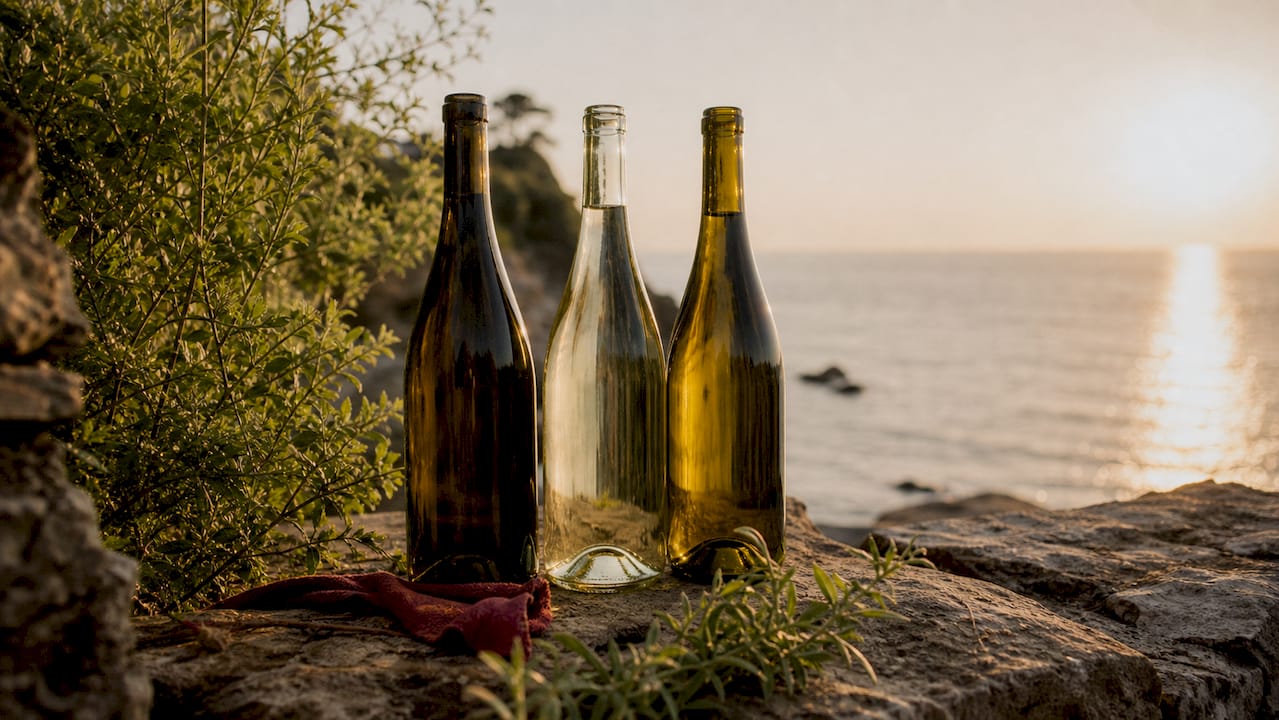
What wine goes with Mediterranean dishes by course?
The best approach is to match the wine to the dominant flavor and weight of each dish. Mediterranean meals often move through multiple courses, from light mezze to rich mains, so your wine choices should shift accordingly.
High-acid white wines like Assyrtiko, Vermentino, and Sauvignon Blanc are the best partners for seafood, salads, and mezze spreads. They cut through rich elements like olive oil and feta while keeping the palate clean. Assyrtiko from Santorini is a standout: bone-dry, mineral, and lemony, it acts like a squeeze of citrus on the plate. For a deeper look at whites with seafood, Fine-wine-world’s seafood pairing guide covers the full picture.
For grilled chicken, pork souvlaki, and herb-forward dishes, light reds and dry rosé are the right call. Dry rosé is the most versatile choice across the entire Mediterranean table. It bridges fresh, acidic dishes and richer grilled courses without missing a beat.
Heartier dishes need more structure. Lamb, moussaka, and slow-cooked stews call for structured reds like Xinomavro, Sangiovese, or Grenache. Their earthy notes and moderate tannins balance gamey lamb and robust herbs without overpowering the dish. Fine-wine-world’s lamb pairing guide goes deep on exactly which bottles work best.
The principle of “what grows together, goes together” holds up well here. Pairing wines from the same region as the dish creates a natural harmony. Greek Assyrtiko with Greek seafood feels integrated in a way that a random Chardonnay simply does not.
| Dish | Key flavors | Recommended wine style |
|---|---|---|
| Grilled octopus or shrimp | Briny, smoky, citrus | Assyrtiko, Vermentino |
| Hummus and mezze spread | Rich, nutty, herbal | Crisp Sauvignon Blanc, dry rosé |
| Grilled chicken with herbs | Savory, aromatic, light | Dry rosé, lightly chilled Pinot Noir |
| Lamb kebabs or moussaka | Rich, gamey, spiced | Grenache, Xinomavro, Sangiovese |
| Stuffed grape leaves | Tangy, herbal, rice | High-acid white, dry rosé |
| Grilled vegetables | Smoky, earthy, bright | Vermentino, young Grenache |
Pro Tip: When serving a multi-dish spread, pick one versatile wine to anchor the table. A good Provençal rosé handles almost everything from hummus to grilled fish without a single awkward moment.
A step-by-step approach to choosing the right bottle
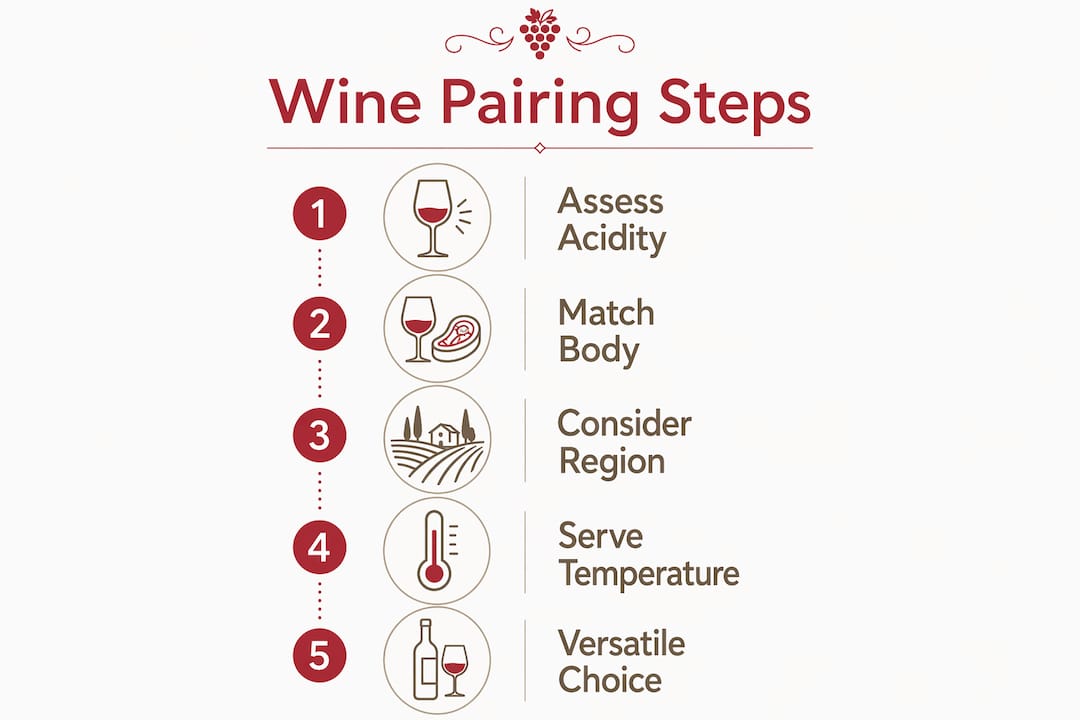
A clear process removes the guesswork from wine selection. Follow these four steps and you will land on a good pairing almost every time.
Assess the dominant flavors. Ask yourself: is the dish acidic, rich, herbal, or spiced? A lemon-dressed salad needs a high-acid white. A slow-braised lamb shoulder needs a structured red. The dominant flavor sets the direction.
Match the wine’s acidity and body to the dish. Dressing acidity largely dictates pairing success. If the food is bright and acidic, the wine must be equally bright. If the dish is rich and meaty, the wine needs enough body to stand alongside it without disappearing.
Lean into regional authenticity. A Greek wine with Greek food, a Spanish Garnacha with Spanish tapas. Regional wine-to-food matching reflects a shared sense of place that makes the pairing feel effortless rather than engineered.
Think about meal structure. Mediterranean meals often start light and build. Begin with crisp whites for mezze and seafood, shift to rosé for middle courses, and move to a structured red for the main. This progression keeps the palate engaged from start to finish.
The most common pitfall is reaching for a big, tannic red because the meal feels festive. Heavy tannins clash with acidic dressings and salty cheeses, turning the wine bitter and the food metallic. When you are unsure, default to a dry, crisp rosé or a high-acid white. Both are safe, crowd-pleasing choices that rarely disappoint.
Pro Tip: Treat the wine like a seasoning. Ask yourself: “Does this wine behave like the food?” If the dish is bright and herbal, the wine should be too. That mental shift, from matching color to matching character, changes everything.
Common wine pairing mistakes with Mediterranean food
Even confident home cooks make these errors. Knowing them in advance saves a meal.
- Choosing heavy tannic reds for acidic dishes. A Cabernet Sauvignon next to a lemon-dressed salad or a vinegary tabbouleh creates a harsh, bitter clash. Light-bodied reds like Pinot Noir or dry rosé maintain balance and refresh the palate instead.
- Ignoring the dressing. The sauce or dressing on a dish often matters more than the protein. A grilled chicken breast dressed with preserved lemon and herbs needs a high-acid wine, not a buttery Chardonnay.
- Picking wines that are too low in acid. A wine lower in acidity than the food tastes flat and watery. Wine acidity must match or exceed the dish’s acidity to stay vibrant.
- Overlooking the effect of spice. Bold spices like cumin, harissa, and sumac can amplify the perception of tannins. Fruity, lower-tannin reds handle spiced dishes far better than structured, tannic bottles.
If you realize mid-meal that the pairing is off, a quick fix is to chill the red wine for 10 minutes. Lowering the temperature softens the tannins and brings out more fruit. You can also switch glasses and pour something crisper alongside the food.
The best recovery from a bad pairing is a good attitude and a different glass. Experimentation is how you learn what works. Respect the acidity and weight principles, and you will make fewer mistakes over time.
For a full breakdown of what goes wrong and why, Fine-wine-world’s guide on common pairing mistakes is worth reading before your next dinner party.
How to pair wine with vegetarian Mediterranean dishes
Plant-based Mediterranean cooking is full of bold, acidic, and herbal flavors. The same core rules apply, but the focus shifts even more toward acidity and herbal character.
Vegetarian Mediterranean dishes pair best with crisp whites and lighter reds that emphasize freshness over tannin or oak. Wines like Assyrtiko and Grenache complement roasted vegetables, legume dishes, and herby salads without overwhelming them.
Strong pairings for plant-based Mediterranean plates include:
- Stuffed peppers or zucchini: Dry rosé or a crisp Sauvignon Blanc matches the herbal filling and light acidity
- Falafel with tahini: A mineral-driven Assyrtiko cuts through the richness of tahini and sesame
- Vegetable tagine: A fruity young Grenache echoes the warm spices without adding harsh tannins
- Roasted eggplant dishes: Vermentino or a light Pinot Noir both work well with the smoky, earthy notes
- Herby grain salads: High-acid whites with grassy notes, like Sauvignon Blanc, mirror the fresh herb flavors
Avoid heavily oaked whites and tannic reds with vegetarian dishes. Oak competes with delicate vegetable flavors, and strong tannins have nothing to grip onto without rich meat proteins. The result is a wine that tastes harsh and a dish that tastes thin.
Rosé is the most reliable all-purpose choice for a vegetarian Mediterranean spread. Its acidity, fruit, and freshness cover a wide range of flavors without demanding a specific match.
Key Takeaways
Pairing wine with Mediterranean cuisine succeeds when you match the wine’s acidity, body, and regional character to the dish’s dominant flavors and ingredients.
| Point | Details |
|---|---|
| Acidity is the top priority | Choose wines with equal or higher acidity than the dish to avoid a flat, lifeless pairing. |
| Dry rosé is the safest all-rounder | It bridges light mezze and richer grilled courses, making it ideal for multi-dish Mediterranean meals. |
| Regional wines create natural harmony | Greek Assyrtiko with Greek seafood, Spanish Grenache with tapas: shared origin creates integrated pairings. |
| Avoid heavy tannic reds with acidic dishes | Tannins clash with lemon, vinegar, and salty ingredients; choose Pinot Noir or rosé instead. |
| Chill lighter reds for better results | Serving Pinot Noir at 55–60°F softens tannins and improves the match with grilled fish or chicken. |
Why I stopped following the red-with-meat rule at Mediterranean tables
The old red-with-meat, white-with-fish rule falls apart the moment you sit down to a proper Mediterranean spread. I learned this the hard way at a dinner where I poured a full-bodied Cabernet alongside a lamb and herb mezze. The wine tasted bitter, the food tasted metallic, and nobody went back for a second glass.
What actually works is thinking about the wine’s behavior, not its color. Wines that share the same sensory character as the food, high acidity, mineral notes, herbal brightness, feel like they belong at the table. A Grenache with a hint of dried herbs next to a slow-cooked lamb stew is a completely different experience from a tannic Cabernet in the same seat.
Trust your palate. The principles here give you a framework, but the best pairing is the one you enjoy. Pour something with freshness and acidity, stay curious, and the food will do the rest.
— Adriana
Fine-wine-world’s resources for better wine pairing
Ready to go deeper? Fine-wine-world has a full library of guides built for everyday wine lovers who want real answers, not textbook theory.
The food and wine pairing section covers everything from basic principles to specific dish pairings, and it is the best starting point if you want a solid foundation. If you are curious about the regions behind the wines, the wine regions guide explains where Assyrtiko, Grenache, and Vermentino come from and why those origins matter for flavor. Whether you are planning a dinner party or just opening a bottle on a Tuesday, Fine-wine-world gives you the confidence to pour well every time.
FAQ
What is the best wine for Mediterranean dishes overall?
Dry rosé is the most versatile choice for Mediterranean cuisine. It pairs well with mezze, grilled meats, seafood, and vegetable dishes without clashing with acidic dressings or bold spices.
Why does acidity matter so much when pairing wine with Mediterranean food?
Mediterranean dishes frequently use lemon, vinegar, tomatoes, and olives. A wine lower in acidity than the dish will taste flat and weak. Matching or exceeding the dish’s acidity keeps the wine tasting fresh and vibrant.
What wine pairs best with lamb in Mediterranean cooking?
Structured reds like Xinomavro, Sangiovese, and Grenache work best with lamb. Their earthy notes and moderate tannins balance the richness and herbs without overpowering the dish.
Can I pair wine with vegetarian Mediterranean meals?
Crisp whites like Assyrtiko and Sauvignon Blanc, along with lighter reds like Grenache, pair well with vegetarian Mediterranean dishes. Avoid heavily oaked whites and high-tannin reds, which compete with delicate vegetable flavors.
What is the “what grows together, goes together” rule?
This principle means pairing wines from the same region as the dish’s ingredients. A Greek Assyrtiko with Greek seafood or a Spanish Garnacha with tapas creates a natural harmony that reflects a shared regional character.