
Wine Moments from Iconic Films: Scenes Worth Savoring
Wine moments from iconic films are defined as scenes where wine carries emotional, symbolic, or narrative weight beyond simply being a drink on screen. These moments shape how audiences think about wine, often more powerfully than any advertisement or tasting note. Films like Sideways, Bottle Shock, and Casablanca have each left a mark on wine culture that researchers and sommeliers still talk about today. At Fine-wine-world, we believe the best way to understand wine is through the stories it tells, and few storytellers are as persuasive as cinema.
Affiliate Disclosure: Some links on Fine Wine World are affiliate links, meaning we may earn a paid commission if you click through and make a purchase — at no extra cost to you. Affiliate programs use cookies to track commissions, which may collect personal data. You can read more about how we handle your data in our Privacy Policy and Affiliate Disclosure. We only recommend products we genuinely trust.
1. Wine moments from iconic films: Why they matter
Wine in film is rarely just a prop. Directors and prop masters choose specific bottles to signal character status, emotional state, or narrative turning points. The recurring use of prestigious labels like Château Haut-Brion in film reflects a deliberate choice by prop masters to convey wealth and character traits consistently across movies. That choice tells you something important: wine in cinema is a visual shorthand that audiences read instantly, whether they drink wine or not.
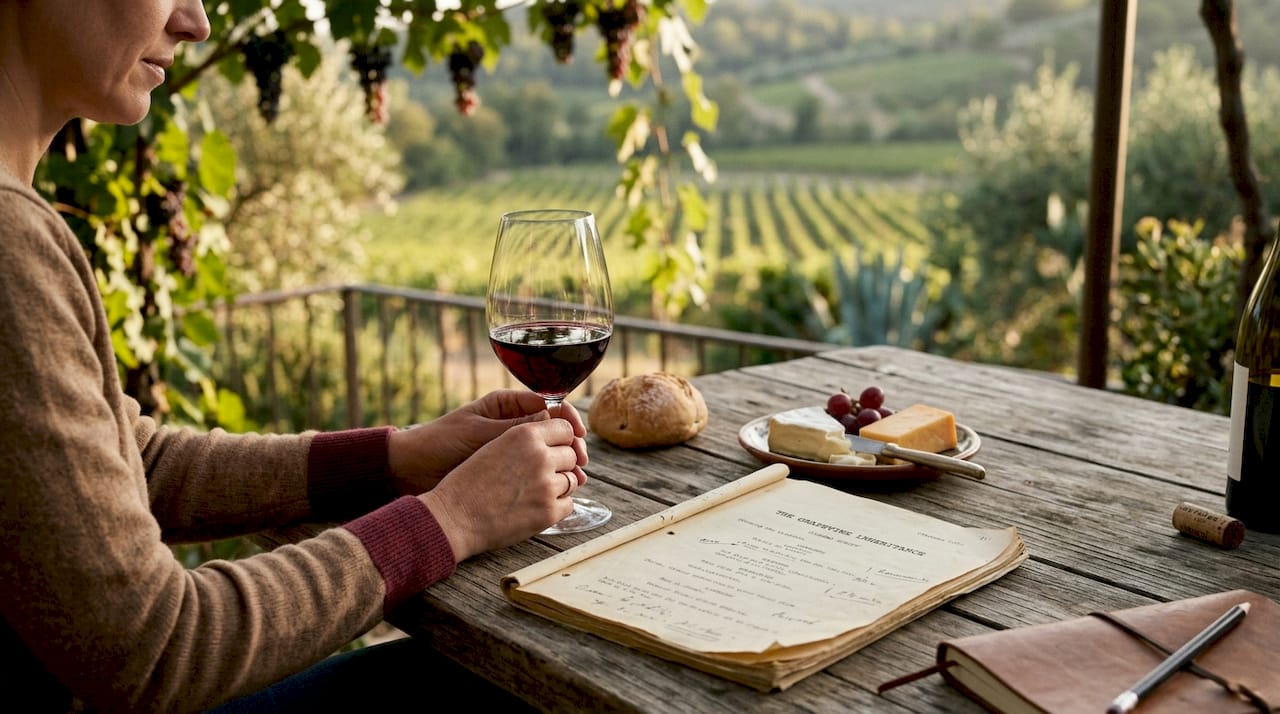
The cultural ripple effect of these scenes is real and measurable. A single line of dialogue in Sideways reshaped American wine sales for years. A blind tasting dramatized in Bottle Shock changed how the world viewed California wine. These are not small moments. They are proof that film and wine share a language, and that language speaks directly to how we feel about what we drink.
2. Sideways and the Pinot Noir revolution
No film has moved the wine market quite like Sideways (2004). The famous line “I am not drinking any Merlot!” became one of the most quoted pieces of wine dialogue in cinema history. Its impact was immediate and measurable: California Pinot Noir plantings grew by 170% following the film’s release, while overall California plantings grew only 7–8%. Merlot sales dropped sharply in the same period. That is the power of a single scene.
This phenomenon became known as the “Sideways Effect,” a term used by wine economists to describe how popular culture can redirect consumer demand at scale. The irony is that Merlot is genuinely one of the most approachable and food-friendly red wines available. Experts in 2026 affirm that Merlot’s softness and versatility make it an excellent pairing partner, and its reputation has steadily recovered since the film’s cultural peak.
Pairing ideas inspired by Sideways:
- Pinot Noir from the Santa Barbara Coast: Try it with roasted salmon or mushroom risotto, mirroring the earthy, introspective tone of the film.
- Merlot from Napa Valley: Pair with braised short ribs or a simple cheeseburger. The film was wrong about Merlot, and this pairing will prove it.
- Pinot Gris from Oregon: A nod to the film’s Pacific Coast setting, excellent alongside grilled halibut or a light charcuterie board.
Pro Tip: If you want to understand the Merlot vs. Pinot Noir debate beyond the film, Fine-wine-world’s guide on Cabernet Sauvignon vs. Merlot breaks down the real differences in flavor, body, and food pairing.
3. Bottle Shock and the Judgment of Paris
Bottle Shock (2008) dramatizes one of the most consequential moments in wine history: the 1976 Judgment of Paris, a blind tasting where Napa Valley wines beat French counterparts and shocked the wine world. Before that tasting, California wine was largely dismissed on the global stage. After it, Napa Valley became a name that commanded respect in Paris, London, and Tokyo.
The winning bottles carry a legacy that extends well beyond the film. The 1973 Château Montelena Chardonnay and Stags Leap Cabernet Sauvignon are preserved at the Smithsonian Institution, recognized as artifacts of American cultural history. That detail alone tells you how seriously the wine world took this moment.
Pairing ideas inspired by Bottle Shock:
- Napa Valley Chardonnay: Pair with roasted chicken, lobster bisque, or a creamy pasta. The wine’s richness and structure reward equally rich food.
- Napa Valley Cabernet Sauvignon: Serve alongside a dry-aged ribeye or lamb chops. Bold tannins need bold food.
- Stags Leap District Cabernet: If you want to drink history, this is the closest you can get to the actual winning wine. Pair with aged cheddar or a classic French onion soup.
The film is a love letter to the underdog story, and the wines it features are genuinely worth seeking out. Exploring the Sonoma vs. Napa question is a natural next step if the film sparks your curiosity about California wine country.
4. Champagne in classic cinema: Celebration on screen
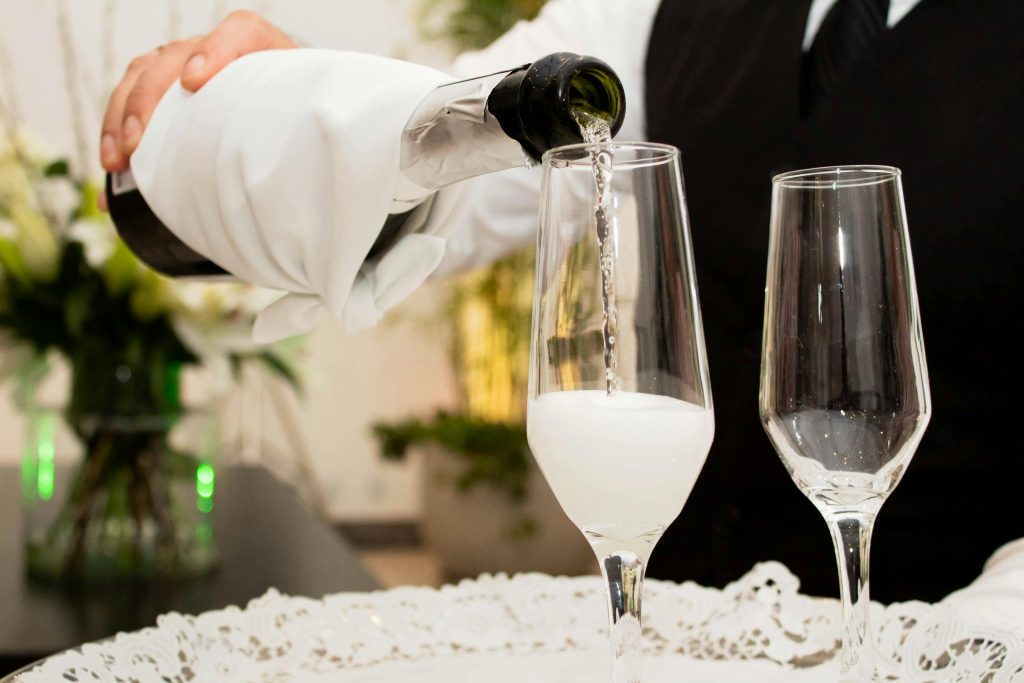
Champagne is the most cinematic wine ever made. The pop of a cork, the rush of bubbles, the clink of crystal flutes: these images appear in films from Casablanca to Breakfast at Tiffany’s because they communicate joy, wealth, and romance without a single word of dialogue. Classic films use Champagne scenes as symbols of wealth, joy, and romance, with brands like Moët & Chandon and Bollinger chosen specifically to enhance storytelling.
The choice of brand matters in these scenes. Prop masters do not reach for a random bottle. A Bollinger on screen signals a certain kind of character: polished, confident, with taste. A Moët & Chandon signals celebration and abundance. Champagne’s use in classic films is more about signaling celebration and wealth than analyzing the wine itself. That is not a criticism. It is a reminder that wine in film operates on a symbolic level first.
Pairing ideas inspired by Champagne scenes:
- Brut Champagne or Crémant d’Alsace: Pair with oysters, smoked salmon blinis, or a simple bowl of salted popcorn while watching Casablanca.
- Rosé Champagne: Serve with strawberries, soft cheeses, or a light fruit tart. The color alone sets a romantic mood.
- Prosecco: A more accessible option that still delivers the celebratory feel. Pair with prosciutto and melon for an easy aperitivo spread.
Pro Tip: Temperature matters more with sparkling wine than almost any other style. Serve Champagne at 47–50°F for the best balance of bubbles and flavor. Too warm and the wine goes flat; too cold and the aromas disappear.
5. Drops of God and wine as emotional memory
Drops of God (2023, Apple TV+) changed how a generation of viewers thinks about wine tasting. The series uses “mind-palace” sequences to visualize wine tasting as a sensory and emotional experience, showing flavors as vivid memories and landscapes rather than clinical tasting notes. That narrative technique is genuinely new in wine storytelling, and it works.
Older films used wine as a status symbol. A character orders a Château Pétrus to show power. A villain drinks alone with an expensive Burgundy to signal menace. Drops of God does something different. Modern experts note that cinematic wine scenes in shows like Drops of God redefine wine drinking as an introspective and narrative element rather than a luxury signal alone. Wine becomes a way to access memory, grief, and identity. That shift reflects how wine culture itself has evolved.
The show features wines from Burgundy, the Rhône Valley, and Champagne, often in specific vintages that carry real emotional weight for collectors. Understanding why your wine tastes different each time you open a bottle is actually central to what the show explores.
Pairing ideas inspired by Drops of God:
- Burgundy Pinot Noir (Gevrey-Chambertin or Chambolle-Musigny): Pair with duck confit or roasted beets. These wines reward slow attention, exactly what the show demands.
- Rhône Valley Syrah (Crozes-Hermitage): Serve with lamb stew or grilled sausages. The peppery, savory character mirrors the show’s intensity.
- White Burgundy (Meursault or Puligny-Montrachet): Pair with scallops or a simple roast chicken. The complexity rewards the kind of focused tasting the show celebrates.
- Vintage Champagne: A nod to the show’s pivotal tasting scenes. Serve with aged Comté cheese and let the wine tell its own story.
The food and wine pairing principles that the show dramatizes so beautifully are the same ones you can apply at your own table tonight.
Key takeaways
Wine moments from iconic films shape real consumer behavior and wine culture, with the “Sideways Effect” standing as the clearest proof that a single scene can redirect an entire market.
| Point | Details |
|---|---|
| Sideways reshaped wine sales | California Pinot Noir plantings grew 170% after the film; Merlot sales dropped sharply. |
| Bottle Shock honors real history | The 1976 Judgment of Paris winning bottles are preserved at the Smithsonian. |
| Champagne signals emotion, not just taste | Prop masters choose brands like Moët & Chandon and Bollinger to communicate wealth and joy. |
| Drops of God redefines wine tasting | Mind-palace sequences show wine as emotional memory, not just a status symbol. |
| Pairings follow the film’s mood | Match the varietal and region featured in a scene to recreate its emotional tone at your table. |
Why cinema is the best wine teacher I know
None of the tasting experiences changed how I think about wine as quickly or as deeply as watching Sideways for the first time. That film made me feel something about Pinot Noir before I ever tasted a great one. That is the thing about wine in film: it bypasses the analytical brain and goes straight to emotion.
What strikes me most about the current moment is how far we have come from the era of wine as pure status prop. Drops of God treats wine the way great literature treats memory: as something layered, personal, and worth sitting with. That shift matters for everyday wine lovers because it gives permission to feel something when you drink, not just evaluate. You do not need a perfect palate. You need curiosity.
My honest advice is this: pick a film from this list, open a bottle that connects to its story, and pay attention to what comes up. You might be surprised how much a glass of Santa Barbara Pinot Noir changes the way Sideways lands on a second viewing. Wine and film are both about time, place, and feeling. They belong together.
— Adriana
Wines worth watching: Explore film-inspired picks at Fine-wine-world
Great films make you want to open a bottle. Fine-wine-world makes sure that bottle is worth opening.
Whether you are chasing the Napa Valley Cabernet that won Paris in 1976 or looking for a Burgundy that matches the emotional depth of Drops of God, Fine-wine-world has the guides to get you there. Start with the wine regions beginner’s guide to build the regional knowledge that makes every film scene richer. Then head to the wine tasting section to sharpen the skills that turn a movie night into a genuine tasting experience. Every bottle has a story. Fine-wine-world helps you read it.
FAQ
What film had the biggest impact on wine sales?
Sideways (2004) had the most documented market impact, driving a 170% increase in California Pinot Noir plantings while Merlot sales declined sharply after its release.
What movies feature wine as a central theme?
Sideways, Bottle Shock, and Drops of God all place wine at the center of their narratives, using it to drive character development and plot rather than as background decoration.
What wine should I drink while watching Sideways?
A Santa Barbara Coast Pinot Noir is the most fitting choice. Pair it with mushroom risotto or roasted salmon to match the film’s earthy, introspective mood.
Why do classic films always show Champagne?
Champagne communicates celebration, wealth, and romance instantly on screen. Brands like Moët & Chandon and Bollinger are chosen by prop masters specifically for their audience recognition and luxury associations.
Is Merlot really as bad as Sideways suggests?
No. Experts confirm that Merlot is soft, versatile, and one of the most food-friendly red wines available. The film’s anti-Merlot sentiment was a character opinion, not a wine fact.