
Takeaway Wine Pairings: Easy Guide for Food and Wine Match
Takeaway wine food pairings are defined by one core principle: match the weight of your wine to the weight of your dish. A light Pinot Grigio gets lost next to a loaded burger, and a heavy Cabernet Sauvignon steamrolls a delicate sushi roll. The good news is you do not need a sommelier’s training to get this right. With a simple four-question framework and a few reliable wine styles, you can turn any delivery night into something genuinely enjoyable. Quality wines under $30, including Pinot Gris, Grenache Shiraz, and Pinot Noir, pair well with diverse delivery meals like Pad Thai, butter chicken, and pizza.
Affiliate Disclosure: Some links on Fine Wine World are affiliate links, meaning we may earn a paid commission if you click through and make a purchase — at no extra cost to you. Affiliate programs use cookies to track commissions, which may collect personal data. You can read more about how we handle your data in our Privacy Policy and Affiliate Disclosure. We only recommend products we genuinely trust.
How to choose the right wine for your takeout
The 4-question framework is the fastest way to land on a great bottle without overthinking it. Wine educators use this approach to simplify pairing decisions across every cuisine type. Ask yourself four things before you open the wine list.
1. How rich or heavy is the dish?
Dish weight is your first filter. A creamy pasta or a slow-cooked curry calls for a wine with enough body to hold its own. A light salad or steamed dumpling needs something equally delicate. Matching wine body to dish weight produces a harmonious pairing the vast majority of the time, according to wine educator Corey Garner’s 2026 teaching.
2. Is the dish bright or acidic?
Tomato-based sauces, citrus marinades, and vinegar-dressed foods carry natural acidity. Match them with wines that have similar brightness, like Sauvignon Blanc or Barbera. A flat, low-acid wine next to a tangy dish tastes dull and heavy.
3. How much fat is in the dish?
Fat coats your palate and mutes flavor. High-acidity wines and wines with firm tannins cut through fat and refresh your mouth between bites. Think sparkling wine with fried chicken or a Chianti with a cheesy pizza.
4. Is the dish spicy or sweet?
Spice and heat need careful handling. Heavy tannic reds amplify heat and create an unpleasant burn. Off-dry whites like Riesling or Gewürztraminer soothe spice with a touch of residual sugar. Sweet dishes follow the same logic: the wine should be at least as sweet as the food, or it will taste thin and bitter.
Pro Tip: Read the menu description before you pick a wine. Words like “creamy,” “spicy,” “soy-glazed,” or “tomato-based” tell you almost everything you need to know about which direction to go.
Top 7 wine pairings for popular takeaway cuisines
Concrete recommendations beat abstract rules every time. These seven pairings cover the most common delivery orders and give you a clear starting point.
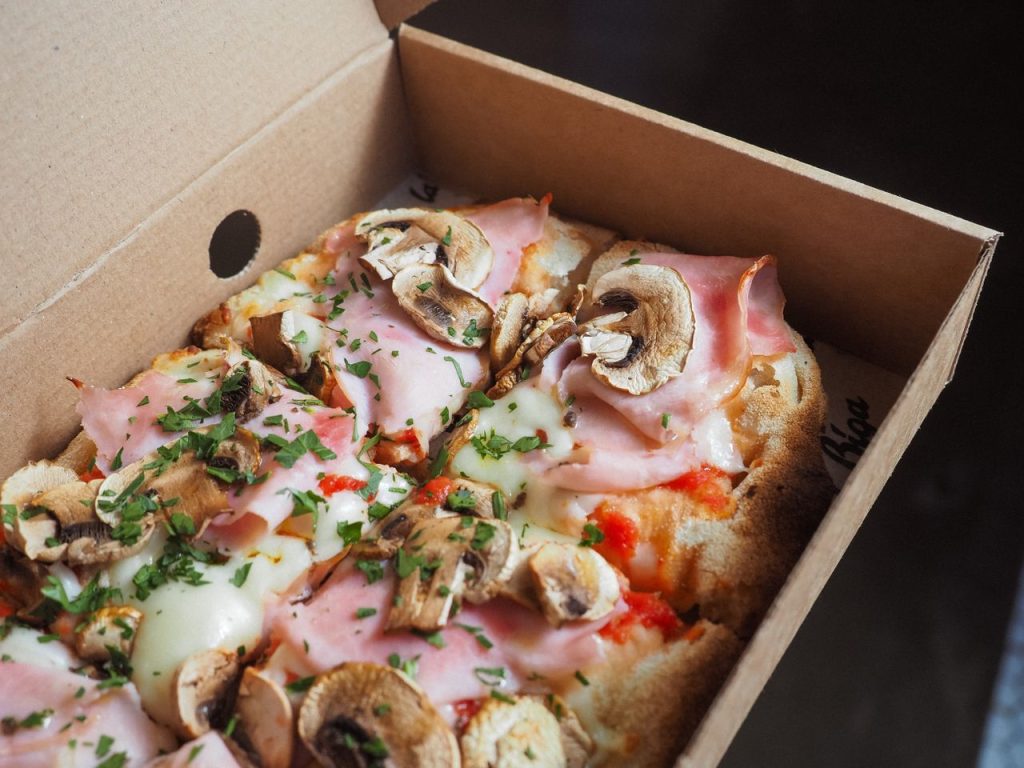
1. Pizza
Medium-bodied reds or sparkling wines are the classic call for pizza with tomato sauce. The acidity in both wine styles complements the richness of melted cheese and cuts through the fat. Chianti, Barbera d’Asti, and Prosecco all work beautifully. For a deeper look at specific styles, Fine-wine-world’s pizza pairing guide covers every topping combination in detail.
2. Asian takeout
Off-dry Riesling is the go-to for spicy or sweet Asian dishes, including Pad Thai, General Tso’s chicken, and green curry. The slight sweetness in the wine balances heat, while the high acidity keeps the pairing fresh. Pinot Gris and Gewürztraminer are strong alternatives when you want a little more body.
3. Mexican food
Fruit-forward rosé handles Mexican food with ease. The wine’s bright berry notes complement the complexity of cumin, chili, and lime without fighting the spice. Light reds like Grenache or Gamay also work well with tacos and enchiladas, especially when the dish leans savory rather than fiery.
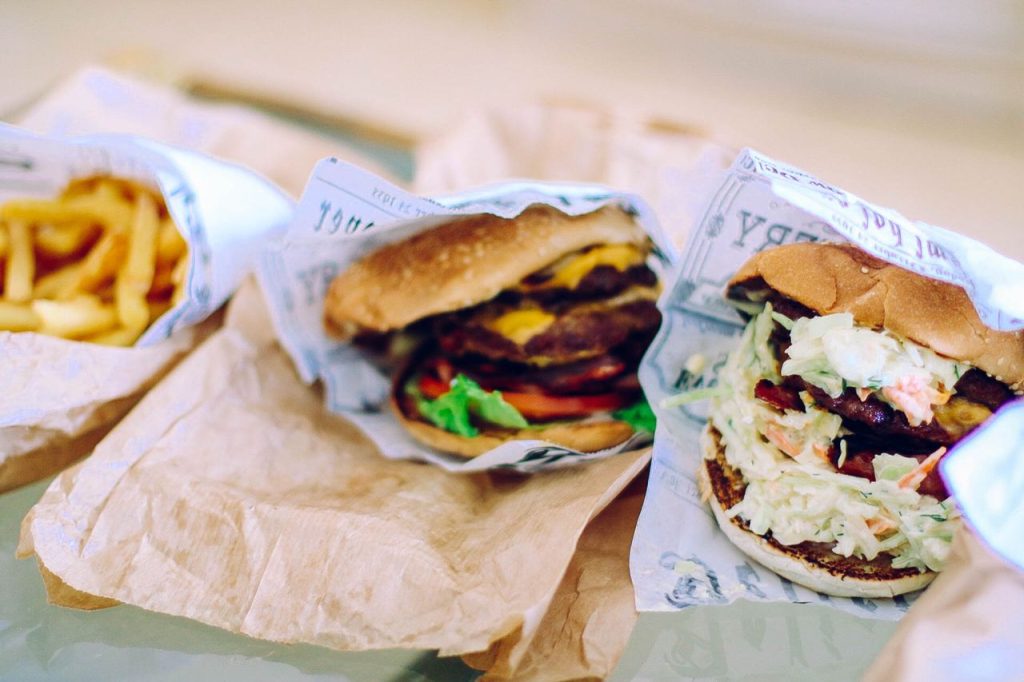
4. Burgers
A burger needs a wine with enough fruit and structure to stand up to beef, cheese, and condiments. Medium-bodied, fruit-forward reds like Grenache, Merlot, or a soft Shiraz hit the mark. Avoid anything too tannic or too light. You want the wine to feel like a natural extension of the meal, not a contrast.
5. Fried foods
Sparkling wine is the best all-around choice for fried chicken, spring rolls, tempura, and anything else that comes out of a deep fryer. Sparkling wine’s carbonation cleanses the palate effectively, making it an excellent all-rounder for oily or fried dishes. Champagne, Cava, and Crémant all deliver the same palate-refreshing effect at different price points.
Pro Tip: Keep a bottle of Cava or Prosecco in the fridge as your default “I don’t know what we’re ordering yet” wine. It works with almost everything.
6. Sushi and Japanese food
Crisp, high-acidity whites are the natural match for sushi, sashimi, and miso-based dishes. Sauvignon Blanc and Muscadet both complement the clean, delicate flavors without overwhelming them. Dry sparkling wine is another reliable option, especially for mixed platters where flavors vary widely.
7. Comfort food and curry
Rich, warming dishes like butter chicken, tikka masala, and korma respond well to wines with ripe fruit and gentle spice. A Grenache Shiraz blend or a soft Pinot Noir provides enough body and warmth to match the dish without amplifying the heat. These are also the styles most likely to be found in the affordable under-$30 range that elevates common takeaway meals without any fuss.
Understanding wine body, acidity, tannins, and sweetness
These four characteristics determine almost every pairing decision you will ever make. You do not need to memorize technical definitions. You just need to recognize how each one feels in the glass and on your palate.
Wine body refers to how heavy or light the wine feels in your mouth. Think of it as the difference between skim milk and whole milk. Full-bodied wines like Cabernet Sauvignon feel rich and weighty. Light-bodied wines like Pinot Grigio feel airy and delicate. Match the body to the dish’s richness, and you are already most of the way there.
Acidity is the tartness or brightness you feel on the sides of your tongue. High-acidity wines like Sauvignon Blanc and Barbera cut through fat and refresh your palate. Low-acidity wines like Viognier feel rounder and softer. Fatty or rich takeaway dishes almost always benefit from a wine with good acidity.
Tannins are the drying, grippy sensation you get from red wines like Cabernet Sauvignon or Nebbiolo. Tannins bind to protein and fat, which is why a big red works so well with a steak. The problem with spicy food is that tannins clash with heat, creating an unpleasant, amplified burn. Stick to low-tannin reds or whites when the dish has real heat.
Sweetness in wine ranges from bone dry to dessert-level sweet. Off-dry wines carry just a touch of residual sugar, enough to soothe spice or balance a sweet sauce without tasting like dessert. The rule is simple: the wine should never be drier than the food.
“The sauce and preparation method often determine the best wine pairing more than the protein alone. A piece of salmon calls for a completely different wine depending on whether it arrives with a soy glaze or a cream sauce.” — The Modern Wine Edit
| Wine style | Body | Acidity | Tannins | Sweetness |
|---|---|---|---|---|
| Sauvignon Blanc | Light | High | None | Dry |
| Riesling (off-dry) | Light | High | None | Off-dry |
| Pinot Gris | Medium | Medium | None | Dry to off-dry |
| Pinot Noir | Light to medium | Medium | Low | Dry |
| Grenache Shiraz | Medium | Medium | Medium | Dry |
| Sparkling (Cava/Prosecco) | Light | High | None | Dry to off-dry |
Practical tips for pairing wine with unfamiliar takeaway menus
Not every delivery order is predictable. Sometimes you are ordering from a new place, sharing a mixed spread, or working with a menu that does not translate cleanly into a single cuisine. These strategies keep you confident regardless of what arrives at the door.
Default to sparkling wine. Sparkling wine is the closest thing to a universal pairing tool. Its acidity and bubbles work across fried foods, light dishes, and even moderately spicy plates. It is the one bottle worth keeping stocked for any occasion.
Use menu keywords as your guide. The sauce and preparation method matter more than the protein. “Creamy” points you toward a medium-bodied white or light red. “Spicy” calls for off-dry or low-tannin. “Soy-glazed” or “umami-heavy” works well with Pinot Noir or a crisp white.
Avoid heavy tannic reds with spicy dishes. Tannins amplify spice heat and make the experience unpleasant. A Cabernet Sauvignon next to a vindaloo is a pairing mistake worth avoiding. Reach for a Riesling, a Grenache, or a sparkling option instead. Fine-wine-world’s guide to wine with spicy food covers this in full detail.
Stay under $30. Affordable wines in the $15–$30 range deliver excellent quality for takeaway pairing. You do not need a special-occasion bottle to make delivery feel special. The goal is balance and freshness, not prestige.
When in doubt, go fruit-forward and clean. Balance and freshness are the ultimate goals in takeaway wine pairing. Fruit-forward, clean wines work best because they complement rather than compete with bold takeaway flavors.
Avoid pairing wine with the protein alone. A chicken dish glazed in honey and soy needs a different wine than a chicken dish in cream sauce. Always factor in the sauce, the seasoning, and the cooking method before you decide.
Key Takeaways
The most reliable takeaway wine food pairing strategy is to match wine body and acidity to the dish’s richness, sauce, and spice level rather than the protein alone.
| Point | Details |
|---|---|
| Match body to dish weight | Light wines suit delicate dishes; full-bodied wines suit rich, heavy takeaway. |
| Use the four-question framework | Ask about richness, acidity, fat, and spice before choosing any wine. |
| Sparkling wine is your safety net | It pairs with fried, oily, and mixed takeaway spreads better than any other style. |
| Avoid tannic reds with spicy food | Tannins amplify heat; choose off-dry whites or low-tannin reds instead. |
| Quality under $30 is enough | Wines like Pinot Gris, Grenache Shiraz, and Pinot Noir elevate any delivery meal at accessible prices. |
Why takeaway pairing changed how I think about wine nights
I used to treat takeaway as a wine-free zone. The logic felt sound at the time: good wine deserves a proper meal, and delivery food is just fuel. That thinking was wrong, and I am glad I abandoned it.
The shift happened when I opened a bottle of off-dry Riesling alongside a Thai green curry on a Tuesday night. The wine did not just survive the pairing. It made the curry taste better, and the curry made the wine taste brighter. That is the thing about planning wine thoughtfully for takeaway: it raises the perceived value of the whole meal, not just the glass.
What I have learned is that the intimidation around pairing is almost entirely self-inflicted. You do not need rules. You need a rough sense of weight and acidity, and the willingness to experiment. Trust your palate. It knows more than you give it credit for.
— Adriana
Fine-wine-world has the pairing guides you need
Pairing wine with takeaway is one of the most enjoyable ways to build your wine knowledge without any pressure or formality.
Fine-wine-world’s food and wine pairing hub is the best place to go deeper. It covers foundational pairing principles, cuisine-specific guides, and practical tips for everyday wine lovers at every experience level. If you want to understand how different wine regions produce the styles that work best with your favorite takeaway, the wine regions beginner’s guide gives you that context in plain language. Whether you are building a go-to wine list for delivery nights or refining your palate one pairing at a time, Fine-wine-world has the resources to make it genuinely fun.
FAQ
What wine goes best with pizza?
Medium-bodied reds like Chianti or Barbera and sparkling wines like Prosecco are the top choices for tomato-based pizza. Their acidity complements the richness of cheese and sauce.
Can I pair red wine with spicy takeaway?
Avoid heavy tannic reds with spicy dishes, as tannins amplify heat and create an unpleasant burn. Choose off-dry whites like Riesling or low-tannin reds like Grenache instead.
What is the most versatile wine for mixed takeaway orders?
Sparkling wine is the most versatile option for mixed or unpredictable takeaway spreads. Its carbonation and acidity cleanse the palate and complement fried, oily, and lightly spiced dishes equally well.
Do I need to spend a lot on wine for takeaway pairing?
Quality wines under $30, including Pinot Gris, Grenache Shiraz, and Pinot Noir, pair successfully with a wide range of delivery meals. Price does not determine pairing success; balance and freshness do.
How do I pair wine when I don’t know what cuisine I’m ordering?
Use menu keywords like “creamy,” “spicy,” or “soy-glazed” to guide your choice, since the sauce and preparation method determine the best pairing more than the protein alone. When in doubt, reach for a sparkling wine or a fruit-forward, clean white.