
Cabernet Sauvignon vs Merlot:
Key Differences
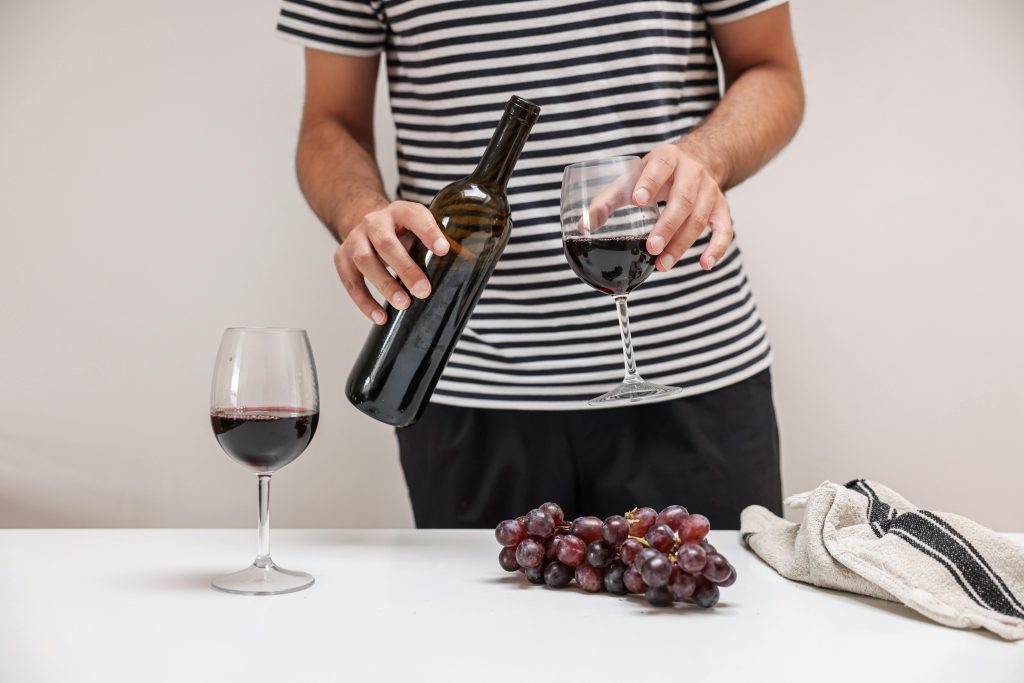
You're standing in the wine aisle, staring at rows of red bottles, wondering what sets Cabernet Sauvignon apart from Merlot. This red wine comparison is for anyone who wants to understand these popular varietals without the wine snob jargon.
Cabernet Sauvignon brings bold, structured flavors with firm tannins that make your mouth feel dry. Merlot offers a smoother, rounder experience with softer edges. But the difference between Cabernet and Merlot goes beyond just taste—their origins, alcohol content, and food pairing potential tell completely different stories.
You'll discover what each wine actually tastes like in simple terms, learn which pairs better with your favorite foods, and get practical tips for serving and storing both wines. We'll also tackle the big questions: is Merlot sweeter than Cabernet, which red wine is smoother, and how to pick the right bottle for any occasion.
The quick answer: how Cabernet and Merlot
feel different in the glass

When you pick up a glass of Cabernet Sauvignon vs Merlot, you'll notice the difference immediately through your senses. Cabernet hits your palate with a bold, structured presence that grips your mouth – that's the tannins at work. Think of it like the difference between a firm handshake and a gentle touch. You'll feel that drying sensation on your gums and tongue, similar to drinking black tea that's steeped too long.
Merlot, on the other hand, slides across your palate like silk. It's which red wine is smoother between these two, offering a velvety texture that feels almost luxurious. Your mouth won't pucker up, and you won't get that astringent feeling that makes you want to reach for water.
Tannin Levels: The Game Changer
The difference between Cabernet and Merlot comes down to tannins – those natural compounds from grape skins that create structure in red wine. Cabernet Sauvignon packs high tannin levels, giving you that robust, chewy mouthfeel. You'll taste the wine's backbone immediately.
Merlot keeps its tannins much lower and softer. Your tongue registers smoothness instead of grip. New wine drinkers often gravitate toward Merlot first because it doesn't challenge your palate the way Cabernet does. If you're wondering about the best red wine for beginners, Merlot's gentle approach makes it more approachable.
Body and Intensity Differences
Cabernet Sauvignon taste profile delivers full-bodied intensity that fills every corner of your mouth. You'll experience layers of flavor that build and evolve as you sip. The wine announces itself boldly and demands attention.
Merlot presents medium to full body, but with a rounder, more approachable character. You'll notice how it flows smoothly without overwhelming your senses. The Merlot flavor characteristics lean toward elegance over power, making each sip feel effortless rather than challenging.
Where each comes from — and why it
affects the taste
Your Cabernet Sauvignon journey begins in Bordeaux, France, where this noble grape first made its mark in the gravelly soils of the Left Bank regions like Médoc and Graves. You'll taste the difference immediately when you compare Old World Bordeaux Cabernet with New World versions. French expressions bring you elegant restraint—earthy undertones, subtle mineral notes, and a structure that speaks more quietly but carries deeper complexity. The cooler climate and ancient winemaking traditions create wines that whisper rather than shout.
When you explore New World Cabernet Sauvignon from places like Napa Valley, Australia's Coonawarra, or Chile's Maipo Valley, you're experiencing a completely different personality. The warmer climates and modern winemaking techniques deliver bolder, more fruit-forward wines that hit your palate with immediate impact. You'll notice riper blackcurrant flavors, higher alcohol content, and often more oak influence. These wines speak with confidence and power, making them perfect for those moments when you want something that commands attention in your glass.
Merlot's Journey from Bordeaux to the World
Merlot shares Bordeaux heritage with Cabernet Sauvignon, but you'll find it predominantly on the Right Bank in Saint-Émilion and Pomerol, where clay and limestone soils create its signature velvety texture. When you taste traditional Bordeaux Merlot, you're experiencing centuries of refinement—plush fruit balanced by earthy complexity, with tannins that feel like silk rather than sandpaper. The cooler climate keeps alcohol levels moderate while developing those characteristic herbal and tobacco notes that make French Merlot so food-friendly.
Your New World Merlot experience varies dramatically depending on the region. California's warmer valleys produce riper, jammier versions that showcase pure fruit flavors, while Washington State delivers more structured wines with bright acidity. You'll find that these modern interpretations often emphasize Merlot's natural smoothness while amplifying the fruit characteristics that make this wine so approachable for beginners.
What Cabernet Sauvignon tastes like —
in plain English

When you sip Cabernet Sauvignon, the first thing you'll notice hits the sides of your tongue and gums—that drying sensation like strong black tea or eating grape skins. This is what wine people call tannins, and Cabernet has them in spades. Your mouth might feel slightly puckered, almost like you just bit into an unripe apple. Don't worry, this isn't a flaw—it's exactly what makes Cabernet the powerhouse it is.
These tannins give the wine its backbone, creating that full-bodied feeling that coats your mouth. Think of it like the difference between skim milk and whole milk—Cabernet has that rich, substantial texture that lingers long after you swallow.
Dark Fruit Flavors That Pack a Punch
Your taste buds will pick up intense dark fruit flavors that remind you of blackberry jam on toast or fresh blackcurrants. Many people also taste dark cherry—not the sweet maraschino kind, but more like the tart-sweet cherries you'd find in a high-quality pie filling.
Some bottles might surprise you with hints of plum or even blueberry, especially if they're from warmer growing regions. The fruit flavors in Cabernet Sauvignon taste profile tend to be concentrated and bold, never subtle or whisper-quiet like some other wines.
The Savory Side: Herbs and Earth
Beyond the fruit, you'll often catch whiffs and tastes of green bell pepper or fresh herbs like rosemary. This might sound strange, but it's actually a signature characteristic of Cabernet. Some describe it as a “green” note that balances out all that rich fruit.
Depending on where your bottle comes from, you might also taste earthy elements—think freshly turned soil after rain or even a hint of pencil lead. These savory notes make Cabernet Sauvignon vs Merlot comparisons interesting, as Merlot rarely shows these distinctive green and earthy characteristics.
Spice and Oak: The Finishing Touch
Most Cabernet Sauvignons spend time in oak barrels, which adds layers of vanilla, coffee, and warm baking spices like cinnamon or clove. You might taste something reminiscent of dark chocolate or even a hint of tobacco leaf—not in an unpleasant way, but more like the rich, complex aroma of a high-end cigar shop.
The combination of bold fruit, drying tannins, savory herbs, and oak spices creates a wine with serious structure and long aging potential, making each sip a complex experience that evolves as the wine opens up in your glass.
What Merlot tastes like — in plain English

When you pour Merlot into your glass, you're about to experience what many consider the more approachable side of red wine. If Cabernet Sauvignon is a firm handshake, Merlot is a warm hug — friendly, inviting, and immediately comforting.
The first thing you'll notice about Merlot's flavor characteristics is how smooth it feels on your tongue. Unlike its more assertive cousin Cabernet, Merlot greets you with softer tannins that won't make your mouth feel dry or puckered. This velvety texture is one of the key differences between Cabernet and Merlot, making Merlot an excellent choice if you're new to red wines or prefer something less intense.
Primary Flavor Notes You'll Taste
Your palate will pick up on several distinct flavors when you sip Merlot:
-
Plum and dark cherry — These are the stars of the show, offering rich, juicy fruit flavors
-
Blackberry — Adds depth and sweetness to each sip
-
Chocolate and cocoa — Subtle undertones that emerge as the wine opens up
-
Vanilla and spice — Often from oak aging, these notes add complexity without overwhelming
-
Herbs and earth — Depending on where it's grown, you might taste hints of tobacco or dried herbs
How Merlot Feels Different
The Merlot taste profile is all about balance and drinkability. You won't find the bold, sometimes aggressive tannins that characterize Cabernet Sauvignon. Instead, Merlot offers a medium-bodied experience that's both satisfying and smooth. This makes it one of the best red wines for beginners who want to explore beyond lighter options without jumping into the deep end.
When comparing Cabernet Sauvignon vs Merlot taste, think of Merlot as the diplomatic wine — it plays well with others and rarely offends. The alcohol content typically ranges from 13-15%, giving you enough body and warmth without being overpowering. This balanced approach is why Merlot has earned its reputation as a crowd-pleaser at dinner parties and casual gatherings.
Is Merlot sweeter than Cabernet Sauvignon?

You might be surprised to learn that neither Merlot nor Cabernet Sauvignon is technically sweet. Both are dry red wines, meaning they contain minimal residual sugar after fermentation. However, if you've tasted both wines and could swear that Merlot feels sweeter on your palate, you're not imagining things – there's a perfectly logical explanation for this common perception.
Why Merlot Tastes Sweeter Than Cabernet
The “sweetness” you detect in Merlot comes from its softer, silkier texture rather than actual sugar content. When you compare these two wines side by side, you'll notice that Merlot's gentle tannins create a smoother mouthfeel that your brain often interprets as sweetness. Cabernet Sauvignon, on the other hand, hits your palate with bold, assertive tannins that can feel almost rough or astringent, especially when the wine is young.
Your taste buds pick up on several factors that contribute to this sweet perception:
-
Lower tannin levels in Merlot create less drying sensation in your mouth
-
Rounder fruit flavors like plum and cherry feel more approachable
-
Less acidity compared to Cabernet makes the wine feel softer overall
-
Velvety texture provides a smoother drinking experience
Understanding the Texture Difference
When you sip Cabernet Sauvignon, those firm tannins grip your teeth and gums, creating a drying sensation that makes your mouth pucker slightly. This textural experience signals “dry” to your palate. Merlot's gentler approach means less of that gripping sensation, allowing the fruit flavors to shine through without interference. Your brain reads this smoothness as sweetness, even though both wines contain similar sugar levels.
This difference explains why many wine beginners gravitate toward Merlot when starting their red wine journey – it simply feels more approachable and less intimidating than the bold structure of Cabernet Sauvignon.
Which is stronger — Cabernet or Merlot?
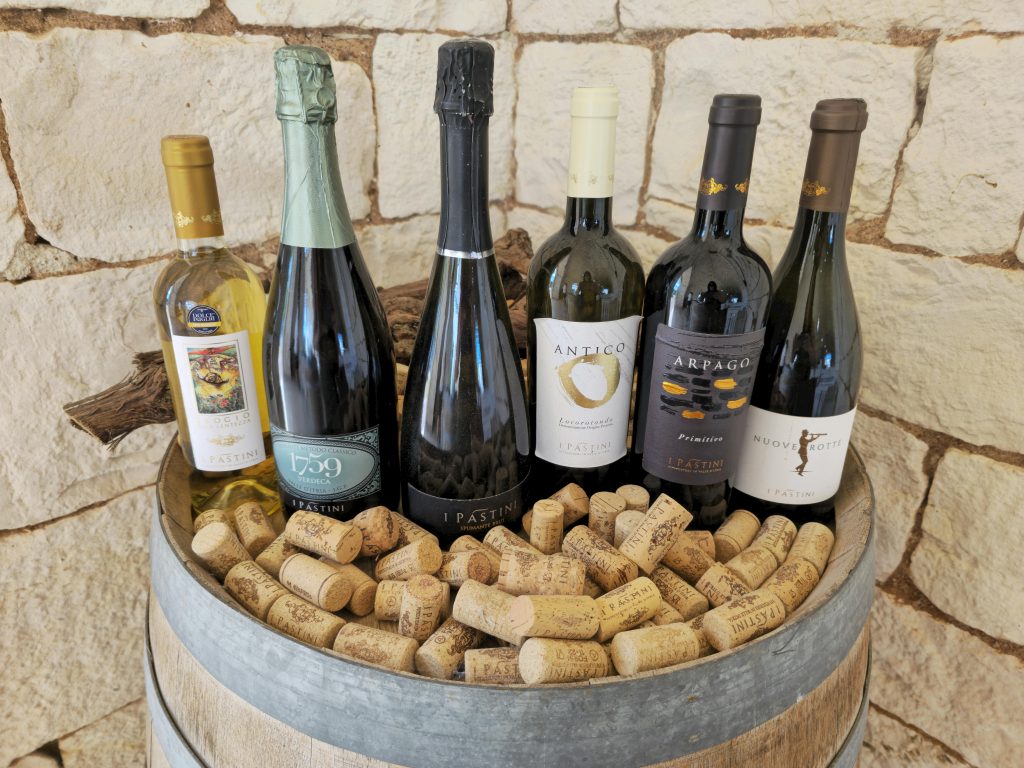
Alcohol Content: The Numbers Game
When you're comparing Cabernet Sauvignon vs Merlot in terms of alcohol strength, Cabernet typically edges out Merlot by a small margin. You'll find most Cabernets clocking in between 13.5% to 15% alcohol by volume, while Merlots usually range from 13% to 14.5%. This difference comes from Cabernet grapes needing more time to ripen fully, allowing them to develop higher sugar levels that convert to alcohol during fermentation.
The climate where your wine comes from plays a huge role here. California Cabernets from warm regions like Napa Valley often push toward the higher end of this range, while cooler climate versions from places like Bordeaux tend to be more moderate.
Tannin Power: Where You Really Feel the Strength
Your mouth will tell you the real story about which wine packs more punch. Cabernet Sauvignon delivers significantly more tannins than Merlot, giving you that dry, gripping sensation that coats your teeth and gums. These tannins come from the grape's thick skin and create that bold red wine character you either love or find overwhelming.
Merlot takes a gentler approach with its lower tannin levels, making it feel smoother and more approachable in your glass. This difference between Cabernet and Merlot becomes especially noticeable when you taste them side by side – the Cabernet will leave your mouth feeling dry and structured, while the Merlot flows more easily.
Body and Intensity: The Full Picture
You'll experience Cabernet as a full-bodied powerhouse that demands your attention. Its bold red wine profile combines high tannins, robust flavors, and strong structure into something that fills your entire palate. Merlot, while still substantial, offers a medium to full body that's more forgiving and easier to drink.
Your wine tasting notes will likely describe Cabernet as intense and concentrated, while Merlot gets tagged as smooth and approachable – making it one of the best red wines for beginners who want something substantial without being overwhelmed.
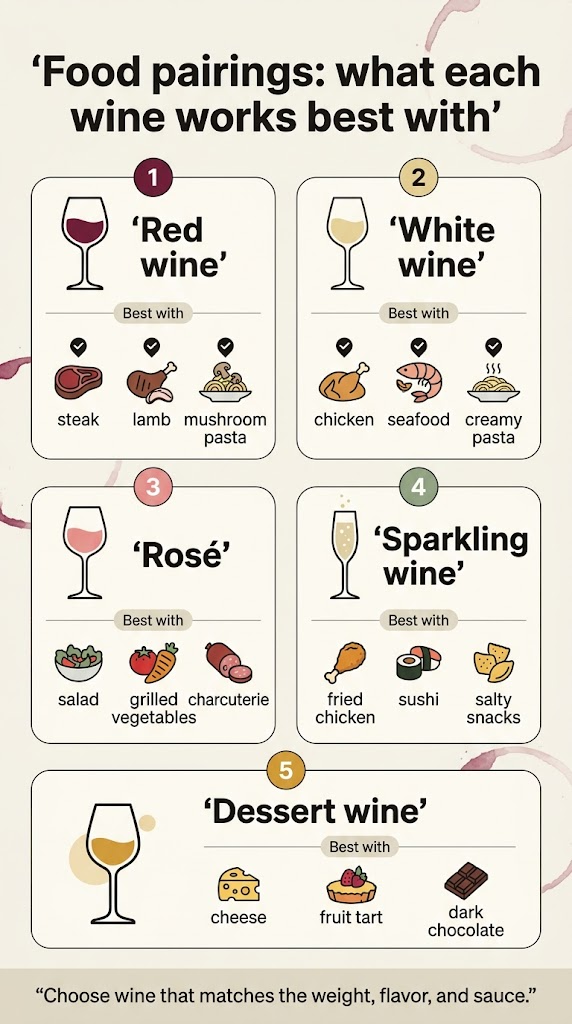
Food pairings: what each wine works best with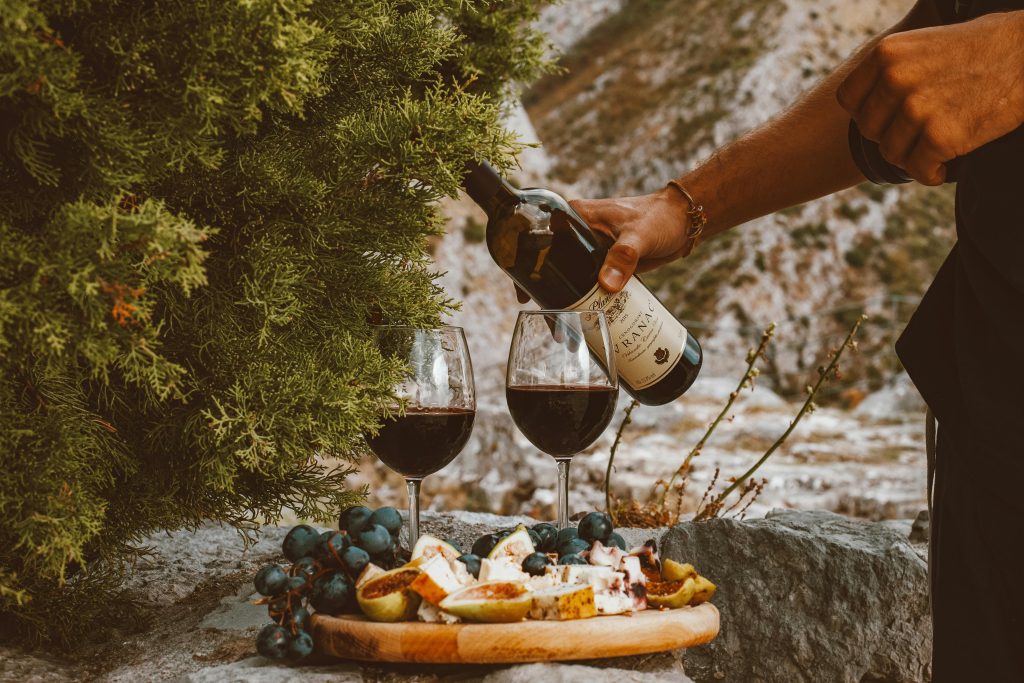
Best Foods for Cabernet Sauvignon
Your Cabernet Sauvignon needs bold flavors that can match its powerful personality. This wine's high tannins and robust structure make it the perfect companion for rich, hearty dishes that won't get overwhelmed.
Red meat is where Cabernet truly shines:
-
Lamb chops with rosemary
-
Prime rib roast
-
Barbecued brisket
-
Venison or game meats
Cheese pairings that complement Cabernet's intensity:
-
Blue cheese crumbles
-
Sharp parmesan
-
Manchego
Other winning combinations:
-
Dark chocolate desserts (70% cacao or higher)
-
Mushroom-based dishes like portobello steaks
-
Roasted vegetables with herbs
Perfect Matches for Merlot
Your Merlot's smoother, softer character calls for different food pairings. Its approachable nature and lower tannins make it more versatile than Cabernet, working beautifully with medium-intensity flavors.
Merlot food pairing options include:
-
Roasted chicken or turkey
-
Pork tenderloin with fruit glazes
-
Duck breast
-
Pizza with tomato sauce
Cheese selections for Merlot:
-
Mild goat cheese
-
Gruyère
-
Fresh mozzarella
Vegetarian-friendly pairings:
-
Eggplant parmesan
-
Lentil-based dishes
-
Roasted bell peppers
-
Pasta with cream or olive oil-based sauces
Quick Pairing Guide by Occasion
Cabernet vs Merlot food pairing depends on your meal's intensity. Choose Cabernet when you're grilling steaks or serving heavy, sauce-laden dishes. Pick Merlot for weeknight dinners with chicken, lighter pasta dishes, or when you want something that won't compete with delicate flavors. Your guests will appreciate how each wine enhances rather than fights with the food.
Which should you choose?
A decision guide by taste and occasion
If you're just starting your wine journey, Merlot is your best friend. Its smoother texture and softer tannins won't assault your palate like some bold Cabernets can. You'll actually taste the fruit flavors without getting distracted by harsh, dry sensations that make you pucker. Think of Merlot as wine training wheels—it helps you develop your palate before moving on to more intense options.
Once you've enjoyed a few bottles of Merlot and want more complexity, try a lighter Cabernet Sauvignon from regions like Napa Valley. These offer more structure than Merlot but won't overwhelm your developing taste buds.
Based on Your Taste Preferences
Choose Cabernet Sauvignon if you:
-
Love bold, intense flavors that make a statement
-
Enjoy coffee, dark chocolate, or espresso
-
Prefer wines that feel substantial and full-bodied
-
Like drinks with noticeable tannins (that dry, gripping sensation)
-
Want a wine that pairs with hearty, rich foods
Choose Merlot if you:
-
Prefer smoother, more approachable wines
-
Enjoy fruit-forward flavors like plums and cherries
-
Want something easy-drinking for casual occasions
-
Like wines that won't overpower lighter dishes
-
Seek a red wine that's versatile with various cuisines
Occasion-Based Recommendations
Business Dinners and Formal Events
Cabernet Sauvignon commands respect at professional gatherings. Its bold profile and prestigious reputation make it perfect when you want to impress clients or colleagues. Stick with well-known regions like Napa Valley or Bordeaux for maximum impact.
Casual Gatherings and Parties
Merlot wins for relaxed social settings. Its approachable nature means everyone—from wine novices to enthusiasts—can enjoy it. You won't risk alienating guests who find bold wines too intense.
Romantic Dinners
Either works, but consider your partner's preferences. Merlot creates a softer, more intimate atmosphere, while Cabernet adds sophistication and drama to special occasions.
Holiday Celebrations
Cabernet Sauvignon pairs beautifully with traditional holiday roasts and rich dishes. Its bold flavors can stand up to heavy, flavorful meals that define holiday feasts.
Gifting Guide
For Wine Beginners: Choose a quality Merlot from Washington State or Chile. These regions produce approachable wines that won't intimidate newcomers.
For Experienced Wine Lovers: Go with Cabernet Sauvignon from prestigious regions like Napa Valley, Bordeaux, or Australia's Coonawarra. These show complexity and craftsmanship that serious wine drinkers appreciate.
Safe Choice for Anyone: A mid-range Merlot works when you're unsure of someone's wine preferences. It's less polarizing than bold Cabernet and more likely to please diverse tastes.
Special Occasions: Splurge on premium Cabernet Sauvignon for milestone celebrations, anniversaries, or significant achievements. The wine's aging potential also makes it meaningful for events you want to commemorate long-term.
Budget Considerations
Your budget heavily influences which wine delivers better value. Excellent Merlot costs less than comparable-quality Cabernet Sauvignon. You'll find outstanding Merlot bottles under , while exceptional Cabernet often starts around -40.
If you're building a wine collection on a budget, focus on Merlot for everyday drinking and save Cabernet for special occasions. This strategy lets you enjoy quality red wine regularly without breaking the bank.
Cabernet vs Merlot: side-by-side comparison table

| Feature | Cabernet Sauvignon | Merlot |
|---|---|---|
| Tannin Level | High – grips your mouth with noticeable dryness | Medium – smooth and approachable texture |
| Body | Full-bodied – bold and powerful presence | Medium to full-bodied – softer and rounder |
| Sweetness | Dry with minimal residual sugar | Dry but fruitier perception can taste slightly sweeter |
| Alcohol Content | 13.5-15% ABV – stronger kick | 13-14.5% ABV – moderate strength |
| Primary Flavors | Blackcurrant, cedar, tobacco, green bell pepper | Plum, cherry, chocolate, herbs |
| Color | Deep purple to garnet – darker hues | Ruby to deep red – lighter than Cabernet |
| Aging Potential | 10-20+ years for quality bottles | 5-15 years optimal drinking window |
| Best Food Matches | Red meat, aged cheeses, hearty stews | Roasted chicken, salmon, pasta with tomato sauce |
| Price Range | $15-$200+ (premium bottles command higher prices) | $12-$150+ (generally more accessible pricing) |
| Growing Regions | Bordeaux, Napa Valley, Australia, Chile | Bordeaux, Washington State, Italy, California |
| Serving Temperature | 60-65°F for optimal flavor expression | 60-64°F slightly cooler than Cabernet |
Understanding Your Wine Choice
This Cabernet Sauvignon vs Merlot comparison reveals why you'll reach for different bottles depending on your mood and meal. Your palate will immediately notice Cabernet's bold, structured approach versus Merlot's smooth, fruit-forward character.
When you're deciding between these red wine options, consider that Cabernet delivers more intensity and complexity, while Merlot offers immediate pleasure and food-friendly versatility. Your wine selection should match both your taste preferences and the occasion – Cabernet for special dinners with red meat, Merlot for casual evenings and lighter fare.
The difference between Cabernet and Merlot becomes clear when you taste them side by side. Your tongue will detect Cabernet's firmer tannins and deeper color, while Merlot's softer texture makes it the smoother choice for wine beginners.
Serving and Storage Tips for Optimal
Wine Appreciation
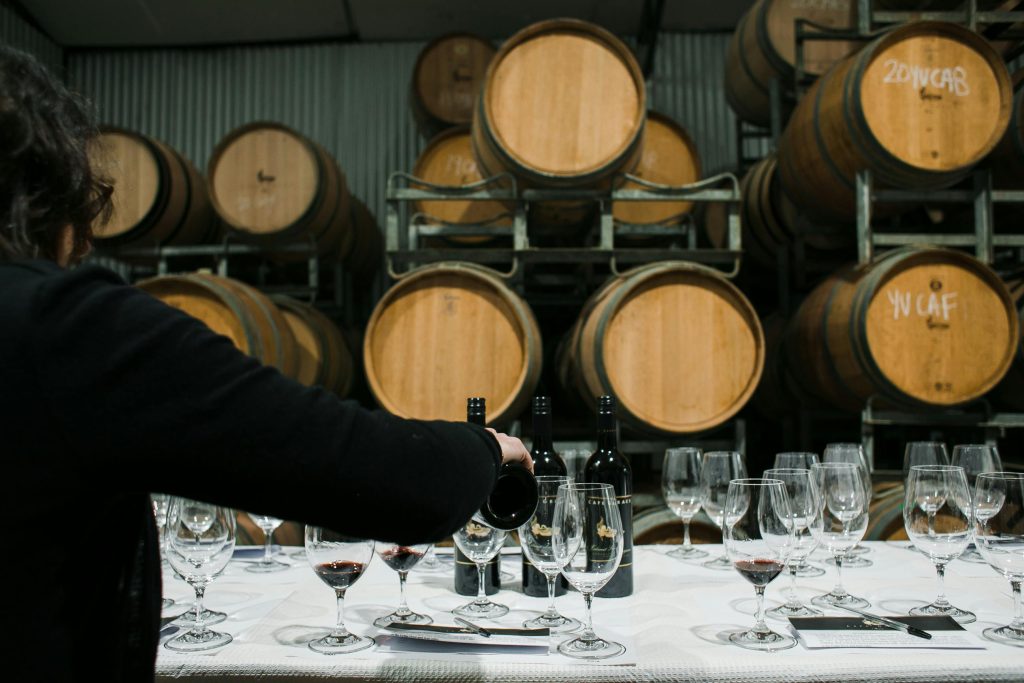
Temperature plays a huge role in how your Cabernet Sauvignon vs Merlot tastes when you pour that first glass. Get it wrong, and you'll miss out on the complex flavors that make each wine special.
For Cabernet Sauvignon, you want to serve it between 60-65°F (15-18°C). This slightly cool temperature helps tame those bold tannins while letting the dark fruit flavors shine through. If you serve it too warm, the alcohol becomes overpowering and masks the wine's elegant structure.
Merlot prefers a similar range but can handle being served slightly warmer, around 62-68°F (17-20°C). Since Merlot has softer tannins than Cabernet, the warmer temperature helps release its smooth, velvety characteristics and brings out those lush plum and chocolate notes.
Your refrigerator is too cold for both wines, while room temperature is usually too warm. Pop your bottle in the fridge for about 45 minutes before serving, or use an ice bucket for 10-15 minutes to hit that sweet spot.
Decanting recommendations for each varietal
Decanting transforms how both Cabernet Sauvignon and Merlot taste by allowing them to breathe and develop their full flavor profile.
Young Cabernet Sauvignon benefits enormously from decanting. Give it at least 1-2 hours in a decanter before drinking. Those firm tannins need time to soften, and the bold structure needs oxygen to reveal layers of blackcurrant, cedar, and spice. If you're opening a premium Cabernet that's under 5 years old, don't skip this step.
Merlot is more forgiving but still appreciates some air time. Decant your Merlot for 30-60 minutes before serving. Since Merlot already has softer tannins, you don't need as much time, but the extra oxygen helps open up those smooth red fruit flavors and adds complexity to each sip.
For older wines (10+ years), be gentler with decanting. These bottles might have sediment, so pour slowly and stop when you see any cloudiness. Older wines also need less air time since they've already developed through aging.
Cellaring guidelines to preserve wine quality
Storing your Cabernet Sauvignon and Merlot properly makes the difference between wine that improves with age and bottles that turn into expensive vinegar.
Both varietals need consistent temperatures between 55-58°F (12-14°C). Your basement works better than your kitchen wine rack, where temperature swings can damage the wine. Keep humidity around 60-70% to prevent corks from drying out.
Store bottles on their side so the wine stays in contact with the cork. This keeps the cork moist and prevents air from sneaking in. Light is wine's enemy, so choose a dark spot or use tinted glass storage.
Cabernet Sauvignon is built for long-term aging thanks to its robust tannin structure. Quality bottles can improve for 10-20 years under proper conditions. You'll notice the tannins become silkier and new flavors like tobacco and leather emerge.
Merlot typically peaks earlier than Cabernet, usually within 5-10 years of vintage. Its softer structure means it's more approachable young but won't hold up as long in your cellar.
Avoid vibrations from appliances or heavy foot traffic, as movement disturbs the wine's aging process. If you're serious about collecting, invest in a wine refrigerator with dual temperature zones.
You now have the tools to confidently pick between Cabernet Sauvignon and Merlot for any occasion. Cabernet brings bold, structured flavors that shine with red meat and aged cheeses, while Merlot offers softer, fruitier notes that pair beautifully with everything from roasted chicken to chocolate desserts. Remember that Cabernet typically packs more tannins and strength, making it perfect when you want something with serious presence, while Merlot's approachable smoothness makes it an excellent choice for casual dinners or when you're introducing someone to red wine.
Your wine journey doesn't have to be complicated. Trust your taste buds, consider what you're eating, and don't be afraid to experiment with both varietals. Whether you're planning a romantic dinner or hosting friends for a barbecue, you'll know exactly which bottle to reach for. Start building your wine confidence one glass at a time – your palate will thank you for the adventure.
From Cabernet and Merlot to the Wider World of Red Wine
Understanding these two grapes gives you a solid foundation for exploring red wine more broadly — and the same principles of tannin, body, and food matching apply across every variety you'll encounter. Our beginner's wine guide maps out all the major red varietals — from light Pinot Noir to bold Syrah — so you can see exactly where Cabernet and Merlot sit on the spectrum. If the regions behind these wines caught your attention — Bordeaux, Napa Valley, Tuscany — our wine regions of the world guide covers each in depth with the same beginner-friendly approach you've found here. And when you're ready to start tasting these wines more intentionally — identifying those tannins, fruit notes, and oak characteristics in your own glass — our wine tasting guide walks through the Five S's method that makes every comparative tasting more rewarding.
The best way to truly understand the difference? Open one of each on the same evening and taste them side by side. 🍷