
Best Red Wines for Beginners: Easy and Delicious
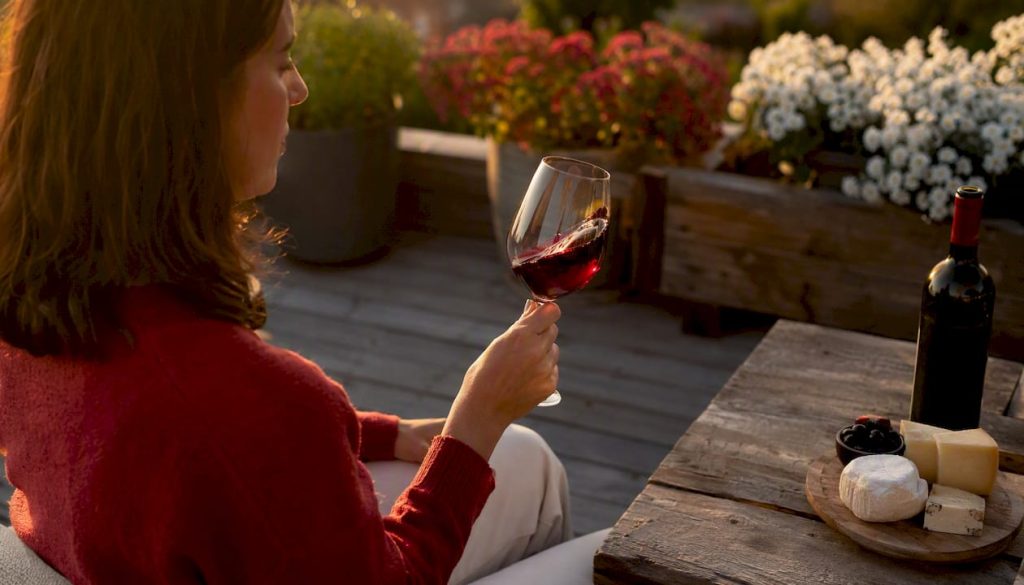
If you’re new to red wine, start with Pinot Noir, Merlot, Gamay (Beaujolais), Grenache, Malbec, or Zinfandel. These are the most approachable, fruit-forward reds you’ll find, and any one of them makes a genuinely enjoyable first bottle. Carménère and GSM blends are worth grabbing too if you spot them.
Here’s what to expect from each:
- Pinot Noir: Light, silky, and bright with cherry and cranberry. Gentle on the palate.
- Merlot: Soft and round with ripe plum and black cherry. One of the most crowd-pleasing reds around.
- Gamay (Beaujolais): Juicy, lively, and almost refreshing. Serve it slightly chilled.
- Grenache / Garnacha: Ripe strawberry and a hint of spice. Medium-bodied and food-friendly.
- Malbec: Dark fruit, smooth finish, and a little more richness without being heavy.
- Zinfandel: Jammy blackberry and warm spice. A friendly step up in body.
- Carménère: Smooth dark fruit with a subtle herbal note. Chile’s signature red.
- GSM blend: Grenache, Syrah, and Mourvèdre together, offering fruit, spice, and balance in one glass.
Pro Tip: When you’re at a wine shop, just ask for something “fruit-forward and easy-drinking under $20.” That phrase alone will get you pointed in the right direction every time.
Affiliate Disclosure: Some links on Fine Wine World are affiliate links, meaning we may earn a paid commission if you click through and make a purchase — at no extra cost to you. Affiliate programs use cookies to track commissions, which may collect personal data. You can read more about how we handle your data in our Privacy Policy and Affiliate Disclosure. We only recommend products we genuinely trust.
Table of Contents
- What to expect from each beginner-friendly red
- How to choose your first bottle without second-guessing yourself
- Key Takeaways
- The best part of starting with red wine
- Fine-wine-world makes the first bottle easier to choose
What to expect from each beginner-friendly red
Here’s a side-by-side look at the key details for each variety, so you can pick the right bottle for your taste and budget.
| Variety | Body | Tannin | Flavor Profile | Price Band | U.S. Regions / Availability | Food Pairings | Serving Temp |
|---|---|---|---|---|---|---|---|
| Pinot Noir | Light | Low | Cherry, cranberry, raspberry, earthy | Moderate price | Oregon, California (Sonoma, Santa Barbara) | Salmon, roast chicken, mushrooms | Slightly cool (55°F) |
| Merlot | Medium | Low–Medium | Plum, black cherry, cocoa, soft finish | Moderate price | California, Washington State | Pasta, burgers, soft cheeses | Cellar temp |
| Gamay (Beaujolais) | Light | Low | Strawberry, blueberry, fresh and juicy | Moderate price | Widely available; French imports common | Charcuterie, pizza, light salads | Chilled (55°F) |
| Grenache / Garnacha | Medium | Low–Medium | Strawberry, red cherry, subtle herbs, spice | Moderate price | California, Spanish imports | Roasted vegetables, lamb, tapas | Slightly cool |
| Malbec | Medium–Full | Medium | Dark plum, blackberry, chocolate, smooth | Moderate price | Argentine imports widely available | Steak, grilled meats, burgers | Cellar temp |
| Zinfandel | Full | Medium | Blackberry, jammy raspberry, black pepper, spice | Moderate price | California (Lodi, Sonoma, Paso Robles) | BBQ, pizza, sausage | Cellar temp |
| Carménère | Medium | Low–Medium | Dark cherry, plum, cocoa, herbal note | Moderate price | Chilean imports widely available | Beef, lentils, mushroom dishes | Cellar temp |
| GSM Blend | Medium | Medium | Red fruit, spice, earthy depth, balanced | Moderate price | California, Washington, French imports | Lamb, roasted meats, stews | Cellar temp |
A few notes worth adding to the table:
- Pinot Noir is the gentlest entry point, especially for anyone coming from white wine. Its soft tannins and bright red fruit make it one of the most recommended first reds. Budget a little more here; quality drops off faster at the very low end than it does with Merlot or Gamay.
- Merlot is the definition of reliable. Ripe, round, and rarely surprising in a bad way. Washington State Merlot tends to have a bit more structure than California versions, which lean softer and fruitier.
- Gamay is the one to reach for on a warm evening or when you want something closer to a chilled rosé experience. Beaujolais-Villages is a great label to look for; it’s a step up from basic Beaujolais without the price jump of Beaujolais Cru.
- Grenache pairs beautifully with Mediterranean-style food, from roasted peppers to lamb chops. Spanish Garnacha bottles often deliver excellent value under $15.
- Malbec from Argentina is one of the best value plays in the beginner category. Most bottles in the $12–$18 range are genuinely smooth and satisfying.
- Carménère is Chile’s signature grape and one of the most underrated smooth reds for beginners. The herbal note (think green pepper, very subtle) adds interest without being off-putting.
How to choose your first bottle without second-guessing yourself
Shopping for wine when you’re new to it can feel like reading a foreign language. Here’s a checklist that cuts through the noise.
Your step-by-step bottle checklist:
- Start with the grape variety. Pick one from the shortlist above. The variety tells you more about what’s in the glass than the label design or the region name.
- Check the body. Look for “light-bodied” or “medium-bodied” on the back label or shelf tag. Avoid “full-bodied” for now unless it’s Malbec or Zinfandel, which tend to stay approachable.
- Look at the alcohol level. Bottles under 14% ABV are generally softer and easier to drink. Very high ABV (15%+) often signals a richer, more intense wine.
- Read the tasting notes. Words like “fruit-forward,” “smooth,” “juicy,” or “easy-drinking” are green flags. You want to see fruit mentioned first.
- Check the price band. For most of these varieties, $12–$20 is the sweet spot in U.S. retail. You don’t need to spend more to get a genuinely good beginner bottle.
- Avoid heavy oak language. Phrases like “heavily oaked,” “aged in new French oak,” or “age-worthy” often mean the wine needs time or experience to appreciate.
- Skip the “Reserve” label for now. Reserve wines are often more structured and tannic, built for aging rather than immediate enjoyment.
- Ask the store clerk. Use the script below.
Red flags to skip past:
- “High tannin” or “grippy” in the tasting notes
- “Young Cabernet,” “Barolo,” or “Amarone” on the label
- Very high ABV (15%+) with no mention of fruit
- “Needs 5–10 years of cellaring” on the back label
Your store script: “I’m new to red wine and looking for something smooth and fruit-forward under $20. Do you have a Merlot, Malbec, or Pinot Noir you’d recommend?” That one sentence gets you a helpful answer almost every time. You can also check out Fine-wine-world’s beginner’s wine guide for more label-reading tips before your next shopping trip.
Key Takeaways
Pinot Noir, Merlot, Gamay, Grenache, Malbec, and Zinfandel are the best beginner red wines to try because they share low tannins, fruit-forward flavors, and approachable body that make every first glass genuinely enjoyable.
| Point | Details |
|---|---|
| Start with low-tannin reds | Pinot Noir, Merlot, Gamay, and Grenache are the smoothest, most approachable first choices. |
| Serve lighter reds slightly cool | Chilling Pinot Noir or Gamay to about 55°F brightens the fruit and softens any grip. |
| Use the $12–$20 sweet spot | Most beginner-friendly reds deliver excellent quality in U.S. stores at this price band. |
| Aerate before you sip | Swirling and resting the wine for 20–30 minutes opens up fruit and softens tannins noticeably. |
| Fine-wine-world beginner resources | Fine-wine-world’s curated guides and varietal profiles help you move from your first bottle to confident choices. |
The best part of starting with red wine
There’s no wrong bottle when you’re just getting started. The whole point is to find what you enjoy, not to impress anyone or follow a rulebook. The reds on this list were chosen because they’re genuinely pleasant from the first sip, not because they’re prestigious or complicated.
If you try a Merlot and find it a little flat, move to a Malbec. If Gamay feels too light, try a GSM blend. Your palate is the only guide that matters here, and it gets sharper every time you open a new bottle. The most useful thing you can do is taste two or three styles side-by-side on the same evening. The differences become obvious fast, and you’ll know your preferences after one good tasting session.
Fine-wine-world makes the first bottle easier to choose
Picking your first red wine is simple when you have a clear, curated starting point. Fine-wine-world’s beginner’s guide to wine regions connects each variety on this list to where it comes from, so you understand why an Oregon Pinot Noir tastes different from a California one, or why Argentine Malbec became the go-to smooth red in U.S. stores.
The guide is free, practical, and written for everyday wine lovers, not sommeliers. It pairs naturally with this shortlist: use the varietals here to pick your first bottle, then use the regions guide to go deeper when you’re ready. Head over to Fine-wine-world’s wine regions guide and let curiosity take it from there.