
Complete Guide to Merlot Wine: Taste, Pairing, and Regions
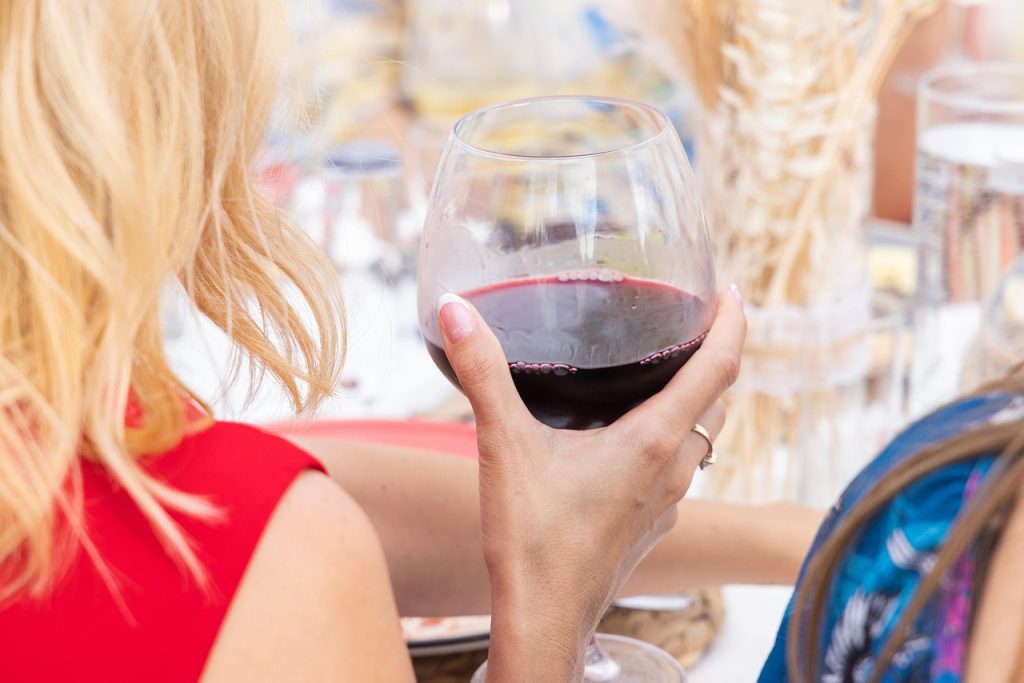
Merlot wine is one of the most approachable red wines you can pour, and that’s exactly why so many people love it. Soft tannins, a plush texture, and flavors of ripe plum, black cherry, and chocolate make it easy to enjoy whether you’re new to red wine or a seasoned enthusiast. As of 2004, Merlot was the third most grown grape variety worldwide, covering 260,000 hectares globally, and plantings have continued to grow since. It works beautifully as a standalone varietal and as a key blending partner in classic Bordeaux-style wines.
Here’s what makes Merlot stand out at a glance:
- Flavor profile: Plum, black cherry, blackberry, chocolate, and sometimes a hint of herbs or cedar
- Texture: Soft, velvety tannins with a medium to full body
- Styles: Ranges from light and fruit-forward to structured and oak-aged
- Aging: Fresh styles drink well young; premium bottlings can develop for decades
- Role: Bottled as a varietal wine and blended in Bordeaux-style wines worldwide
- Accessibility: One of the most beginner-friendly red wines available at every price point
Merlot ripens up to two weeks earlier than Cabernet Sauvignon, which is a big reason for those softer tannins and that characteristic plush mouthfeel. Aging in oak adds layers of vanilla, mocha, and spice that push quality Merlots into genuinely complex territory.
Affiliate Disclosure: Some links on Fine Wine World are affiliate links, meaning we may earn a paid commission if you click through and make a purchase — at no extra cost to you. Affiliate programs use cookies to track commissions, which may collect personal data. You can read more about how we handle your data in our Privacy Policy and Affiliate Disclosure. We only recommend products we genuinely trust.
Table of Contents
- Where in the world does Merlot grow best?
- How does climate shape Merlot’s taste?
- How to serve Merlot wine the right way
- What foods pair best with Merlot?
- Merlot’s reputation: myths, the “Sideways” effect, and what experts actually say
- Fine-wine-world’s expert take on choosing and enjoying Merlot
- Popular Merlot producers and notable vintages worth knowing
- Key Takeaways
Where in the world does Merlot grow best?
Merlot thrives across a remarkable range of climates and soils, which is part of why it has become one of the world’s most planted grapes. Understanding where it grows helps you predict what’s in your glass before you even open the bottle. For a broader look at how regions shape wine character, Fine-wine-world’s wine regions beginner’s guide is a great starting point.
Here are the key regions to know:
- Bordeaux Right Bank (Pomerol and Saint-Émilion), France: This is Merlot’s spiritual home. In Pomerol, iron-clay soils contribute to the wine’s tannic structure and aging potential. Château Pétrus, one of the world’s most famous and rare wines, is almost entirely Merlot. In Saint-Émilion, Merlot accounts for around 60% of blends, typically paired with Cabernet Franc on clay-limestone soils.
- California (Napa Valley and Sonoma): Warm days and cool nights produce ripe, fruit-forward Merlots with generous body. Napa Valley Merlot tends toward plum and dark chocolate, while Sonoma versions can show more freshness and red fruit character.
- Washington State: Often overlooked, Washington produces some of the most exciting Merlots in the United States. The Columbia Valley’s warm summers and cold nights preserve natural acidity, resulting in wines with both richness and structure.
- Chile: Chilean Merlot offers excellent value, with ripe fruit flavors and soft tannins at accessible price points. The Maipo and Colchagua valleys are the most notable growing areas.
- Tuscany, Italy: Merlot appears in Super Tuscan blends alongside Sangiovese and Cabernet Sauvignon, adding softness and body to wines with real aging potential.
Pro Tip: When you see “Right Bank Bordeaux” on a label, you’re almost certainly getting a Merlot-dominant wine. When you see “Left Bank,” expect Cabernet Sauvignon to lead, with Merlot playing a supporting role.
How does climate shape Merlot’s taste?
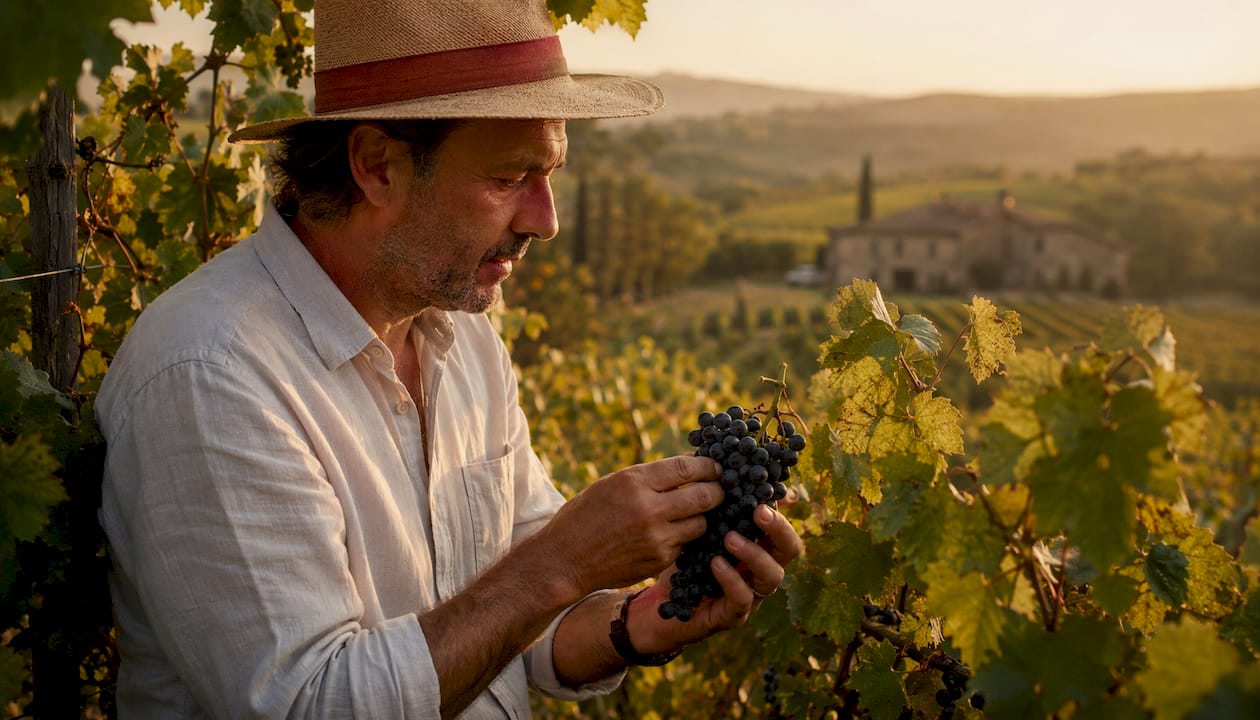
Merlot is genuinely a chameleon grape. Master of Wine Jancis Robinson has highlighted Merlot as one of the most terroir-responsive varieties, shifting its character dramatically depending on where and how it’s grown. That’s both the beauty and the challenge of the grape.
Cool-climate Merlot (think Bordeaux Right Bank, parts of Washington State) tends to be:
- More structured with firmer tannins
- Earthy, with tobacco, dried herbs, and savory notes
- Medium-bodied with fresh acidity and red fruit flavors like raspberry and cherry
- Better suited to aging, developing complexity over years in the bottle
Warm-climate Merlot (California, Chile, parts of Australia) leans toward:
- Riper, jammier fruit: plum, blackberry, dark chocolate
- Softer tannins and a rounder, more generous texture
- Higher alcohol levels and a fuller body
- More immediate appeal, drinking well without extended cellaring
Oak aging adds another dimension to both styles. Barrel time introduces vanilla, cedar, mocha, and spice notes that can make a well-made Merlot feel genuinely luxurious. Premium Merlots from Pomerol or Napa Valley often spend 12–18 months in French oak, which deepens complexity without overwhelming the fruit.
Pro Tip: Check the alcohol percentage on the label as a quick climate clue. A Merlot at 13% or below likely comes from a cooler region and will taste more structured and earthy. One at 14.5% or higher signals a warmer origin with riper, softer fruit.
How to serve Merlot wine the right way
Getting the serving details right makes a real difference in how much you enjoy what’s in your glass. Merlot is forgiving, but a few simple adjustments can take it from good to genuinely great.
- Temperature: Serve Merlot at around 60–65°F. Too cold and the aromas shut down; too warm and the alcohol becomes distracting. If your bottle has been sitting at room temperature in a warm house, 20 minutes in the fridge before opening helps.
- Glassware: A universal red wine glass or a Bordeaux-style glass with a wider bowl works well. The wider opening lets the wine breathe and directs aromas toward your nose as you sip.
- Decanting: Younger, fruit-forward Merlots don’t need much time in a decanter, but 20–30 minutes of air helps open them up. Older, more structured Merlots from Bordeaux or premium California producers benefit from 45–60 minutes of decanting, which softens any remaining tannins and releases more complex aromas.
- Storage: Store unopened bottles on their side at around 55°F, away from light and vibration. Once opened, a re-corked bottle keeps well for 3–5 days in the fridge.
- Aging potential: Most everyday Merlots are made to drink within 3–5 years of vintage. Premium Right Bank Bordeaux and top Washington State bottlings can age gracefully for 10–20 years or more.
What foods pair best with Merlot?
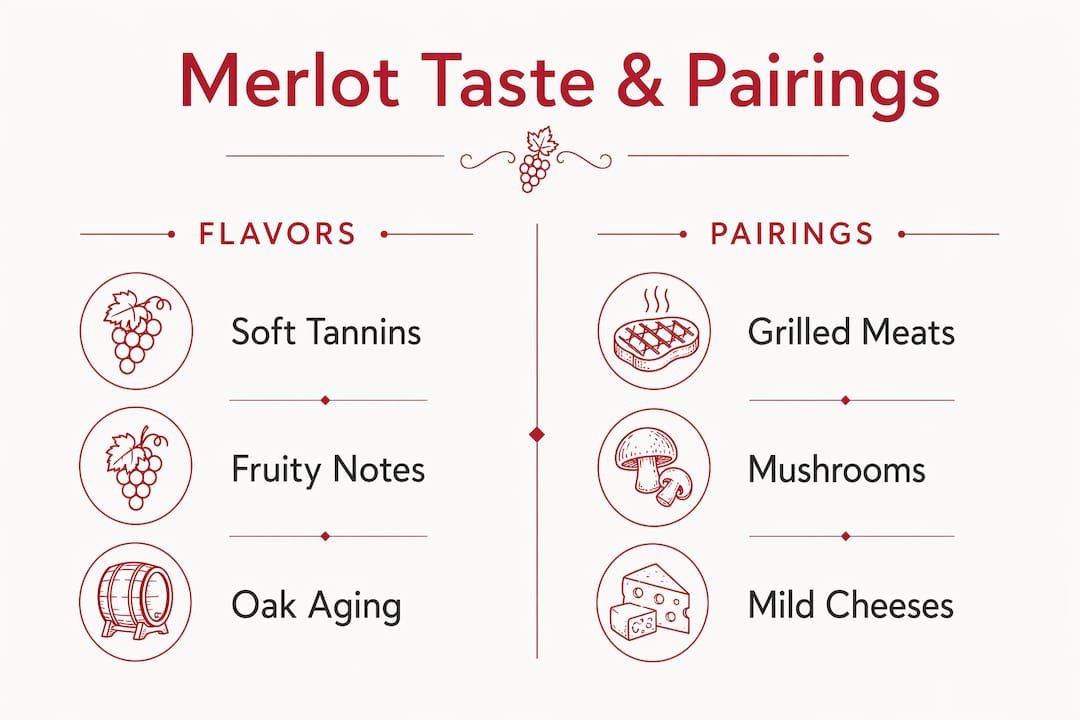
Merlot’s soft tannins and medium body make it one of the most food-friendly red wines you can bring to the table. It rarely overpowers a dish, and its fruit-forward character bridges a wide range of flavors. Exploring food and wine pairing more broadly will show you just how versatile red wines can be, but Merlot is a particularly forgiving place to start.
Best pairings for lighter, fresher Merlot styles:
- Roast chicken or turkey
- Pork tenderloin with herb sauces
- Mushroom risotto or pasta
- Roasted vegetables and grain dishes
- Mild cheeses like Gouda or young Cheddar
Best pairings for richer, oak-aged Merlot styles:
- Lamb chops or slow-roasted leg of lamb (for a deep dive, Fine-wine-world’s wine and lamb pairing guide covers this beautifully)
- Beef short ribs, burgers, or grilled steak
- Tomato-based pasta sauces and pizza
- Hard aged cheeses like Pecorino or aged Cheddar
Experts recommend matching the weight of the wine to the weight of the dish. A lighter Chilean Merlot sings alongside roast chicken; a structured Napa Valley bottling holds its own next to braised short ribs.
Pairings to avoid: Very spicy dishes overwhelm Merlot’s fruit and make the alcohol feel harsh. Delicate seafood like sole or oysters gets lost next to the wine’s body. Sharp vinegary dishes clash with Merlot’s tannins and fruit. For those situations, a lighter white or a sparkling wine serves you much better.
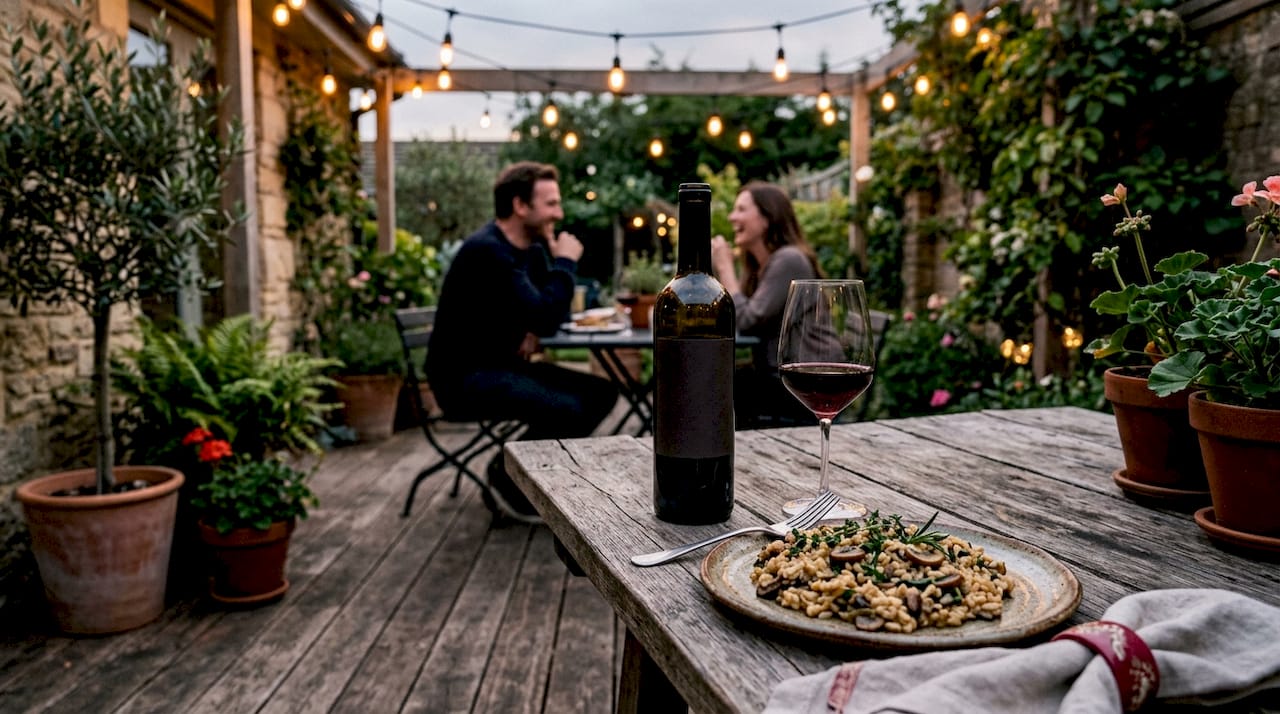
Pro Tip: If you’re new to pairing wine with food, start with a mushroom-based dish and a mid-range Merlot. The earthy, umami quality of mushrooms mirrors Merlot’s savory notes perfectly, and it’s almost impossible to get wrong.
Merlot’s reputation: myths, the “Sideways” effect, and what experts actually say
Merlot has had a complicated decade or two in the public eye, and most of it traces back to a single scene in a movie. The 2004 film Sideways featured a character’s passionate rant against Merlot, and the cultural ripple was immediate. U.S. Merlot sales dropped approximately 2% in the period following the film’s release, a striking example of how pop culture can shape consumer behavior around wine. You can read more about wine’s relationship with film at Fine-wine-world’s piece on wine moments from iconic films.
The deeper issue, though, was overplanting. During the 1990s and early 2000s, Merlot’s popularity drove rapid expansion into unsuitable soils and climates, flooding the market with thin, flavorless bottles. That quality dip had nothing to do with the grape’s potential and everything to do with how it was grown and made.
Key points worth knowing about Merlot’s reputation today:
- The Sideways effect was real but temporary. Quality-focused producers never stopped making excellent Merlot.
- Overplanting, not the grape itself, caused the quality problems of the late 1990s and early 2000s.
- Prestigious Right Bank Bordeaux like Château Pétrus remain among the most sought-after and expensive wines on earth.
- New World producers in California, Washington, and Chile have raised quality standards considerably over the past two decades.
- Many affordable Merlots from Chile and Washington offer genuinely enjoyable drinking at everyday prices, without requiring a collector’s budget.
Fine-wine-world’s take on choosing and enjoying Merlot
At Fine-wine-world, our approach to Merlot is simple: match the bottle to the moment, and don’t overthink it.
Here’s how to choose well and drink better:
- For a weeknight dinner: Look for Chilean or Washington State Merlot in the $15–$25 range. These tend to be fruit-forward, food-friendly, and consistent. Pairing with pasta or roast chicken? This is your sweet spot.
- For a special occasion: Explore Saint-Émilion Grand Cru or a single-vineyard Napa Valley Merlot. These wines reward patience, both in the glass and in the cellar.
- To identify quality in the glass: A well-made Merlot shows a deep ruby color with a clear, bright rim. The nose should offer distinct fruit (plum, cherry, or blackberry) without smelling “cooked” or flat. On the palate, tannins should feel smooth, not grippy or harsh.
- On storage: If you’re building even a small collection, temperature consistency matters more than perfection. A consistent 55°F beats a fluctuating “cool room.” Fine-wine-world’s guide to cellaring and serving aged wine walks through the essentials.
- On emerging producers: Washington State’s Walla Walla Valley and Red Mountain AVAs are producing Merlots with real structure and aging potential that still fly under the radar compared to Napa. Worth exploring if you want quality without the premium price tag.
- On using wine apps: Tools like Vinoperte can help you discover Merlot styles matched to your taste preferences, which is especially useful when you’re navigating a new region or price tier.
The biggest mistake most wine drinkers make with Merlot is dismissing it based on a bad bottle from a decade ago. The grape has more range, more depth, and more regional character than its casual reputation suggests.
Popular Merlot producers and notable vintages worth knowing
Merlot’s range of producers spans from legendary Bordeaux estates to approachable everyday labels, and knowing a few names helps you shop with confidence.
Bordeaux Right Bank:
For bottles at an affordable price point, Chilean producers from the Colchagua Valley and Washington State’s Columbia Valley consistently deliver ripe, smooth Merlots that over-deliver for the price. These are the bottles to reach for when you want something reliable for a weeknight pour or a casual gathering.
Key Takeaways
Merlot wine rewards every level of wine lover, from the curious beginner to the collector chasing Right Bank Bordeaux, because its soft tannins, fruit-forward character, and climate adaptability make it one of the most versatile red wines in the world.
| Point | Details |
|---|---|
| Merlot’s global reach | As of 2004, Merlot covered 260,000 hectares worldwide, making it the third most grown grape variety. |
| Climate shapes the flavor | Cool-climate Merlots are earthy and structured; warm-climate versions are riper, jammier, and softer. |
| Serve it right | Aim for 60–65°F in a wide-bowled glass; decant structured bottles for 45–60 minutes before pouring. |
| Food pairing versatility | Lighter styles suit poultry and mushrooms; richer, oak-aged Merlots pair best with lamb and beef. |
| Reputation recovery | Quality concerns came from overplanting in the 1990s, not the grape itself; top producers never stopped making excellent Merlot. |