
The Perfect Pour: Finding the Best Wine for Your Spaghetti Carbonara
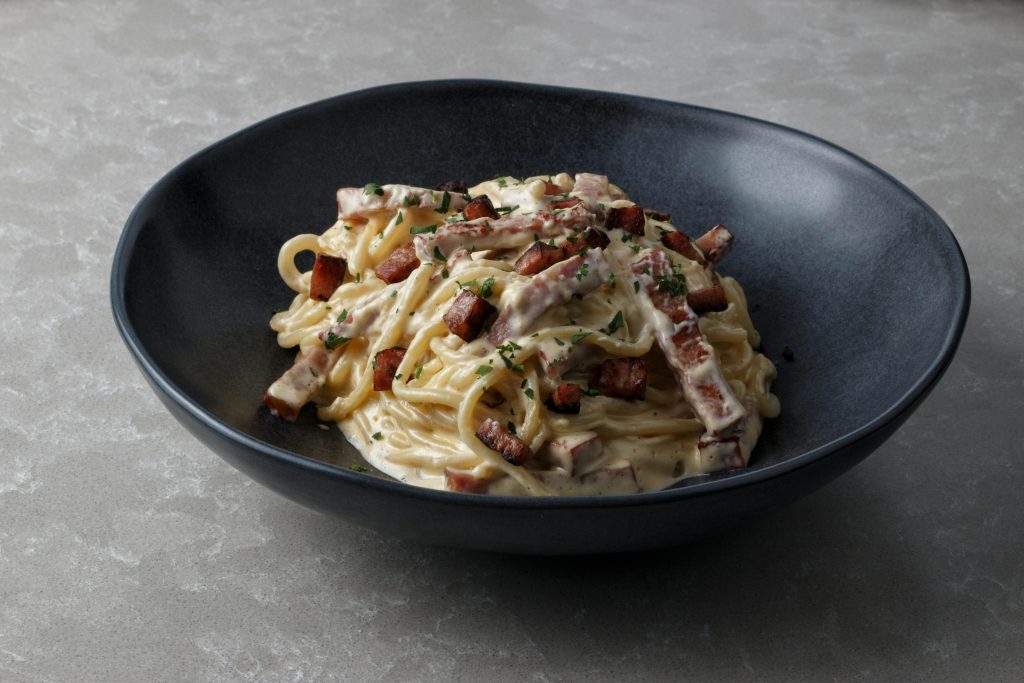
Picture this: you've just mastered the perfect carbonara. The silky eggs coat each strand of pasta, the guanciale is crispy yet tender, and the Pecorino Romano adds that sharp, salty bite that makes your mouth water. You're ready to sit down and enjoy this Roman masterpiece, but then you pause at your wine rack. What exactly do you pour with this creamy, egg-rich creation?
If you've ever stood there wondering what wine goes with carbonara, you're not alone. This beloved pasta dish presents unique challenges when it comes to wine pairing. The combination of rich eggs, salty cured pork, and sharp cheese creates a complex flavor profile that can easily clash with the wrong wine choice. But don't worry – we're about to solve this puzzle and help you discover the perfect carbonara wine pairing that will make your next dinner unforgettable.
Why Carbonara Is So Tricky to Pair

Before diving into the best wine with spaghetti carbonara, let's understand why this dish is such a challenge for wine lovers. Traditional carbonara contains just five ingredients: pasta, eggs, guanciale (or pancetta), Pecorino Romano cheese, and black pepper. Simple as it sounds, each component creates specific pairing hurdles.
The eggs create a rich, creamy texture without actual cream, forming a delicate sauce that can be overwhelmed by bold, tannic wines. The guanciale brings a salty, fatty element that needs something to cut through the richness. Meanwhile, Pecorino Romano adds a sharp, almost aggressive saltiness that can make some wines taste flat or overly acidic.
This combination means you need a wine with enough acidity to cleanse your palate, sufficient body to match the dish's richness, but not so much tannin or oak that it fights with the eggs and cheese. It's a delicate balancing act that rules out many obvious choices.
The Science Behind Wine and Egg Pasta Pairings
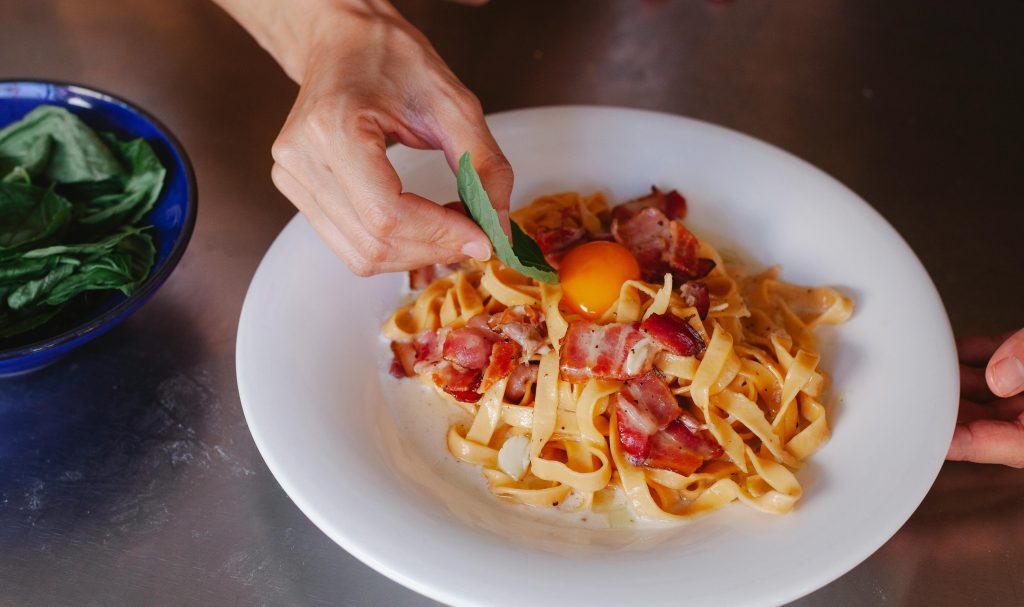
When considering wine with egg pasta, particularly carbonara, understanding the science helps explain why certain combinations work beautifully while others fall flat. Eggs contain proteins and fats that coat your palate, creating a rich mouthfeel. This coating effect means you need a wine with bright acidity to cut through and refresh your taste buds between bites.
The salt from both the guanciale and Pecorino Romano intensifies flavors and can make wines taste different than they would on their own. Salt tends to soften tannins but can make wines seem more acidic. This is why white wine with carbonara often works better than red – the typically higher acidity in white wines complements rather than competes with the dish's salty elements.
Top White Wine Choices for Carbonara
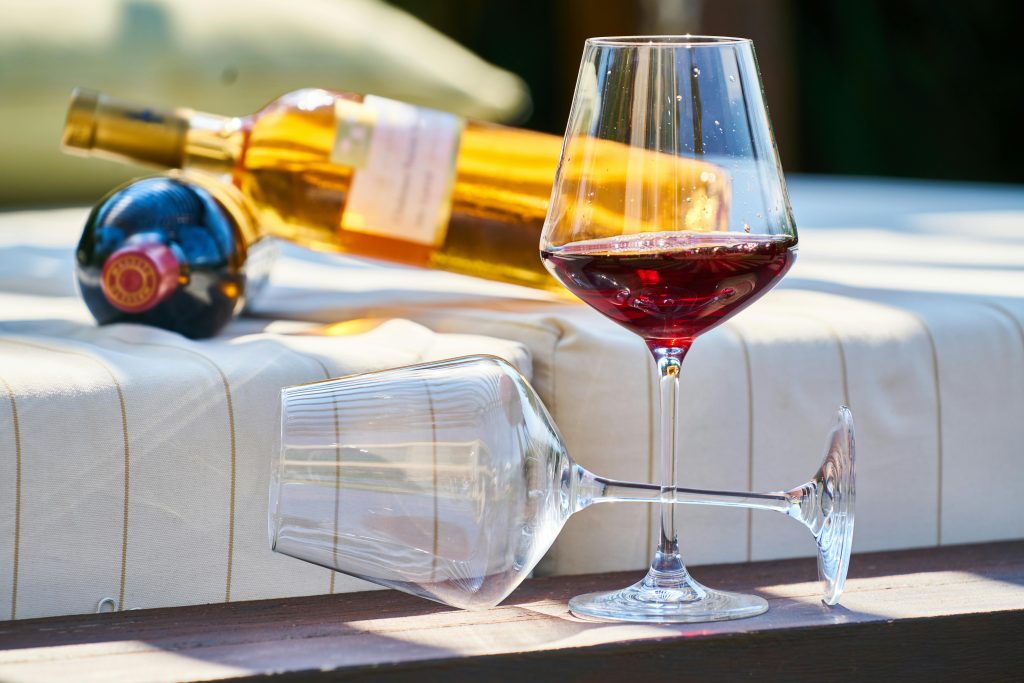
Frascati: The Classic Roman Choice
When thinking about Italian wine with pasta, especially carbonara, Frascati stands out as the traditional choice. This white wine from the hills southeast of Rome has been the go-to carbonara wine pairing for generations of Romans. Made primarily from Trebbiano and Malvasia grapes, Frascati offers crisp acidity with subtle fruit notes that don't compete with the dish's savory elements.
The wine's mineral backbone comes from the volcanic soils of the region, creating a clean finish that cleanses your palate after each rich bite. Frascati's moderate alcohol content (usually around 12-13%) won't overpower the delicate egg sauce, making it an ideal white wine with carbonara.
Vermentino: Fresh and Food-Friendly
Vermentino, whether from Sardinia, Liguria, or Tuscany, brings exactly what carbonara needs. This grape variety produces wines with zesty acidity, light to medium body, and subtle herbal notes that complement the black pepper in traditional carbonara recipes. The wine's natural salinity, especially in coastal expressions, harmonizes beautifully with the salty elements of guanciale and Pecorino Romano.
What makes Vermentino particularly successful as a wine with carbonara is its ability to maintain freshness while offering enough texture to match the dish's richness. The wine doesn't have the heavy oak or butter notes that might clash with the eggs, instead providing a clean, refreshing contrast.
Soave: Elegant and Versatile
From the Veneto region, Soave offers another excellent option for those seeking the best wine with spaghetti carbonara. Made primarily from Garganega grapes, quality Soave provides the perfect balance of weight and freshness. The wine typically shows stone fruit flavors with a distinctive almond note on the finish that pairs beautifully with the nutty aspects of aged Pecorino Romano.
Soave's natural acidity cuts through the richness of the egg sauce while its subtle complexity doesn't overshadow the pasta's simple elegance. Look for Soave Classico for the best quality and most authentic expression of this versatile wine.
Red Wine Options That Actually Work

While white wine dominates most carbonara wine pairing discussions, certain red wines can work surprisingly well, especially if you prefer red wine or want to try something different.
Chianti: Light and Food-Friendly
A light, young Chianti can complement carbonara when served slightly chilled. The key is choosing a Chianti with bright acidity and minimal oak aging. The wine's natural acidity helps cleanse the palate, while the light tannins don't overwhelm the delicate egg sauce. The earthy notes in Chianti can enhance the savory aspects of the guanciale.
Dolcetto d'Alba: Soft and Approachable
This Piedmontese red offers low tannins and bright acidity, making it one of the few red wines that won't fight with carbonara's creamy texture. Dolcetto's fruit-forward character and food-friendly nature make it an interesting alternative for red wine lovers who don't want to compromise on their carbonara wine pairing.
What to Avoid When Pairing Wine with Carbonara
Understanding what doesn't work helps you make better choices. Avoid heavily oaked wines, whether white or red, as the oak flavors can clash with the eggs and create an unpleasant bitter taste. Skip wines with high tannins, as they'll make the dish taste metallic and the wine taste harsh.
Overly fruity wines, particularly those with residual sweetness, don't complement carbonara's savory profile. Similarly, very high-alcohol wines (over 14%) can overpower the delicate balance of flavors in traditional carbonara.
Serving Tips for the Perfect Experience
Temperature matters when serving your chosen carbonara wine pairing. White wines should be well-chilled but not ice-cold – around 45-50°F allows the flavors to express themselves fully. If you're serving red wine, consider a slight chill to about 60°F.
Serve the wine in proper glasses to enhance the experience. The shape of the glass affects how the wine's aromas reach your nose, which significantly impacts how the pairing tastes. For white wines, use smaller bowls to concentrate the aromas; for light reds, slightly larger bowls work well.
Regional Wisdom: Learning from Italian Traditions
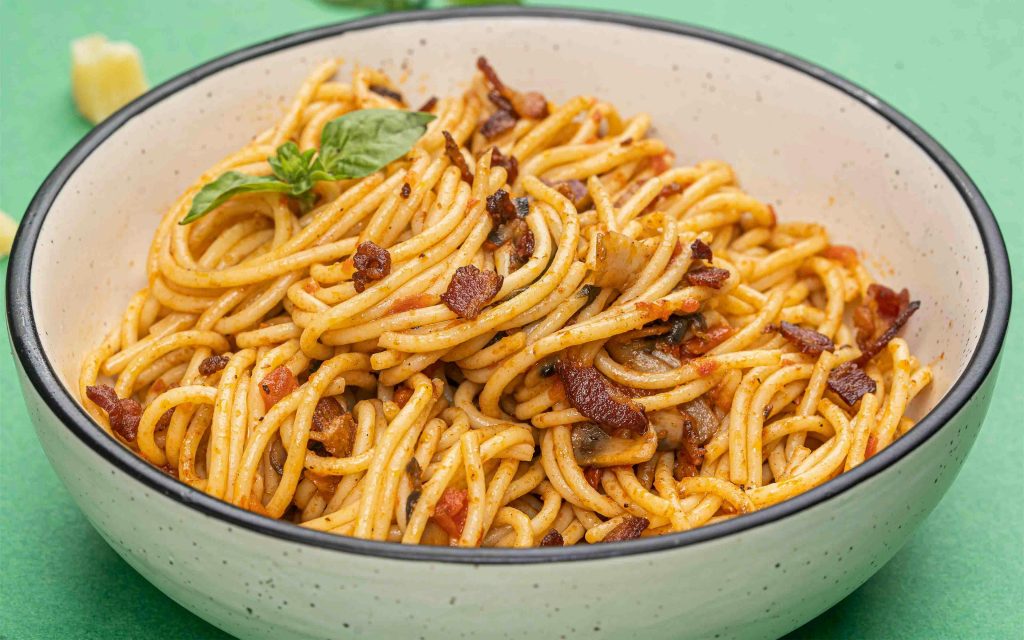
Romans have been perfecting carbonara for generations, and their wine choices reflect centuries of trial and refinement. The preference for local white wines isn't coincidental – these wines evolved alongside the cuisine, creating natural harmonies that work consistently.
This regional approach to wine pairing offers valuable guidance: when in doubt, choose wines from the same region as your dish. Italian wine with pasta combinations that have stood the test of time usually work because they've been naturally selected through generations of home cooks and restaurant diners.
Making Your Choice Tonight
For your next carbonara dinner, start with Frascati if you can find it – it's the gold standard for a reason. If Frascati isn't available, Vermentino or Soave offer excellent alternatives that are more widely distributed. Remember, the best wine with spaghetti carbonara is ultimately the one you enjoy drinking with the dish.
The beauty of carbonara lies in its simplicity, and your wine choice should honor that. Whether you choose a crisp Italian white or experiment with a light red, the goal is enhancement, not competition. Your perfect carbonara wine pairing should make both the food and wine taste better together than either would alone.
Carbonara Is Just One Chapter in Italian Pasta Pairing
Once you understand why crisp Italian whites work with carbonara's rich egg sauce, those same principles open up the full world of pasta and wine. Our complete wine with pasta guide covers every major pasta style — from carbonara to amatriciana, bolognese to cacio e pepe — with the same regional logic you've found here. If tonight's carbonara has you thinking about exploring Italian wines more broadly, our wine regions of the world guide covers Lazio, Veneto, Sardinia, and Tuscany in depth, explaining exactly why these regional wines pair so naturally with local food. And when you're ready to taste the difference between a Frascati, Vermentino, and Soave side by side, our wine tasting guide walks through the Five S's method so you can identify the acidity, texture, and finish differences that make each wine work differently with your carbonara. Now go twirl that perfect forkful. 🍝🍷