
Wine Glassware Guide: Does the Shape Really Matter?
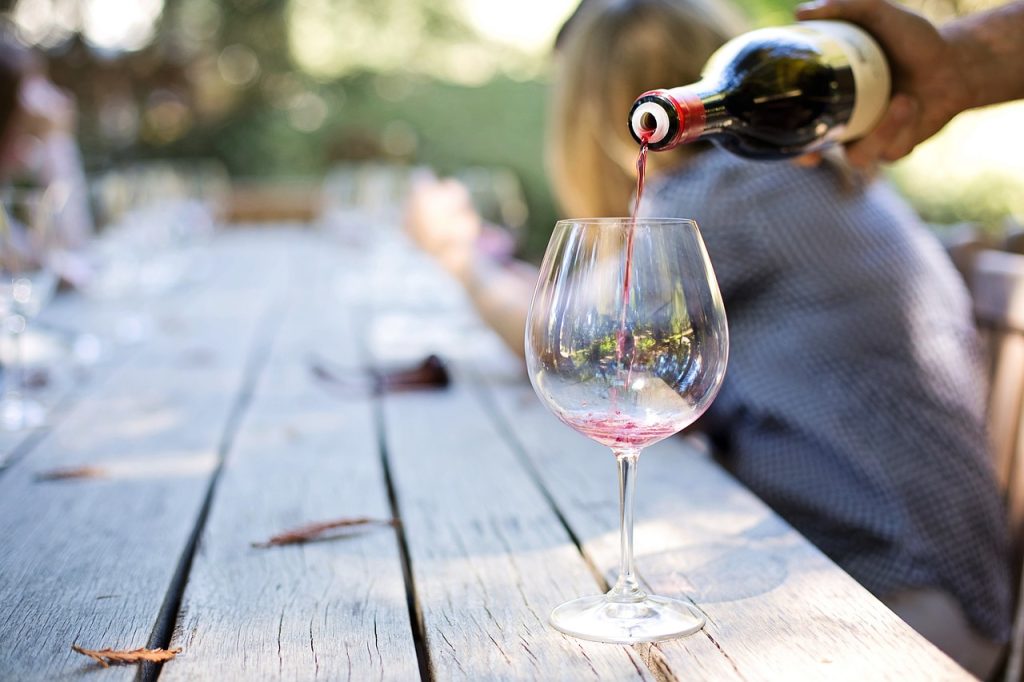
Let's cut straight to the chase: yes, the shape of your wine glass genuinely changes how wine tastes. This isn't wine snobbery or clever marketing – it's based on real science about how we perceive flavors and aromas.
When you sip wine from different shaped glasses, three main things happen that affect your tasting experience. First, the bowl shape controls how much air mixes with the wine. This process, called aeration, softens harsh flavors and releases aromatic compounds. A wider bowl means more wine surface meets air, which can dramatically change how a wine tastes within minutes.
Second, different glass shapes concentrate or disperse aromas differently. Since smell makes up about 80% of what we perceive as taste, this matters more than you might think. A glass that narrows at the top traps aromas and delivers them straight to your nose, while a wide-rimmed glass lets them escape. Try this experiment: pour the same wine into a regular tumbler and a proper wine glass. The difference is striking.
Third, the shape of the rim affects where wine lands on your tongue. Different parts of your tongue are more sensitive to certain tastes. A glass with a wide rim delivers wine broadly across your palate, while a narrow rim creates a more focused stream. This can emphasize different flavor elements in the same wine.
Red Wine Glasses: What Makes Them Different and Why the Bowl Size Matters

Red wine glasses are the giants of the wine glass world, and there's solid reasoning behind their larger size. The big bowl isn't about making a statement – it's about chemistry. Red wines contain compounds called tannins that create that dry, slightly bitter sensation in your mouth. These tannins need oxygen exposure to mellow out and integrate with the wine's other flavors.
The generous bowl of a red wine glass provides maximum surface area for this crucial oxygen contact. When you swirl wine in a large glass (which isn't just for show), you're accelerating this aeration process. Within minutes, a tannic red wine can transform from harsh and closed-off to smooth and expressive.
Temperature also plays a role in the size difference. Red wines are typically served at cooler room temperature, around 60-68°F. The larger bowl allows the wine to warm slightly from the surrounding air, which helps release its complex aromas and flavors. Too cold, and red wine tastes flat and lifeless.
Now, about the Burgundy glass vs Bordeaux glass debate. Burgundy glasses have an even wider, balloon-like bowl designed for delicate wines like Pinot Noir. The extra-wide bowl maximizes aeration for these lighter wines that need help expressing their subtle aromas. Bordeaux glasses are taller with straighter sides, built for powerful wines like Cabernet Sauvignon. The height allows these bold wines to travel further before reaching your nose, softening their sometimes overwhelming alcohol vapors.
Here's the practical truth: unless you're a serious wine collector, you don't need both. A good all-purpose red wine glass with a decent-sized bowl will work beautifully for everything from light Pinot Noir to bold Cabernet. Save your money and cabinet space.
White Wine Glasses: Why the Smaller Bowl is Deliberate
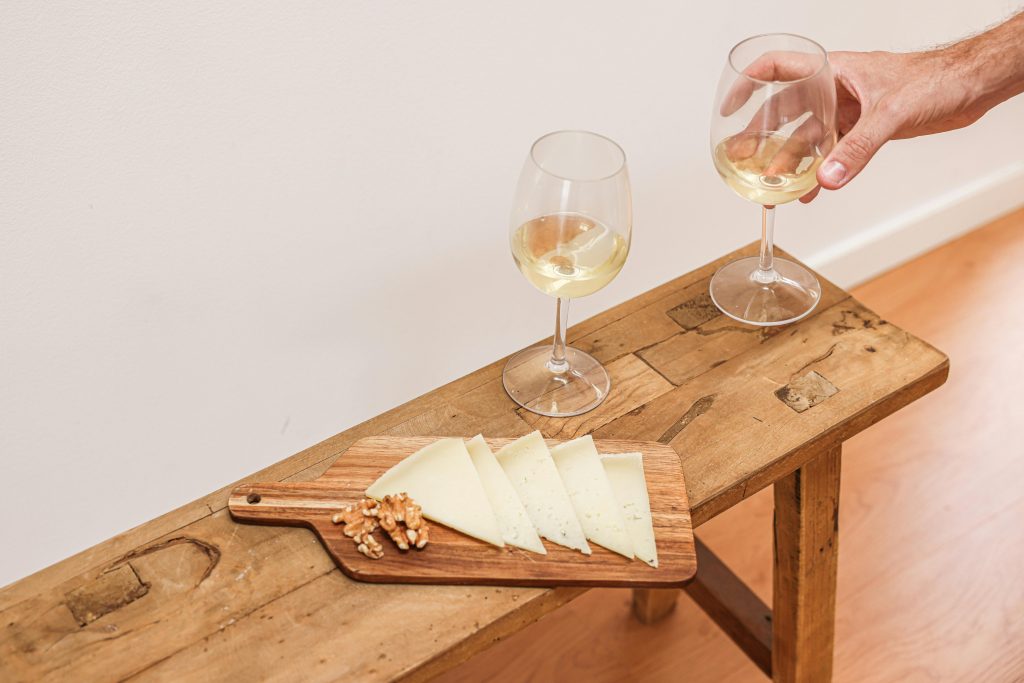
Those smaller white wine glasses aren't trying to shortchange you – they're engineered for a specific purpose. White wines are all about freshness, crisp acidity, and delicate aromas. The smaller bowl serves several functions that preserve these characteristics.
Temperature control is the primary reason for the size difference. White wines taste best chilled, typically between 45-55°F. A smaller bowl means less wine surface area exposed to warm air, keeping your Sauvignon Blanc crisp and refreshing longer. Pour white wine into a large red wine glass, and it warms up noticeably faster, losing that refreshing quality that makes white wine so appealing.
The U-shaped design of most white wine glasses also helps maintain the wine's bright acidity. The smaller opening concentrates the wine's delicate aromas while preventing them from dissipating too quickly. This is especially important for aromatic varieties like Riesling or Gewürztraminer, where the perfumed nose is a major part of the appeal.
For those interested in the finer details, yes, there are different glasses for Chardonnay versus Sauvignon Blanc. Chardonnay glasses are slightly larger and rounder to accommodate this fuller-bodied white wine, especially oak-aged versions that benefit from a bit more air. Sauvignon Blanc glasses are smaller and narrower, preserving the wine's zingy acidity and grassy aromas. But honestly? A standard white wine glass works perfectly well for both.
Sparkling Wine: Flute vs Coupe vs Tulip — Which is Actually Best?
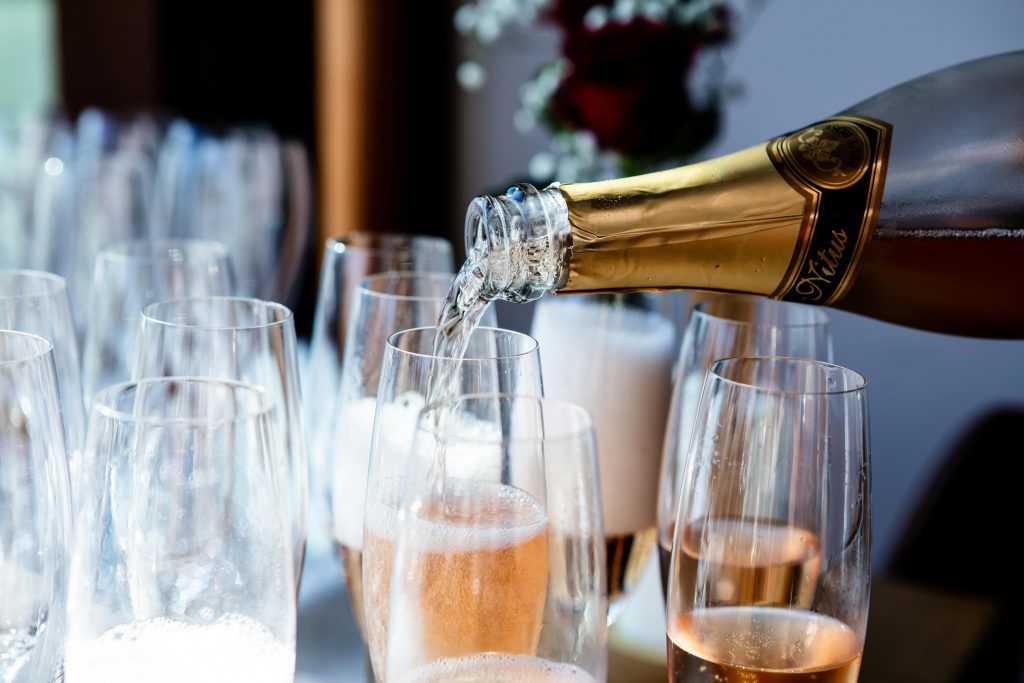
Here's where things get interesting and potentially controversial. The classic Champagne flute that most of us picture? It's actually not the best glass for appreciating quality sparkling wine. Shocking, right?
The traditional flute does one thing very well: it preserves bubbles. The narrow shape minimizes surface area, keeping your sparkling wine fizzy longer. Those elegant streams of bubbles rising from the bottom of the glass? Pure visual poetry. But here's the problem – flutes are terrible for actually tasting wine. The narrow opening doesn't allow you to get your nose into the glass, and you miss out on all those complex aromas that make good Champagne worth its price.
Coupes – those shallow, bowl-shaped glasses from the 1920s that have made a fashionable comeback – are even worse. Legend says they were modeled after Marie Antoinette's breast (they weren't), but regardless of their origin, they're problematic for sparkling wine. The wide surface area means bubbles disappear quickly, and the shallow bowl makes it impossible to appreciate aromas. They're Instagram-worthy but impractical.
The surprise winner? A tulip-shaped glass or even a regular white wine glass. The tulip shape gives you the best of both worlds – enough narrow space at the bottom to preserve some fizz, but a wider bowl that allows aromas to develop and concentrate. Many sommeliers now serve high-end Champagne in white wine glasses because they want guests to appreciate the wine's complexity, not just its bubbles.
For everyday sparkling wine, a flute is fine. But if you've splurged on a special bottle, consider reaching for a tulip or white wine glass instead. Your nose (and taste buds) will thank you.
Stemless Wine Glasses: Are They Worth It or Are You Sacrificing Quality?
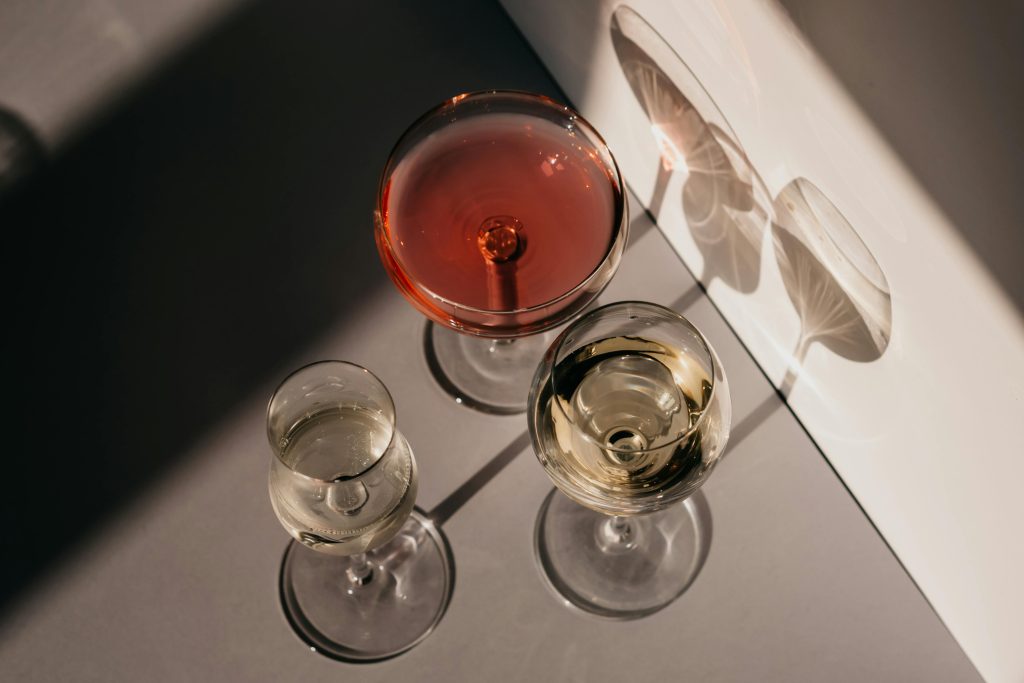
Stemless wine glasses have divided the wine world like few other topics. Traditionalists see them as sacrilege, while practical wine lovers embrace their stability and storage convenience. So are stemless wine glasses worth it? The answer depends on what and how you drink.
Let's start with the legitimate drawbacks. The stem on a traditional wine glass isn't just decorative – it serves a real purpose. When you hold a stemmed glass properly (by the stem, not the bowl), your hand doesn't transfer heat to the wine. This matters enormously for white wines and sparkling wines that need to stay chilled. Hold a stemless glass of crisp Pinot Grigio for twenty minutes, and you'll be drinking lukewarm wine by the end.
Stemless glasses also make swirling more difficult and messier. Without the stem as a pivot point, you need more wrist action to get a good swirl going, increasing spill risk. They also show fingerprints more obviously, which can detract from appreciating the wine's color and clarity.
But here's where stemless glasses shine: casual drinking, outdoor events, and everyday meals. They're virtually impossible to knock over, fit easily in the dishwasher, and store compactly in cabinets. For red wines served at room temperature, the hand-warming issue is less problematic. Many people find them more comfortable to hold and less pretentious for Tuesday night pizza wine.
The verdict? Stemless glasses are absolutely worth having for casual occasions, particularly for red wine drinkers. But keep some stemmed glasses around for whites, sparkling wines, and times when you want to properly appreciate a special bottle. Think of them as your everyday plates versus your good china – both have their place.
How Many Wine Glasses Do You Actually Need?
The Honest Answer

Here's the truth the wine glass industry doesn't want you to hear: you can enjoy 90% of all wines perfectly well with just two types of glasses. That wall of specialized glasses at the store? Mostly marketing. Unless you're training to be a sommelier, you don't need a different glass for every grape variety.
For a practical home setup, here's what actually makes sense:
The Two-Glass Solution:
- A set of medium-to-large red wine glasses (around 15-20 oz capacity)
- A set of smaller white wine glasses (10-15 oz capacity)
That's it. These two glasses will handle everything from bold Cabernet to delicate Pinot Grigio. Use the red glasses for all red wines, full-bodied whites like oaked Chardonnay, and even dessert wines in smaller pours. The white glasses work for all crisp whites, rosés, and sparkling wines.
The Four-Glass Expansion:
If you drink wine regularly and want to optimize a bit more:
- Large red wine glasses for bold reds
- Medium all-purpose glasses for light reds and full whites
- Small white wine glasses for crisp whites
- Flutes or tulip glasses for sparkling wine
This setup covers every major wine style without going overboard.
When More Makes Sense:
Only consider specialty glasses if you regularly drink specific wine styles. Love vintage Port? A set of Port glasses might be worthwhile. Champagne enthusiast? Invest in good tulip glasses. But for most of us, specialized glasses for Riesling, Pinot Noir, and Cabernet are unnecessary luxury.
Remember, restaurants typically manage with just three or four glass types for their entire wine list. If it's good enough for professionals serving hundreds of different wines, it's good enough for your home.
Best Wine Glasses at Every Price Point —
Our Recommendations
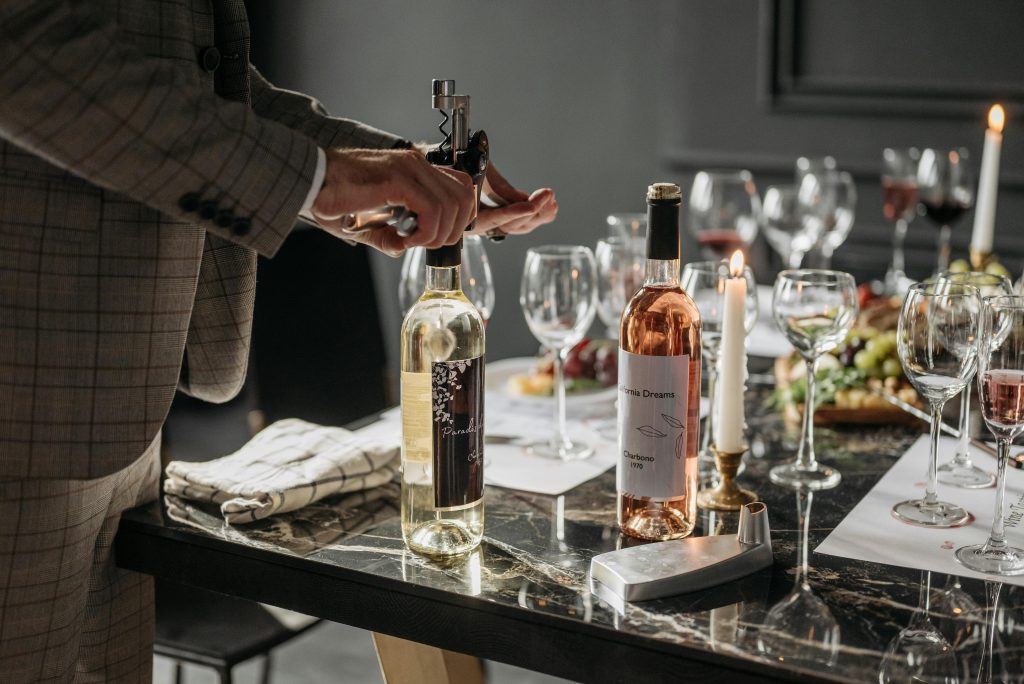
Finding quality wine glasses doesn't require spending a fortune. Here are reliable options across different budgets:
Budget-Friendly (Under €20 for 4 glasses):
The IKEA Svalka series offers surprisingly good glasses for the price. They're machine-made but have decent thin rims and classic shapes. Perfect for everyday use and parties where breakage might occur. Luminarc also makes solid basic glasses in this range that are dishwasher-safe and reasonably attractive.
Mid-Range (€30-60 for 4 glasses):
Schott Zwiesel is the sweet spot for quality and value. Their Tritan crystal is break-resistant and dishwasher-safe while still feeling refined. The Pure or Concerto series offer excellent all-purpose shapes. Spiegelau (Riedel's sister brand) also excels in this range with thinner, more delicate glasses that still handle daily use.
Investment Level (€60+ for 4 glasses):
Riedel's Vinum series represents the entry point for serious wine glasses. Hand-blown options like Zalto or Josephinenhütte offer incredibly thin, delicate glasses that genuinely enhance wine appreciation. These glasses transform wine drinking into an event but require careful handling.
For gifts, consider starting with Schott Zwiesel or entry-level Riedel. They offer the quality that wine lovers appreciate without the anxiety of using extremely expensive glasses. Package them in their original box with a nice bottle of wine for an impressive presentation.
How to Clean and Care for Wine Glasses
So They Last
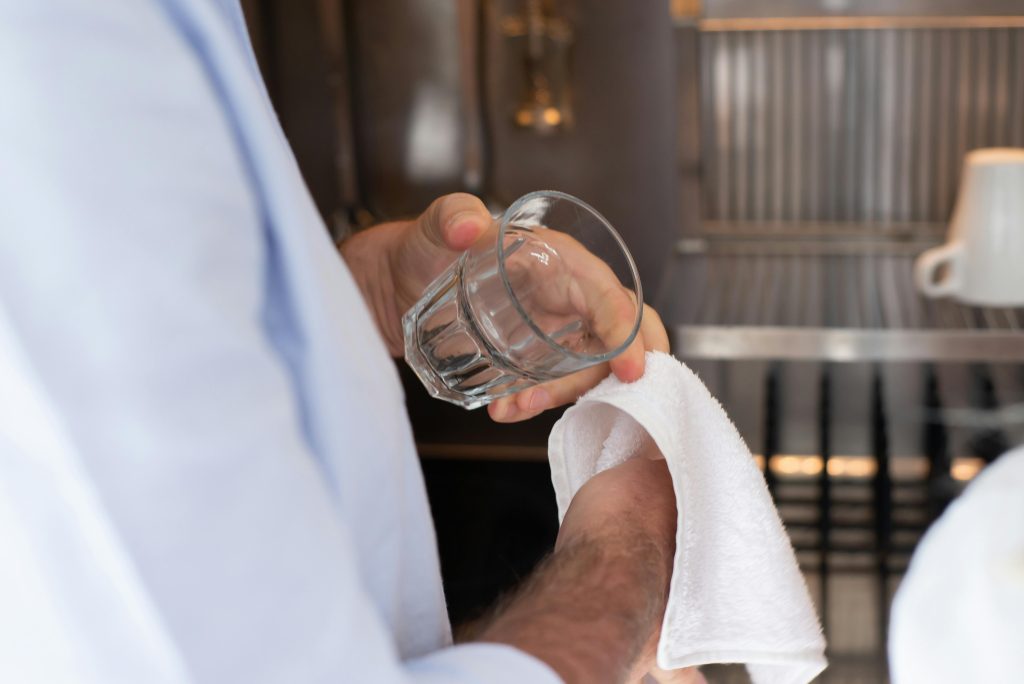
Good wine glasses deserve proper care. Here's how to keep them sparkling and intact for years:
The Hand-Washing Method:
Always wash wine glasses first, before greasy dishes. Use warm (not hot) water with a small amount of mild dish soap. Too much detergent leaves residue that affects wine taste. Hold glasses by the bowl, not the stem, while washing to prevent snapping. Rinse thoroughly with warm water.
Drying Without Drama:
Use a clean, lint-free microfiber cloth. Polish glasses while slightly damp to prevent water spots. For stemmed glasses, hold the base with one hand and gently polish the bowl with the other. Never twist the bowl and base in opposite directions – that's how stems break.
Dishwasher Dos and Don'ts:
If using a dishwasher, space glasses carefully so they don't touch. Use minimal detergent and skip the heated dry cycle. Remove glasses promptly and hand-dry any remaining moisture. Only put dishwasher-safe glasses in the machine – crystal and very thin glasses should always be hand-washed.
Storage Strategies:
Store glasses upright to prevent dust settling in the bowl and to protect delicate rims. If you must store bowl-down, ensure the shelf is clean and smooth. Don't overcrowd – glasses should have breathing room to prevent chips. For long-term storage, consider glass covers or a closed cabinet.
Removing Stubborn Stains:
For cloudy glasses, soak in warm water with white vinegar. For lipstick marks, pre-treat with a drop of dish soap before washing. Wine stains in the bowl often disappear with denture cleaning tablets – seriously, it works brilliantly.
Making Your Wine Glass Decision

The world of wine glasses might seem overwhelming, but it doesn't have to be. Yes, the shape of your wine glass genuinely affects how wine tastes through aeration, aroma concentration, and delivery method. But no, you don't need dozens of specialized glasses to enjoy wine properly.
Start with the basics – a good red wine glass and a good white wine glass will dramatically improve your wine experience compared to drinking from any random glass. If you love sparkling wine, add a tulip glass. If you entertain often, consider some stemless glasses for casual occasions. Build your collection slowly based on what you actually drink and enjoy.
Remember, the goal is to enhance your wine enjoyment, not create stress about using the “right” glass. The best wine glass is one that makes you happy to use it, fits your lifestyle, and helps you appreciate the wine you're drinking. Whether that's a $5 glass from IKEA or a $50 piece of crystal, what matters is that you're taking time to enjoy wine in a way that works for you.
Now pour yourself a glass in whatever wine glass you have handy, and toast to making informed decisions about your glassware. After all, life's too short to worry too much about perfect glasses – but it's also too short to drink good wine from bad ones.
The Right Glass Is Just the Start
Once you have the right glassware, every other aspect of wine appreciation becomes more rewarding — and the improvements compound quickly. Our wine tasting guide walks through the Five S's method — See, Swirl, Sniff, Sip, Savour — showing you exactly how to use your glass at each stage to get the most from every pour. Our wine flavor profiles guide maps out the aromas and flavors you'll start noticing once you're using proper glassware — fruit, earth, oak, and spice — giving you the vocabulary to describe what you're experiencing. And if serving temperature is still something you're getting right, our guide to red and white wine serving temperatures covers the exact ranges for every wine style, which works in tandem with the glass shapes covered here. The right glass, the right temperature, and a little knowledge — that's all it takes to transform any bottle. 🍷