
Sauvignon Blanc vs Pinot Grigio:
Which to Choose
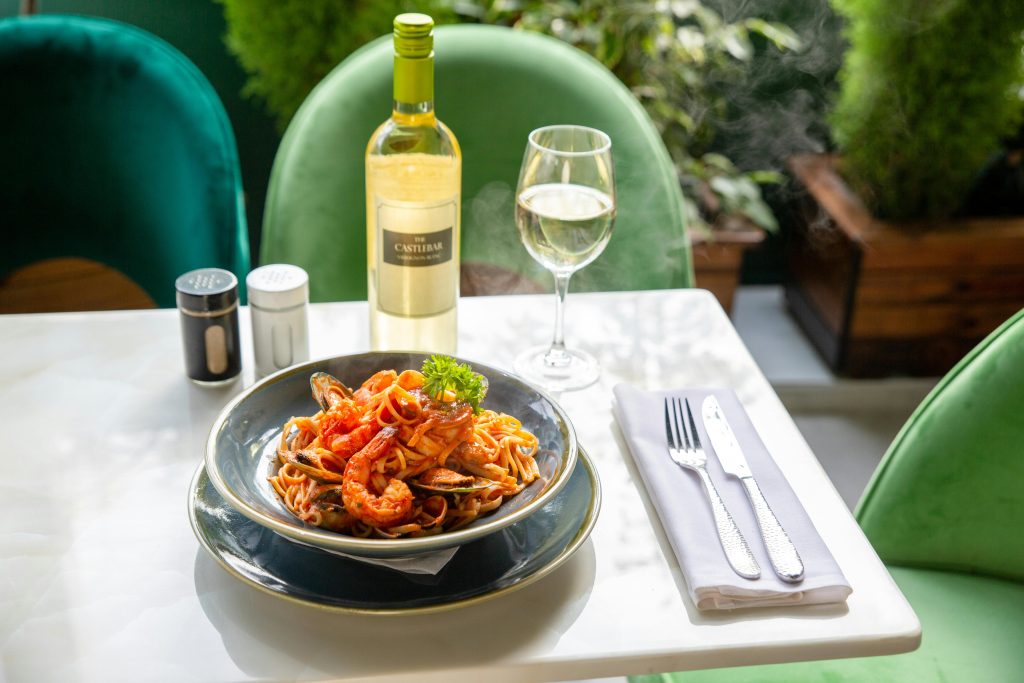
Picture this: You're standing in the wine aisle, staring at rows of white wine bottles, or maybe you're at dinner scanning the wine list on your phone. There they are again – Sauvignon Blanc and Pinot Grigio – the two names that seem to appear everywhere. You've probably ordered both before, but if someone asked you to explain the difference right now, could you? Don't worry, you're not alone. Most wine drinkers find themselves in this exact situation, knowing these are good choices but not really understanding what makes them unique.
Today, we're going to change that. By the time you finish reading this, you'll know exactly how these wines taste different, which one matches your food preferences, and how to choose between them with confidence. Whether you're reading this while grocery shopping or deciding what to order with dinner, this guide will give you the practical knowledge you need to make the right choice every time.
The Quick Answer: How These Two Wines Feel Completely Different

Here's what you need to know right now: Sauvignon Blanc is aromatic, zesty and assertive with a strong personality that makes a statement. Pinot Grigio is neutral, clean and easy-drinking with little to no personality – it goes with everything without causing a fuss. Think of Sauvignon Blanc as the wine that grabs your attention, while Pinot Grigio quietly does its job without any drama.
If you're reading this in a wine shop and need to choose immediately, ask yourself this simple question: Do you want your wine to have a bold personality that might spark conversation, or do you want something reliable that everyone will enjoy? Bold and distinctive? Pick Sauvignon Blanc. Safe and versatile? Pick Pinot Grigio.
This fundamental difference affects everything else about these wines – how they taste, what food they pair with, and when you should choose each one. Sauvignon Blanc never lets you forget you're drinking wine, while Pinot Grigio lets your food be the star of the show. Both approaches have their place, and understanding this basic contrast will help you choose correctly every single time.
The beauty of this difference is that neither wine is better than the other – they just serve completely different purposes. Once you understand this core distinction, everything else about these wines starts to make sense.
Where Each Wine Comes From — And Why It Changes the Taste

Sauvignon Blanc Origins and Regional Differences
Sauvignon Blanc shows dramatically different personalities depending on where it's grown. New Zealand's Marlborough region produces punchy, tropical versions bursting with passion fruit, grapefruit, and lime flavors that practically jump out of the glass. These wines are bold, aromatic, and impossible to ignore. In contrast, France's Loire Valley creates grassy, mineral, leaner styles that are much more restrained – think fresh herbs, wet stones, and subtle citrus rather than tropical fruit bombs.
Pinot Grigio's Geographic Personalities
Pinot Grigio from Italy delivers light, neutral, clean wines that taste crisp and refreshing without much personality – exactly what most people expect from this grape. However, in France's Alsace region, the same grape (called Pinot Gris there) produces rich, spicy, fuller-bodied wines with completely different character. Understanding this difference prevents the common confusion when someone tries an Alsatian Pinot Gris expecting Italian Pinot Grigio and gets something much more intense.
This regional variation explains why the same grape name can taste completely different on different labels – a very common source of confusion for wine beginners who assume all Sauvignon Blancs or all Pinot Grigios taste the same.
What Sauvignon Blanc Tastes Like —
In Plain English
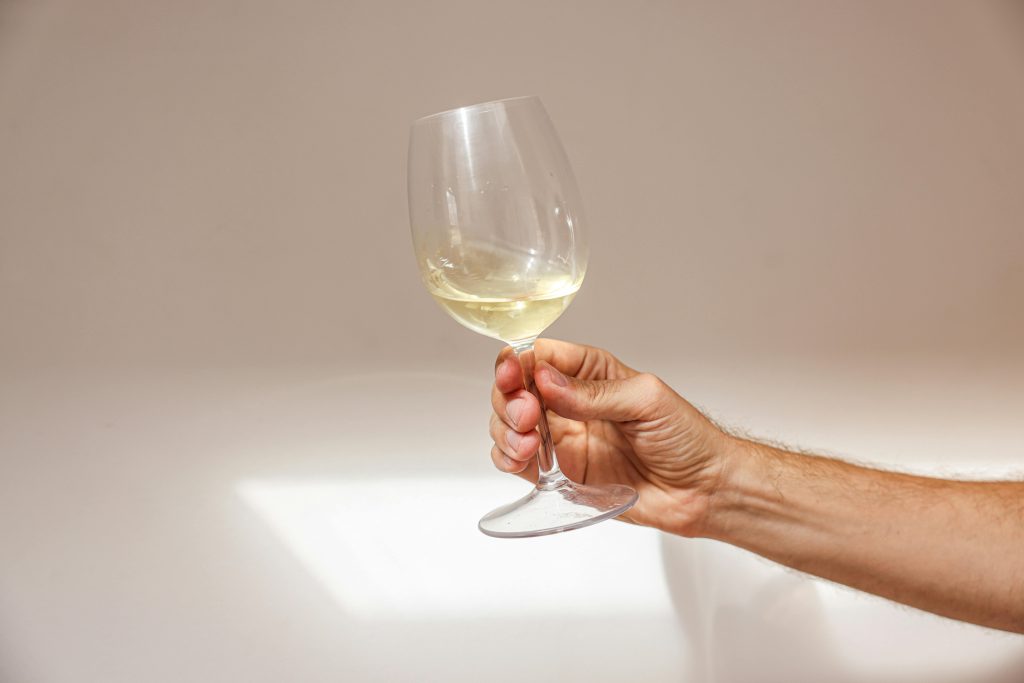
Sauvignon Blanc tastes like a combination of green apple, lime zest, fresh-cut grass, and sometimes passion fruit, depending on where it comes from. The wine has high acidity that makes your mouth water slightly, creating a punchy, very distinctive experience that's never neutral or forgettable. Think of flavors you'd associate with a fresh garden salad with citrus dressing, or the smell of a freshly mowed lawn mixed with grapefruit.
This wine definitely divides opinion among drinkers. Some people absolutely love its boldness and the way it wakes up their taste buds, while others find it too sharp or aggressive for their preferences. There's rarely a middle ground with Sauvignon Blanc – you either appreciate its intensity or you don't.
The texture feels bright and crisp in your mouth, with an almost electric quality that makes you pay attention. Unlike some wines that ease gently across your palate, Sauvignon Blanc announces itself immediately. If wine had a personality, Sauvignon Blanc would be the loud, confident one at the party who either becomes your best friend or gets on your nerves within five minutes.
When you're tasting Sauvignon Blanc, you might notice herbal notes like bell pepper or jalapeño, especially in cooler climate versions. Warmer climate versions tend toward tropical fruits like passion fruit, mango, or guava. The finish is typically clean and dry, leaving your mouth refreshed and ready for the next sip.
What Pinot Grigio Tastes Like —
In Plain English

Pinot Grigio tastes like ripe pear, green apple, and light citrus with a clean, dry finish that doesn't linger or make any bold statements. The wine feels much lighter and smoother in your mouth compared to Sauvignon Blanc, creating an easy-to-drink experience that's hard to dislike but rarely exciting. Think of the flavors you'd get from a crisp apple or pear eaten on a clean palate – refreshing but not complex.
The overall impression is one of cleanliness and simplicity. Unlike Sauvignon Blanc's boldness, Pinot Grigio whispers rather than shouts. Many people describe it as “neutral” in the best possible way – it doesn't compete with your food or demand attention, making it incredibly versatile for different occasions and meals.
If Sauvignon Blanc is the loud one at the party, Pinot Grigio is the quietly reliable one everyone gets along with. It never offends anyone, works well in group situations, and gets the job done without any fuss or drama.
However, it's important to note that Alsatian Pinot Gris is completely different – spicier, richer, and much more full-bodied than Italian Pinot Grigio. When shopping, check the region to know what style you're getting.
The texture of Italian Pinot Grigio feels light and crisp, almost like drinking flavored water that happens to be wine. There's usually a subtle mineral quality that adds interest without overwhelming the clean fruit flavors. The finish disappears quickly, leaving your palate refreshed and ready for food.
Which Is Drier — Sauvignon Blanc or Pinot Grigio?

Both wines are typically dry wines with little to no residual sugar, so technically they're equally dry. However, your taste experience might tell a different story because of how acidity affects perception.
Sauvignon Blanc's high acidity gives it a sharper, more angular feel that many people perceive as “drier” even when sugar levels are identical to Pinot Grigio. The wine's bright, tart character reinforces the sensation of dryness, making your mouth pucker slightly in the same way a squeeze of lemon would.
Pinot Grigio can feel slightly rounder and softer despite having similar sugar levels to Sauvignon Blanc. Its lower acidity and smoother texture create a gentler impression that some people interpret as being less dry, even though the technical measurements would show both wines as equally dry.
This perception gap explains why some wine drinkers swear that Sauvignon Blanc is much drier than Pinot Grigio, while others notice no difference. Both perspectives are valid – it's about how the wines feel in your mouth rather than their actual sugar content. If you prefer wines that feel bone-dry and sharp, Sauvignon Blanc will likely satisfy that preference better than Pinot Grigio's softer approach.
Is Pinot Grigio Sweeter Than Sauvignon Blanc?

No, neither wine is sweet in the conventional sense. However, Pinot Grigio's softer acidity and rounder texture can make it taste slightly less harsh than a sharp Sauvignon Blanc, which some wine beginners interpret as sweetness.
This confusion happens because our brains often equate “less acidic” with “more sweet,” even when no actual sugar is involved. Pinot Grigio's gentle, smooth character can seem sweet compared to Sauvignon Blanc's aggressive acidity, especially if you're tasting them side by side.
Understanding this difference prevents disappointment when people buy Pinot Grigio expecting something actually sweet and instead get a dry wine that simply feels softer than Sauvignon Blanc. Both wines finish dry and crisp – Pinot Grigio just takes a gentler path to get there.
If you're looking for genuinely sweet white wines, you'll want to explore Rieslings, Moscatos, or late-harvest wines rather than either of these options. Both Sauvignon Blanc and Pinot Grigio are firmly in the dry wine category.
Food Pairings: What Each Wine Works Best With
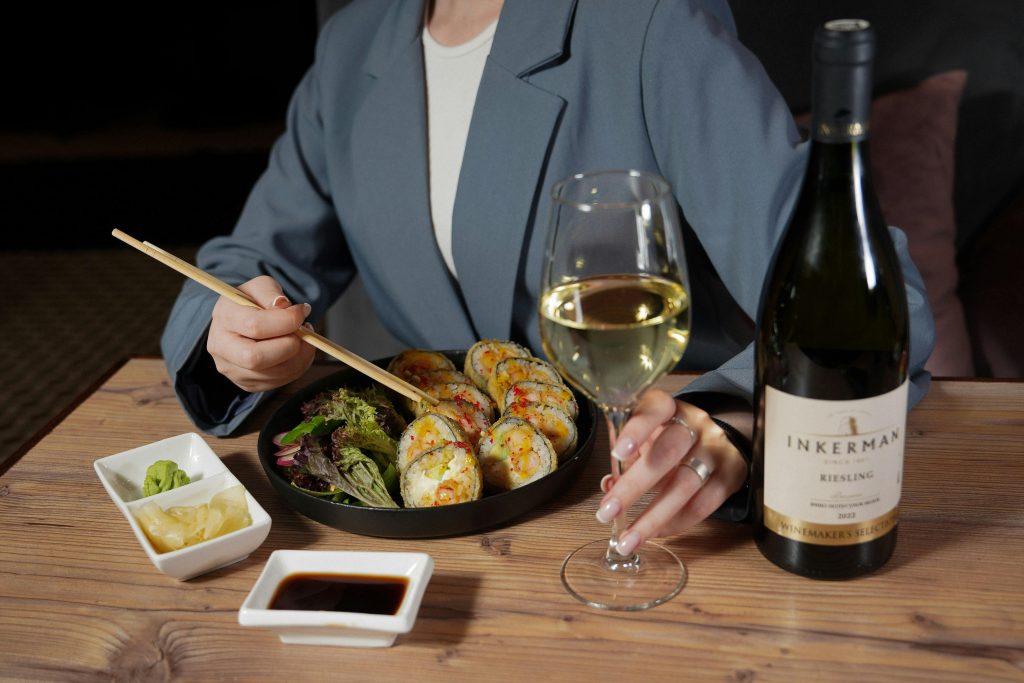
Sauvignon Blanc Food Matches
Sauvignon Blanc pairs beautifully with goat cheese – this is one of the classic wine and cheese combinations that every wine lover should try. The wine's acidity cuts through the cheese's richness while its herbaceous flavors complement the tangy, earthy character of goat cheese perfectly.
Seafood and shellfish work wonderfully because the wine's bright acidity enhances rather than competes with delicate fish flavors. Fresh salads, especially those with citrus or herb dressings, create harmonious pairings where the wine's acidity echoes the salad's bright flavors.
Asian food, particularly Thai or Vietnamese dishes with fresh herbs and spices, pairs excellently with Sauvignon Blanc's bold character. The wine can stand up to complex seasonings while its acidity provides relief from spicy heat. Dishes with citrus elements or asparagus also work well because the wine's natural acidity complements these flavors rather than clashing with them.
Pinot Grigio Food Matches
Pinot Grigio excels with light pasta dishes, especially those featuring olive oil, garlic, and herbs rather than heavy cream sauces. The wine's neutrality allows the pasta's flavors to shine while providing refreshing contrast between bites.
Grilled chicken and fish work perfectly because Pinot Grigio's clean character supports rather than competes with the protein's natural flavors. Antipasti platters, mild cheeses, and pizza bianca all benefit from the wine's versatile, food-friendly nature.
The neutrality of Pinot Grigio complements without competing, making it ideal for meals where you want the food to be the star. Its gentle acidity cleanses the palate between bites without overwhelming delicate flavors.
Which Should You Choose? A Decision Guide by Taste and Occasion

Choose Sauvignon Blanc When:
Pick Sauvignon Blanc if you like bold, aromatic, punchy wines that make a statement. This wine works best with food that needs cutting through – rich sauces, creamy dishes, or anything where you want the wine's acidity to balance heavy flavors.
For restaurant ordering, Sauvignon Blanc works well when you know what you're eating and want a wine that will enhance specific flavors. It's perfect for dinner party hosting when you want a conversation piece that guests will remember. The wine's distinctive character makes it ideal for wine tastings or when you want to introduce someone to how different white wines can be.
If you enjoy wines with personality and don't mind polarizing opinions, Sauvignon Blanc delivers a memorable experience that reflects your confident wine choices.
Choose Pinot Grigio When:
Pick Pinot Grigio when you want something easy-drinking, crowd-pleasing, and versatile that works with multiple dishes and pleases various taste preferences.
For restaurant ordering, Pinot Grigio is safer for a table with varied tastes because its neutral character rarely conflicts with anyone's preferences or food choices. It's excellent for everyday drinking when you want wine that doesn't require thinking or analysis.
For gifting, Pinot Grigio represents a thoughtful choice that's unlikely to disappoint recipients with different taste preferences. When hosting mixed groups or serving multiple courses, its food-friendly nature ensures it won't clash with changing flavors throughout the meal.
Sauvignon Blanc vs Pinot Grigio: Side-by-Side Comparison
| Feature | Sauvignon Blanc | Pinot Grigio |
|---|---|---|
| Acidity Level | High, sharp | Medium, gentle |
| Body | Medium | Light |
| Flavor Profile | Bold, grassy, citrus | Neutral, pear, apple |
| Personality | Assertive, distinctive | Easy-drinking, versatile |
| Best Food Match | Goat cheese, seafood | Light pasta, grilled chicken |
| Typical Price Range | -25 | $10-20 |
| Best Region | Marlborough NZ | Northern Italy |
| Serving Style | Statement wine | Everyday drinking |
This comparison table gives you everything you need to make a quick decision based on your specific situation, taste preferences, and budget. Whether you're shopping for a special dinner or just want a reliable weeknight wine, these guidelines will point you in the right direction.
Understanding these fundamental differences means you'll never again stand confused in the wine aisle or feel uncertain when ordering at a restaurant. Both wines have their place in any wine lover's repertoire – now you know exactly when and why to choose each one.
From Two Whites to the Whole Spectrum
Understanding Sauvignon Blanc and Pinot Grigio gives you a solid foundation — and the same framework of acidity, body, and flavor profile applies across every white wine you'll encounter. Our beginner's wine guide maps out all the major white varieties — from light Pinot Grigio to rich Chardonnay to aromatic Riesling — so you can see exactly where today's two wines sit on the spectrum. Our wine flavor profiles guide explains the fruit, herb, mineral, and oak categories that distinguish one white wine from another, giving you the vocabulary to describe what you're tasting in any glass. And when you're ready to put these two wines through their paces side by side, our wine tasting guide walks through the Five S's method that makes comparative tastings genuinely revealing. For independent bottle recommendations and detailed tasting notes on both varieties at every price point, Wine Folly's Sauvignon Blanc guide and Pinot Grigio profile are two of the most visual and beginner-friendly free resources available. The more you taste, the more confident you become — and now you know exactly what to look for. 🍷