
Tuscany Wine Tasting Holidays: Essential Planning Guide
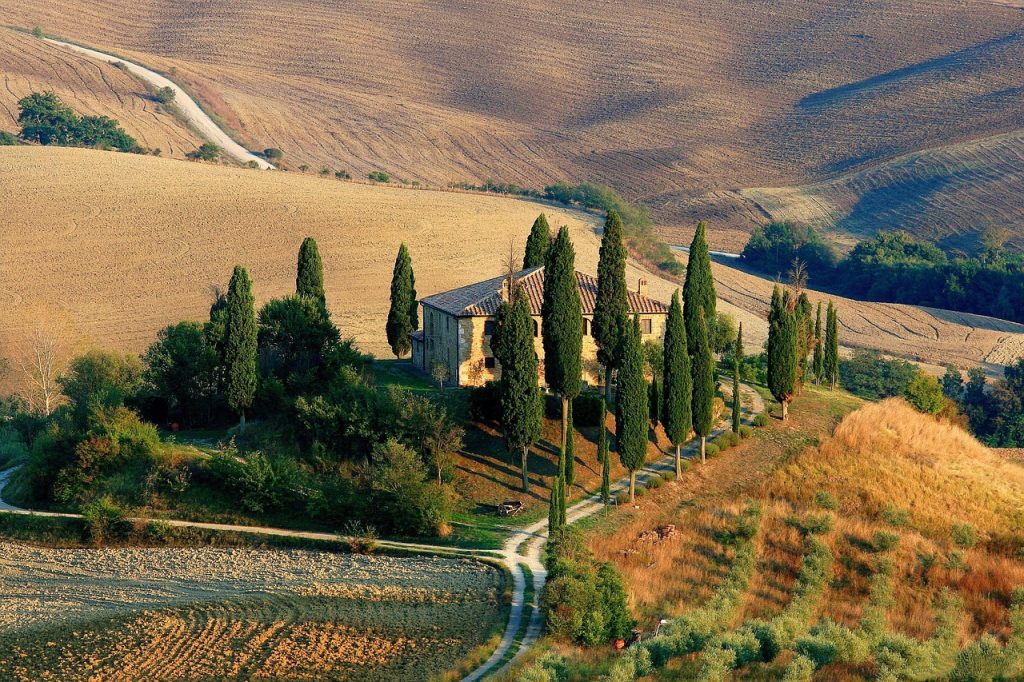
The Tuscany region offers everything from world-famous Chianti estates to boutique wineries producing exceptional Brunello di Montalcino, all set against some of the most beautiful countryside you'll ever see.
This guide is for wine lovers planning their first Tuscany wine vacation, couples looking for a romantic getaway, and experienced travelers wanting to dive deeper into Italian wine culture.
I'll walk you through the main wine regions so you can choose the right area for your style, from the accessible Chianti Classico zone to the prestigious hills of Montalcino. You'll also discover the best wineries to visit in Tuscany, including hidden gems I've found off the beaten path. Finally, I'll help you decide between guided Tuscany wine tours and self-driving adventures, plus share my top picks for wine tasting day trips from Florence when you want to explore multiple areas.
Why Tuscany is the ultimate wine holiday destination
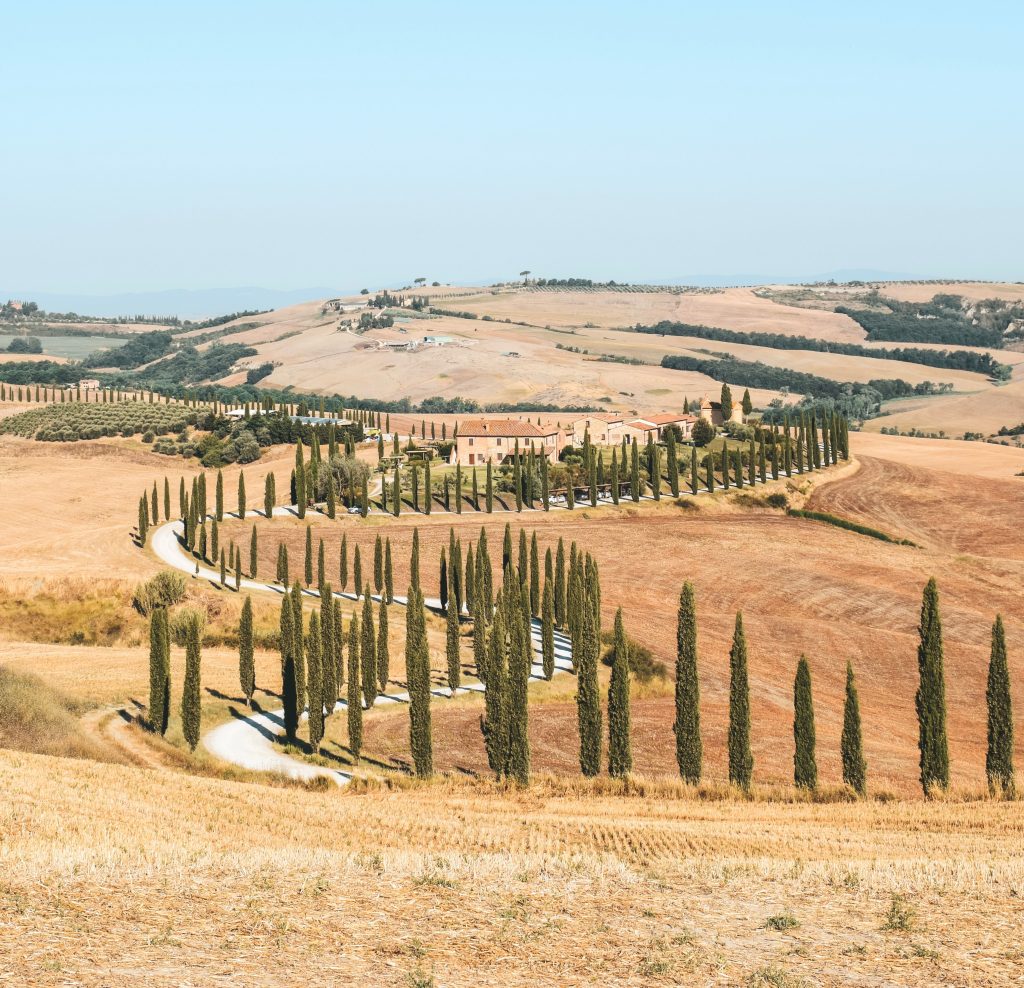
A Perfect Trinity of Wine, Landscape, and Culture
After visiting wine regions across four continents, I can confidently say that nowhere else offers the magical combination I discovered in Tuscany. This isn't just about exceptional wines—though the Chianti Classico, Brunello di Montalcino, and Super Tuscans are absolutely world-class. It's about how those wines exist within a landscape so breathtaking it feels almost fictional.
Picture this: I'm sitting in a 12th-century stone cellar, holding a glass of 2015 Brunello that was crafted on the very hillside visible through the ancient window. The vines outside have been tended by the same family for six generations. As I taste notes of dark cherry and earth, cypress trees frame rolling vineyards that stretch toward medieval hilltop towns glowing golden in the late afternoon sun. This is what sets Tuscany wine holidays apart from any other wine tasting experience in the world.
The Landscape That Takes Your Breath Away
Every turn on a Tuscan vineyard tour reveals postcard-perfect scenery. The Val d'Orcia's undulating hills, dotted with solitary farmhouses and lined with iconic cypress trees, create the backdrop for your wine adventures. I've driven these winding roads dozens of times, and each journey feels like moving through a Renaissance painting. The Chianti wine region offers its own charm with ancient stone villages perched on hilltops, their terracotta roofs glowing warm against endless rows of vines.
Culinary Excellence Beyond Compare
What elevates wine tasting holidays in Tuscany above other destinations is how perfectly the food complements every glass. I've savored wild boar ragu paired with bold Chianti Classico Riserva, fresh pecorino drizzled with chestnut honey alongside crisp Vernaccia, and the most incredible bistecca alla Fiorentina with a glass of Sassicaia that made my heart skip. The Tuscan wine tasting experience isn't complete without these culinary pairings—they're an essential part of the story each bottle tells.
Flexible for Every Schedule
Whether you have a long weekend or three weeks, Tuscany wine tours adapt perfectly to your timeframe. I've created memorable experiences for visitors with just 72 hours and others with the luxury of exploring every corner of this remarkable region. The beauty lies in Tuscany's compact geography and incredible density of outstanding wineries—you can taste exceptional wines and soak in stunning views no matter how much time you dedicate to your wine vacation Italy.
The main Tuscany wine regions — which one is right for you?
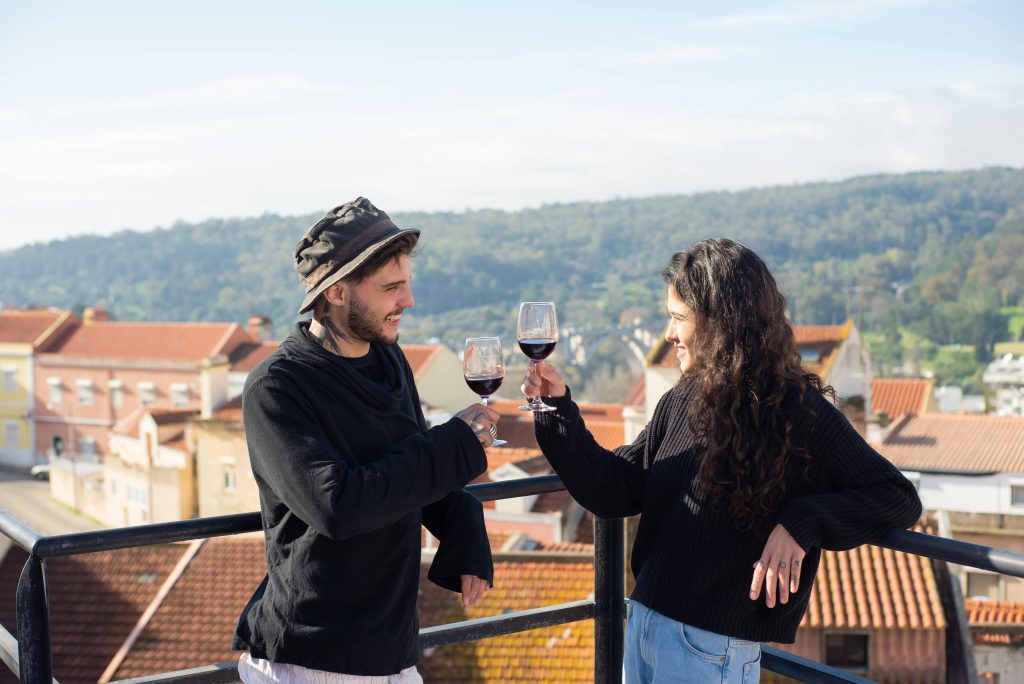
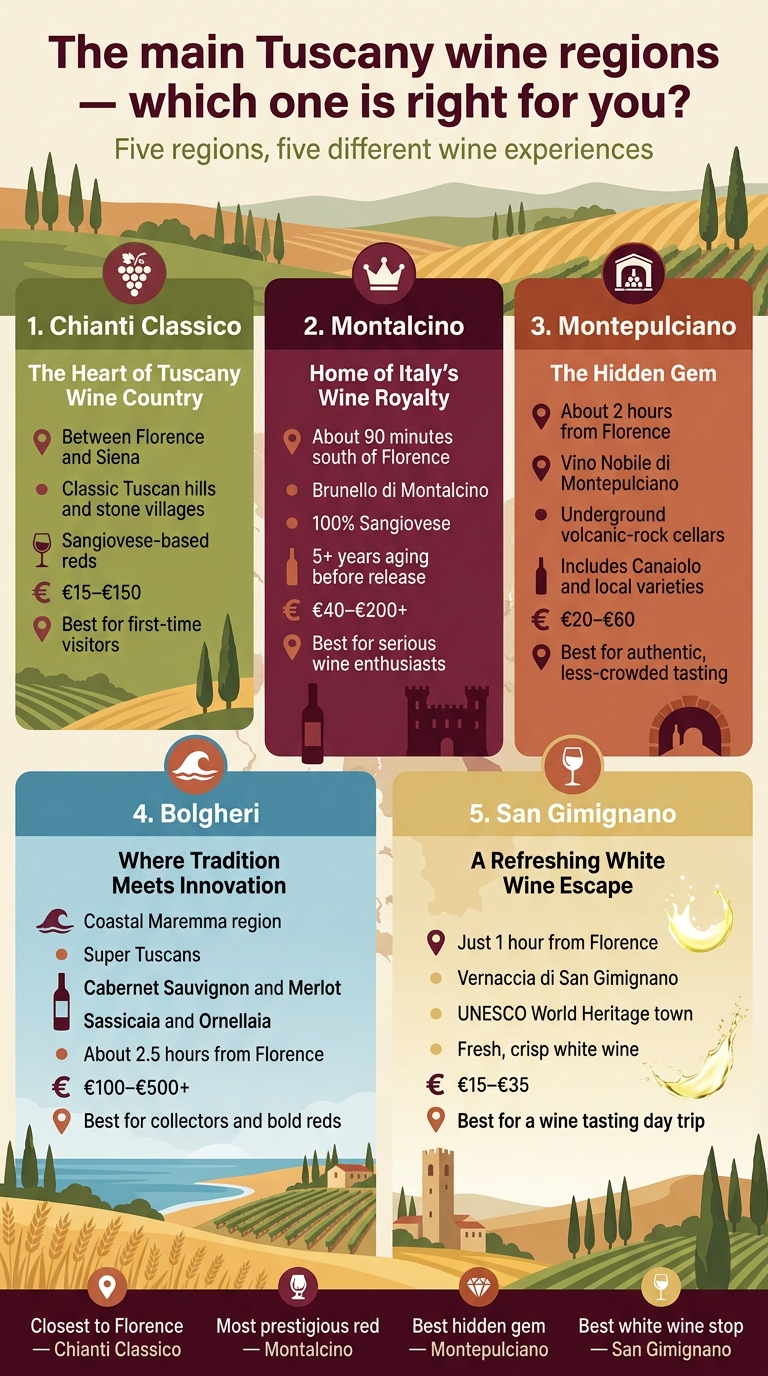
Chianti Classico: The Heart of Tuscany Wine Country
I always recommend Chianti Classico to first-time visitors to Tuscany's wine regions. Located perfectly between Florence and Siena, this is the most accessible area for Tuscany wine tours and offers the quintessential Tuscan wine experience. The rolling hills dotted with cypress trees and ancient stone villages create the postcard-perfect setting most people imagine when they think of Italian wine country.
The wines here are built around Sangiovese grapes, producing everything from easy-drinking everyday reds to complex, age-worthy Chianti Classico Riserva that can cellar for decades. I've tasted bottles ranging from €15 table wines perfect for lunch to €150 Gran Selezione that rival the world's finest. What I love about this region is how approachable it feels – you can pop into small family estates or visit internationally recognized best wineries to visit in Tuscany like Castello di Verrazzano or Fontodi.
Montalcino: Home of Italy's Wine Royalty
About 90 minutes south of Florence, Montalcino produces what many consider Italy's greatest wine: Brunello di Montalcino. I've organized countless Brunello di Montalcino tours from Florence, and the journey itself is spectacular as you wind through increasingly wild countryside.
The wines here are made from 100% Sangiovese (locally called Brunello) and must age for at least five years before release. Expect to pay €40-200+ per bottle, making this a serious wine destination. Brunello di Montalcino tourexperiences often include visits to prestigious producers like Biondi-Santi or Casanova di Neri. I recommend this region for wine enthusiasts who appreciate complexity and have the budget for premium tastings.
Montepulciano: The Hidden Gem
Montepulciano remains my secret weapon for visitors seeking authentic Tuscany wine tasting experience without the crowds. This medieval hilltop town, about two hours from Florence, produces Vino Nobile di Montepulciano – a wine that predates Chianti's fame by centuries.
The wines share Sangiovese's backbone but often include Canaiolo and other local varieties, creating a distinctive character. Prices are more reasonable than Montalcino, typically €20-60 per bottle. The town's underground cellars, carved from volcanic rock, offer unique tasting experiences you won't find elsewhere in Tuscany.
Bolgheri: Where Tradition Meets Innovation
The coastal Maremma region of Bolgheri revolutionized Italian wine in the 1970s with Super Tuscans – wines that broke traditional rules by using international grape varieties like Cabernet Sauvignon and Merlot. Home to legendary estates producing Sassicaia and Ornellaia, this area feels different from classical Tuscany.
Located about 2.5 hours from Florence, Bolgheri requires more planning but rewards serious collectors. Expect to invest €100-500+ per bottle for the famous labels. The Tuscany wine region guide wouldn't be complete without mentioning this innovative area that changed Italian wine forever.
San Gimignano: A Refreshing White Wine Escape
After days of red wine tasting, San Gimignano offers a delightful change with its crisp white Vernaccia wines. This UNESCO World Heritage town with its famous medieval towers sits just an hour from Florence, making it perfect for wine tasting Florence day trip adventures.
Vernaccia di San Gimignano provides a refreshing palate cleanser and pairs beautifully with Tuscan seafood and lighter fare. The wines are typically €15-35 per bottle, making this an accessible region for all budgets. I often include San Gimignano in Tuscany vineyard tours to show the diversity beyond the region's famous reds.
The best wineries to visit in Tuscany
Chianti's Crown Jewels
Castello di Albola stands out as my top recommendation for first-time visitors to Chianti wine region. With an impressive 4.8-star rating across hundreds of reviews, this winery delivers consistently exceptional Tuscany wine tasting experiences. I love how they balance tradition with accessibility – their tours walk you through centuries of winemaking history while their tastings focus on approachable Chianti Classico wines that won't intimidate beginners. Expect to pay around €25-35 for their standard tasting, and while advance booking isn't mandatory, I'd recommend calling a day ahead during peak season.
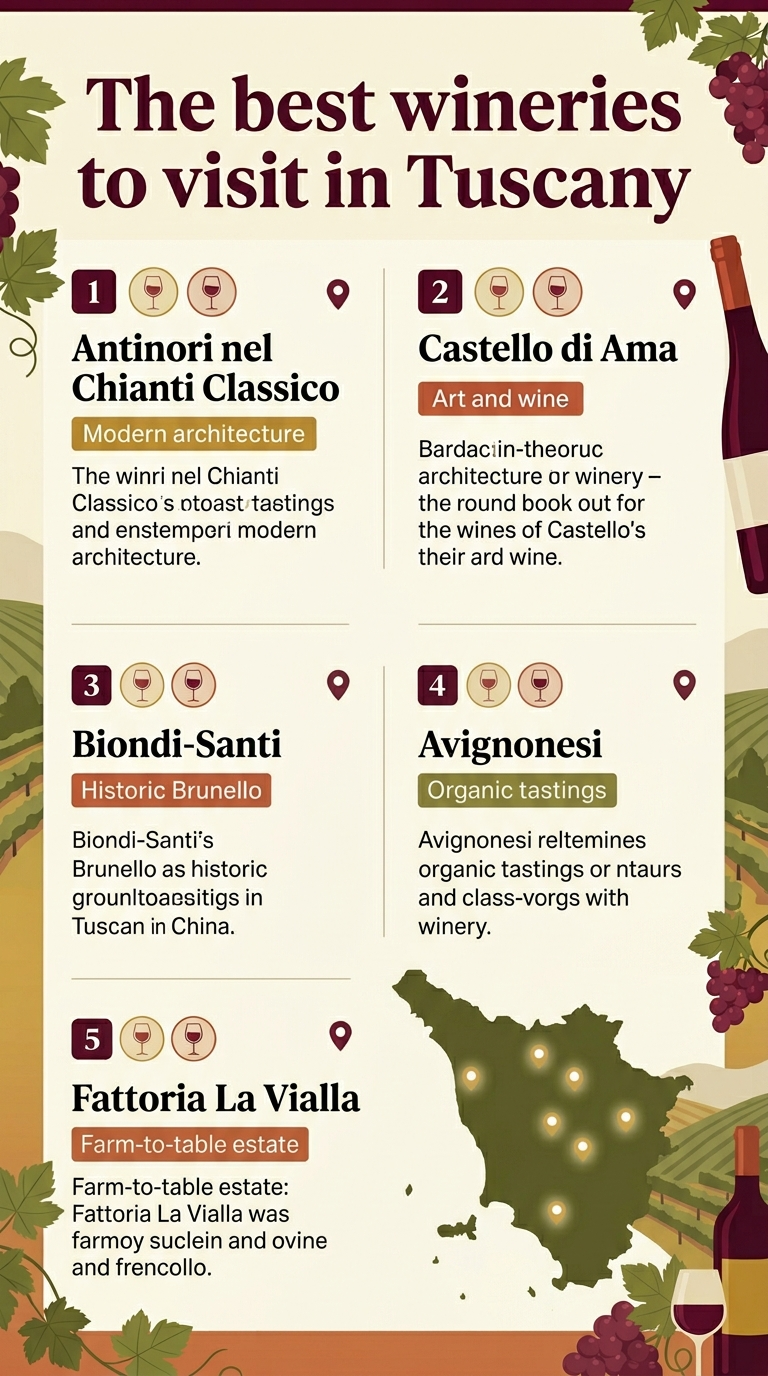
Antinori nel Chianti Classico offers something truly special – spectacular modern winery architecture embedded seamlessly into the Tuscan hillside. Walking through their underground cellars feels like entering a wine cathedral. Their tasting menus pair world-class wines with local delicacies, creating one of the most memorable wine tasting experiences in Tuscany. Prices range from €40-80 depending on the tasting level you choose. Book at least two weeks in advance, especially for weekend visits.
Carpineta Fontalpino provides the intimate, family-owned experience many travelers crave. I appreciate how the owners personally guide visitors through their vineyards and share stories passed down through generations. Their excellent value tastings (€20-25) include several wine varieties, making it perfect for budget-conscious wine enthusiasts who still want authentic Chianti wine tours.
Montalcino's Historic Legacy
Biondi-Santi represents a true pilgrimage for serious wine lovers visiting Tuscany. This historic estate invented Brunello di Montalcino, making it essential for understanding Italian wine heritage. Their tours dive deep into traditional winemaking techniques, and tasting their reserve Brunellos feels like sampling liquid history. Expect premium pricing (€60-120) and book at least one month ahead – their limited tour slots fill quickly.
Bolgheri's Super Tuscan Royalty
Ornellaia epitomizes Super Tuscan excellence in the coastal Bolgheri region. Their stunning estate produces some of Italy's most celebrated wines, rivaling the best Bordeaux blends. The vineyard tours showcase their meticulous attention to detail, from hand-harvesting to precise barrel aging. Tasting fees start around €50 for basic experiences, climbing to €150+ for premium sessions. Book three months in advance – Ornellaia's reputation means slots disappear fast, especially during harvest season.
Guided wine tours vs self-driving — which is right for your trip?
The Guided Tour Experience
When I booked my first Tuscany wine tour, I went with a guided group experience, and I'm glad I did. Most Tuscan vineyard tours accommodate 6-12 people, making them perfect for travelers based in Florence who want a comprehensive wine tasting experience without the hassle of planning every detail.
The biggest advantage? I could sample every wine without worrying about driving back through winding Tuscan hills. My guide from Walkabout Florence Tours shared fascinating stories about each winery's history that I never would have discovered on my own. These wine tasting holidays Tuscany style tours also gave me access to prestigious estates like Castello di Verrazzano, which prioritizes group bookings over individual visitors.
The social atmosphere was fantastic too. I met fellow wine lovers from Australia and Germany, and we're still sharing wine recommendations years later. The logistics were seamlessly handled – transportation, reservations, even lunch pairings were all sorted.
Recommended guided tours:
-
Walkabout Florence: Full-day Chianti tours from €95
-
Tuscan Wine Tours: Small group experiences from €120
-
Viator Chianti Classico tours: €89 with hotel pickup
Going Solo: The Self-Drive Adventure
My second wine trip Tuscany was completely different. I rented a car and created my own itinerary, staying three nights in Greve in Chianti. This approach gave me incredible flexibility – when I fell in love with the views at Vignamaggio (where they filmed Much Ado About Nothing), I stayed for two hours instead of the scheduled 45 minutes.
Self-driving opened doors to hidden gems like Podere Le Ripi in Montalcino, a biodynamic winery that rarely hosts large groups. I could taste at my own pace, ask detailed questions, and really connect with the winemakers. The intimate atmosphere at smaller best wineries Tuscany locations was unmatched.
The freedom to explore off-the-beaten-track estates in the Chianti wine region led me to discover incredible family-run operations that most tourists never find. I could also adjust my schedule based on weather or simply how I felt each morning.
My Hybrid Recommendation
After experiencing both approaches across multiple wine holidays in Tuscany, I've found the perfect formula. Start with 2-3 nights in Florence or Siena, then relocate to wine country – either the Chianti Hills, Montalcino, or Montepulciano.
This hybrid approach lets you enjoy guided wine tasting experiences initially while learning the basics, then transition to independent exploration once you're comfortable with the region. You'll wake up surrounded by vineyards instead of commuting from the city, and you can easily visit both famous estates and hidden local favorites.
The best wineries to visit in Tuscany are often clustered together, making day trips from countryside accommodations incredibly efficient whether you're joining a Brunello di Montalcino tour or creating your own adventure.
Best day trips for wine tasting from Florence
Chianti Classico Day Trip
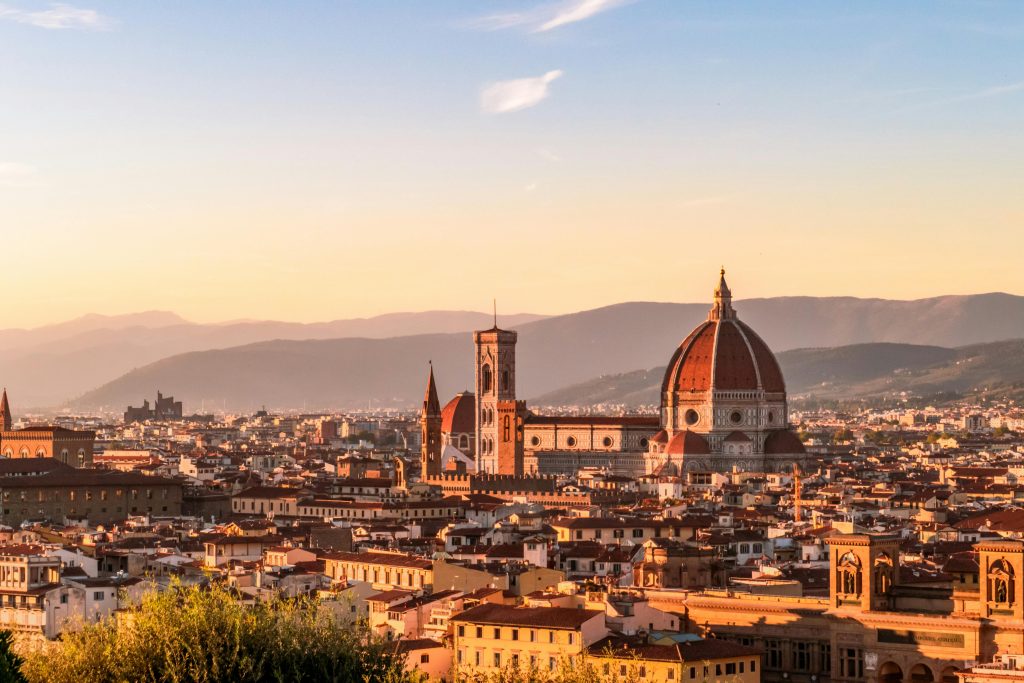
My top recommendation for wine tasting Florence day trip experiences is the classic Chianti Classico tour. I've taken this route countless times, and it never fails to deliver that perfect blend of stunning scenery, exceptional wines, and authentic Tuscan culture. These Chianti wine tours typically run 5-6 hours and cost between €80-120 per person, which includes tastings and lunch.
Walkabout Florence offers excellent full-day tours starting at €95 per person, complete with a traditional Tuscan lunch at a family-run vineyard. Their guides are knowledgeable locals who share fascinating winemaker secrets that you won't find in guidebooks. Tuscany Day Trip runs similar excursions for €110, featuring visits to two distinct wineries in picturesque villages like Greve in Chianti and Castellina.
I always recommend choosing tours that include lunch because experiencing a proper Tuscan vineyard meal is absolutely essential. Picture this: fresh pasta with wild boar ragu, paired with the winery's signature Chianti Classico, all while overlooking rolling hills dotted with cypress trees. The additional €20-30 is completely worth it for this authentic Tuscany wine tasting experience.
Montalcino and Brunello Discovery
For serious wine enthusiasts, I suggest the Montalcino day trip focused on Brunello di Montalcino tours. These longer excursions (typically 8-9 hours) cost around €120-150 but offer access to some of Italy's most prestigious wines. Brunello di Montalcino is often called the “king of Italian wines,” and tasting it in its birthplace is unforgettable.
Ciao Florence Tours operates comprehensive Montalcino experiences at €135 per person, visiting renowned estates like Poggio Antico and smaller boutique producers. Their tours include guided cellar visits where you'll learn about the strict DOCG regulations that make Brunello so special. My Tour in Tuscany offers similar trips at €145, featuring lunch at a hilltop restaurant with panoramic views of the Val d'Orcia.
I particularly love how these tours combine wine education with stunning landscapes. The drive through the UNESCO World Heritage Val d'Orcia alone is worth the journey, and the Brunello tastings provide a masterclass in Sangiovese at its finest.
Montepulciano and Pienza Combined Adventure
My favorite value-packed option combines Montepulciano's famous Vino Nobile with the medieval charm of Pienza. This Tuscany wine tour offers incredible diversity – you'll taste exceptional wines while exploring one of Italy's most beautiful Renaissance towns.
Discovering Tuscany runs these combo tours for €98 per person, including visits to historic wine cellars carved directly into volcanic rock beneath Montepulciano. The Vino Nobile tastings here are spectacular, showcasing wines that have been produced for over 1,000 years. After lunch in Pienza (famous for its pecorino cheese), you'll have time to explore the town's perfect Renaissance architecture.
Tuscan Wine Tours offers a premium version at €125 that includes a traditional Tuscan lunch featuring local specialties like pici pasta and grilled Chianina beef. Their guides provide fascinating insights into both winemaking traditions and local history, making this one of the most well-rounded wine tasting experiences available from Florence.
What to taste — Tuscany's essential wines explained
Chianti Classico: The Heart of Tuscan Wine
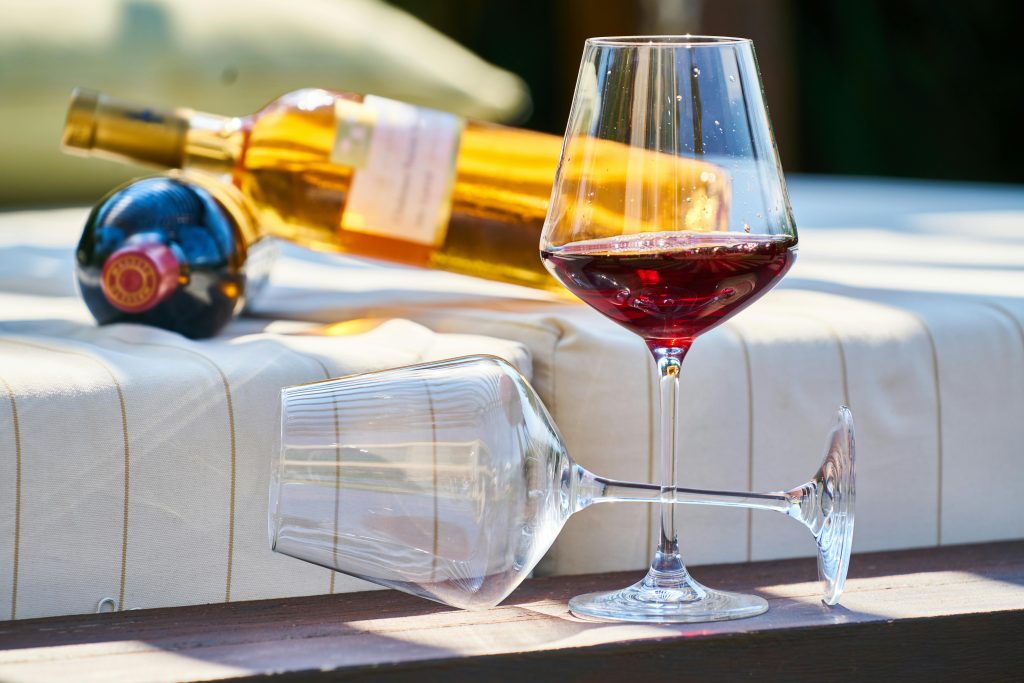
When I first tasted Chianti Classico during my early wine adventures in Tuscany, I understood why this wine defines Italian winemaking. Made primarily from Sangiovese grapes, this wine captures everything I love about the region – it's earthy, approachable, and absolutely perfect with food.
The cherry fruit flavors hit you first, followed by that distinctive earthy backbone that makes Sangiovese so special. What really impressed me was the high acidity – it cuts through rich pasta dishes and grilled meats beautifully. During my Tuscany wine tours, I've learned that authentic Chianti Classico must contain at least 80% Sangiovese, with the remaining 20% coming from approved local varieties.
Look for the black rooster (Gallo Nero) symbol on the bottle – it guarantees you're getting the real deal from the historic Chianti Classico zone between Florence and Siena.
Brunello di Montalcino: Tuscany's Crown Jewel
My first Brunello experience was life-changing. This wine, made from 100% Sangiovese Grosso grapes, represents the pinnacle of Italian red wine. During wine tasting experiences in Montalcino, I've discovered why collectors worldwide prize these wines – they're built to age for decades.
What sets Brunello apart:
-
Minimum 5 years aging before release (2 in oak barrels)
-
Incredibly complex flavors that evolve in the glass
-
Powerful tannins that need time to soften
-
Price tags that reflect its premium status
I always recommend decanting Brunello at least an hour before drinking. The transformation is remarkable – what starts as a tight, tannic wine opens into something truly magnificent with notes of dried cherries, leather, tobacco, and herbs.
Vino Nobile di Montepulciano: The Hidden Gem
This wine deserves more recognition. During my visits to best wineries in Tuscany, I've found Vino Nobile di Montepulciano offers incredible value. It's like Chianti's more structured cousin – still primarily Sangiovese-based but with more weight and aging potential.
The wines from Montepulciano show beautiful balance between fruit and earthiness, with enough structure to pair with hearty Tuscan cuisine. I've enjoyed many bottles that rival more expensive Brunellos at half the price.
Super Tuscans: Breaking the Rules
These wines revolutionized Tuscan winemaking when producers started experimenting with international varieties like Cabernet Sauvignon, Merlot, and Syrah. During Tuscan vineyard tours, I've tasted Super Tuscans that command prices higher than traditional DOC wines, despite being classified as simple table wine.
Some blend international grapes with Sangiovese, while others are 100% international varieties. The results can be spectacular – powerful, concentrated wines that show a different side of Tuscany's potential.
Vernaccia di San Gimignano: The Perfect Palate Cleanser
I always start my wine tasting holiday Tuscany sessions with Vernaccia di San Gimignano. This crisp, mineral-driven white wine perfectly prepares your palate for the reds to follow. The wine shows beautiful citrus notes with a distinctive saline finish that reflects the region's unique terroir.
It's the perfect wine to enjoy while watching sunset over San Gimignano's famous towers, and an excellent choice for those who prefer whites or want to pace themselves during a full day of tastings.
Wine tasting etiquette in Tuscany — what to know before you go
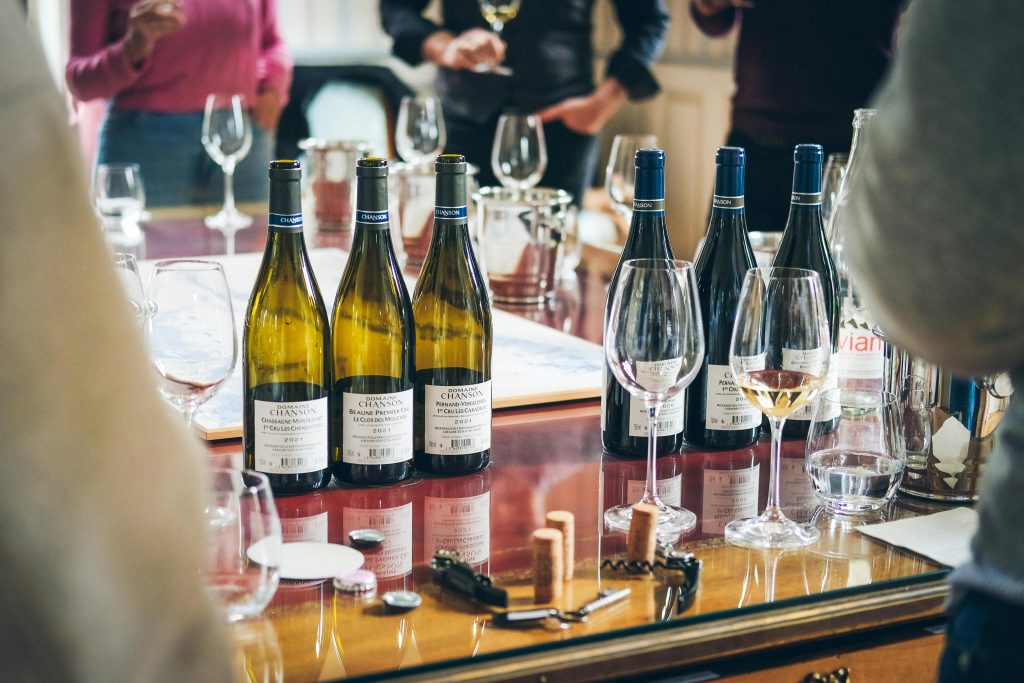
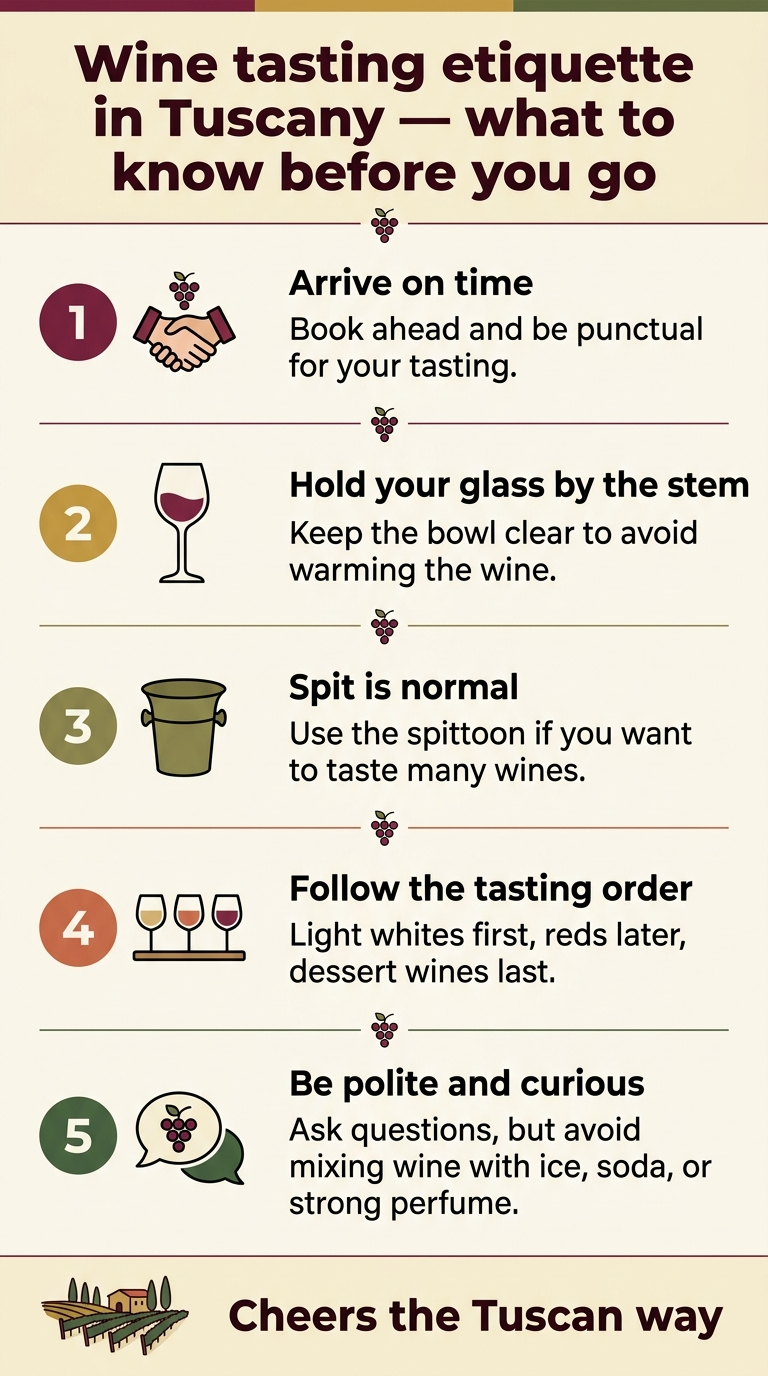
I can't stress this enough – booking in advance is absolutely essential when planning your Tuscany wine tasting experience. During my visits to Tuscany's premier wineries, I've learned that most top estates require reservations, especially during high season from April through October. Places like Ornellaia and Antinori Nel Chianti Classico often book up weeks in advance, particularly for weekend slots. I always recommend calling or emailing at least 2-3 weeks ahead, and even longer if you're planning to visit during harvest season in September and October.
Pacing Your Tastings
Here's something I wish someone had told me before my first Tuscany wine tour – pace yourself! When you're visiting 3-4 wineries in a day, you'll easily taste 12-20 different wines. I learned the hard way that trying to taste everything without spitting quickly turns a sophisticated wine tasting experience into something much less enjoyable. Most serious wine enthusiasts use the spit buckets provided at tastings, and there's absolutely no shame in it. I now approach each tasting with a strategy: taste everything offered, but only swallow the wines that truly impress me.
Dress Code Expectations
Tuscany's major wine estates maintain certain standards, and I've noticed that dressing appropriately makes a real difference in how you're received. Smart-casual is the golden rule I follow – think collared shirts, nice pants or a dress, and closed-toe shoes. I've seen visitors in flip-flops and tank tops get sideways looks at prestigious estates. The Tuscan winemaking tradition commands respect, and your attire should reflect that appreciation.
Essential Italian Wine Vocabulary
Learning just a few key Italian wine terms has enhanced my Tuscany wine tasting experiences tremendously. I always use “Salute” (pronounced sah-LOO-teh) when toasting – it means cheers and shows respect for local customs. “Annata” (ahn-NAH-tah) refers to the vintage year, which often comes up in conversations with winemakers. “Assaggio” (ah-SAH-joh) means tasting, and using this word when asking about wines shows you're making an effort to engage with the culture.
Purchasing Etiquette
While buying wine after a tasting isn't technically required, I've found it's considered courteous, especially after receiving an extended private tour or detailed explanations from the winemaker. I typically purchase at least one bottle if I've enjoyed a comprehensive experience that lasted more than 30 minutes. This gesture shows appreciation for the time and expertise shared, and honestly, taking home a bottle from each memorable winery has become one of my favorite parts of Tuscan wine holidays.
Tipping Guidelines
Unlike many tourist destinations, tipping isn't expected at Italian wineries, but I've found that exceptional private guides genuinely appreciate a small tip. If someone has gone above and beyond – perhaps arranging a special barrel tasting or sharing insider knowledge about the region – I'll offer 10-15 euros as a thank you gesture.
Best time to visit Tuscany for wine holidays
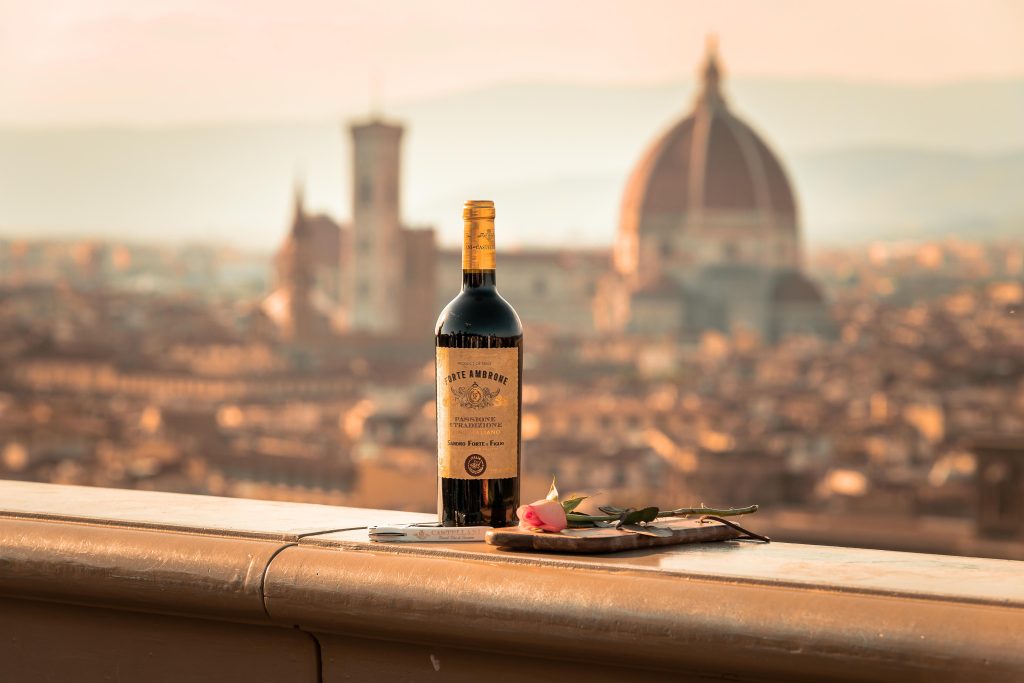
Peak Season vs. Shoulder Seasons
I've discovered that timing can make or break your wine tasting holidays Tuscany experience. Summer months (June through August) bring the most beautiful weather, but I always warn my friends about the crowds. Booking your Tuscany wine tours at least three months ahead becomes essential during peak season. Prices jump significantly, and that intimate winery atmosphere you're hoping for? It gets lost in the shuffle of tour buses.
Spring offers my favorite balance. April and May deliver comfortable temperatures perfect for exploring vineyards without breaking a sweat. I love how the landscapes turn emerald green, and winery staff have more time to share their passion during wine tasting experiences. You'll save money on accommodations and won't fight crowds for that perfect Instagram shot at the best wineries Tuscany has to offer.
Harvest Season Magic
September through November transforms Tuscany into something magical. I get goosebumps every time I witness vendemmia (harvest season) firsthand. The Chianti wine region buzzes with activity as grape pickers work dawn to dusk. Many wineries host special harvest events where you can stomp grapes, participate in traditional ceremonies, and taste wines straight from the barrel.
The landscape shifts from green to golden, creating postcards everywhere you look. Brunello di Montalcino toursduring this period offer behind-the-scenes access to winemaking processes. I've joined harvest dinners where winemakers share stories passed down through generations while pouring their newest vintages.
Winter's Hidden Charm
December through February brings an entirely different wine tasting holiday Tuscany experience. Tourist crowds vanish, leaving you with intimate tastings that feel like private conversations with winemakers. I've had three-hour sessions that turned into impromptu dinners because nobody else was scheduled.
Some smaller wineries reduce hours, so calling ahead becomes crucial. But major estates remain open, offering cozy tastings by fireplaces. Hotel rates drop dramatically, making luxury wine country accommodation Tuscany surprisingly affordable.
My Seasonal Recommendations
For the most memorable wine trip Tuscany experience, I recommend September through October. You'll witness winemaking magic while enjoying perfect weather. For budget-conscious travelers seeking excellent Tuscany wine tasting experiences, April through May offers unbeatable value with beautiful conditions.
Where to stay for a Tuscany wine holiday
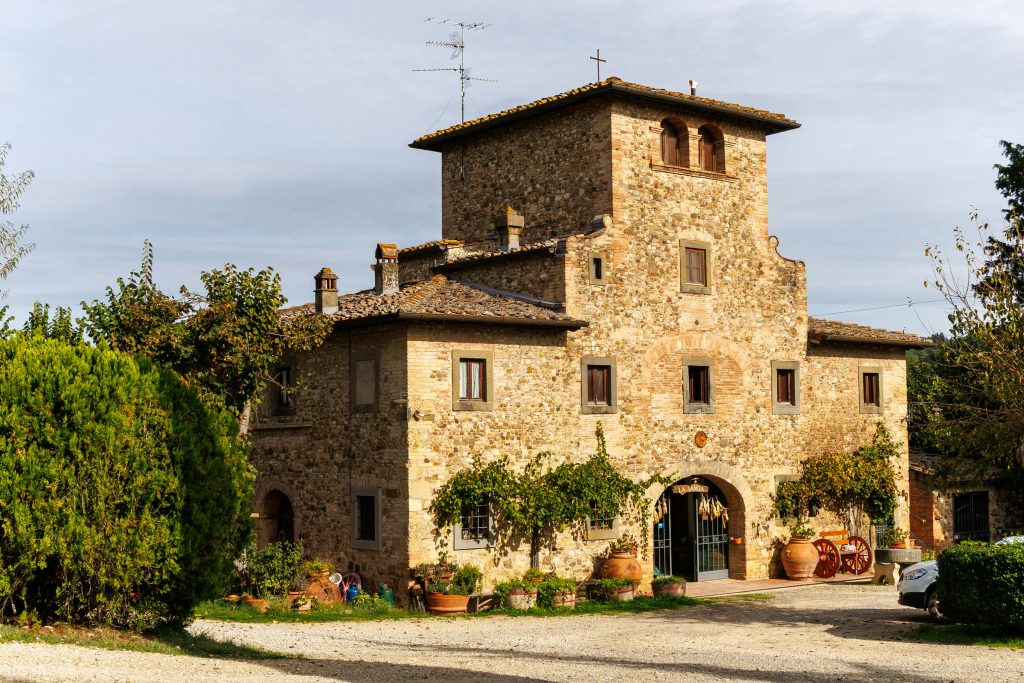
Agriturismo: The Ultimate Wine Country Experience
I can't recommend agriturismo stays highly enough for a Tuscany wine tasting holiday. These farm stays put you right in the heart of wine country, and many operate as working vineyards where you'll taste the wines made literally steps from your bedroom. Walking through the vineyard rows at sunrise with an espresso in hand, then ending the day with the estate's own Chianti paired with dinner – that's the magic of authentic Tuscan wine holidays.
Most agriturismo accommodations range from €80-200 per night, and many include breakfast and dinner in their rates. I've stayed at several where the evening meals feature multiple courses paired with different estate wines, creating an educational tasting experience without leaving the property. The hosts often share stories about their winemaking traditions passed down through generations.
The authenticity factor makes agriturismos special. You're not just visiting Tuscany – you're living it. I've helped harvest grapes in October, learned about organic farming practices, and even participated in blending sessions with the winemaker.
Hilltop Towns as Wine Touring Bases
Staying in historic hilltop towns gives you the perfect balance of cultural immersion and wine region access. I particularly love using Siena, Montalcino, or Montepulciano as my base for Tuscany wine tours. These towns sit strategically between multiple wine regions, making day trips incredibly convenient.
From Montalcino, you're surrounded by Brunello di Montalcino tours and can easily reach Chianti Classico within 30 minutes. The town itself overflows with enotecas where you can sample local wines after returning from vineyard visits. Staying within the medieval walls means walking to dinner through cobblestone streets lined with wine bars.
Montepulciano offers similar advantages for exploring Vino Nobile vineyards while staying close to both Chianti and Brunello regions. The evening passeggiata (stroll) through town becomes part of your wine country accommodation experience, ending with aperitivo overlooking the Val d'Orcia.
Luxury Wine Estate Hotels
For the ultimate immersive wine tasting experience, luxury wine estate hotels deliver unmatched sophistication. Castiglion del Bosco, set within a Brunello di Montalcino estate, offers exclusive access to private vineyard tours and barrel tastings. You're staying where the wine is actually made, with world-class amenities surrounding you.
Borgo San Felice in Chianti, part of the Relais & Châteaux collection, transforms a medieval village into a luxury resort within active vineyards. I love how these properties offer cooking classes using ingredients from their gardens, wine education seminars, and private cellar dinners that you simply can't experience elsewhere.
These estates cost considerably more than other wine country accommodation options, but they provide access to exclusive wines and experiences unavailable to day visitors.
Florence: Convenient but Less Atmospheric
Using Florence as your base for Tuscany wine tasting holidays offers maximum flexibility, especially for wine tasting Florence day trips. The city provides excellent transportation connections, making Chianti wine tours and Brunello vineyard visits easily accessible.
However, I find Florence lacks the romantic wine country atmosphere that makes Tuscan wine vacations special. You'll spend time commuting rather than soaking in vineyard views from your terrace. The trade-off works if you want to combine serious cultural sightseeing with wine experiences, but dedicated wine travelers typically prefer staying among the vines themselves.
Planning your Tuscany wine holiday — practical checklist
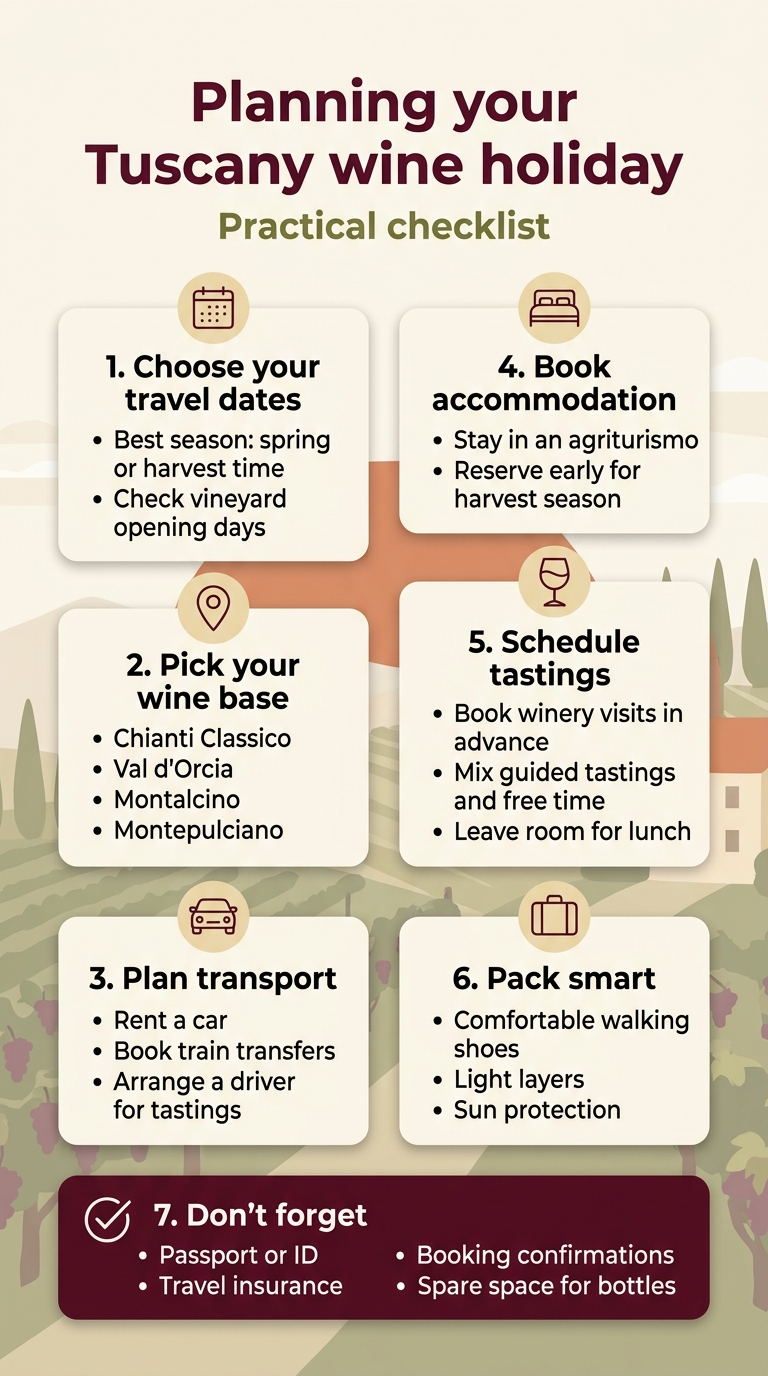
I always recommend starting my Tuscany wine holiday planning at least 4-6 months ahead, especially if I'm traveling during peak season (April through October). The most prestigious wineries in Chianti and Brunello di Montalcino get booked up quickly, and I've learned the hard way that spontaneous visits to places like Antinori or Castello Banfi rarely work out.
My first step is always securing reservations at the best wineries in Tuscany I absolutely want to visit. I book these 2-3 months in advance minimum. For Tuscany wine tours with smaller boutique producers, I can sometimes get away with shorter notice, but I never risk it for my must-see list.
Essential Booking Considerations
When I'm planning my wine tasting holidays Tuscany, I create a spreadsheet with contact information, tasting fees, and group size limits for each winery. Many estates require minimum group sizes or have specific days for English-speaking tours, so I factor this into my itinerary.
I also book accommodation early, particularly in wine country areas like Montalcino and Greve in Chianti. The best agriturismos and wine-focused hotels fill up fast, and staying close to the vineyards makes my Tuscany wine tasting experience much more relaxed.
Transportation and Logistics
Renting a car is non-negotiable for my Tuscan vineyard tours. Public transport simply doesn't reach the smaller, family-owned wineries that often provide the most memorable experiences. I book my rental car when I make my flight reservations – waiting until arrival means limited options and higher prices.
I always choose comprehensive insurance for the rental, especially since I'll be navigating narrow country roads after wine tastings. GPS is essential, but I also download offline maps as cell service can be spotty in some vineyard areas.
Financial Planning and Budgeting
My daily budget for wine tasting experiences ranges from €50-150 per person, depending on the caliber of wineries I'm visiting. Premium estates like those offering Brunello di Montalcino tours typically charge €25-50 per tasting, while smaller Chianti producers might only charge €10-20.
I always budget extra for wine purchases. Buying directly from the winery often means getting wines not available elsewhere, plus the stories behind each bottle make them special souvenirs.
Essential Apps and Tools
I never travel without the Vivino app – it's invaluable for getting instant information about any wine I'm tasting. When I'm visiting multiple wineries per day, having quick access to ratings, tasting notes, and pricing helps me make smart purchase decisions.
My small leather notebook is equally important. After a week of Tuscany wine tours, I'll have tasted 30+ different wines. Without notes, the experiences blur together. I jot down the wine name, vintage, my impressions, and whether I want to buy it.
Wine Shipping and Insurance
For serious wine purchases, I arrange shipping through the wineries rather than trying to pack bottles in my luggage. Most established Tuscany wineries offer reliable shipping to the US and UK. The cost is usually reasonable when spread across a case, and it eliminates the risk of breakage during travel.
I always buy travel insurance that specifically covers wine purchases. Standard policies often exclude alcohol, but specialized wine travel insurance protects against breakage, theft, and shipping delays. Given that a single bottle of premium Brunello can cost €100+, this coverage pays for itself if anything goes wrong.
Seasonal Considerations
The best time to visit Tuscany wine regions affects both my planning timeline and daily logistics. During harvest season (September-October), I need to be extra flexible as wineries prioritize production over tastings. Summer requires early morning starts to avoid afternoon heat, while spring offers perfect weather but crowds at popular estates.
I always check local festivals and events that might impact my wine holiday Italy plans. Chianti Classico weekend or local harvest celebrations can be amazing experiences, but they also mean increased traffic and fully booked restaurants.
Conclusion
After exploring everything from Chianti's rolling hills to Brunello's prestigious estates, I can honestly say that Tuscany offers something magical for every wine lover. Whether you choose a guided tour through Montalcino or decide to navigate the winding roads of Val d'Orcia on your own, you'll discover wines that tell stories stretching back centuries. The region's diversity means you can sip a crisp Vernaccia in San Gimignano one day and enjoy a bold Super Tuscan the next, all while staying in charming agriturismos or luxury wine resorts.
My biggest piece of advice? Don't try to cram everything into one trip. Pick two or three wine regions that speak to you, book your accommodations early if you're visiting during harvest season, and leave room for those spontaneous discoveries that make the best travel memories. Tuscany's wine culture is about savoring the moment, connecting with passionate winemakers, and appreciating the landscape that creates these incredible bottles. Start planning now, and get ready for a wine holiday that will change how you think about both travel and wine.
Start Planning — and Start Tasting
A Tuscany wine holiday begins long before you board the plane — knowing the wines, the regions, and how to taste them makes every glass more meaningful once you arrive. Our wine regions of the world guide covers Tuscany alongside all of Italy's major regions, giving you the full context for understanding why Chianti, Brunello, and the Super Tuscans matter so much. Our how to plan a wine tasting trip guide covers the exact logistics — booking wineries, planning routes, pacing your tastings — that apply directly to a Tuscany itinerary. And if you want to sharpen your tasting skills before you go so you can properly appreciate what's in your glass at each estate, our wine tasting guide walks through the Five S's method that turns every winery visit into a genuine education. Book your trip, pack your palate, and prepare to fall in love. 🍷🇮🇹