
Wine Decanting: When to Do It
and How Long
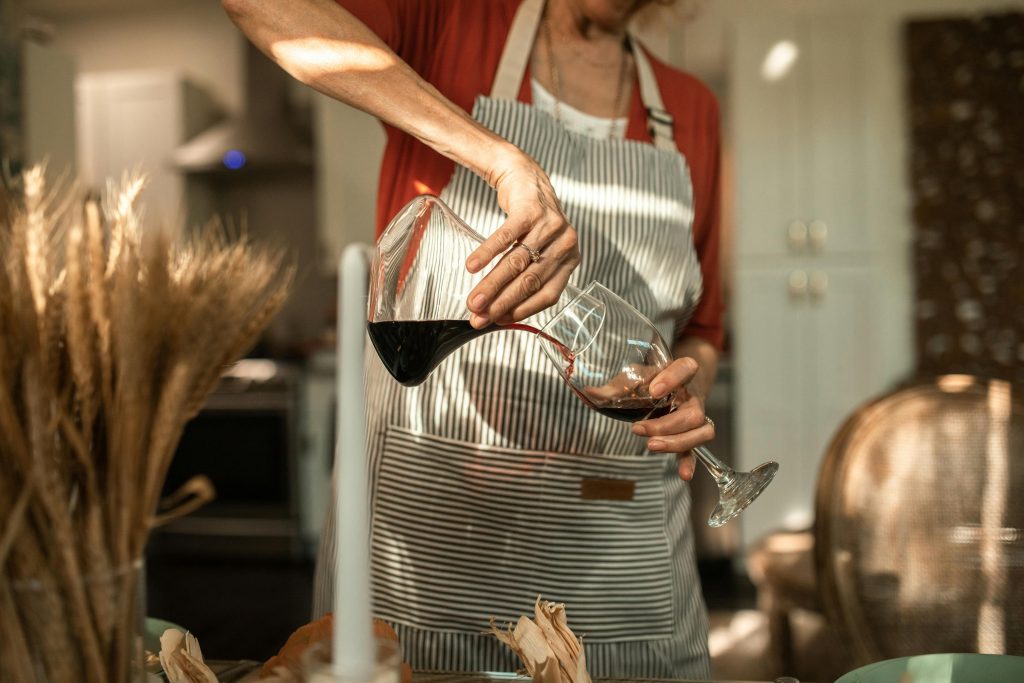
Decanting can transform your wine experience, but only when you do it right. Many wine lovers accidentally ruin perfectly good bottles by decanting the wrong types or timing it poorly. You'll learn which wines benefit most from decanting and which ones you should never decant, plus how long to decant wine based on whether you're opening a young red that needs breathing room or an older vintage that requires gentle handling.
We'll walk you through proper decanting techniques step-by-step and show you how to decant wine without a decanter when you're in a pinch. You'll also discover whether investing in a wine decanter is actually worth your money or if you can achieve the same results with items you already have at home.
What decanting actually does to wine —
the simple science
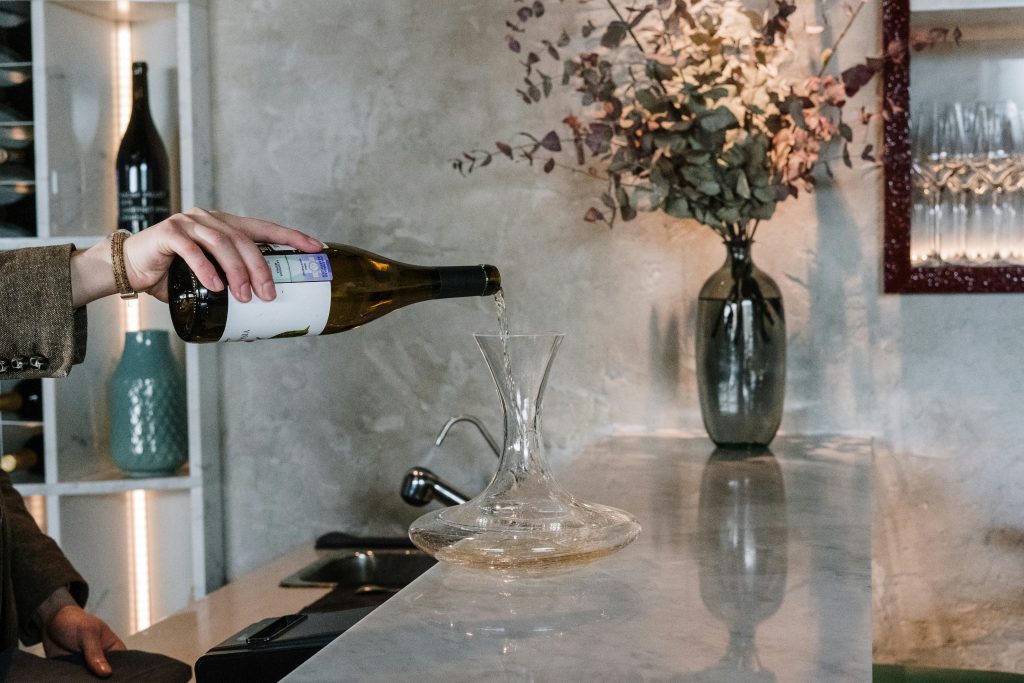
When you decant wine, you're doing one of two completely different things, and understanding which one matters for your bottle makes all the difference. Wine decanting serves two distinct purposes: aeration for young wines and sediment separation for older bottles.
Aeration works like magic on young, tannic red wines. When you expose these wines to oxygen, you're essentially waking them up. Tannins are that dry, grippy sensation you feel in red wine — think of how strong black tea tastes when it's piping hot versus when it cools down and becomes smoother. Decanting red wine works the same way. The oxygen softens those harsh tannins, opens up hidden aromas that were locked away, and broadens the flavors across your palate. Your Cabernet Sauvignon that tasted tight and closed suddenly becomes more approachable and expressive.
How Sediment Separation Changes Everything
Sediment separation is the other reason you'd decant wine, and it's completely different from aeration. As wine ages, especially red wines, solid particles naturally form and settle at the bottom of the bottle. These deposits aren't harmful, but they taste gritty and unpleasant if they end up in your glass.
When to decant wine for sediment removal requires a gentle touch. You're carefully pouring the clear wine away from these solids, leaving the murky stuff behind. This process has nothing to do with wine aerating vs decanting for flavor improvement — you're simply cleaning up the wine so you can enjoy it without any unwanted texture. Older wines often become more fragile with age, so this type of decanting needs to be done slowly and deliberately to preserve the wine's delicate character while removing the sediment that's accumulated over years or decades.
Does decanting wine actually make a difference?
When Decanting Makes a Real Difference
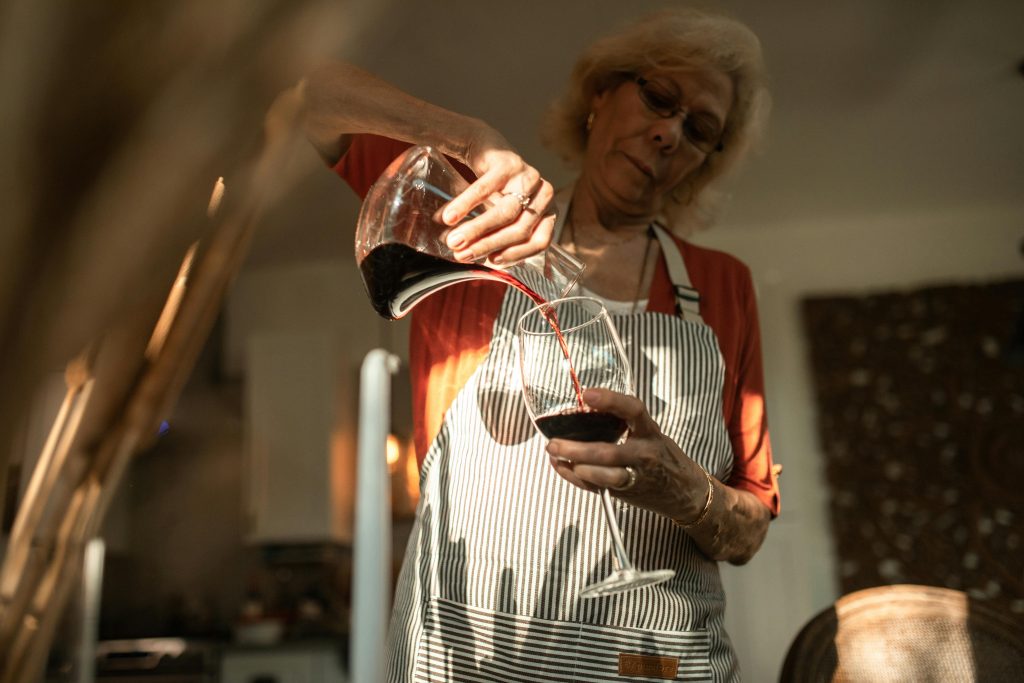
Yes, decanting wine actually makes a difference — but only for specific types of wine and in particular situations. The improvement isn't universal, and being honest about this will save you from wasting time and potentially harming delicate wines.
You'll notice the most dramatic improvements when decanting young, tannic red wines. These wines have tightly wound tannins that need oxygen exposure to soften and open up. A young Cabernet Sauvignon or Nebbiolo that tastes harsh straight from the bottle can transform into something much more approachable after 30 minutes to 2 hours of decanting. The difference here is genuinely remarkable — you're talking about a wine that goes from astringent and closed to smooth and expressive.
Very old wines with visible sediment also benefit significantly from decanting, but for different reasons. Here, you're not trying to change the wine's character through aeration — you're simply separating the clear wine from the gritty sediment that's accumulated over decades. This mechanical separation makes the wine much more pleasant to drink.
When Decanting Provides Minimal Benefits
Light red wines like Pinot Noir or Beaujolais rarely need decanting. These wines already have softer tannins and more delicate structures that don't require aggressive aeration. You might notice a slight opening up, but the difference is often so subtle that it's not worth the effort.
Most white wines fall into this category too. Their flavor profiles rely more on acidity and fruit character than tannin structure, so exposure to oxygen typically provides little to no improvement. In some cases, you might actually lose some of the wine's fresh, crisp qualities.
The Bottom Line on Effectiveness
Does decanting wine make a difference? The honest answer is that it depends entirely on what you're drinking. Your best indicator is the wine's tannin level and age. If you're dealing with a young, powerful red that makes your mouth pucker, decanting will likely help. If you're drinking a light, elegant wine that already tastes balanced, you can skip the decanter without missing anything important.
The key is matching your decanting decision to the wine's specific needs rather than assuming all wines benefit from the process.
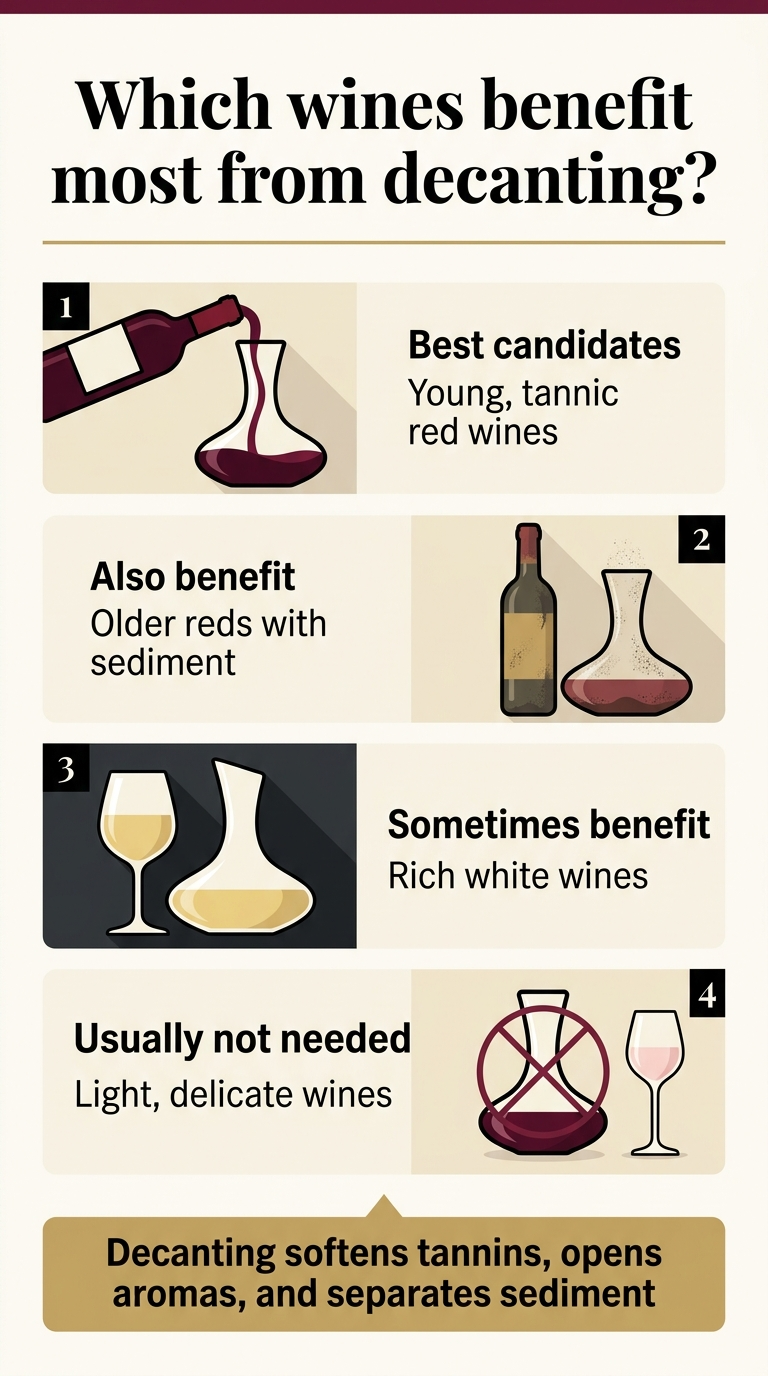
Which wines benefit most from decanting?
Full-Bodied Young Red Wines with High Tannins
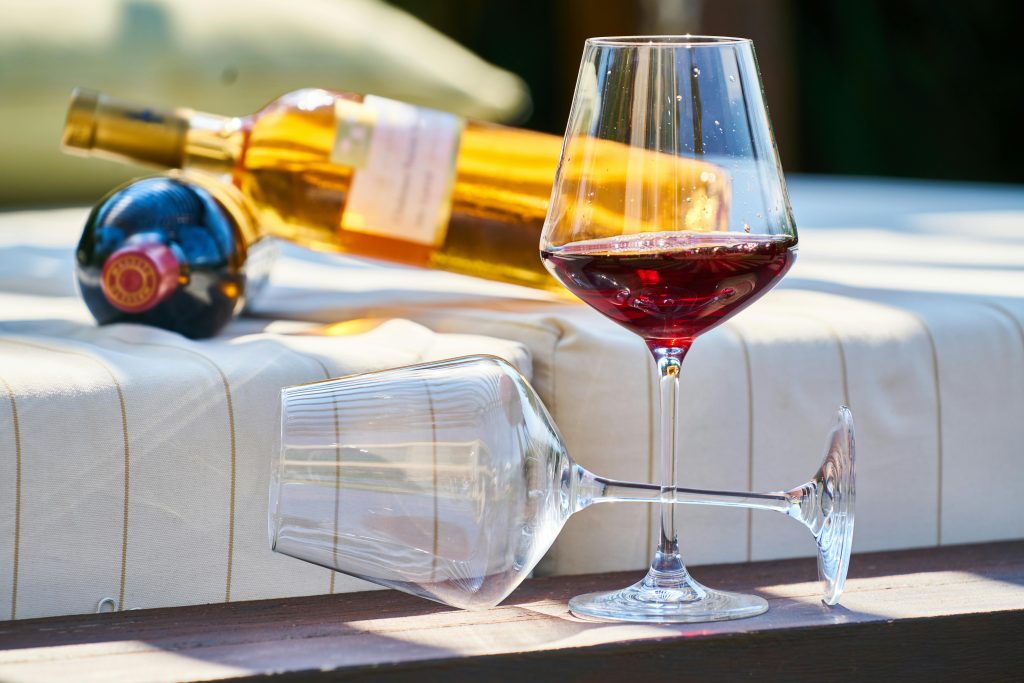
You'll get the biggest bang for your buck when decanting powerful young reds like Cabernet Sauvignon, Syrah, Malbec, Barolo, and Brunello. These wines are packed with tannins that can make them taste harsh and closed-off straight from the bottle. When you decant these wines, you're giving those tannins time to soften and the wine's flavors time to open up. The aeration process literally transforms the wine in your glass – what starts as tight and aggressive becomes smooth and expressive after proper wine decanting.
Young Cabernet Sauvignon particularly benefits from this treatment because its bold structure needs time to unwind. Similarly, Italian powerhouses like Barolo and Brunello di Montalcino contain such concentrated tannins that decanting red wine for at least an hour can make the difference between a good and extraordinary tasting experience.
Aged Red Wines Over 8 Years
Your older red wines need decanting for a completely different reason – sediment removal. When you've been aging wines for 8+ years, natural sediment forms at the bottom of the bottle. Decanting wine separates this gritty residue from the clear wine, giving you a clean pour every time. But here's the key: these aged wines also benefit from brief aeration, though much less than their younger counterparts.
The delicate flavors in aged wines can actually be damaged by too much air exposure, so you want to decant them gently and serve relatively quickly after opening.
Full-Bodied White Burgundy and Northern Rhône Whites
This might surprise you, but certain white wines actually improve with brief decanting. Full-bodied white Burgundy(Chardonnay) and northern Rhône whites like Hermitage Blanc have enough structure and complexity to benefit from a short 15-30 minute decant. These wines can taste tight when first opened, and gentle aeration helps their layers of flavor unfold more gracefully.
Which wines should never be decanted?
Very Old and Fragile Wines (15+ Years)
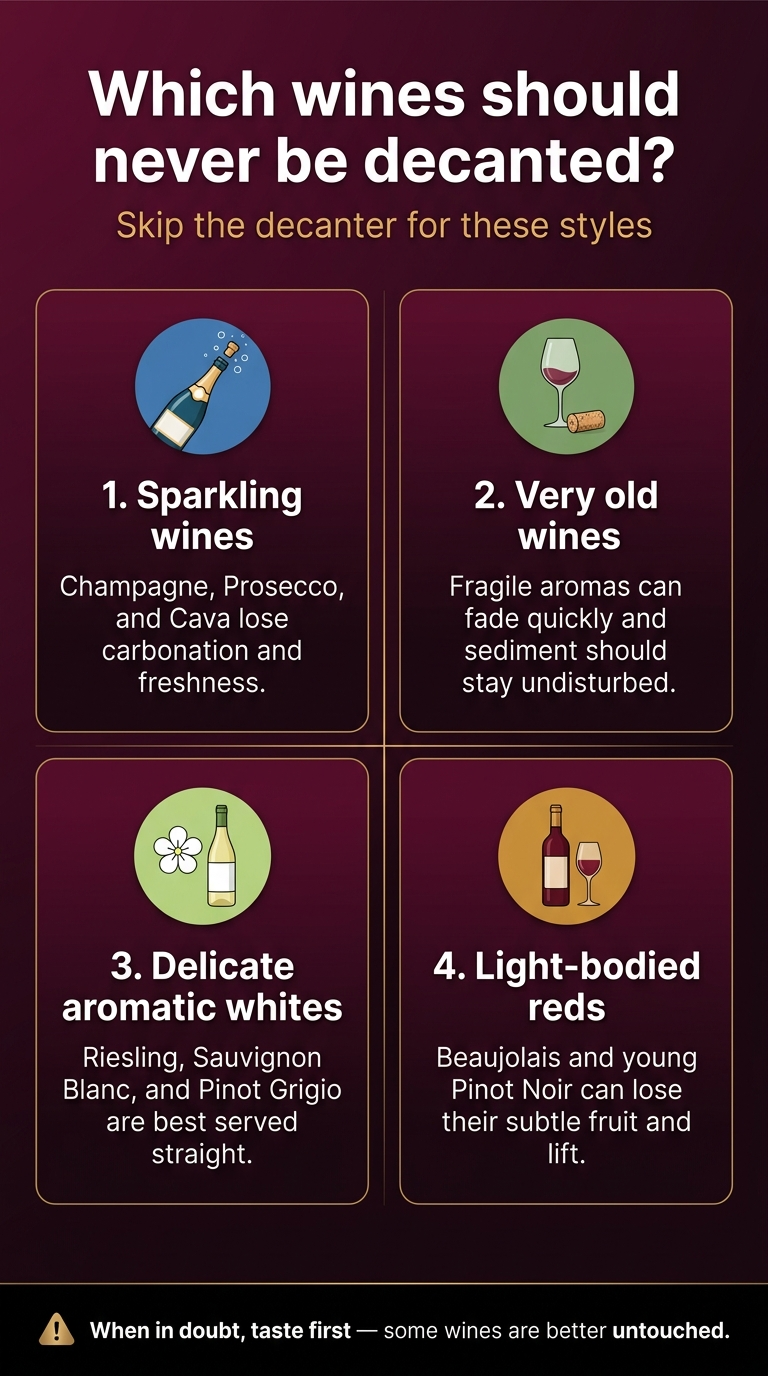
You should never decant wines that are 15-20 years old or older, especially delicate vintage bottles. These aged wines have developed complex, fragile aromas over decades that oxygen will destroy within minutes of exposure. When you decant an old Bordeaux or aged Burgundy, you're essentially watching years of careful aging disappear before your eyes. Pour these precious bottles directly into your glass and drink them immediately to preserve their delicate character.
Sparkling Wines and Champagne
Champagne and other sparkling wines lose their effervescence rapidly when decanted, which defeats the entire purpose of these celebratory wines. The bubbles that make sparkling wine special will dissipate quickly when exposed to the larger surface area of a decanter. Your expensive bottle of Dom Pérignon becomes flat, lifeless wine in mere minutes. Keep these wines in their original bottles and serve them directly from there.
Light, Delicate Red Wines
Certain red wines are simply too fragile for the decanting process. Old Pinot Noir and Gamay-based wines like aged Beaujolais can lose their subtle fruit character when exposed to too much oxygen. These wines rely on their delicate aromatics and light structure, which aggressive aeration can strip away completely. You'll end up with a wine that tastes hollow and lacking the nuanced flavors that made it special in the first place.
Rosé Wines
Rosé wines should never be decanted because they're meant to be served fresh and cold. Decanting warms the wine and exposes it to oxygen, which can dull the bright, crisp characteristics that make rosé so refreshing. These wines are crafted to showcase immediate fruit flavors and clean acidity that decanting will only diminish.
When in Doubt, Skip It
If you're unsure whether to decant a particular bottle, err on the side of caution and pour it directly. You can always let the wine breathe in your glass if needed, but you can't undo the effects of over-aeration once the damage is done.
How long to decant wine — a guide by wine type
Your decanting time depends entirely on what's in your bottle. Getting this wrong can either leave your wine underwhelmed or strip away precious aromas you've been waiting to enjoy.
Young, bold reds like Cabernet Sauvignon, Syrah, or Barolo need the longest exposure to air. These powerhouse wines have tight tannins and concentrated flavors that benefit from 1–2 hours of decanting. You'll taste the difference as harsh edges soften and complex flavors emerge.
Medium-bodied reds such as Merlot, Zinfandel, and Rioja hit their sweet spot with 30–60 minutes of decanting time. These wines have enough structure to handle extended aeration without losing their character, but they don't need as much time as their bolder cousins.
Light reds like Pinot Noir and Gamay require a gentle touch. Limit your decanting to 15–20 minutes maximum. These delicate wines can lose their subtle aromatics if you expose them to air for too long. Watch for that magical moment when the wine opens up, then serve immediately.
Full-bodied white wines including white Burgundy and Viognier can benefit from brief decanting of 15–20 minutes. This short exposure helps release their aromatic potential without compromising their freshness.
Aged reds with sediment need special attention. Decant for 20–30 minutes maximum – just long enough to separate the sediment but short enough to preserve those delicate, evolved aromas that took years to develop.
| Wine Type | Decanting Time | Why This Timing Works |
|---|---|---|
| Young Bold Reds (Cabernet, Syrah, Barolo) | 1–2 hours | Softens tight tannins, opens complex flavors |
| Medium-Bodied Reds (Merlot, Zinfandel, Rioja) | 30–60 minutes | Enhances fruit expression without over-exposure |
| Light Reds (Pinot Noir, Gamay) | 15–20 minutes max | Preserves delicate aromatics |
| Full-Bodied Whites (White Burgundy, Viognier) | 15–20 minutes | Releases aromatics while maintaining freshness |
| Aged Reds with Sediment | 20–30 minutes max | Separates sediment, protects evolved aromas |
Remember, these are starting points. Your wine's specific vintage, producer, and storage conditions all influence optimal decanting time. Start checking your wine at the minimum recommended time and adjust based on how it tastes and smells.
Young wine vs old wine: why decanting works differently for each
The Science Behind Age and Decanting
When you're deciding how to handle a bottle, understanding the wine's age changes everything about your decanting approach. Young wines are built like athletes before a workout – they need time and oxygen to reach their peak performance. Old wines behave more like delicate antiques that can crumble with too much handling.
Your young red wine has tightly wound tannins that benefit from extended aeration. These wines actually crave oxygen exposure because it helps soften harsh edges and allows complex flavors to emerge. You'll notice dramatic improvements after 30 minutes to 2 hours of decanting.
Old wines tell a completely different story. After decades in the bottle, they've already developed their character through slow, controlled aging. When you expose an aged wine to too much air, you're essentially fast-forwarding its decline. The delicate compounds that create those beautiful, nuanced flavors start breaking down within minutes of excessive oxygen contact.
Preparing Old Wine for Decanting
Your preparation starts 24 hours before you plan to open that special vintage bottle. Stand the bottle upright in a cool, stable location to let sediment settle at the bottom. This step prevents you from stirring up decades of accumulated deposits when you move the bottle.
Keep the bottle in the same position until you're ready to decant. Any movement can redistribute sediment throughout the wine, making your decanting efforts pointless.
The Candlelight Technique for Aged Wines
When decanting wine that's old enough to have significant sediment, you need perfect visibility to know when to stop pouring. Position a candle or bright light source directly behind the bottle's shoulder where the neck meets the body.
Pour slowly and steadily into your decanter while watching the light through the wine. You'll see the liquid flowing clearly at first, then notice sediment approaching the neck as a cloudy shadow. The moment you spot this sediment reaching the bottle's shoulder, stop pouring immediately.
This technique lets you capture the clean wine while leaving the sediment behind. Don't try to squeeze out every last drop – those final ounces aren't worth compromising your entire bottle.
Timing and Exposure Differences
Your approach to timing becomes crucial when decanting young wine vs old wine. Young wines can handle 1-3 hours of air exposure without losing their vitality. You can even decant them earlier in the day for evening service.
Old wines require surgical precision with timing. Decant them just 15-30 minutes before serving, and some extremely old bottles might only need the brief exposure that occurs during the decanting process itself. Watch for signs that the wine is fading – if aromatics start disappearing or flavors become muted, you've waited too long.
The key difference lies in understanding that oxygen acts as a friend to young wines but an enemy to old ones.
How to decant wine properly — step by step
The Setup: Essential Preparation
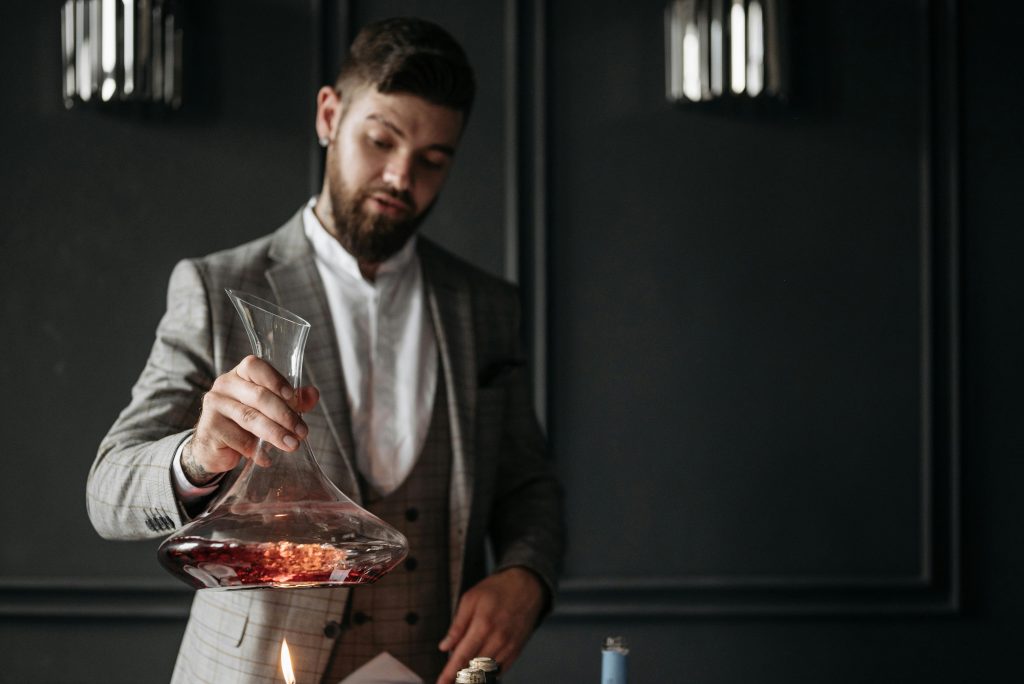
Before you start pouring, you need your equipment ready. Grab a clean decanter, place it on a stable surface, and have your bottle at hand. For old wines with sediment, you'll also want a light source—a candle, flashlight, or even your phone's flashlight works perfectly.
The most crucial step many people skip happens 24 hours before serving: if you're decanting an older wine, stand the bottle upright for a full day. This allows sediment to settle at the bottom, making your decanting process much cleaner and more effective.
Decanting Technique for Young Wines
Young wines need aggressive aeration, so your approach should be confident and purposeful. Open your bottle and position it about 6-8 inches above the decanter. Pour in one steady, continuous motion—don't pause or hesitate halfway through. The goal is to create maximum contact between wine and air.
Pour the wine down the curved side of the decanter rather than straight into the center. This creates a wider surface area as the wine flows, increasing aeration. The entire bottle should empty in about 30-45 seconds. Once poured, leave your decanter uncovered at room temperature for the recommended time based on your wine type.
Decanting Technique for Old Wines
Old wine requires a gentler touch since you're primarily removing sediment rather than aerating. Position your light source so it illuminates the neck of the bottle from below or behind. Start pouring slowly and steadily, watching the wine flow through the bottle neck.
Keep your eyes on that light-illuminated area where you can see through the glass. As you pour, sediment will gradually move toward the neck. The moment you see dark particles or cloudiness reaching the neck area, stop pouring immediately. You'll typically leave about an ounce of wine in the bottle—that's perfectly normal and necessary.
Serve old wines within 30 minutes of decanting since prolonged air exposure can diminish their delicate flavors.
Choosing the Right Decanter Shape
Your decanter's shape directly impacts aeration effectiveness. Wide-bottomed decanters with broad bases provide maximum surface area, perfect for young wines that need aggressive breathing. The classic ship's decanter or globe-shaped vessels work excellently here.
For older wines where you want minimal air contact, choose narrower decanters with smaller openings. These limit oxidation while still allowing you to separate wine from sediment effectively.

How to decant wine without a decanter
Using a Glass Jug or Carafe
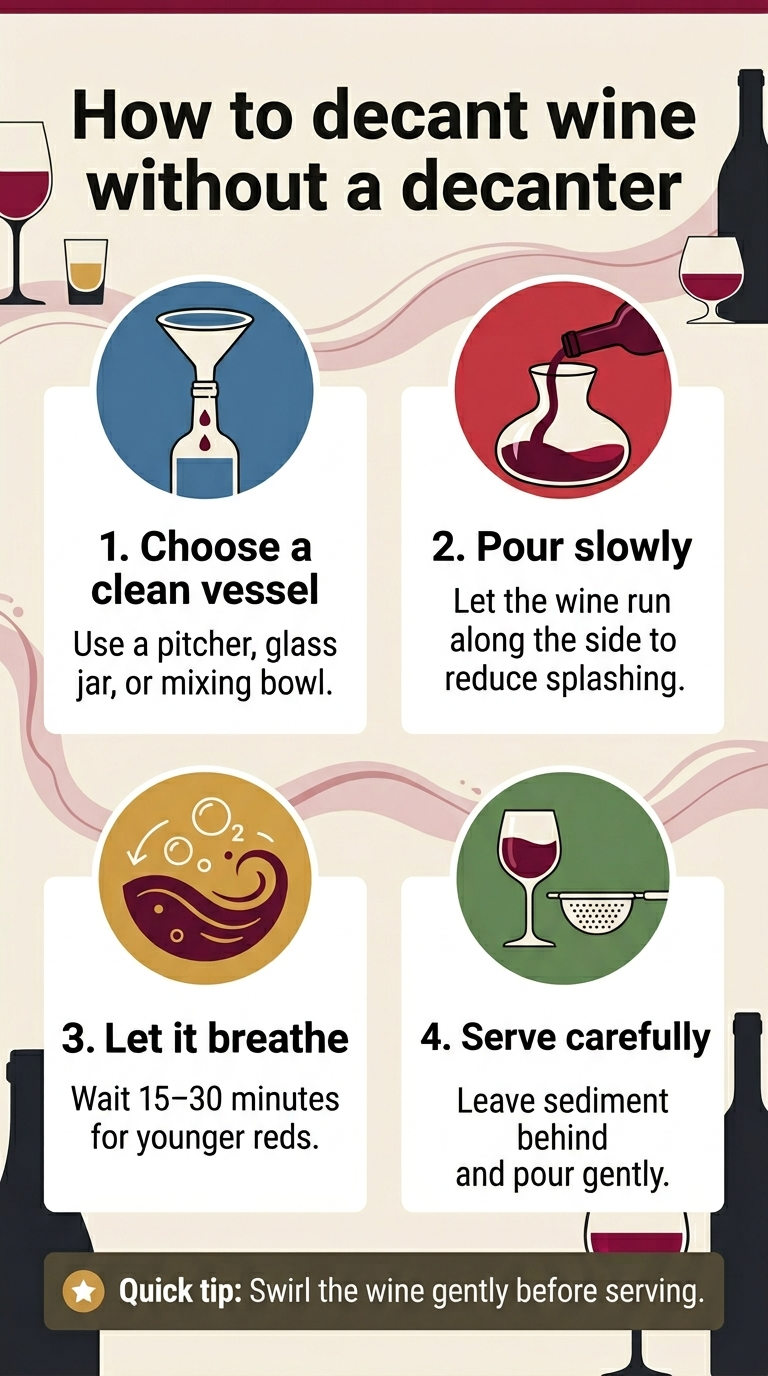
You probably have the perfect decanting vessel sitting in your kitchen right now. Any clean glass jug, carafe, or even a large pitcher works beautifully for decanting wine. The shape doesn't matter nearly as much as you might think—what counts is giving your wine space to breathe and exposure to air.
Pour your wine slowly into your chosen vessel, just like you would with a traditional decanter. The wider opening allows for maximum aeration, which is exactly what young red wines need to open up their flavors. Your wine will get the same benefits whether it's in a $200 crystal decanter or a $10 glass pitcher from the grocery store.
The Two-Glass Method
When you need quick aeration and don't have any large vessels handy, grab two wine glasses and get ready for some gentle back-and-forth action. Pour your wine into the first glass, then slowly pour it into the second glass. Repeat this process twice more, and you've just given your wine a solid aeration boost.
This wine aerating technique works particularly well for younger wines that need to soften their tannins quickly. You'll see the wine picking up oxygen with each pour, and the gentle agitation helps release those locked-in aromas. It's not as elegant as traditional decanting, but it gets the job done in under two minutes.
Simply Opening Early
Sometimes the simplest approach works best. Open your bottle 45-60 minutes before you plan to serve it, and let it sit on your counter. The small surface area at the bottle's neck limits aeration, but it's enough for lighter wines or when you're short on other options.
This method works best with wines that need just a touch of air rather than aggressive aeration. You won't get the dramatic transformation that comes with proper decanting wine, but you'll notice some softening of harsh edges.
When These Methods Fall Short
Be honest about what you're working with here. These alternatives work great for young wines that simply need aeration to show their best side. But if you're dealing with an older wine loaded with sediment, you'll need either a proper decanter or extremely careful pouring technique. The sediment issue can't be solved with makeshift vessels—you need the control and clarity that comes with traditional wine decanting techniques.
Your backup methods shine with everyday wines that benefit from a little air exposure, but they're not miracle workers for every bottle in your collection.
Avoiding Common Decanting Mistakes
That Ruin Wine
You might think more time always equals better results, but when it comes to wine decanting, timing is everything. Many wine enthusiasts make the mistake of following generic “one-hour rule” advice without considering what's actually in their glass. Your delicate Pinot Noir needs completely different treatment than your bold Cabernet Sauvignon.
Over-decanting can strip away subtle flavors and aromatics that took years to develop. You'll notice this especially with older wines, where extended exposure to air can turn elegant complexity into flat disappointment. Young, tannic reds like Barolo or Bordeaux can handle 2-4 hours of decanting, but your mature Burgundy might only need 15-30 minutes before it starts losing its character.
On the flip side, under-decanting leaves you with a wine that hasn't reached its potential. Those tight tannins remain harsh, and the bouquet stays locked away. You're essentially drinking an unfinished version of what could be a spectacular experience.
Handling Sediment Incorrectly
Sediment handling separates amateur wine decanting from professional technique. Your biggest mistake here is rushing the process or handling the bottle carelessly before you even start. When you shake or jostle an aged wine right before opening, you're stirring up sediment that could have settled peacefully at the bottom.
Store your wine upright for 24-48 hours before decanting if possible. This gives sediment time to settle properly. When you're ready to decant, pour slowly and steadily in one continuous motion. Stop the moment you see any cloudiness approaching the neck of the bottle.
Many people also make the error of trying to get every last drop from the bottle. Those final ounces often contain the most sediment, and including them will cloud your entire decanter. You're better off leaving that last bit behind rather than compromising the clarity of your perfectly decanted wine.
Temperature Mistakes That Impact Decanting
Your wine's temperature during decanting dramatically affects the entire process, yet this gets overlooked constantly. Room temperature varies significantly, and what feels comfortable to you might be too warm for optimal wine decanting. Most red wines should be slightly cooler than typical room temperature when you begin the decanting process.
If your wine is too warm, decanting accelerates oxidation beyond beneficial levels. You'll get rapid flavor changes that can turn pleasant development into unwanted deterioration. Too cold, and the decanting process becomes sluggish, preventing proper aeration and aromatic release.
Check your wine's temperature before you start. Red wines generally perform best when decanted at 60-65°F. If your bottle has been sitting in a warm room, consider briefly chilling it before decanting. White wines that benefit from decanting (yes, some do) should be even cooler, around 50-55°F.
Using the Wrong Decanter Shape or Size
Your decanter choice affects how wine decanting works, but many people grab whatever's available without thinking about compatibility. Wide-based decanters with large surface areas work beautifully for young, robust wines that need aggressive aeration. However, these same decanters can over-expose delicate older wines to too much air too quickly.
For aged wines, you want a decanter with a narrower base and longer neck to control air exposure. The shape should allow gentle swirling without creating excessive turbulence. Those dramatic, ultra-wide artistic decanters might look impressive, but they can actually harm certain wines.
Size matters too. Using an oversized decanter for a single bottle creates too much headspace, leading to excessive oxidation. Your wine needs contact with air, not swimming in it. Choose a decanter that accommodates your wine volume with minimal excess space above the liquid.
Is a wine decanter worth buying?
When You Should Invest in a Wine Decanter
A wine decanter is absolutely worth it if you regularly drink young tannic red wines or aged bottles that have sediment. You'll taste the difference immediately – especially with Cabernet Sauvignon, Barolo, or vintage Bordeaux that's been sitting in your cellar for years.
However, skip the purchase if your wine cabinet consists mainly of light reds, whites, or rosé. These wines rarely benefit from decanting, so your money would be better spent on the wine itself.
What Makes a Good Wine Decanter
When you're shopping for a decanter, focus on function over flashy design:
-
Wide base for maximum aeration surface – This gives your wine the most contact with air
-
Easy-pour spout that doesn't splash wine everywhere when you serve
-
Simple cleaning access – Avoid decanters with narrow necks that trap wine residue
-
Stable construction that won't tip over easily
Budget vs. Premium: What You Actually Need
Here's the honest truth about wine decanter pricing: a simple lead-crystal decanter under €30 does exactly the same job as a €200 designer piece. Both aerate your wine and separate sediment equally well.
Save your money for better wine instead of an expensive decanter. The only real differences in pricier models are aesthetics and brand names – not performance.
Types of Wine That Justify the Purchase
You'll get the most value from a decanter if you regularly drink:
-
Young Bordeaux, Barolo, or Barbaresco (under 10 years old)
-
Cabernet Sauvignon and Malbec from recent vintages
-
Any red wine with visible sediment regardless of age
-
Vintage ports that need sediment separation
If these wines make up a significant part of your drinking routine, a decanter becomes an essential tool rather than a luxury accessory.
Conclusion
You now have all the tools to transform your wine drinking experience through proper decanting. The science is clear – decanting really does make a difference for the right wines, whether you're helping a young red wine open up by exposing it to oxygen or carefully separating an old wine from its sediment. Red wines like Cabernet Sauvignon and Syrah shine after 30 minutes to 2 hours of decanting, while delicate older wines need just a gentle pour and brief exposure to air. Remember to skip decanting for most white wines, sparkling wines, and extremely fragile vintage bottles that might fall apart with too much handling. Store your wine properly.
Your wine doesn't need to stay locked away waiting for the perfect decanter either. A simple carafe, pitcher, or even a clean vase can do the job beautifully. The key is understanding your wine's needs and giving it the right amount of time and air exposure. Start experimenting with your next bottle – taste it before and after decanting to see the difference for yourself. Once you experience how decanting can unlock hidden flavors and smooth out harsh edges, you'll wonder why you waited so long to try it.
Decanting Is One Piece of the Serving Puzzle
Getting decanting right works in combination with every other aspect of how you serve wine — and the improvements compound quickly. Our guide to red and white wine serving temperatures covers the ideal temperature ranges for every wine style covered in this post, since temperature and decanting time are closely linked — a wine that's too warm or too cold will respond differently to aeration. Our wine storage guide covers the long-term conditions that determine whether a wine develops the sediment that needs decanting in the first place, including temperature, humidity, and bottle position. And if decanting has sparked a broader interest in how wines evolve over time, our aged wine guide explains what actually happens inside the bottle during aging and which wines are worth cellaring for the long haul. For a visual guide to decanter shapes and pouring techniques, Wine Folly's decanting guide is one of the clearest free resources available. Decant right, serve at the right temperature, and store properly — and every bottle becomes a better experience. 🍷