
Why Wine Has Tannins: A Simple Explanation
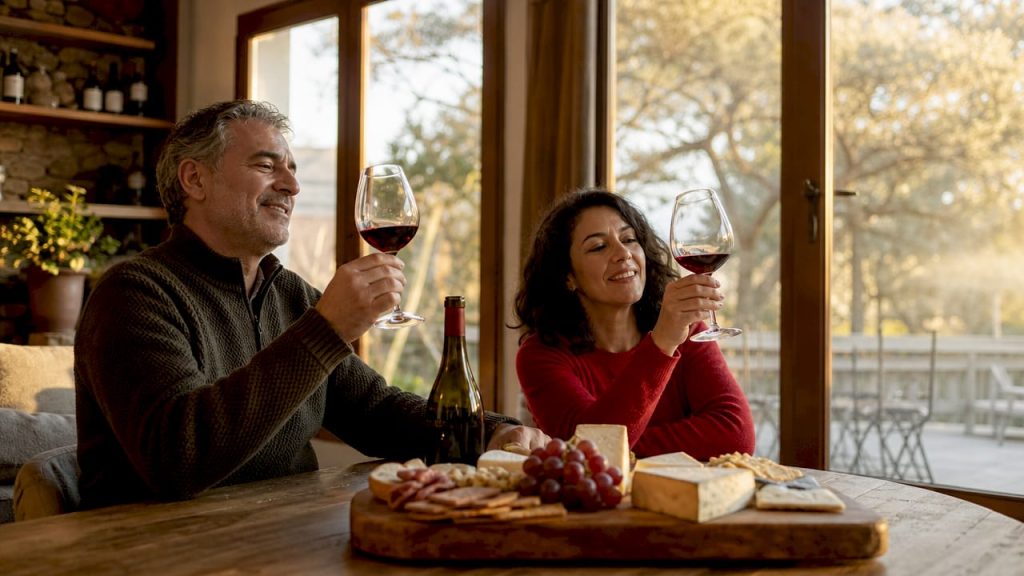
Wine has tannins because grapes and oak naturally contain polyphenols that extract into the wine during production, giving it structure, astringency, and the ability to age. That dry, slightly grippy feeling after a sip of Cabernet Sauvignon? That’s tannin at work.
Here’s why it matters to you as a drinker:
- Plant defense chemistry: Grapes produce tannins in their skins, seeds, and stems to deter insects and resist disease. They’re a survival mechanism, not a winemaking additive.
- Maceration during winemaking: When red wine ferments with grape skins and seeds, tannins dissolve into the juice. Longer skin contact means more tannin in your glass.
- Oak barrel aging: Wood contributes its own tannins during aging, adding texture and complexity beyond what the grape alone provides.
- Why it matters: Tannins shape how wine feels in your mouth, how it pairs with food, and how long it can age in a cellar.
Affiliate Disclosure: Some links on Fine Wine World are affiliate links, meaning we may earn a paid commission if you click through and make a purchase — at no extra cost to you. Affiliate programs use cookies to track commissions, which may collect personal data. You can read more about how we handle your data in our Privacy Policy and Affiliate Disclosure. We only recommend products we genuinely trust.
Table of Contents
- Why wine has tannins: the simple chemistry behind it
- Where do tannins in wine actually come from?
- What does tannic wine taste like, and why does it dry your mouth?
- Why do red wines usually have more tannins than whites?
- How tannins give wine structure and help it age
- Which grapes and wines tend to be high or low in tannins?
- How to reduce or avoid tannins when choosing or serving wine
- Are tannins in wine actually good for you?
- Try this tasting exercise to feel tannin for yourself
- Key Takeaways
- Tannins matter more than most beginners realize
- Further reading and sources used in this article
Why wine has tannins: the simple chemistry behind it
Tannins are a group of plant polyphenols found in bark, wood, leaves, seeds, and skins. Plants evolved them primarily as a defense against animals and pathogens. Bite into an unripe grape and you’ll feel exactly what tannins are designed to do: make the experience unpleasant enough to discourage eating.
In chemistry terms, tannins are large, complex molecules with a strong tendency to bind proteins. That binding ability is what creates the dry, puckering sensation in your mouth and is also what made tannins useful in leather tanning and beverage clarification for centuries. The word “tannin” itself comes from the Old French word for oak bark used in the tanning process.
You already know tannins from everyday life. Steep a bag of black tea for five minutes and take a sip. That drying, slightly bitter sensation is tannin. Dark chocolate and walnuts carry it too. Wine is simply another delivery vehicle, and in wine, the concentration and character of tannins vary enormously depending on the grape and how it was made.
Where do tannins in wine actually come from?
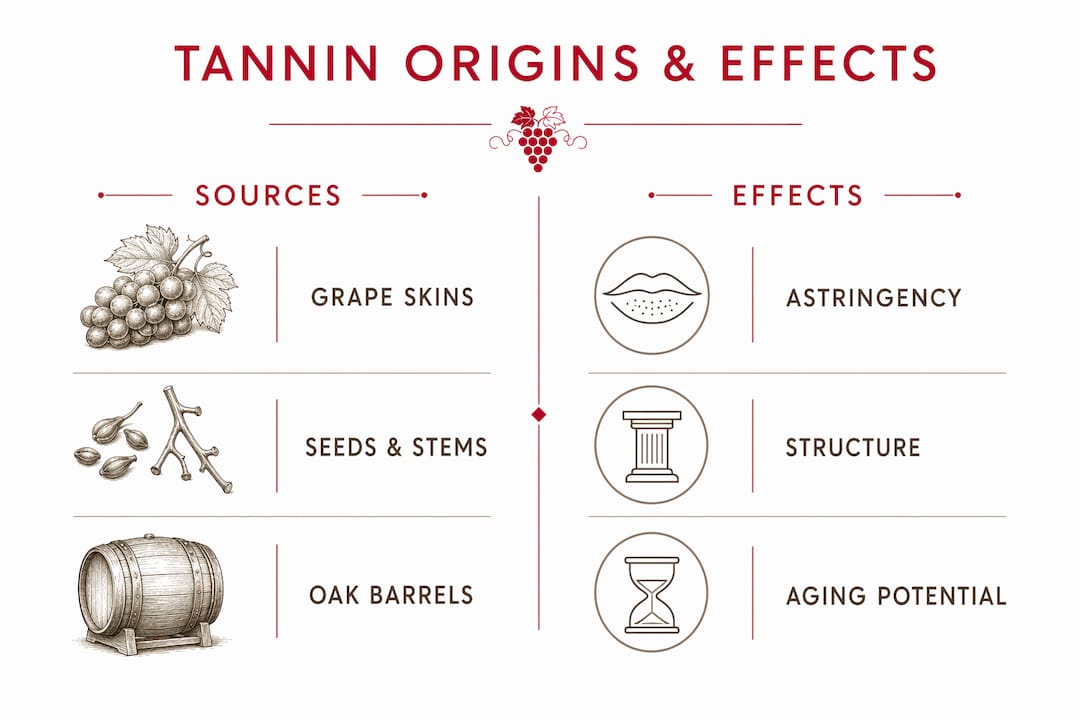
Wine draws tannins from four main sources, and each one contributes a slightly different character:
- Grape skins: The richest source of tannins in most red wines. Skin tannins tend to be silkier and are closely linked to color compounds called anthocyanins. They’re extracted quickly once fermentation begins.
- Seeds (pips): Seed tannins are firmer and can taste more bitter or astringent, especially if the grapes weren’t fully ripe at harvest. Seed extraction happens more slowly than skin extraction because the seed’s physical structure resists the process.
- Stems: Including whole clusters in fermentation adds a woody, sometimes green tannic character. Some winemakers love it for structure; others avoid it entirely. Research confirms that wines made with a portion of undestemed clusters contain measurably higher tannin levels.
- Oak barrels or chips: Wood contributes ellagitannins, a different class of tannin from the grape’s condensed tannins. New oak adds more than older barrels, and the effect suits full-bodied wines better than lighter styles.
Some winemakers also add commercial tannin powders or solutions during production. These are typically derived from grape seeds, oak, or chestnut and are used to boost structure, improve color stability, or correct a wine that came out too soft. It’s a legitimate tool, though most quality-focused producers rely on the grape itself.
What does tannic wine taste like, and why does it dry your mouth?
Astringency and bitterness are not the same thing, and understanding the difference helps you identify tannin accurately. Bitterness is a taste sensation detected on your tongue. Astringency is a tactile feeling, a drying, roughening sensation across your gums and the inside of your cheeks.
Tannins cause astringency by binding to proteins in saliva, reducing lubrication. Your mouth normally feels smooth because saliva coats it. When tannins grab those salivary proteins and pull them out of solution, that coating disappears. The result feels like sandpaper or dry velvet, depending on the wine.
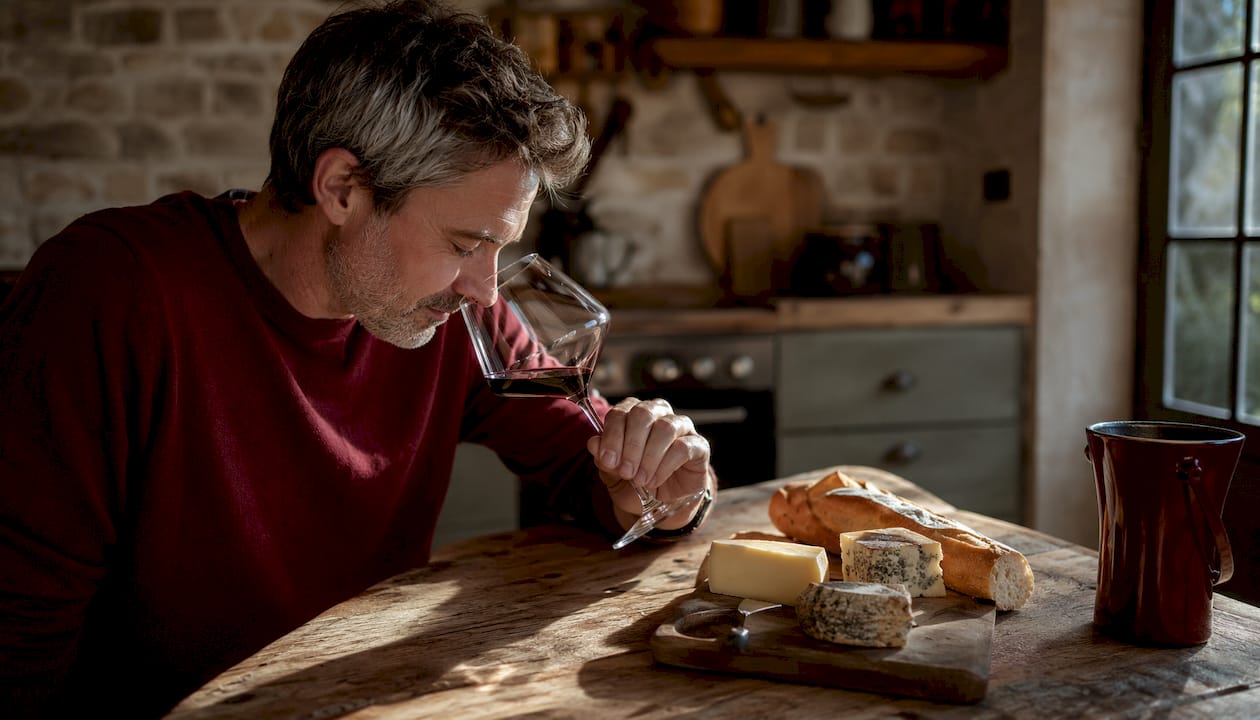
Pro Tip: To isolate tannin from acidity, try this: take a sip of lemon water (high acid, no tannin) and notice the sharp, mouth-watering sensation. Then sip a tannic red and notice the drying, gripping feeling instead. Acid makes your mouth water; tannin makes it dry. Once you feel the difference, you’ll never confuse them again.
Strong black tea steeped for five minutes is the most accessible tannin reference most people have at home. The sensation it produces is nearly identical to a young, tannic red wine. Unripe fruit, particularly unripe persimmons or plums, gives an even more intense version of the same experience.
Why do red wines usually have more tannins than whites?
The answer comes down to one word: maceration. Here’s how the production difference plays out:
- Red wine ferments with its skins. After crushing, the juice stays in contact with grape skins, seeds, and sometimes stems for days or weeks. Tannins and color compounds dissolve into the fermenting liquid throughout that period.
- White wine is pressed before fermentation. The juice is separated from the skins almost immediately, so very little tannin makes it into the wine. That’s why most whites feel crisp and smooth rather than grippy.
- Orange (amber) wines are the exception. These are white grapes made like red wines, with extended skin contact. The result is a white wine with a noticeably tannic, textured character that surprises many first-time drinkers.
- Oak-aged whites pick up some tannin from the barrel. A white Burgundy or an oaked Chardonnay won’t be tannic in the same way as a red, but the wood contributes a subtle firmness that unoaked versions lack.
- Some reds are intentionally low-tannin. Beaujolais Nouveau, for example, uses carbonic maceration, a technique that limits tannin extraction and produces a soft, fruity style. The grape variety matters, but so does the method.
The red vs. white tannin divide is fundamentally a production choice, as explained in detail in this article on how apple wine differs from hard cider. The same Pinot Noir grape can yield a pale, delicate red with gentle tannins or, if made with whole clusters and extended maceration, something considerably more structured. Winemakers dial tannin up or down deliberately.
How tannins give wine structure and help it age
Think of tannins as the backbone of a red wine. They frame the fruit, contribute perceived weight, and give the wine a sense of shape in your mouth. A wine without tannins can taste flat or flabby, even if the fruit flavors are lovely. With tannins, there’s grip, definition, and length.
Over time in the bottle, tannins undergo polymerization: small tannin molecules link together into larger chains. Those larger chains are less reactive with your salivary proteins, so the wine feels softer and smoother. Tannins also react with anthocyanins) to form stable pigment complexes, which is why aged red wines shift from bright purple-red toward garnet and brick tones. The sediment you sometimes find in an old bottle is largely these polymerized tannin-pigment complexes falling out of solution.
That said, not every tannic wine ages gracefully. Wines with harsh, green tannins from underripe grapes rarely improve with time, no matter how long you wait. Ripe, well-integrated tannins are the ones that soften and evolve. And some whites age beautifully on acidity and minerality alone, with no tannin required. Tannin is one path to ageability, not the only one. For a deeper look at how to cellar wines that benefit from tannin development, Fine-wine-world’s guide to aging wine is a good next step.
Which grapes and wines tend to be high or low in tannins?
Grape variety sets a baseline, but winemaking choices can push that number in either direction.
Higher-tannin varieties: Cabernet Sauvignon, Nebbiolo (the grape behind Barolo and Barbaresco), Tannat, Syrah/Shiraz, and Sagrantino are among the most tannic grapes grown commercially. Young Barolo, in particular, is famous for tannins so firm they can feel almost chewy in their first few years.
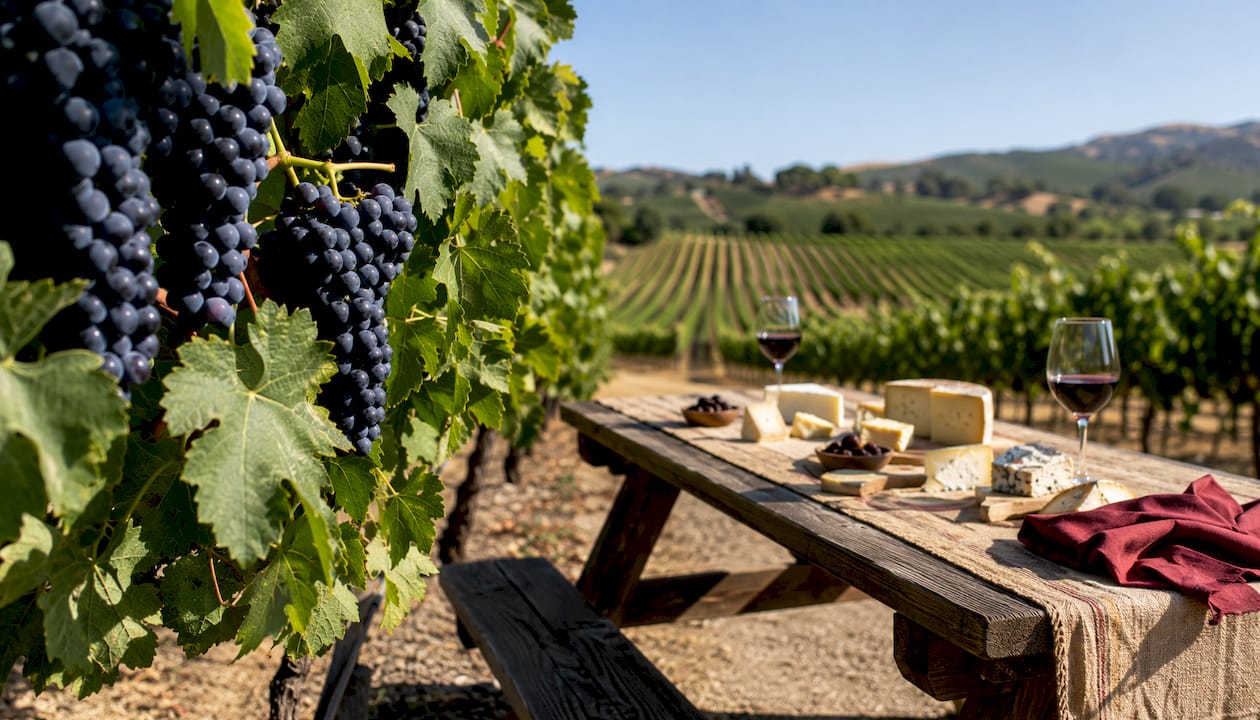
Lower-tannin varieties: Gamay (Beaujolais), Grenache, Pinot Noir, and Dolcetto tend to produce wines with softer, less assertive tannins. Grenache, despite being a thick-skinned grape, often shows more alcohol and fruit than grip. Pinot Noir sits in the middle, capable of silky elegance or surprising firmness depending on the producer.
Winemaking choices can override varietal tendencies entirely. A Grenache made with extended maceration and new oak can end up more structured than a lightly extracted Cabernet. Conversely, a high-yield, machine-harvested Cabernet from a warm climate can taste surprisingly soft because diluted fruit and ripe tannins read very differently than a concentrated, youthfully tannic premium bottle. For a side-by-side look at how two classic high-tannin varieties compare, the Fine-wine-world breakdown of Cabernet vs. Merlot is worth a read.
How to reduce or avoid tannins when choosing or serving wine
If you find tannic wines uncomfortable, you have more options than just switching to white.
When shopping:
- Choose lower-tannin varieties: Gamay, Grenache, Pinot Noir, or any rosé.
- Look for wines labeled “unoaked” or “lightly oaked” to avoid barrel-derived tannin.
- Younger vintages of lighter styles tend to have softer tannins than aged, premium reds.
At the table:
- Pair tannic reds with fatty, protein-rich foods. A ribeye steak or a sharp aged cheddar works because the proteins and fats in the food occupy the tannins before they can bind to your saliva. The wine instantly feels smoother. This is the single most effective tannin-softening trick at the dinner table.
- Avoid pairing tannic reds with salty or acidic dishes alone. Salt can amplify bitterness, and acid-on-acid combinations can make tannins feel harsher.
Decanting:
- A short decant helps a young, tannic wine open up slightly by allowing some oxidation and letting the wine warm to room temperature.
- Extended decanting for a longer period suits very young, structured wines like a Barolo or a young Napa Cabernet.
- Older wines with sediment should be decanted carefully but briefly, just long enough to separate the wine from the deposit.
For more on how texture and tannin interact with specific foods, Fine-wine-world’s guide to texture in wine pairing goes deeper on the mechanics.
Are tannins in wine actually good for you?
Tannins are natural polyphenols with antioxidant properties, and they’re present in many foods we consider healthy, including green tea, dark chocolate, and berries. Some research has explored whether the polyphenols in red wine, including tannins and resveratrol, offer cardiovascular or anti-inflammatory benefits at moderate consumption levels.
The honest answer is: the evidence is promising but not conclusive, and it comes with a significant caveat. Any potential benefit from polyphenols in wine has to be weighed against the well-documented harms of alcohol consumption. Drinking wine specifically for health reasons isn’t something most nutrition scientists recommend, and the chemistry of tannins in Vitis species is still being actively studied. If you enjoy a glass of red wine with dinner, the tannins aren’t hurting you. But they’re not a health supplement either.
This article is general information, not medical or dietary advice. For guidance specific to your health situation, consult a qualified professional.
Try this tasting exercise to feel tannin for yourself
This three-sip exercise takes about ten minutes and works with wines you likely already have at home.
Sip 1: A white wine or rosé. Take a small sip and hold it for a moment. Notice the acidity, the slight mouth-watering sensation, and the clean finish. There’s little to no astringency. This is your baseline.
Sip 2: A lightly macerated red. A Beaujolais, a young Pinot Noir, or a light Grenache works well. Notice how the texture changes slightly. There’s a little more weight, maybe a faint grip at the back of your gums, but nothing dramatic.
Sip 3: A tannic red or very-steeped black tea. A young Cabernet Sauvignon, a Barolo, or a cup of black tea steeped for five minutes. This is where you’ll feel the full effect: the drying sensation across your gums and cheeks, the way the wine seems to grip rather than glide.
Between sips, try a bite of aged cheese or a piece of toasted bread. Notice how the tannin sensation softens immediately. That’s the protein-binding mechanism in action: the food’s proteins absorb the tannins before they reach your saliva.
Pro Tip: Pay attention to where the sensation lives. Acid tingles on the sides of your tongue and makes you salivate. Tannin dries the gums and inner cheeks and makes you want to swallow. Once you locate those two sensations separately, reading a wine’s structure becomes much easier.
If you want to build on this kind of hands-on tasting, Fine-wine-world’s wine tasting guide covers the full sensory vocabulary in the same approachable style.
Key Takeaways
Tannins are natural polyphenols from grape skins, seeds, stems, and oak that give wine its dry, grippy texture, structural backbone, and aging potential.
| Point | Details |
|---|---|
| Tannins come from the grape and the barrel | Skins, seeds, stems, and oak all contribute tannins; each source adds a different texture and character. |
| Maceration explains the red/white divide | Red wines ferment with their skins; whites are pressed first, so they extract far less tannin. |
| Astringency is the key tannin sensation | Tannins bind salivary proteins, creating a dry, grippy feeling that is distinct from bitterness or acidity. |
| Ripe tannins age well; green ones often don’t | Polymerization softens tannins over time, but only wines with ripe, well-integrated tannins truly benefit from cellaring. |
| Food and decanting soften tannin perception | Fatty, protein-rich foods and a short decant both reduce the astringent impact of a tannic wine at the table. |
Tannins matter more than most beginners realize
There’s a tendency in beginner wine education to treat tannins as a minor detail, something to mention briefly before moving on to flavor notes and food pairings. I think that undersells them completely.
Tannins are the reason red wine feels different from white wine in your mouth. They’re the reason a young Barolo can feel almost uncomfortable to drink but becomes something extraordinary after a decade in the cellar. They’re the reason a ribeye and a Cabernet Sauvignon is one of the most satisfying pairings in all of food and wine. Understanding tannins doesn’t just satisfy curiosity. It changes how you shop, how you pair, and how you taste.
What I find most interesting is how much winemakers can manipulate tannin without changing the grape variety at all. The same Nebbiolo cluster, handled differently in the cellar, can produce a wine that’s approachable in two years or one that needs fifteen. That’s not magic. It’s maceration time, pressing choices, and barrel selection. Once you understand those levers, you start reading wine labels and tasting notes with a completely different eye.
Fine-wine-world exists to make exactly this kind of knowledge accessible to everyday wine lovers, whether you’re exploring your first bottle or building a cellar. If tannin and aging have caught your interest, the wine regions guide is a natural next step for understanding how climate and terroir shape tannin character across the world’s great growing areas.
Further reading and sources used in this article
- Tannins — USDA Forest Service: The biological origin and historical uses of tannins in plants, leather tanning, and beverage clarification.
- What Are Tannins in Wine? — Food & Wine: A practical overview of maceration and how skin contact drives tannin extraction in red winemaking.
- What Are Tannins, Really? — Wine Enthusiast: Covers the sensory mechanism of astringency, the protein-binding process, and winemaking choices that shape tannin levels.
- Tannins (Wine) — Wikipedia): A useful reference for polymerization, color stabilization, and the chemistry of tannin aging in the bottle.
- What Are Tannins, and Why Do They Matter? — Forbes: Addresses ageability and the important distinction between ripe and harsh tannins.
- Chemistry and Reactivity of Tannins in Vitis spp. — PMC/NCBI: Peer-reviewed science on tannin extraction, salivary protein binding, and how winemaking conditions affect tannin concentration across grape species.