
Wine Fridge Temperature Settings: The Complete Guide
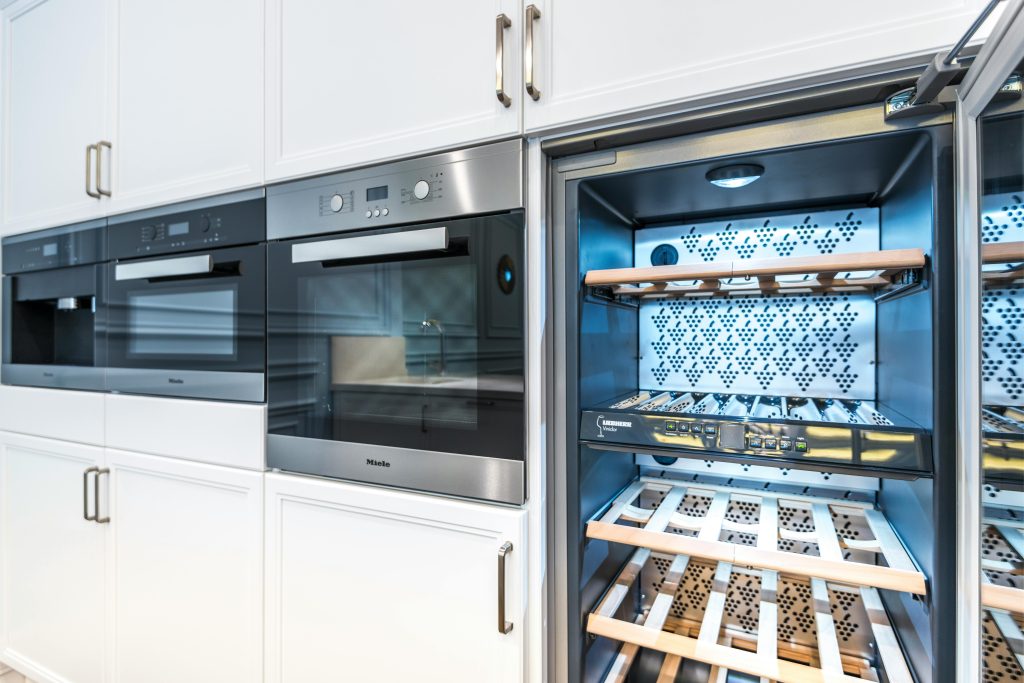
This guide is for wine enthusiasts who want precise wine refrigerator temperature recommendations, whether you're storing a few bottles or managing a serious collection. You'll learn the exact single zone wine fridge temperature to use for mixed storage, plus the optimal dual zone wine fridge settings that let you store reds and whites at their ideal temperatures simultaneously.
We'll cover the specific wine fridge red and white temperature ranges for different wine styles, from light whites and rosés to full-bodied reds and sparkling wines. You'll also discover why your wine fridge temperature might be fluctuating and get practical solutions to keep your wines at their perfect serving temperature every time.
The quick answer: exact wine fridge temperature settings
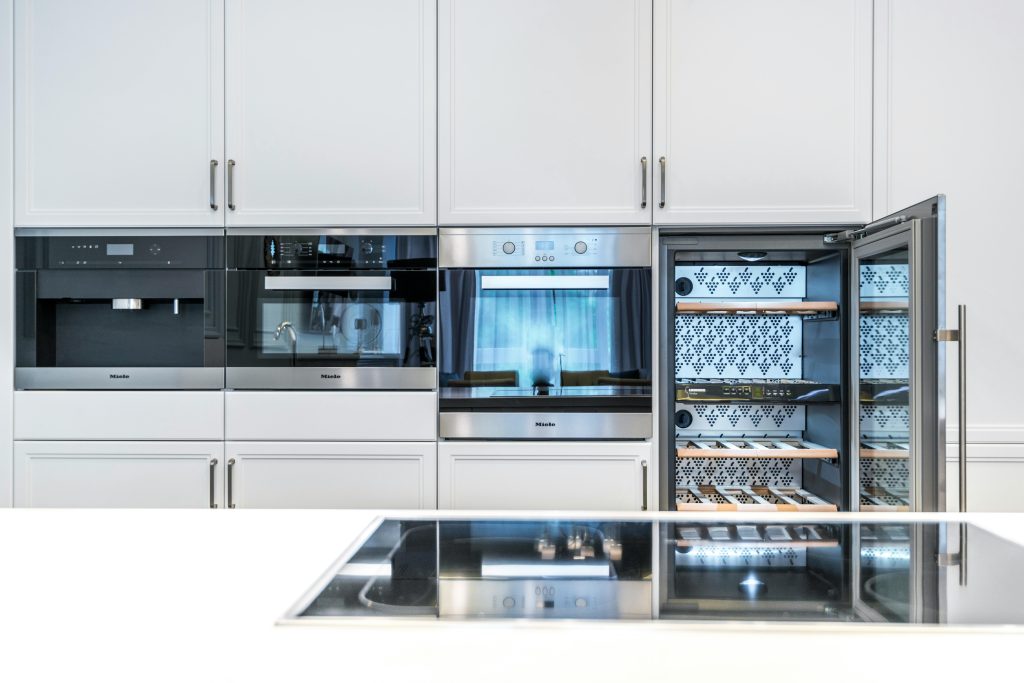
You need your wine fridge temperature settings right now? Here's what you set and forget:
Single zone wine fridge: 55°F (13°C)
Dual zone upper compartment: 45°F (7°C)
Dual zone lower compartment: 60–65°F (15–18°C)
These temperatures work for 90% of wine collections, giving you the perfect balance between proper storage and serving readiness.
Quick Reference Temperature Table
| Wine Type | Single Zone | Dual Zone Position | Temperature |
|---|---|---|---|
| Red wines (all types) | 55°F (13°C) | Lower compartment | 60–65°F (15–18°C) |
| White wines | 55°F (13°C) | Upper compartment | 45°F (7°C) |
| Rosé wines | 55°F (13°C) | Upper compartment | 45°F (7°C) |
| Champagne & Sparkling | 55°F (13°C) | Upper compartment | 45°F (7°C) |
Why These Wine Fridge Temperature Settings Work
Your single zone wine fridge at 55°F hits the sweet spot for long-term storage. This temperature protects your wine from premature aging while keeping it cool enough to serve most wines without major adjustments. You might need to warm reds slightly or chill whites a bit more before serving, but your wine stays perfectly preserved.
For dual zone wine fridge settings, you get the luxury of storing wines at their ideal temperatures. Your reds stay in the warmer lower zone at 60–65°F, ready to serve immediately. Meanwhile, your whites, rosés, and sparkling wines chill in the upper compartment at 45°F, perfect for popping open anytime.
These wine cooler temperature settings protect your investment. Temperature fluctuations damage wine faster than almost anything else, so consistency matters more than hitting the exact degree. Your wine fridge maintains stable conditions that expensive wine cellars have used for centuries.
Single zone wine fridge: the exact setting to use
The Universal 55°F Setting
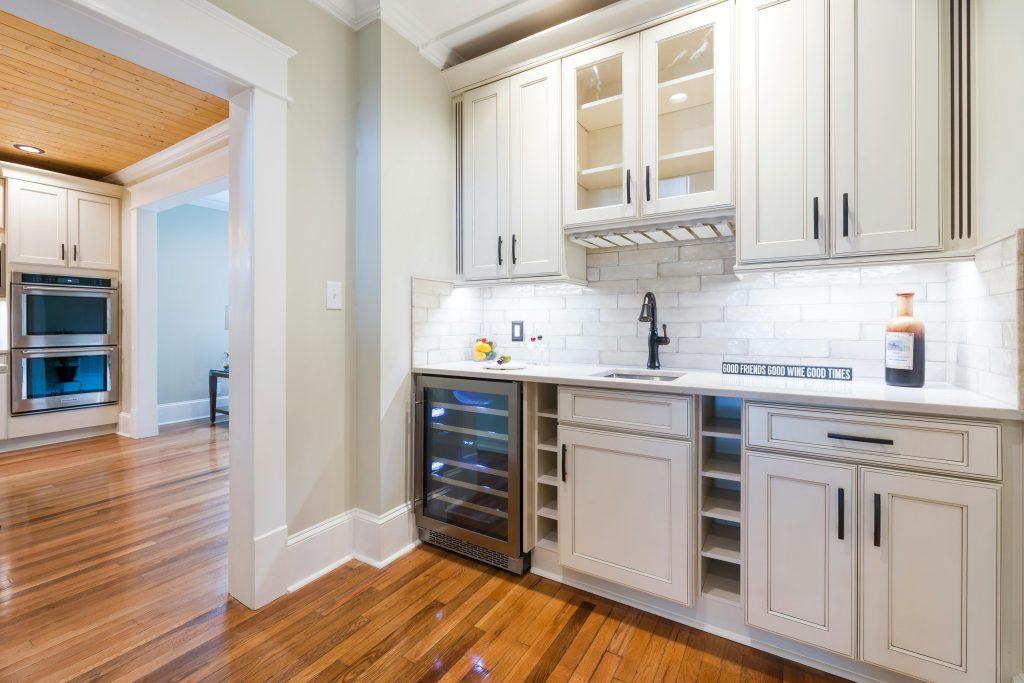
When you're shopping for a single zone wine fridge temperature setting that works for everything in your collection, 55°F (13°C) is your best friend. This wine fridge temperature hits the sweet spot between preserving your reds and keeping your whites at proper storage conditions. You won't need to constantly adjust settings or worry about whether you're damaging your bottles.
Think of 55°F as the Switzerland of wine cooler temperature settings – it's neutral territory where all your wines can coexist peacefully. Your Cabernet Sauvignon won't suffer, and your Chardonnay won't complain. This temperature prevents the rapid aging that comes with heat while avoiding the cork-shrinking problems of overly cold storage.
Adjusting for Your Collection's Personality
Your wine collection probably leans one way or another, and you can fine-tune accordingly. If you're primarily a white wine drinker with bottles of Sauvignon Blanc, Pinot Grigio, and Riesling dominating your fridge, dial it down to 50°F (10°C). This cooler wine refrigerator temperature better matches what these lighter wines need for optimal preservation.
On the flip side, if your collection skews toward bold reds like Malbec, Syrah, and aged Bordeaux, bump your setting up to 58°F (14°C). This slightly warmer temperature respects the structure of fuller-bodied wines without pushing them into the danger zone.
Why 55°F Works as Your Set-and-Forget Solution
The beauty of the 55°F setting lies in its reliability for mixed collections. You don't need to play temperature roulette every time you add a new bottle. Whether you're storing a $15 everyday Pinot Noir next to a special occasion Champagne, this best temperature for wine fridge storage keeps everything stable.
Your wines will age gracefully at this temperature, developing complexity without the stress of temperature swings. The consistent environment means you can focus on enjoying your collection rather than micromanaging your fridge settings.
Dual zone wine fridge settings: exact temperatures for each zone
Optimal Temperature Zones for Maximum Wine Quality
Your dual zone wine fridge gives you the power to create perfect storage conditions for every wine in your collection. The upper zone should be set to 40–50°F (4–10°C) for whites, rosé, and sparkling wines, while the lower zone works best at 55–65°F (13–18°C) for red wines. These dual zone wine fridge settings aren't just suggestions—they're based on how different wine styles develop their flavors and aromas.
The temperature difference between zones makes a dramatic impact on your wine's quality. When you store everything at a compromise temperature around 50–55°F, you're forcing your wines to live in conditions that aren't ideal for any of them. Your reds become too cold and shut down their complex flavors, while your whites lose their crisp, refreshing qualities.
What Goes in the Upper Zone (40–50°F)
Your upper zone becomes home to wines that shine when served chilled. Place these wines in your cooler upper compartment:
-
Sauvignon Blanc, Pinot Grigio, and Albariño (40–45°F for maximum crispness)
-
Champagne and Prosecco (40–45°F to preserve bubbles and acidity)
-
Rosé wines (45–50°F to highlight their fresh fruit character)
-
Light white wines like Vinho Verde (40–45°F for refreshing qualities)
-
Dessert wines when you want them ready to serve immediately
The cooler temperatures in this zone slow down chemical reactions that can dull bright acidity and fresh fruit flavors. Your wine fridge temperature settings for this zone preserve the zippy, clean characteristics that make these wines so appealing.
What Goes in the Lower Zone (55–65°F)
Your lower zone creates the perfect environment for red wines to develop complexity. Store these wines in your warmer lower compartment:
-
Cabernet Sauvignon and Malbec (60–65°F to allow full-bodied flavors to emerge)
-
Pinot Noir and Burgundy (55–60°F to maintain delicate aromatics)
-
Chianti and Sangiovese (58–62°F for balanced fruit and earth notes)
-
Full-bodied white wines like oaked Chardonnay (50–55°F when you prefer them less chilled)
-
Port and fortified wines (60–65°F for optimal complexity)
These warmer temperatures allow red wines to express their full range of flavors without the harsh tannins that emerge when they're too cold.
Why Separate Zones Beat Compromise Temperatures
When you set a single-zone fridge to 55°F as a compromise, you're actually compromising the quality of every bottle. Your wine refrigerator temperature choices directly affect how wines taste when you open them. Reds stored too cold taste harsh and closed-off, while whites stored too warm lose their refreshing edge and can develop off-flavors more quickly.
The separate zones in your dual-zone unit let each wine style live in its sweet spot, developing the exact characteristics that make them enjoyable to drink.
Wine fridge temperature for red wine by body type
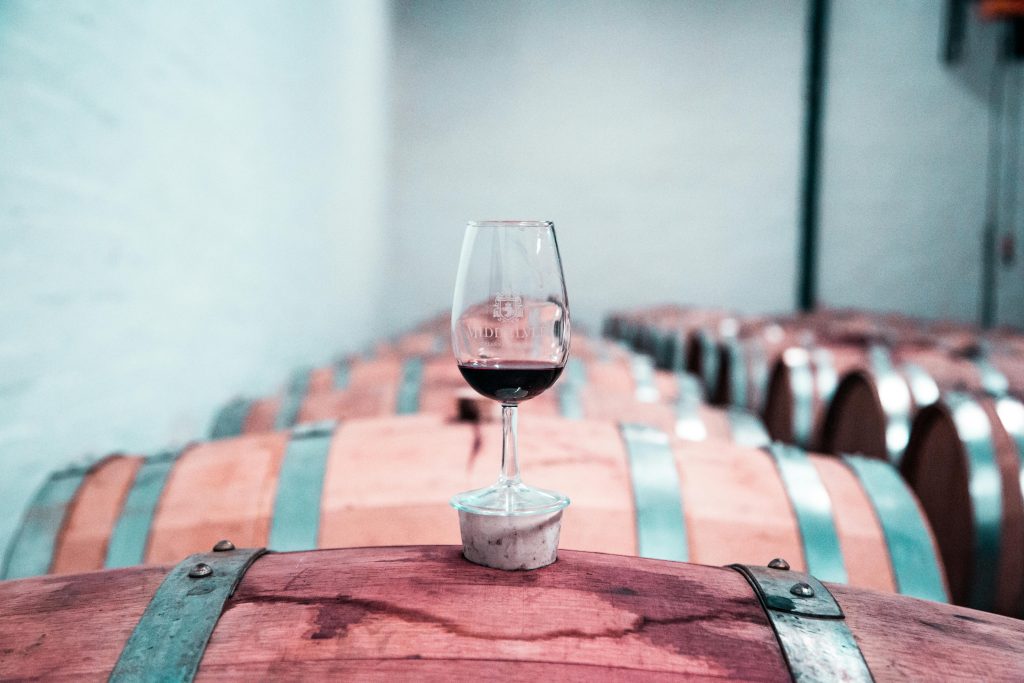
Full-Bodied Red Wines
Your bold, powerful reds like Cabernet Sauvignon, Barolo, and Syrah need the warmest storage temperatures in your wine fridge. Set your wine refrigerator temperature between 60–65°F (15–18°C) for these robust wines. These wines have intense tannins and complex flavor profiles that benefit from slightly warmer storage, allowing their intricate characteristics to develop properly.
The higher wine fridge temperature settings for full-bodied reds help preserve the wine's structure while maintaining its aging potential. Cabernet Sauvignon, with its bold blackcurrant notes and firm tannins, performs best at 62–65°F. Barolo, the king of Piedmont wines, requires similar treatment to protect its delicate balance of power and elegance. Syrah and Shiraz varieties also thrive in this temperature range, preserving their peppery spice and dark fruit characteristics.
Medium-Bodied Red Wines
Your medium-bodied reds like Merlot, Chianti Classico, and Sangiovese need a slightly cooler environment. Set your wine cooler temperature settings to 58–62°F (14–17°C) for these wines. This temperature range strikes the perfect balance for wines that have moderate tannins and medium intensity flavors.
Merlot's soft, approachable character shines when stored at these temperatures, preserving its plush texture and fruit-forward profile. Chianti Classico, with its bright acidity and cherry-driven flavors, maintains its food-friendly nature in this range. These wines don't require the warmth that full-bodied reds need, but they're still more robust than lighter styles.
Light-Bodied Red Wines
Your delicate light reds like Pinot Noir, Gamay, and Dolcetto perform best at cooler temperatures. Set your wine fridge to 55–58°F (13–14°C) for these wines. This cooler range preserves their subtle aromatics and prevents the delicate flavors from becoming muted or overwhelmed.
Pinot Noir, especially Burgundian styles, requires this careful temperature control to maintain its silky texture and complex earth-and-fruit balance. Gamay-based wines like Beaujolais also benefit from cooler storage, preserving their fresh, bright character and food-pairing versatility. When you store light reds at temperatures that are too warm, you risk losing the very qualities that make these wines special.
Wine fridge temperature for white wine and rosé

Full-Bodied White Wines: Rich and Complex
Your full-bodied whites like Chardonnay, Viognier, and aged Riesling need a warmer wine fridge temperature setting of 50–55°F (10–13°C). These wines have more complexity and weight, so serving them too cold will mask their beautiful flavors and aromas.
When you chill a buttery Chardonnay or an aromatic Viognier below 50°F, you're essentially muting everything that makes these wines special. The oak notes, fruit complexity, and rich mouthfeel that you paid good money for simply disappear. Your wine refrigerator temperature for these varietals should allow their full character to shine through.
If you're storing these wines in a dual zone wine fridge, dedicate your upper zone to this temperature range. The slightly warmer setting brings out the vanilla notes in oaked Chardonnay and the floral aromatics in Viognier that make these wines so appealing.
Light and Crisp White Wines: Fresh and Vibrant
Your light, crisp whites like Sauvignon Blanc, Pinot Grigio, Albariño, and Sancerre perform best at 45–50°F (7–10°C). This wine cooler temperature setting preserves their bright acidity and fresh, clean finish that makes them so refreshing.
These wines are all about vibrancy and crispness. When your wine fridge settings are too warm, they lose that refreshing quality and can taste flat or dull. Too cold, and you won't taste the subtle fruit notes and mineral characteristics that define each varietal.
Your single zone wine fridge temperature should lean toward the cooler end of this range if you primarily drink light whites. This setting works perfectly for:
-
Sauvignon Blanc (maintains its grassy, citrusy notes)
-
Pinot Grigio (preserves delicate pear and apple flavors)
-
Albariño (keeps its mineral-driven character intact)
-
Vermentino (maintains its coastal, saline qualities)
Rosé: The Perfect Balance
Your rosé wines hit their sweet spot at 45–50°F (7–10°C), the same range as light white wines. This temperature brings out rosé's delicate fruit flavors while maintaining the crisp finish that makes it such a crowd-pleaser.
Most rosés are made in a light, fresh style that benefits from cooler serving temperatures. Your wine fridge temperature should be consistent in this range whether you're storing Provence rosé, Spanish rosado, or domestic pink wines. The cooler temperature enhances their refreshing quality while preventing any potential warmth from making them taste flat.
Sweet White Wines: Delicate and Dessert-Perfect
Your dessert wines and sweet whites require the coldest wine refrigerator temperature at 43–48°F (6–9°C). This includes late-harvest Riesling, Moscato, ice wine, Sauternes, and Tokaj.
The cooler temperature balances the sweetness and prevents these wines from tasting cloying. When you serve sweet whites too warm, the sugar becomes overwhelming and masks the fruit flavors and acidity that create balance. Your wine fridge settings for these special bottles should prioritize maintaining their delicate, honeyed characteristics.
This temperature range also works perfectly for lighter Moscato d'Asti and German Kabinett Rieslings, where you want to preserve both the subtle sweetness and bright acidity that makes these wines so food-friendly.
Wine fridge temperature for Champagne and sparkling wine
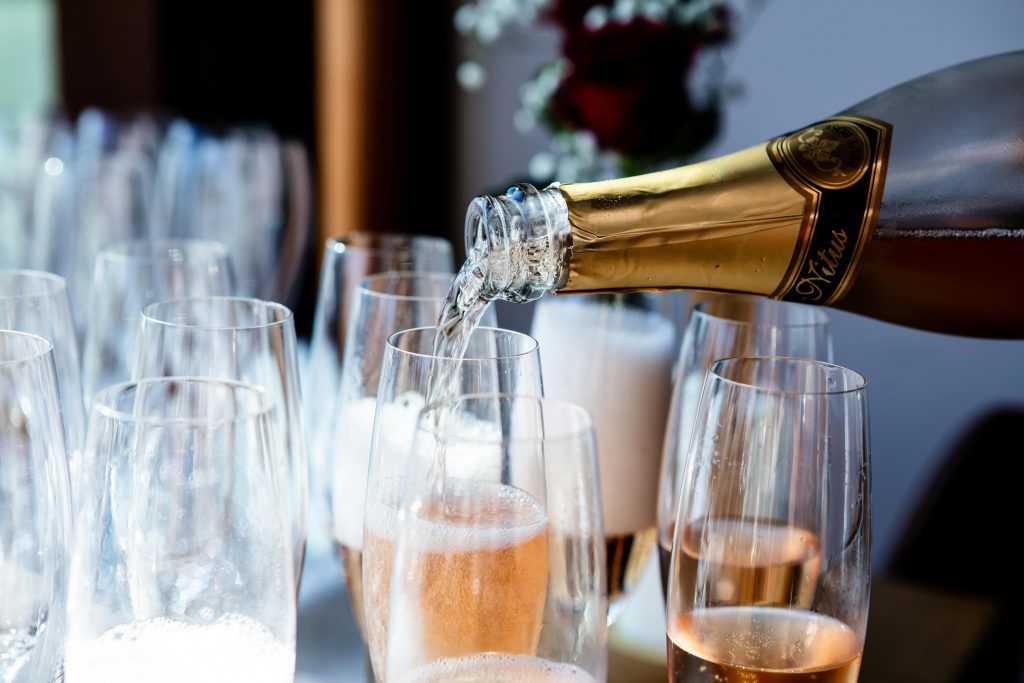
Optimal Storage Temperature for Sparkling Wines
Your sparkling wines and Champagne require the coolest spot in your wine fridge, with the ideal storage temperature ranging between 40–50°F (4–10°C). This cooler setting helps preserve the delicate bubbles and prevents premature aging that can dull those crisp, effervescent qualities you love.
When you're setting up your wine cooler temperature settings, place your sparkling wines in the coldest zone available. If you own a dual zone wine fridge, dedicate the lower temperature zone specifically for your Champagne collection. Single zone wine fridge owners should set their units to accommodate sparkling wines if that's primarily what you're storing.
The Serving Temperature Difference
Here's something many wine enthusiasts miss: your serving temperature should be even colder than your storage temperature. While you store Champagne at 40–50°F, the perfect serving temperature drops to 38–45°F (3–7°C). This means you'll need to transfer your bottles from your wine refrigerator to your regular kitchen refrigerator about 2–3 hours before serving.
This extra chilling step might seem like a hassle, but it makes a noticeable difference in taste. The cooler serving temperature enhances the wine's acidity and makes those bubbles feel more vibrant on your palate.
Why Temperature Precision Matters for Sparkling Wine
Sparkling wines are particularly sensitive to temperature fluctuations. When your wine fridge temperature settings are too warm, you risk:
-
Lost carbonation: Higher temperatures cause CO2 to escape faster
-
Premature oxidation: Heat speeds up chemical reactions that can flatten flavors
-
Cork expansion: Warm conditions can cause corks to expand and potentially push out
Your investment in quality Champagne deserves the protection that proper wine fridge temperature provides. Even a few degrees can mean the difference between a celebratory pop and a disappointing fizz.
Best Practices for Champagne Storage
Store your bottles horizontally in your wine cooler to keep corks moist and maintain seal integrity. Avoid frequent temperature changes by keeping your wine fridge settings consistent and limiting how often you open the door.
Why your wine fridge temperature may be fluctuating — and how to fix it
Common Causes of Temperature Fluctuations
Your wine fridge temperature settings might be perfect, but if the actual temperature keeps bouncing around, you'll still end up with poorly stored wine. Several factors can cause these frustrating fluctuations, and the good news is that most are fixable with some simple detective work.
A degraded door seal is often the biggest culprit behind unstable wine cooler temperature settings. When the rubber gasket around your door starts cracking or losing its flexibility, warm air sneaks in constantly. You can test this by closing a dollar bill in the door at various points – if it slides out easily, your seal needs attention.
Overpacking your wine fridge creates another major problem. When bottles block the internal fans or air vents, cold air can't circulate properly, creating hot and cold spots throughout the unit. Your wine fridge temperature readings might look fine on the display, but individual bottles could be experiencing very different conditions.
Location matters more than you might think. Placing your wine refrigerator near heat sources like ovens, dishwashers, or even in direct sunlight forces the compressor to work overtime. This constant battle against external heat leads to temperature swings that no wine fridge settings can compensate for.
Simple Diagnostic Steps You Can Take
Start with a thorough inspection of your door seal. Run your hand around the edges while the unit is running – you shouldn't feel any cold air escaping. Clean the gasket with warm, soapy water and check for cracks or warping. If you find damage, replacing the seal is usually straightforward and much cheaper than buying a new unit.
Check your bottle arrangement next. Remove enough bottles to ensure clear airflow around all internal vents and fans. Your wine collection needs breathing room – aim for about 10-15% open space to maintain consistent dual zone wine fridge settings or single zone performance.
Use an independent thermometer to verify accuracy. Place it in different spots within your wine fridge and compare readings to your digital display. Significant differences between locations or from the display reading indicate circulation or calibration issues.
When to Call for Professional Help
If you've addressed seal and airflow issues but your wine fridge temperature still fluctuates wildly, the compressor might be failing. Warning signs include unusual noises, the unit running constantly, or inability to reach your target wine refrigerator temperature despite working fans and good seals.
Electrical issues can also cause erratic behavior. Frequent power cycling, error codes, or a display that shows impossible temperatures usually require professional diagnosis. Don't attempt electrical repairs yourself – these systems are complex and safety is paramount.
Does getting the temperature wrong actually affect taste?

The Science Behind Temperature and Wine Quality
When you store wine at the wrong temperature, you're literally changing its chemical composition. Heat accelerates the aging process and breaks down the delicate compounds that give wine its character. Your carefully selected bottle transforms from a complex, layered experience into something flat and disappointing.
Even a seemingly small mistake like keeping your wine fridge temperature settings just 5°F above the ideal range can produce noticeable changes in as little as six months. Your wine loses its vibrant fruit flavors, the tannins become harsh and unbalanced, and those subtle notes you paid extra for simply disappear.
How Heat Damages Your Wine Investment
Temperature fluctuations are wine's worst enemy. When your wine cooler temperature settings aren't stable, the liquid inside each bottle expands and contracts. This pushes the cork in and out, allowing oxygen to seep in and spoil your wine. You'll taste the difference immediately – oxidized wine has a flat, lifeless quality that no amount of decanting can fix.
Red wines suffer particularly when stored above 65°F. The alcohol becomes overpowering, masking the fruit and spice notes you want to enjoy. White wines stored too warm lose their crisp acidity and develop an almost cooked flavor that ruins their refreshing quality.
Cold Storage Problems You Need to Avoid
Setting your wine refrigerator temperature too low creates different but equally serious problems. Wines stored below 45°F go into hibernation mode – their flavors become muted and refuse to open up, even after you bring them to proper serving temperature. You'll find yourself swirling and aerating endlessly, wondering why your expensive bottle tastes so underwhelming.
The tannins in red wine become especially problematic when stored too cold. They clump together and create an astringent, bitter taste that overwhelms everything else in the glass.
Single zone vs dual zone: which is right for you?

Understanding Your Wine Storage Needs
Your choice between single zone and dual zone wine fridges comes down to what you actually drink and how seriously you take wine storage. If you're someone who primarily enjoys one type of wine—maybe you're a red wine enthusiast or you stick mostly to whites—a single zone wine fridge temperature setting might be perfect for your needs.
Single zone units let you set one temperature throughout the entire fridge, typically around 55°F (13°C), which works well as a compromise for most wines. They're simpler to operate, more affordable, and perfect if you're not planning to store vastly different wine types simultaneously.
When Dual Zone Makes Sense
Dual zone wine fridge settings become valuable when you regularly drink both reds and whites. These units give you the flexibility to store your Cabernet at 60-65°F (15-18°C) in the upper zone while keeping your Chardonnay at 45-50°F (7-10°C) in the lower zone. You'll get optimal storage conditions for both wine types without compromise.
Consider dual zone if you entertain frequently, have a diverse wine collection, or want to age different wines under their ideal conditions. The separate zones mean your wine fridge red and white temperature requirements are both perfectly met.
Price vs. Performance
Single zone wine coolers typically cost $200-800 less than comparable dual zone models. You'll find quality single zone options starting around $300, while dual zone units usually begin around $500-600. The price difference might seem significant, but if you're investing in wines worth hundreds or thousands of dollars, the upgrade cost becomes relatively small compared to protecting your investment.
Making Your Decision
Choose single zone if you:
-
Drink primarily one wine type
-
Want simplicity and lower cost
-
Have limited wine variety
-
Prefer straightforward wine cooler temperature settings
Choose dual zone if you:
-
Regularly drink both reds and whites
-
Want optimal storage for different wine styles
-
Entertain guests with varying preferences
-
Plan to build a diverse wine collection
The upgrade to dual zone typically pays for itself if you're storing wines worth more than $20-30 per bottle or if you drink equal amounts of reds and whites throughout the year.
Wine fridge temperature settings: complete quick reference table
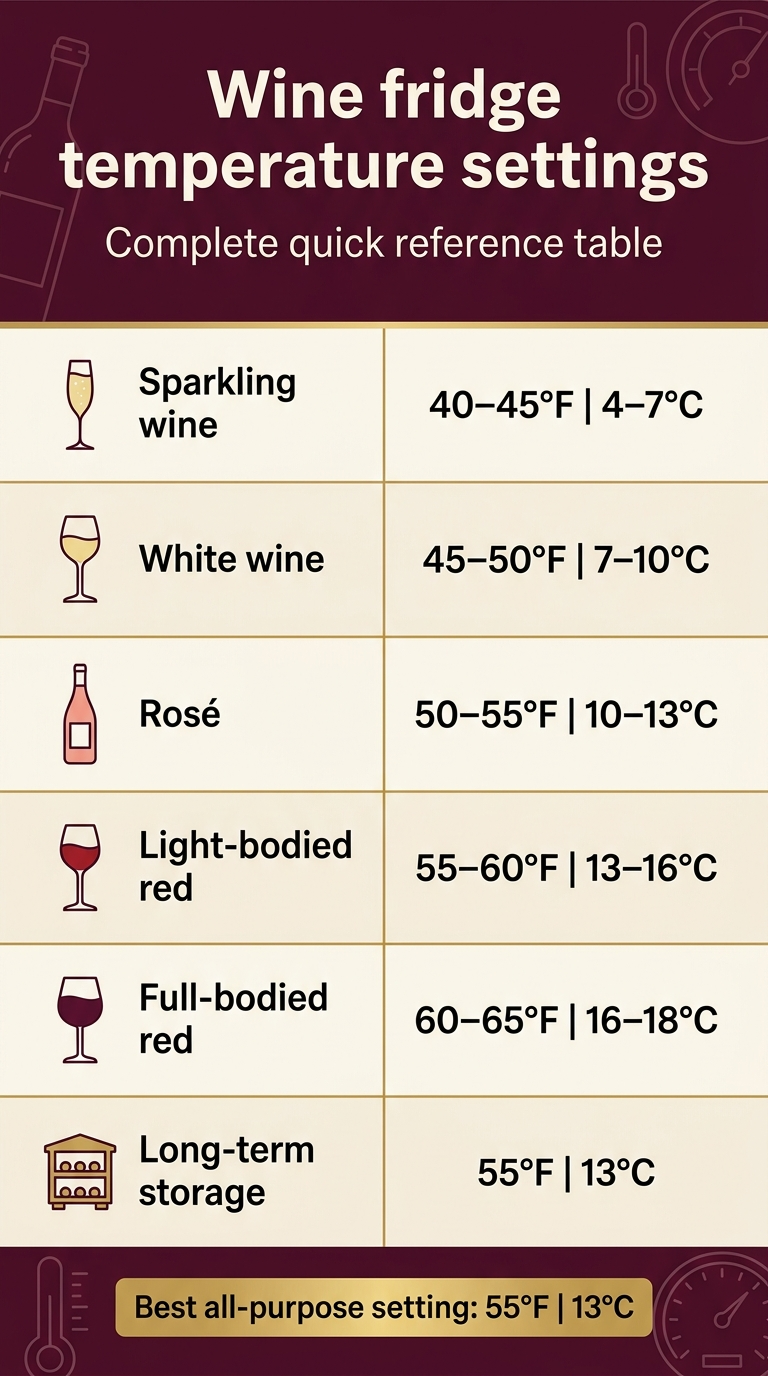
Quick Reference Temperature Chart
| Wine Type | Storage Temp (°F) | Serving Temp (°F) | Storage Temp (°C) | Serving Temp (°C) |
|---|---|---|---|---|
| Light Reds | 55°F | 60-65°F | 13°C | 16-18°C |
| Medium Reds | 55°F | 62-68°F | 13°C | 17-20°C |
| Full-Bodied Reds | 55°F | 65-68°F | 13°C | 18-20°C |
| Light Whites | 45-50°F | 45-50°F | 7-10°C | 7-10°C |
| Rich Whites | 45-50°F | 50-55°F | 7-10°C | 10-13°C |
| Rosé | 45-50°F | 45-50°F | 7-10°C | 7-10°C |
| Champagne | 38-45°F | 40-45°F | 3-7°C | 4-7°C |
| Sparkling | 38-45°F | 40-45°F | 3-7°C | 4-7°C |
Optimal Wine Fridge Temperature Settings by Zone
Your dual zone wine fridge settings become crystal clear when you break them down by wine style. Set your upper zone to 55°F for all red wines, regardless of whether you're storing Pinot Noir or Cabernet Sauvignon. This single temperature handles everything from light Beaujolais to bold Barolo perfectly.
Your lower zone needs more precision. Set it to 45°F for most white wines and rosé. If you're primarily storing Champagne or sparkling wines, drop that lower zone to 42°F for optimal preservation.
For single zone wine fridge temperature settings, stick with 50-55°F. This range works as your best compromise temperature, keeping both reds and whites in good condition without the luxury of separate zones.
Storage vs Serving Temperature Guidelines
Remember that your wine fridge temperature and serving temperature aren't always the same thing. You store all wines at cooler temperatures to preserve them, then let reds warm up slightly before serving.
Your storage temperature of 55°F for reds means you'll pull them out 15-30 minutes before serving to reach that ideal 60-68°F range. Whites and sparkling wines go straight from fridge to glass since their storage and serving temperatures align closely.
This temperature difference explains why proper wine refrigerator temperature settings focus on preservation first, taste second. Your wine fridge keeps everything fresh, and you fine-tune the serving temperature at the last moment.
Conclusion
Getting your wine fridge temperature right doesn't have to be complicated. Red wines shine at 62-68°F depending on their body, while whites and rosés need that cooler 45-50°F range. Sparkling wines and Champagne want it even chillier at 38-45°F. If you're dealing with temperature swings, check your door seal, avoid frequent opening, and keep your fridge away from heat sources.
The difference between perfect and imperfect storage really does show up in your glass. Those few degrees can mean the difference between a wine that tastes flat and lifeless versus one that delivers all the flavors the winemaker intended.
Temperature Settings Are Just One Part of Perfect Wine Storage
Getting your fridge settings right is a great start — but wine storage involves several other factors working together. Our wine storage temperature complete guide covers the broader science of why temperature is the single most important storage factor, with detailed guidance on what happens to your wine at various temperature extremes. Our 10 wine storage mistakes guide covers common errors beyond temperature — including humidity, light, vibration, and bottle position — that affect your wine even when the fridge is set perfectly. And if you're still deciding between thermoelectric and compressor models before setting any temperature at all, our thermoelectric vs compressor wine cooler guide breaks down which technology suits your collection size, noise preferences, and budget. Dial in your settings, keep them consistent, and every bottle will reward you. 🍷