
The Role of Harvest Timing in Wine Flavor and Quality
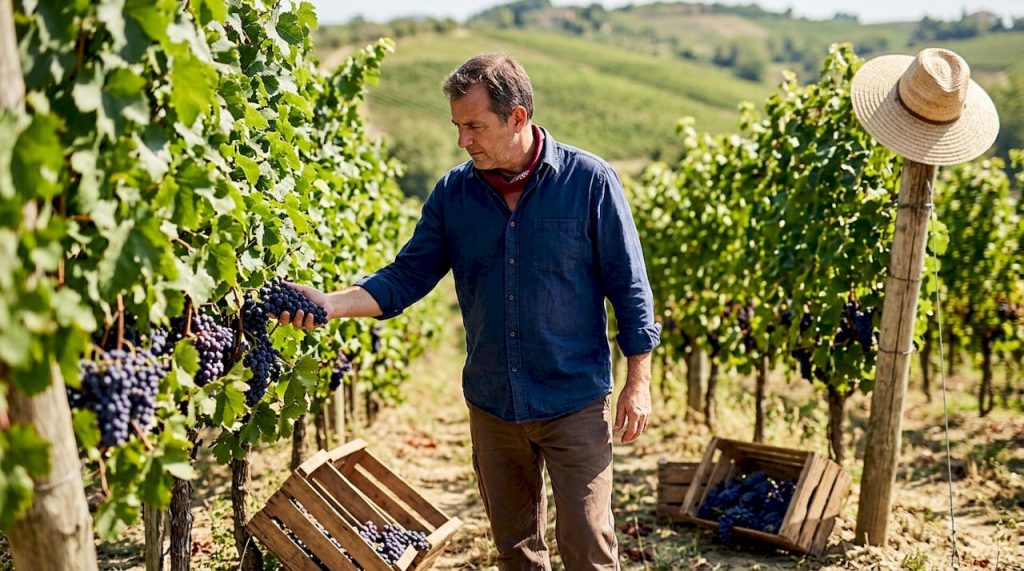
Harvest timing is the single most consequential decision a grower makes each year. It determines the balance of sugar, acidity, tannins, and aromatic compounds in the grape, and those numbers translate directly into the wine you pour. Pick too early and you get sharp, thin flavors. Pick too late and you lose freshness, gaining jamminess instead. The role of harvest timing in wine goes far beyond a calendar date. It shapes the entire personality of a bottle, from its color and aroma to how well it pairs with your dinner. Understanding this gives you a real edge when choosing and enjoying wine.
Affiliate Disclosure: Some links on Fine Wine World are affiliate links, meaning we may earn a paid commission if you click through and make a purchase — at no extra cost to you. Affiliate programs use cookies to track commissions, which may collect personal data. You can read more about how we handle your data in our Privacy Policy and Affiliate Disclosure. We only recommend products we genuinely trust.
What does the role of harvest timing in wine actually mean?
Harvest timing is defined as the precise moment grapes are picked to achieve the best possible balance between ripeness and freshness. Winemakers and viticulturists use two distinct concepts to describe this balance. Technological ripeness refers to measurable sugar and acid levels. Physiological ripeness refers to the maturity of tannins, seeds, skins, and aromatic compounds. These two types of ripeness do not always peak at the same time, and balancing both priorities is the central challenge of every harvest.
The significance of grape harvest timing becomes even clearer when you consider regional variation. Harvest dates can shift by more than 30 days within the same region depending on vintage climate, soil type, and grape variety. That kind of variability means two bottles from the same appellation can taste dramatically different based on when the grapes were picked. In the Northern Hemisphere, harvest generally runs from august through october. In the Southern Hemisphere, it falls between february and april.
How do growers decide the optimal harvest time for grapes?
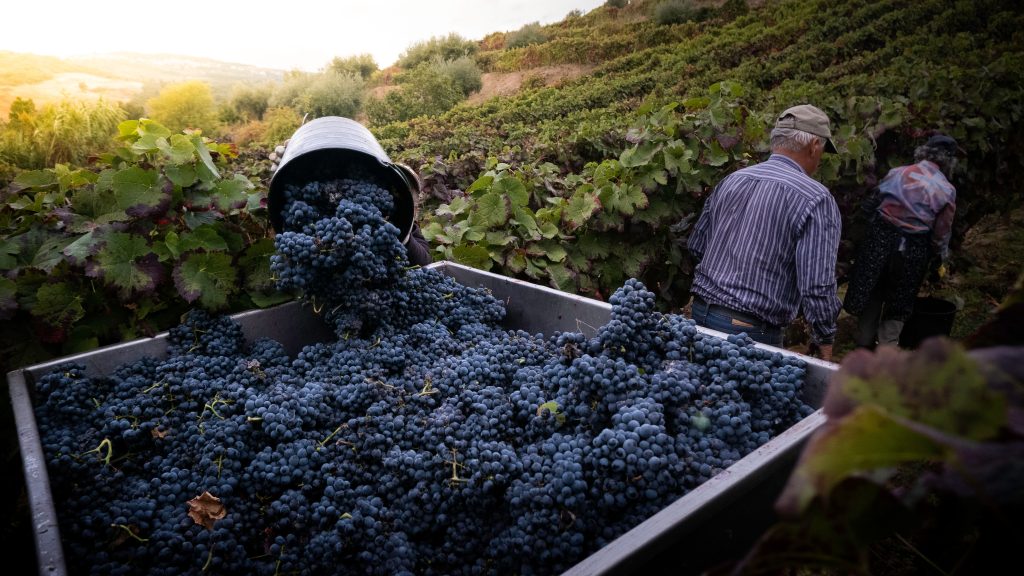
Growers use a combination of lab measurements and hands-on tasting to judge grape readiness. No single number tells the whole story.
- Brix (sugar concentration): Brix measures the percentage of sugar in grape juice. A higher Brix reading signals more potential alcohol. However, Brix alone is insufficient for making a sound harvest call. Grapes can hit a high Brix reading while tannins are still green and harsh.
- pH and titratable acidity (TA): A healthy pH range sits between 3.0 and 3.7. Titratable acidity should fall between 5.0 and 8.5 g/L. These figures tell growers how stable and fresh the wine will taste.
- Phenolic maturity: Experienced viticulturists taste seeds, skins, and pulp directly. Instruments alone cannot capture phenolic and aromatic maturity. A seed that tastes bitter and green signals the tannins are not ready, even if the sugar numbers look perfect.
- Aromatic profile: Growers smell and taste berries for the development of varietal aromas. Floral and herbal notes signal earlier ripeness. Richer, darker fruit aromas signal later ripeness.
- Weather monitoring: Rain, heat spikes, and humidity all affect the harvest window. Rot and mold can destroy a crop within days of a wet spell.
Pro Tip: Taste a handful of berries from different parts of the vineyard, not just one cluster. Ripeness varies row by row, and a single sample can mislead you.
The optimal harvest window for most varieties is narrow, often just one to two weeks per variety. Missing that window in either direction costs quality.
How does harvest timing affect wine flavor and aroma?
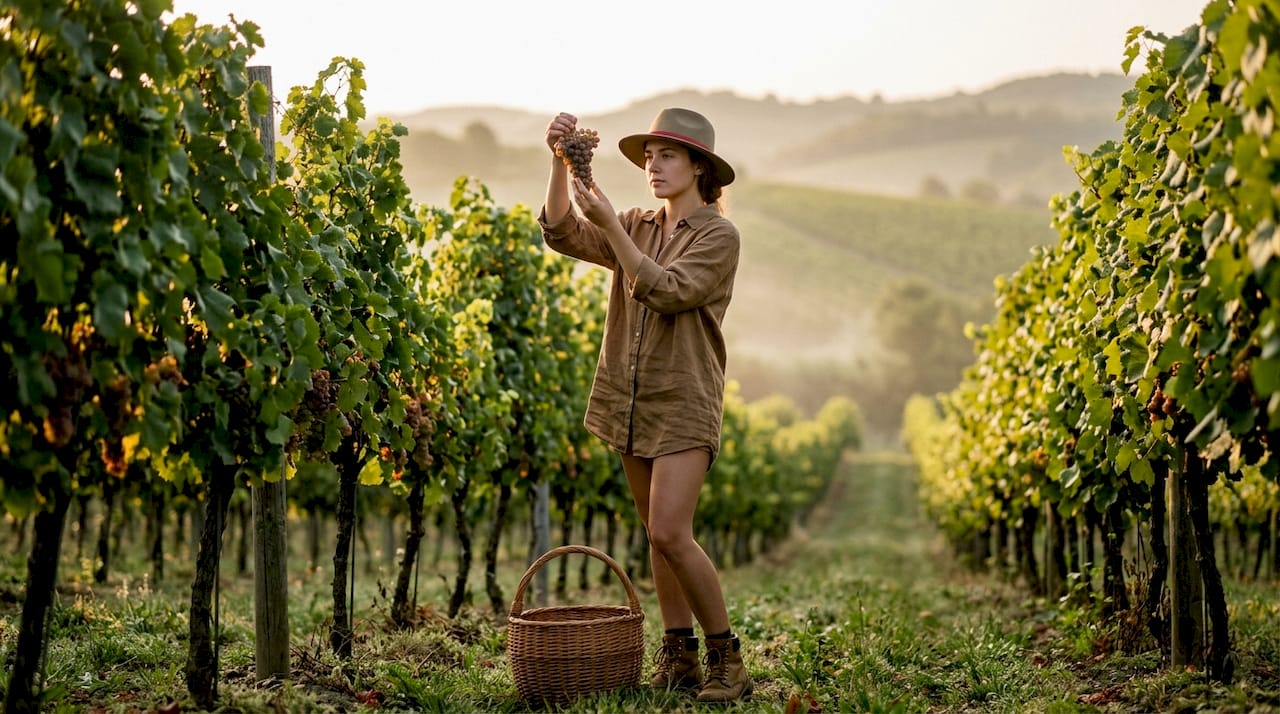
The impact of harvest time on wine is most visible in flavor and aroma. Early and late harvest grapes produce wines that taste fundamentally different, even from the same vineyard.
Early harvest wines
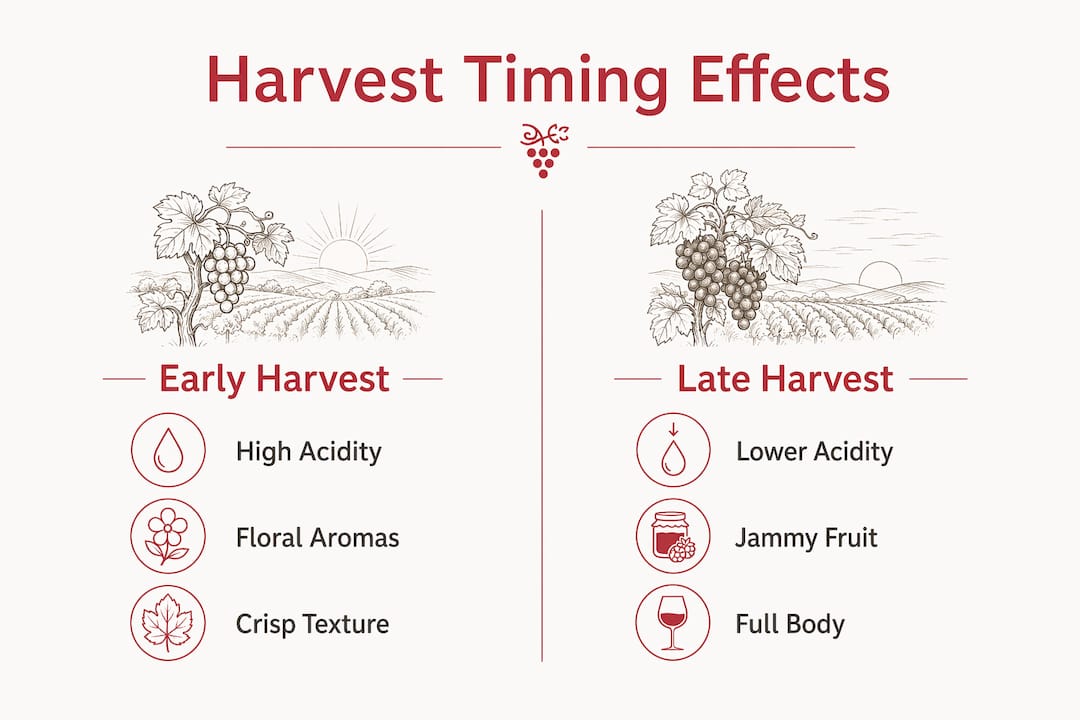
Early harvested grapes retain high acidity and a full range of volatile esters. These compounds create the floral, herbal, and citrus aromas you find in wines like crisp Sauvignon Blanc or a lean Pinot Grigio. A study found that early harvest with a 1.2-meter canopy height increased ester content by 28%, boosting fruity and floral intensity. That is a meaningful lift in aromatic complexity from a timing decision alone.
Late harvest wines
Late harvest grapes lose acidity as sugars concentrate. The aromatic profile shifts toward jammy dark fruit, dried flowers, and spice. Methoxypyrazines, the compounds responsible for green and herbaceous notes in grapes like Cabernet Sauvignon and Merlot, decrease significantly with later harvest dates. The result is a richer, rounder wine with less of that grassy edge. Sequential harvesting of Merlot across multiple dates showed clear, measurable changes in composition at each pick.
| Harvest style | Acidity | Dominant aromas | Tannin texture | Body |
|---|---|---|---|---|
| Early harvest | High | Floral, herbal, citrus | Firm, sometimes green | Light to medium |
| Late harvest | Lower | Dark fruit, jam, spice | Soft, polymerized | Medium to full |
Pro Tip: When you read a wine label that mentions “hand-selected” or “late harvest,” expect a richer, lower-acid wine. That is the harvest timing talking directly to your palate.
Tannin texture is one of the clearest sensory clues. Green, unripe tannins feel rough and drying on the sides of your tongue. Fully polymerized tannins from a later harvest feel smooth and coating. Learning to recognize this difference in the glass is one of the most useful wine tasting skills you can build.
What practical factors shape harvest timing decisions?
Harvest timing is never just about the grape. Vineyard conditions, logistics, and weather all push the decision one way or another.
- Vintage climate: A warm, dry year accelerates ripening. A cool, wet year slows it down. Vintage conditions are the dominant force on wine composition, though harvest date accounts for 11% of the variation in Merlot composition on its own. That is a significant share for a single decision.
- Canopy management: Dense canopies shade fruit and slow ripening. Open canopies expose grapes to more sun, speeding up sugar accumulation. Growers who manage canopy height actively gain more control over their harvest window.
- Harvesting during cool hours: Commercial vineyards favor night harvests, typically between midnight and 6 AM. Cool temperatures preserve delicate aromas, slow oxidation, and reduce the energy needed to cool grapes at the winery. This is especially important for aromatic white varieties like Riesling and Gewürztraminer.
- Risk of waiting too long: Every extra day on the vine is a gamble. Rain can trigger botrytis rot. Heat spikes can dehydrate berries. Insects and birds cause physical damage. Growers weigh the potential gain in ripeness against these real risks daily.
- Selective harvesting: Top estates send pickers through the vineyard multiple times, taking only the ripest clusters on each pass. This technique improves quality but raises labor costs significantly.
Biodynamic estates, like those in Burgundy that Fine-wine-world has covered, often lean toward earlier harvest for aromatic precision, prioritizing freshness over maximum ripeness. That philosophy shows up clearly in the wine’s lighter body and mineral character.
How does harvest timing help you choose and pair wine?
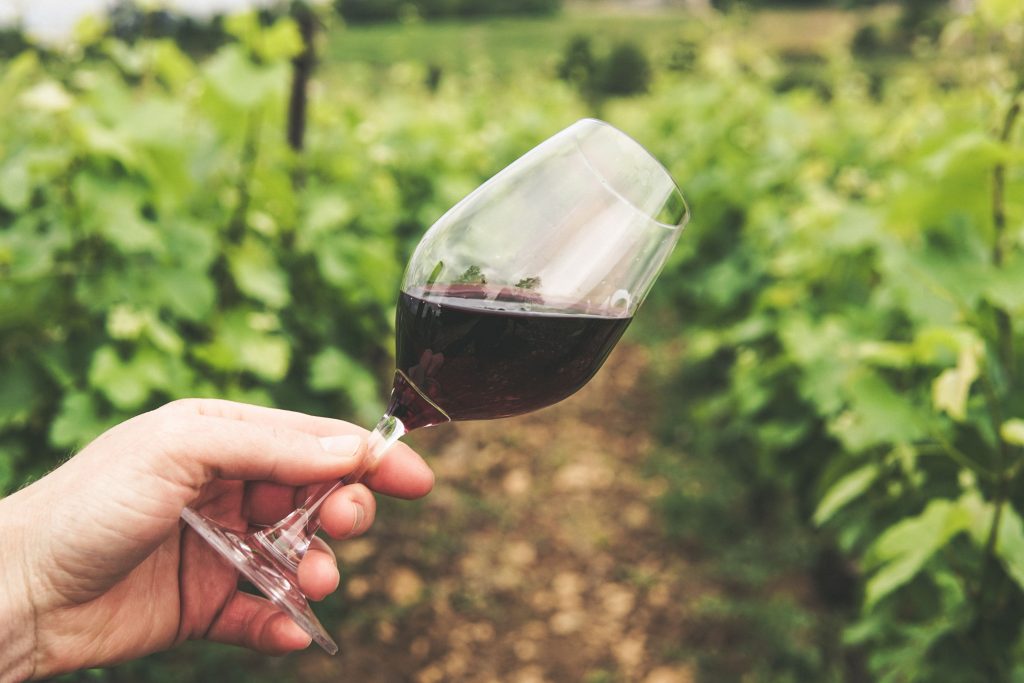
Understanding how harvest timing affects wine gives you a practical framework for selecting bottles and matching them with food. You do not need to know the exact harvest date. You just need to recognize the flavor signals it leaves behind.
- Early harvest wines are lighter-bodied, crisp, and high in acidity. They pair beautifully with seafood dishes, green salads, goat cheese, and light pasta. Think Chablis, Vinho Verde, or a cool-climate Pinot Noir.
- Late harvest wines are fuller-bodied with deeper fruit and lower acidity. They complement grilled meats, spicy dishes, aged cheeses, and rich sauces. A ripe Napa Valley Cabernet Sauvignon or a warm-climate Merlot fits this profile well.
- Chardonnay shows the range most dramatically. An early-picked Burgundy Chardonnay tastes lean and mineral. A late-picked California Chardonnay tastes buttery and tropical. Same grape, very different wine.
- Aging potential also links to harvest timing. Late harvest wines with high tannin and sugar concentration often age longer. Early harvest wines with high acidity can also age well, but they develop differently, gaining complexity rather than softening.
- Dessert wines represent the extreme end of late harvest. Grapes left on the vine to concentrate sugars produce wines like Sauternes or German Spätlese. These pair with dessert pairings that match their sweetness without competing with it.
When you shop for wine, look for regional clues. Cooler regions like Alsace, the Mosel, and New Zealand’s Marlborough tend to produce earlier harvest styles. Warmer regions like Napa, Barossa, and Mendoza lean toward later harvest profiles. Understanding food and wine pairing becomes much easier once you can read these signals.
Key Takeaways
Harvest timing is the most influential single decision in the vineyard, shaping a wine’s acidity, aroma, tannin texture, and pairing potential from the moment grapes are picked.
| Point | Details |
|---|---|
| Timing drives flavor | Early harvest produces crisp, floral wines; late harvest yields richer, fruit-forward styles. |
| Multiple ripeness measures matter | pH, titratable acidity, and tannin tasting together give a more accurate picture than Brix alone. |
| Harvest windows are narrow | Most varieties have an optimal window of just one to two weeks, making timing decisions high-stakes. |
| Cool-hour harvesting protects quality | Picking between midnight and 6 AM preserves aroma and reduces oxidation in the fruit. |
| Timing guides your pairing choices | Early harvest wines suit light dishes; late harvest wines complement richer, heavier foods. |
Why harvest timing is the detail most wine lovers overlook
I have tasted through a lot of vintages, and the question I get least often from wine lovers is the one that matters most: when were these grapes picked? People ask about the region, the grape variety, the winemaker. Rarely the harvest date. That surprises me, because harvest timing leaves the clearest fingerprints of any decision made in the vineyard.
Here is what I have come to believe: most people read a wine’s flavor as fixed, as if it were just the grape variety expressing itself. But the same Cabernet Sauvignon grape picked two weeks apart can produce wines that taste like they come from different countries. The green, structured version picked early. The plush, dark-fruited version picked late. Neither is wrong. They are just different conversations the winemaker chose to have.
The pitfall I see most often is assuming that riper always means better. Late harvest wines get a lot of attention for their richness and depth. But an early harvest Riesling with razor-sharp acidity and delicate floral notes is just as complex. It is just expressing a different kind of beauty. Learning to appreciate both styles opens up your wine world considerably.
My honest advice: next time you open a bottle you love, look up the vintage conditions for that region and year. A warm year likely pushed harvest later. A cool year probably pulled it earlier. That context will change how you taste the wine. You will start connecting the dots between climate, timing, and what is actually in your glass. That is when wine stops being a beverage and starts being a story.
— Adriana
Deepen your wine knowledge with Fine-wine-world
Fine-wine-world is built for exactly this kind of curiosity. Whether you are just starting to explore wine regions or you want to sharpen your tasting skills, there is a guide waiting for you.
Start with the wine regions beginner’s guide to understand how climate and terroir connect to harvest timing across the world’s great wine-producing areas. If you want to put your new knowledge to work at the dinner table, the food and wine pairing section breaks down exactly which wine styles work best with which dishes. And if you are curious about how aging changes wines shaped by early or late harvest decisions, the guide to cellaring aged wine covers everything you need to know.
FAQ
What is harvest timing in winemaking?
Harvest timing is the decision of when to pick grapes to achieve the best balance of sugar, acidity, tannins, and aromatic compounds. It is the most influential single decision made in the vineyard each year.
How does harvest timing affect wine flavor?
Early harvest preserves acidity and floral aromas, producing lighter, crisper wines. Late harvest reduces acidity and increases dark fruit flavors, producing richer, fuller-bodied wines.
What is the best harvest timing for grapes?
The best harvest timing depends on the grape variety, the wine style being made, and the vintage conditions. Most varieties have an optimal window of one to two weeks where sugar, acid, and tannin maturity align.
Why is Brix not enough to determine harvest timing?
Brix measures sugar concentration but does not capture tannin maturity or aromatic development. Growers also need to assess pH, titratable acidity, and sensory evaluation of seeds and skins to make a sound harvest decision.
How can I use harvest timing knowledge when buying wine?
Look for regional and stylistic clues on the label. Cooler regions and lighter styles typically reflect earlier harvest timing. Warmer regions and richer styles reflect later harvest timing. Matching those profiles to your meal makes pairing much more reliable.